Compact Home Theater Speakers
If you're looking for a new set of speakers to go with your TV, but don't have a lot of space to work with, you might be interested in compact home theater speakers. These small speakers are designed to fit on a TV stand or shelf and deliver sound that's big on power and rich in detail.
Sort
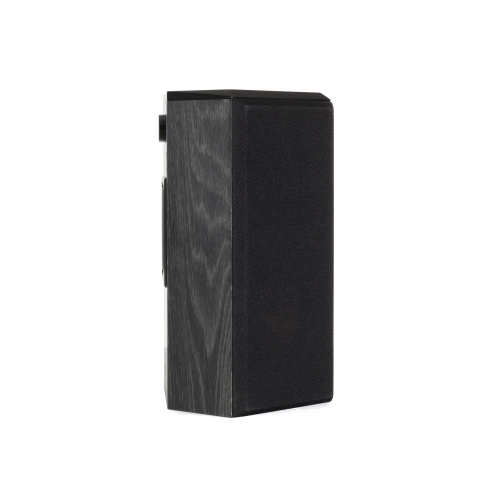
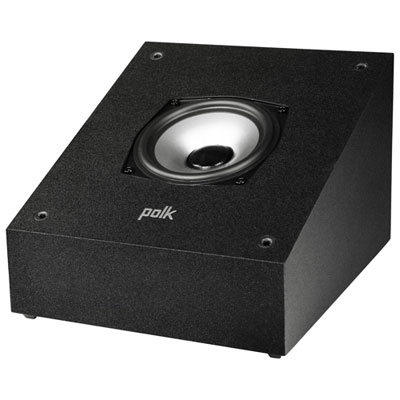
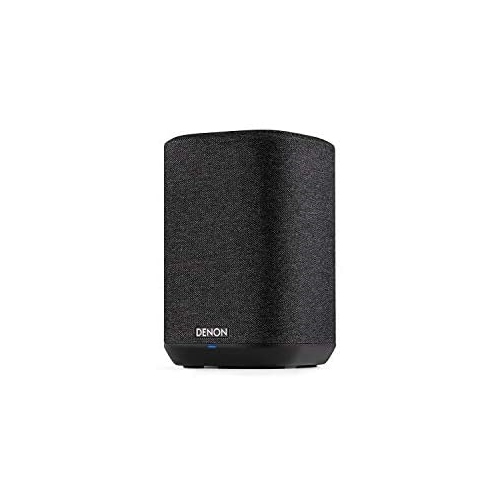
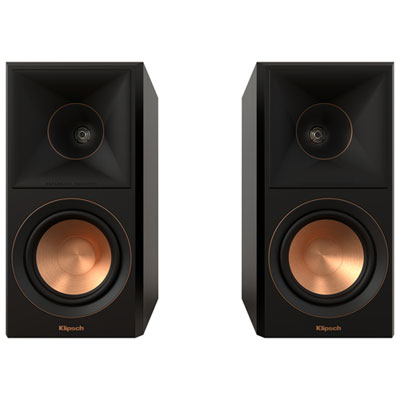
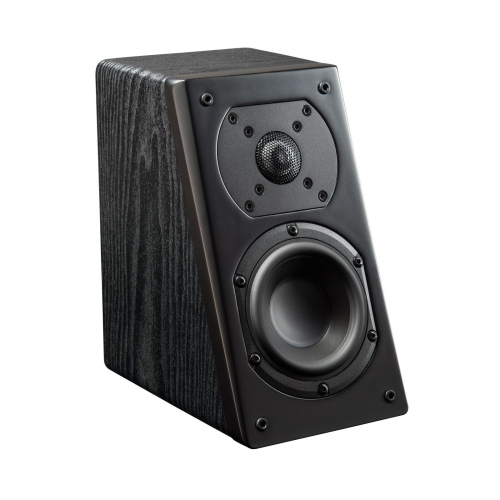
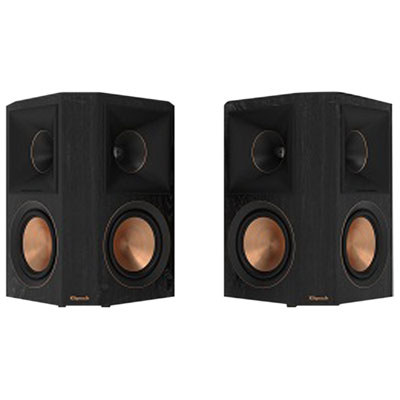
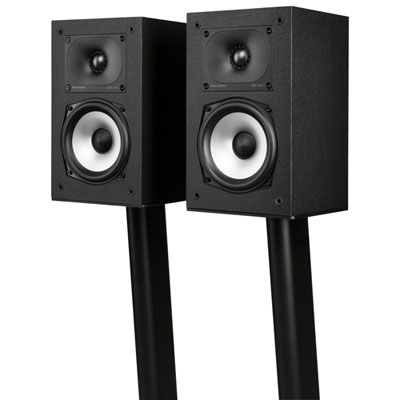
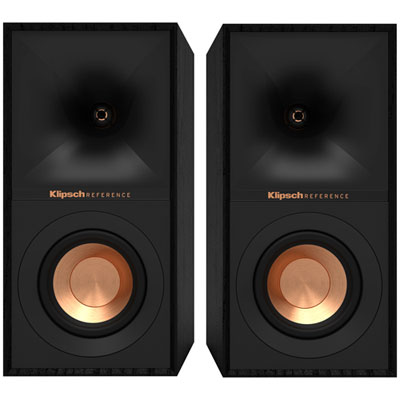
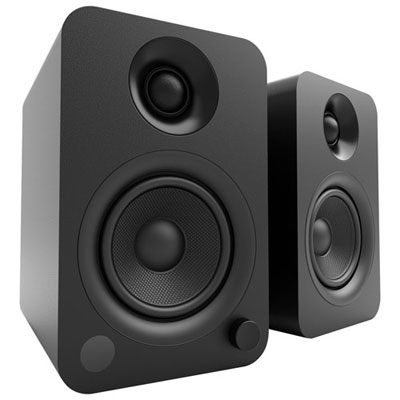
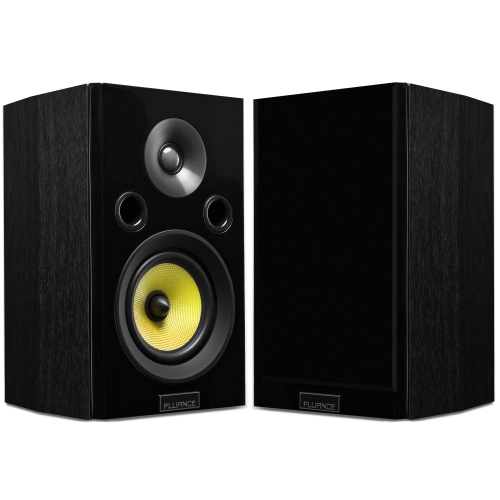
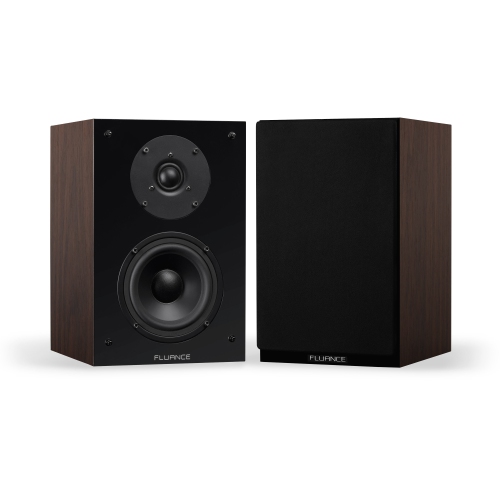
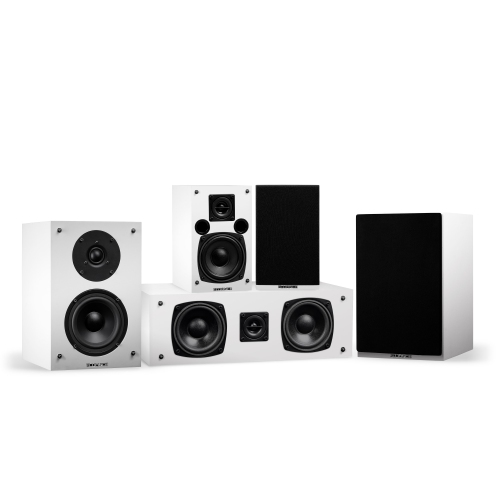
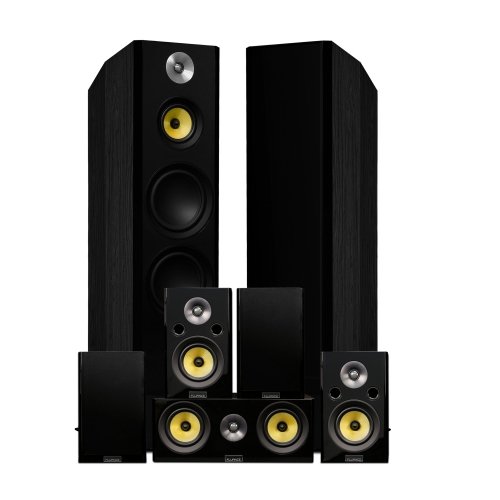
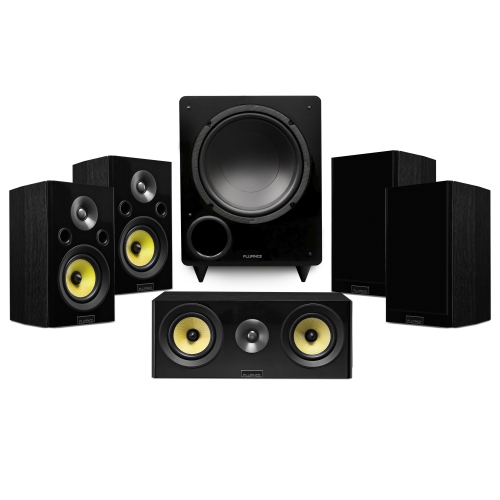
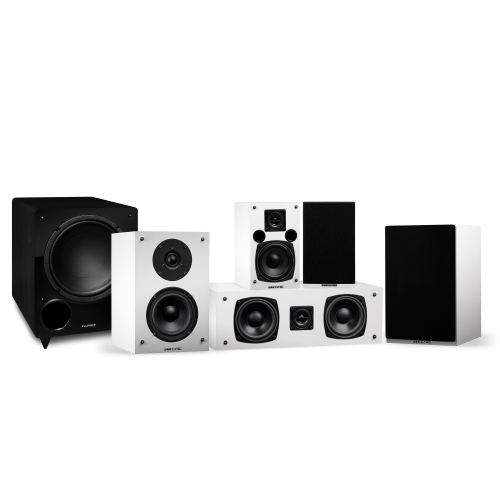
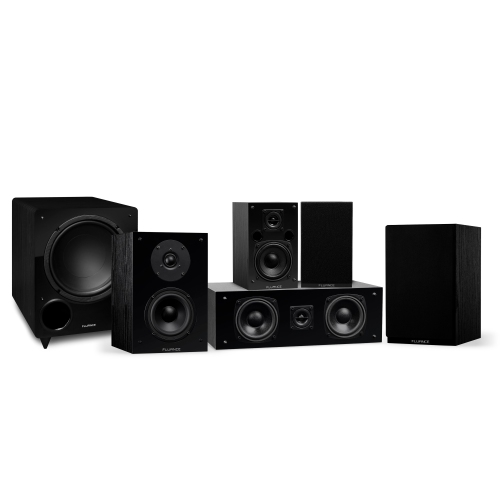
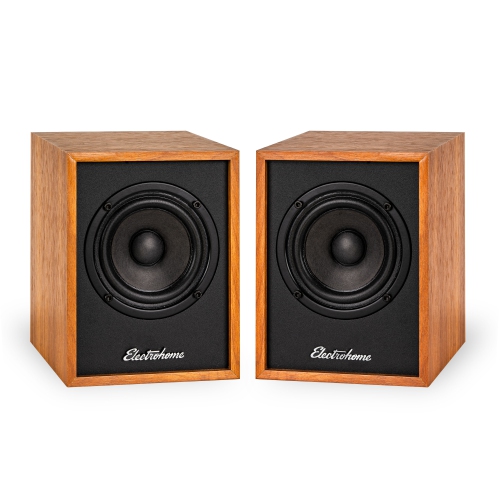
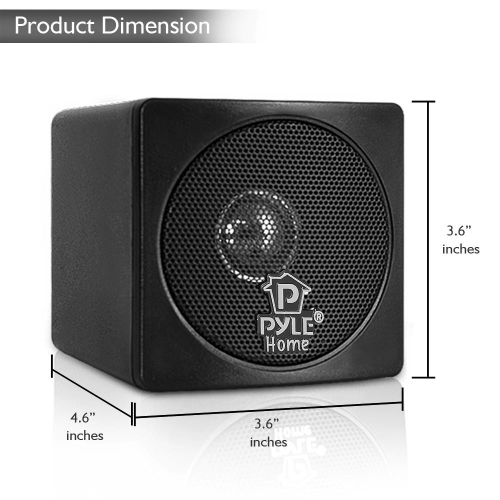
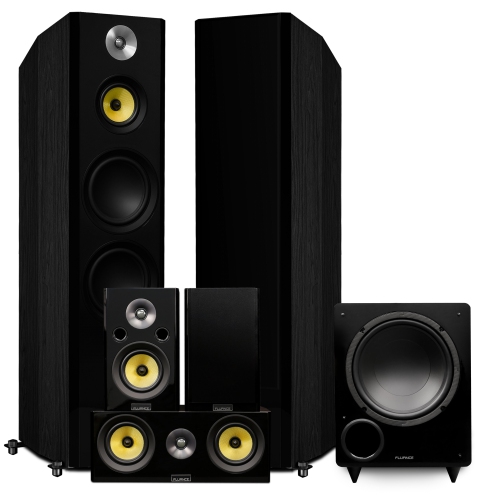
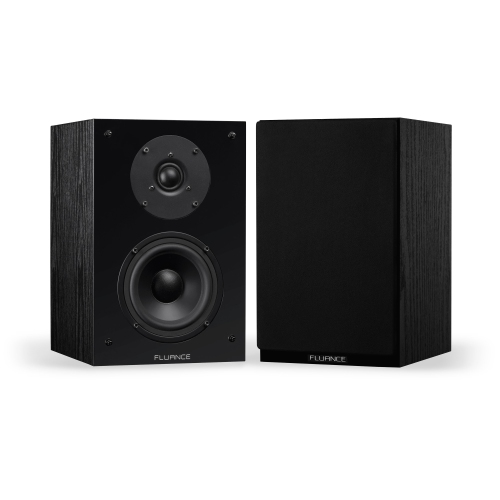
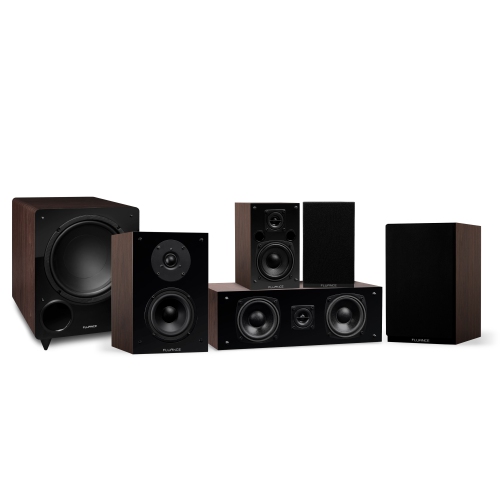
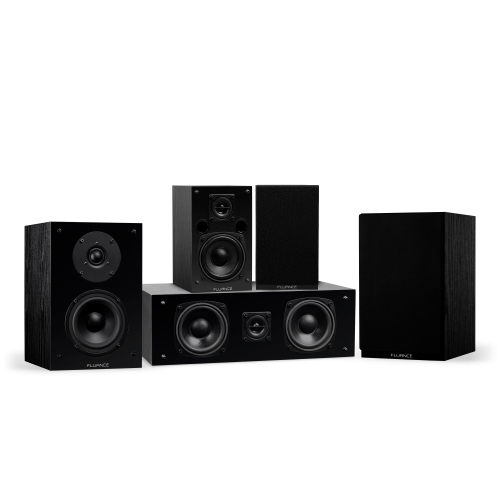
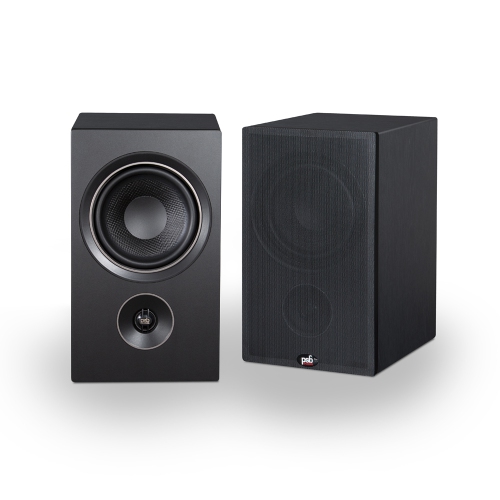
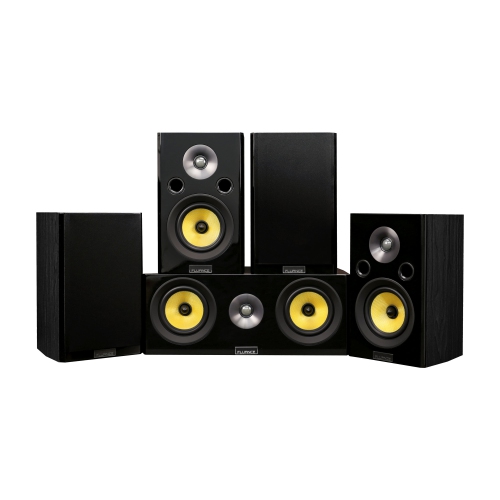
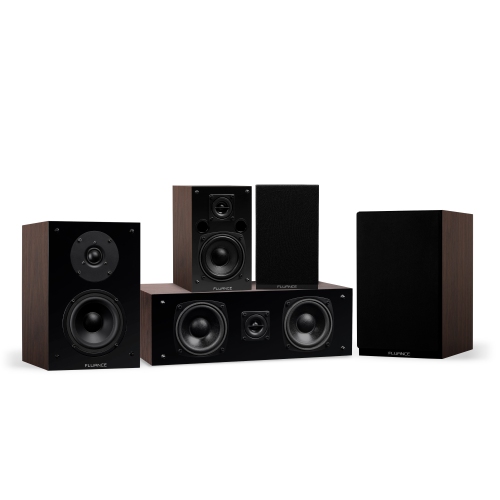
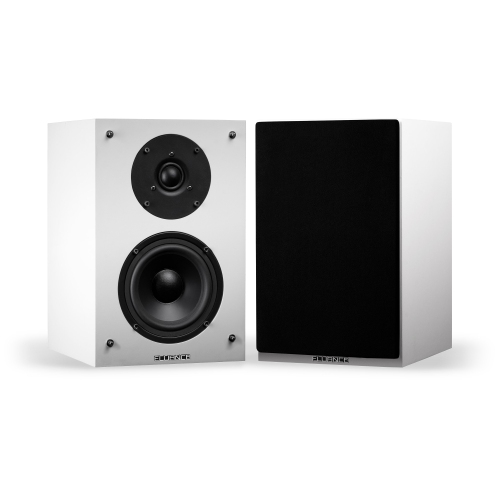
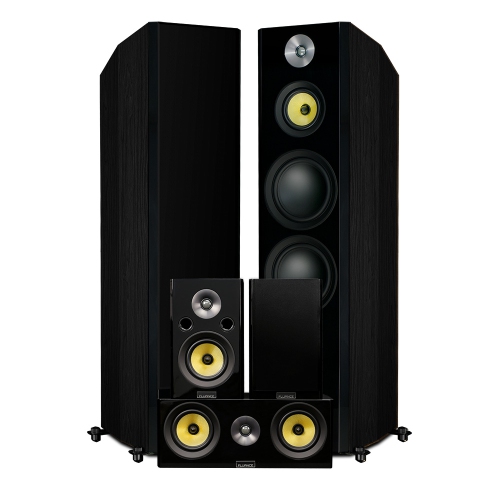
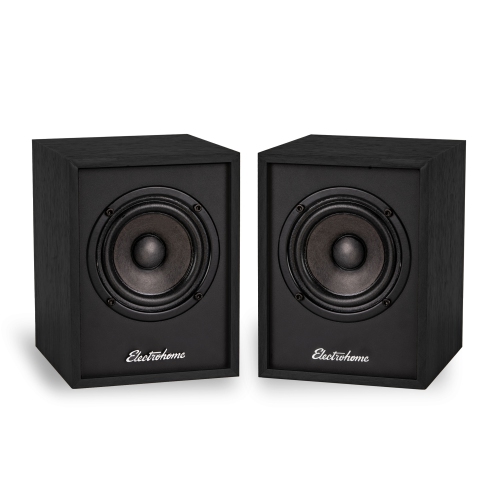
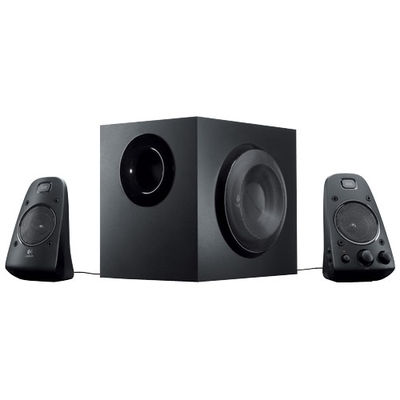


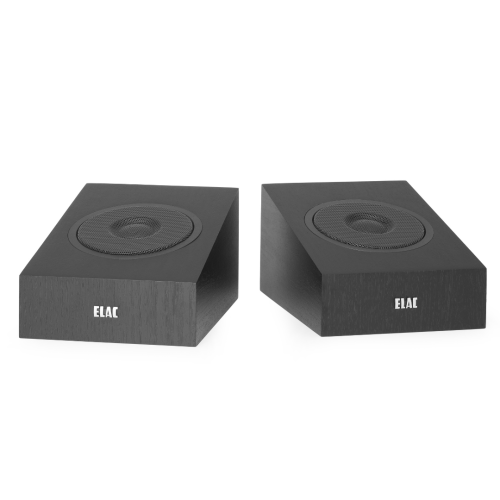
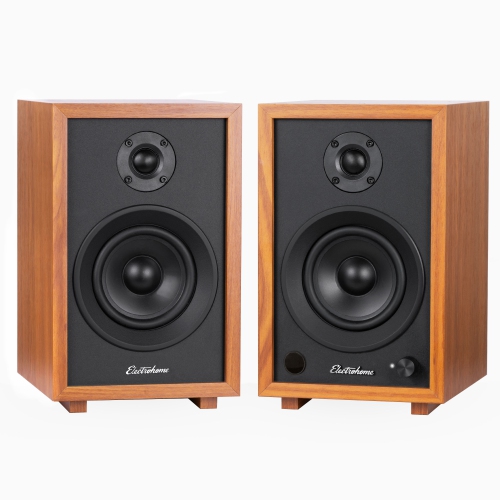
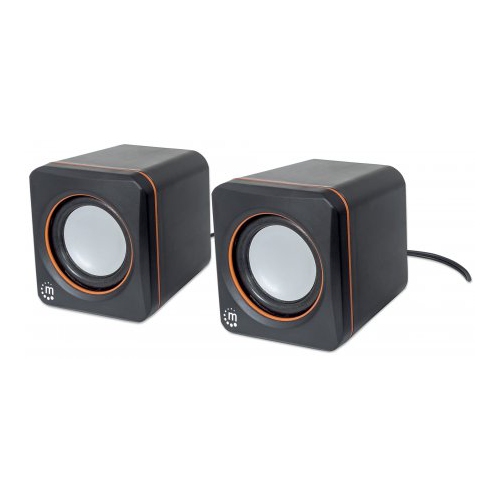
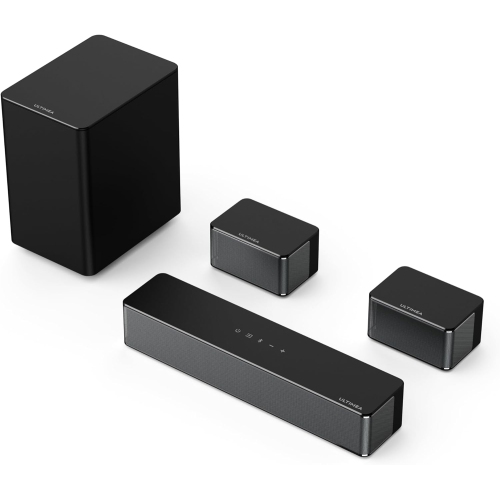
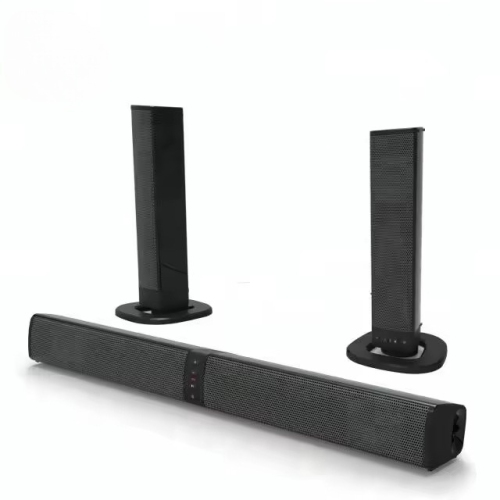

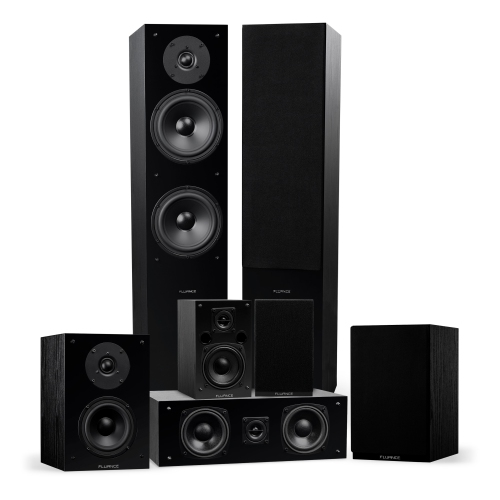
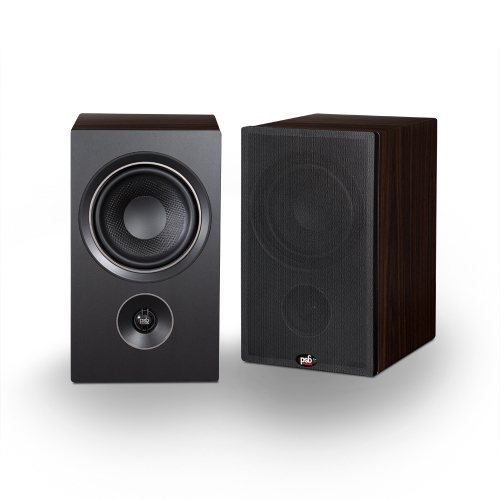
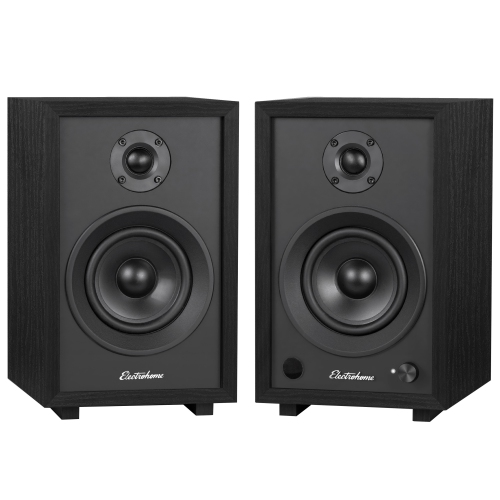
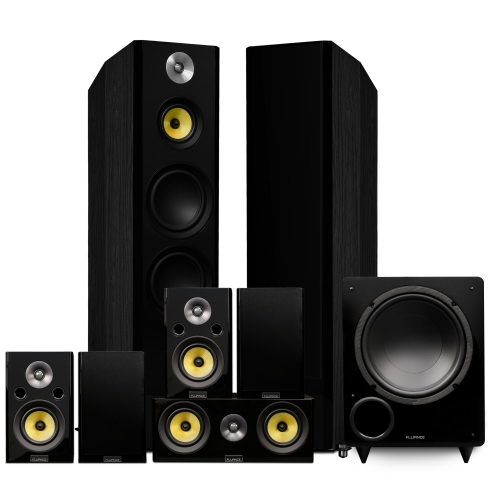
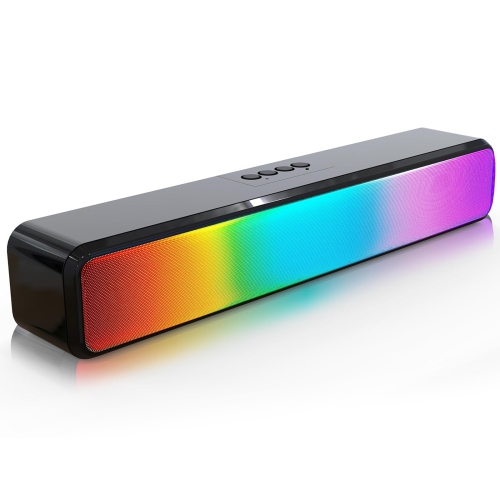
Space-saving sound with clearer dialogue and cinematic impact
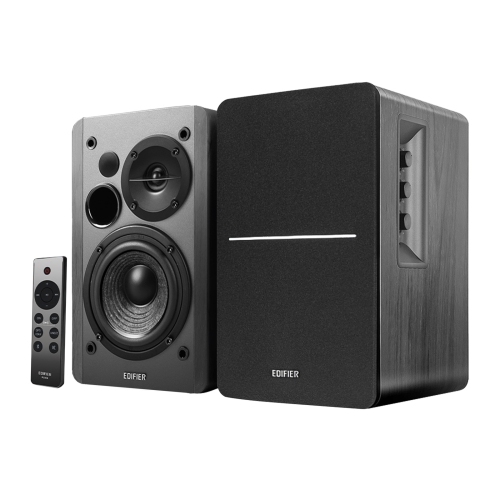
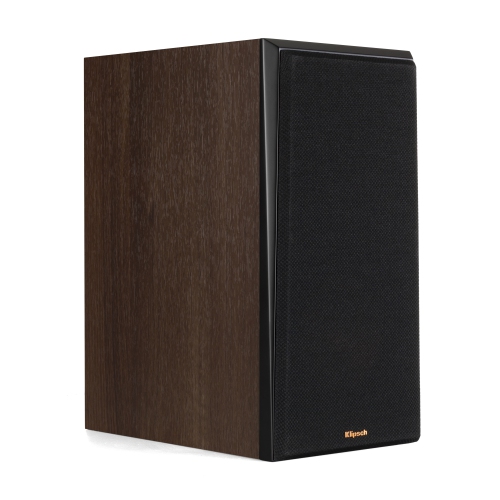
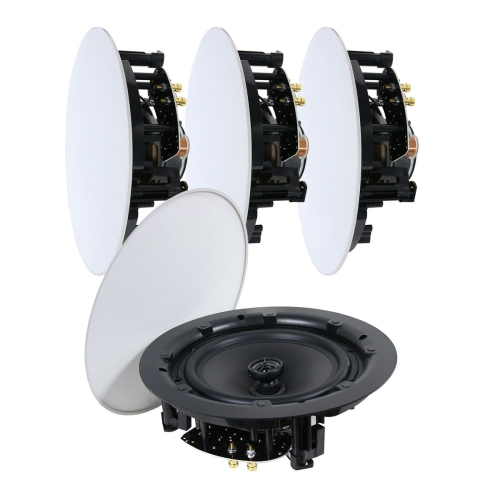
Compact home theater speakers are designed for listeners who want a more immersive movie, television, music, and gaming experience without filling a room with large cabinets. Their smaller footprint makes them a practical choice for apartments, condos, bedrooms, dens, basement lounges, and multipurpose living rooms where every shelf and square inch matters. Instead of relying only on the built-in speakers of a television, a compact speaker system can create a wider, more natural soundstage, helping dialogue feel clearer and sound effects seem more precisely placed around the room. A pair of compact bookshelf speakers can work well as the left and right channels in a simple stereo setup, while several matching speakers can form part of a surround sound arrangement. They are also useful in rooms where a full-sized tower speaker would look out of place or interfere with walkways, furniture, or a television stand. Look for a cabinet size that fits your available space, then consider how the speakers will be positioned. Front left and right speakers generally perform best at ear level when seated and angled slightly toward the listening position. If a shelf is not available, wall-mountable designs can keep the floor clear and make use of unused wall space. A front-firing bass port may be helpful when speakers need to sit close to a wall, although leaving some breathing room behind the cabinet is still recommended whenever possible. Measuring the space before shopping can prevent surprises, particularly when placing speakers inside an entertainment unit or on a narrow console.
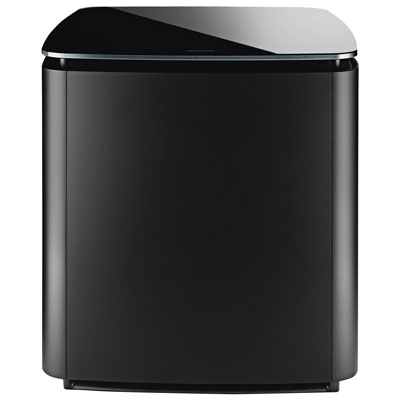
Sound quality depends on more than a speaker’s external size. Pay attention to the driver arrangement, frequency response, power handling, sensitivity, and impedance compatibility with the AV receiver or amplifier. A dedicated woofer helps reproduce the warmth and impact of music, action scenes, and game soundtracks, while a tweeter handles higher frequencies such as dialogue detail, cymbals, room ambience, and subtle effects. Compact speakers may not produce the deepest low bass on their own, but pairing them with a powered subwoofer can add the rumble of a cinematic soundtrack without requiring larger main speakers. This arrangement also gives the compact speakers less demanding low-frequency work, which can help them deliver cleaner midrange sound at a comfortable listening volume. Before connecting a new set, confirm that the receiver provides the appropriate number of channels and supports the speaker’s impedance range. Binding posts, spring terminals, or other secure connection points can make installation easier, while removable grilles let you choose between a more discreet appearance and a visible driver design. Listeners building a Dolby Atmos home theatre should check whether the speaker is intended for the required channel placement and whether the rest of the system supports the format. Room correction features on a compatible receiver can help balance output when furniture, walls, and room dimensions create uneven sound. In a smaller room, careful placement often makes a greater difference than simply choosing the most powerful option. Keep the left and right speakers at similar distances from the main seating area, avoid hiding them behind décor, and leave enough clearance for sound to travel into the room. Those looking for an especially space-conscious design may also wish to compare Thin Home Theater Speakers for rooms with limited depth or narrow wall space.
Compact home theater speakers can suit a wide range of households and listening habits. They are a sensible starting point for someone moving from television audio to a dedicated sound system, and they can also serve as front, rear, or surround channels in a larger setup that grows over time. A film fan may use them to bring fuller dialogue and more convincing effects to weekend movie nights, while a gamer can benefit from clearer directional cues that make it easier to follow movement across the screen. For music, a well-matched pair can provide a more open and balanced presentation than small built-in speakers, whether the room is used for casual playlists, radio, or focused listening. They can be a thoughtful gift for someone furnishing a first apartment, setting up a media room, or upgrading a gaming space during the cooler months when more time is spent indoors. Compact speakers also make a useful addition to a shared family room because they can deliver engaging sound without dominating the décor. When choosing a set as a gift, it helps to consider whether the recipient already owns an AV receiver, stereo amplifier, subwoofer, speaker wire, or wall-mounting hardware. A pair of passive speakers needs compatible amplification, while an active or powered design may include amplification within the cabinet and connect in a different way. Finish and cabinet shape matter as well, especially when the speakers will remain visible beside a television or on open shelving. For a straightforward setup, choose speakers that match the receiver’s available channels and plan their locations before purchasing cables or mounts. For a more ambitious home theatre, matching speakers across the front and centre channels can create smoother movement of voices and effects from one side of the screen to the other. Whether used in a compact apartment, a dedicated media room, or a flexible family space, the right compact home theater speakers can make everyday viewing feel more involving while keeping the room comfortable, organised, and easy to live in.
Sound quality depends on more than a speaker’s external size. Pay attention to the driver arrangement, frequency response, power handling, sensitivity, and impedance compatibility with the AV receiver or amplifier. A dedicated woofer helps reproduce the warmth and impact of music, action scenes, and game soundtracks, while a tweeter handles higher frequencies such as dialogue detail, cymbals, room ambience, and subtle effects. Compact speakers may not produce the deepest low bass on their own, but pairing them with a powered subwoofer can add the rumble of a cinematic soundtrack without requiring larger main speakers. This arrangement also gives the compact speakers less demanding low-frequency work, which can help them deliver cleaner midrange sound at a comfortable listening volume. Before connecting a new set, confirm that the receiver provides the appropriate number of channels and supports the speaker’s impedance range. Binding posts, spring terminals, or other secure connection points can make installation easier, while removable grilles let you choose between a more discreet appearance and a visible driver design. Listeners building a Dolby Atmos home theatre should check whether the speaker is intended for the required channel placement and whether the rest of the system supports the format. Room correction features on a compatible receiver can help balance output when furniture, walls, and room dimensions create uneven sound. In a smaller room, careful placement often makes a greater difference than simply choosing the most powerful option. Keep the left and right speakers at similar distances from the main seating area, avoid hiding them behind décor, and leave enough clearance for sound to travel into the room. Those looking for an especially space-conscious design may also wish to compare Thin Home Theater Speakers for rooms with limited depth or narrow wall space.
Compact home theater speakers can suit a wide range of households and listening habits. They are a sensible starting point for someone moving from television audio to a dedicated sound system, and they can also serve as front, rear, or surround channels in a larger setup that grows over time. A film fan may use them to bring fuller dialogue and more convincing effects to weekend movie nights, while a gamer can benefit from clearer directional cues that make it easier to follow movement across the screen. For music, a well-matched pair can provide a more open and balanced presentation than small built-in speakers, whether the room is used for casual playlists, radio, or focused listening. They can be a thoughtful gift for someone furnishing a first apartment, setting up a media room, or upgrading a gaming space during the cooler months when more time is spent indoors. Compact speakers also make a useful addition to a shared family room because they can deliver engaging sound without dominating the décor. When choosing a set as a gift, it helps to consider whether the recipient already owns an AV receiver, stereo amplifier, subwoofer, speaker wire, or wall-mounting hardware. A pair of passive speakers needs compatible amplification, while an active or powered design may include amplification within the cabinet and connect in a different way. Finish and cabinet shape matter as well, especially when the speakers will remain visible beside a television or on open shelving. For a straightforward setup, choose speakers that match the receiver’s available channels and plan their locations before purchasing cables or mounts. For a more ambitious home theatre, matching speakers across the front and centre channels can create smoother movement of voices and effects from one side of the screen to the other. Whether used in a compact apartment, a dedicated media room, or a flexible family space, the right compact home theater speakers can make everyday viewing feel more involving while keeping the room comfortable, organised, and easy to live in.
Top selling and popular products
-
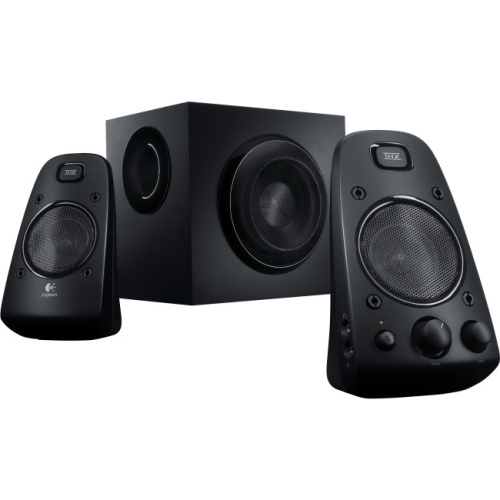 Your price for this item is $286.58
 -
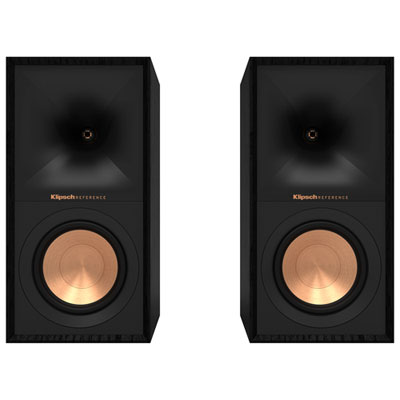 Your price for this item is $369.99
 -
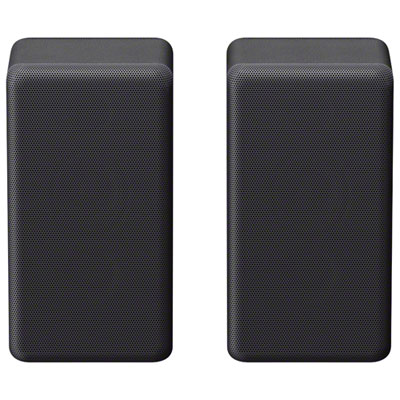 Your price for this item is $449.95
 -
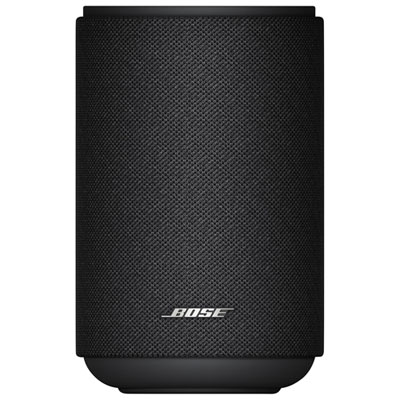 Your price for this item is $399.99
 -
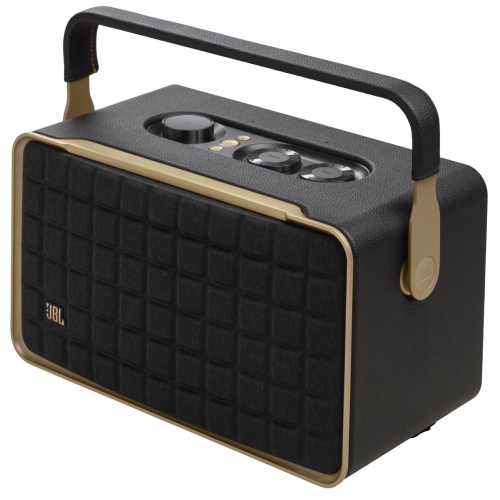 Your price for this item is $399.99
 -
 Your price for this item is $399.99
 -
 Your price for this item is $229.99
 -
 Your price for this item is $949
Discover more categories related to Compact Home Theater Speakers
Top Collections:
Pokemon Centers, Kindle Devices, Best Budget Office Chairs, Apple iPhones 16, Best Laptops for Writers, iPhone 15 Apple, Canon G7X Cameras, Refurbished Apple Laptops, Alarm Clock, Motorola Razr Phones
Some products may be subject to Environmental Handling Fees
(EHF) depending on your province.
Learn more about EHFs.