Deep Bass Headphones
Deep Bass Headphones deliver an immersive audio experience that brings your music, movies, and games to life. Designed for those who appreciate powerful sound, these headphones provide rich, resonant lows that enhance every beat and note. Whether you're at home, on the go, or in the studio, Deep Bass Headphones are an ideal choice for enjoying your favorite tracks with exceptional clarity and depth. Explore a wide range of styles and features to find the perfect fit for your listening needs.
Sort

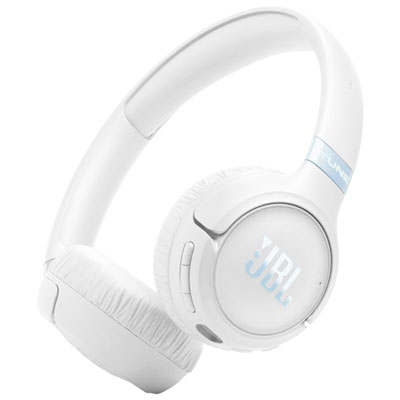
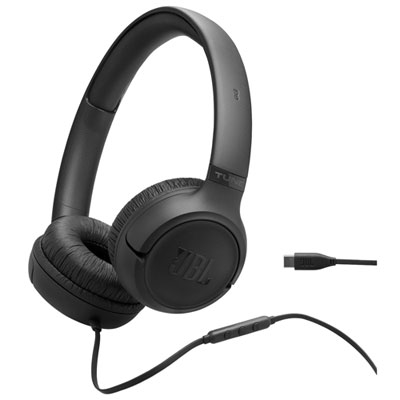
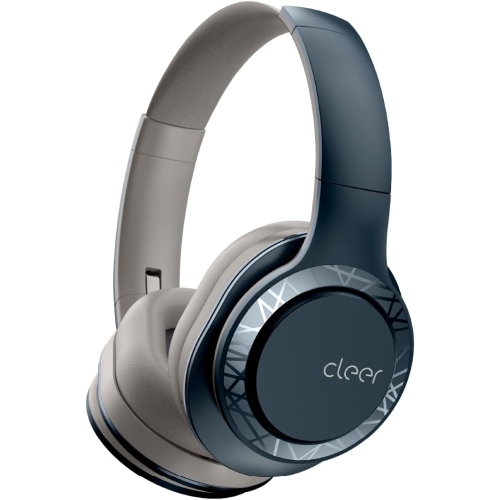
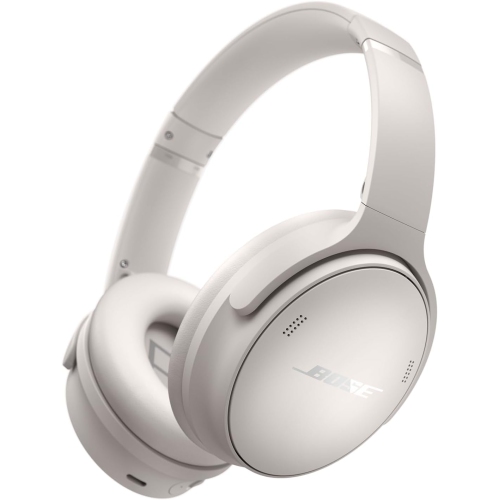
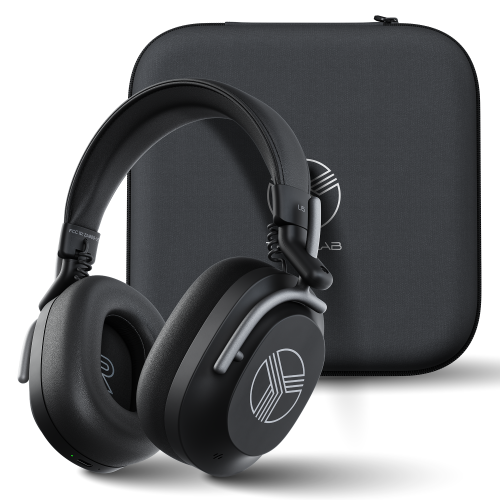
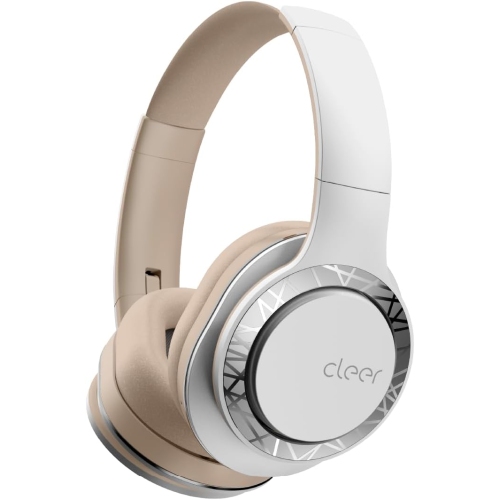
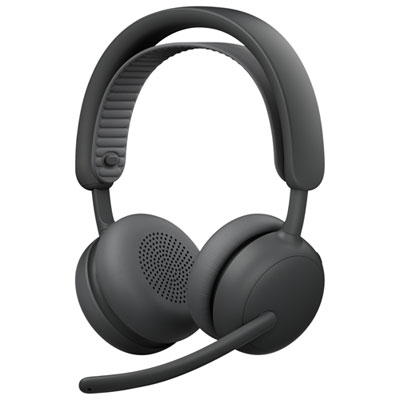
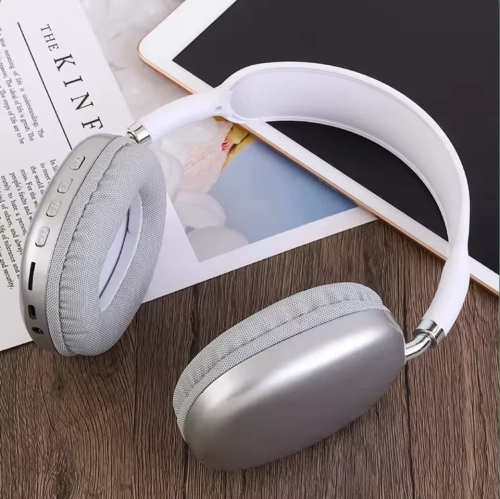

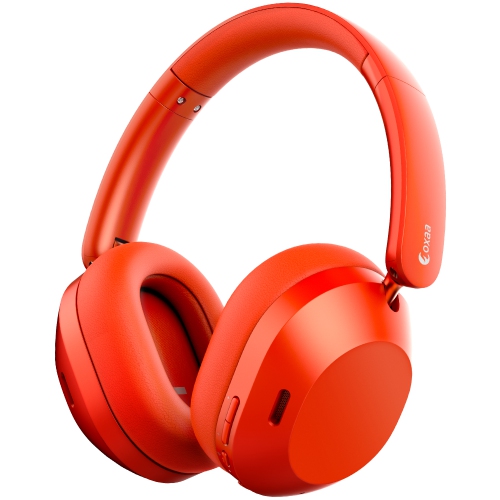
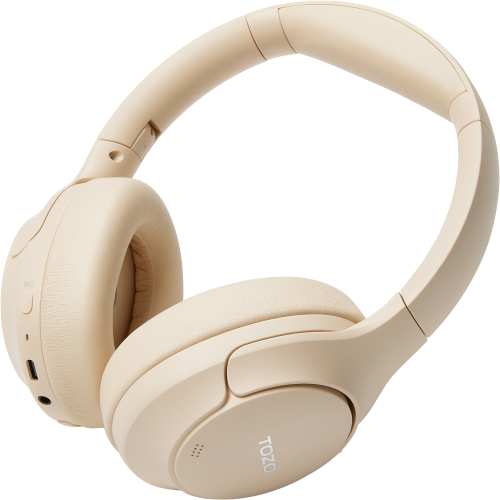
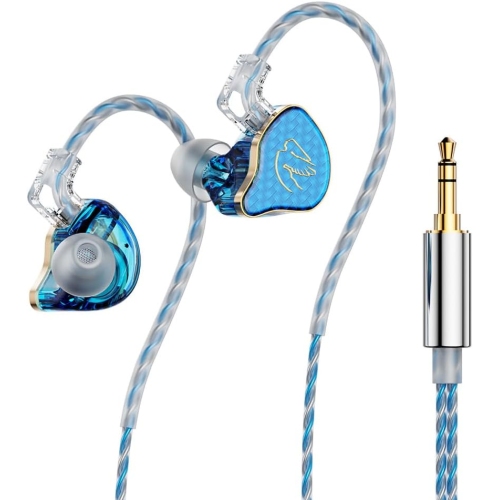


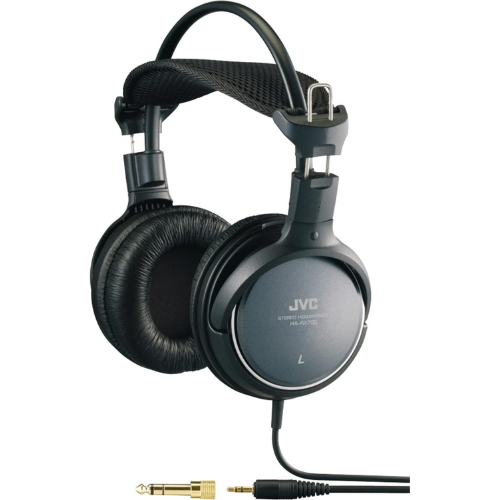
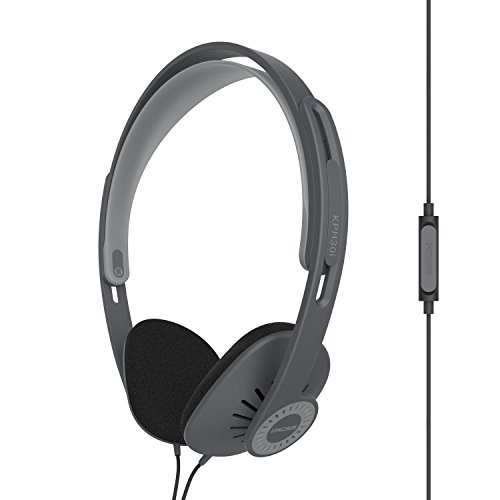
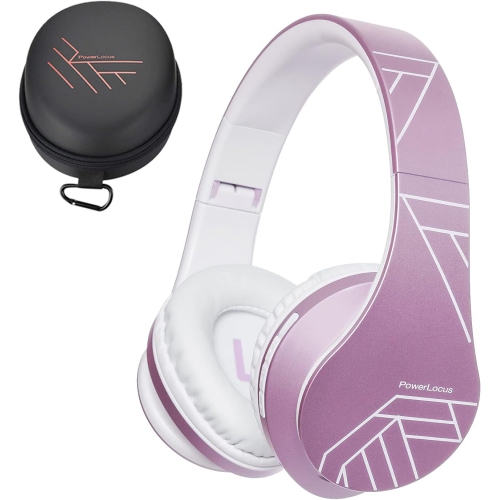

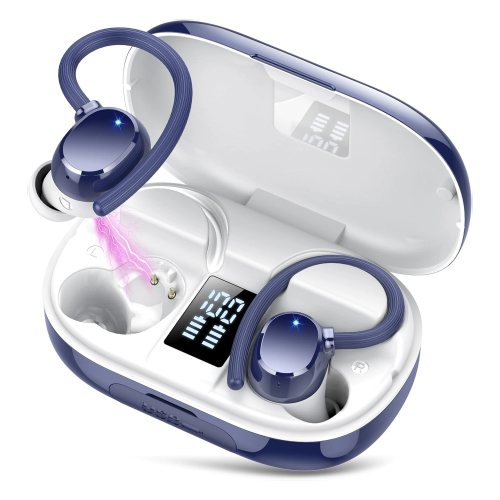
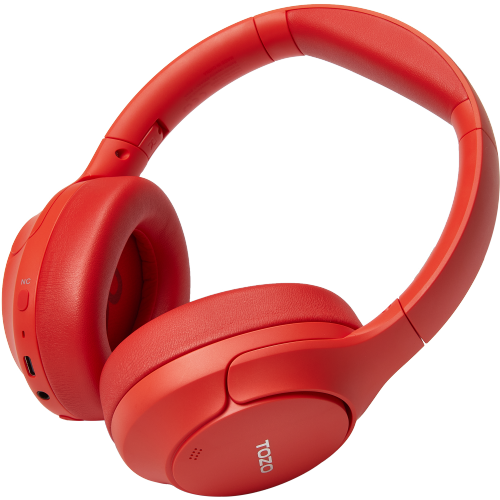
What gives powerful bass its punch and clarity
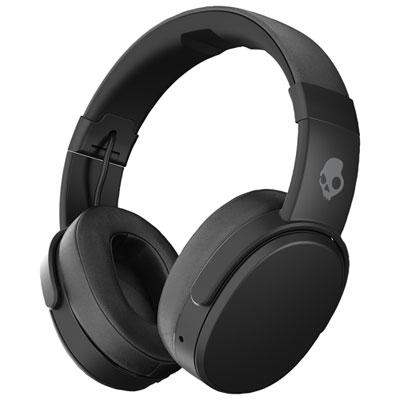
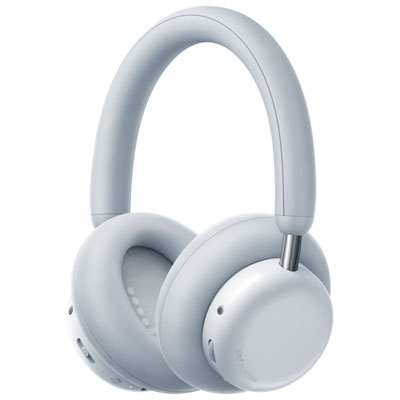
Deep bass headphones give low-frequency sounds a strong presence, bringing weight to kick drums, depth to bass guitar, and a rolling rumble to electronic music and film soundtracks. Their appeal is not simply louder bass: a satisfying low end should have definition, so individual notes remain distinct and vocals do not disappear behind the beat. Sub-bass describes the deepest rumble, while mid-bass contributes much of the punch heard in drums and bass lines. Different headphone designs emphasize these regions differently, creating anything from a warm, full sound to a more forceful, club-like presentation. For hip-hop, dance music, and bass-heavy pop, that extra weight can make familiar tracks feel especially engaging. It can also add impact to an orchestral crescendo or the distant thunder of a cinematic sound effect. The balance between bass, midrange, and treble matters across all these uses; strong low frequencies are most enjoyable when dialogue, instruments, and small details remain easy to hear. Driver size alone does not determine bass quality, and a wide printed frequency range does not establish how controlled or powerful headphones will sound. Acoustic design, tuning, and the seal around or inside the ears all contribute. Some designs include adjustable bass settings or an app-based equalizer, allowing listeners to customize the sound for different recordings rather than applying the same boost to everything. Others offer haptic effects that add a physical sensation alongside the audio. That vibration is a separate feature from the headphones’ ability to reproduce low notes and may appeal to listeners who want a more tactile experience. For everyday listening, controlled bass can be just as rewarding as maximum intensity: a bass line that starts and stops cleanly leaves room for the snap of a snare drum and the texture of a singer’s voice. A familiar recording with both quiet passages and a busy chorus can make these differences easier to recognize, especially when comparing the weight of the bass with the clarity of everything around it.
Fit plays a major role in how deep bass headphones sound and how comfortably they can be worn. Over-ear designs surround the ears with padded cushions, often creating a spacious fit suited to listening at a desk, watching a film, or settling into a long playlist. Closed-back earcups can help retain low-frequency energy and reduce sound leakage, although the amount of isolation varies with the design and fit. On-ear headphones sit directly against the ears and may feel more compact, but clamping pressure deserves attention during longer sessions. In-ear designs depend on well-fitting ear tips to form a seal; a loose tip can make bass sound noticeably thinner. Silicone tips are easy to wipe clean, while foam tips can conform to the ear canal but may need more frequent replacement. With over-ear headphones, cushion depth, headband padding, and overall weight affect comfort as much as the softness of the surface material. Glasses, hair, and ear shape can also alter the seal, so a secure fit should not require uncomfortable pressure. Active noise cancellation can reduce some steady background sounds, helping low-level detail remain audible without simply increasing the volume. It does not automatically mean stronger bass, and its performance differs from the passive isolation provided by cushions or ear tips. Wireless connections offer freedom from a cable during commuting, household tasks, or movement between rooms, while wired connections avoid the need to charge for basic playback when the headphones support passive use. Battery life, charging connections, and whether audio works while charging are useful distinctions for frequent listeners. For gaming and video, connection delay matters because an explosion or spoken line should stay in step with the picture. A microphone, straightforward controls, and connections suited to a phone, computer, or console can make the same headphones practical beyond music. Features such as multipoint pairing can also simplify switching between compatible devices, though support should be checked rather than assumed.
Daily routines help define which construction details matter most. Headphones carried in a backpack benefit from a protective case, sturdy hinges, and a headband that can handle regular adjustment. Folding designs take up less space, while swivelling earcups may sit more neatly in a case or around the neck between listening sessions. Materials involve practical trade-offs: metal reinforcement can strengthen high-stress areas, lightweight plastics can keep weight down, and fabric or leather-like cushion coverings have different textures and cleaning needs. Replaceable ear cushions, ear tips, or detachable cables can make it easier to address normal wear without replacing the entire set. Headphones used for exercise need a secure fit and an appropriate stated resistance rating; a bass-heavy sound does not itself indicate protection against sweat or water. For commuting or walking, awareness features can help bring outside sound through, but they are not a substitute for paying attention near traffic. Listening at a moderate level and taking breaks are sensible habits, especially because powerful bass can make turning up the volume tempting. Care is generally straightforward: wipe surfaces with a soft, lightly dampened cloth when permitted by the manufacturer, keep moisture away from openings, and let cushions dry before storing them. Ear tips should be cleaned according to their material and the care instructions, while cables last better when loosely coiled rather than sharply bent near the connectors. Deep bass headphones can be a thoughtful gift for someone who builds playlists around a favourite bass line, enjoys immersive film sound, or wants a fuller presentation for everyday entertainment. Comfort preferences and device compatibility are particularly useful details to know before gifting. Listeners interested in comparing a broader range of low-end sound signatures can also explore Best Bass Headphones. Whether the priority is a gentle warmth or a more physical thump, the most satisfying match combines bass character with a comfortable fit, clear sound, and features that suit the way the headphones will actually be used.
Top selling and popular products
-
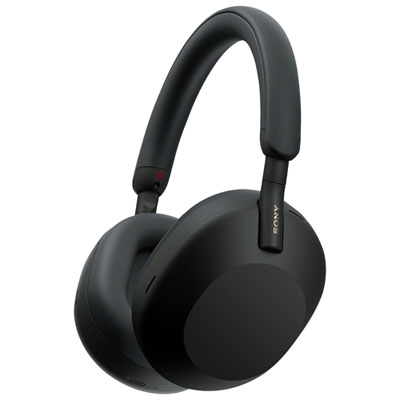 Your price for this item is $499.99
-
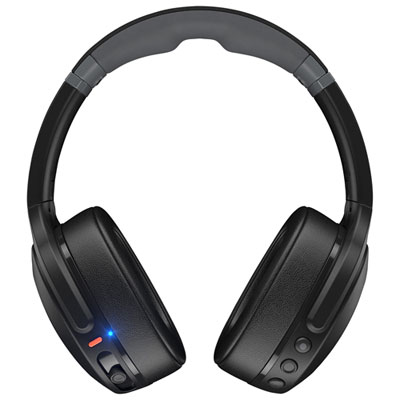 Your price for this item is $159.98
-
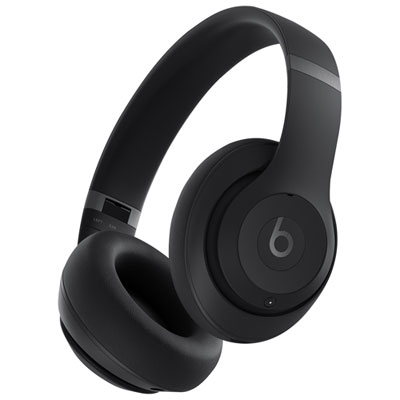 Your price for this item is $399.99
-
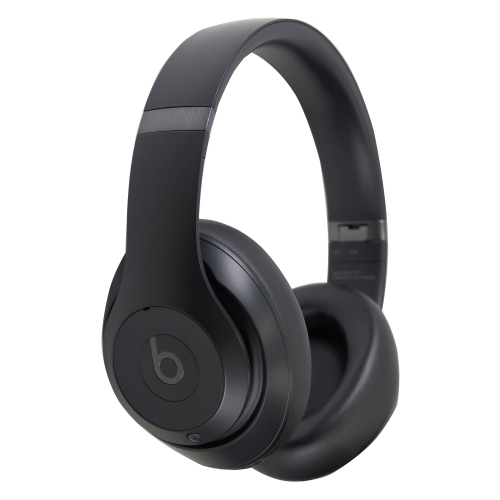 Your price for this item is $359
-
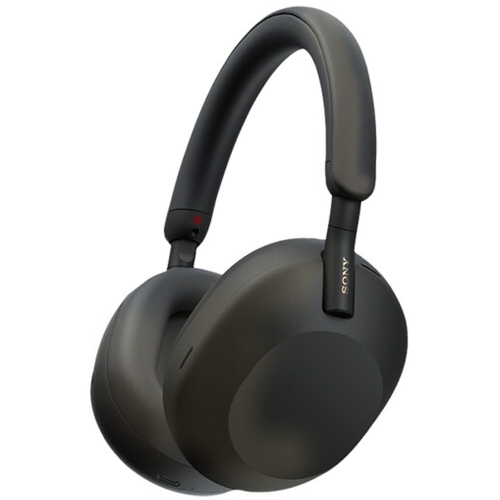 Your price for this item is $349
-
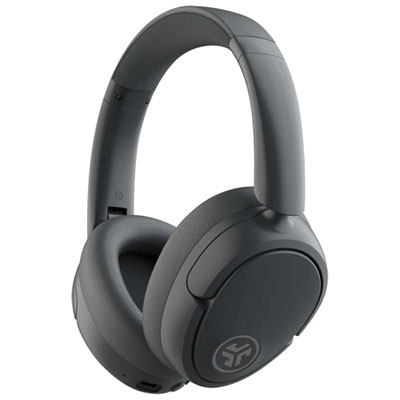 Your price for this item is $59.99
-
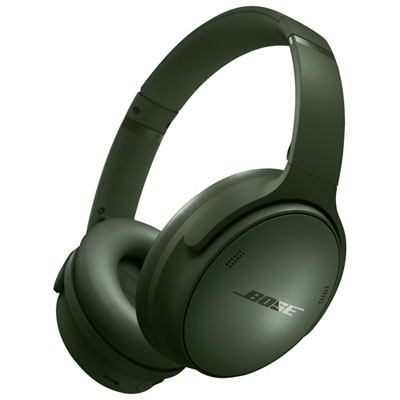 Your price for this item is $249
-
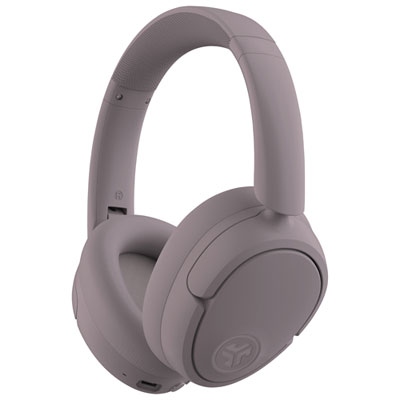 Your price for this item is $59.99
Discover more categories related to Deep Bass Headphones
Top Collections:
Best Black Friday Deals This Year, Best Black Friday Deals On Electronics, Kindle Devices, Pokemon Centers, Best Black Friday Deals On Apple Products, Best Cameras for Sports Photography, Dyson Airwrap, Pokémon 30th Celebration Cards, Apple iPhone 17 Pro, Canon G7X Cameras
Some products may be subject to Environmental Handling Fees
(EHF) depending on your province.
Learn more about EHFs.