Techno Music for Parties
Elevate your next gathering with the electrifying energy of Techno Music For Parties. Discover a dynamic selection designed to keep the dance floor moving and create unforgettable moments for your guests. Whether you're hosting a small get-together or a large celebration, these high-energy techno tracks set the perfect mood for any party atmosphere. Turn up the volume and let the pulsating beats transform your event into a vibrant experience everyone will remember.
Sort
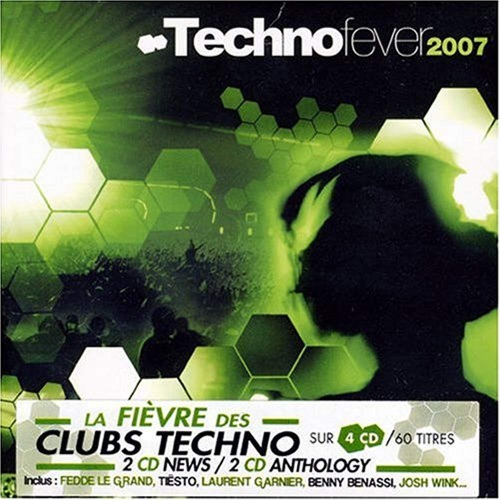
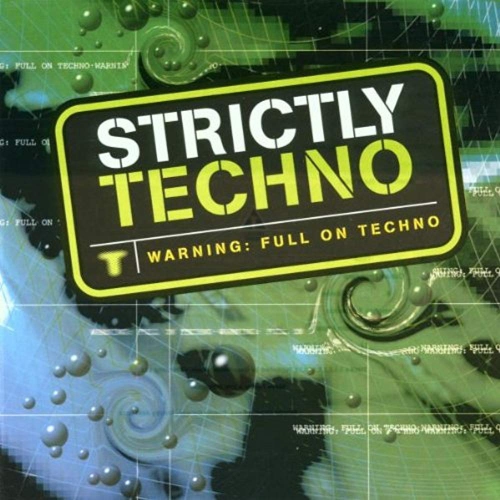
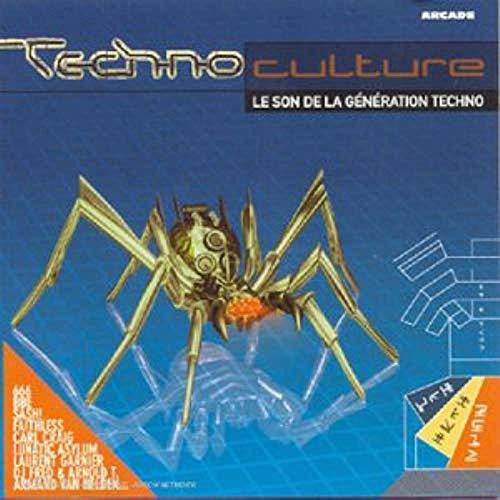



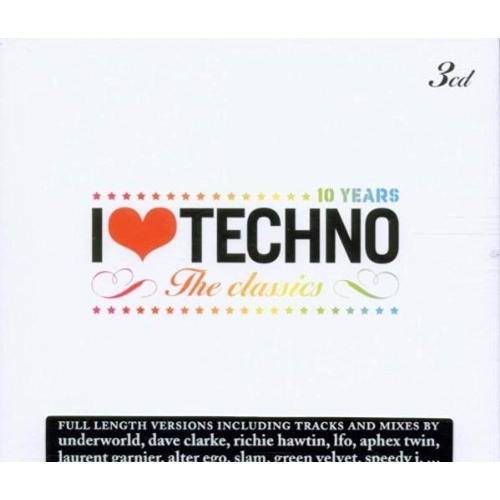
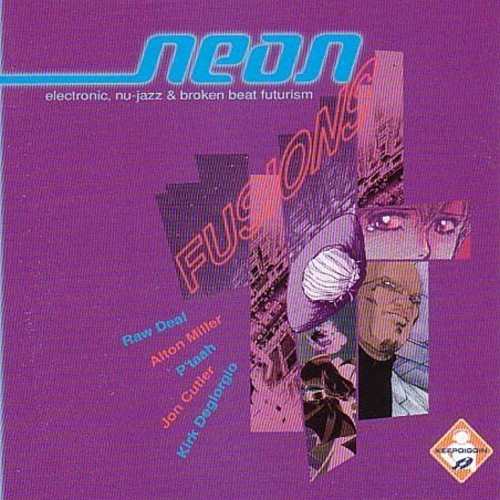


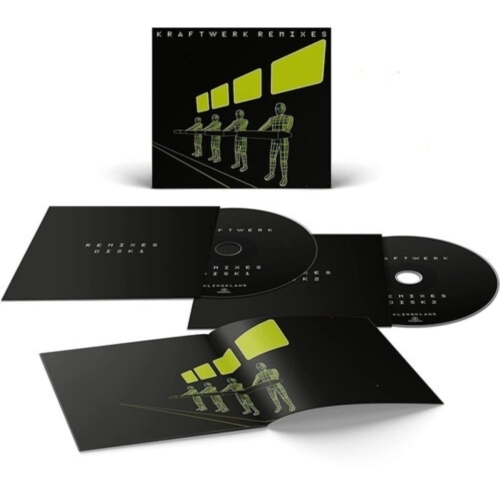

How evolving beats shape the mood of a party
Techno music for parties brings a steady rhythmic pulse, layered electronic textures, and a sense of forward motion to a gathering. Its foundation is usually a four-on-the-floor kick drum, with percussion, bass lines, and synthesizer patterns that evolve as a track unfolds. Rather than relying on a familiar chorus, techno often builds excitement through small changes: a hi-hat opening up, a bass pattern dropping out, or a sweeping sound giving way to the full beat. That structure makes it well suited to dance-focused birthdays, house parties, and celebrations where the music is meant to carry the room for more than a few songs. The genre covers a wide range of moods, from spacious, hypnotic grooves to forceful tracks with dense percussion and distorted textures. A relaxed gathering with room for conversation calls for a different balance than a dedicated dance floor, even when both centre on techno. Tempo is part of that distinction, but speed alone does not determine how intense the music feels. A slower track with a heavy kick and sharp percussion can sound more demanding than a faster one with a lighter touch. Techno albums, compilations, and DJ mixes also offer different listening experiences. An album may follow an artist’s particular sound, a compilation can bring together several approaches, and a continuous mix connects tracks into a longer progression. For party listening, that progression matters: an opening stretch with space between the musical elements can settle people into the rhythm before fuller arrangements take over. Classic techno tends to appeal to listeners drawn to repeating patterns and machine-like grooves, while melodic selections add prominent synthesizer themes and hard techno puts greater emphasis on speed and impact. These are useful distinctions when choosing music for a shared setting, where the aim may be anything from an understated electronic backdrop to an energetic night built around dancing.
The format of party music affects both the sound and the practical experience of playing it. Physical music formats suit listeners who enjoy owning an album, reading its credits, and returning to a carefully sequenced selection, while digital listening can make it easier to assemble longer sessions and adjust the mood as guests arrive. Neither format guarantees uninterrupted playback. Separate tracks may have pauses between them, and a release described as a compilation is not necessarily a continuous DJ mix. Where that information is provided, details about mixing, track sequence, and running time help distinguish a collection of individual songs from a set designed to flow from beginning to end. Extended versions often give rhythms more time to develop, with longer introductions and endings that can suit mixing; shorter edits reach their main musical ideas sooner. For someone hosting rather than performing, a cohesive mix can leave more attention for guests, while an aspiring DJ may prefer individual tracks that offer room to shape transitions. Compatibility matters just as much as musical taste. A physical release needs the appropriate playback equipment, and digital files or streaming playback depend on the supported formats, connections, and service requirements of the listening setup. Wireless playback is convenient for casual entertaining, although connection interruptions or phone notifications can break the flow unless the setup keeps them separate. The room also changes the experience. Deep bass can feel rounded and powerful in one space but muddy in another, particularly when speakers sit close to corners or on furniture that vibrates. Clear percussion and a defined bass line usually serve techno better than simply increasing the volume. A dance area benefits from even coverage, while a nearby seating area gives guests somewhere to talk without competing with the beat. Keeping drinks away from playback equipment, securing loose cables, and leaving ventilation openings clear supports dependable use throughout a gathering. Comfortable listening levels and opportunities to step away from louder sound remain important, even when the music is intended to feel immersive.
The most fitting techno party selections reflect the people in the room as well as the occasion. Listeners who already enjoy electronic dance music may appreciate a long, patient build, an unfamiliar track, or a stretch of tightly connected percussion with very little melody. A mixed group may respond more readily to warmer bass lines, noticeable musical hooks, and changes in intensity that leave room to catch a breath. Familiarity is not the only consideration: vocal samples, explicit language, abrupt effects, and especially aggressive textures can influence whether a selection suits a family celebration or a younger audience. For gatherings centred on younger listeners, Party Music for Teens offers a related theme to explore alongside techno-focused choices. Instrumental music is not automatically free of mature content, since brief spoken samples can still appear within a track. Music can also make a thoughtful gift for a techno fan, particularly when the choice reflects a favourite style or an interest in DJ culture rather than treating all dance music as interchangeable. A collector may value physical presentation and album sequencing, while someone learning to mix may be more interested in extended arrangements and clearly defined rhythmic sections. For physical formats, condition and care affect long-term enjoyment. Vinyl benefits from gentle handling by the edges, clean protective sleeves, upright storage, and a suitable cleaning method that removes dust without damaging the playing surface. CDs should be held by the edge or centre opening and returned to their cases to limit scratches. Packaging materials vary, with card sleeves, plastic cases, and protective inner sleeves offering different levels of resistance to repeated handling. Keeping music away from spills and direct sunlight helps preserve both the playing surface and its artwork. Intended use ultimately ties these details together: a collection for occasional entertaining may favour approachable, varied selections, while regular dance nights may call for deeper exploration within a particular techno style. The appeal lies in music that holds its character over a full session, giving guests a steady beat to return to and enough movement within it to keep the room engaged.
Top selling and popular products
-
 Your price for this item is $51.03
-
 Your price for this item is $15.28
-
 Your price for this item is $39.79
-
 Your price for this item is $54.99
-
 Your price for this item is $18.48
-
 Your price for this item is $28.6
-
 Your price for this item is $25.22
-
 Your price for this item is $40
Discover more categories related to Techno Music for Parties


Top Collections:
Best Black Friday Deals This Year, Best Black Friday Deals On Electronics, Kindle Devices, Best Black Friday Deals On Apple Products, Best Budget Office Chairs, Best Cameras for Sports Photography, Dyson Airwrap, Canon G7X Cameras, Best Laptops for Writers, Samsung Galaxy Phones
Some products may be subject to Environmental Handling Fees
(EHF) depending on your province.
Learn more about EHFs.