Electronic Music
Electronic music is an ever-evolving genre that has captured the hearts and ears of music lovers worldwide. With its mesmerizing beats, innovative sounds, and boundary-pushing creativity, electronic music has become a global phenomenon that transcends cultural barriers. From the pulsating rhythms of techno to the ethereal melodies of ambient, this genre offers a diverse range of sonic experiences that cater to all tastes and moods. Whether you're a seasoned electronic music enthusiast or just starting to explore this captivating world, our Electronic Music page is here to provide you with insights, recommendations, and a deeper understanding of this dynamic musical landscape. Get ready to immerse yourself in the captivating realm of electronic music!
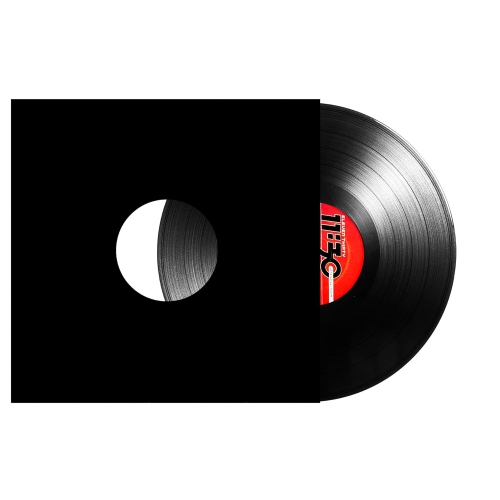
![URBNET / FONTANA NOR Anzola - Caracas (Say That Again / Might Be Something) - [Vinyl]](https://multimedia.bbycastatic.ca/multimedia/products/500x500/186/18610/18610340.jpeg)
![METROPOLIS RECORDS Delerium - Signs - [CD]](https://multimedia.bbycastatic.ca/multimedia/products/500x500/174/17470/17470829.jpeg)
![ELE Kraftwerk - Computer World [Import] - (Canada - Import) - [CD]](https://multimedia.bbycastatic.ca/multimedia/products/500x500/174/17467/17467173.jpeg)
![NINJA TUNE Odesza - The Last Goodbye - (Deluxe Edition, Sticker) - [CD]](https://multimedia.bbycastatic.ca/multimedia/products/500x500/174/17475/17475523.jpeg)
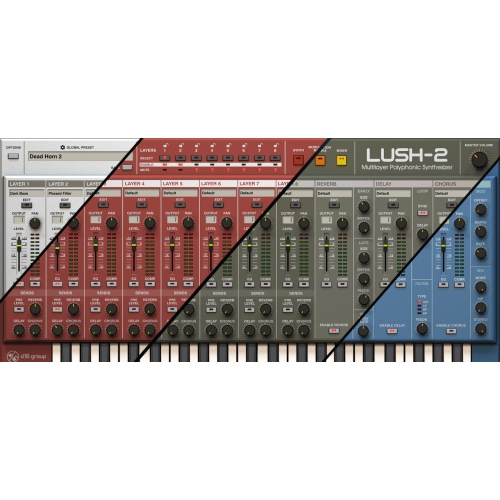
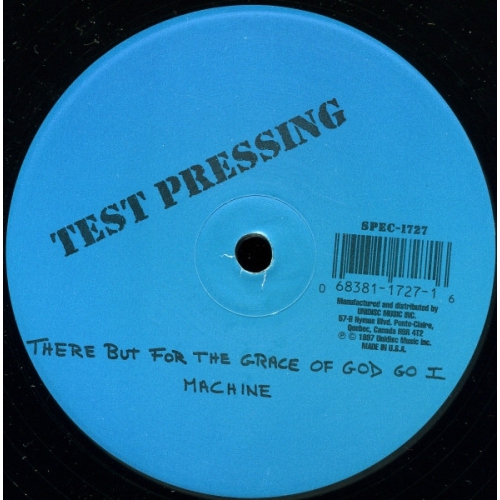
![JUST4GAMES Real Ibiza V.3: Chilling You Softly [Audio CD] Various Artists](https://multimedia.bbycastatic.ca/multimedia/products/500x500/123/12357/12357452.jpg)
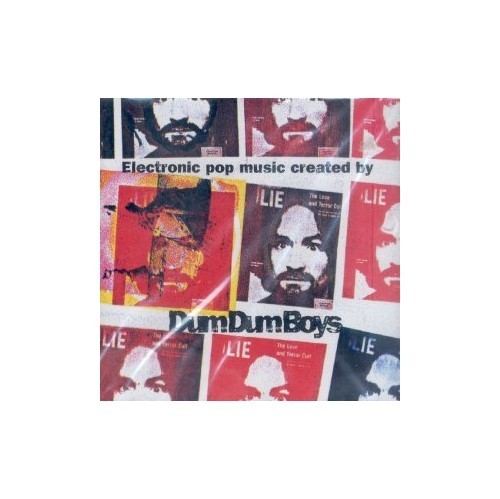
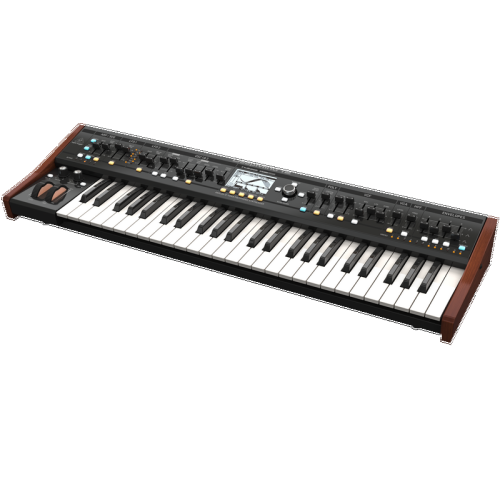
![JUST4GAMES Electronic Music for Heroes [Audio CD] Various Artists](https://multimedia.bbycastatic.ca/multimedia/products/500x500/150/15093/15093884.jpg)
![JUST4GAMES Vol. 2-Back 2 Basics Electro House [Audio CD] Various Artists](https://multimedia.bbycastatic.ca/multimedia/products/500x500/150/15092/15092436.jpg)
![JUST4GAMES 21St Century Toy [Audio CD] Electronicat](https://multimedia.bbycastatic.ca/multimedia/products/500x500/150/15092/15092654.jpg)
![JUST4GAMES Electro Nation [Audio CD]](https://multimedia.bbycastatic.ca/multimedia/products/500x500/150/15093/15093619.jpg)
![JUST4GAMES Mix Connexion, Vol. 1 [Audio CD] Johnson, Paul](https://multimedia.bbycastatic.ca/multimedia/products/500x500/150/15092/15092338.jpg)
![RESIST MUSIC Fear And Loathing, Vol. 2 [Audio CD] Luke Slater](https://multimedia.bbycastatic.ca/multimedia/products/500x500/150/15092/15092335.jpg)
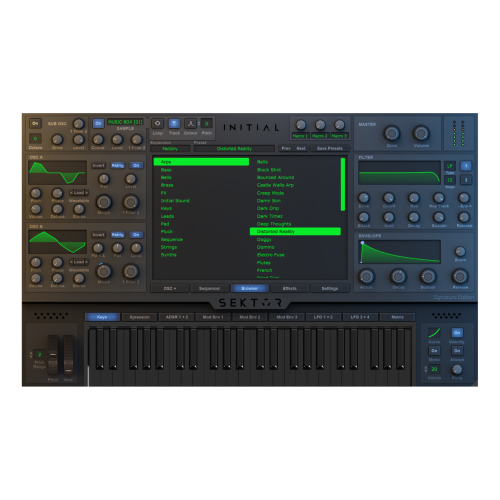
![SIMBIATU ABISOLA ABI Little Simz - No Thank You - [CD]](https://multimedia.bbycastatic.ca/multimedia/products/500x500/174/17469/17469787.jpeg)
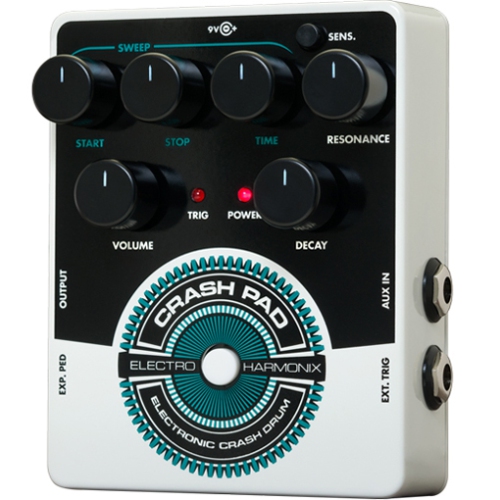
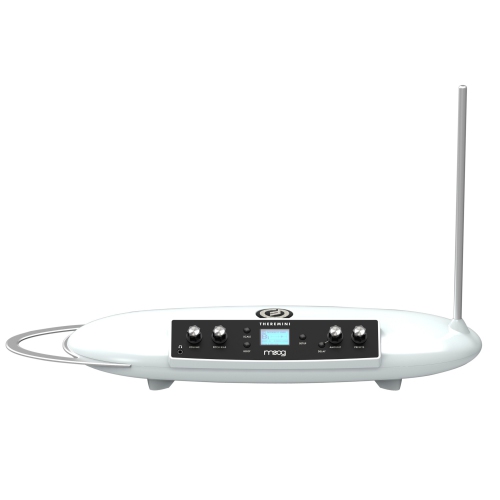
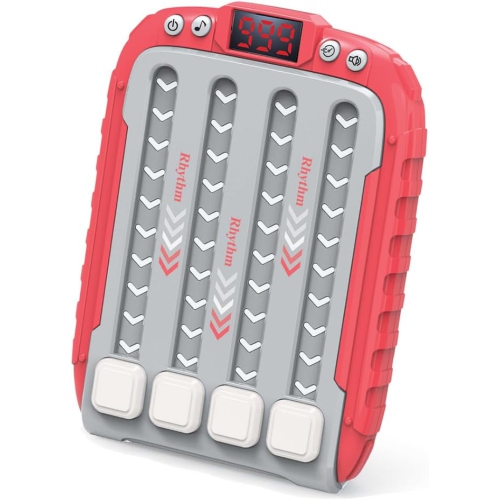

![JUST4GAMES Sounds Like Inertia [Audio CD] Various Artists](https://multimedia.bbycastatic.ca/multimedia/products/500x500/150/15089/15089259.jpg)
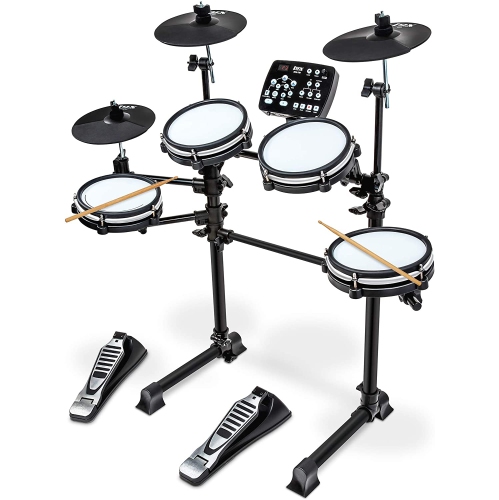
From first beats to complete original productions
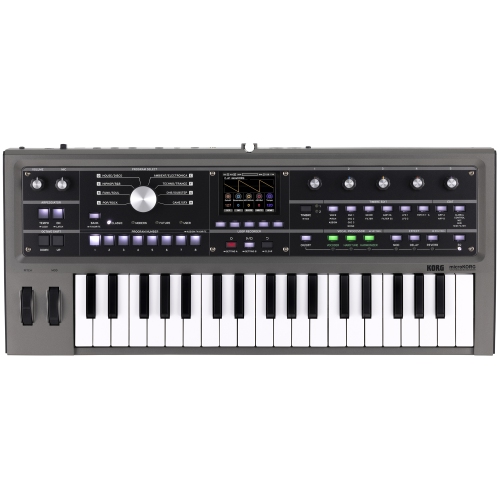
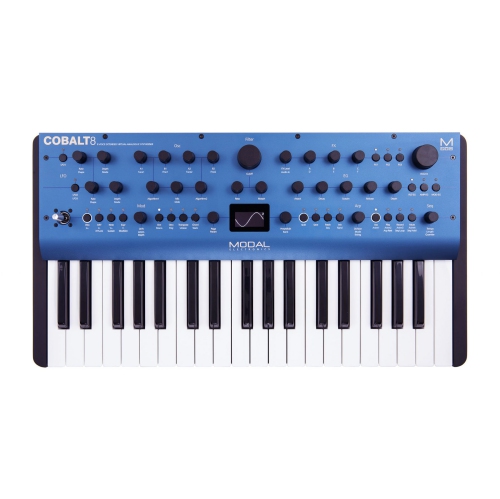
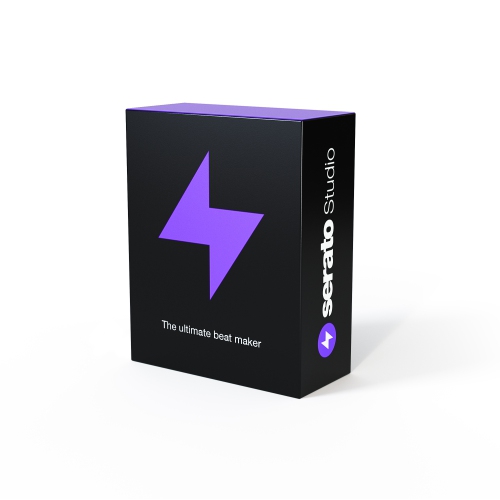
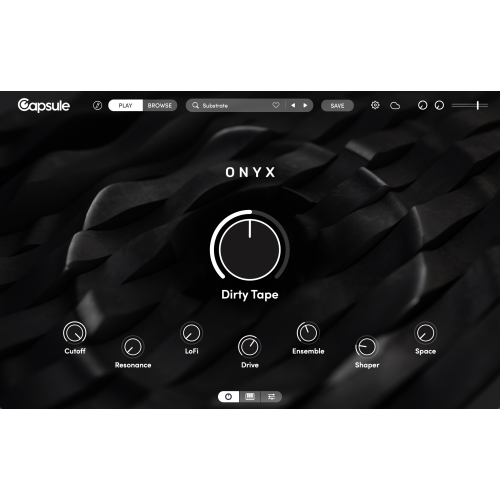
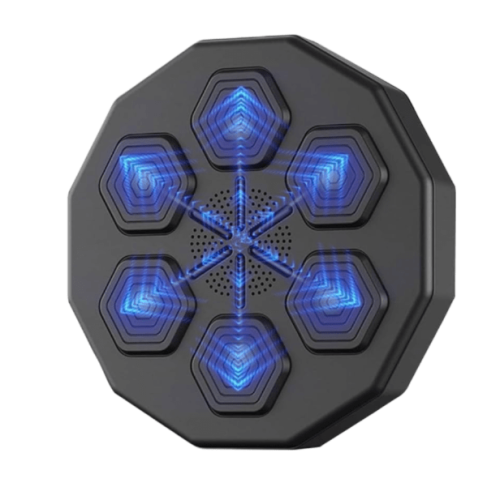
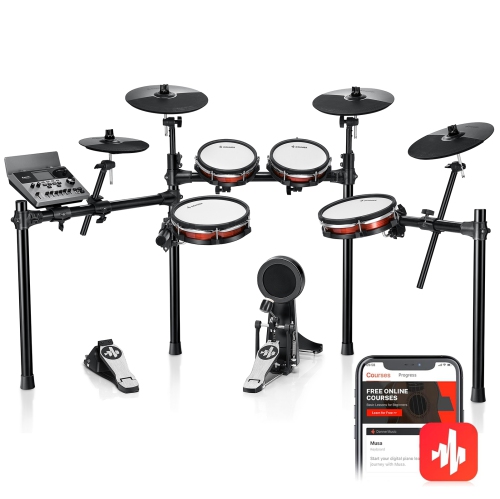
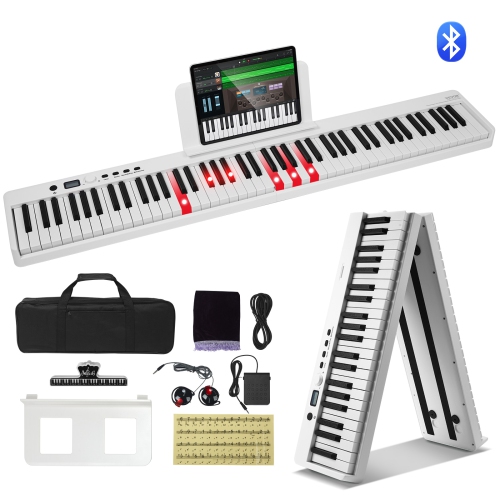
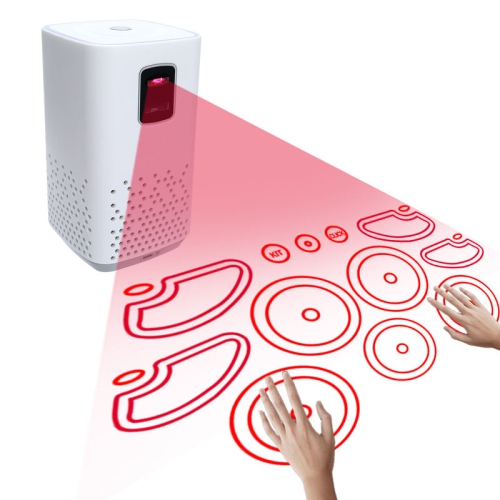
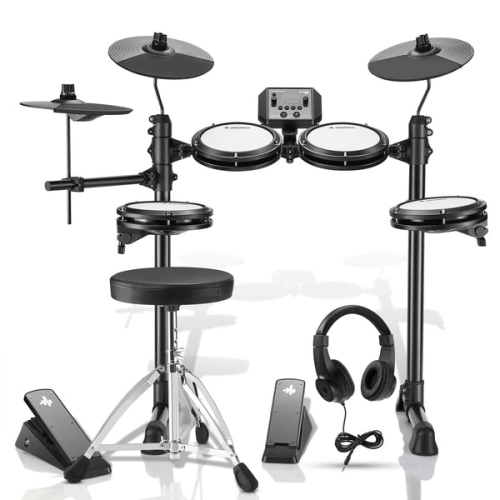
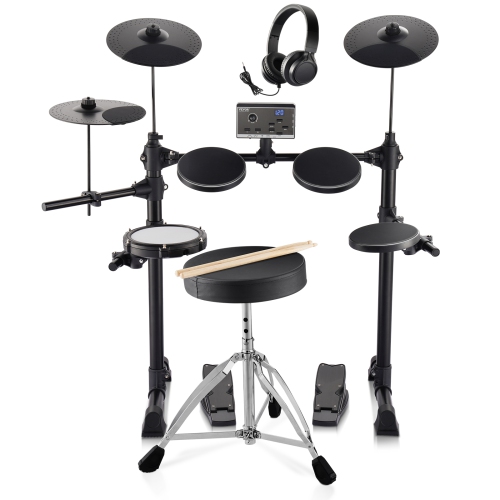
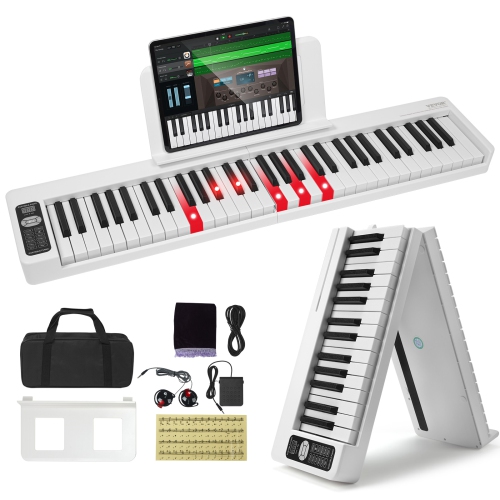
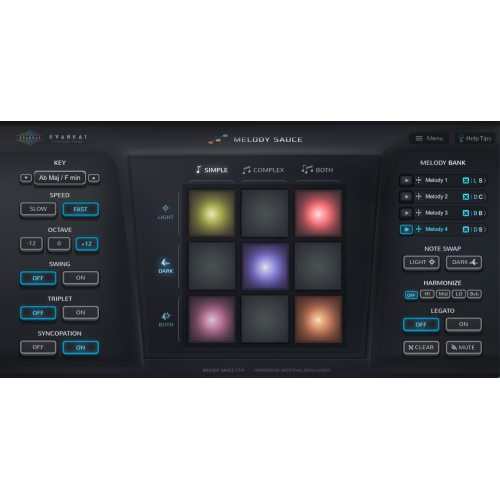
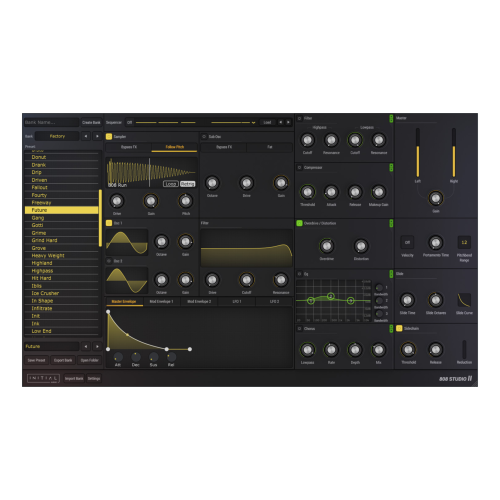
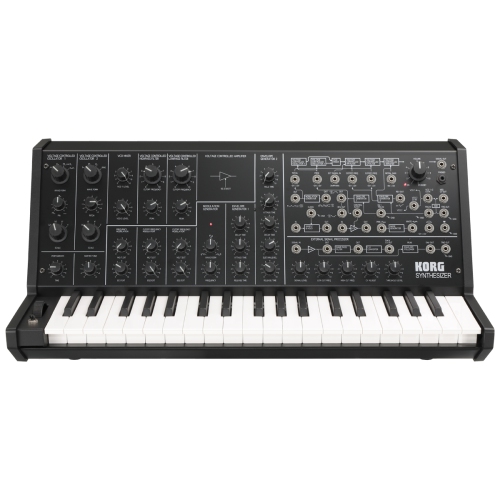
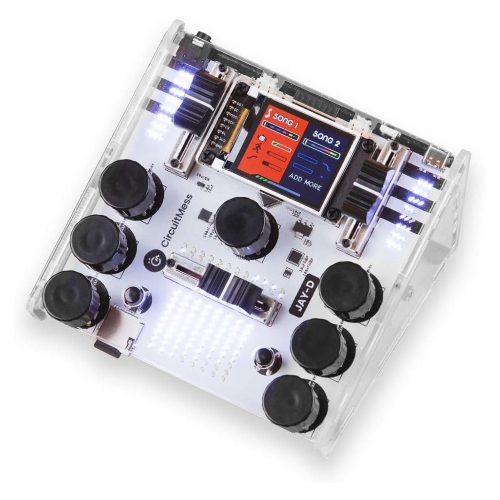
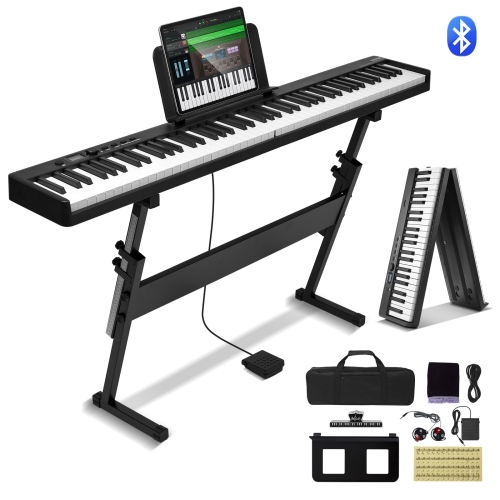
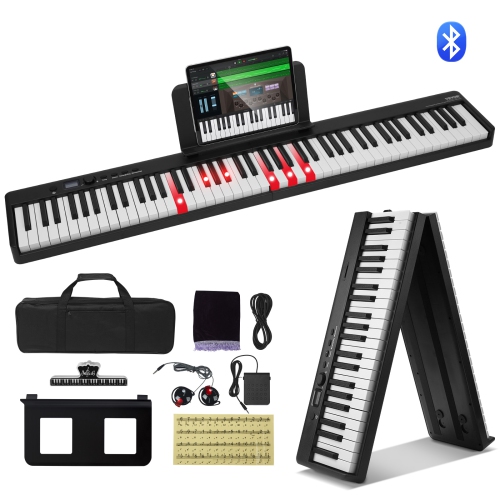
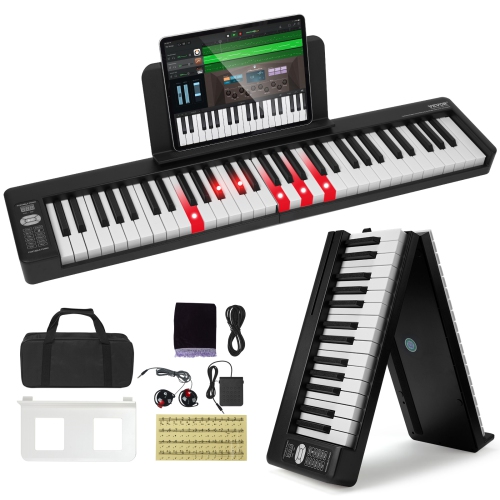
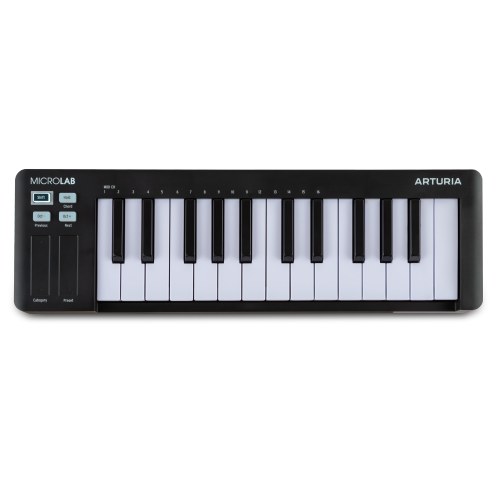
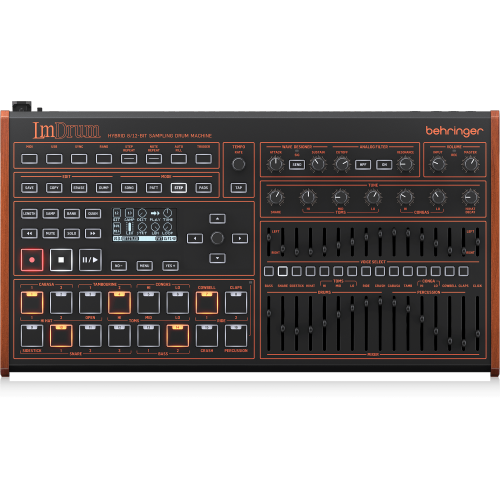
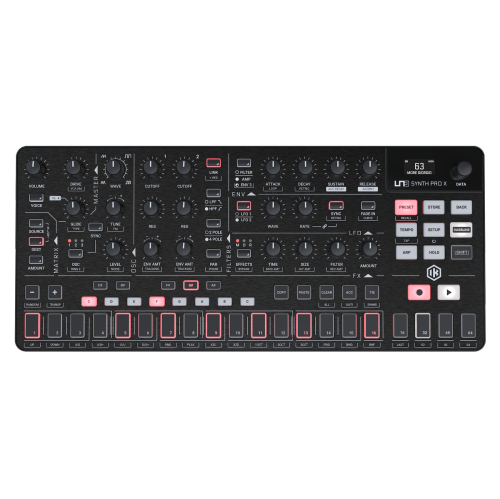
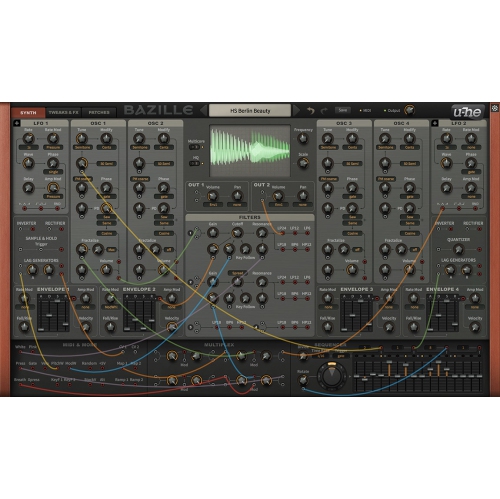
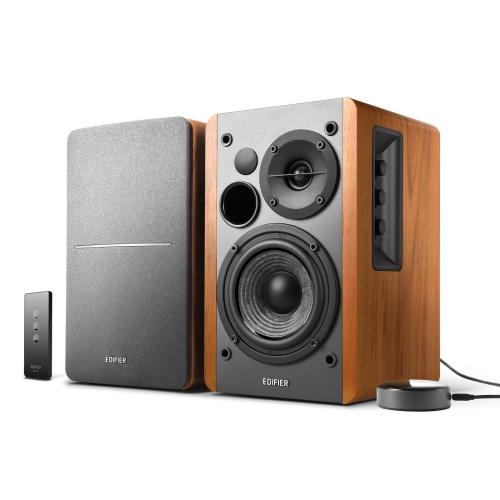
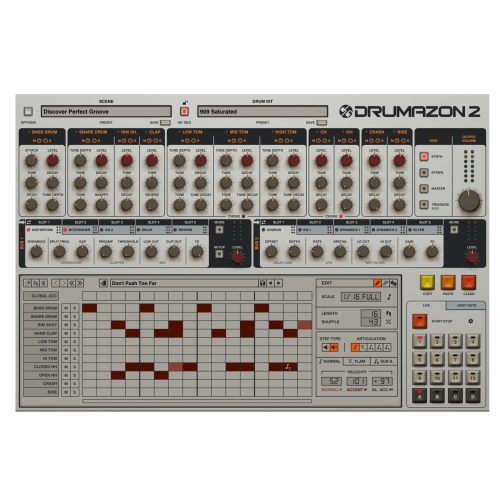
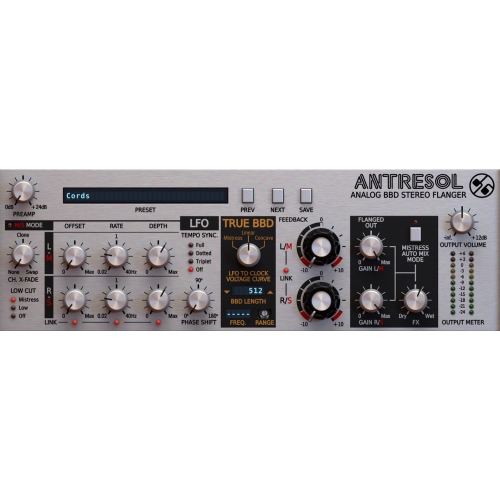
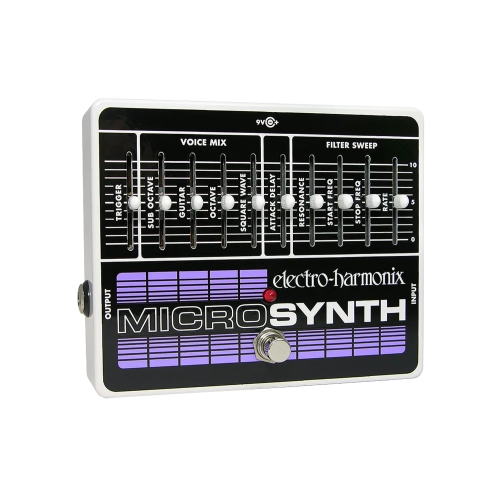
Choosing electronic music equipment starts with considering how it will be used. A person who wants to compose melodies may appreciate a controller with comfortable keys, responsive controls, and octave-shifting functions, while a beat-maker may focus more on pads, step sequencing, pattern creation, and hands-on control over rhythm. Someone interested in sound design may prefer equipment with plenty of adjustable parameters, modulation options, and ways to connect different pieces together. A digital audio workstation is useful for arranging complete tracks, adding virtual instruments, recording vocals or external sound, and polishing a finished mix. Compatibility is important: check the available connections, operating system requirements, software support, power needs, and whether the equipment can work with other devices already in the setup. Headphones are practical for late-night sessions, shared living spaces, and detailed listening, while studio monitors can help reveal how a mix sounds in a room. An audio interface may be useful when recording microphones or instruments, and a mixer can make it easier to combine several sources during rehearsal or performance. Beginners often benefit from choosing equipment that offers an inviting learning curve rather than trying to assemble every possible feature at once. Clear controls, included software, built-in sounds, tutorials, and reliable connectivity can make early sessions feel rewarding instead of overwhelming. It is also worth considering the available workspace, since a compact controller or desktop unit may suit a small study, bedroom, or shared home better than a larger performance arrangement. During the warmer part of the year, portable equipment can make it easier to create music in different rooms or take a creative setup to a rehearsal space; during the cooler months, a well-organized home studio can become a comfortable place to experiment, practise, and develop unfinished ideas.
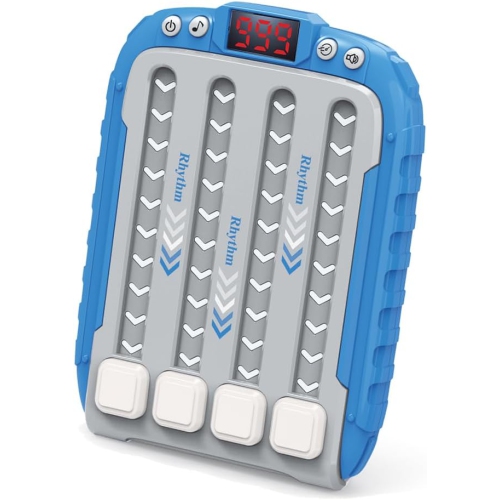
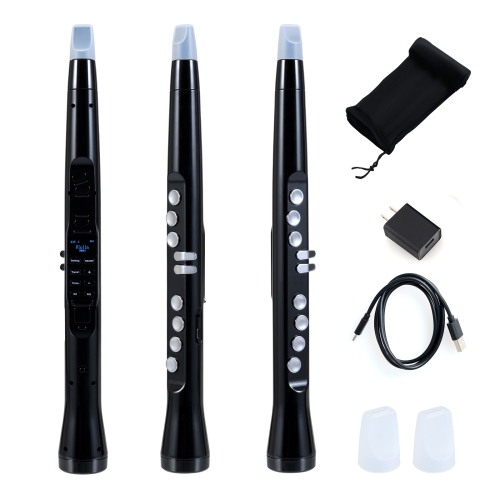
Electronic music equipment can suit a wide range of people, from first-time learners and hobby musicians to DJs, composers, performers, content creators, sound designers, and established producers. It can be a thoughtful gift for a teenager discovering beat-making, a student exploring music technology, a keyboard player interested in electronic textures, or a creative friend who enjoys building soundscapes from scratch. When buying for someone else, it helps to consider their existing experience and interests rather than choosing the most complex option. A beginner may enjoy an accessible controller or rhythm-focused instrument that encourages immediate experimentation, while someone with an established setup may value accessories that expand their workflow, such as a higher-quality monitoring option, a useful connection solution, or a device that adds new ways to shape sound. Electronic instruments can also support collaborative music-making: one person can build a rhythm, another can play a bass line, and a third can arrange samples or effects. For live use, look for durable construction, dependable controls, easy access to important functions, and connections suited to the venue or performance space. For home production, quiet operation, comfortable listening, and software compatibility may matter more. The best setup is usually the one that makes it easy to sit down and begin, whether that means sketching a soft ambient sequence after a busy day, programming a driving rhythm for a dance track, or layering sounds until a film-inspired atmosphere takes shape. With the right combination of instruments, software, listening equipment, and accessories, electronic music tools can turn a small desk into a creative studio and help musicians move from a first rhythm or melody to a complete original production.
Top selling and popular products
-
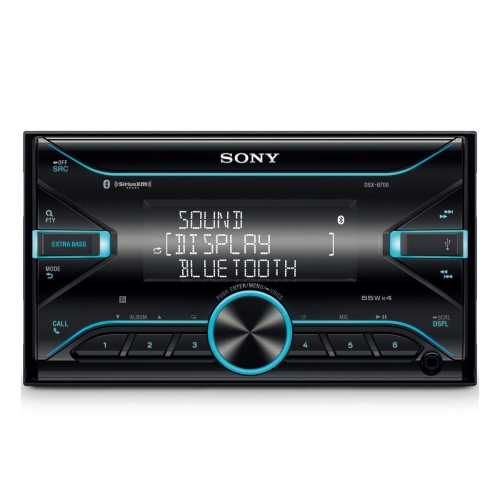 Your price for this item is $198
 -
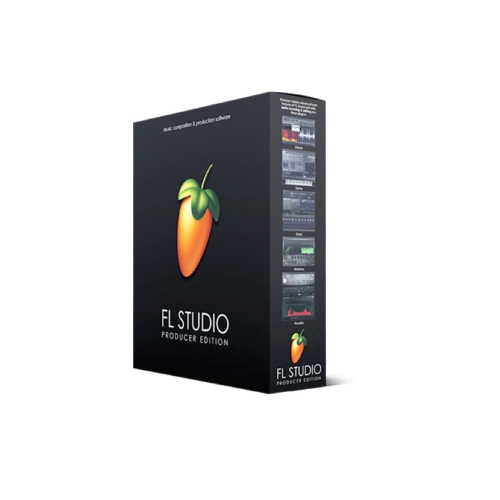 Your price for this item is $329.99
 -
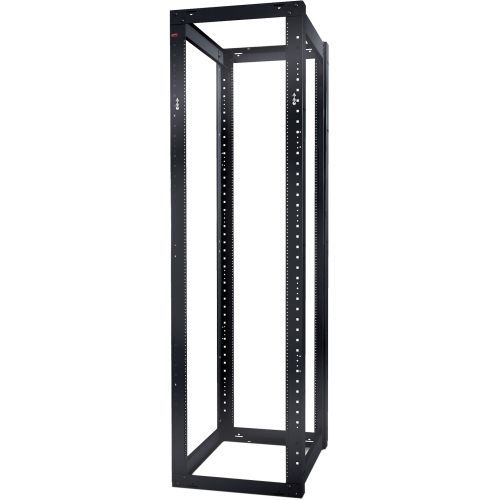 Your price for this item is $1085.61
 -
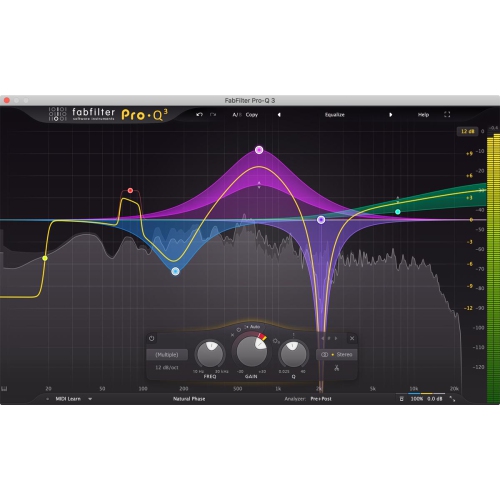 Your price for this item is $329.99
 -
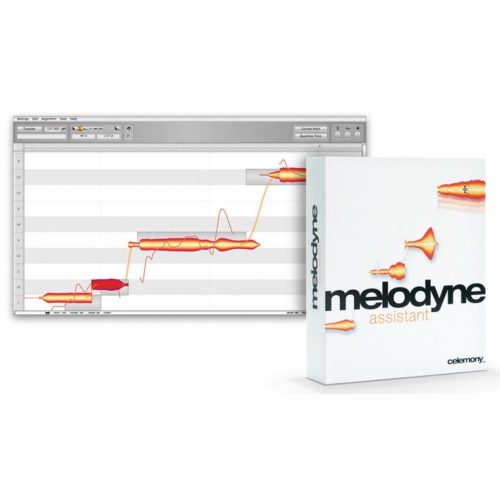 Your price for this item is $469
 -
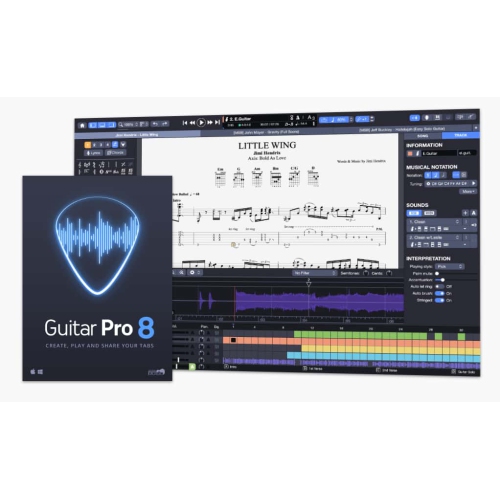 Your price for this item is $65
 -
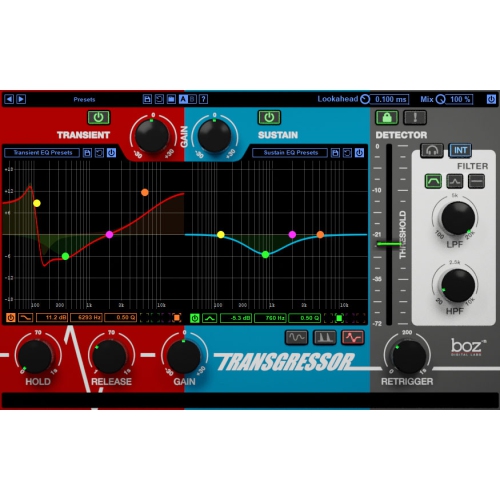 Your price for this item is $275
 -
 Your price for this item is $279