Flat Speakers
Flat Speakers offer a sleek and modern solution for enjoying high-quality sound without taking up extra space. Perfect for home theaters, offices, or any room where style and performance matter, these speakers blend seamlessly with your décor while delivering impressive audio. Browse a wide selection of Flat Speakers to find the ideal match for your entertainment needs and elevate your listening experience with innovative design and exceptional versatility.
Sort


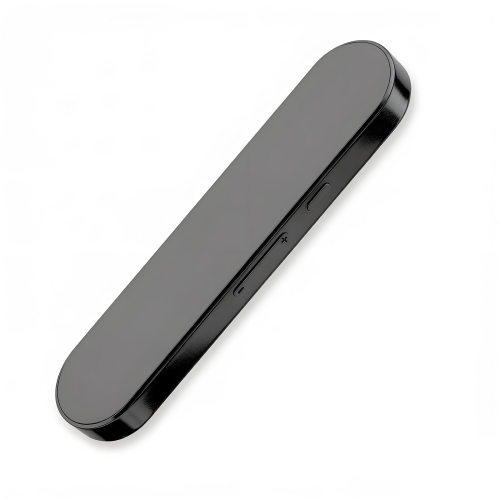

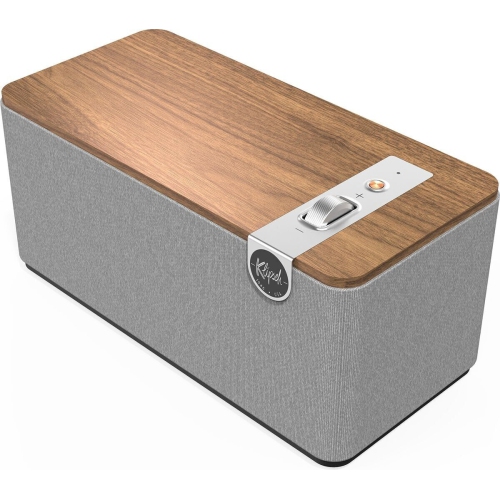
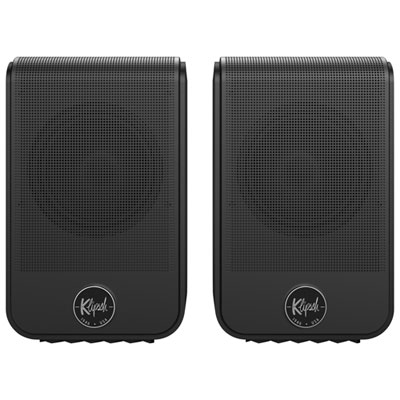
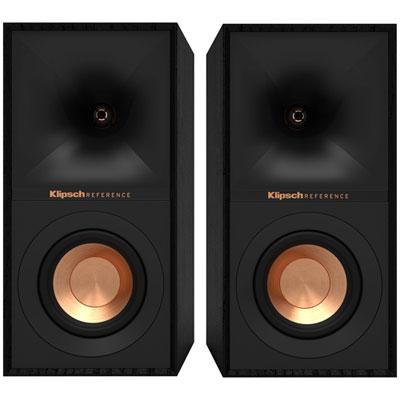
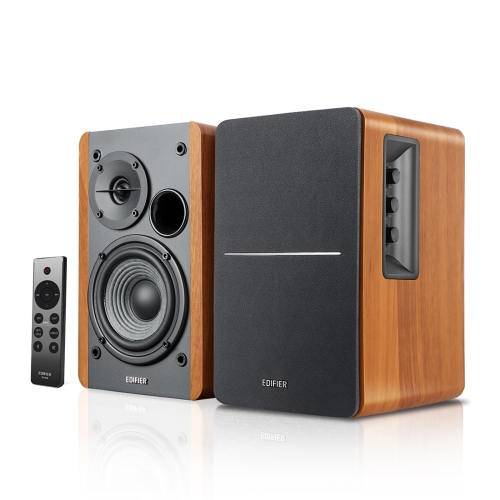
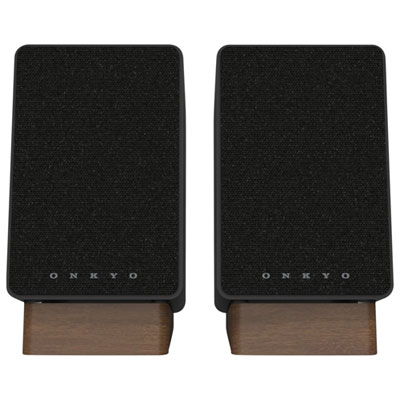

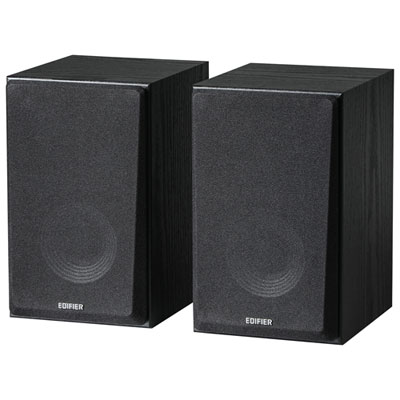

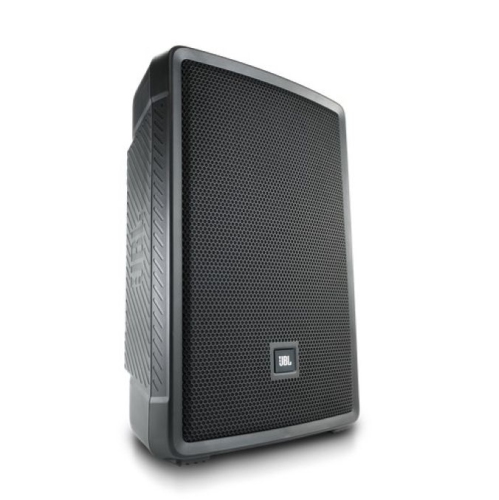
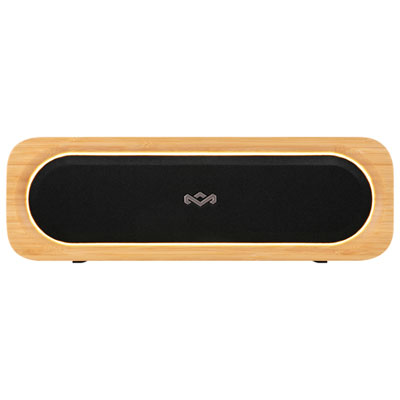
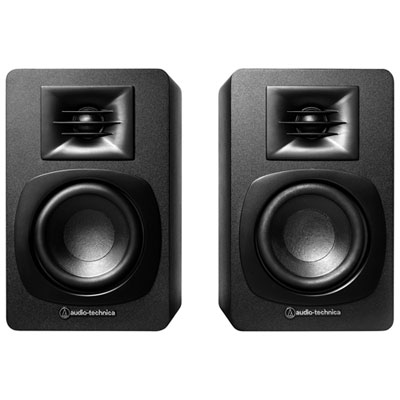
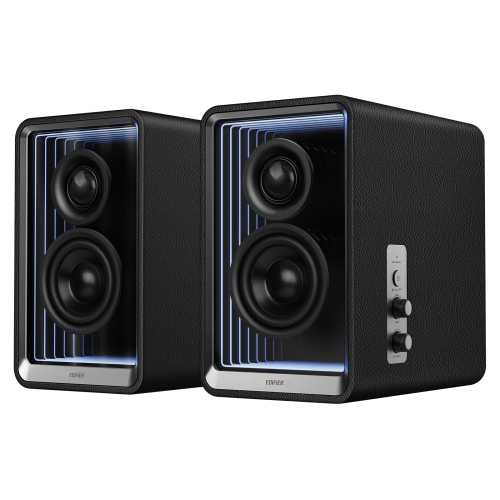
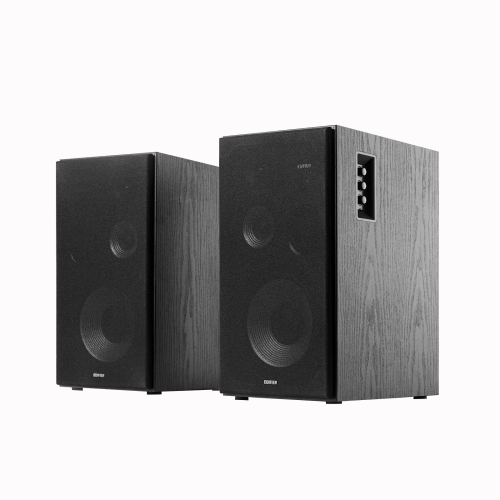


When flat describes the shape or the sound
Flat speakers generally mean one of two things: slim speakers that take up very little space from front to back, or speakers with a flat frequency response that aim to reproduce sound without emphasizing particular frequencies. In a TV setup, “flat” usually describes the shape. A shallow on-wall speaker can sit close to a wall-mounted screen without a deep cabinet projecting into the room. Some panel-style models hang much like a picture frame, while others sit horizontally on a media console. An in-wall speaker goes a step further by placing most of its housing inside the wall, though it still needs enough room behind the surface. A low-profile soundbar serves a similar purpose in a different format: it combines several drivers in one cabinet beneath the screen instead of using separate speaker cabinets. For a home theatre with separate channels, a pair of slim speakers can sit on either side of the TV, with a matching centre speaker beneath it to anchor dialogue. In a narrow living room where the side of the TV is next to a doorway, that shallow profile can be more useful than a smaller speaker that still sticks out. On a media console, height can matter as much as depth. A bar that fits between the TV feet may still sit high enough to cover the bottom edge of the picture or block the remote sensor. The look overlaps with Minimalist Speakers, but an understated design is not necessarily a shallow one. Slim speakers also vary in how much bass they produce. A shallow cabinet can limit how much low bass a speaker delivers on its own, so a separate subwoofer can make sense for film soundtracks or bass-heavy music, provided there is room for another cabinet.
The installed depth of a flat speaker includes more than the cabinet. A wall bracket can leave a gap behind it, and a plug that points straight out may need extra room so the cable can bend without being pinched. Recessed connections or cable channels can help the speaker sit closer to the wall. The type of connection matters, too. Passive on-wall speakers typically run to a compatible receiver or amplifier with speaker wire. A powered soundbar or speaker has its own amplification, but it still needs an outlet and a compatible audio connection to the TV or other source. A wireless audio connection does not necessarily mean a cord-free installation. Mounting affects both fit and sound: a model designed to hang near the wall may be tuned for that position, while a rear-ported cabinet intended for a stand may need more breathing room. A speaker tucked deep inside a console cubby can also sound different from one with its front edge clear of the shelf. Wood-based cabinets, moulded housings and metal panels are all used in slim designs; how firmly the cabinet is built matters more than the finish alone. A rigid cabinet helps limit vibration, while a grille protects the drivers from fingers and light contact. Metal grilles can dent if struck, and fabric grilles can snag if handled roughly. A soft, dry cloth is generally enough for dust on the cabinet, while the grille and drivers are best cared for according to the maker’s directions. On a wall, hardware suited to the speaker’s weight and the wall material matters for long-term stability. The intended orientation matters as well: a cabinet designed for vertical mounting should not be assumed to offer the same sound coverage when turned sideways.
In a studio or at a desktop, a flat speaker usually means a monitor that aims for a neutral frequency response across its usable range. It may look like a conventional box speaker. The point is not to make every track sound pleasing, but to make the balance easier to judge. If a speaker adds too much bass, for instance, someone mixing a track might turn the bass down until it sounds right at the desk, only to find that the finished track sounds thin on headphones or in a car. A neutral pair can also make it easier to hear when background music is masking a voice in a video or when a vocal track has more sharpness than intended. Flat response does not mean a small monitor can reproduce the lowest bass, and it does not guarantee neutral sound in every room. A bare wall, a wide desktop or a corner can change what reaches the listener, even when the speakers themselves measure evenly. At a work surface, a pair of nearfield monitors is designed for listening from a short distance. Placing them at similar distances from the listener, with the tweeters close to ear height, helps keep voices and instruments centred where intended. For a video editor, musician or podcast producer, that consistency can matter more than cabinet depth. For someone furnishing a condo or setting up a shared family room, the opposite may be true: a slim speaker that leaves room on the console and keeps dialogue clear may be the better fit. As a housewarming gift, a compact soundbar can suit someone whose TV setup and connections are known. Wall-mounted speakers and studio monitors are more personal choices, since mounting plans, existing audio gear and listening habits all play a part in whether they fit.
Top selling and popular products
-
 Your price for this item is $449.99
-
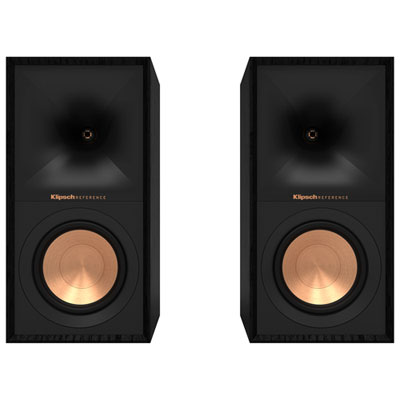 Your price for this item is $549.99
-
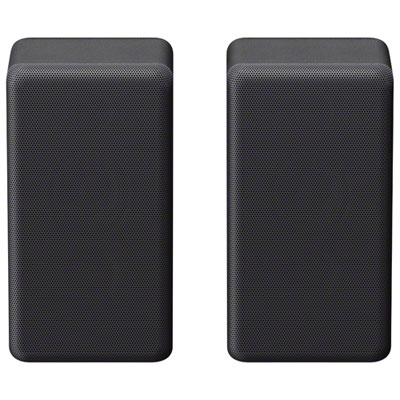 Your price for this item is $449.95
-
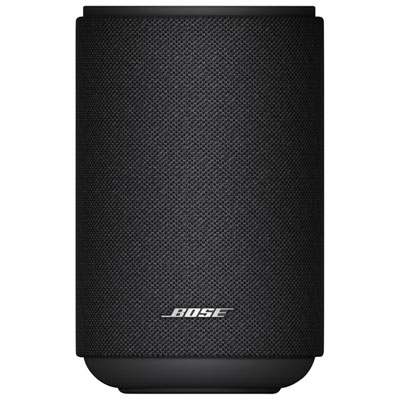 Your price for this item is $449.99
-
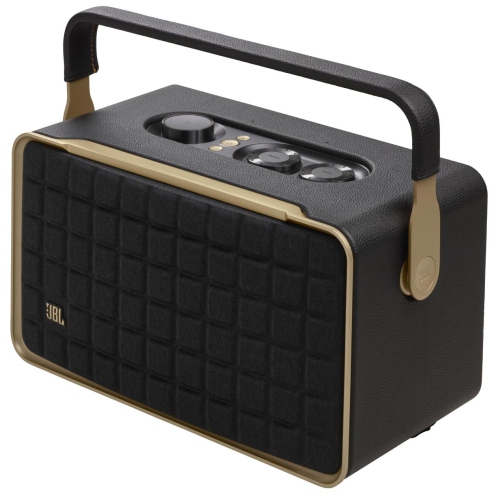 Your price for this item is $399.99
-
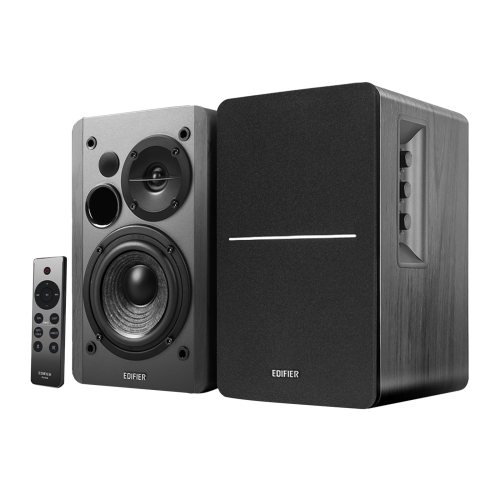 Your price for this item is $229.99
-
 Your price for this item is $699.99
-
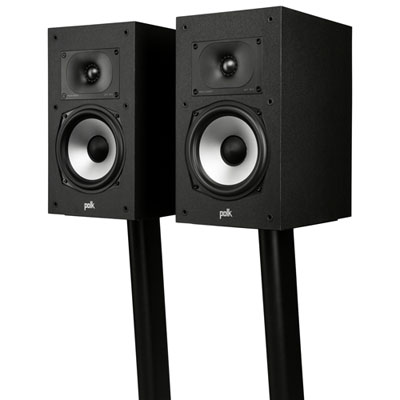 Your price for this item is $349.99
Discover more categories related to Flat Speakers

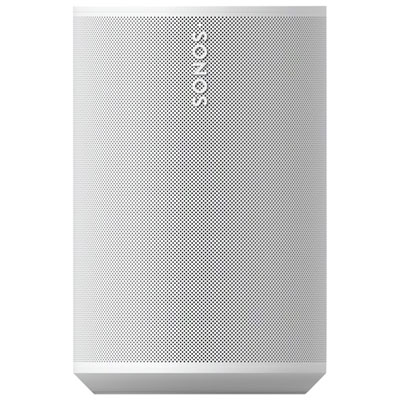
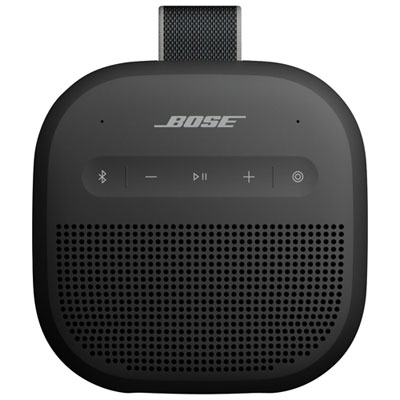

Top Collections:
Best Black Friday Deals This Year, Best Black Friday Deals On Electronics, Kindle Devices, Pokemon Centers, Best Black Friday Deals On Apple Products, Best Cameras for Sports Photography, Dyson Airwrap, Pokémon 30th Celebration Cards, Apple iPhone 17 Pro, Canon G7X Cameras
Some products may be subject to Environmental Handling Fees
(EHF) depending on your province.
Learn more about EHFs.