Headphones for Kindergarten Students
Headphones for Kindergarten Students are designed to help young learners enjoy audio activities, educational games, and virtual lessons with ease. With a focus on comfort and fit for smaller heads, these headphones make it simple for children to stay engaged during classroom tasks or at-home learning sessions. Explore a wide selection of options to find the perfect pair that meets the needs of kindergarten students, supporting their early learning experiences every step of the way.
Sort


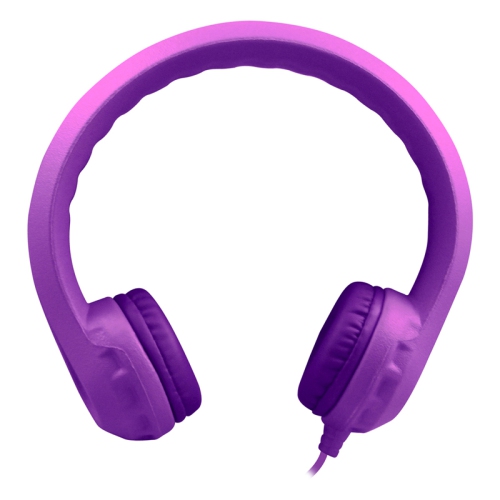
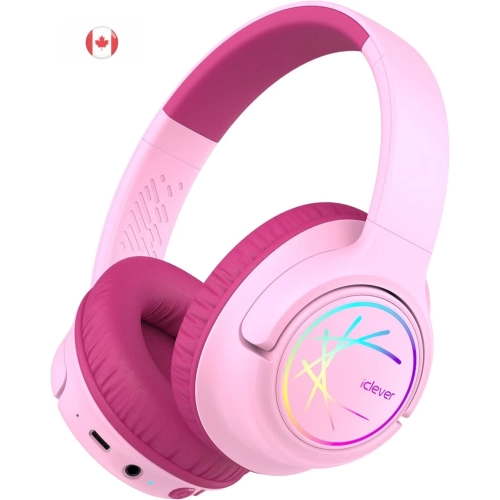
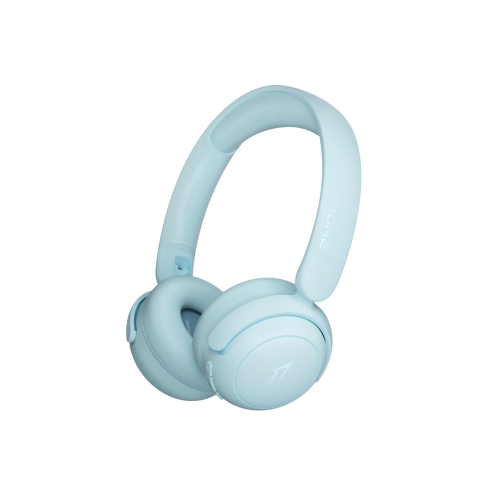

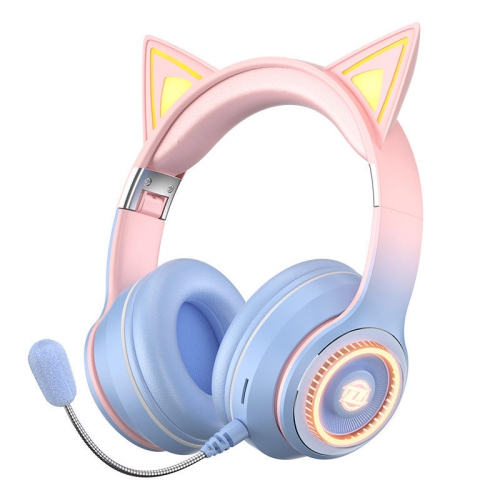
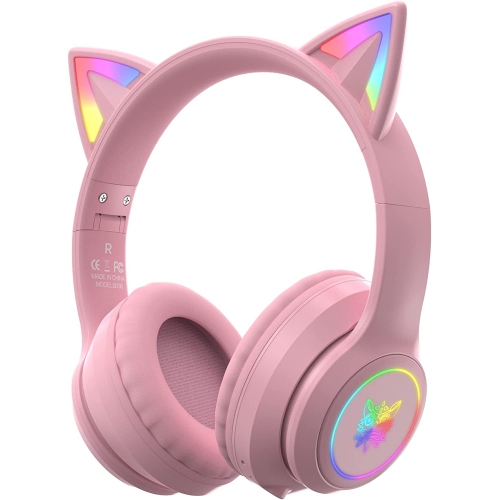

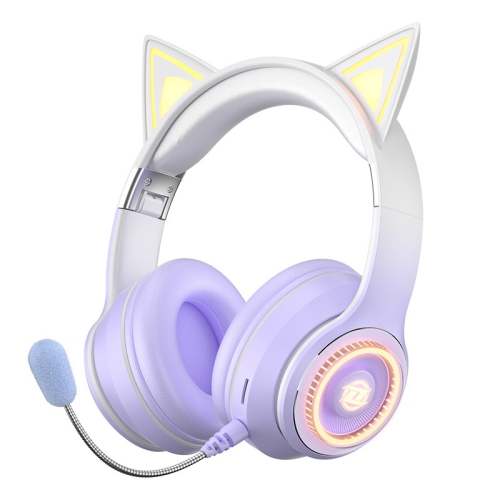
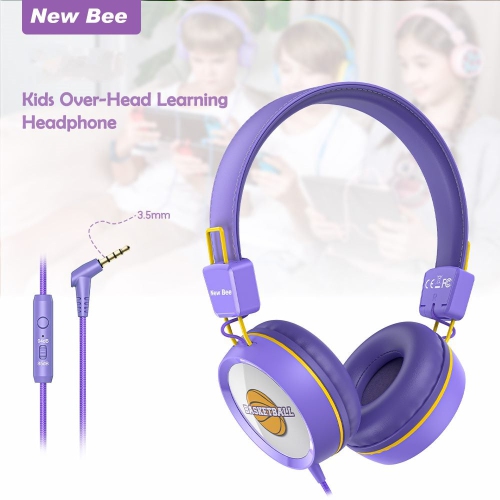
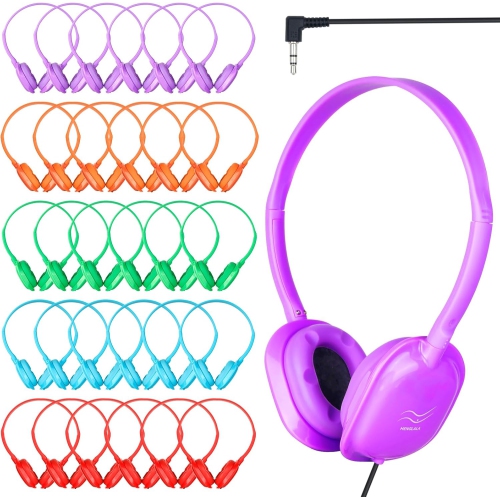
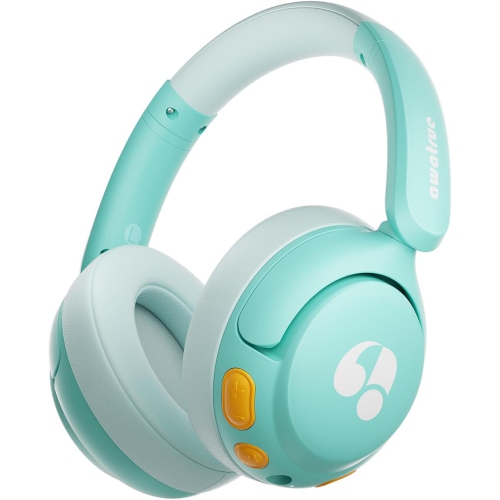

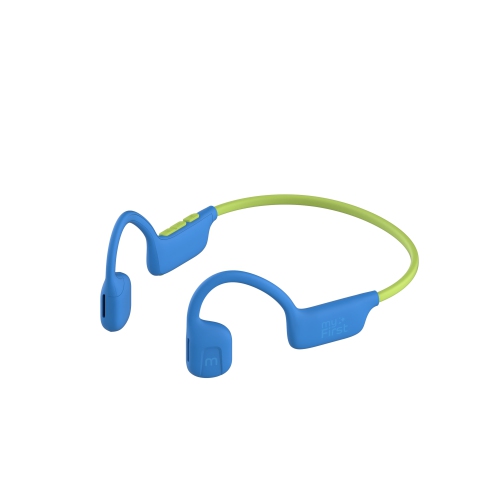
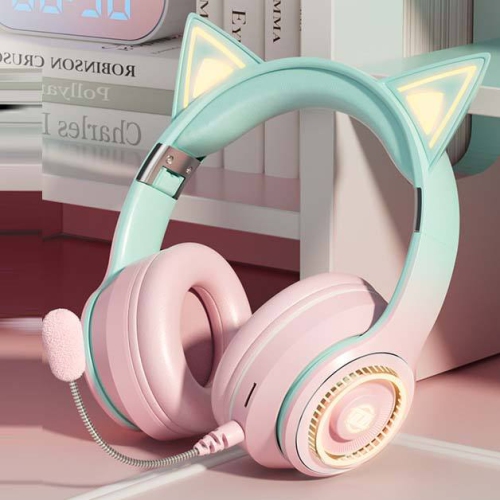
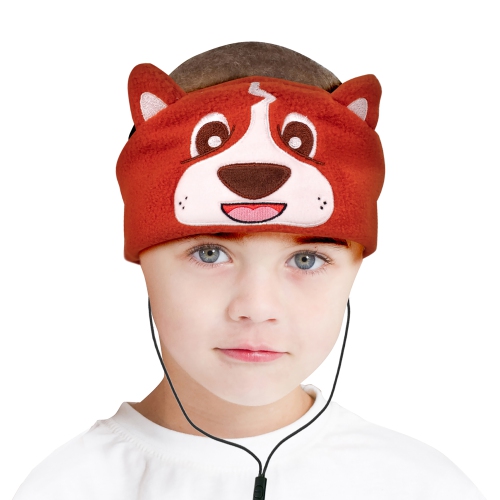
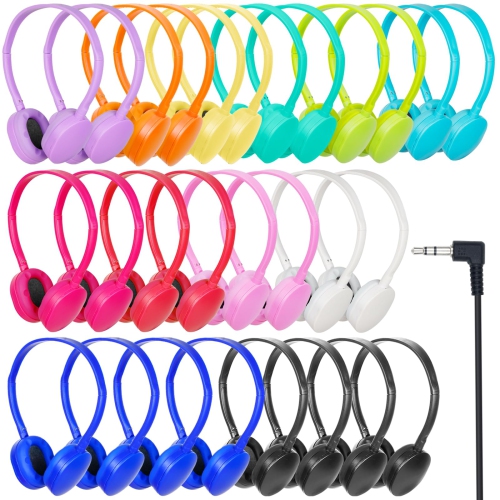
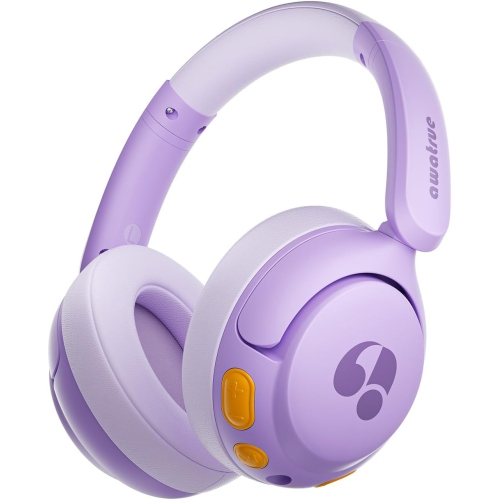
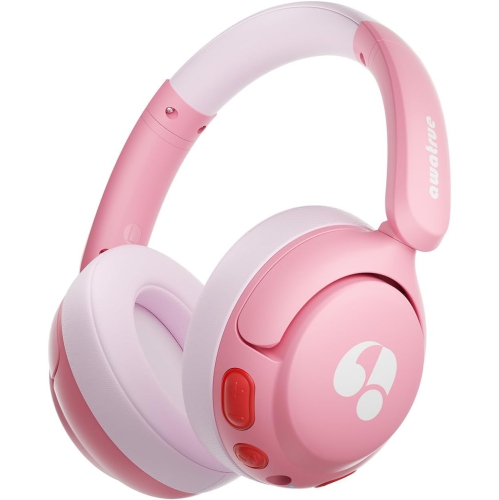
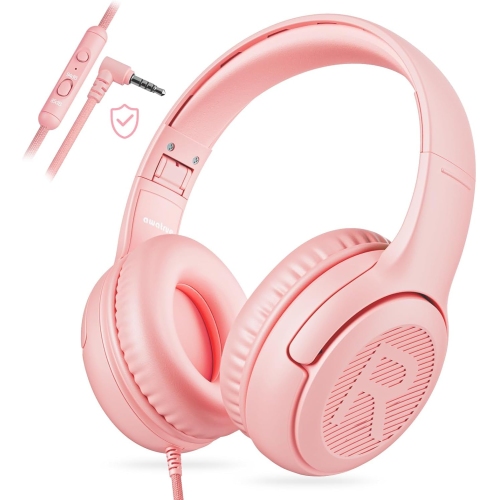
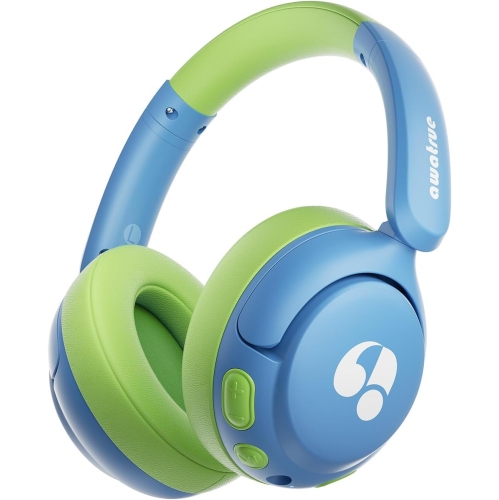
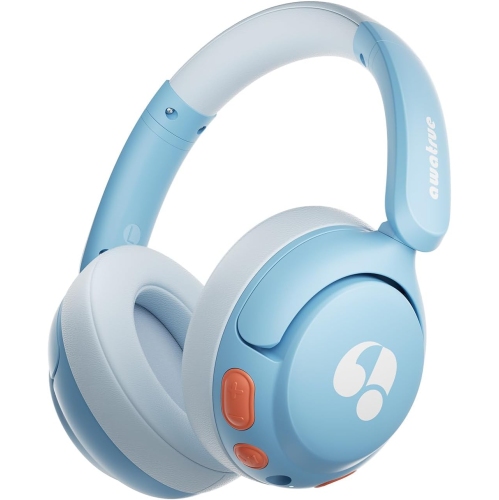

Little listeners need more than a smaller headband
Headphones for kindergarten students bring stories, letter sounds, music, and classroom activities closer to young listeners without sending every sound across the room. Child-sized on-ear and over-ear designs are generally better suited to this age group than adult-sized headphones, with smaller headbands and ear cushions that sit more comfortably on little heads. For everyday school use, a practical combination is an adjustable fit, padded earcups, straightforward controls, and a volume-limiting feature. Many children’s headphones have a stated volume limit of around 85 dB, although that figure should not be treated as a guarantee of safe listening. Sound levels can depend on the connected device, the headphone settings, and how the limiter works, while listening duration also matters. Adult supervision, a low starting volume, and regular listening breaks remain important. A comfortable fit helps children hear clearly without needing to turn the sound up to compete with nearby conversations. On-ear cushions rest against the ears, while over-ear cushions surround them; either style needs to fit without squeezing or sliding down when a child looks at a screen or bends over a worksheet. Soft padding across the headband can make a noticeable difference during a story or learning activity, especially for children who dislike pressure on the top of their head. Adjustable bands also leave room for growth, but the smallest setting still needs to hold the earcups in the right position. For a child who wears glasses, gentle clamping pressure and cushions that do not press the frames into the sides of the head can improve comfort. Smooth adjustment points, lightweight construction, and clearly marked left and right sides support independent use. A familiar colour or simple visual marker can help a child identify their own pair in a classroom bin. The most useful fit is one that stays comfortable while the student listens, speaks, and moves naturally, rather than one that needs frequent help from an adult.
Connections are another important part of choosing kindergarten headphones because classroom devices and school requirements can differ. Wired headphones are often a straightforward choice for shared computers and tablets: they connect directly, do not need charging, and avoid the pairing steps associated with Bluetooth. A 3.5 mm plug works only with a compatible headphone jack, so the school’s required connection matters more than assuming every device uses the same port. Some computers and tablets use USB or USB-C connections instead, and any adapter needs to support audio and, where needed, microphone input. A secure connection also helps prevent a learning activity from suddenly playing through the device’s speakers when a plug slips loose. Wireless headphones can be useful when movement matters, but they introduce charging, pairing, and device-switching tasks that may need adult help. In a classroom where several children use nearby devices, keeping each pair connected to the intended screen is particularly important. A built-in microphone may be helpful for activities that ask students to say a word aloud, record a short response, or participate in a remote lesson. Microphone compatibility should be checked separately from audio playback, since hearing a lesson does not necessarily mean a device can capture the child’s voice through the same connection. Clear microphone placement and a simple mute control can make speaking activities easier, provided the controls are manageable for small hands. For listening-only tasks, a microphone may be unnecessary. Large, distinct buttons are easier to operate than tiny controls clustered together, while a simple design reduces accidental changes during an activity. School rules may also cover cable length, storage, labelling, and whether headphones remain in the classroom or travel home. The broader Headphones for School category is relevant to families considering listening needs beyond kindergarten, although younger students benefit from particular attention to sizing and ease of use. Matching the connection and features to the actual classroom routine helps keep the focus on the lesson rather than on getting the audio to work.
Daily handling puts children’s headphones through plenty of small tests: a hurried trip into a backpack, a cable pulled while reaching for a pencil, or an earcup resting against a lunch container. Durable designs balance flexibility with secure construction, using materials such as lightweight plastic, reinforced connection points, and cushioning that holds its shape through repeated use. A flexible headband may tolerate ordinary handling better than a rigid one, but no pair should be bent beyond its intended range. Folding earcups can make storage easier, although hinges add moving parts that small children may need help using. Cable strain relief near the plug and earcups is useful for wired designs because those areas receive frequent tugging. Teaching children to remove the plug by its connector rather than pulling the cord can reduce avoidable wear. Cables should have enough length to reach the device comfortably without leaving unnecessary loops around the chair or desk, and cords should never be wrapped around a child’s neck. A labelled pouch or protective case gives headphones a consistent place between activities and helps keep cushions away from crumbs, spills, and loose backpack contents. Care depends on the materials and the manufacturer’s directions, but routine cleaning usually involves gently wiping suitable surfaces and keeping moisture away from openings and electrical connections. Fabric cushions and smooth coverings may need different treatment, and detachable padding should only be removed when the design allows it. Letting cleaned parts dry fully before storage helps keep the pair ready for its next use. Individually assigned headphones can simplify identification and hygiene in shared learning spaces; when sharing is necessary, school cleaning procedures should be followed. At home, the same child-sized design can support read-along stories, supervised tablet activities, or conversations with family, provided the connection suits the device. Headphones can also be a practical gift from a parent, grandparent, or caregiver when the child’s fit, school requirements, and listening habits are known. Comfort, manageable controls, and reliable everyday construction give young students a familiar tool they can learn to handle with growing confidence.
Top selling and popular products
-
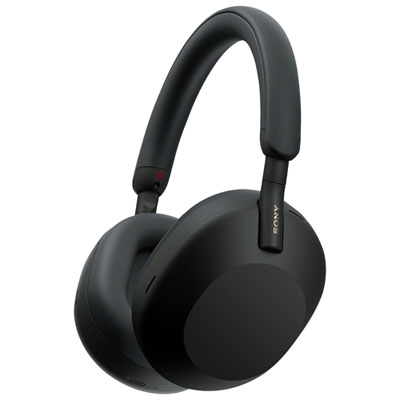 Your price for this item is $499.99
-
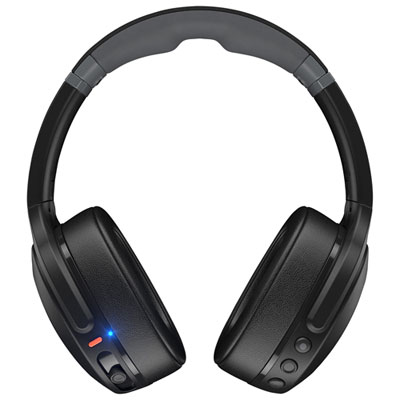 Your price for this item is $159.98
-
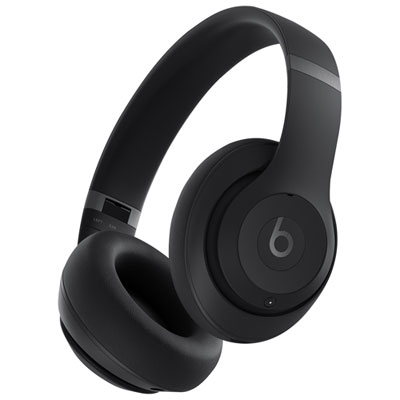 Your price for this item is $399.99
-
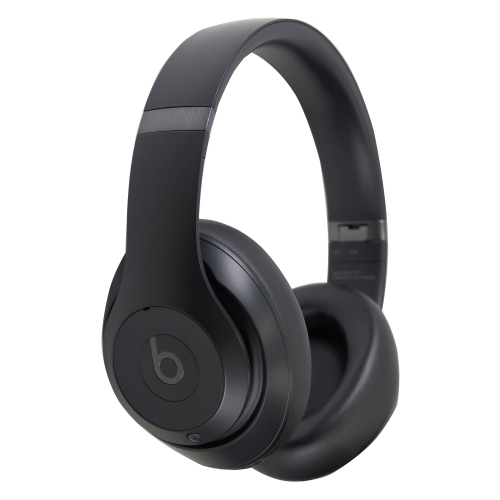 Your price for this item is $359
-
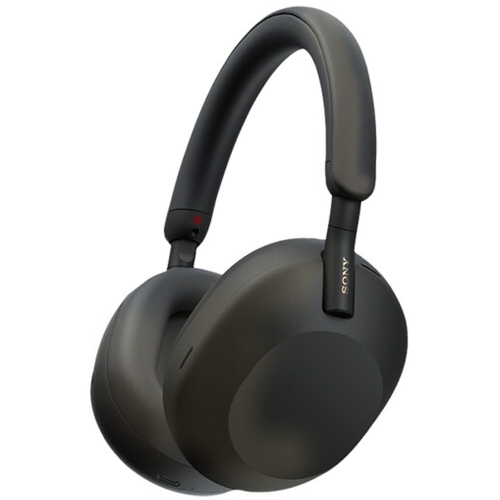 Your price for this item is $349
-
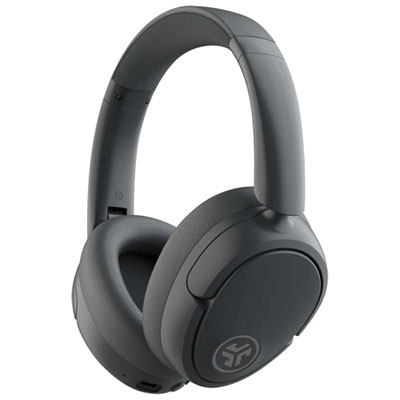 Your price for this item is $59.99
-
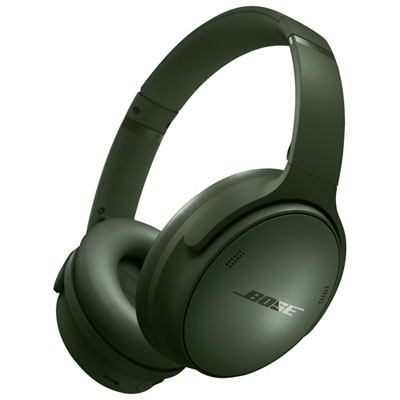 Your price for this item is $249
-
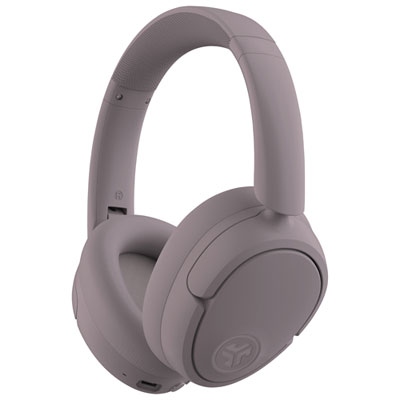 Your price for this item is $59.99
Discover more categories related to Headphones for Kindergarten Students
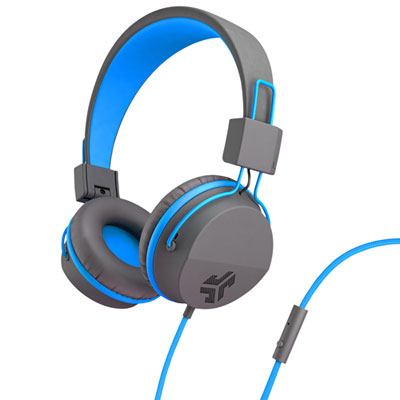
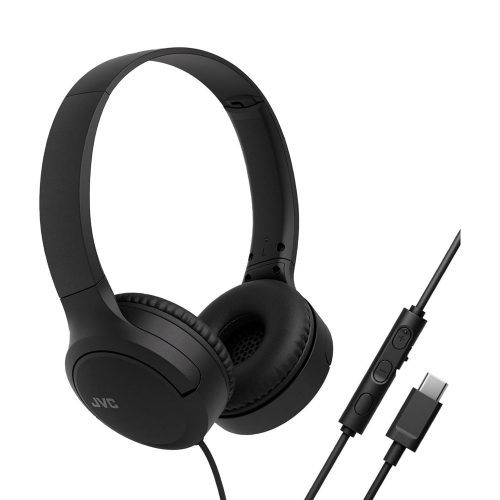

Top Collections:
Best Black Friday Deals This Year, Best Black Friday Deals On Electronics, Kindle Devices, Pokemon Centers, Best Black Friday Deals On Apple Products, Best Cameras for Sports Photography, Dyson Airwrap, Pokémon 30th Celebration Cards, Apple iPhone 17 Pro, Canon G7X Cameras
Some products may be subject to Environmental Handling Fees
(EHF) depending on your province.
Learn more about EHFs.