Headset Holders
A headset holder is an essential accessory for keeping your workspace organized and your headphones within easy reach. Whether you're setting up a gaming station, home office, or entertainment area, the right headset holder helps prevent clutter and protects your gear. Explore a variety of options designed to suit different styles and spaces, making it simple to find the perfect solution for storing your headset securely.
Sort

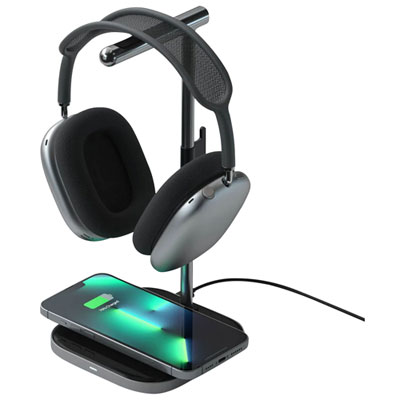


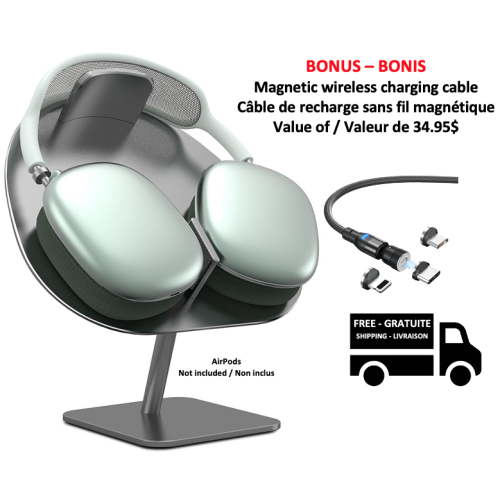
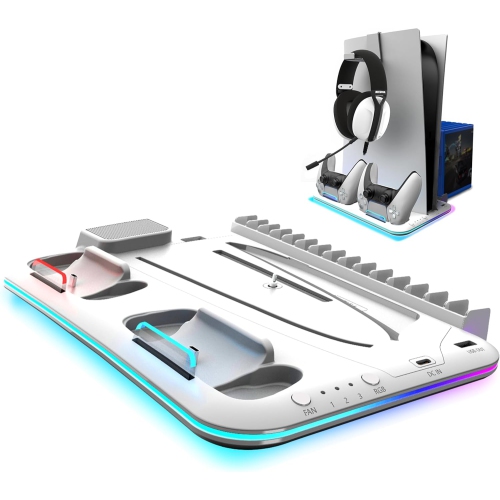


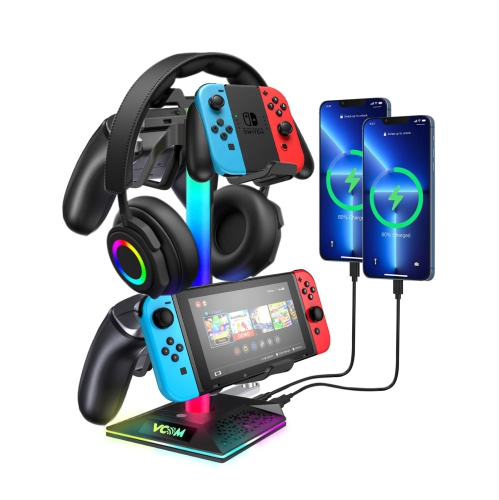


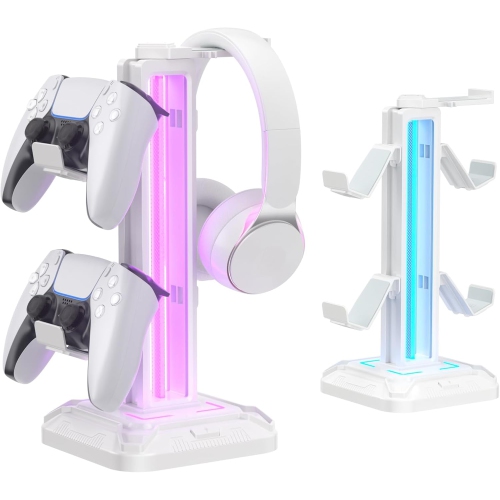


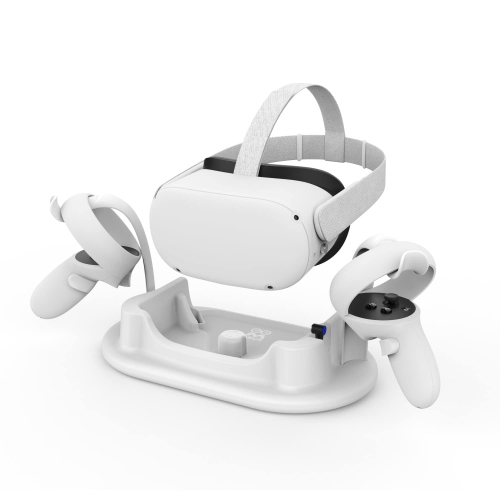
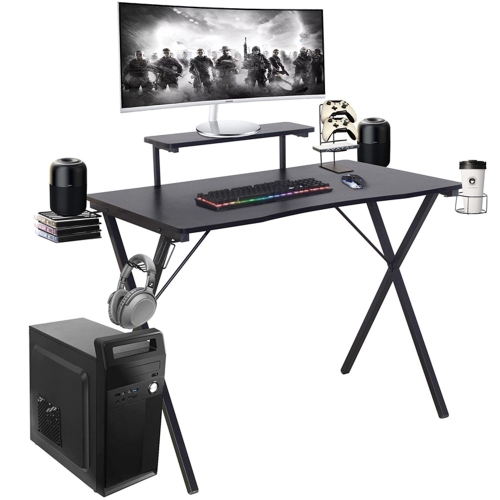
A dedicated spot for headsets without crowding your desk
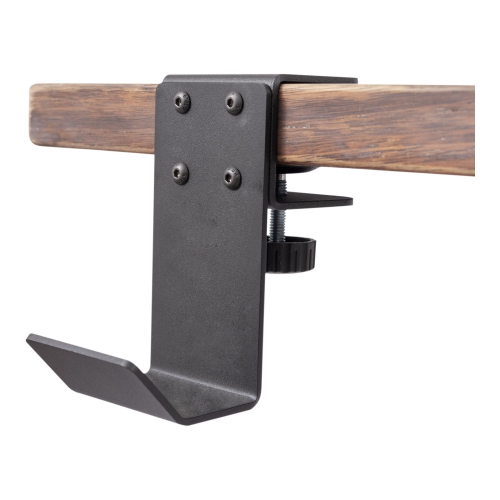
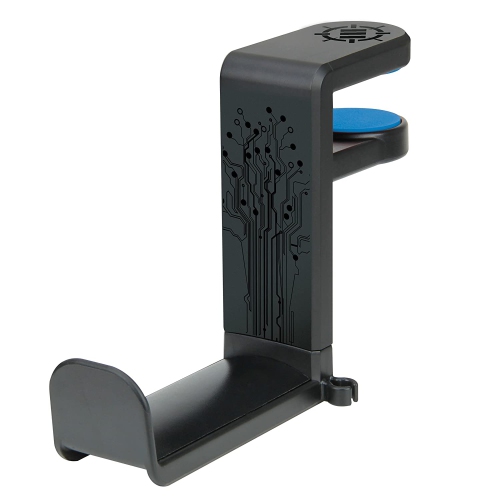
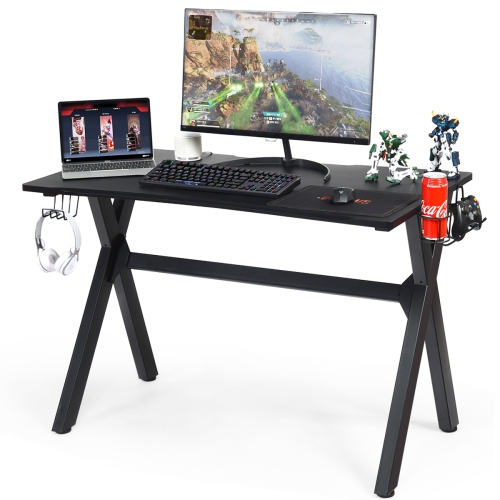
Headset holders give headphones and gaming headsets a dedicated resting place between calls, listening sessions, and matches. The main styles are freestanding desktop stands, under-desk hangers, and wall-mounted hooks, each suited to a different layout. A desktop stand keeps a headset visible and within easy reach, with a base that sits beside a monitor, on a shelf, or at the edge of a workstation. Under-desk holders move storage below the work surface, leaving more room for a keyboard, notebook, or mouse. Wall-mounted holders make use of vertical space and keep audio gear away from the busiest part of a desk. The best fit depends on the space around the headset as much as the holder itself. A stand needs enough height for the earcups and any attached cable to hang without pressing against the base. An under-desk hook needs clearance from knees, chair arms, drawers, and the movement of a height-adjustable desk. Clamp-mounted holders attach around a desk edge, so desktop thickness, edge shape, and the position of support rails all affect compatibility. Adhesive-mounted designs need a suitable surface and installation that follows the mounting directions; a textured finish, dust, or an unsuitable underside may prevent a secure bond. Screw-mounted holders offer another attachment method where making holes is appropriate. For shared desks, a swivelling hook can make the headset easier to reach and then turn it out of the way. A freestanding design is simpler to move between a desk and a nearby shelf, while a fixed mount gives the headset a consistent home. In a compact setup, that distinction matters: a headset left beside a mouse can crowd the working area, while one hanging too close to a chair may get knocked whenever someone sits down. Thoughtful placement keeps the headset accessible without putting its headband, microphone, or cable in the path of everyday movement.
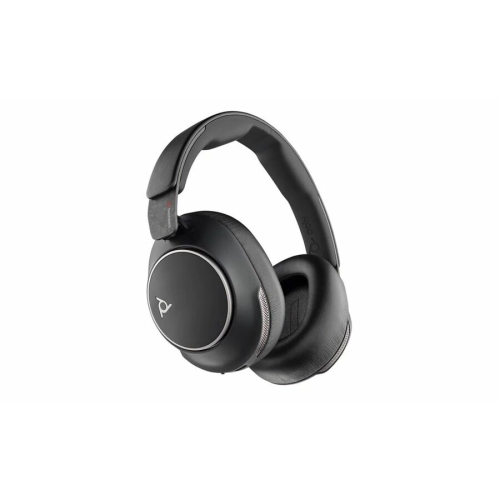
Materials, shape, and construction influence how a headset holder supports audio gear over time. Metal holders often provide a slim, rigid structure, while moulded plastic designs can be lightweight and easy to reposition. Wooden stands bring a different texture to a desk or shelving unit, with stability depending on their shape, base, and construction rather than appearance alone. Soft contact pads made from silicone, rubber, or fabric can cushion the area where the headband rests, and a smooth, rounded support helps avoid concentrating the headset’s weight on a sharp edge. A broad cradle may suit a wide padded headband better than a narrow peg, although suspension-style headbands sometimes need support at the outer frame rather than against the flexible strap. Headband width, overall weight, and earcup size are useful points of comparison when matching a holder with audio gear from the Headsets Headsets category. Large over-ear headsets need room for their earcups to hang naturally, and an extended boom microphone may require extra clearance on one side. Holders intended for two headsets need enough separation to prevent the earcups and cables from becoming crowded together. A stated weight capacity is particularly important for heavier headsets and multi-headset storage. On desktop stands, a broad or weighted base and a non-slip underside help resist movement when the headset is lifted off with one hand. On mounted designs, secure joints, suitable fasteners, and a clamp that fits the surface are central to dependable support. Padding beneath a clamp can help protect a finish, but suitability still depends on the desk material and mounting directions. Durability also shows up in small details: smooth edges around cable slots, firmly attached cushions, and joints that stay steady through repeated use. A holder should support the headset without forcing the earcups apart, compressing the cushions, or leaving the cable bent sharply at its connector.
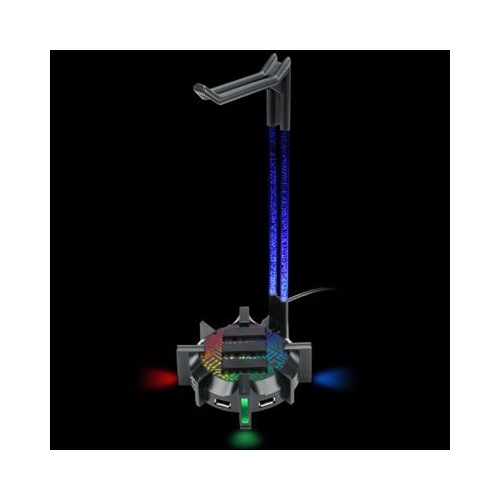
Beyond basic storage, headset holders may include cable channels, accessory trays, USB connections, charging features, or RGB lighting. These additions serve different purposes, and their usefulness depends on the rest of the setup. A cable guide can keep a wired headset’s lead from trailing across a mouse pad, while a small tray provides a place for a detachable microphone or wireless receiver. USB connections may provide charging, data transfer, or both, depending on the design and power source; hanging a wireless headset on a stand does not itself charge the battery. Where charging is supported, connector compatibility, cable routing, and power requirements matter. Lighting adds a visual accent to a gaming desk, while an unlit holder may blend more easily into a shared office or bedroom. For someone moving between video meetings and focused work, a nearby hanger makes it easier to put the headset down without laying the ear cushions on papers or reaching across a keyboard. For a gamer with a wired headset, an accessible stand can help keep the cable clear between sessions. A household with several users may benefit from separate storage positions so each headset has its own place. Holders also make practical gifts for students, remote workers, frequent listeners, and people putting together a gaming space, particularly when the recipient’s desk layout and headset dimensions are known. Everyday care is generally straightforward: dusting the holder, wiping compatible surfaces with a soft cloth, and keeping moisture away from electrical connections helps maintain its finish and function. Cleaning methods should suit the material, especially on wood, coated metal, and padded contact areas. Mounted holders also benefit from occasional checks for loose fittings or lifting adhesive. Storage works best when the headset hangs without cable tension, the microphone is clear of nearby objects, and the holder remains easy to reach. Those details turn a simple accessory into a useful part of a well-organized desk.
Top selling and popular products
-
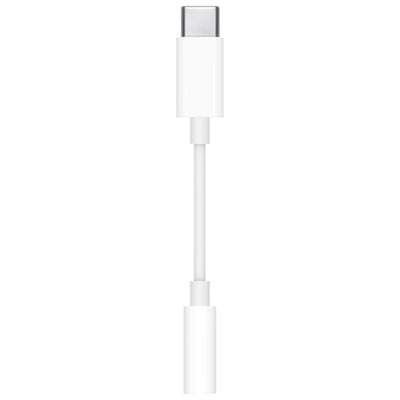 Your price for this item is $10
-
 Your price for this item is $19.97
-
 Your price for this item is $479.99
-
 Your price for this item is $69.99
-
 Your price for this item is $4.99
-
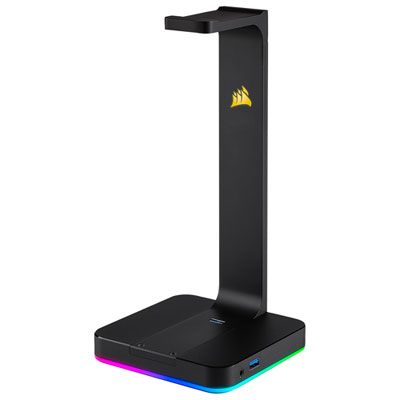 Your price for this item is $124.99
-
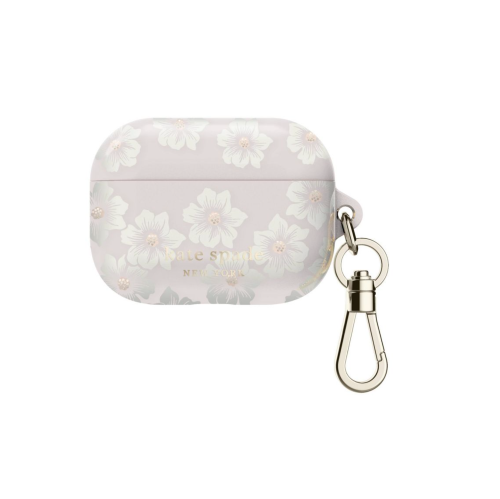 Your price for this item is $107.9
-
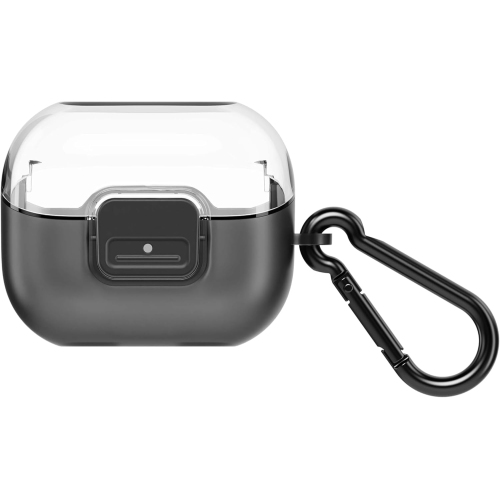 Your price for this item is $49.99
Discover more categories related to Headset Holders


Top Collections:
Pokemon Centers, Best Cameras for Sports Photography, Kindle Devices, Samsung Galaxy Phones, Canon G7X Cameras, Pokémon 30th Celebration Cards, Refurbished Apple Laptops, iPhone 15 Apple, Laptops for Students, Budget Smartphones
Some products may be subject to Environmental Handling Fees
(EHF) depending on your province.
Learn more about EHFs.