Hearing Protection for Shooting
When it comes to shooting, protecting your hearing is of utmost importance. Whether you're a professional marksman or a recreational shooter, exposure to loud gunfire can cause irreversible damage to your ears. That's why finding the right hearing protection is crucial for maintaining your auditory health and enjoying your shooting experience to the fullest. In this comprehensive selection, you'll discover a range of high-quality hearing protection options designed specifically for shooting enthusiasts. From earmuffs to earplugs, our collection offers superior noise reduction and comfort, allowing you to focus on your goal without compromising on safety.
Sort
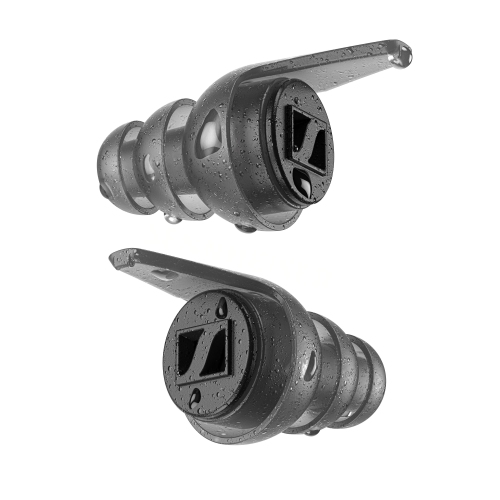
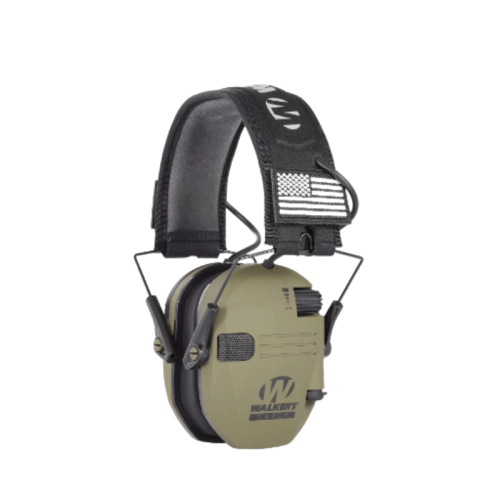
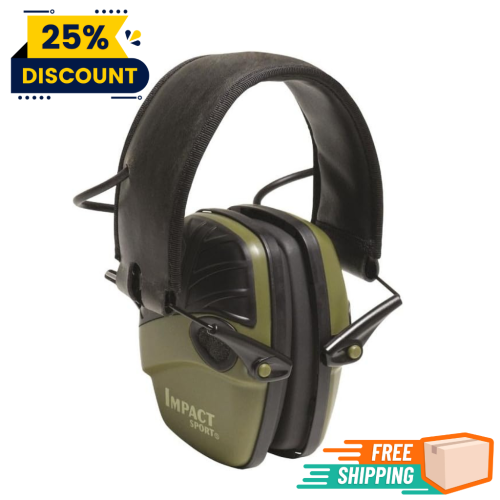
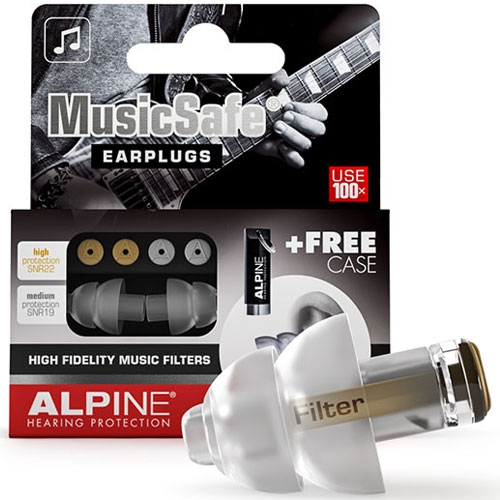
What to know about ratings, fit, and shooting environments
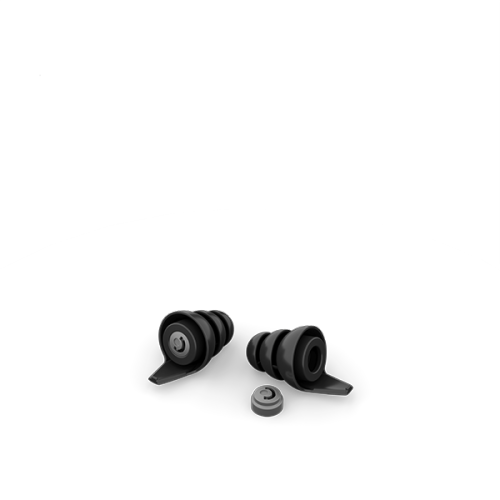
Choosing the right hearing protection for shooting starts with understanding the environment, the equipment being used, and how long the protection will be worn. Gunfire produces dangerously loud impulse noise, whether you are practising at an indoor range, spending time at an outdoor range, taking part in a supervised sporting activity, or enjoying a hunting trip during the cooler months. A Noise Reduction Rating (NRR) of at least 22–23 dB is commonly recommended for outdoor shooting, while indoor ranges and larger-calibre firearms may call for protection rated at 30 dB or higher. The rating is an important comparison point, but it is not the only one. Proper fit, consistent wear, and the design of the protection all affect how well it performs. Foam earplugs can provide substantial attenuation when they are rolled, inserted, and allowed to expand correctly, but a loose fit can leave the ear exposed to sharp sound. Reusable plugs, pre-moulded plugs, and custom-moulded options can be more comfortable for people who spend long sessions at the range or find standard foam difficult to fit. Some shooters choose to wear earplugs beneath earmuffs, known as double hearing protection, for especially loud indoor environments or when extra attenuation is appropriate. Hearing protection should be put on before entering the firing area and kept in place whenever shooting or other loud activity is taking place. It is also important to follow the rules of the range, use firearms only in accordance with proper training and supervision, and never rely on hearing protection as a substitute for safe handling practices.
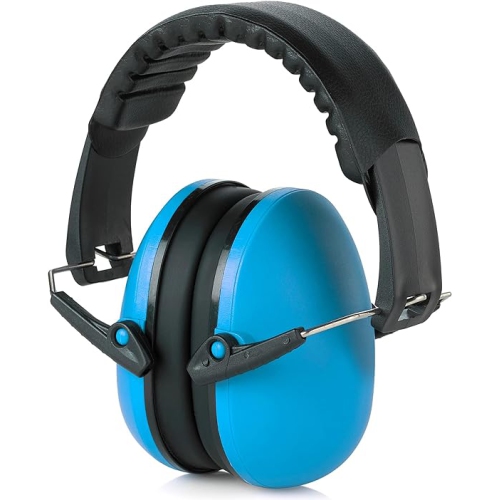
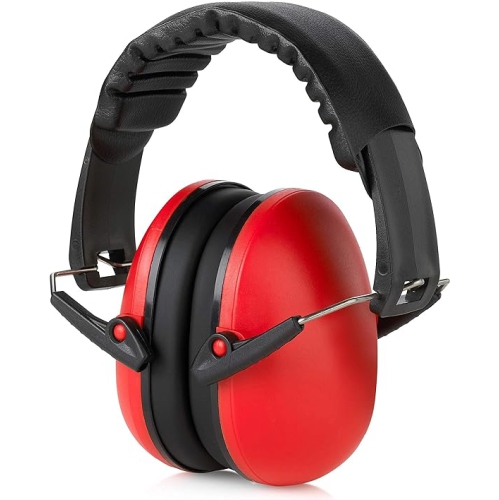
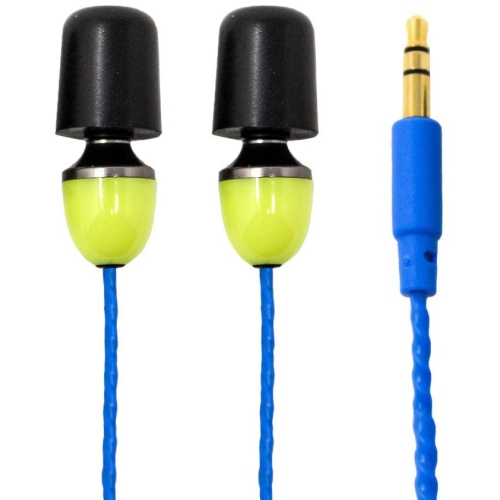
Passive earmuffs are a straightforward choice for people who want over-ear coverage without batteries or electronic controls. Their padded cups create a seal around the ears and reduce sound across a broad range, making them useful for occasional range visits, supervised practice, workshops, and other noisy settings. Look for adjustable headbands, soft cushions, and a secure fit that remains comfortable without creating excessive pressure. A slim or low-profile profile can be particularly helpful with rifles and shotguns, since bulky earcups may bump against the stock when the firearm is shouldered. Electronic earmuffs add another type of convenience by using microphones to make quieter sounds, such as range commands or conversation, easier to hear while compressing or limiting sudden loud sounds such as gunfire. This can help users stay aware of instructions and communicate without removing their protection, although electronic hearing protection should still be selected according to its published rating and intended use. Battery life, automatic shutoff, control placement, microphone performance, and compatibility with hats or other safety equipment are practical details worth checking. In-ear electronic options and low-profile earbud-style designs may suit people who prefer less bulk or need to combine hearing protection with other range gear, while passive in-ear plugs can be convenient to carry in a range bag. Regardless of style, inspect plugs, cushions, and seals regularly for wear, dirt, or damage, and replace components when they no longer fit securely. For complete range readiness, many shooters pair hearing protection with Shooting Eye Protection and other required safety equipment.
Hearing protection for shooting can be a thoughtful gift for a new shooter, a family member joining a supervised range session, or an experienced enthusiast who spends time outdoors and wants a more comfortable setup. It may also be useful for people who participate in clay target sports, use noisy tools around a property, or attend events where sudden loud sounds are expected, provided the product is suitable for that activity. When choosing a gift, consider whether the recipient usually shoots indoors or outdoors, uses a rifle or shotgun, prefers over-ear or in-ear coverage, and wears glasses, a brimmed hat, or other equipment that could affect the seal. Adjustable models are helpful when the fit is unknown, while compact plugs can be convenient for a person who keeps safety gear in a vehicle or range bag. Comfort matters because protection that feels hot, tight, or unstable may be removed at the very moment it is needed. For a regular range user, a second set can be useful for a guest or as a spare, while replacement cushions and fresh batteries can help keep electronic hearing protection ready for the next outing. Store hearing protection in a clean, dry case and keep it away from extreme heat, moisture, and sharp objects that could deform the cushions or damage the electronics. Before each session, confirm that the earcups or plugs seal properly, check the NRR or manufacturer’s stated protection details, and ensure electronic controls and batteries are working as expected. With a suitable rating, a dependable fit, and a design that works naturally with the rest of the user’s equipment, hearing protection can make shooting sessions more comfortable while supporting responsible, consistent hearing safety.
Passive earmuffs are a straightforward choice for people who want over-ear coverage without batteries or electronic controls. Their padded cups create a seal around the ears and reduce sound across a broad range, making them useful for occasional range visits, supervised practice, workshops, and other noisy settings. Look for adjustable headbands, soft cushions, and a secure fit that remains comfortable without creating excessive pressure. A slim or low-profile profile can be particularly helpful with rifles and shotguns, since bulky earcups may bump against the stock when the firearm is shouldered. Electronic earmuffs add another type of convenience by using microphones to make quieter sounds, such as range commands or conversation, easier to hear while compressing or limiting sudden loud sounds such as gunfire. This can help users stay aware of instructions and communicate without removing their protection, although electronic hearing protection should still be selected according to its published rating and intended use. Battery life, automatic shutoff, control placement, microphone performance, and compatibility with hats or other safety equipment are practical details worth checking. In-ear electronic options and low-profile earbud-style designs may suit people who prefer less bulk or need to combine hearing protection with other range gear, while passive in-ear plugs can be convenient to carry in a range bag. Regardless of style, inspect plugs, cushions, and seals regularly for wear, dirt, or damage, and replace components when they no longer fit securely. For complete range readiness, many shooters pair hearing protection with Shooting Eye Protection and other required safety equipment.
Hearing protection for shooting can be a thoughtful gift for a new shooter, a family member joining a supervised range session, or an experienced enthusiast who spends time outdoors and wants a more comfortable setup. It may also be useful for people who participate in clay target sports, use noisy tools around a property, or attend events where sudden loud sounds are expected, provided the product is suitable for that activity. When choosing a gift, consider whether the recipient usually shoots indoors or outdoors, uses a rifle or shotgun, prefers over-ear or in-ear coverage, and wears glasses, a brimmed hat, or other equipment that could affect the seal. Adjustable models are helpful when the fit is unknown, while compact plugs can be convenient for a person who keeps safety gear in a vehicle or range bag. Comfort matters because protection that feels hot, tight, or unstable may be removed at the very moment it is needed. For a regular range user, a second set can be useful for a guest or as a spare, while replacement cushions and fresh batteries can help keep electronic hearing protection ready for the next outing. Store hearing protection in a clean, dry case and keep it away from extreme heat, moisture, and sharp objects that could deform the cushions or damage the electronics. Before each session, confirm that the earcups or plugs seal properly, check the NRR or manufacturer’s stated protection details, and ensure electronic controls and batteries are working as expected. With a suitable rating, a dependable fit, and a design that works naturally with the rest of the user’s equipment, hearing protection can make shooting sessions more comfortable while supporting responsible, consistent hearing safety.
Top selling and popular products
-
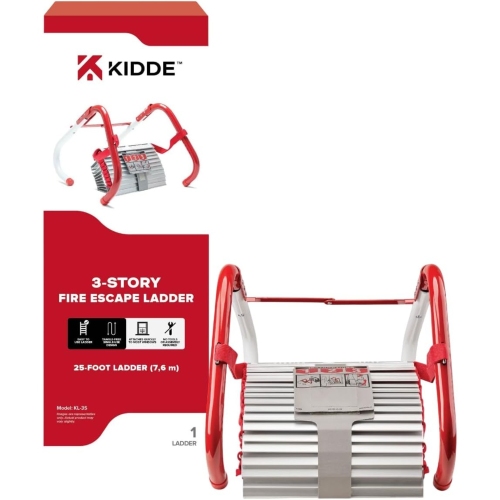 Your price for this item is $189.05
 -
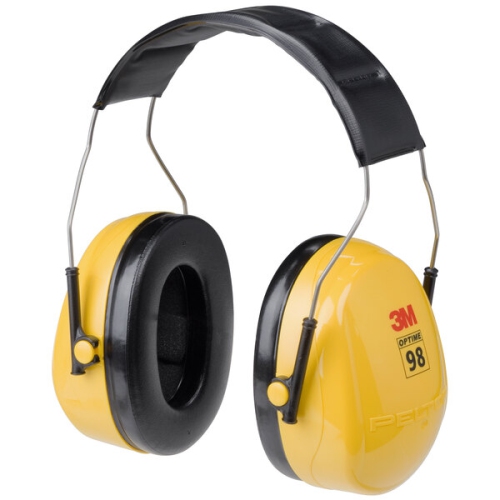 Your price for this item is $39.25
 -
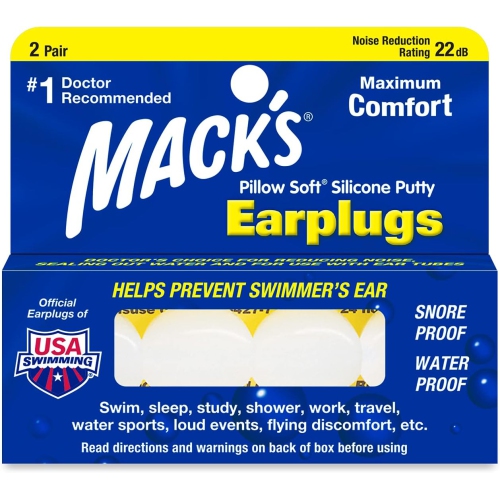 Your price for this item is $21.99
 -
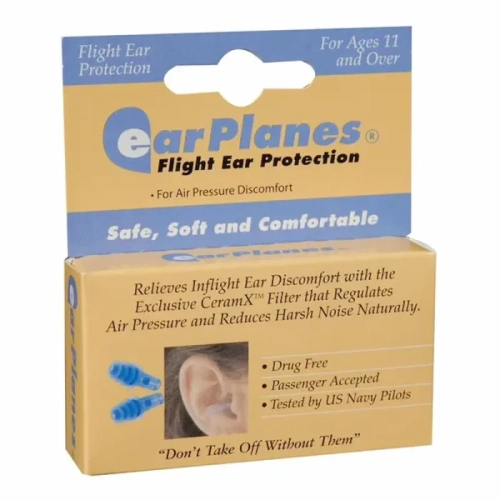 Your price for this item is $16
 -
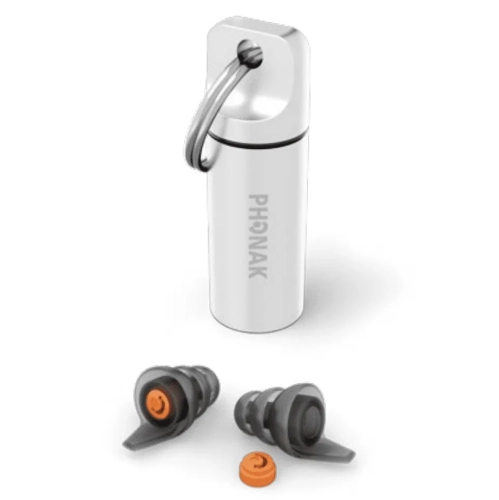 Your price for this item is $44.8
 -
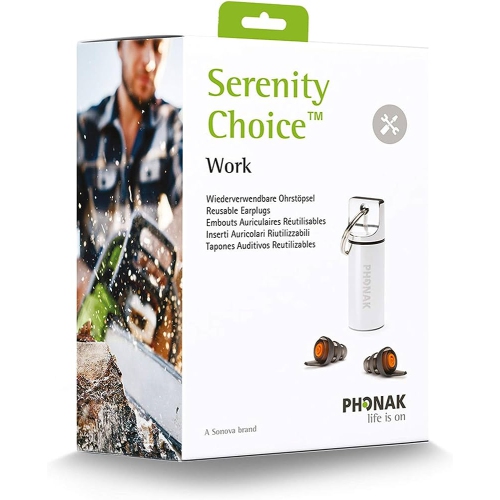 Your price for this item is $52
 -
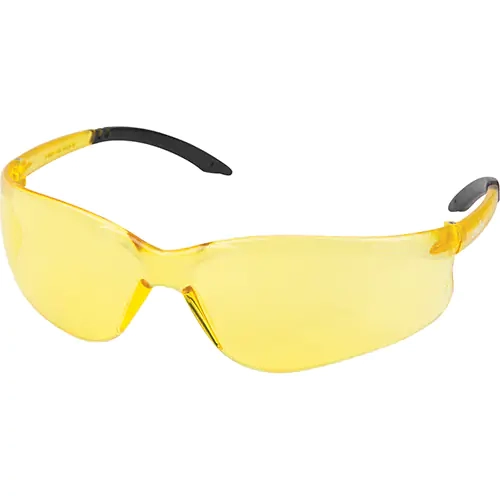 Your price for this item is $2.68
 -
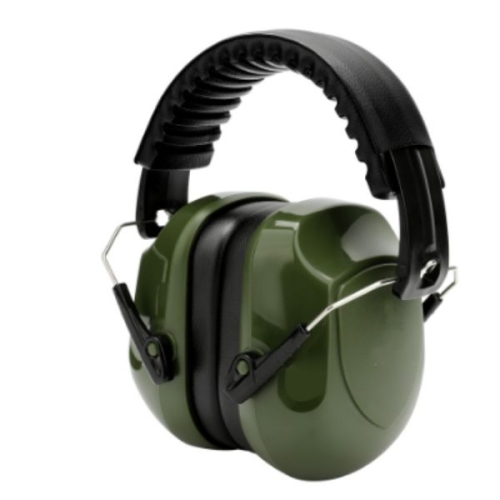 Your price for this item is $31.99
Discover more categories related to Hearing Protection for Shooting
Top Collections:
Pokemon Centers, Kindle Devices, Best Budget Office Chairs, Apple iPhones 16, Best Laptops for Writers, iPhone 15 Apple, Canon G7X Cameras, Refurbished Apple Laptops, Alarm Clock, Motorola Razr Phones
Some products may be subject to Environmental Handling Fees
(EHF) depending on your province.
Learn more about EHFs.