Noise Reduction Earmuffs
Experience peace and tranquility in any noisy environment with our collection of noise reduction earmuffs. Whether you're working in a bustling office, traveling on a loud airplane, or simply looking for some quiet time at home, these earmuffs are designed to block out unwanted noise and provide you with the serenity you deserve. With a range of styles and features to choose from, our noise reduction earmuffs offer comfort, durability, and above all, exceptional noise cancellation technology. Say goodbye to distractions and hello to uninterrupted focus with our selection of noise reduction earmuffs.
Sort
![GREEN SCENIC [Orange] Bluetooth 5.1 Noise-Cancelling Headphones | Intelligent Ai Noise Reduction | 40 Hours Of Battery Life | Lightweight Folding](https://multimedia.bbycastatic.ca/multimedia/products/500x500/192/19274/19274265.jpeg)
![GREEN SCENIC [Yunyan Baiyu] Hi-Fi Stereo Headphones | Protein Leather Zero-Pressure Earmuffs | Enc Call Noise Reduction | Type-C Fast Charging](https://multimedia.bbycastatic.ca/multimedia/products/500x500/192/19274/19274268.jpeg)
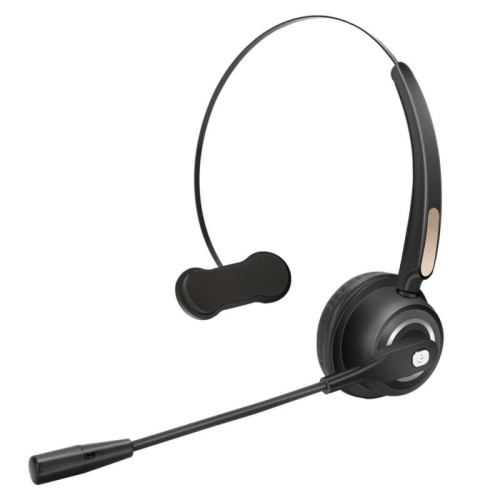
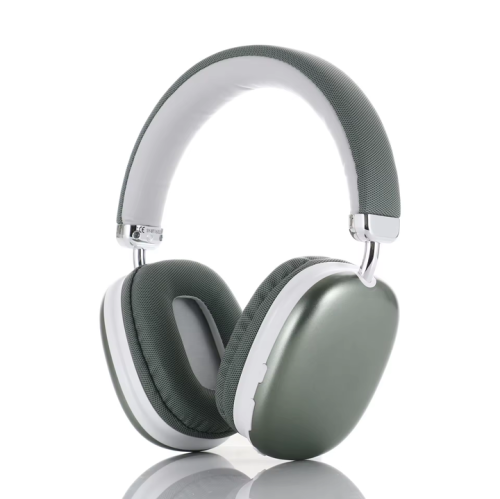
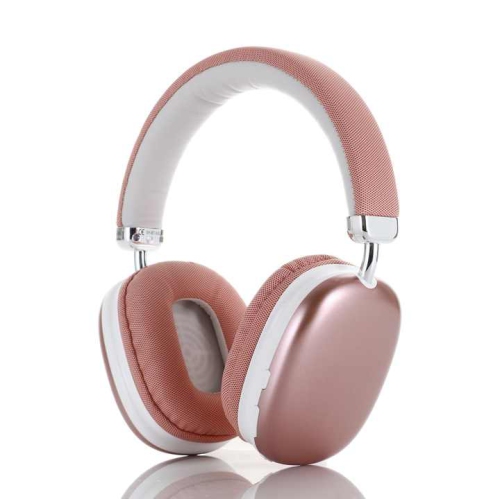
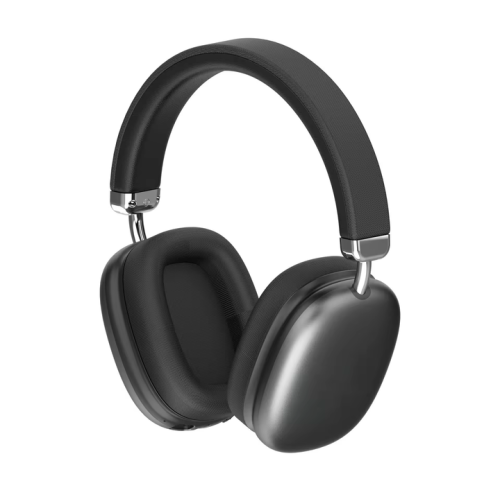
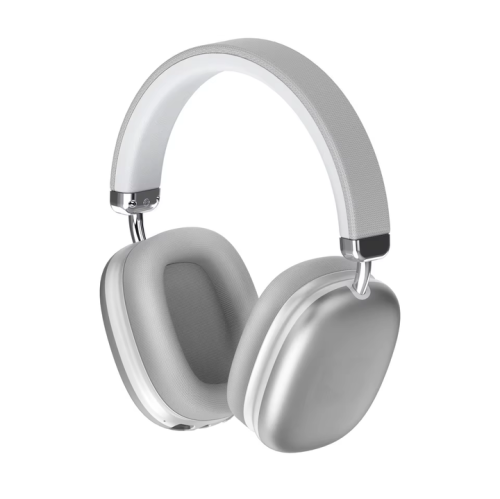
How fit, comfort and ratings affect hearing protection
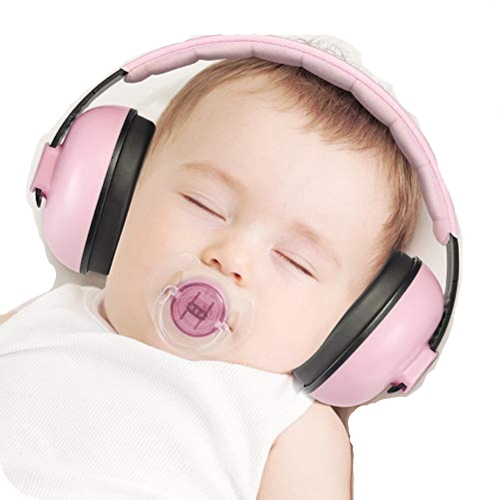
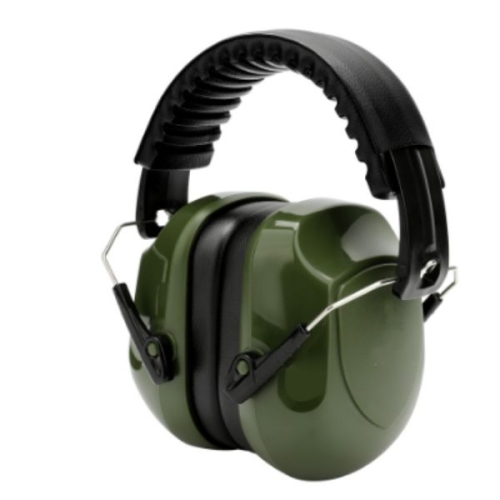
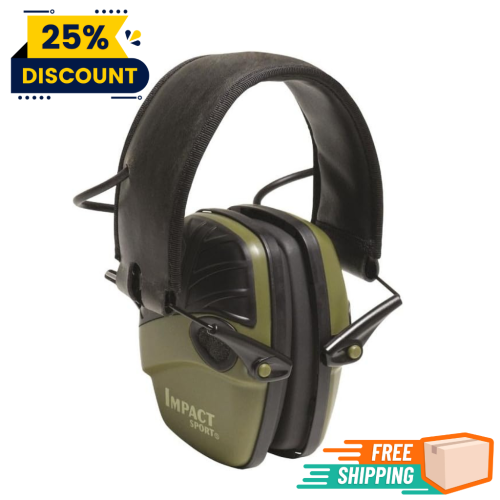
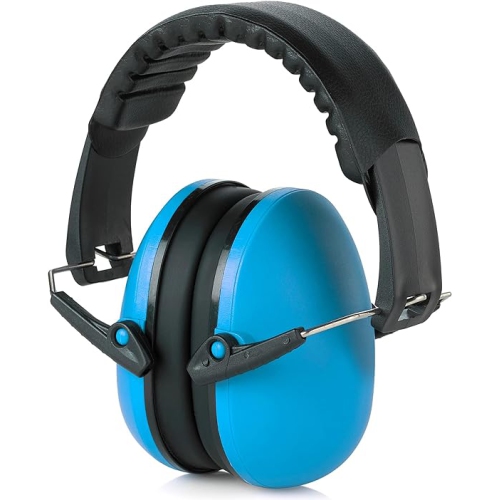
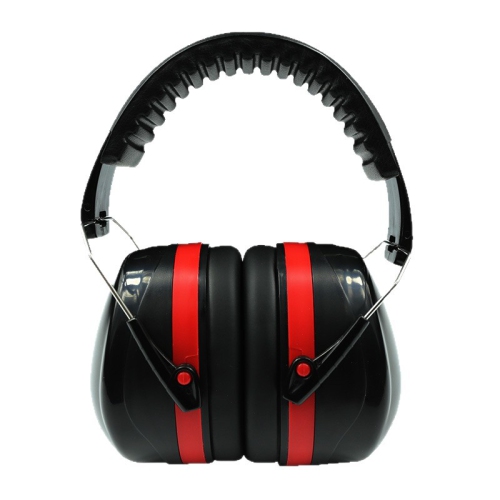
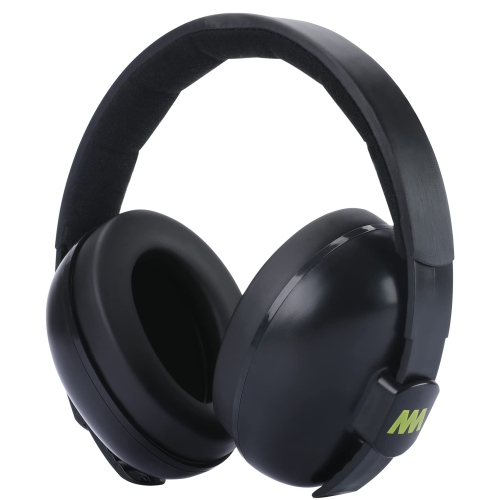
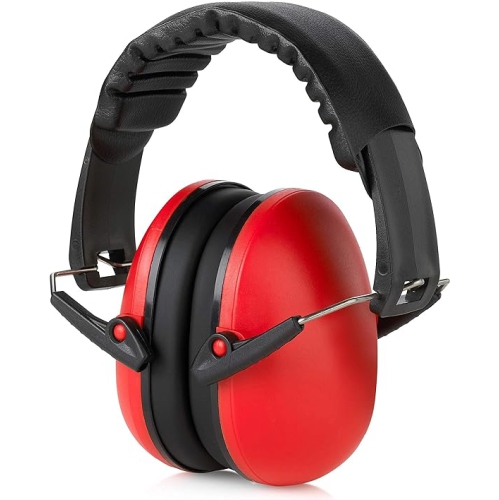
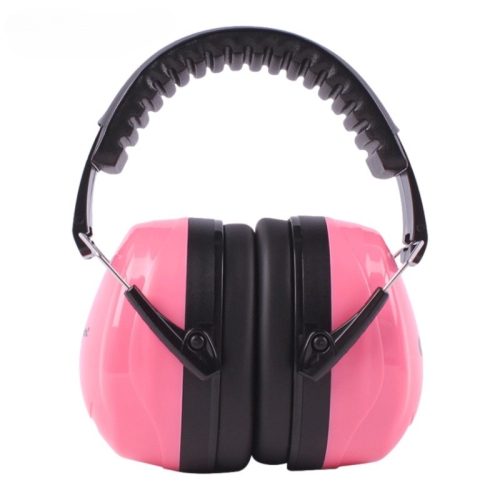
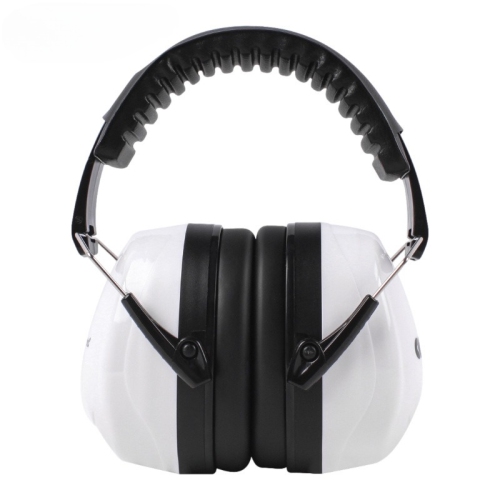
Noise reduction earmuffs are designed to help reduce the amount of sound reaching your ears, making them useful in loud workplaces, workshops, home improvement projects, outdoor maintenance, recreational shooting and other high-volume environments. They can also be helpful when you need a quieter setting for concentration, although hearing protection should be selected according to the level and type of noise involved. Passive earmuffs use insulated cups and cushioned seals to reduce sound without electronics. They are straightforward to use, do not require batteries and can provide consistent protection around machinery, power tools, lawn equipment and construction noise. Electronic earmuffs combine hearing protection with microphones or sound-activated circuitry. Depending on the design, they may allow quieter sounds such as speech or background activity to remain audible while rapidly reducing exposure to sudden or dangerously loud sounds. This can be useful when communication and awareness matter, such as on a job site, at an outdoor range or while working around equipment. Noise Reduction Rating, commonly shown as NRR, is one of the main specifications to review. A higher NRR generally indicates greater tested attenuation, but the printed rating is not a guarantee of the exact protection every wearer will experience. Fit, seal, wearing technique and the surrounding noise all affect performance. Earmuffs should cover the ears completely, with the cushions resting evenly against the head and without gaps caused by hair, glasses or hats. If the cups feel loose, press against the ears or allow sound to leak around the edges, a different size or style may provide a better seal. In particularly loud environments, follow workplace safety requirements and consider whether earmuffs should be used with additional hearing protection.
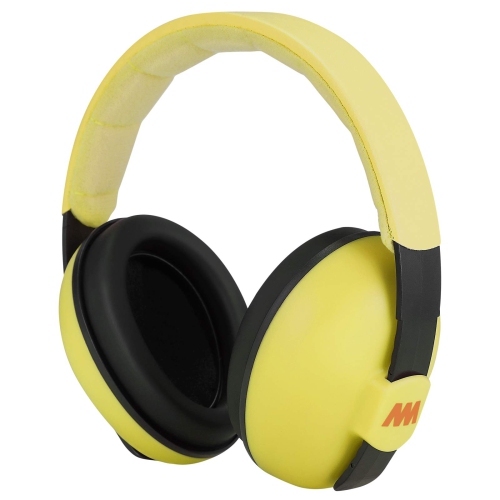
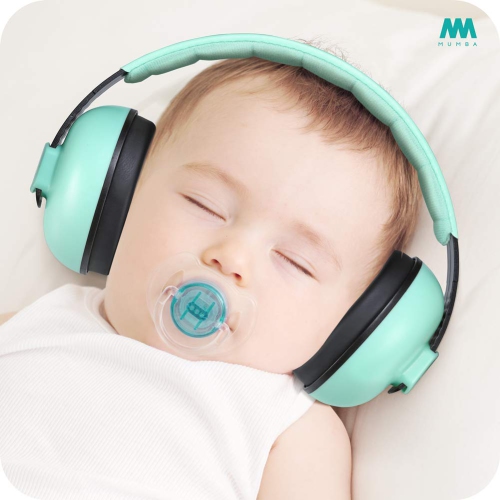
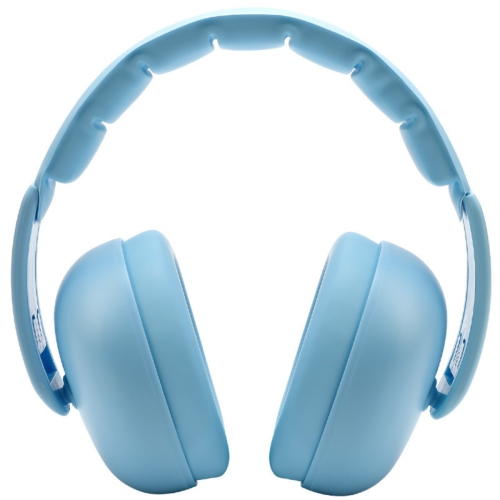
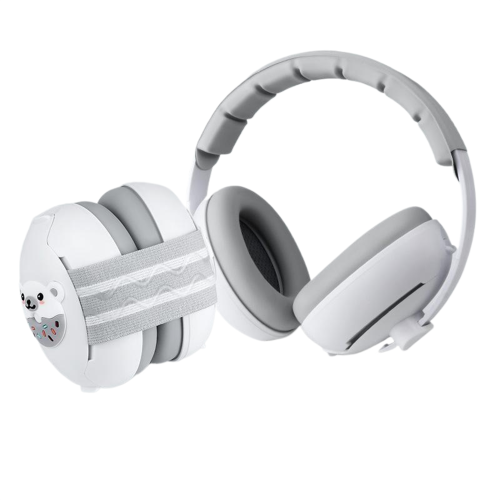
Comfort is just as important as the specification because hearing protection only works when it is worn correctly and consistently. Look for padded ear cushions, an adjustable headband and a cup shape that fully surrounds your ears rather than pressing directly on them. A lighter, low-profile design may be more comfortable beneath a hard hat or when moving around frequently, while larger cups can offer more coverage and room around the ears. Headband tension is another practical detail: enough pressure is needed to maintain a seal, but excessive pressure can become uncomfortable during a long shift. People who wear glasses should pay close attention to the space where the frames meet the cushions, since thick temples can create a small opening and reduce attenuation. Hair can have a similar effect, particularly around the top and sides of the ears. Try the earmuffs in a quiet room before entering a loud area, checking that both cups sit symmetrically and that the cushions lie flat. For children or smaller users, adult-sized earmuffs may not create a reliable seal, so select a design intended for the wearer’s head size and follow the manufacturer’s age and safety guidance. Earmuffs can be a thoughtful gift for someone setting up a workshop, maintaining a yard, learning woodworking, attending noisy sporting events or spending time at a recreational range. They are also a practical addition to a home tool kit; the familiar whine of a saw, the burst of a leaf blower or the steady rumble of a snow blower can become tiring surprisingly quickly without appropriate protection. Electronic models may suit people who need to hear conversation or instructions, while passive models are often preferred for simple, dependable coverage. Battery life, automatic shutoff, microphone placement and controls should be considered for electronic options. Passive designs may be preferable for users who want minimal maintenance and a product that is ready whenever it is needed.
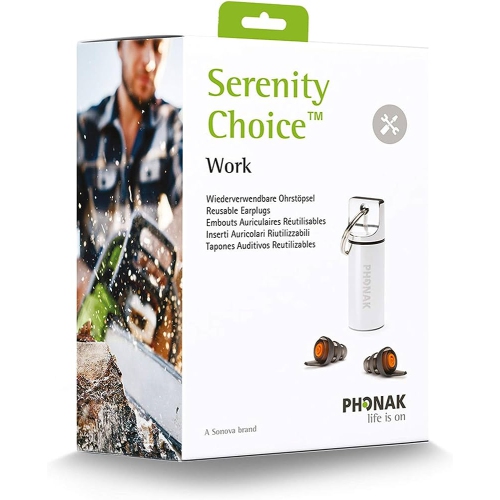
The best noise reduction earmuffs match the activity, the sound level and the amount of time they will be worn. For heavy machinery, demolition, high-powered tools or other intense noise, prioritize a secure seal, a strong NRR and compatibility with any required safety equipment. For yard work, home repairs and occasional workshop use, all-day comfort, easy adjustment and durable cushions may matter more than the highest rating available. For recreational shooting, look for a low-profile fit that works with other protective equipment and decide whether electronic sound-activated features would make it easier to hear range commands or speak with others. Those spending long periods in a busy workshop may appreciate swivelling cups, a padded headband and replaceable cushions, while people carrying their protection between locations may prefer a foldable design or a compact storage case. Keep in mind that noise reduction earmuffs are not the same as noise-cancelling headphones. Active noise cancellation is intended primarily for reducing continuous background sounds during listening, whereas hearing protection earmuffs are designed and rated for reducing exposure to hazardous noise. Music and audio features should never distract from safety instructions, alarms or the need to remain aware of nearby equipment. Inspect the cushions and headband regularly for cracks, flattening or damage, and replace worn parts when they no longer maintain a dependable seal. Store the earmuffs away from excessive heat, moisture and sharp objects, and clean the cushions according to the care instructions. When the environment is too loud for comfortable conversation at arm’s length, protection is worth considering, particularly if the exposure is repeated. For situations where a smaller, in-ear option is more convenient, explore Noise Reduction Earplugs for Work as an alternative. Whether you choose passive or electronic earmuffs, the goal is a secure, comfortable fit that you will actually keep in place from the first burst of noise to the final task of the day.
Comfort is just as important as the specification because hearing protection only works when it is worn correctly and consistently. Look for padded ear cushions, an adjustable headband and a cup shape that fully surrounds your ears rather than pressing directly on them. A lighter, low-profile design may be more comfortable beneath a hard hat or when moving around frequently, while larger cups can offer more coverage and room around the ears. Headband tension is another practical detail: enough pressure is needed to maintain a seal, but excessive pressure can become uncomfortable during a long shift. People who wear glasses should pay close attention to the space where the frames meet the cushions, since thick temples can create a small opening and reduce attenuation. Hair can have a similar effect, particularly around the top and sides of the ears. Try the earmuffs in a quiet room before entering a loud area, checking that both cups sit symmetrically and that the cushions lie flat. For children or smaller users, adult-sized earmuffs may not create a reliable seal, so select a design intended for the wearer’s head size and follow the manufacturer’s age and safety guidance. Earmuffs can be a thoughtful gift for someone setting up a workshop, maintaining a yard, learning woodworking, attending noisy sporting events or spending time at a recreational range. They are also a practical addition to a home tool kit; the familiar whine of a saw, the burst of a leaf blower or the steady rumble of a snow blower can become tiring surprisingly quickly without appropriate protection. Electronic models may suit people who need to hear conversation or instructions, while passive models are often preferred for simple, dependable coverage. Battery life, automatic shutoff, microphone placement and controls should be considered for electronic options. Passive designs may be preferable for users who want minimal maintenance and a product that is ready whenever it is needed.
The best noise reduction earmuffs match the activity, the sound level and the amount of time they will be worn. For heavy machinery, demolition, high-powered tools or other intense noise, prioritize a secure seal, a strong NRR and compatibility with any required safety equipment. For yard work, home repairs and occasional workshop use, all-day comfort, easy adjustment and durable cushions may matter more than the highest rating available. For recreational shooting, look for a low-profile fit that works with other protective equipment and decide whether electronic sound-activated features would make it easier to hear range commands or speak with others. Those spending long periods in a busy workshop may appreciate swivelling cups, a padded headband and replaceable cushions, while people carrying their protection between locations may prefer a foldable design or a compact storage case. Keep in mind that noise reduction earmuffs are not the same as noise-cancelling headphones. Active noise cancellation is intended primarily for reducing continuous background sounds during listening, whereas hearing protection earmuffs are designed and rated for reducing exposure to hazardous noise. Music and audio features should never distract from safety instructions, alarms or the need to remain aware of nearby equipment. Inspect the cushions and headband regularly for cracks, flattening or damage, and replace worn parts when they no longer maintain a dependable seal. Store the earmuffs away from excessive heat, moisture and sharp objects, and clean the cushions according to the care instructions. When the environment is too loud for comfortable conversation at arm’s length, protection is worth considering, particularly if the exposure is repeated. For situations where a smaller, in-ear option is more convenient, explore Noise Reduction Earplugs for Work as an alternative. Whether you choose passive or electronic earmuffs, the goal is a secure, comfortable fit that you will actually keep in place from the first burst of noise to the final task of the day.
Top selling and popular products
-
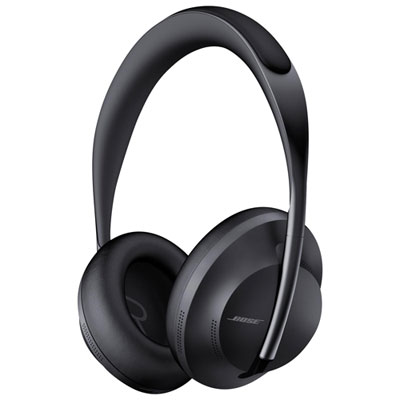 Your price for this item is $479.97
 -
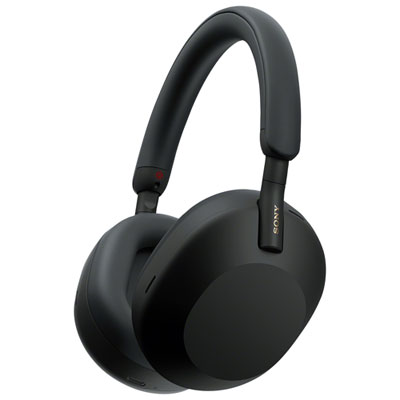 Your price for this item is $348
 -
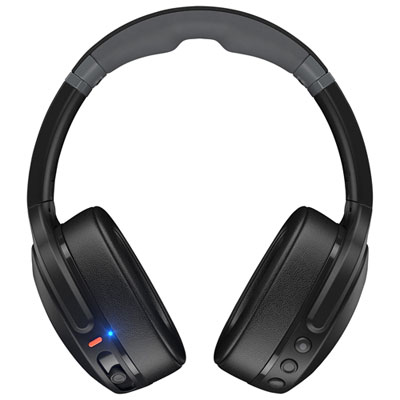 Your price for this item is $199.99
 -
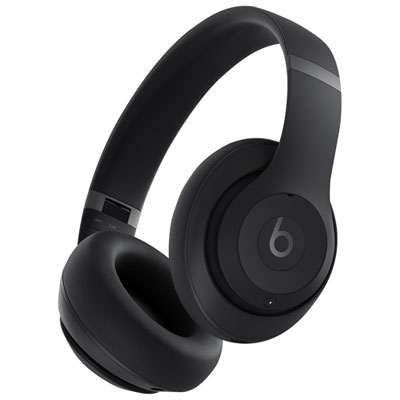 Your price for this item is $229.99
 -
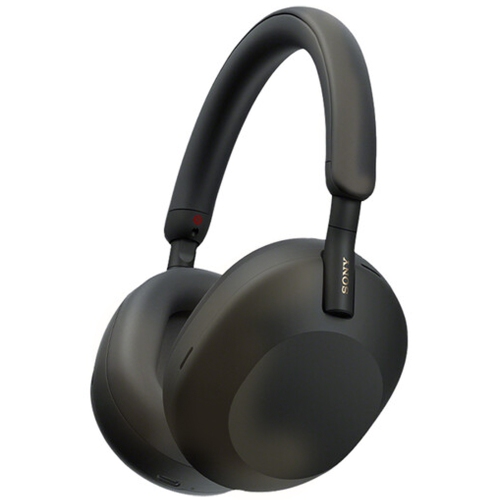 Your price for this item is $438
 -
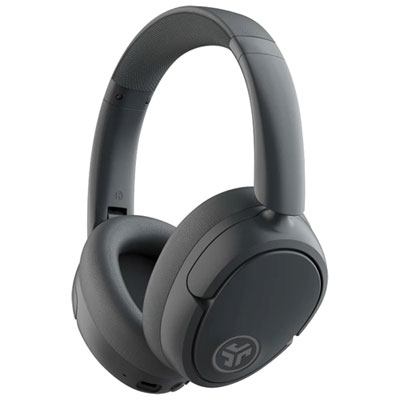 Your price for this item is $79.99
 -
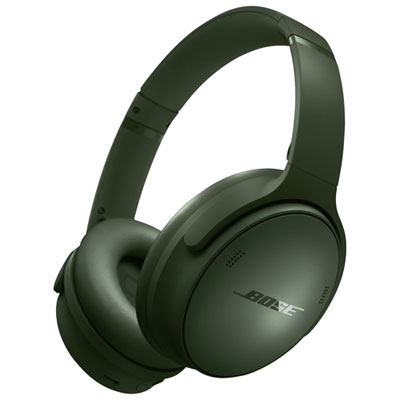 Your price for this item is $479.99
 -
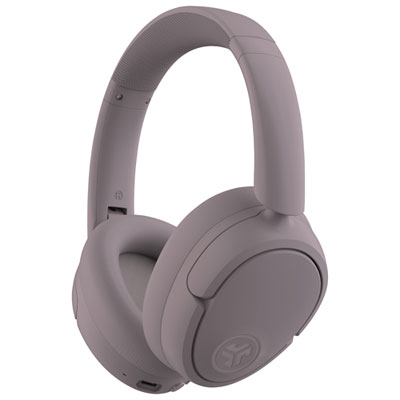 Your price for this item is $79.99
Discover more categories related to Noise Reduction Earmuffs
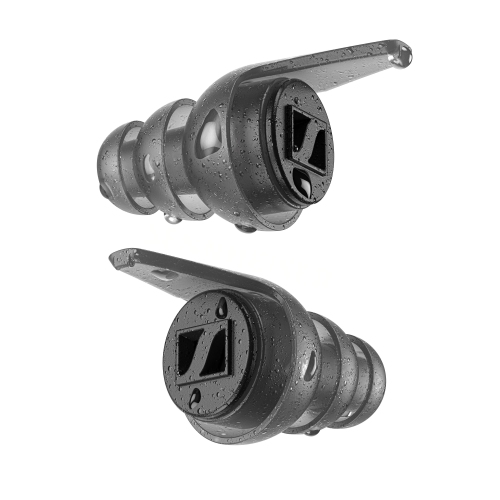
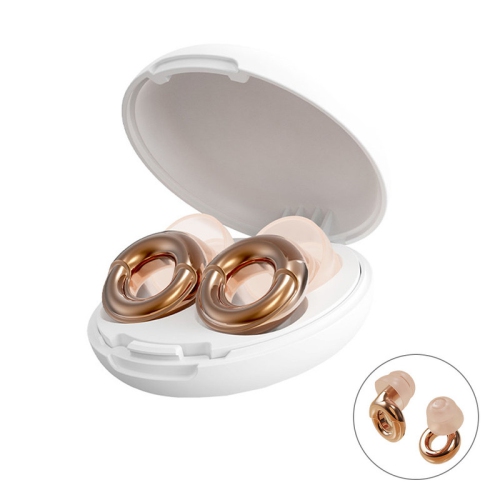
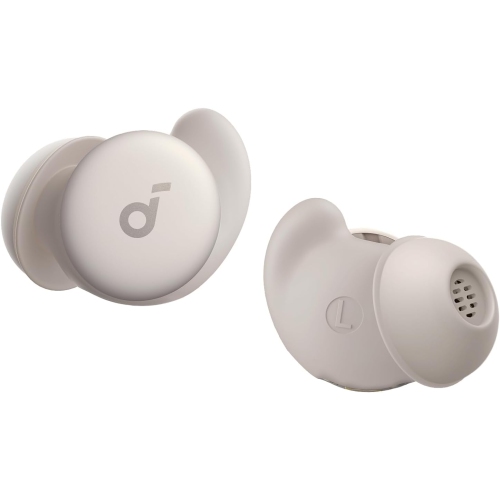
Top Collections:
Pokemon Centers, Kindle Devices, Best Budget Office Chairs, Apple iPhones 16, Best Laptops for Writers, iPhone 15 Apple, Canon G7X Cameras, Refurbished Apple Laptops, Alarm Clock, Motorola Razr Phones
Some products may be subject to Environmental Handling Fees
(EHF) depending on your province.
Learn more about EHFs.