Hearing Protection Headphones
Protect your hearing without compromising on sound quality with our range of hearing protection headphones. With advanced technology and innovative features, our selection of hearing protection headphones offers superior noise reduction and clarity, allowing you to enjoy your favorite music or audio content without any distractions. Shop from our collection today and find the perfect pair that suits your style and protects your hearing.
Sort




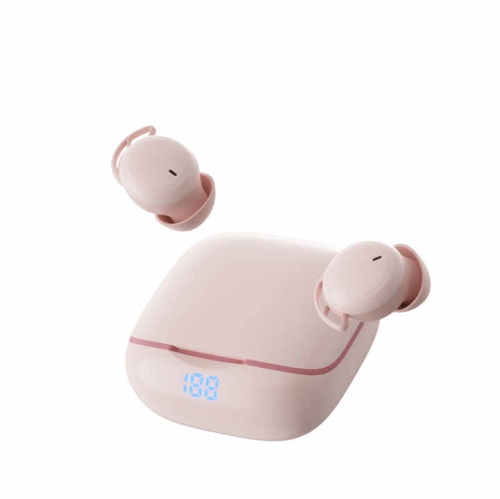
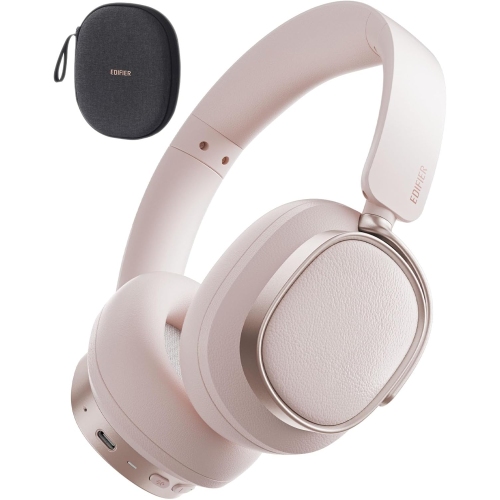
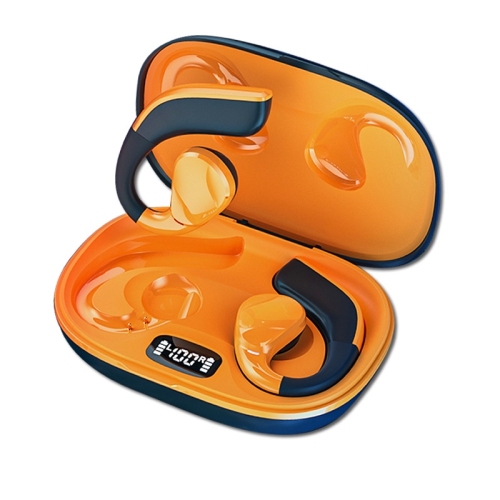
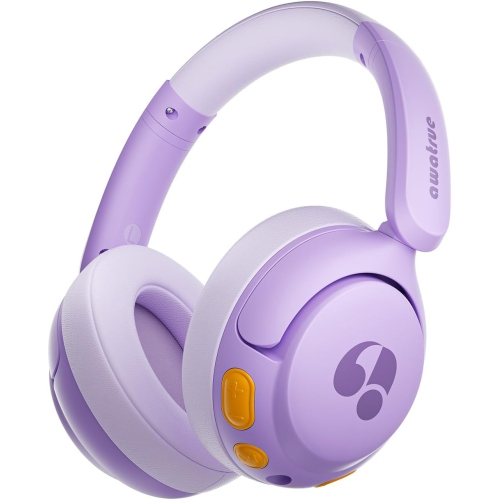



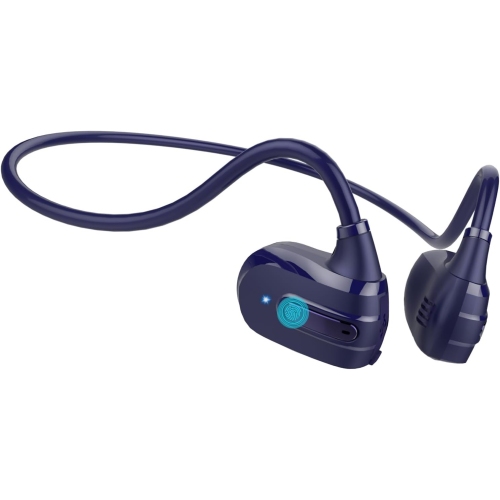
Why noise ratings are only part of protection
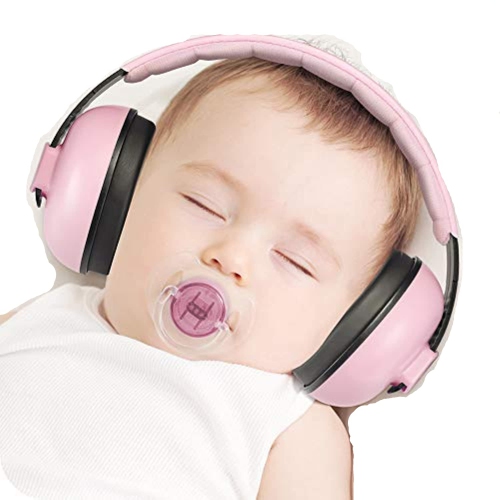
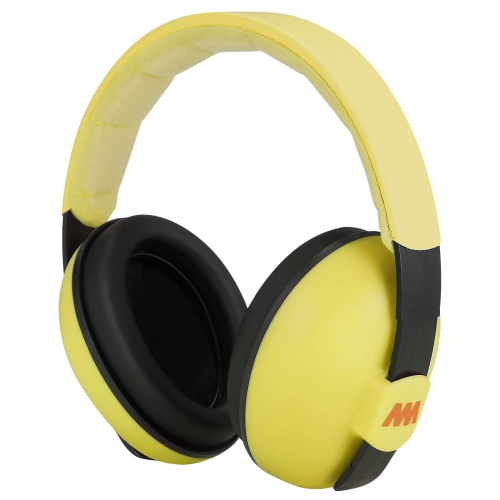
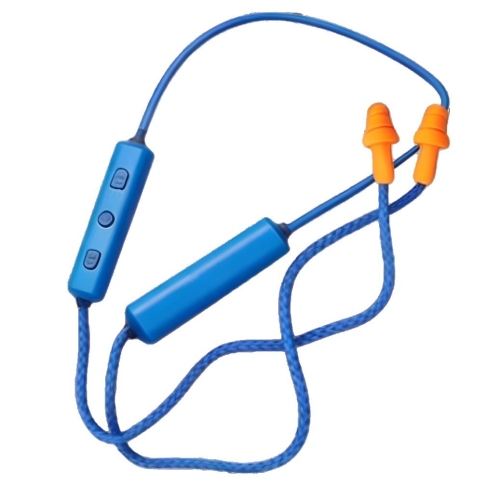
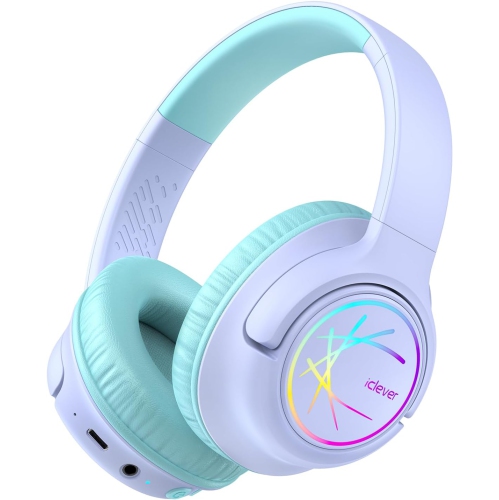
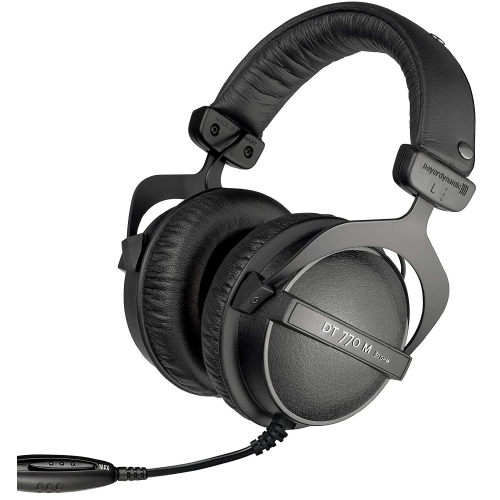
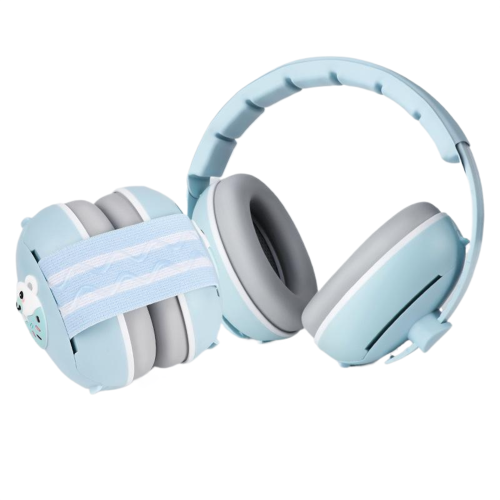
Hearing protection headphones are designed to reduce the amount of outside noise reaching the ears, with some models also offering audio playback or communication features. They are different from ordinary headphones that simply make music easier to hear over background sound. Their protective function comes from a noise-reducing design, such as sealed earcups or properly fitted ear tips, supported by a published hearing protection rating. Some models have a Noise Reduction Rating, or NRR, in the 25 to 30 decibel range, although ratings vary across designs. This laboratory measurement helps describe a protector’s performance under controlled test conditions; it is not a guarantee that every wearer will experience the same reduction in noise. Fit, wear time, equipment condition, and the type of sound all affect practical protection. Hearing protection headphones may suit people who work around machinery, use power tools, maintain property with loud equipment, or spend time in busy workshops. In a woodworking space, for example, the steady whine of a sander and the sharper sound of a saw create different listening conditions, making the intended use and manufacturer’s specifications important. Passive hearing protectors reduce sound through their physical construction, while certain electronic designs add features such as Bluetooth audio, radio reception, or microphones that relay surrounding sounds. These features are separate from the protective rating. Active noise cancellation in everyday listening headphones can make some background sounds less noticeable, but it should not be treated as a substitute for rated hearing protection. Music also does not provide protection simply by covering up equipment noise. Audio playback should remain at a restrained level, and the ability to hear speech or signals should never be assumed from a feature name alone. For workplace use, the appropriate protection depends on measured noise exposure, applicable requirements, and the employer’s hearing safety procedures, rather than on comfort or audio features alone.
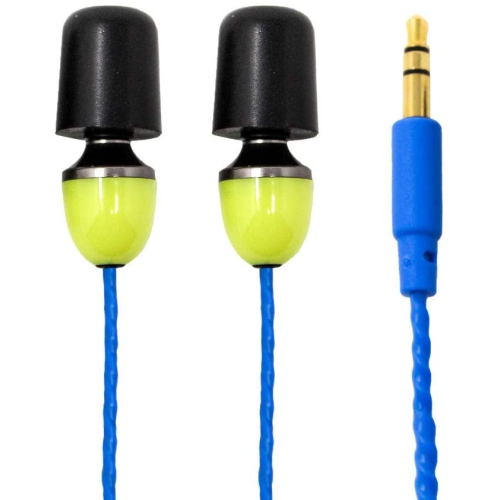
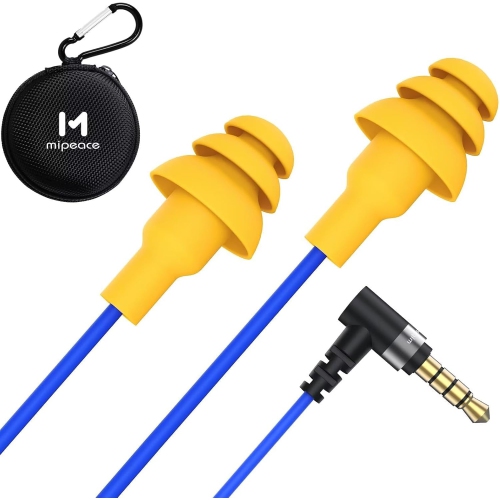
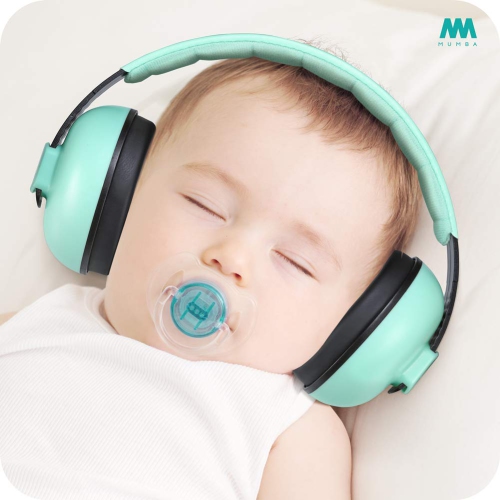
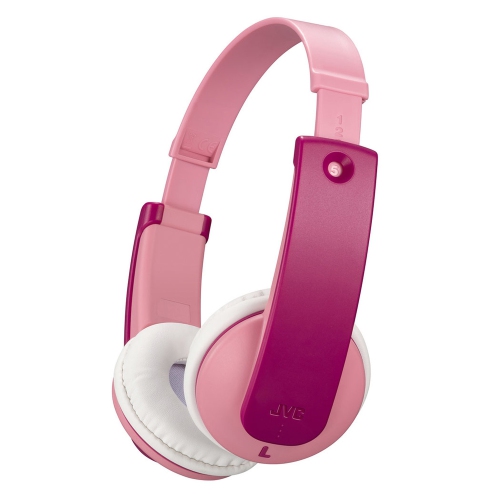
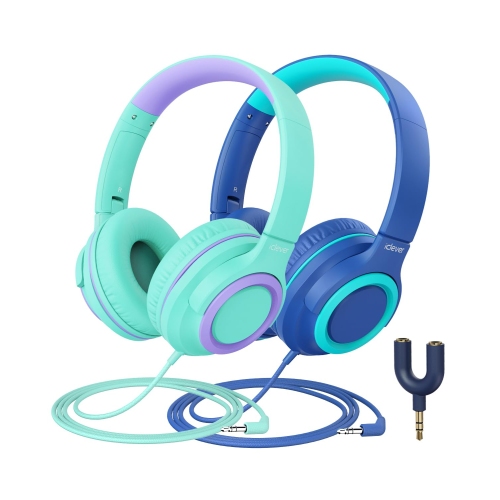
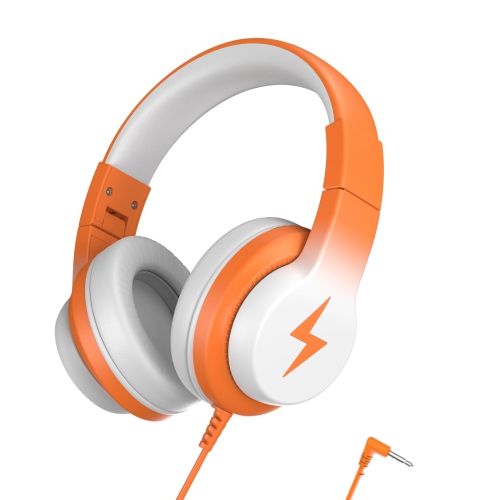
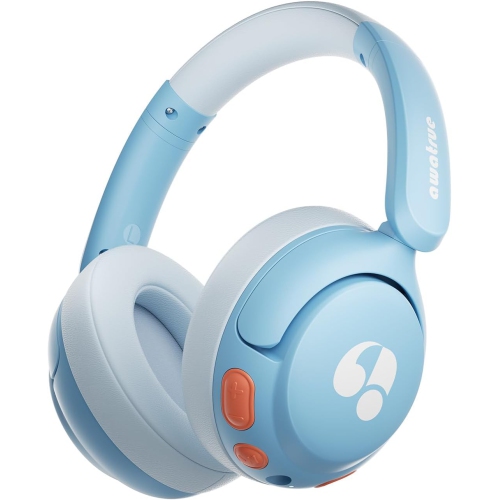
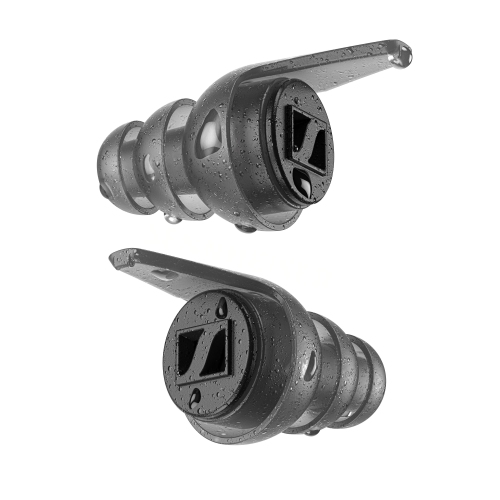
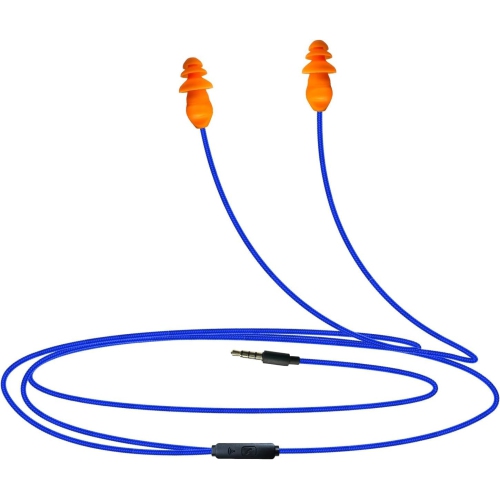
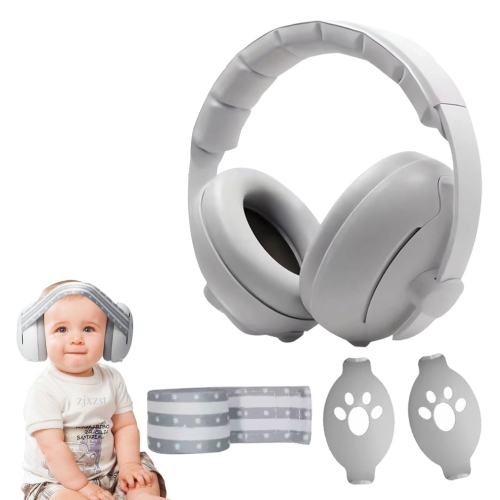
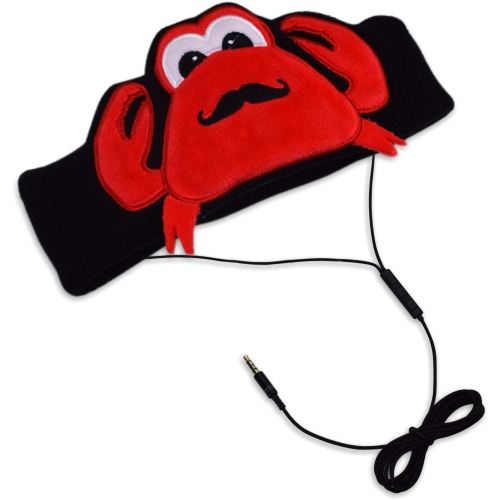
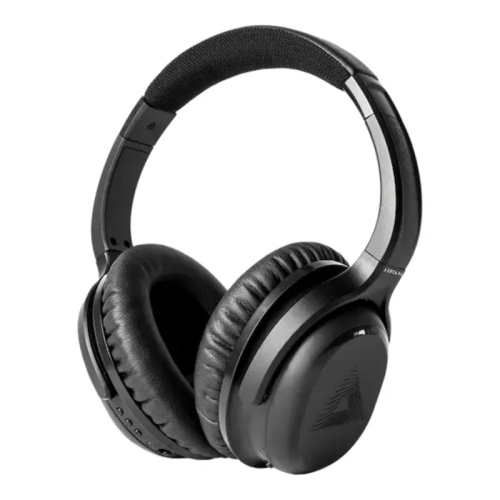
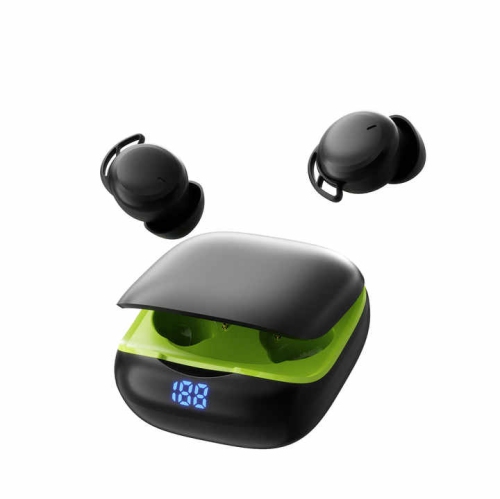
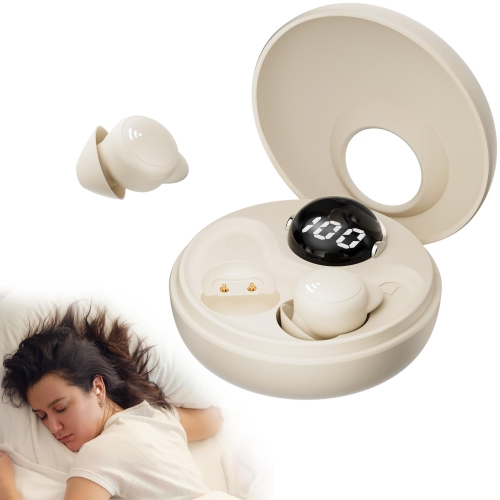
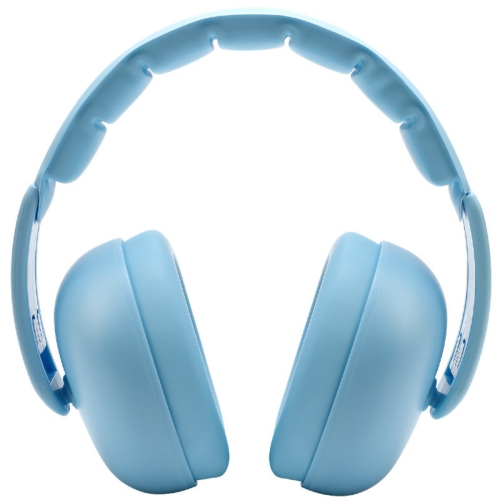
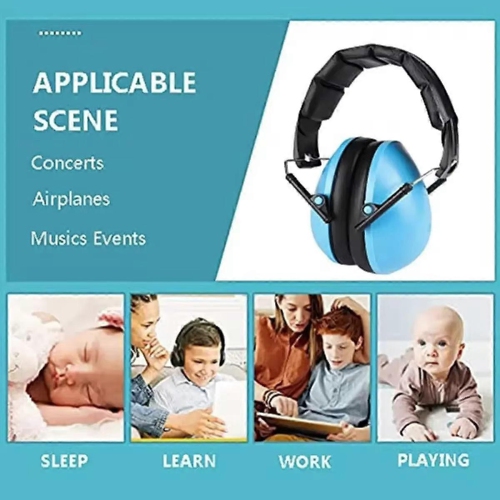
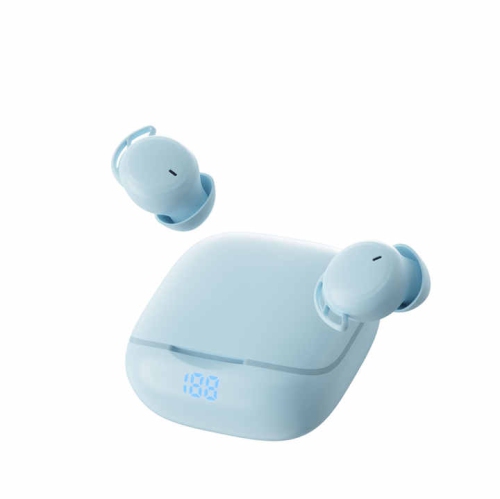
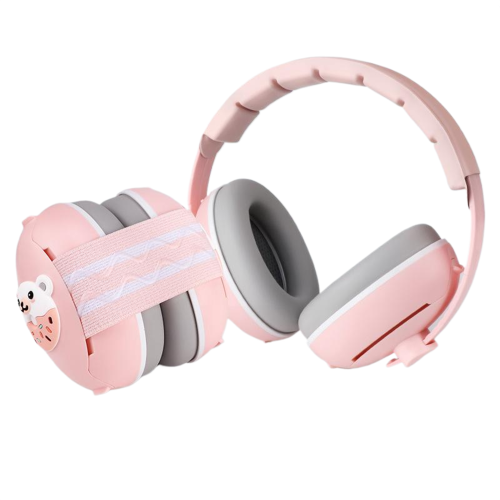
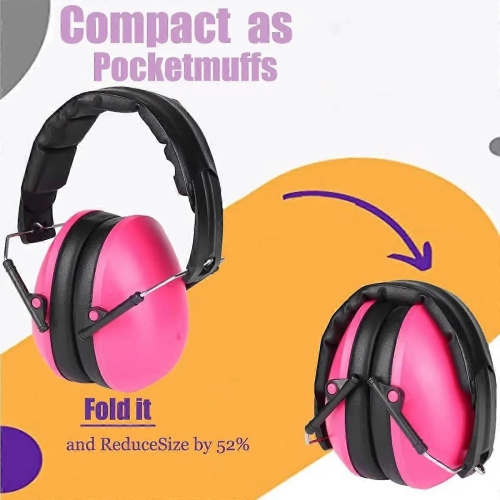
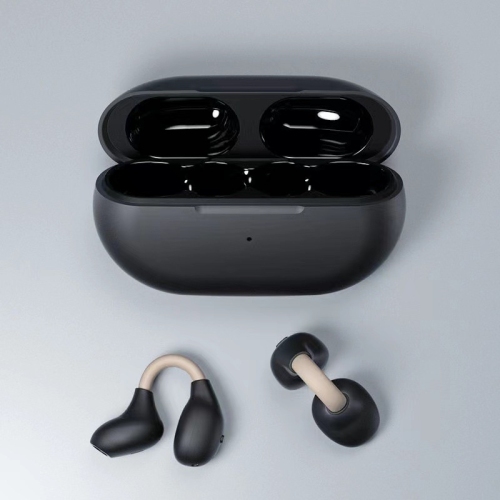
Fit is central to both comfort and protective performance, especially when headphones are worn for extended periods. Over-ear hearing protection typically uses rigid plastic earcups, sound-absorbing material inside the cups, and cushioned seals that sit against the head around each ear. Adjustable headbands help position the cups, while padding spreads pressure across the top of the head. A secure fit should maintain contact around the full cushion without leaving gaps, yet excessive pressure can make longer sessions uncomfortable. Cup depth and opening size matter because an ear pressed against an inner surface can become sore even when the headband feels comfortable. Eyeglass arms, hair, earrings, and other objects beneath the cushions can interfere with the seal. Someone wearing safety glasses while cutting timber needs a combination that preserves the hearing protector’s fit without compromising eye protection. Compatibility with hard hats, face shields, and other required equipment also deserves attention; standard headband designs and helmet-mounted protectors are not interchangeable unless the manufacturer specifies otherwise. In-ear hearing protection headphones rely on correctly sized tips and proper insertion rather than an earcup seal. Foam and silicone tips can feel different during use, and their fit may change with movement or repeated removal. A compact design may appeal to someone who finds over-ear cups bulky, but a smaller profile does not automatically mean equivalent protection. Materials also influence how the headphones stand up to handling. Reinforced headbands, robust adjustment points, and replaceable cushions can be useful for equipment that is put on and taken off throughout a work session. Stated resistance to dust or moisture should match the actual task, since a rugged appearance alone does not establish that protection. Children need age-appropriate hearing protectors with a suitable fit and adult supervision, rather than adult-sized equipment tightened as far as it will go. For any wearer, consistent use matters: repeatedly lifting one cup to talk or removing a protector during a noisy task interrupts the protection it provides.
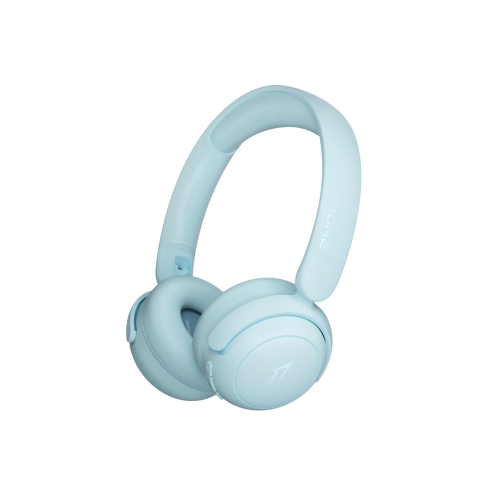
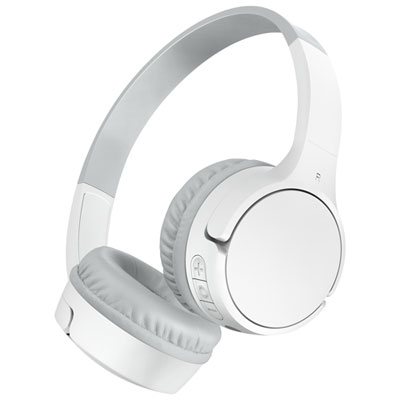
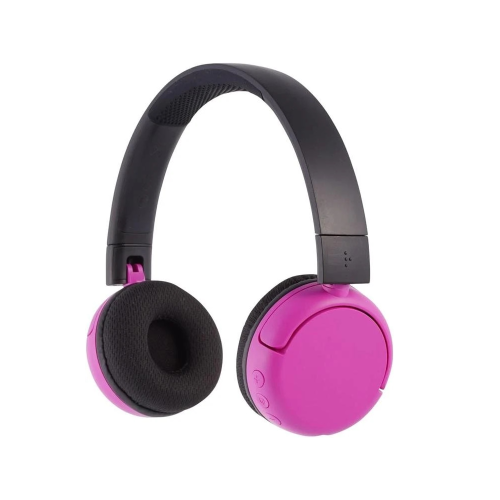
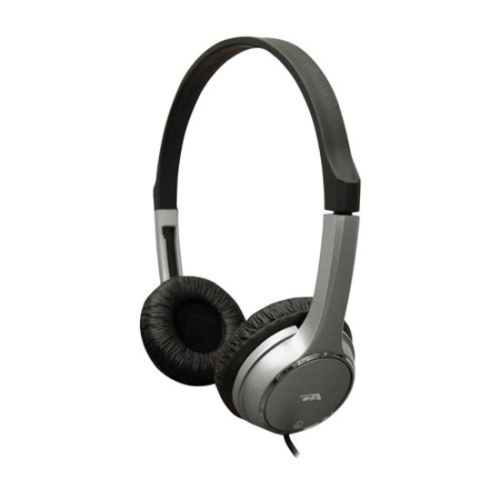
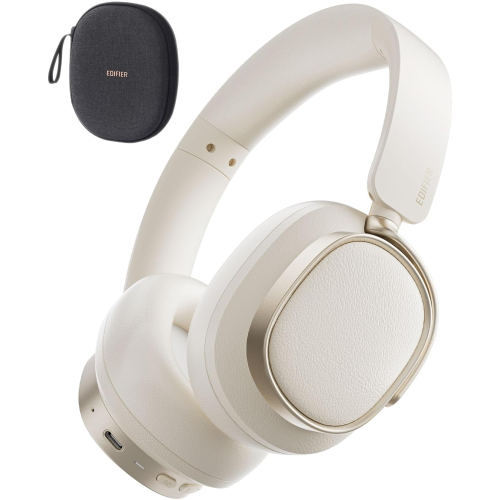
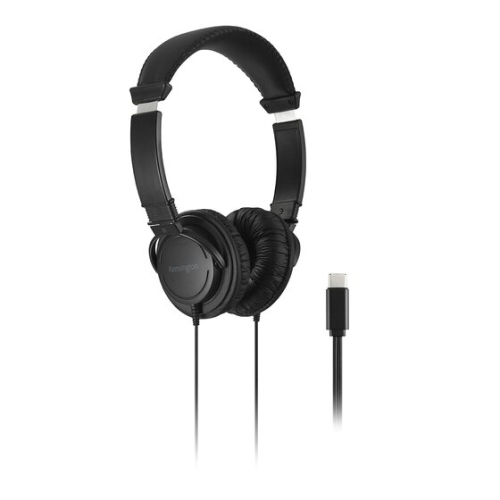
Audio and communication features can make hearing protection headphones more practical, provided they suit the activity and do not distract from safe operation. Bluetooth connectivity removes the need for an audio cable between the headphones and a compatible device, while wired connections may appeal where wireless pairing is unnecessary. Neither connection type determines the level of hearing protection. Battery life, charging method, and control layout affect everyday convenience, particularly during longer tasks. Raised buttons may be easier to locate by touch than a smooth control surface, although operation with gloves depends on the design. Built-in microphones can support calls or communication, but background noise may affect speech clarity, and taking a call is not appropriate during every task. Electronic sound-management features also vary: some relay quieter surrounding sounds while limiting amplification of louder input, but their capabilities should be understood from the manufacturer’s documentation rather than assumed to make every loud activity safe. Care is equally important to keeping protective equipment useful. Cushions and ear tips should be inspected for cracks, hardening, tearing, or loss of shape, and headbands and adjustment mechanisms should hold their position securely. Cleaning methods depend on the materials and electronics; a lightly dampened cloth may be suitable for some surfaces, while soaking, harsh cleaners, or unapproved solvents can damage components. Replaceable parts should be compatible with the original design, as improvised padding or altered seals can affect fit and performance. Storage in a clean, dry place helps prevent cushions from being crushed and keeps debris away from ear tips and charging ports. Protecting hearing is distinct from Headphone Protection, which concerns looking after the headphones themselves. For someone who regularly uses loud tools or equipment, hearing protection headphones can be a practical gift when their size, intended application, and required rating are known. The most useful choice is one that fits properly, suits the task, and is comfortable enough to wear consistently—not simply one with the most entertainment features.
Top selling and popular products
-
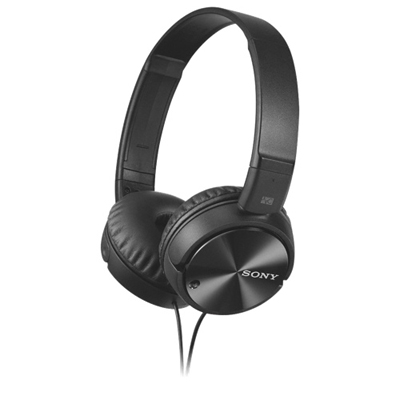 Your price for this item is $59.99
-
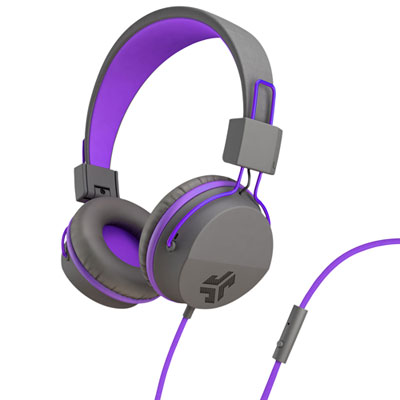 Your price for this item is $24.99
-
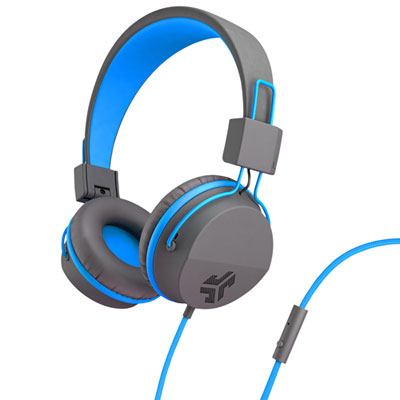 Your price for this item is $24.99
-
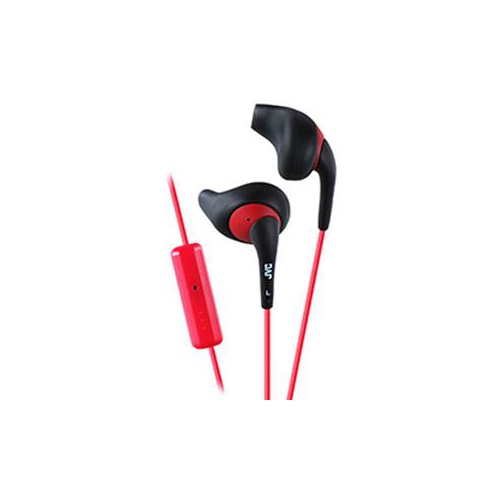 Your price for this item is $41.98
-
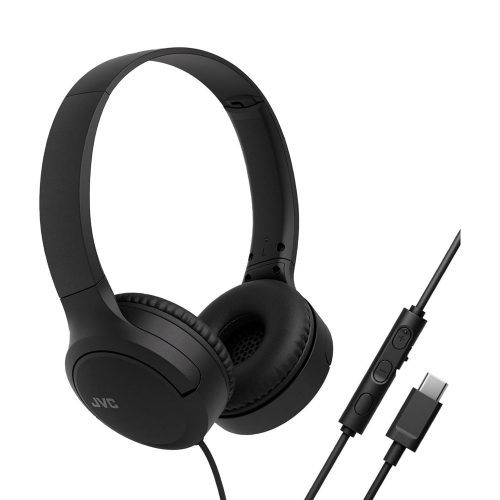 Your price for this item is $47.77
-
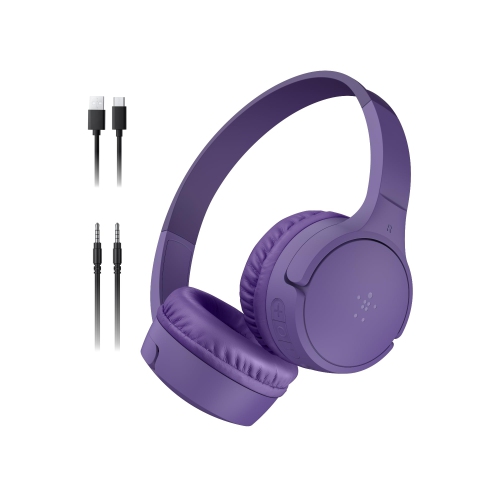 Your price for this item is $68.99
-
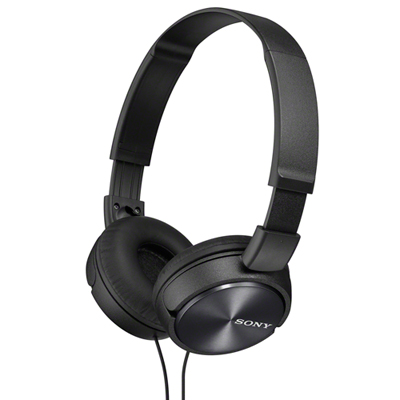 Your price for this item is $39.99
-
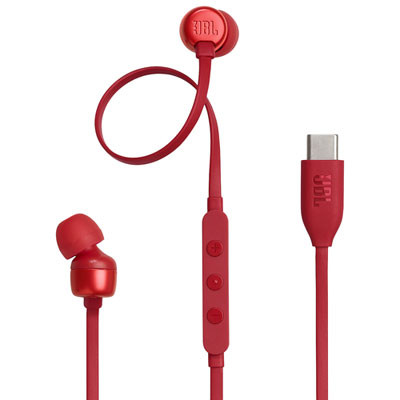 Your price for this item is $19.99
Discover more categories related to Hearing Protection Headphones
Top Collections:
Best Black Friday Deals This Year, Best Black Friday Deals On Electronics, Kindle Devices, Dyson Airwrap, Best Cameras for Sports Photography, Best Budget Office Chairs, Canon G7X Cameras, PS5 Pro Consoles, Best Black Friday Deals On Apple Products, XBOX One S Consoles
Some products may be subject to Environmental Handling Fees
(EHF) depending on your province.
Learn more about EHFs.