Earmuffs for Construction
Stay protected on the job site with our wide selection of earmuffs for construction. When it comes to ensuring your safety and comfort, these essential accessories are a must-have for any construction worker. Designed to effectively reduce noise levels and protect your ears from potential hazards, our collection of earmuffs offers superior sound insulation without compromising on style or functionality. Whether you're working in a noisy environment or simply looking for added peace of mind, our range of construction earmuffs will keep you focused and protected throughout the day.
Sort
Understanding fit and noise reduction for demanding jobsites
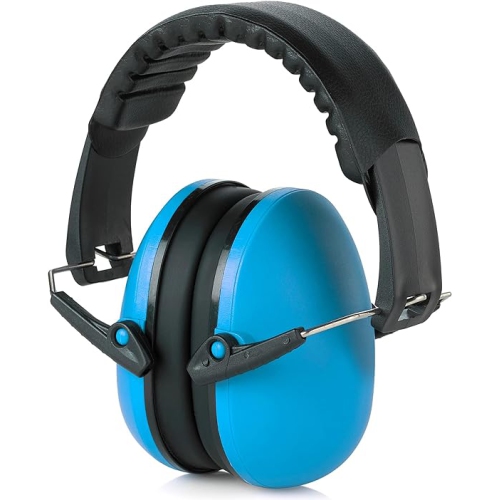
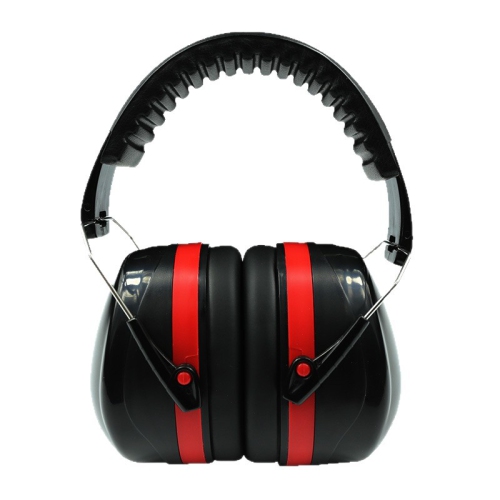
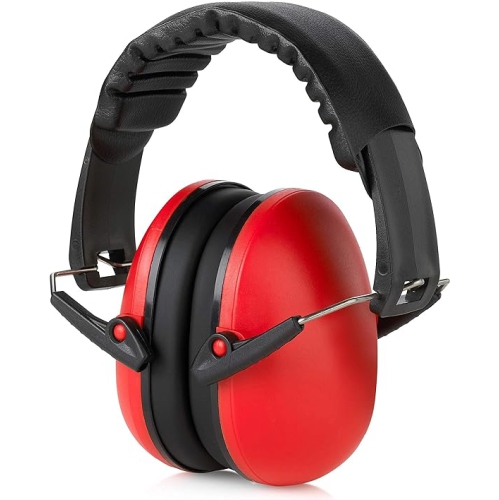
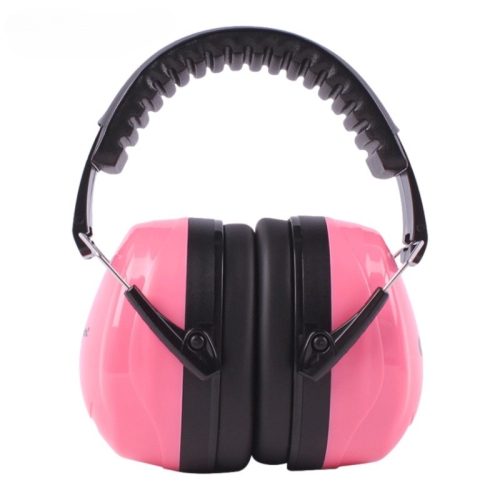
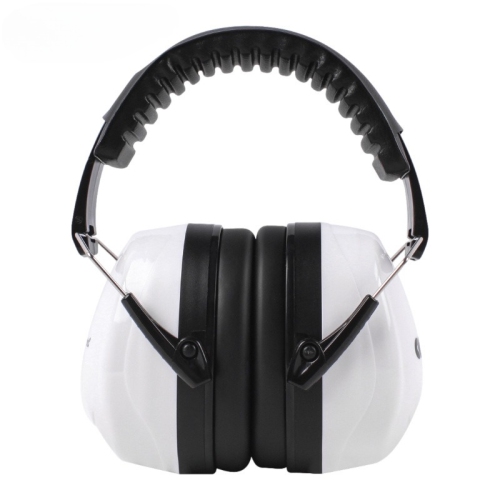
Construction earmuffs are designed to help reduce exposure to the intense, often unpredictable noise found on jobsites. Jackhammers, concrete breakers, circular saws, grinders, compressors, nail guns and heavy equipment can all create sound levels that become hazardous with repeated or prolonged exposure. Unlike ordinary winter earmuffs, construction earmuffs use tightly sealed cushions and sound-dampening materials to reduce the amount of noise reaching the ears. They may be useful for professional tradespeople, contractors, maintenance crews, road workers, landscapers, renovation teams and do-it-yourselfers working with loud power tools at home. They can also be kept available for visitors who need to enter an active work area, although everyone on a jobsite should follow the site’s own safety requirements. When comparing models, look for a Noise Reduction Rating (NRR) that suits the tools and environment being used. Ratings commonly range from about 22 dB to 31 dB, with higher ratings generally offering more passive noise reduction when the earmuffs are worn correctly. An NRR is not a guarantee of complete silence or a substitute for a workplace noise assessment; fit, wearing time, surrounding conditions and the specific source of noise all affect real-world protection. Extremely loud environments, including areas where noise may exceed 105 dB, can call for dual protection with earplugs worn underneath earmuffs. Always follow employer instructions, local workplace requirements and the manufacturer’s fitting guidance, particularly around high-powered equipment and intermittent impact noise.
The shape and mounting style of construction earmuffs can make a noticeable difference during a long shift. Over-the-head models are a versatile choice when earmuffs will be worn on their own, while behind-the-head designs can work well with welding helmets, face shields, bump caps or other headgear, provided the combination does not interfere with the seal. Cap-mounted earmuffs attach to compatible hard hats through the helmet’s accessory slots, keeping the band away from the crown of the head and making it easier to move the cups into place when entering a noisy area. Before choosing a cap-mounted style, check that the earmuffs and hard hat are designed to work together; not every helmet or attachment system is compatible, and a poor connection can affect positioning and protection. Comfort also matters because hearing protection only helps when it is worn consistently. Look for padded, adjustable headbands, smooth pressure points, breathable materials and cushioned ear cups that sit fully around the ears without gaps. Workers who wear prescription glasses should pay close attention to how the arms of the glasses pass beneath the cushions, since thick temples can create small openings that reduce the seal. Facial hair, helmets, hoods and other accessories can have a similar effect. Earmuffs should feel secure without causing distracting pressure, and the cups should cover the entire ear rather than resting on the outer edge. In warmer conditions, lighter designs and replaceable cushions may be more comfortable, while during cooler months, a secure seal can be especially helpful when working outdoors around powered tools and machinery. Store earmuffs away from direct heat and moisture, wipe the cushions and headband regularly, and replace cracked shells, flattened cushions or stretched bands that no longer hold a reliable seal.
Some construction earmuffs are passive, meaning they rely on the shell and cushions to reduce sound across a broad range of frequencies. These are straightforward for workshops, demolition areas, woodworking spaces and other locations where communication is limited or where dependable, battery-free protection is preferred. Electronic models may add microphones, volume-limited audio, Bluetooth connectivity or ambient sound modes, allowing users to communicate, listen to instructions or hear selected surrounding sounds while still reducing dangerous noise. These features can be useful for supervisors, equipment operators and tradespeople who need to remain aware of alarms or communicate with coworkers, but they should not be treated as permission to remove hearing protection in a hazardous area. Check the controls, battery life, charging method, water resistance and volume-limiting capabilities before choosing an electronic style, and confirm that its published protection rating applies when the electronic features are in use. Construction earmuffs can be a practical addition to a home workshop, a tool bag or a jobsite safety kit, and they may be a thoughtful gift for someone starting an apprenticeship, taking on renovations or spending time around loud equipment. For shoppers also comparing hearing-protection options intended for quieter activities or different users, Noise Reduction Earmuffs offer a separate category to explore. The best construction earmuffs are the ones that match the noise level, headgear, communication needs and working conditions while remaining comfortable enough to wear from the first cut of the day to the final cleanup.
The shape and mounting style of construction earmuffs can make a noticeable difference during a long shift. Over-the-head models are a versatile choice when earmuffs will be worn on their own, while behind-the-head designs can work well with welding helmets, face shields, bump caps or other headgear, provided the combination does not interfere with the seal. Cap-mounted earmuffs attach to compatible hard hats through the helmet’s accessory slots, keeping the band away from the crown of the head and making it easier to move the cups into place when entering a noisy area. Before choosing a cap-mounted style, check that the earmuffs and hard hat are designed to work together; not every helmet or attachment system is compatible, and a poor connection can affect positioning and protection. Comfort also matters because hearing protection only helps when it is worn consistently. Look for padded, adjustable headbands, smooth pressure points, breathable materials and cushioned ear cups that sit fully around the ears without gaps. Workers who wear prescription glasses should pay close attention to how the arms of the glasses pass beneath the cushions, since thick temples can create small openings that reduce the seal. Facial hair, helmets, hoods and other accessories can have a similar effect. Earmuffs should feel secure without causing distracting pressure, and the cups should cover the entire ear rather than resting on the outer edge. In warmer conditions, lighter designs and replaceable cushions may be more comfortable, while during cooler months, a secure seal can be especially helpful when working outdoors around powered tools and machinery. Store earmuffs away from direct heat and moisture, wipe the cushions and headband regularly, and replace cracked shells, flattened cushions or stretched bands that no longer hold a reliable seal.
Some construction earmuffs are passive, meaning they rely on the shell and cushions to reduce sound across a broad range of frequencies. These are straightforward for workshops, demolition areas, woodworking spaces and other locations where communication is limited or where dependable, battery-free protection is preferred. Electronic models may add microphones, volume-limited audio, Bluetooth connectivity or ambient sound modes, allowing users to communicate, listen to instructions or hear selected surrounding sounds while still reducing dangerous noise. These features can be useful for supervisors, equipment operators and tradespeople who need to remain aware of alarms or communicate with coworkers, but they should not be treated as permission to remove hearing protection in a hazardous area. Check the controls, battery life, charging method, water resistance and volume-limiting capabilities before choosing an electronic style, and confirm that its published protection rating applies when the electronic features are in use. Construction earmuffs can be a practical addition to a home workshop, a tool bag or a jobsite safety kit, and they may be a thoughtful gift for someone starting an apprenticeship, taking on renovations or spending time around loud equipment. For shoppers also comparing hearing-protection options intended for quieter activities or different users, Noise Reduction Earmuffs offer a separate category to explore. The best construction earmuffs are the ones that match the noise level, headgear, communication needs and working conditions while remaining comfortable enough to wear from the first cut of the day to the final cleanup.
Top selling and popular products
-
 Your price for this item is $189.05
 -
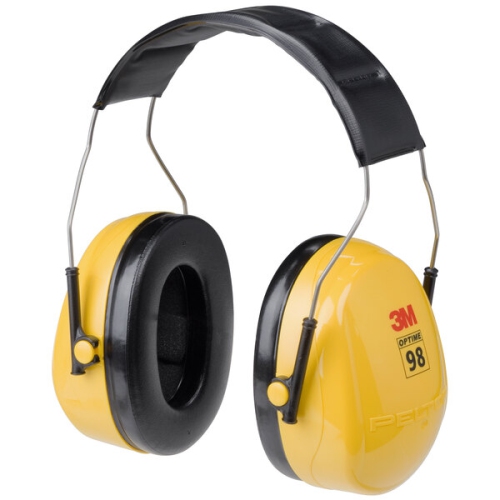 Your price for this item is $39.25
 -
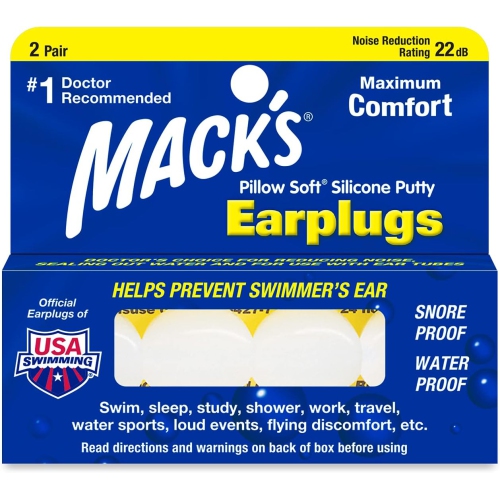 Your price for this item is $21.99
 -
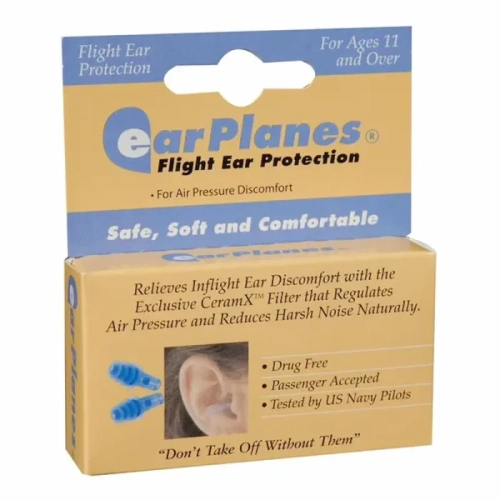 Your price for this item is $16
 -
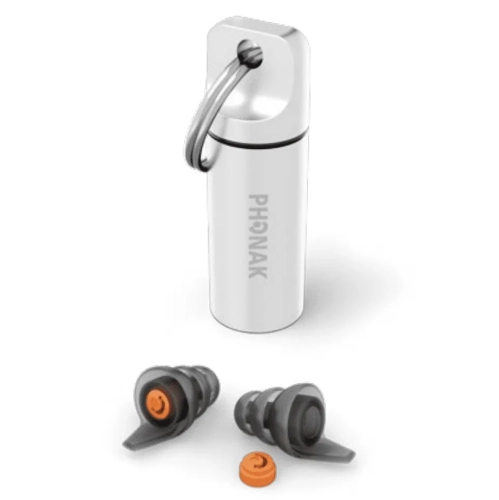 Your price for this item is $44.8
 -
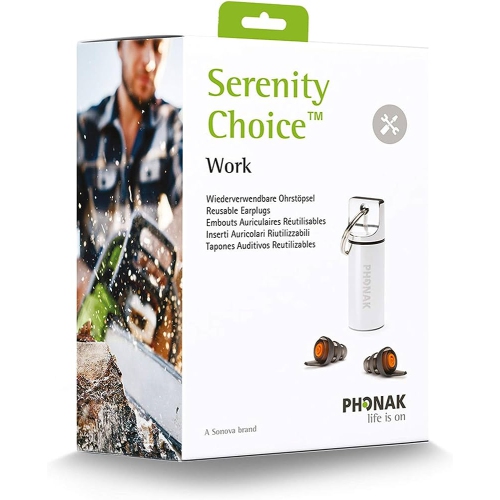 Your price for this item is $52
 -
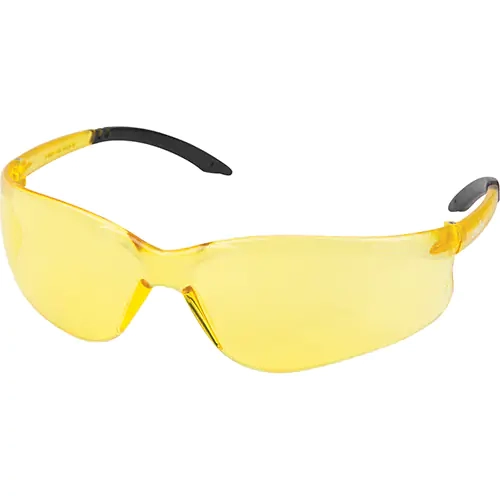 Your price for this item is $2.68
 -
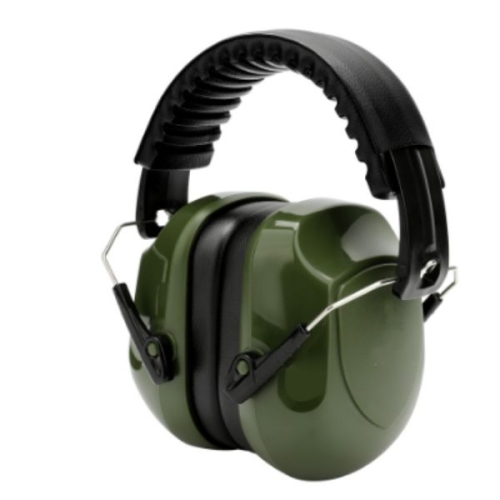 Your price for this item is $31.99
Discover more categories related to Earmuffs for Construction
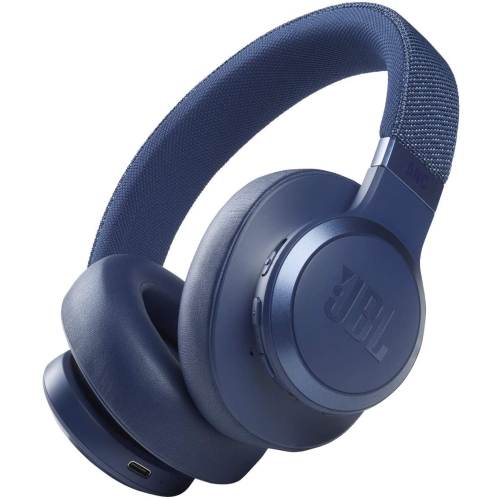
Top Collections:
Pokemon Centers, Kindle Devices, Best Budget Office Chairs, Apple iPhones 16, Best Laptops for Writers, iPhone 15 Apple, Canon G7X Cameras, Refurbished Apple Laptops, Alarm Clock, Motorola Razr Phones
Some products may be subject to Environmental Handling Fees
(EHF) depending on your province.
Learn more about EHFs.