High-End Record Players
High-end record players offer a premium listening experience for audiophiles and music enthusiasts who appreciate exceptional sound quality and sophisticated design. These advanced turntables are crafted to deliver precise audio reproduction, allowing you to enjoy your favorite vinyl records with remarkable clarity and depth. Whether you're building a dedicated listening space or upgrading your current setup, high-end record players provide the perfect blend of performance and style to elevate your home audio system. Explore a selection tailored for those who demand the best in analog sound.
Sort








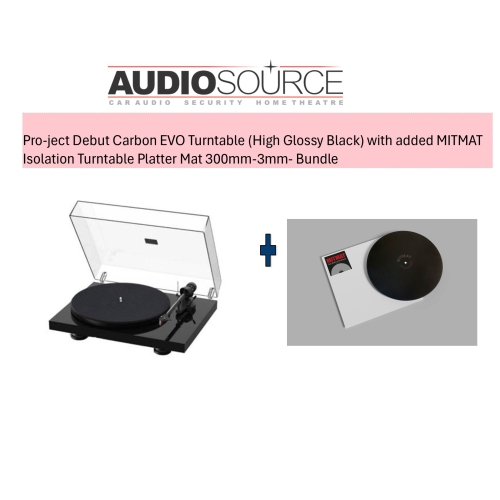

The engineering behind more precise vinyl playback
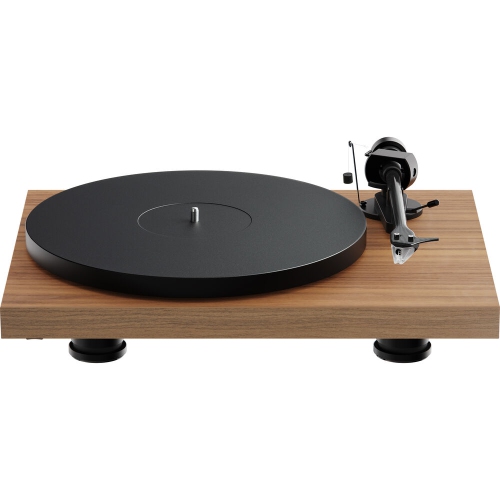
High-end record players bring together precise speed control, carefully matched playback components, and construction designed to keep unwanted vibration away from the stylus. Their purpose is straightforward: to let the cartridge trace a record’s grooves accurately while adding as little mechanical noise or speed variation as possible. In a well-matched audio system, that attention to detail can reveal the texture of a bowed string, the space around a singer’s voice, and the gentle decay of a piano note. The character of the recording, the condition of the vinyl, and the speakers still matter; a turntable works as part of a complete playback chain rather than determining the sound on its own. Premium turntables take different approaches to the same engineering challenges. Some use substantial plinths and heavy platters to provide stability, while others favour lightweight, rigid structures that manage vibration without adding unnecessary mass. Materials such as aluminium, acrylic, engineered wood, and carbon fibre may appear in the platter, chassis, or tonearm, each serving a particular structural or damping role. Material names alone do not establish performance: bearing quality, motor control, assembly tolerances, and the way those parts work together are equally important. Adjustable feet, isolated motor mounts, and damped components can help limit interference from the supporting surface and moving parts. These details become especially relevant when speakers share a cabinet with the turntable or when footsteps travel through a flexible floor. A rigid, level support away from loudspeakers gives the playback system a better foundation. Finish and proportions also shape how a record player fits into a room. A natural wood appearance can sit comfortably beside books and existing furniture, while a restrained metal or gloss finish may suit a dedicated audio rack. Beyond appearance, sufficient shelf depth, dependable support, and access around the platter make everyday listening more comfortable. Space above the player matters too, particularly when a hinged dust cover needs room to open fully.
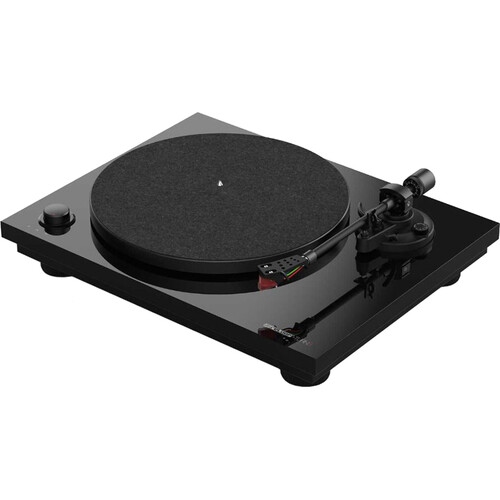
The drive system, tonearm, and cartridge help define how a high-end turntable performs and feels in regular use. Belt-drive designs use a belt between the motor and platter, providing a degree of mechanical separation between them. Direct-drive designs turn the platter through a directly coupled motor system and can deliver strong starting torque and precise speed regulation. Neither arrangement guarantees better sound by itself; the quality of the implementation is more meaningful than the drive label. Consistent rotation is particularly noticeable on sustained piano chords, strings, and long vocal notes, where speed fluctuations can make pitch seem unsteady. Support for 33 1/3 and 45 rpm accommodates the common playback speeds used across albums and singles, while electronic speed selection adds convenience for listeners who move between formats. The tonearm must allow the stylus to follow the groove with minimal unwanted movement, and its effective mass needs to suit the cartridge’s compliance. Moving-magnet cartridges are often straightforward to integrate and may have user-replaceable stylus assemblies. Moving-coil cartridges can require different gain and loading settings, with stylus servicing dependent on the cartridge design. Neither type should be treated as a universal match for every arm or amplifier. Cartridge alignment, tracking force, and anti-skate adjustment all contribute to reliable playback and appropriate groove contact. A factory-fitted cartridge can simplify the initial setup, although its adjustments still need to be checked against the manufacturer’s specifications. Connections deserve the same attention as mechanical features. A turntable without a built-in phono stage needs a compatible external phono preamplifier or an amplifier with a suitable phono input. A low-output moving-coil cartridge may need more gain than a moving-magnet input provides. Where a switchable built-in phono stage is included, it can make connection to a standard line-level input simpler. Powered speakers still require that phono amplification somewhere in the signal path. Manual operation appeals to listeners who enjoy placing the tonearm themselves, while automatic return or stop functions, where included, can make the end of a record side less hands-on.
Living with a high-end record player is as much about thoughtful handling as it is about its engineering. A listening setup that leaves room to lift a record by its edges, lower it onto the spindle, and reach the cueing lever is easier to enjoy than one squeezed into a narrow cabinet. A cueing mechanism helps lower the stylus gently, while clear access to the controls reduces awkward movements around the tonearm. Clean records and a clean stylus support consistent playback, but care methods should suit the materials involved. A record brush can remove loose surface dust, and an appropriate record-cleaning process can address more persistent contamination. Stylus cleaning should follow the cartridge manufacturer’s directions, since unsuitable fluids or excessive pressure can damage delicate parts. Protective sleeves, upright record storage, and a dust cover used when the player is idle help keep the listening area orderly and limit dust accumulation. Over time, a belt, stylus, or other serviceable component may need attention; access to compatible replacements and clear maintenance information can support long-term ownership. Upgrade flexibility may also matter to listeners who expect their system to develop, whether that means changing cartridges, adding a separate phono stage, or refining the supporting furniture. For someone returning to a carefully kept album collection, the appeal may be hearing familiar recordings through a more capable system. For an established vinyl listener, it may be the tactile satisfaction of a smooth cueing lever, a well-finished platter, and repeatable adjustments. A record player can also make a meaningful milestone gift when the recipient’s amplifier connections, available space, and preference for manual or automatic operation are understood. Listeners drawn chiefly to period styling can also explore Retro Record Players, while keeping playback features and system compatibility in view. The most satisfying fit brings together the desired sound, practical controls, suitable construction, and the pleasure of sitting down with a complete album.
Top selling and popular products
-
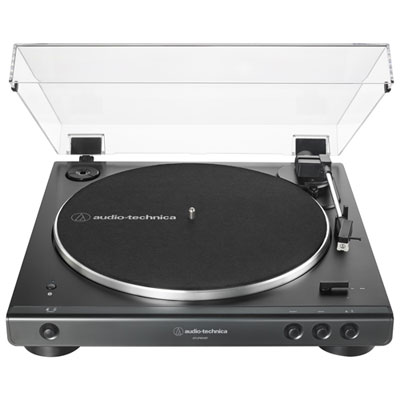 Your price for this item is $329.99
-
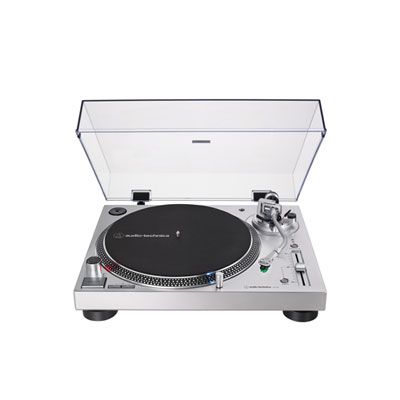 Your price for this item is $519.99
-
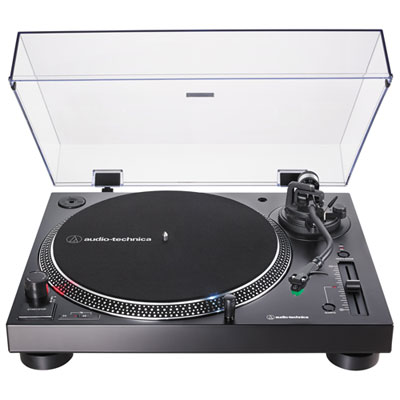 Your price for this item is $519.99
-
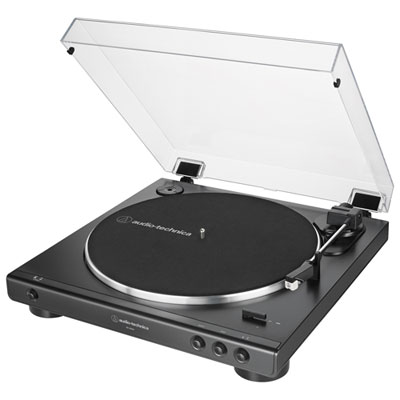 Your price for this item is $229.99
-
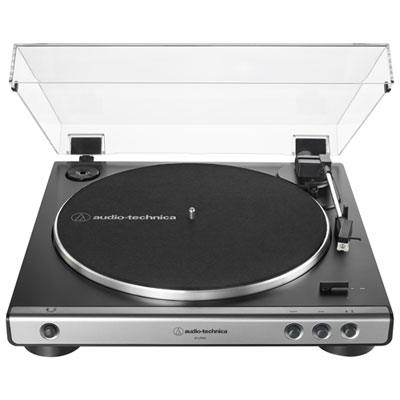 Your price for this item is $229.99
-
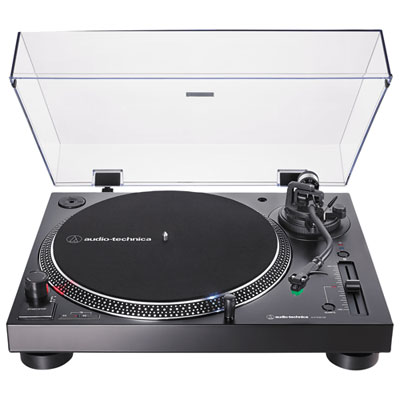 Your price for this item is $619.99
-
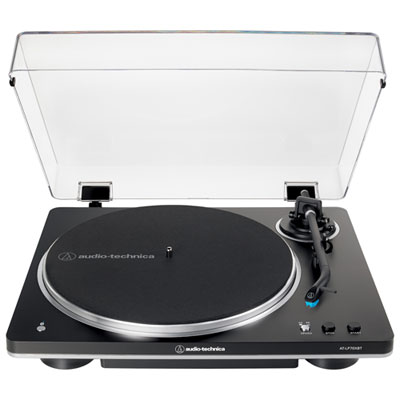 Your price for this item is $379.99
-
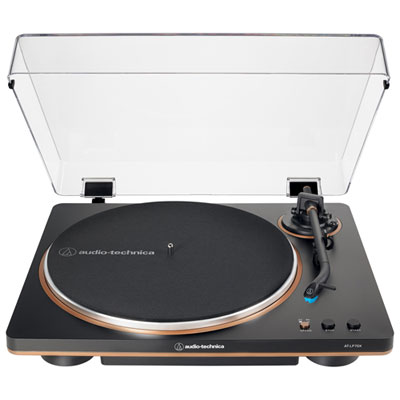 Your price for this item is $319.99
Discover more categories related to High-End Record Players

Top Collections:
Best Black Friday Deals This Year, Best Black Friday Deals On Electronics, Kindle Devices, Pokemon Centers, Best Black Friday Deals On Apple Products, Best Cameras for Sports Photography, Dyson Airwrap, Pokémon 30th Celebration Cards, Apple iPhone 17 Pro, Canon G7X Cameras
Some products may be subject to Environmental Handling Fees
(EHF) depending on your province.
Learn more about EHFs.