Turntables for Audiophiles
Turntables for audiophiles deliver an exceptional listening experience that brings out the rich details and nuances in your favorite records. Designed for those who appreciate high-fidelity sound, these turntables offer precision and quality to satisfy even the most discerning ears. Explore a wide selection of turntables for audiophiles to find the perfect addition to your home audio setup and enjoy music the way it was meant to be heard.
Sort
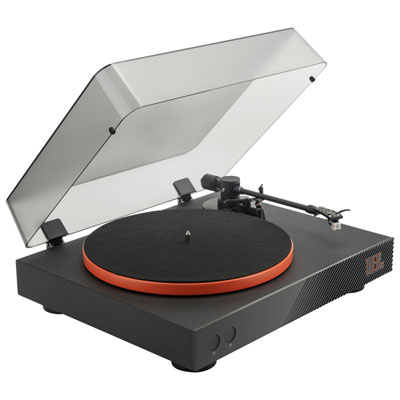
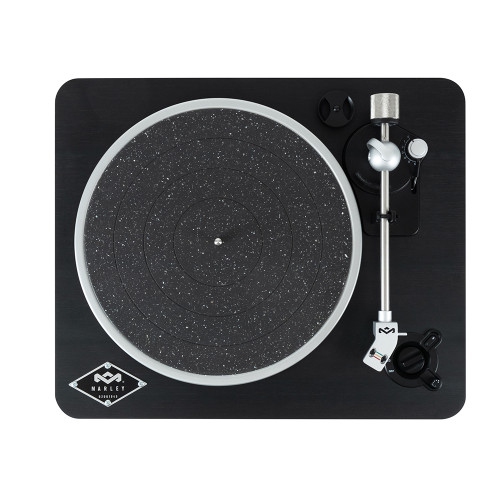
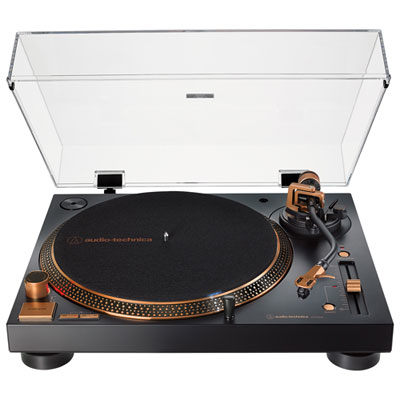
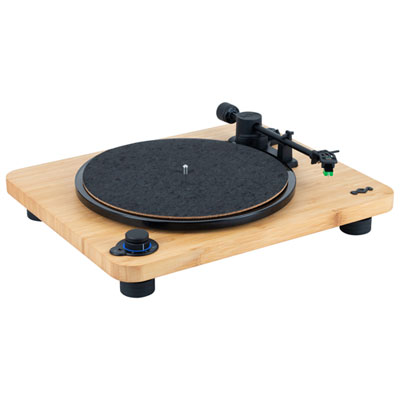

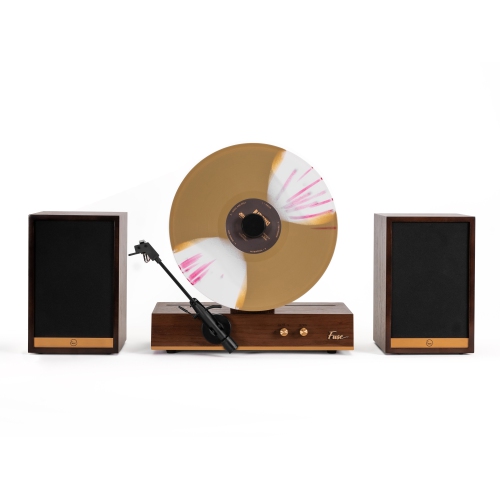
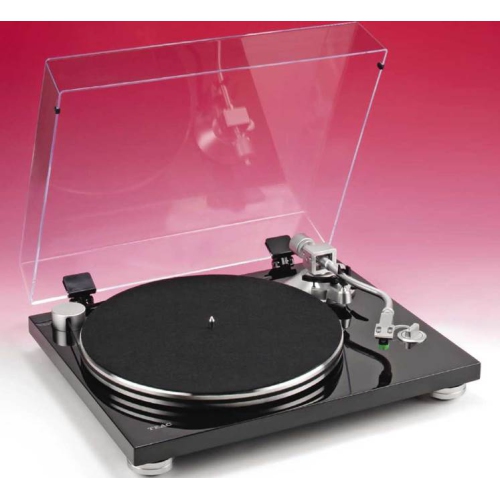


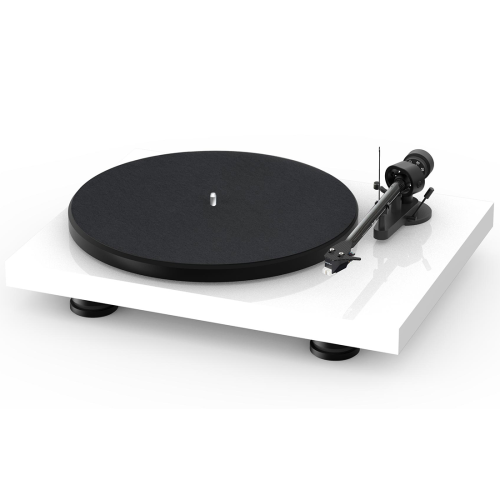


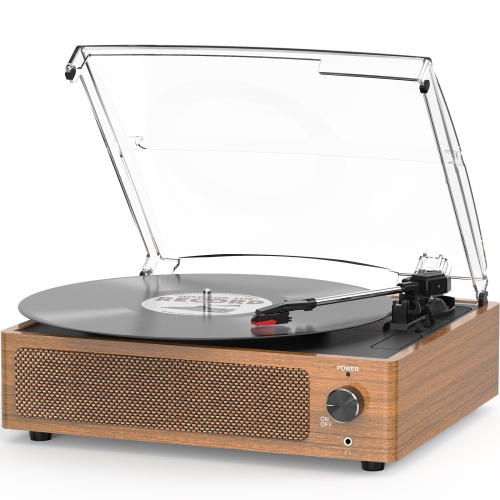

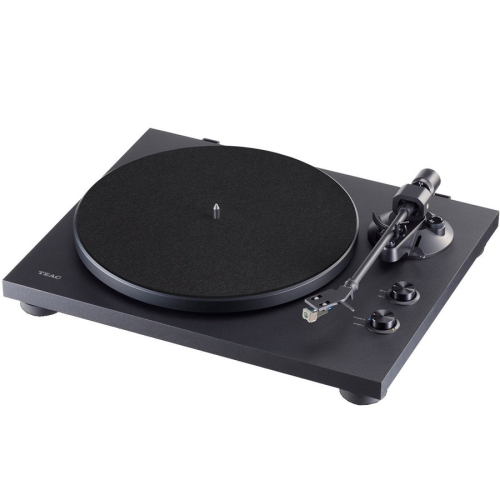

How turntable components work together to reveal musical detail
Turntables for audiophiles are precision record players designed to reproduce the information in a vinyl groove while limiting unwanted vibration, speed variation, and tracking distortion. Their appeal goes beyond the ritual of lowering a stylus onto a favourite album: a well-matched turntable can reveal the texture of a bowed string, the decay of a piano note, and the placement of instruments within a recording. That performance depends on how the motor, platter, bearing, tonearm, and cartridge work together, rather than on any single material or feature. The plinth, or base, supports these components and helps control resonance. Medium-density fibreboard, acrylic, metal, and layered constructions each offer different combinations of mass, rigidity, and damping; heavier construction alone does not guarantee better sound. Platters may also use metal, acrylic, or other materials, with designs intended to support the record evenly and maintain consistent rotation. Belt-drive turntables use a belt between the motor and platter, which can help reduce the transmission of motor vibration. Direct-drive turntables connect the motor directly to the platter and can provide strong speed control and quick starts. Either approach can suit serious listening when the engineering is well executed. Stable speed is particularly noticeable on sustained piano chords and long vocal notes, where fluctuations can make pitch seem to waver. Published wow and flutter specifications describe speed variation, although comparisons are most useful when the measurements follow the same standard. Tonearm quality matters just as much: a rigid arm with freely moving, low-friction bearings helps the stylus follow the groove without adding unnecessary movement. Aluminium and carbon fibre are common tonearm materials, but bearing quality, geometry, and compatibility with the cartridge also influence performance. The cartridge converts the stylus’s movement into an electrical signal, and its stylus shape and tracking ability affect how accurately it retrieves recorded detail. Correct alignment and the recommended tracking force are essential to clean playback and reduced wear, making adjustability a practical consideration rather than simply an enthusiast feature.
An audiophile turntable also needs to fit the system and the space where it will be used. Vinyl playback requires a phono stage, which amplifies the cartridge’s small signal and applies the equalization needed to restore the recording’s tonal balance. Some turntables include this circuitry, while others rely on a compatible amplifier, receiver, or separate phono preamplifier. A turntable without a built-in phono stage cannot normally connect directly to a standard line-level input on powered speakers. Conversely, a turntable with its phono stage enabled should feed a line-level input rather than pass through a second phono stage. Moving-magnet and moving-coil cartridges have different output and loading requirements, so cartridge and phono-stage compatibility deserves attention, especially when considering future changes to the system. For headphone listening, the signal still needs suitable phono amplification before reaching a headphone amplifier. Wireless connectivity and USB outputs may add convenience for casual listening or transferring records, but they do not replace the mechanical qualities that make a turntable track accurately. Everyday operation is another meaningful distinction. A fully manual design leaves cueing and stopping to the listener, while some automatic or semi-automatic designs provide arm movement or end-of-record assistance. Neither format alone determines sound quality. A damped cueing lever makes it easier to lower the stylus gently, and clearly marked controls help when moving between albums and singles. Support for 33 1/3 and 45 rpm covers most modern LPs and singles; playing 78 rpm records requires both the appropriate speed and a suitable stylus. Physical fit includes the footprint of the deck, space for cables, and clearance to open or remove the dust cover. A level, stable surface away from speakers helps reduce vibration reaching the stylus. In a room with springy floors, a sturdy wall-mounted shelf may offer better isolation than a lightweight cabinet. This becomes especially relevant when footsteps interrupt a quiet passage or bass from nearby speakers causes low-frequency feedback.
The lasting enjoyment of a turntable depends on care, serviceability, and how comfortably it fits into a listening routine. Records benefit from being stored upright in protective sleeves and handled by their edges and label areas, keeping fingertips away from the grooves. Clean records and a clean stylus reduce avoidable noise and help preserve both the collection and the playback equipment. A suitable record brush can remove loose surface dust, while deeper cleaning may be useful for records carrying ingrained dirt or residue. Stylus cleaning should follow the cartridge maker’s directions, since the cantilever is delicate and unsuitable fluids or sideways pressure can cause damage. Tracking force and cartridge alignment should be checked after installation or changes to the tonearm setup; using less force than recommended is not a reliable way to protect a record and can lead to mistracking. A dust cover protects the deck between listening sessions, although its position during playback may affect vibration differently from one design to another. Durability involves more than a substantial finish. Replaceable styli, accessible belts, sound bearing construction, and dependable tonearm adjustments all contribute to long-term ownership. Belt-drive designs may need a replacement belt as it ages, while any turntable benefits from care consistent with its manufacturer’s recommendations. Upgrade options can be appealing to listeners who enjoy refining a system, but cartridge changes must remain compatible with the tonearm and phono stage. For someone rediscovering a shelf of LPs, a straightforward deck with a suitable cartridge and uncomplicated connections may be more rewarding than a design requiring extensive adjustment. For an experienced collector, precise setup controls and flexible cartridge options may hold greater appeal. A turntable can also make a thoughtful gift for a music lover, particularly when the recipient’s existing equipment, preferred level of hands-on operation, and listening space are understood. The Top Turntables page offers another way to explore the category alongside these considerations. The most satisfying match brings dependable playback, manageable upkeep, and the freedom to settle into an album from its opening groove to its final note.
Top selling and popular products
-
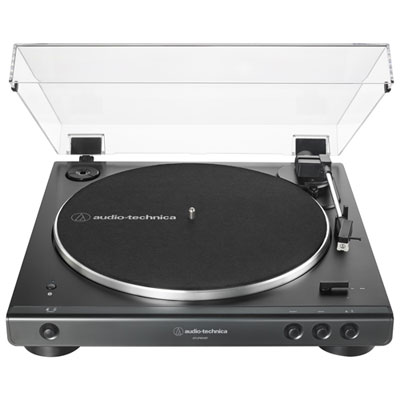 Your price for this item is $329.99
-
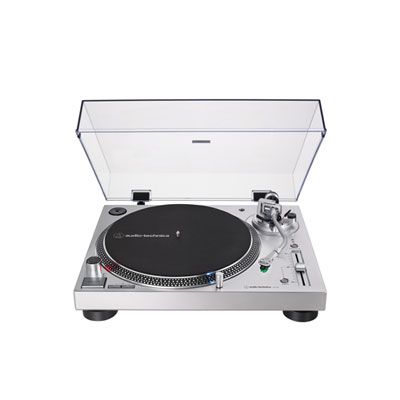 Your price for this item is $519.99
-
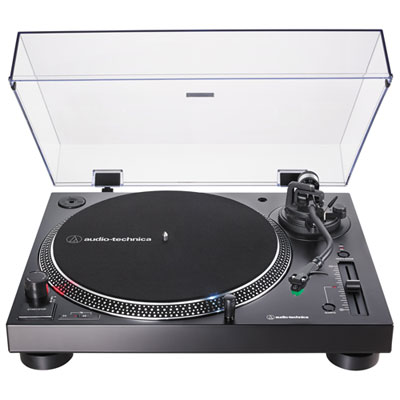 Your price for this item is $519.99
-
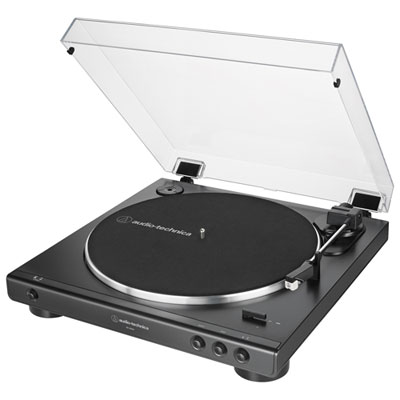 Your price for this item is $229.99
-
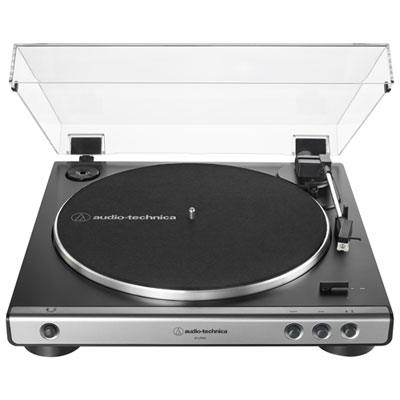 Your price for this item is $229.99
-
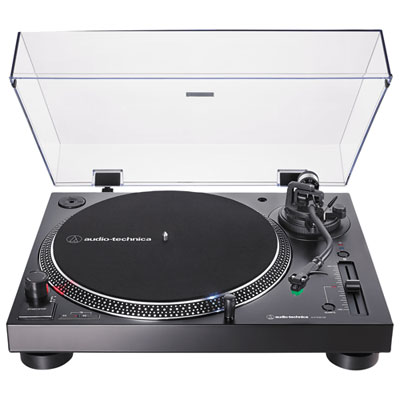 Your price for this item is $619.99
-
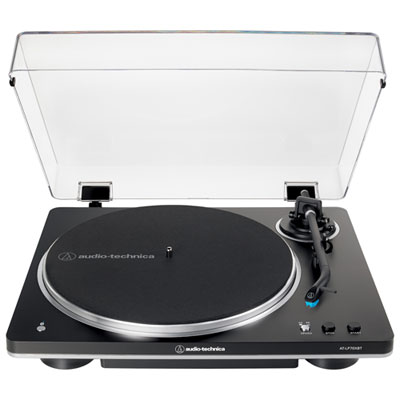 Your price for this item is $379.99
-
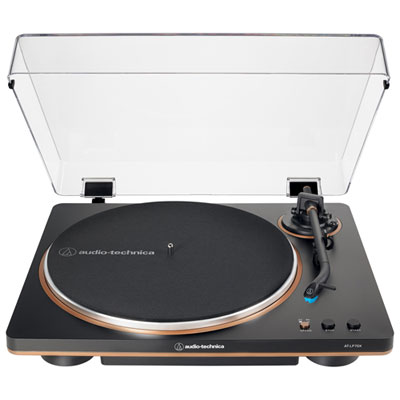 Your price for this item is $319.99
Discover more categories related to Turntables for Audiophiles
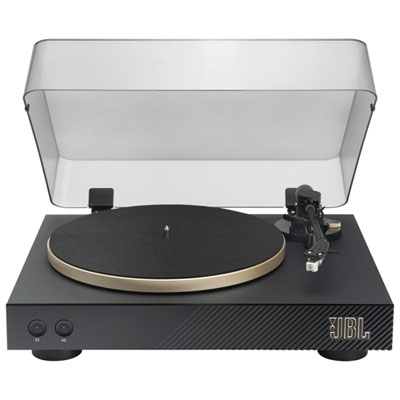
Top Collections:
Best Black Friday Deals This Year, Best Black Friday Deals On Electronics, Kindle Devices, Pokemon Centers, Best Black Friday Deals On Apple Products, Best Cameras for Sports Photography, Dyson Airwrap, Pokémon 30th Celebration Cards, Apple iPhone 17 Pro, Canon G7X Cameras
Some products may be subject to Environmental Handling Fees
(EHF) depending on your province.
Learn more about EHFs.