In Ear Monitors for Sound Engineers
In Ear Monitors For Sound Engineers are essential tools for achieving precise audio monitoring in both studio and live environments. Designed to deliver clear and accurate sound, these monitors help sound engineers fine-tune every detail of a mix with confidence. Whether working behind the scenes at a concert or perfecting tracks in the studio, finding the right in ear monitors can make all the difference in delivering professional results. Explore a wide selection tailored to meet the demands of audio professionals and enhance your listening experience on the job.
Sort
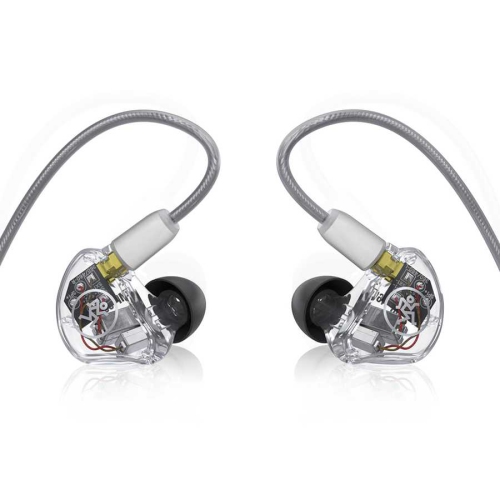

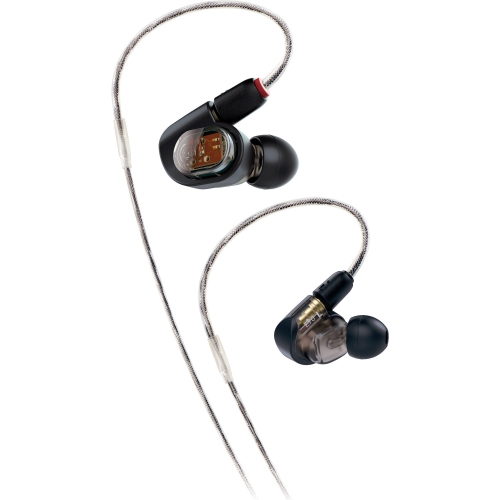
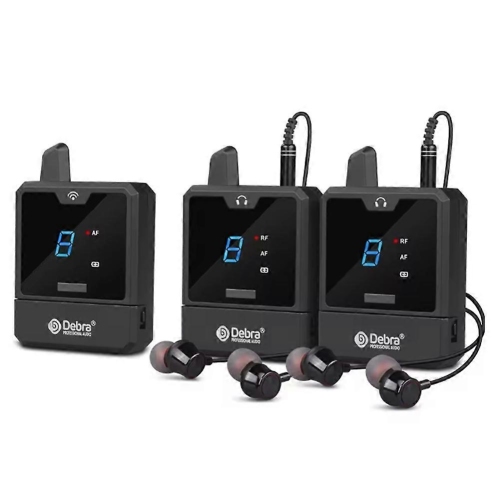


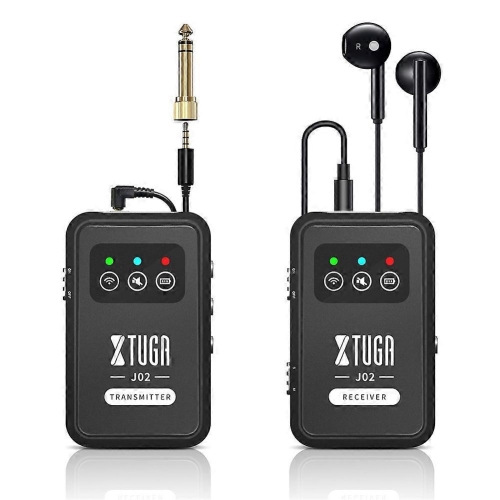






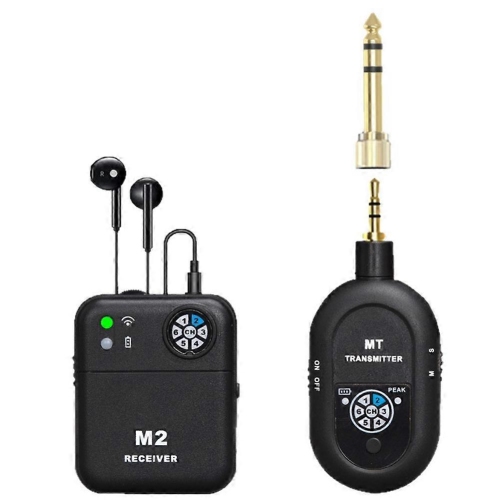
How a proper seal helps reveal mix details
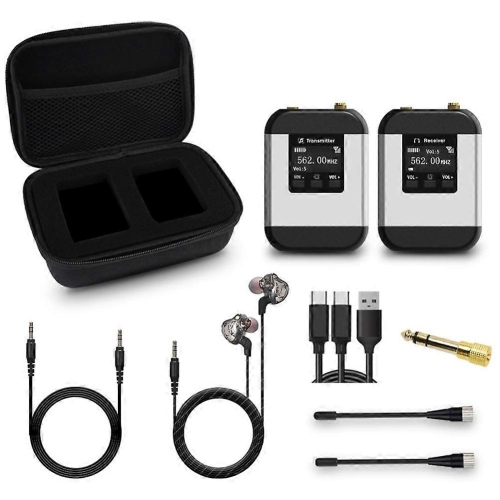
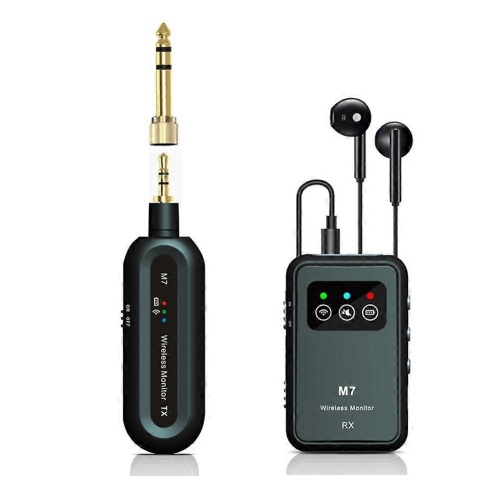
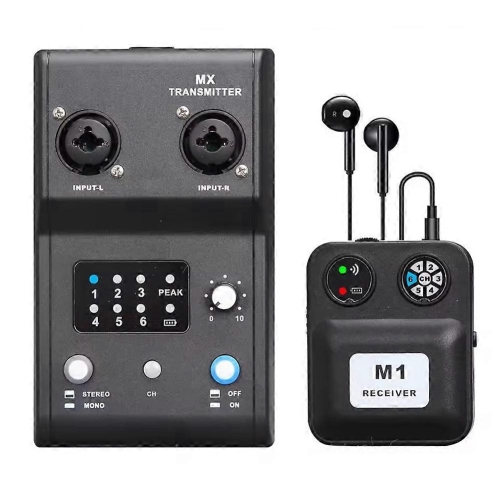
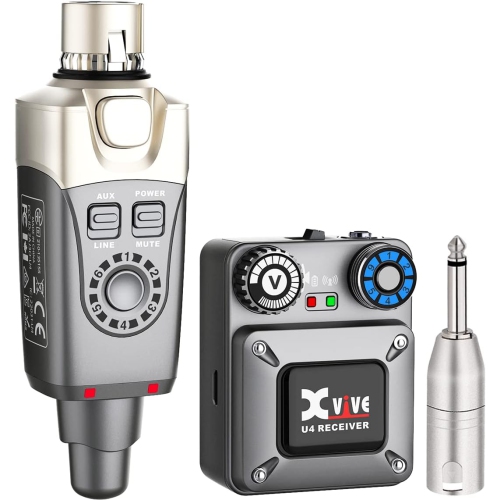
In-ear monitors for sound engineers provide a close, isolated listening reference for checking signals, cue mixes, and fine details during live sound work, recording sessions, and mobile production. Their earpieces sit at the entrance to the ear canal, where properly fitted tips create a seal that reduces incoming sound without relying on active noise cancellation. That separation can make a quiet backing vocal, a noisy instrument channel, or an uneven stereo cue easier to hear beside a busy stage. For a monitor engineer, a familiar pair of IEMs can help reveal what a performer is hearing through a bodypack receiver, although differences in earpiece tuning and fit mean the experience may not be identical. For a front-of-house engineer, they are useful for briefly checking individual channels or troubleshooting a feed, but they do not replace listening to the loudspeakers and the room. In a studio, in-ear monitoring can support tracking and detailed playback checks while keeping sound leakage low, especially near an open microphone. A balanced, predictable frequency response is valuable across these tasks: bass should have enough definition to distinguish kick drum from bass guitar, midrange should preserve vocal and instrument detail, and treble should reveal hiss or sharp consonants without making every recording seem overly bright. Soundstage and separation also matter when checking panning, layered arrangements, or stereo effects, though the presentation differs from listening through speakers. Engineers who move between rehearsal spaces, venues, and recording rooms often value a compact reference they can carry in a small case and learn thoroughly over time. Familiarity helps put listening impressions into context, whether a snare sounds unexpectedly thin or a cue mix has more low end than usual. Isolation varies with the earpiece, tip, and individual fit, so it should not be treated as a fixed benefit across all designs. Even a strong seal does not make high playback levels safe; sensible volume and listening breaks remain important during long sessions.
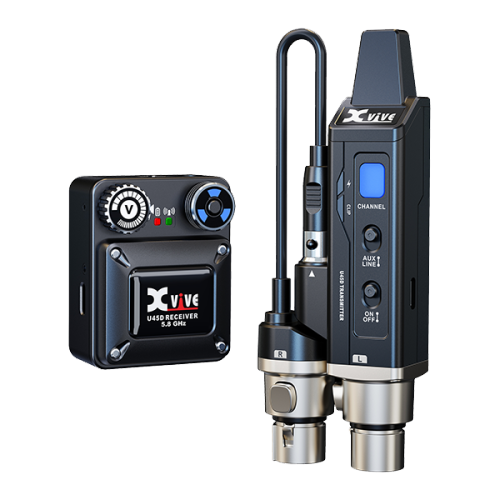
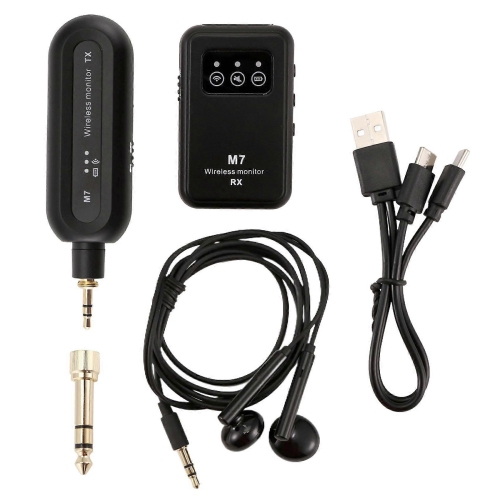
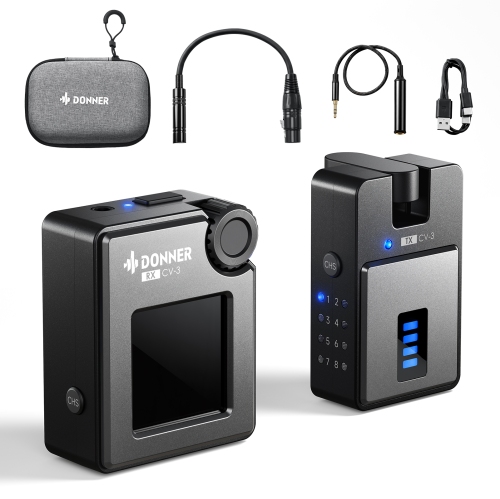
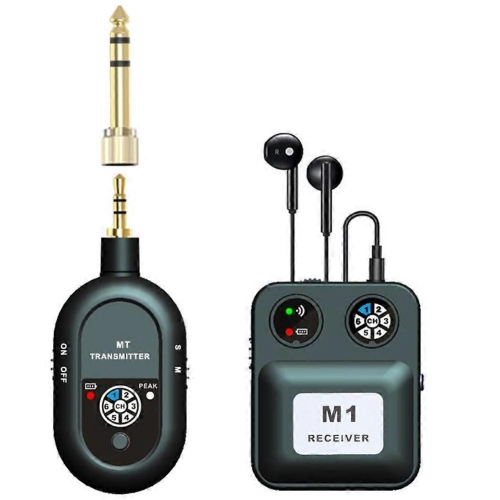
Driver design shapes how in-ear monitors reproduce sound, but driver count alone does not establish accuracy or quality. Dynamic drivers use a moving diaphragm and can cover a broad frequency range with a single driver in each earpiece. Balanced armature designs may use separate drivers for different parts of the frequency range, while hybrid configurations combine driver types. In multi-driver designs, the crossover and acoustic tuning influence how smoothly those parts work together. A well-tuned single-driver design can be more useful for a particular engineer than a more complex arrangement with an unfamiliar tonal balance. For those comparing this construction, 10mm dynamic driver in-ear monitors offer a related category to explore, with diaphragm size serving as one specification rather than a guarantee of stronger bass or finer detail. For critical monitoring, the practical concern is how clearly an earpiece presents the material being checked. A dense guitar arrangement should still leave vocal cues intelligible, and a sustained keyboard part should not obscure the attack of percussion. Published frequency ranges do not show the full tonal character, just as sensitivity and impedance figures need to be considered alongside the source device. Highly sensitive IEMs may reveal background hiss from some headphone outputs or wireless bodypacks, while an unsuitable output can affect usable volume or tonal balance. Connector compatibility is equally important. Wired earpieces need an appropriate headphone output, and a wireless stage setup generally requires a separate compatible transmitter and bodypack receiver; the earpieces alone do not provide that connection. Bluetooth listening features are not a substitute for a purpose-built live monitoring link where latency is a concern. Cable length, plug shape, and routing also affect everyday use. A low-profile plug can sit more neatly beside other connections, while sufficient cable slack allows movement between a console and nearby equipment without tugging at the ears. Matching these details to the actual workflow helps keep attention on the audio rather than the connection.
Fit deserves as much attention as sound because the seal affects bass response, isolation, and consistency from one listening session to the next. Universal-fit in-ear monitors typically use interchangeable silicone or foam tips, and the correct size may differ between the left and right ear. Silicone tips are usually straightforward to wipe clean and reuse, while foam tips compress before insertion and expand to follow the ear canal’s shape. Both require a suitable fit without painful pressure. If bass seems to disappear when speaking or turning the head, the seal may be shifting rather than the mix changing. Earpiece size and contour matter during extended console work, particularly for anyone wearing glasses or moving frequently between a desk and a stage. Over-ear cable routing can help support the cable and reduce the sensation of it pulling down, though comfort depends on the stiffness and shape of the ear hooks. Custom-fit earpieces offer another approach, using impressions or scans for an individual fit, but they require a different fitting process from universal designs. Shells may be made from moulded plastics, resin, or metal; material choice affects weight and feel, while construction quality and careful handling remain central to durability. Detachable cables make it possible to replace a worn lead without replacing the earpieces, provided the replacement uses the correct connector and pin arrangement. Similar-looking two-pin connections are not always interchangeable, and repeated rough handling can damage small sockets. Strain relief near plugs and earpieces is useful for equipment that is regularly packed, unpacked, and clipped to clothing. After use, removing surface moisture and checking the sound outlets for wax helps keep the monitors ready for the next session. Cleaning should follow the maker’s directions, with care not to push debris into acoustic openings or expose internal parts to liquid. Tips, filters, and cables may need periodic replacement. A protective case and loosely coiled cable help prevent crushed tips, tangled leads, and unnecessary connector stress in a crowded equipment bag. For working engineers, students learning live production, and musicians managing their own monitor feeds, these small practical details support comfortable, repeatable listening.
Top selling and popular products
-
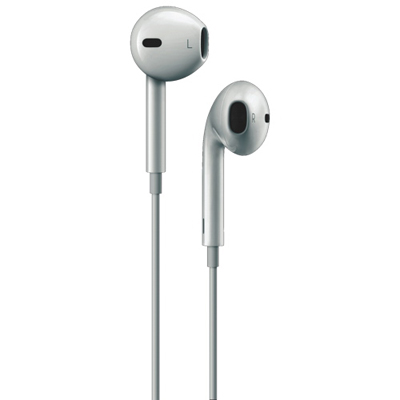 Your price for this item is $25.99
-
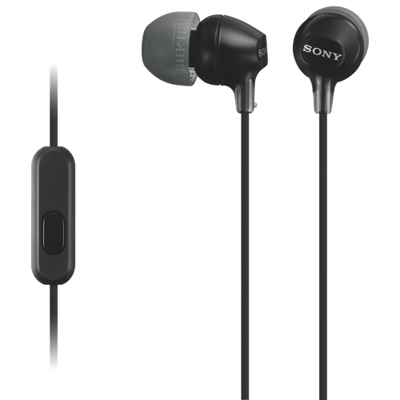 Your price for this item is $15.98
-
 Your price for this item is $25.99
-
 Your price for this item is $25.98
-
 Your price for this item is $25.98
-
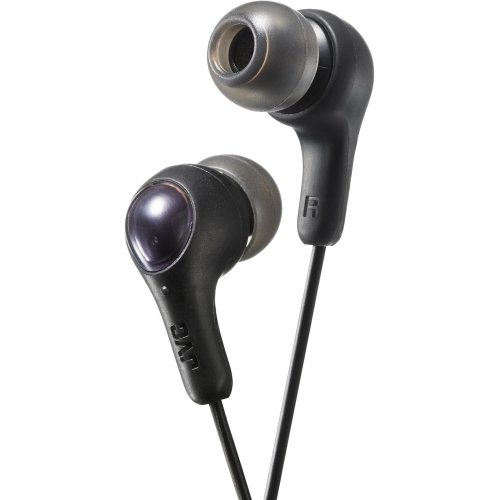 Your price for this item is $25.98
-
 Your price for this item is $25.98
-
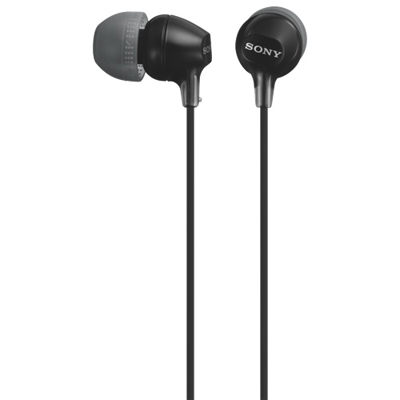 Your price for this item is $12.99
Discover more categories related to In Ear Monitors for Sound Engineers

Top Collections:
Pokemon Centers, Best Cameras for Sports Photography, Kindle Devices, Samsung Galaxy Phones, Canon G7X Cameras, Pokémon 30th Celebration Cards, Refurbished Apple Laptops, iPhone 15 Apple, Laptops for Students, Budget Smartphones
Some products may be subject to Environmental Handling Fees
(EHF) depending on your province.
Learn more about EHFs.