In Ear Monitors for Guitarists
In Ear Monitors For Guitarists are essential tools for achieving clear, reliable sound during practice sessions, studio recordings, and live performances. Designed to meet the needs of musicians who demand precision and comfort, these monitors deliver a personalized audio experience that helps guitarists stay in sync with their music. Whether performing on stage or perfecting your technique at home, In Ear Monitors For Guitarists offer a dependable solution to help you hear every note and nuance. Explore a wide selection to find the perfect fit for your playing style and performance needs.
Sort
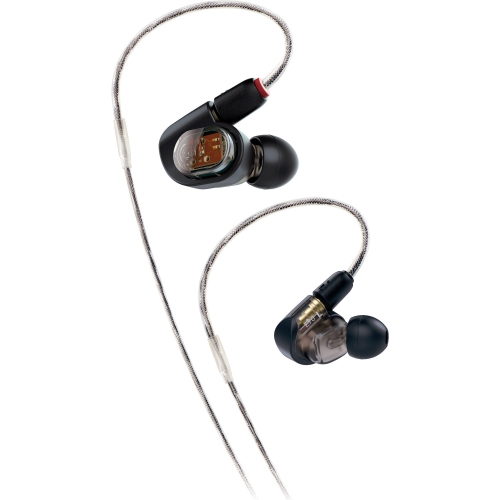


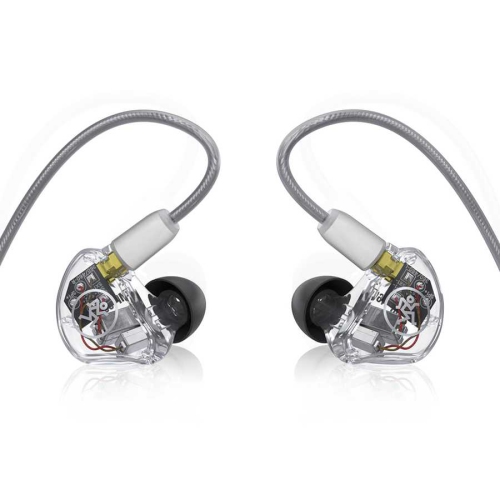


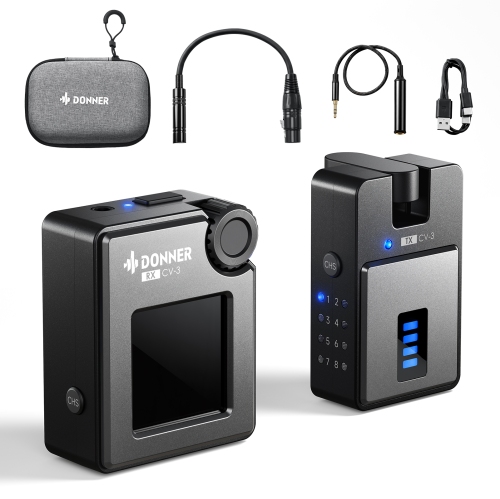

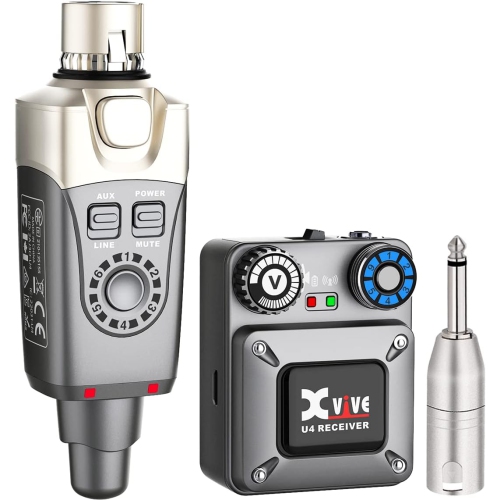


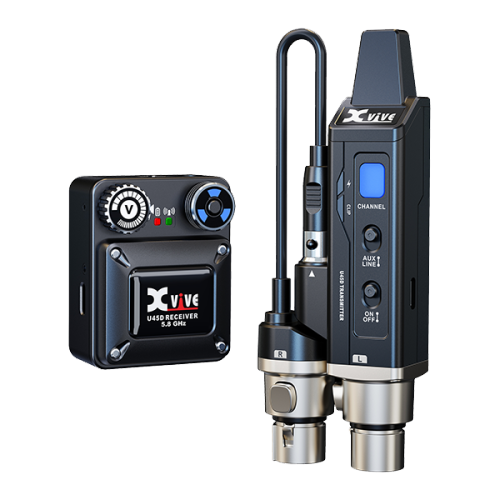


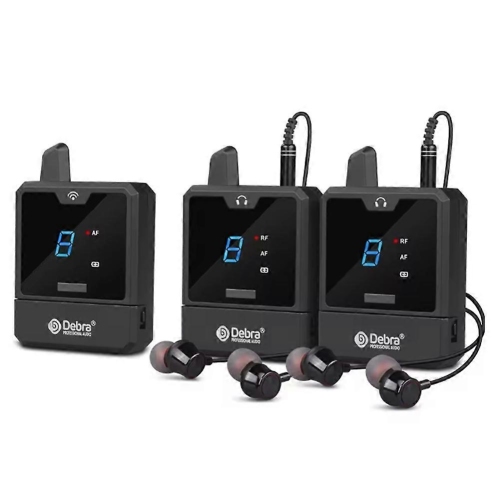


Clearer guitar monitoring from practice room to stage
In-ear monitors for guitarists are designed to make playing feel more controlled, focused, and consistent, whether you are rehearsing in a spare room, recording at home, performing on a small stage, or playing in a full live band. Instead of relying only on a floor monitor or a loud amplifier, an in-ear monitor sends a carefully balanced mix directly to your ears. This can make it easier to hear the detail in each chord, pick stroke, and sustained note, even when drums, vocals, keyboards, and other instruments are filling the room. For guitarists, a clear midrange is especially valuable because it helps the character of the guitar sit naturally in the mix without becoming harsh or buried. Depending on the setup, you may hear your guitar prominently along with vocals, a click track, backing tracks, or selected instruments from the band. The result can feel much like stepping inside the performance: the room becomes less distracting, the rhythm section feels more defined, and your playing can respond with greater confidence. In-ear monitors can also be useful for acoustic guitarists, worship musicians, cover-band players, touring performers, music students, and home recording enthusiasts who want a more direct way to monitor their sound. Someone building a first pedalboard or preparing for regular rehearsals may appreciate the added control, while an experienced guitarist may use them to create a reliable monitoring routine from venue to venue. They can also make a thoughtful gift for a guitarist who spends long hours practising, records demos, or is preparing for live performances.
When choosing in-ear monitors for guitarists, begin with fit and comfort because even excellent sound is difficult to enjoy if the earphones loosen, create pressure, or become uncomfortable during a long set. Look for ear tips in several sizes so you can find a secure seal without excessive tightness. A good seal can improve bass response and help reduce outside noise, allowing you to monitor at a more comfortable volume; however, it is important to remain aware of safe listening levels, particularly during extended rehearsals and performances. Cable design is another practical consideration. Detachable cables can be replaced or upgraded if needed, and over-ear routing can help keep the cable close to your body while reducing movement noise. Guitarists who move around the stage may prefer a secure fit that stays in place while bending, reaching for pedals, or turning towards an amplifier. Sound signature should match the way you play and monitor. A balanced presentation can reveal vocals and the full band mix, while a clear, forward midrange may help guitar notes cut through busy arrangements. Strong but controlled bass can add weight to kick drums and lower guitar parts without masking chord detail. A single-driver design may offer a straightforward, natural presentation, while multi-driver options can separate different parts of the mix more distinctly. Specifications such as sensitivity, impedance, included ear tips, and frequency response can provide useful context, but real-world comfort and the quality of the source device matter just as much. Check that your audio interface, wireless system, mixer, headphone amplifier, or stage monitoring system is compatible, and remember that in-ear monitors do not replace the need for a suitable guitar signal, a properly adjusted mix, or a reliable monitoring workflow.
In-ear monitors can support a wide range of guitar setups, from quiet practice with a small interface to a complete live rig with a digital mixer and wireless bodypack. At home, they can help you practise without filling the room with amplifier sound, which is useful when other people are working, sleeping, or relaxing nearby. In a recording environment, they can provide a detailed reference while tracking guitars, singing, or playing along with a click. During rehearsals, they may make it easier to maintain your part without turning up the amplifier to compete with the drummer. On stage, a consistent in-ear mix can reduce the changes in volume and tone that often occur when moving between different venues. Some guitarists prefer to hear more of their own instrument, while others want a balanced blend that includes vocals and the rhythm section; the right choice depends on your role, playing style, equipment, and personal hearing preferences. Musicians who need a broader selection for listening, practice, and everyday use may also want to explore Guitar Headphones. Whichever style you choose, take time to test the fit, keep the volume at a sensible level, and store the monitors carefully between uses. A well-fitting pair can become a familiar part of your routine, accompanying quiet practice on a cooler evening, focused preparation before a rehearsal, or the last sound check before the lights come up. When comfort, clarity, durability, and system compatibility all work together, in-ear monitors help guitarists hear the music with greater precision and play with a more assured sense of timing and tone.
Top selling and popular products
-
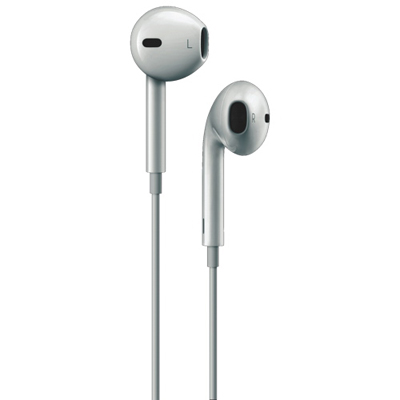 Your price for this item is $25.99
-
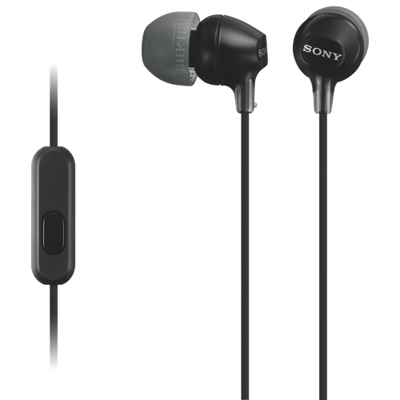 Your price for this item is $15.98
-
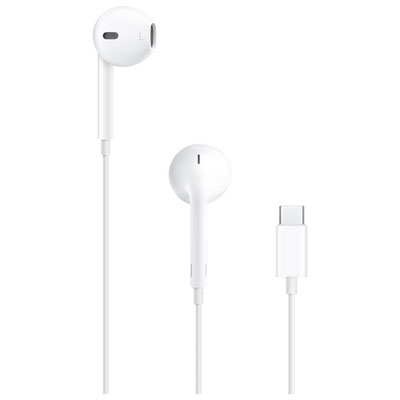 Your price for this item is $25.99
-
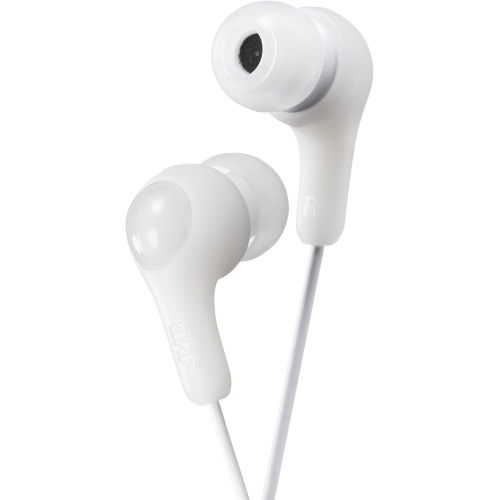 Your price for this item is $25.98
-
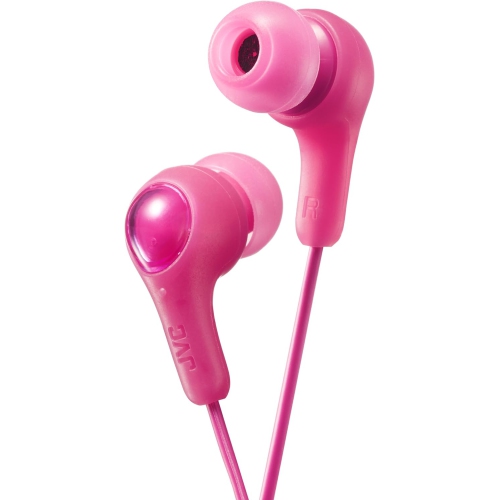 Your price for this item is $25.98
-
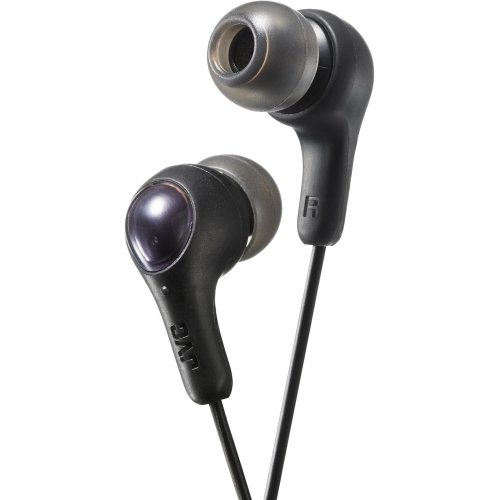 Your price for this item is $25.98
-
 Your price for this item is $25.98
-
 Your price for this item is $12.99
Discover more categories related to In Ear Monitors for Guitarists

Top Collections:
Pokemon Centers, Best Cameras for Sports Photography, Kindle Devices, Samsung Galaxy Phones, Canon G7X Cameras, Pokémon 30th Celebration Cards, Refurbished Apple Laptops, iPhone 15 Apple, Laptops for Students, Budget Smartphones
Some products may be subject to Environmental Handling Fees
(EHF) depending on your province.
Learn more about EHFs.