Inexpensive AV Receivers
Inexpensive AV Receivers make it easy to enjoy quality audio and video experiences without stretching your budget. Whether you're upgrading your home theater or setting up a new entertainment space, these affordable options deliver reliable performance for movies, music, and gaming. Explore a variety of models designed to fit different needs and room sizes, all while keeping costs in check. Find the perfect balance of value and versatility with our selection of Inexpensive AV Receivers.
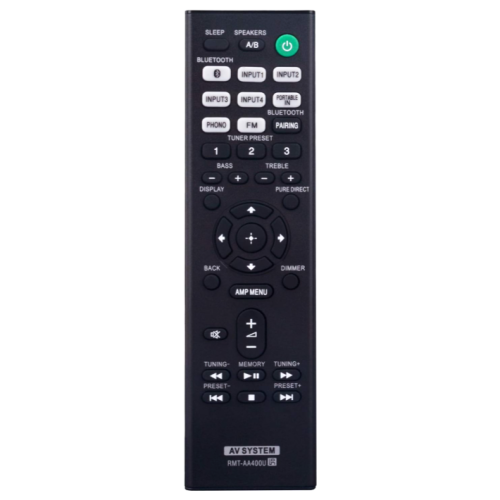
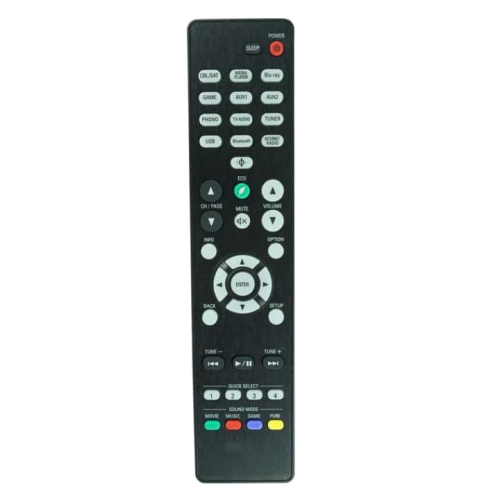
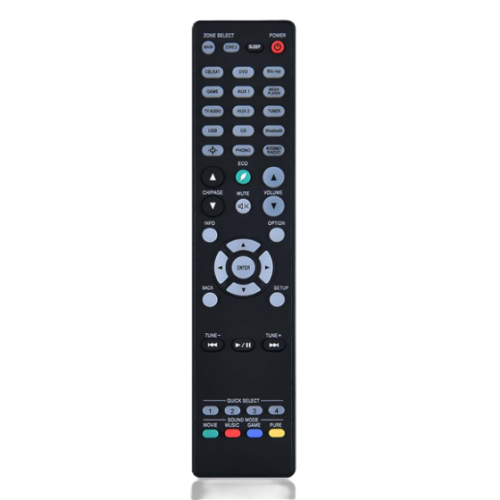
Home theatre sound that fits your room and setup
Inexpensive AV receivers act as the central connection and amplification point for a home theatre system, bringing audio from compatible entertainment sources to passive speakers while routing video to a television or projector. Their core purpose is straightforward: keep movies, music, television and games connected through one system, with sound delivered through speakers positioned around the room. An entry-level receiver can suit a first surround sound setup, a compact media room or a shared living room where clear dialogue matters as much as an exciting soundtrack. A 5.1-channel arrangement typically uses front left and right speakers, a centre speaker, two surround speakers and a powered subwoofer. The centre speaker helps anchor dialogue to the screen, while the surround speakers carry effects that give scenes a sense of space. A powered subwoofer handles deep bass through its own built-in amplifier rather than drawing speaker power from the receiver. Not every room needs a full surround arrangement immediately; a compatible receiver may also work with two front speakers, with additional channels added later. That flexibility is useful when furniture placement or shared walls influence how a system takes shape. For music listening, a two-channel mode can keep the presentation focused on the front speakers rather than spreading every recording throughout the room. Channel count should reflect the intended speaker layout, not simply the largest number on a specification sheet. Height effects, for example, require support for the relevant audio format and a compatible speaker configuration; extra speaker terminals alone do not establish that capability. Power ratings also need context. Figures measured with different numbers of channels operating, different speaker loads or different distortion limits are not directly interchangeable. Speaker sensitivity, listening distance and room size all affect the volume a system can deliver comfortably. For everyday listening, a well-matched receiver and speaker combination is more meaningful than a headline wattage figure on its own.
Connections determine how naturally an AV receiver fits into an existing entertainment setup. HDMI inputs can bring together a streaming device, game console and disc player, allowing compatible equipment to share a single HDMI output to the display. Enough inputs for the devices used regularly can make daily operation simpler, particularly when reaching behind a cabinet is awkward. Video compatibility deserves attention alongside audio capability: support for a particular resolution does not automatically mean support for every refresh rate, HDR format or gaming feature at that resolution. A console used for high-frame-rate gaming may place different demands on the HDMI signal path than a device used mainly for films. Every part of that path, including the source, receiver, display and cables, needs to support the desired features. Audio Return Channel, or ARC, allows a compatible television to send sound back to the receiver over an HDMI connection, which is helpful when watching through the television’s built-in apps. Enhanced Audio Return Channel, or eARC, can carry higher-bandwidth audio formats when the connected equipment supports them. These features are not interchangeable guarantees of format support, so the television’s audio output options remain relevant. Optical digital audio can connect certain televisions and other sources, although it does not carry the same range of formats as HDMI. Analogue inputs may be useful for older audio equipment, while a turntable requires either a suitable phono input or a separate phono preamp, unless one is already built into the turntable. Wireless listening features vary as well. Bluetooth can provide a convenient route from a compatible phone, while Wi-Fi or a wired network connection may support additional streaming functions on receivers equipped for them. A headphone output can offer another listening option, but it does not necessarily mean wireless headphones are supported. For another collection centred on this type of setup, Best Value Home Theater Receivers brings together relevant home theatre receivers.
Physical fit and everyday usability matter just as much as the connection panel. AV receivers can be deeper than they appear in a front-facing photograph, especially once HDMI plugs, speaker wire and a power cable are connected. A suitable shelf needs enough depth for those connections without sharply bending cables, as well as the clearance specified for ventilation. An enclosed cabinet with little airflow can trap heat produced during normal operation, and stacking other equipment over ventilation openings can restrict cooling. A sturdy chassis, secure terminals and controls that feel comfortable to use are practical details to consider, although weight alone is not a reliable measure of performance or durability. Speaker compatibility is equally important: passive speakers should fall within the receiver’s supported impedance requirements, and speaker wire connections should remain secure, with no loose strands bridging neighbouring terminals. Many compact speaker packages use passive main speakers alongside a powered subwoofer, but proprietary connectors or unusual electrical requirements can limit compatibility with a conventional receiver. Clear terminal labels, readable on-screen menus and a remote with distinct volume and input controls can make the system easier for everyone in the household to operate. Where included, microphone-assisted setup can help establish speaker distances and playback levels, though it cannot fully overcome awkward speaker placement or a room with strong echoes. A centre speaker placed inside a closed compartment, for example, may sound less clear than one with an unobstructed path towards the seating area. Ongoing care is generally simple: a soft, dry cloth for exterior surfaces, unobstructed vents and occasional checks for cables that have loosened during cleaning or furniture movement. Any cleaning or reconnection should follow the manufacturer’s instructions, with the equipment switched off and unplugged where directed. For someone receiving a receiver as a gift, compatibility with their television, speakers and available cabinet space is more useful than an impressive feature list. The right fit is a system that supports the household’s usual entertainment, operates without unnecessary fuss and leaves a sensible path for compatible additions later.
Top selling and popular products
-
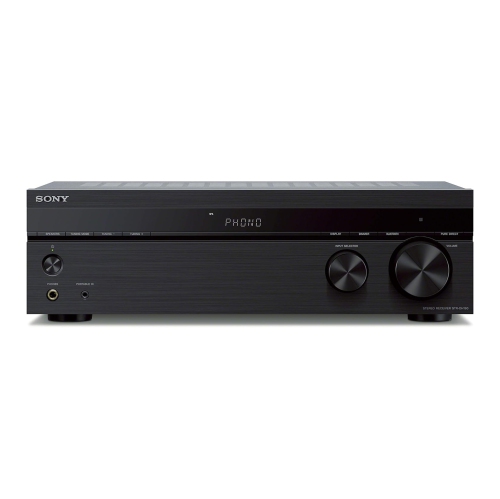 Your price for this item is $259
-
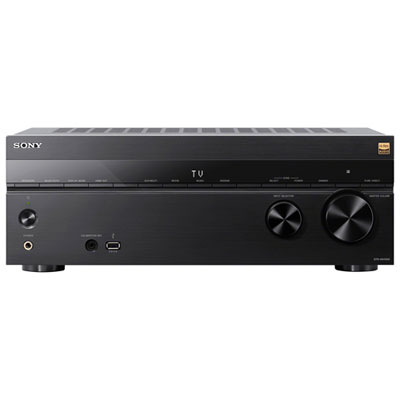 Your price for this item is $999.99
-
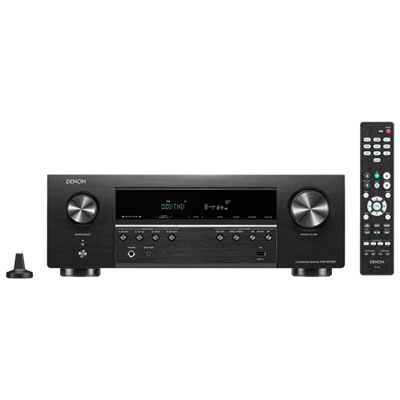 Your price for this item is $549.99
-
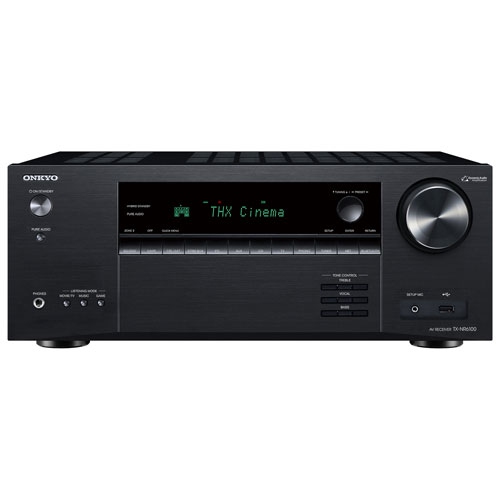 Your price for this item is $995
-
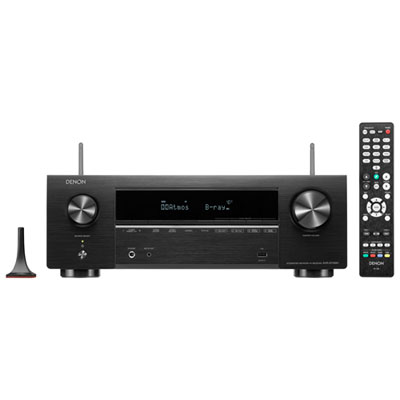 Your price for this item is $649.99
-
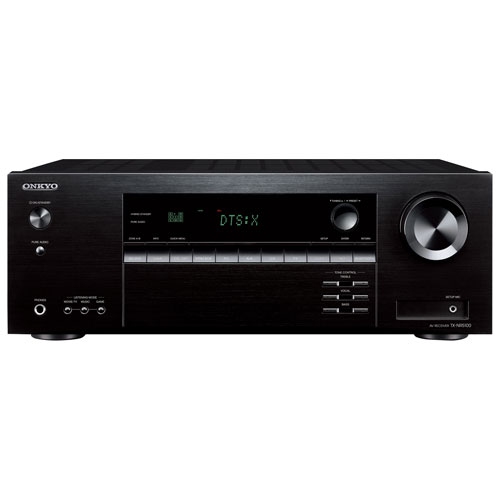 Your price for this item is $775
-
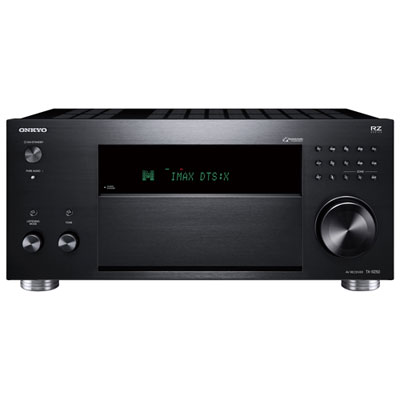 Your price for this item is $2099.99
-
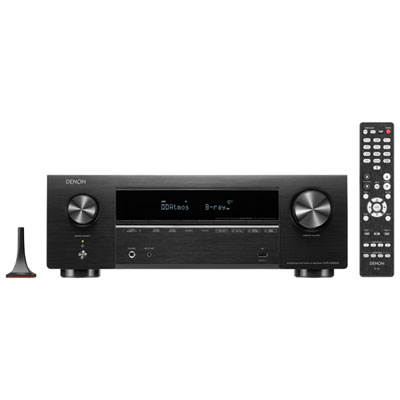 Your price for this item is $1099.99
Discover more categories related to Inexpensive AV Receivers
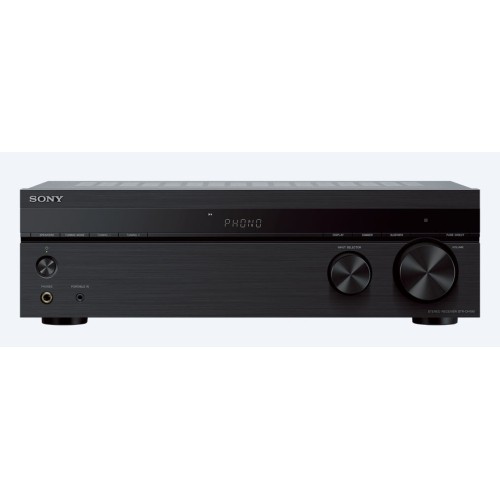
Top Collections:
Best Black Friday Deals This Year, Best Black Friday Deals On Electronics, Kindle Devices, Best Black Friday Deals On Apple Products, Best Budget Office Chairs, Best Cameras for Sports Photography, Dyson Airwrap, Canon G7X Cameras, Best Laptops for Writers, Samsung Galaxy Phones
Some products may be subject to Environmental Handling Fees
(EHF) depending on your province.
Learn more about EHFs.