Low Profile Headphones
Low Profile Headphones offer a sleek and subtle way to enjoy your favorite audio at home, work, or on the go. Designed for those who prefer a discreet listening experience, these headphones blend comfort and style without sacrificing sound quality. Whether you're commuting, working out, or relaxing, Low Profile Headphones provide an ideal solution for anyone seeking performance with a streamlined look. Explore a wide selection to find the perfect fit for your lifestyle.
Sort
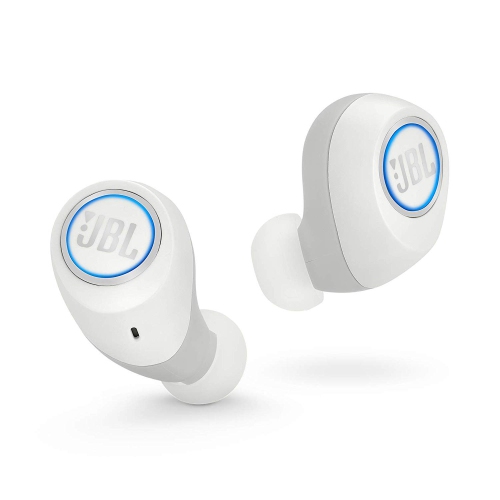
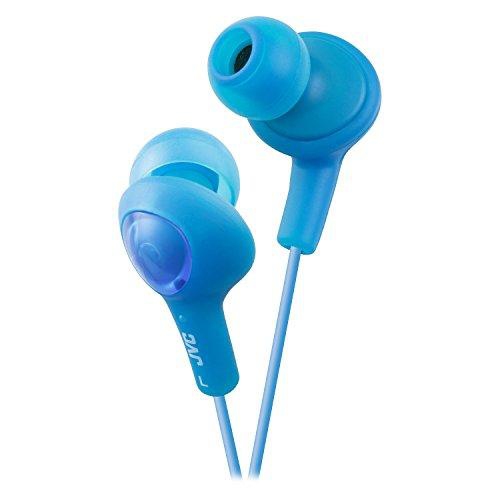
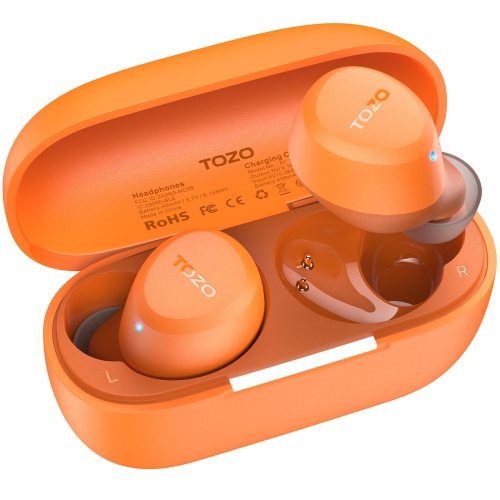
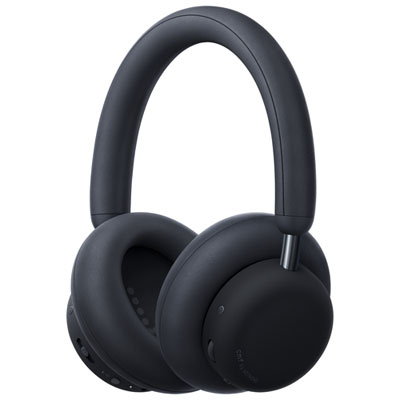
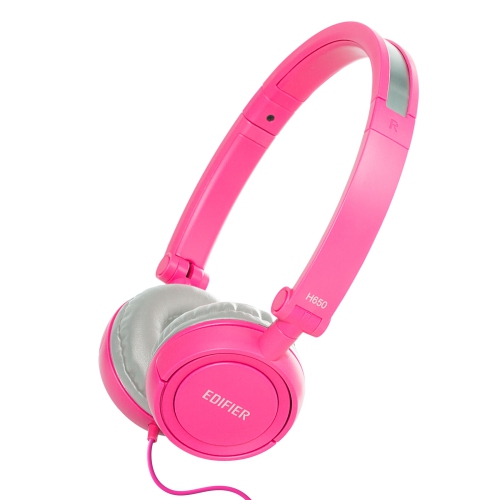
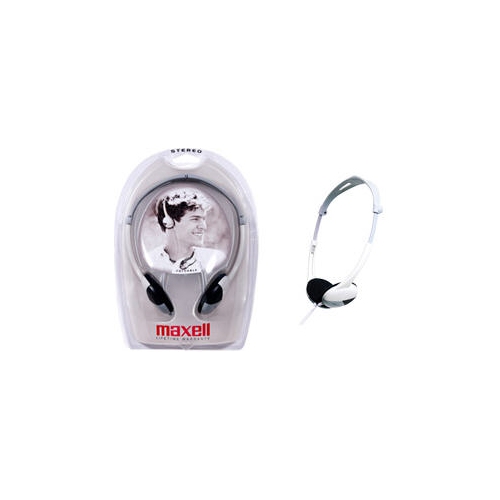
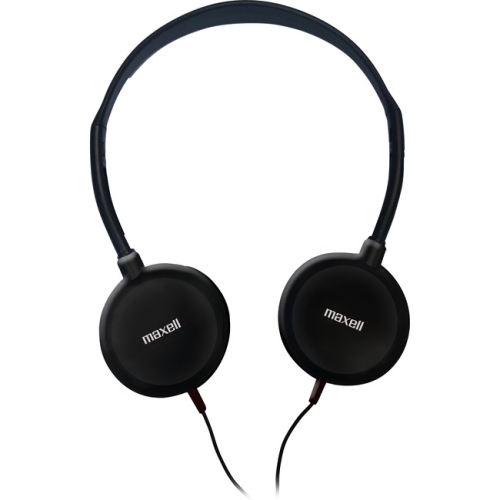
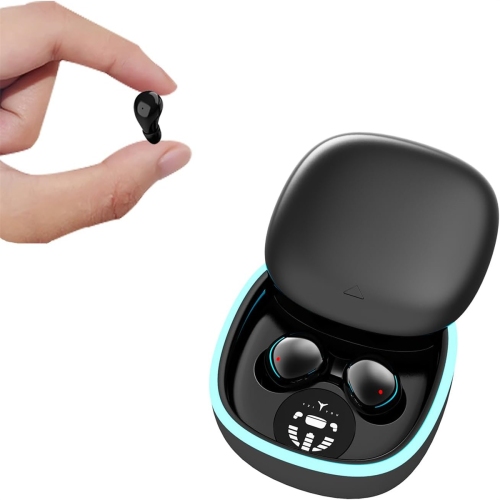
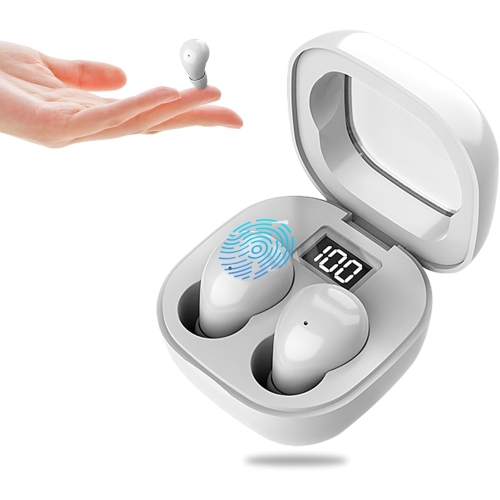
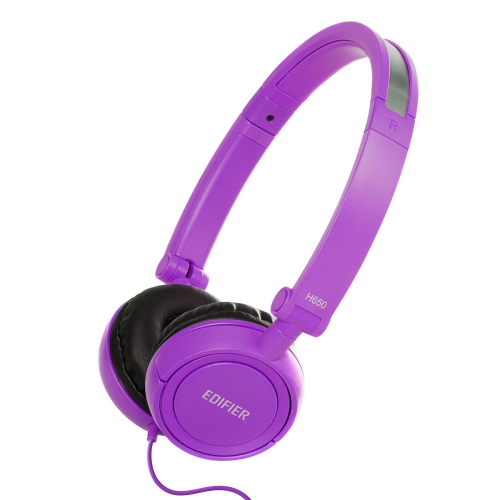
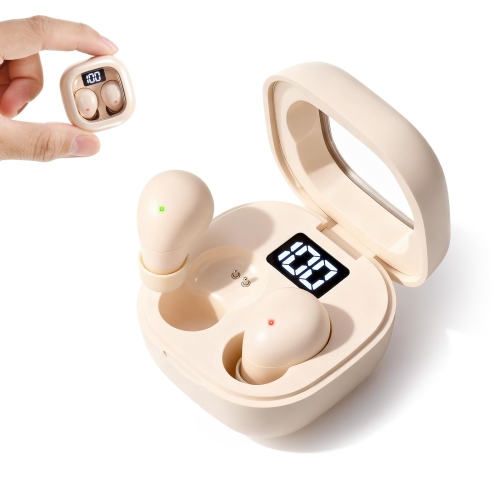
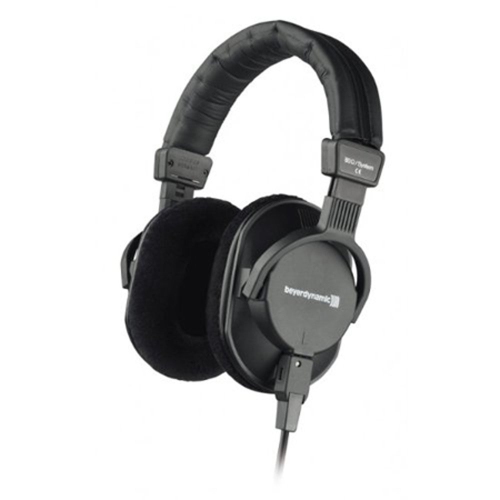

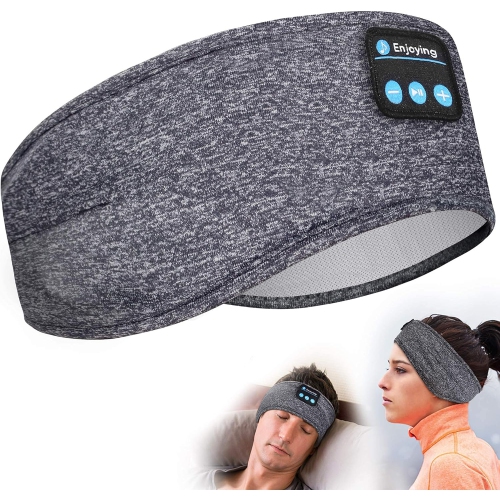
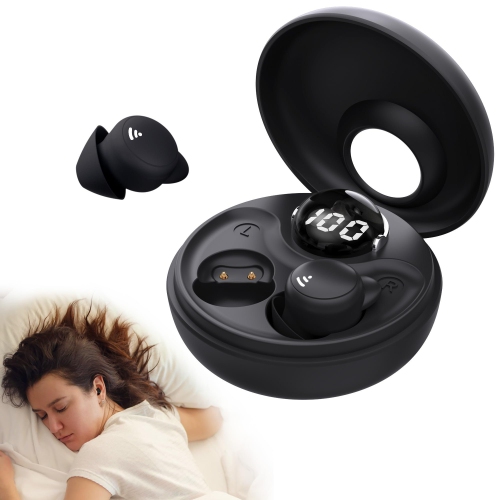
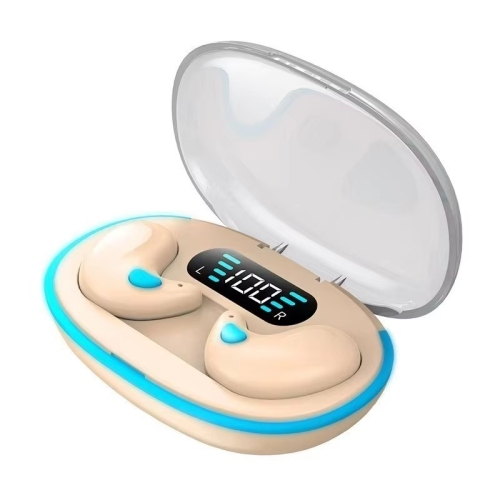
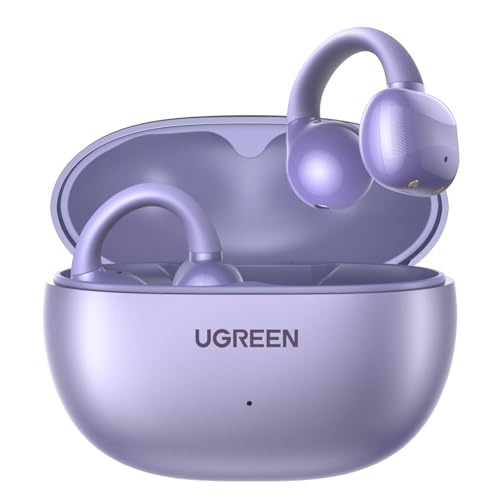
Less bulk doesn't tell the whole headphone story
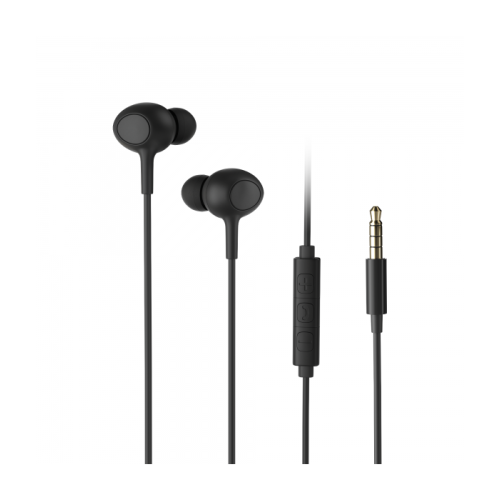
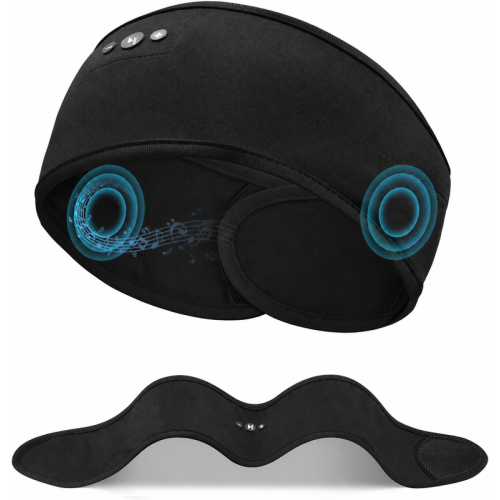
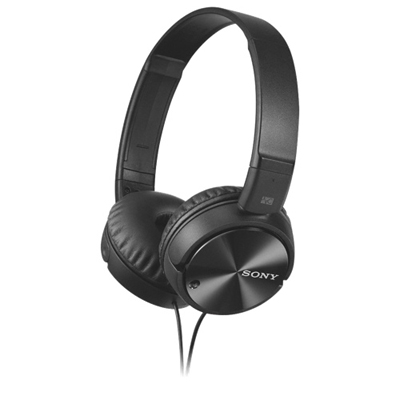
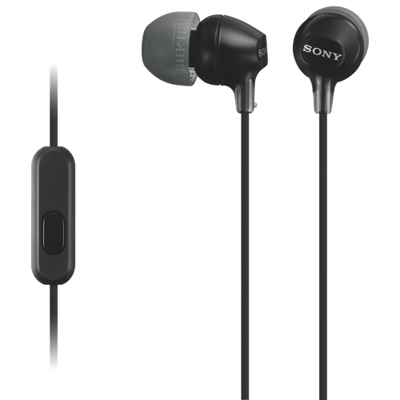
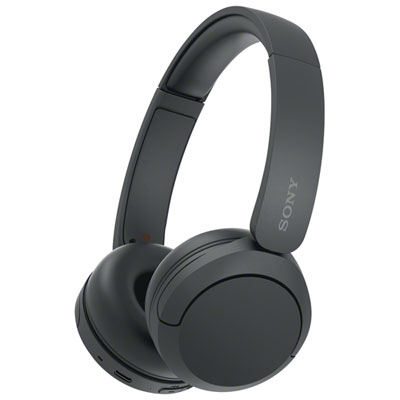
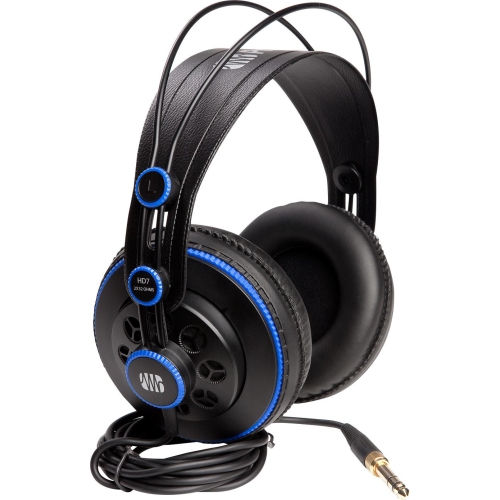
Low-profile headphones have a slim shape that sits relatively close to the head, with earcups and a headband designed to keep bulk to a minimum. The term describes their physical design rather than a particular sound signature or connection type: low-profile headphones can be wired or wireless, and may rest on the ears or fit around them. There is no single measurement that defines a low-profile fit, so earcup depth, headband shape, and overall dimensions matter more than the label alone. For someone listening to podcasts on a train, working at a shared desk, or carrying headphones between classes, a compact silhouette can feel less cumbersome than a larger headset. On-ear designs use smaller cushions that rest against the outer ear, while slimmer over-ear designs surround the ear without projecting as far outward as deeper earcups. Neither style is automatically more comfortable. On-ear cushions can create pressure during longer sessions, while shallow over-ear cushions may leave less room between the ear and the fabric covering the driver. Cushion softness, headband adjustment, and clamping pressure all affect how the headphones feel after an hour of listening. Glasses add another consideration, since the arms can sit between the cushions and the head, changing both comfort and the acoustic seal. Materials also shape the experience: moulded plastic helps limit weight, metal reinforcement can support adjustment points, and padding spreads contact across the head. Smooth synthetic leather cushions are generally easy to wipe, while fabric surfaces have a different texture and may absorb moisture more readily. Swivelling earcups can help the cushions settle against the head, and flat-folding or inward-folding designs can make packing easier, although these features are not part of every slim design. For listeners whose main concern is reducing pressure and carrying weight, Lightweight Headphones share some of the same priorities, though low weight and a close-fitting shape are separate qualities.
Sound and everyday usefulness depend on more than the size of the earcups. A snug, comfortable seal can help preserve bass and reduce the amount of outside sound reaching the ears, but a slim shape alone does not establish how much isolation a pair provides. Closed-back earcups can limit sound leakage, while active noise cancellation, when included, uses microphones and processing to reduce certain surrounding sounds. Steady ventilation or transit noise is different from nearby conversation, so performance can vary with the setting. Transparency or ambient listening modes, where supported, bring outside sound into the headphones without requiring them to be removed; they do not replace paying attention around traffic or other hazards. For music, spoken-word listening, and video, tonal balance and clear dialogue often matter more than dramatic bass. Smaller headphones are not necessarily quieter or less detailed, and external dimensions alone do not reveal sound quality. Connection options affect daily routines just as much. A wired connection avoids charging and can suit a desk setup or a compatible entertainment device, but the plug must match the source or work with an appropriate adapter. A USB-C connector does not guarantee that every device supports every audio or microphone function. Wireless headphones reduce cable clutter when moving between a desk and a bag, though battery life, charging time, and connection stability remain practical considerations. Support for connecting to multiple devices can be useful when alternating between a laptop and a phone, while call controls and microphone performance matter for meetings and conversations. A built-in microphone keeps the outline discreet, but clear voice pickup in a quiet room does not necessarily translate to equally clear calls beside a busy street. Physical buttons may be easier to locate by touch, whereas touch controls keep surfaces uncluttered; either approach benefits from controls that are easy to distinguish without interrupting a task.
Long-term comfort and durability often come down to the small parts handled every day. Headband sliders should adjust securely, swivels should move smoothly, and folding joints should hold their position without requiring force. A thin frame is not automatically fragile, but slim headphones still need protection from the pressure of books, laptops, and other contents inside a bag. A fitted case or protective pouch can reduce scuffs and keep cables from catching on hinges; a soft pouch offers less protection against crushing than a structured case. Detachable cables, replaceable cushions, and accessible charging ports can make routine upkeep more manageable when those features are part of the design. Cables generally last better when loosely coiled rather than wrapped tightly around the earcups, and pulling from the connector instead of the cord reduces strain at the connection. Cushion care depends on the material and the manufacturer's directions. A soft cloth can remove everyday dust and skin oils, while excess liquid, harsh cleaners, and soaking can damage padding, finishes, or internal components. Headphones should be dry before being stored, and cushions that have become flattened or cracked may change the fit as well as the listening experience. For exercise, a slim appearance should not be mistaken for sweat resistance; an appropriate resistance rating and secure fit are more relevant to that use. At home or at a desk, low-profile headphones can appeal to listeners who want a less bulky accessory for albums, audiobooks, casual gaming, or video calls. For gaming and video, connection delay and microphone compatibility deserve attention alongside comfort. As a gift, they can suit a student carrying a compact bag, a frequent commuter, or someone who prefers an understated look during calls. The recipient's usual devices, preferred cushion style, and listening habits are more useful starting points than colour alone. A close-fitting design is most satisfying when it leaves enough room for the ears, stays comfortable through an ordinary listening session, and fits naturally into the way it will be carried and used.
Top selling and popular products
-
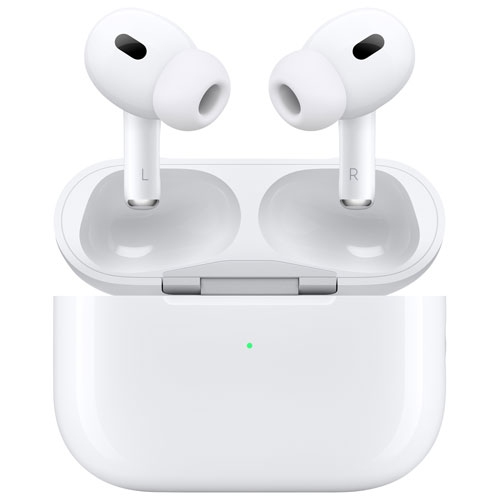 Your price for this item is $349.99
-
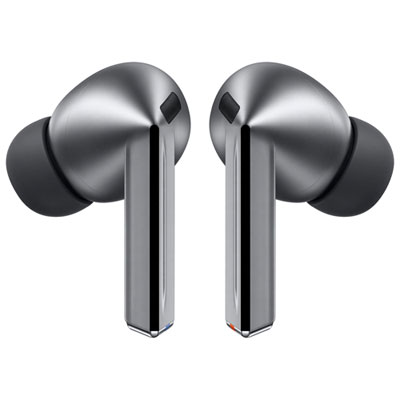 Your price for this item is $329.99
-
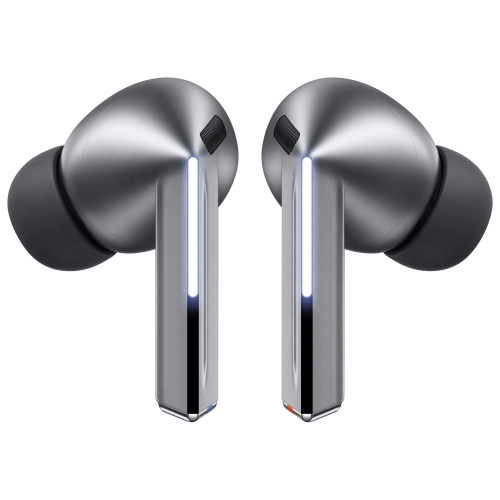 Your price for this item is $229
-
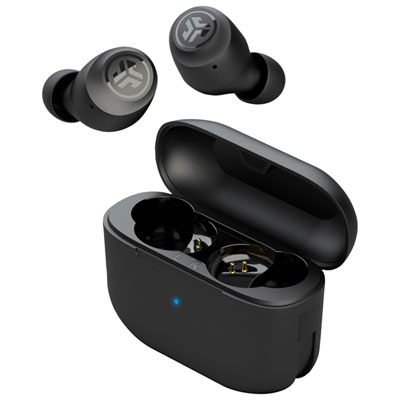 Your price for this item is $19.99
-
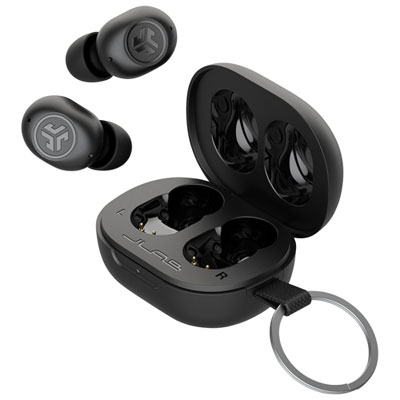 Your price for this item is $59.99
-
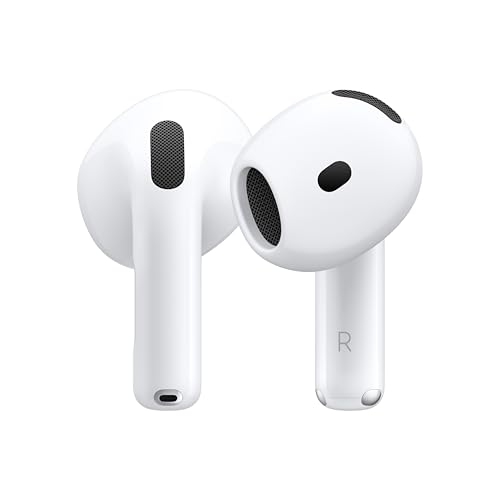 Your price for this item is $339.88
-
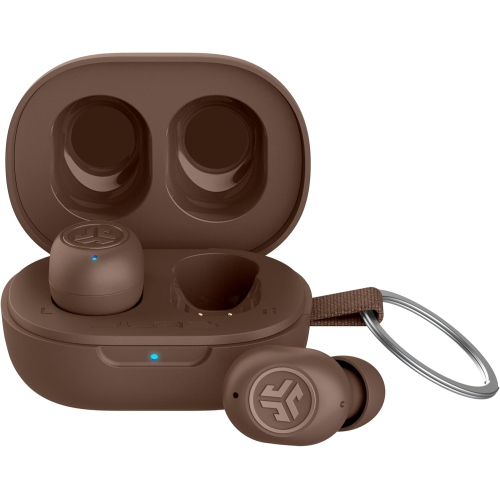 Your price for this item is $107.49
-
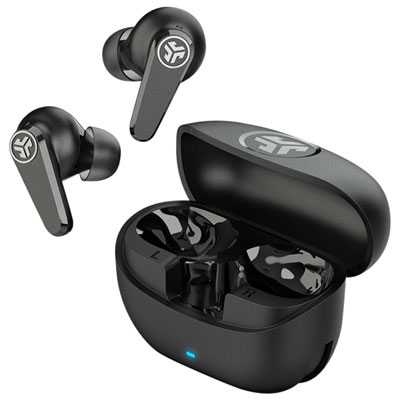 Your price for this item is $59.99
Discover more categories related to Low Profile Headphones
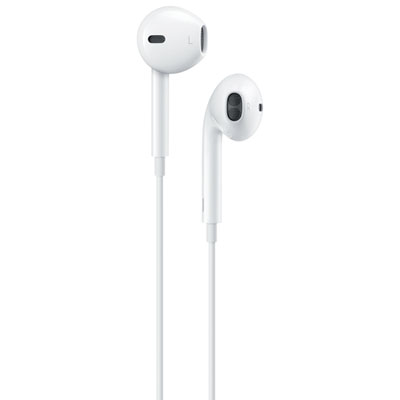

Top Collections:
Best Black Friday Deals This Year, Best Black Friday Deals On Electronics, Kindle Devices, Pokemon Centers, Best Black Friday Deals On Apple Products, Best Cameras for Sports Photography, Dyson Airwrap, Pokémon 30th Celebration Cards, Apple iPhone 17 Pro, Canon G7X Cameras
Some products may be subject to Environmental Handling Fees
(EHF) depending on your province.
Learn more about EHFs.