Lightweight Headphones
Lightweight Headphones offer an ideal solution for those seeking comfort and convenience during extended listening sessions. Perfect for travel, workouts, or daily commutes, these headphones are designed to provide an enjoyable audio experience without weighing you down. Explore a wide range of Lightweight Headphones to find the perfect fit for your lifestyle, whether you’re tuning into your favorite playlist, catching up on podcasts, or staying connected on calls. Discover options that combine portability and style while enhancing your everyday routine.
Sort

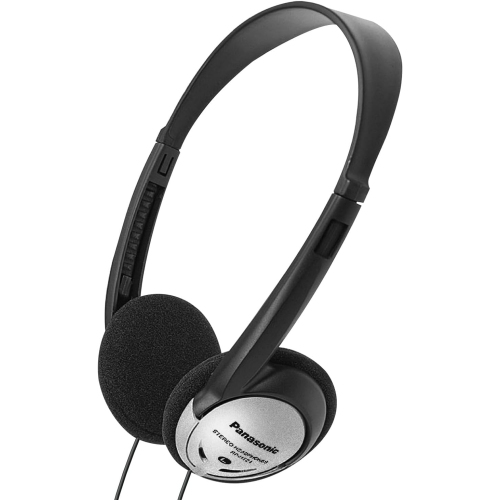


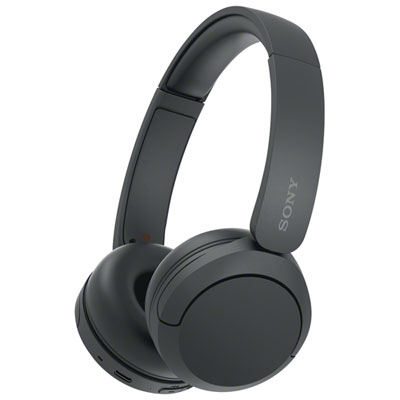


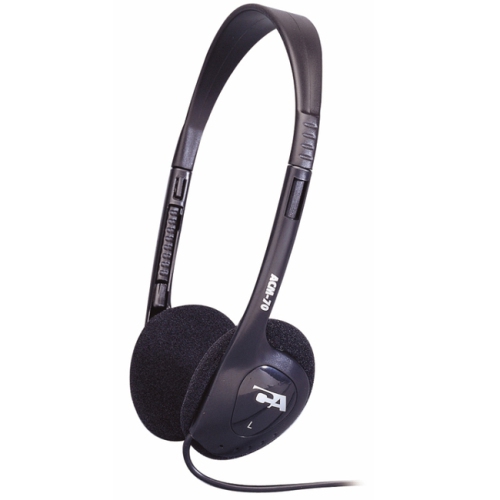
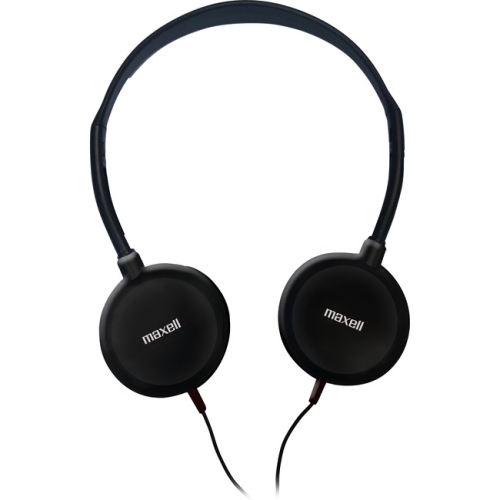





Why headphone comfort depends on more than weight
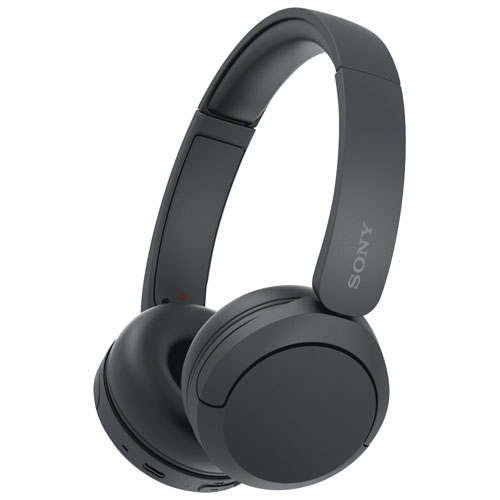
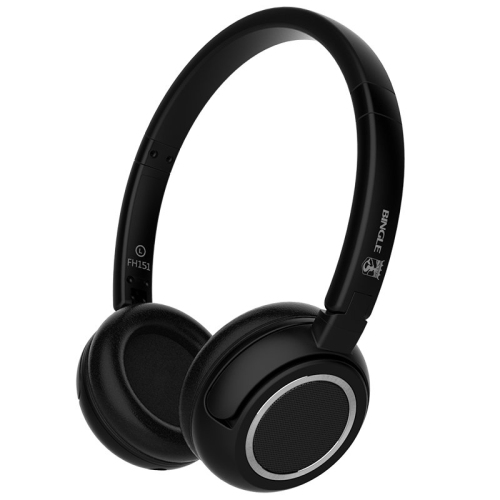
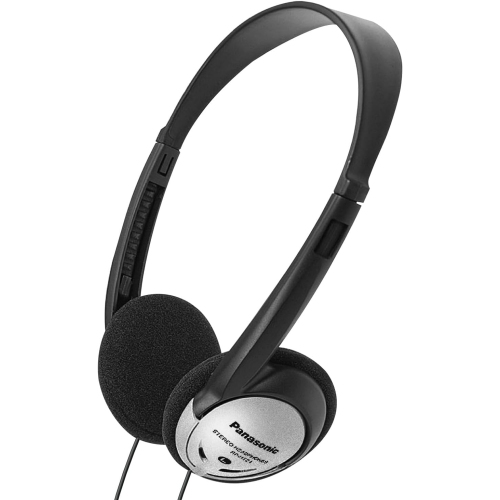
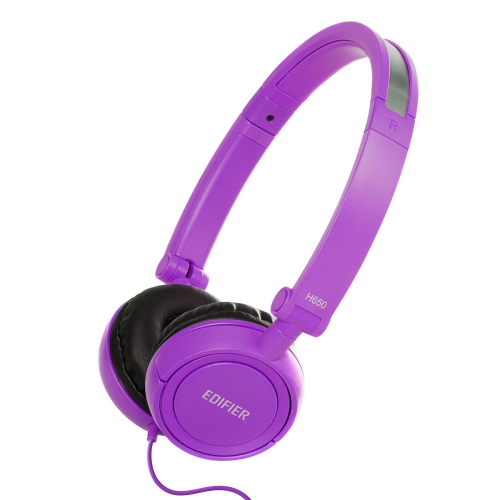
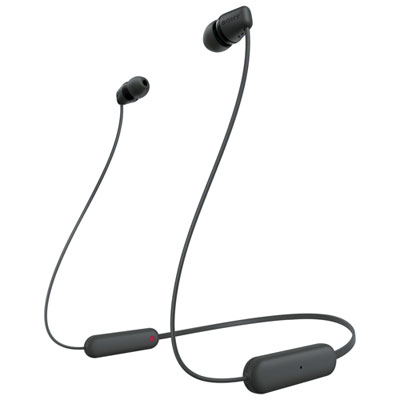
Lightweight headphones are designed to keep the weight worn on the head or in the ears low, making them a practical choice for commuting, studying, travelling and everyday listening. They include compact on-ear headphones, in-ear earphones and lighter over-ear designs, with each style balancing portability, fit and coverage differently. There is no single weight limit that defines lightweight headphones, so the listed weight in grams is useful when comparing similar styles. On-ear headphones rest directly on the ears and often have smaller earcups that slip easily into a work bag. In-ear designs place very little weight on the head, though comfort depends on the shape of the earpieces and the fit of the tips. Over-ear headphones surround the ears, offering more room around them while spreading the weight across a headband and cushions. A low weight does not guarantee a comfortable fit: headband pressure, earcup depth and contact points matter just as much during a long playlist or an afternoon of video calls. Someone who wears glasses may appreciate soft cushions that do not press the arms firmly against the sides of the head, while adjustable sliders and swivelling earcups can help accommodate different head shapes. Materials also influence how headphones feel. Moulded plastic can keep a frame light, while metal reinforcement at hinges or adjustment points may add strength without making the entire design bulky. Fabric-covered cushions and smooth leatherette surfaces have different textures against the skin, and replaceable ear pads can help keep a familiar fit comfortable over time. For in-ear headphones, interchangeable silicone tips offer a way to adjust the seal and stability. The right fit stays secure without needing frequent adjustment, whether the listener is leaning over a notebook, moving between transit connections or settling into an audiobook. Lightweight construction should also be considered separately from sound quality: driver size, tuning and the seal around or inside the ear all contribute to what reaches the listener, so a smaller frame does not automatically mean thin or weak sound.
Connection type shapes how lightweight headphones fit into a daily routine. For listeners who prefer a direct connection, lightweight wired headphones avoid Bluetooth pairing and do not need a battery for basic passive playback, although powered features may still require charging. A cable can be especially convenient at a desktop computer, with a compatible handheld gaming device or when plugging into an aircraft entertainment system. Connector compatibility matters: a 3.5 mm plug, USB-C connector and other digital connections are not interchangeable, and some devices need an appropriate adapter. Cable length and routing also affect comfort, particularly when a phone sits in a coat pocket or a laptop is positioned at the far side of a desk. Wireless headphones remove the cable between the headphones and the audio source, giving listeners more freedom to move around a room. Battery life varies with volume, listening mode, calls and other settings; the stated maximum is best understood alongside the manufacturer's testing conditions. Fast charging can be useful between activities, but charging time and the playback it provides differ by design. Multipoint connectivity, where supported, can make switching between a computer and a phone more convenient, while accessible buttons or touch controls reduce the need to reach for a screen. Active noise cancellation can reduce steady sounds such as the hum of a ventilation system or an aircraft cabin, but it does not eliminate every sound. Passive isolation depends largely on the seal created by ear tips or cushions, and a loose fit can affect both bass response and the amount of outside sound heard. Transparency or ambient listening modes can make nearby voices easier to hear without removing the headphones, though they are not a substitute for paying attention to traffic or other hazards. For calls, microphone placement and voice-processing features deserve separate consideration from playback quality. Clear music reproduction does not necessarily mean a microphone will pick up speech clearly on a busy street, and noise cancellation for listening is different from noise reduction applied to the outgoing voice.
Everyday use often reveals which details make lightweight headphones easy to live with. A student carrying a laptop and books may value a folding frame and a compact case, while someone taking calls from a shared work surface may prefer a stable fit, an easy-to-find mute control and earcups that remain comfortable through back-to-back conversations. For exercise, a secure shape and an appropriate water-resistance rating matter more than low weight alone. Any resistance claim should be checked against the manufacturer's stated limits, since protection from light splashes does not necessarily cover immersion or swimming. Travellers may appreciate earcups that rotate flat, but folding hinges still need room in a bag rather than pressure from a tightly packed compartment. A fitted case can help protect cushions and joints, while a small pouch can keep in-ear headphones and their tips together. Durability depends on construction and handling as well as materials: a light frame can serve regular use well when its adjustment points move smoothly and cables are not repeatedly stretched or sharply bent. Care is usually straightforward, with the manufacturer's cleaning instructions taking priority. A soft, dry cloth can remove surface dust, and detachable tips or cushions should only be cleaned using methods approved for their materials. Moisture should be kept away from openings and charging contacts, and headphones should be dry before charging or being put into a closed case. Pulling a wired connection out by its plug rather than its cable helps reduce strain. When lightweight headphones are a gift, the recipient's listening habits offer useful clues: compact in-ear styles suit someone who prefers minimal bulk, while adjustable over-ear designs may appeal to a listener who dislikes anything sitting inside the ear canal. Compatibility with their usual phone, computer or audio player, along with their preference for physical controls, a cable or wireless listening, makes the choice more personal. The most useful lightweight design is one that combines manageable weight with a comfortable fit and the features the listener will actually use.
Top selling and popular products
-
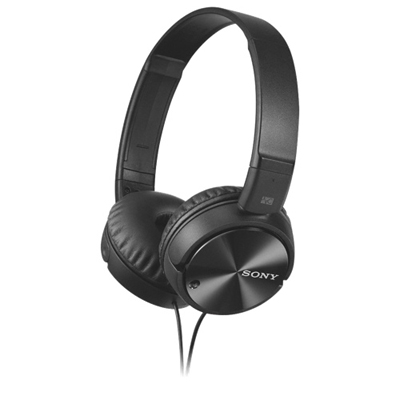 Your price for this item is $59.99
-
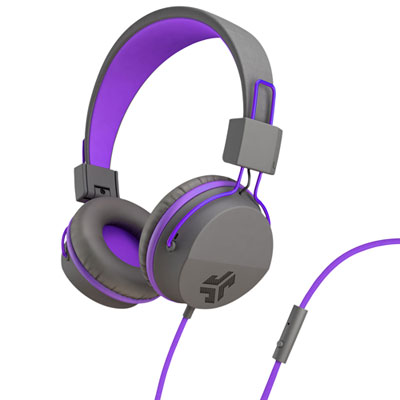 Your price for this item is $19.99
-
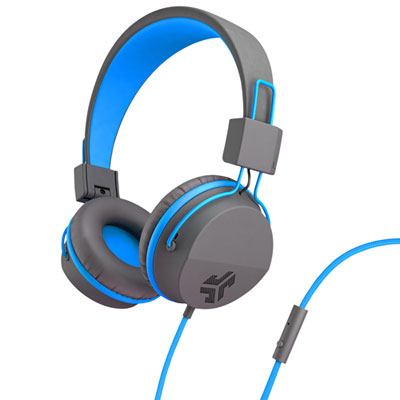 Your price for this item is $19.99
-
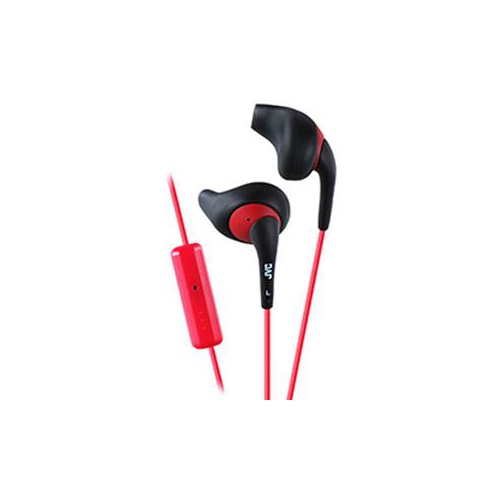 Your price for this item is $41.98
-
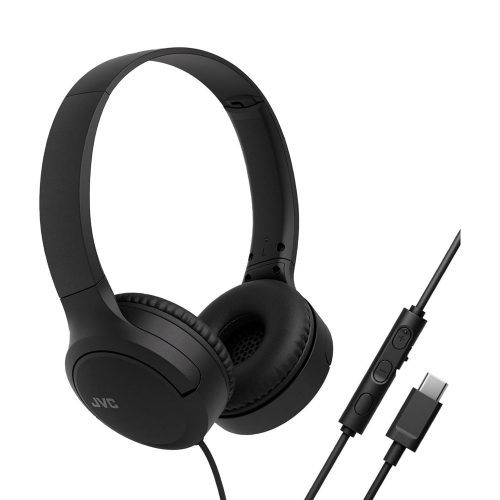 Your price for this item is $47.77
-
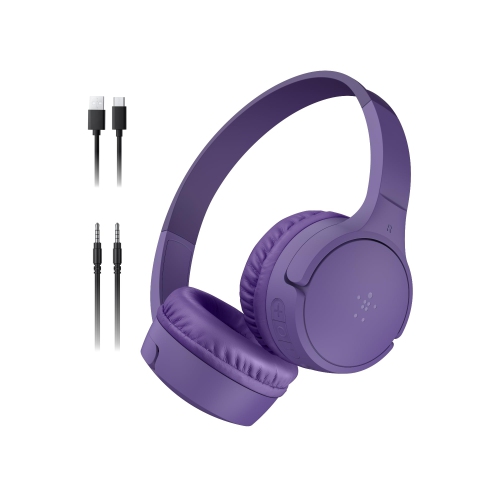 Your price for this item is $68.99
-
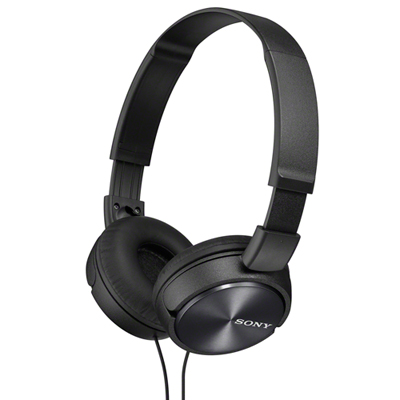 Your price for this item is $29.98
-
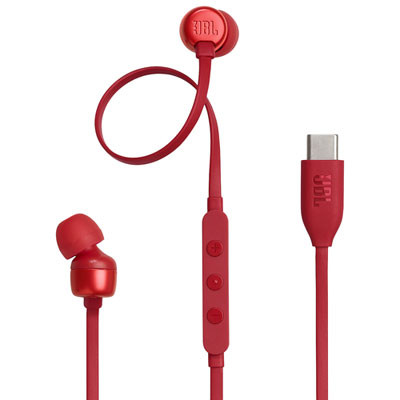 Your price for this item is $19.99
Discover more categories related to Lightweight Headphones

Top Collections:
Best Black Friday Deals This Year, Best Black Friday Deals On Electronics, Kindle Devices, Pokemon Centers, Best Black Friday Deals On Apple Products, Best Cameras for Sports Photography, Dyson Airwrap, Pokémon 30th Celebration Cards, Apple iPhone 17 Pro, Canon G7X Cameras
Some products may be subject to Environmental Handling Fees
(EHF) depending on your province.
Learn more about EHFs.