Multi Zone Amplifiers
Enhance your audio experience with a multi zone amplifier. Whether you're hosting a party, creating a home theater setup, or simply looking to expand the reach of your music throughout your living space, a multi zone amplifier is the perfect addition to your audio system. With the ability to power multiple speakers in different areas of your home, you can enjoy synchronized music in every room or create separate audio zones for personalized entertainment. Discover the possibilities and take your audio setup to new heights with a versatile and high-performance multi zone amplifier.
Sort
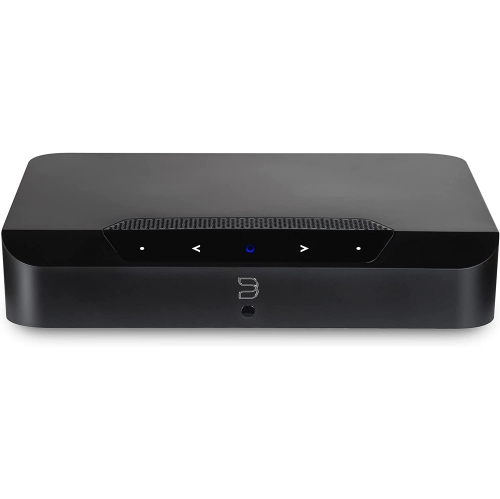
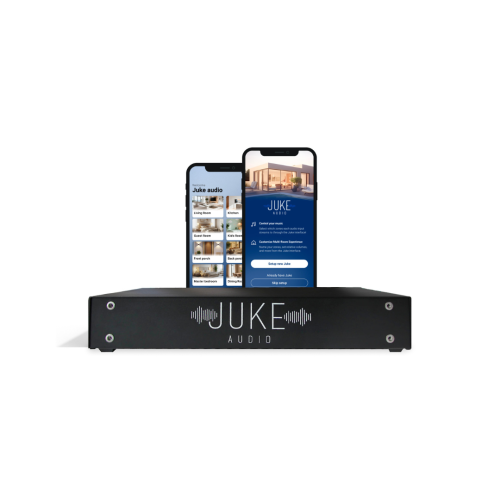
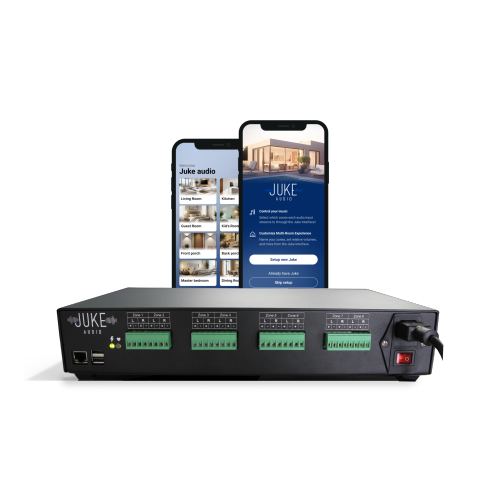
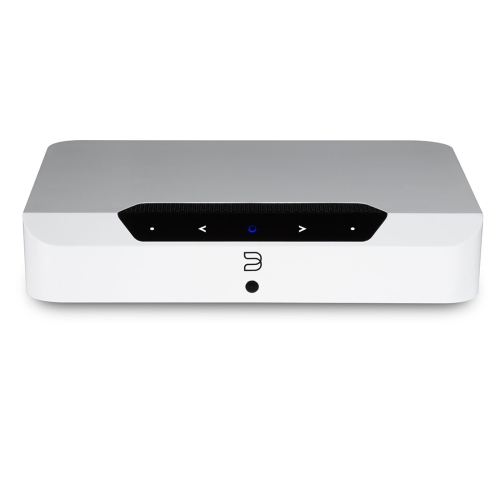
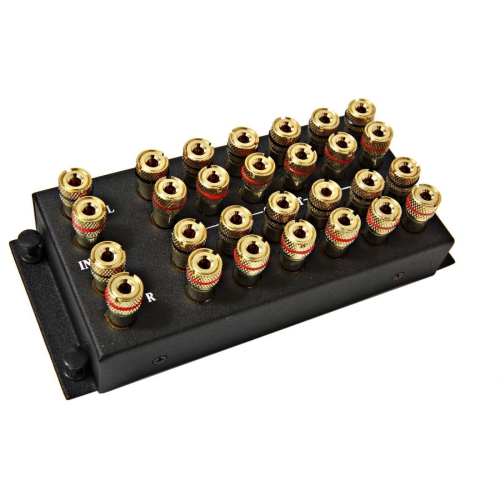
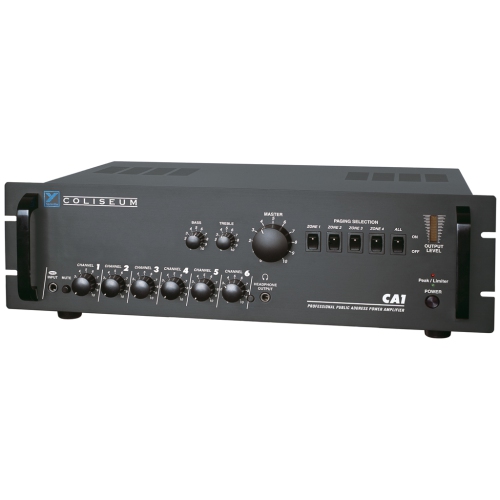
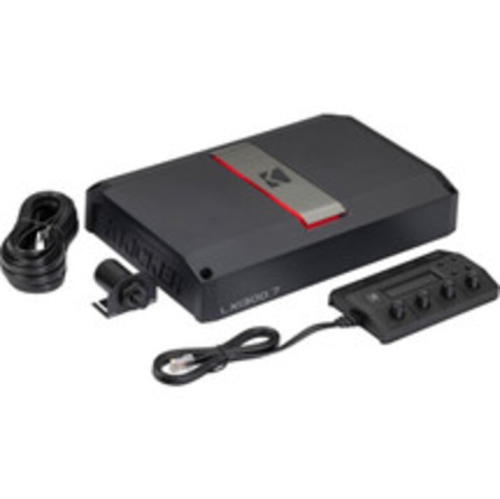
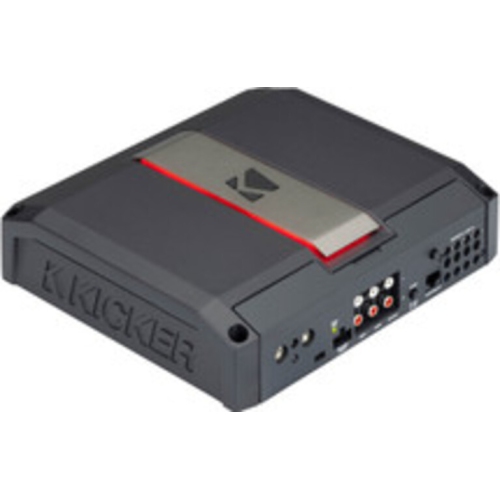
Flexible whole-home sound for every listening space
Multi-zone amplifiers are designed to bring carefully controlled audio to more than one room or listening area, making them a practical foundation for whole-home sound. Instead of sending the same song at the same volume throughout the house, a multi-zone system lets each area operate independently. Music can play in the kitchen while a podcast runs in the office, or a quieter playlist can fill the living room while another source provides background audio in a patio or entertainment space. Each zone typically connects to a pair of speakers, including in-wall, in-ceiling, bookshelf, or other compatible speakers, with the amplifier distributing power and audio signals where they are needed. This arrangement is useful for households that enjoy music during everyday routines, families with different listening preferences, and anyone who wants more consistent coverage than a single room-based speaker can provide. It can also make entertaining feel more seamless: as guests move from the dining area to the kitchen and lounge, the sound can follow them without forcing every room to share identical volume levels. During warmer weather, separate zones can extend audio to an outdoor area, while during the cooler months they can create a comfortable listening environment indoors without disturbing other activities. A multi-zone amplifier can also be a thoughtful gift for someone renovating a home, designing a dedicated media room, or building a flexible audio system one space at a time.
The number of zones and channels is one of the first details to consider. A zone generally represents one independently controlled area, while channels describe the amplifier’s ability to power individual speakers. A unit with enough channels for several stereo zones can drive multiple pairs of speakers, but the exact arrangement depends on the amplifier’s output and the speakers’ requirements. Check the power rating per channel and compare it with the speakers’ recommended range, paying close attention to impedance, such as 4-ohm or 8-ohm loads. Adequate power helps a system sound clear at comfortable listening levels, while an unsuitable pairing can lead to distortion, unwanted heat, or inconsistent performance. It is also important to think beyond the number of rooms being used today. If a renovation may eventually include a home office, basement, deck, or guest room, choosing an amplifier with additional channels, preamp outputs, or network-linking capability can make later expansion easier. Physical layout matters as well. Hardwired sources, such as a television, CD player, turntable with the proper preamp, or local wall input, may favour a matrix-style amplifier with multiple inputs and flexible routing. Homes centred on phones, tablets, and streaming services may benefit from built-in Wi-Fi, Bluetooth, AirPlay 2, or Spotify Connect. Ethernet connections can provide a reliable network path, while triggers, RS232 ports, and other control connections may be valuable when the amplifier is being integrated with a broader home automation system. For systems that combine source selection, volume control, and power distribution, Audio Mixer Amplifiers may also be relevant, particularly in spaces that need several wired inputs or microphone support.
A successful multi-zone installation starts with a simple plan for how each space will be used. Sketching the rooms, speaker locations, listening positions, and cable routes can help determine whether a central amplifier will serve the home effectively or whether the system needs additional equipment. Consider where the amplifier will sit, leaving room for ventilation and easy access to network and source connections. A central location near a router or equipment cabinet can simplify wiring, but long speaker runs may affect installation requirements, especially in larger homes. App-based control can make daily use convenient, allowing listeners to adjust each zone from a mobile device rather than walking to the equipment rack. Dedicated wall controls or remotes may be useful in rooms where a phone is not always close at hand. It is worth checking whether the amplifier supports the audio sources and control platforms already used in the household, as well as whether multiple listeners can manage separate zones without interrupting one another. For a family, this could mean one person listening to an audiobook in a bedroom while another streams music in the kitchen. For someone who hosts regularly, it could mean keeping conversation-friendly volume in the dining room while creating a livelier atmosphere elsewhere. Multi-zone amplifiers are equally at home in custom installations, open-concept living spaces, home offices, workshops, and small commercial environments that need dependable audio across distinct areas. By matching the channel count, power output, speaker impedance, connection options, control method, and future expansion needs, shoppers can choose an amplifier that feels natural to use and remains flexible as their home audio system develops.
The number of zones and channels is one of the first details to consider. A zone generally represents one independently controlled area, while channels describe the amplifier’s ability to power individual speakers. A unit with enough channels for several stereo zones can drive multiple pairs of speakers, but the exact arrangement depends on the amplifier’s output and the speakers’ requirements. Check the power rating per channel and compare it with the speakers’ recommended range, paying close attention to impedance, such as 4-ohm or 8-ohm loads. Adequate power helps a system sound clear at comfortable listening levels, while an unsuitable pairing can lead to distortion, unwanted heat, or inconsistent performance. It is also important to think beyond the number of rooms being used today. If a renovation may eventually include a home office, basement, deck, or guest room, choosing an amplifier with additional channels, preamp outputs, or network-linking capability can make later expansion easier. Physical layout matters as well. Hardwired sources, such as a television, CD player, turntable with the proper preamp, or local wall input, may favour a matrix-style amplifier with multiple inputs and flexible routing. Homes centred on phones, tablets, and streaming services may benefit from built-in Wi-Fi, Bluetooth, AirPlay 2, or Spotify Connect. Ethernet connections can provide a reliable network path, while triggers, RS232 ports, and other control connections may be valuable when the amplifier is being integrated with a broader home automation system. For systems that combine source selection, volume control, and power distribution, Audio Mixer Amplifiers may also be relevant, particularly in spaces that need several wired inputs or microphone support.
A successful multi-zone installation starts with a simple plan for how each space will be used. Sketching the rooms, speaker locations, listening positions, and cable routes can help determine whether a central amplifier will serve the home effectively or whether the system needs additional equipment. Consider where the amplifier will sit, leaving room for ventilation and easy access to network and source connections. A central location near a router or equipment cabinet can simplify wiring, but long speaker runs may affect installation requirements, especially in larger homes. App-based control can make daily use convenient, allowing listeners to adjust each zone from a mobile device rather than walking to the equipment rack. Dedicated wall controls or remotes may be useful in rooms where a phone is not always close at hand. It is worth checking whether the amplifier supports the audio sources and control platforms already used in the household, as well as whether multiple listeners can manage separate zones without interrupting one another. For a family, this could mean one person listening to an audiobook in a bedroom while another streams music in the kitchen. For someone who hosts regularly, it could mean keeping conversation-friendly volume in the dining room while creating a livelier atmosphere elsewhere. Multi-zone amplifiers are equally at home in custom installations, open-concept living spaces, home offices, workshops, and small commercial environments that need dependable audio across distinct areas. By matching the channel count, power output, speaker impedance, connection options, control method, and future expansion needs, shoppers can choose an amplifier that feels natural to use and remains flexible as their home audio system develops.
Top selling and popular products
-
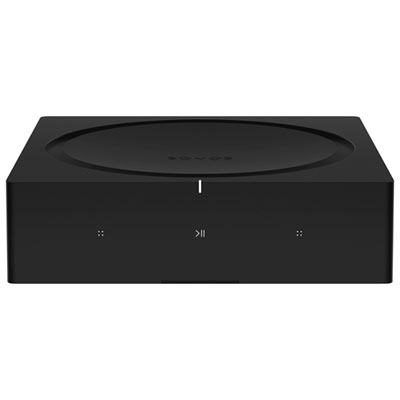 Your price for this item is $1049.99
 -
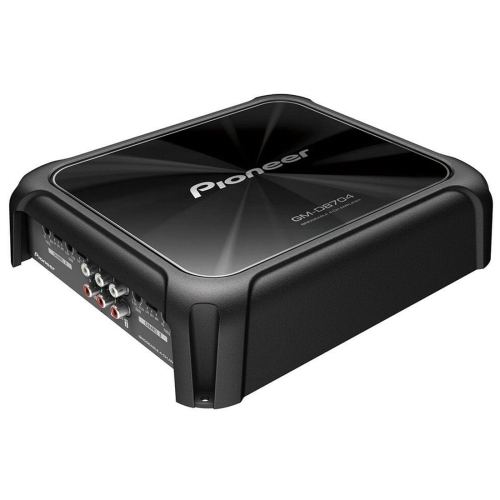 Your price for this item is $298.97
 -
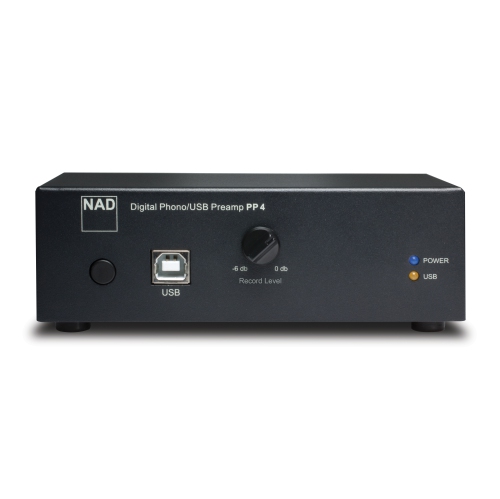 Your price for this item is $479
 -
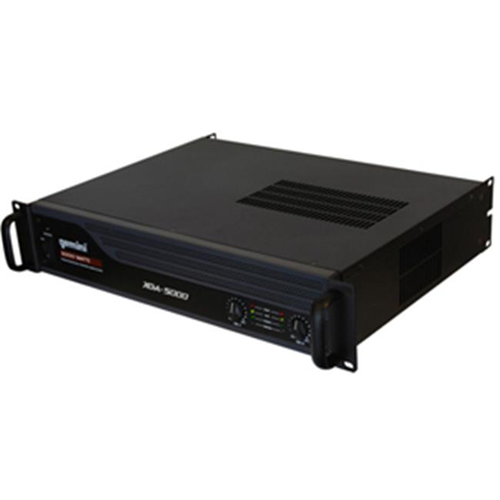 Your price for this item is $362.95
 -
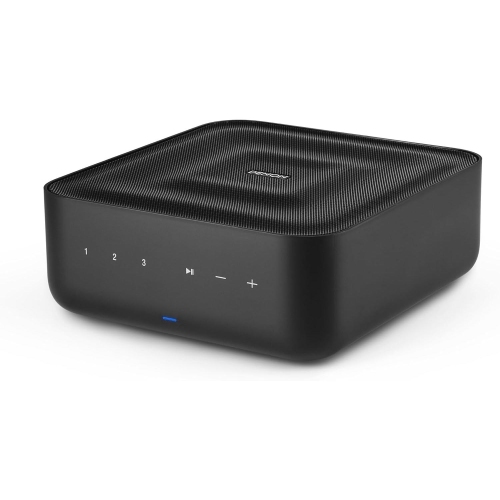 Your price for this item is $945.25
 -
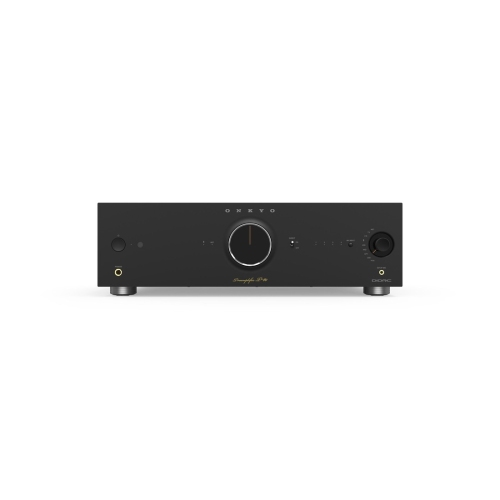 Your price for this item is $2998
 -
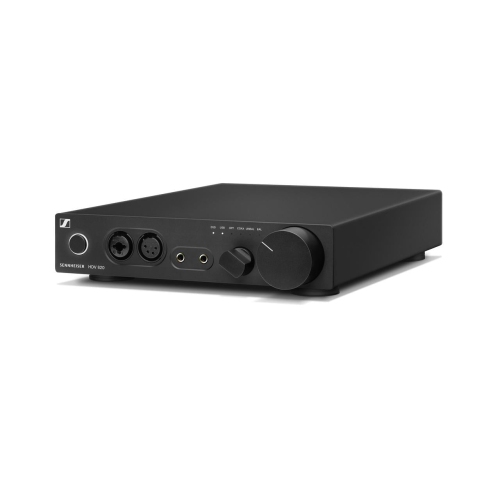 Your price for this item is $3499.95
 -
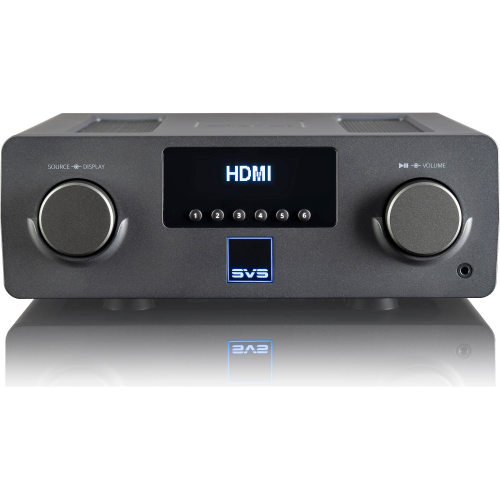 Your price for this item is $1155
Discover more categories related to Multi Zone Amplifiers

Top Collections:
Best Laptops for Video Editing, Pokemon Centers, Samsung Z Fold, Kindle Devices, Best Cell Phones Under $300, Best Laptop Computers for Students, iPhone 15 Apple, Best Cell Phones Under $500, Alarm Clock, Canon G7X Cameras
Some products may be subject to Environmental Handling Fees
(EHF) depending on your province.
Learn more about EHFs.