Noise Cancelling Wireless Headphones
Experience a new level of audio clarity and comfort with Noise Cancelling Wireless Headphones. Perfect for enjoying music, podcasts, or calls at home, in the office, or on the go, these headphones offer a seamless blend of convenience and immersive sound. With a variety of designs and features to choose from, you can find the ideal pair to match your lifestyle. Explore the latest selection of Noise Cancelling Wireless Headphones and elevate every listening moment.
Sort
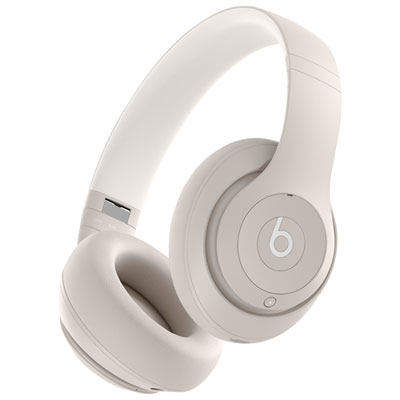
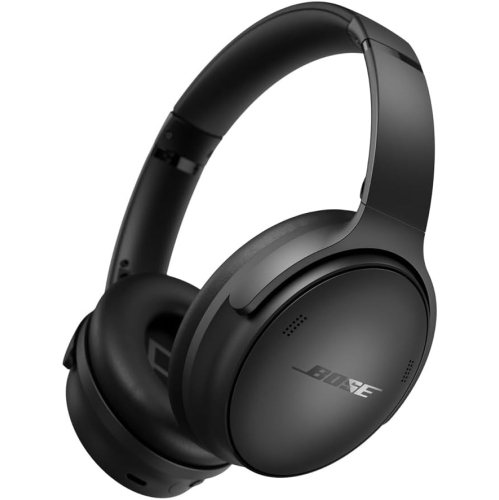
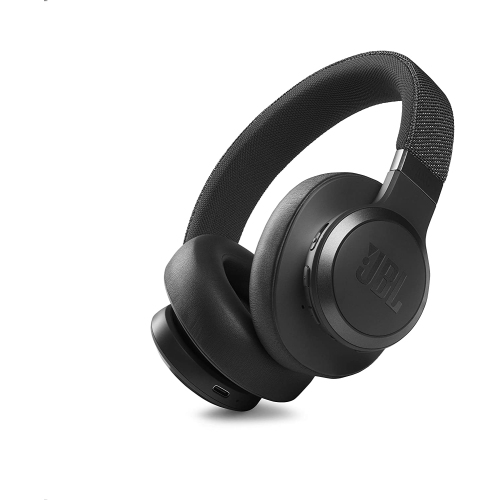
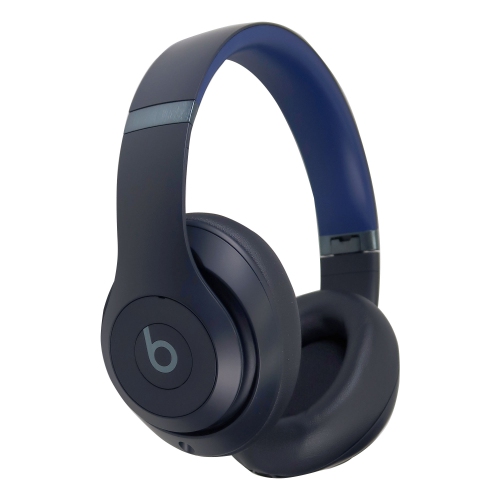
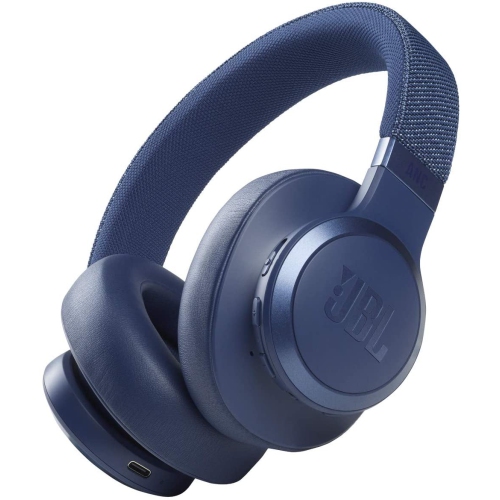
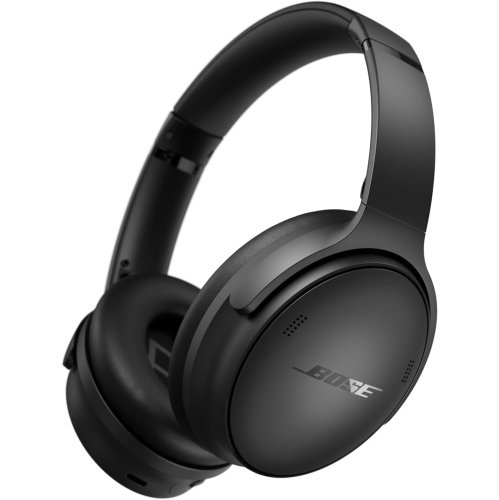
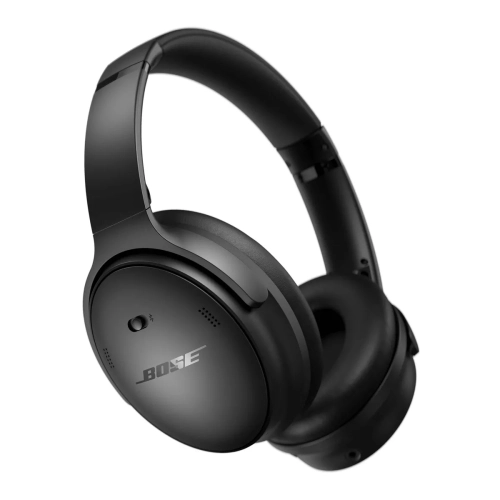
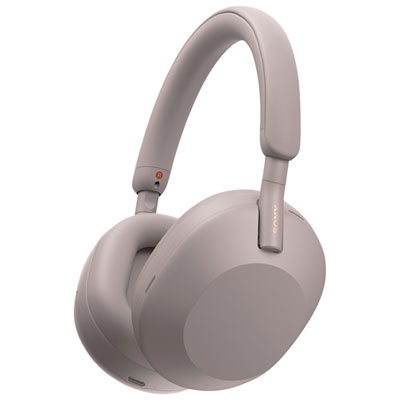


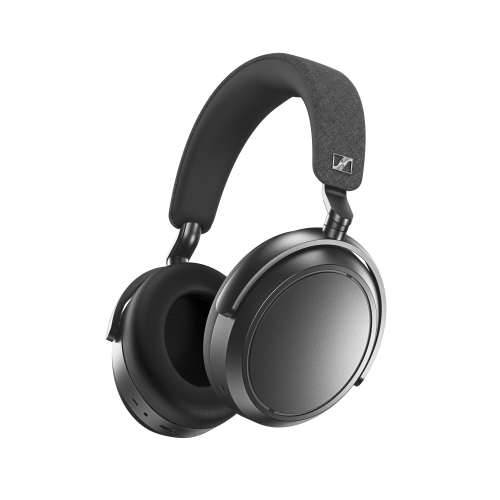
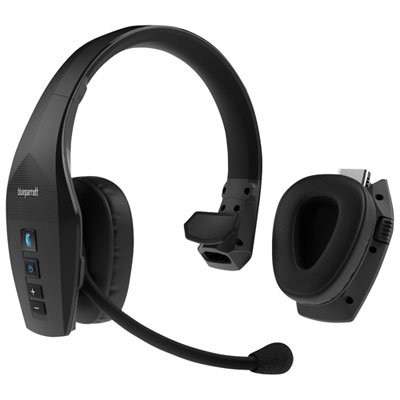
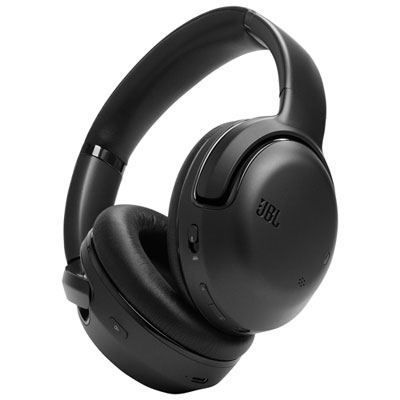

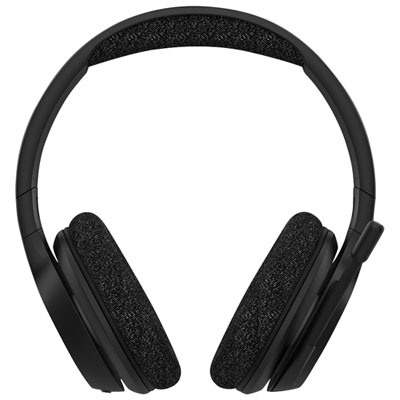
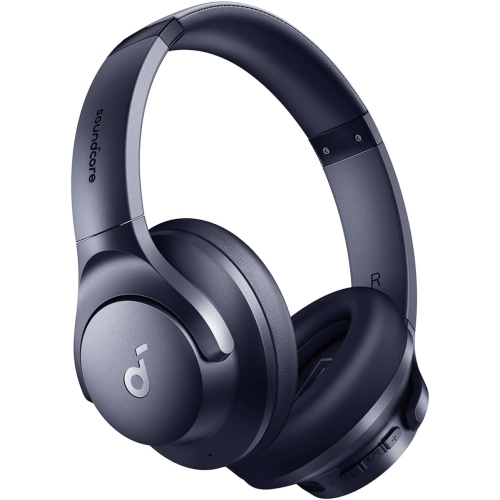

Why a comfortable seal matters for quieter listening
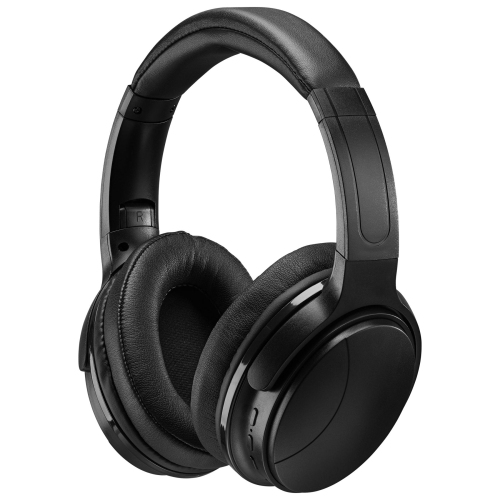
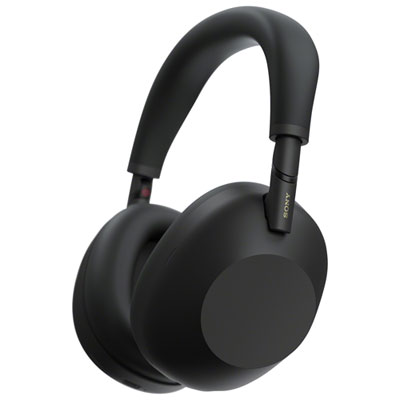
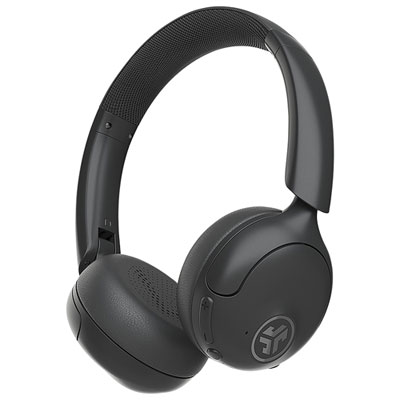
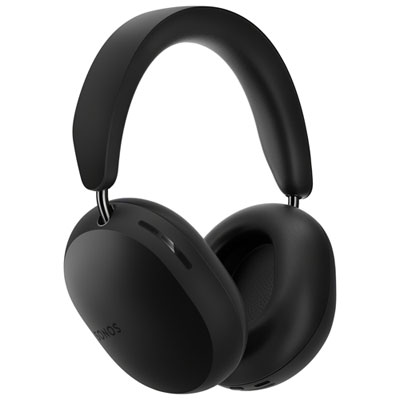
Noise cancelling wireless headphones bring together cable-free listening and technology that reduces unwanted background sound, making music, podcasts and calls easier to follow on a crowded train, beside a humming office ventilation system or during a long flight. Within the broader category of Noise Cancelling Headphones, wireless designs connect to compatible phones, tablets, computers and other audio sources through Bluetooth. Active noise cancellation, often shortened to ANC, uses microphones to detect surrounding sound and processing to generate an opposing sound signal. It is generally most effective against steady, low-frequency noise, such as engine rumble, rather than sudden voices, clattering dishes or a nearby announcement. Passive isolation does a different job: the ear cushions and earcup construction physically limit how much outside sound reaches the ears. These two approaches work together, so a comfortable seal matters as much as the electronics. Adjustable cancellation lets listeners change the amount of noise reduction, while transparency or ambient sound modes use microphones to bring outside sounds through when a conversation or announcement needs attention. These modes do not guarantee awareness of every sound, and headphones should never replace proper hearing protection where it is required. For everyday listening, reduced background noise can make quiet details easier to hear without turning the volume up to compete with the room. Sound quality remains a separate consideration from cancellation strength. Clear vocals help dialogue stay intelligible, controlled bass gives drums and bass lines definition, and balanced treble keeps instruments distinct without making every cymbal strike feel sharp. An adjustable equalizer can tailor that balance to spoken-word audio, acoustic recordings or bass-heavy playlists. A strong seal also helps preserve bass response, so the same headphones can sound noticeably different when cushions sit unevenly or hair creates a gap. Comfortable listening levels and regular breaks still matter, even when outside distractions seem much quieter.
Fit becomes especially noticeable when noise cancelling wireless headphones stay on through a full album, a study session or several consecutive meetings. Over-ear designs surround the ears with cushions, while on-ear designs rest against them; neither shape guarantees comfort for every listener. Earcup depth, headband adjustment, overall weight and clamping pressure all affect how a pair feels after the first few minutes. Cushions should sit evenly without pinching the tops of the ears, and the headband should distribute weight rather than concentrate it at the crown. Glasses can change both comfort and the acoustic seal, particularly when thick frames pass beneath the cushions. Materials influence the feel as well. Synthetic leather coverings tend to create a close seal and have a smooth surface, while fabric-covered cushions offer a different texture against the skin. Foam density and how readily the padding returns to shape also affect support over longer sessions. Hinges, sliding arms and rotating earcups make adjustment easier, but those moving parts benefit from careful handling rather than being pulled sideways or forced into a crowded bag. A protective case helps prevent pressure on the headband and keeps loose objects away from the cushions and controls. For cleaning, a soft, dry cloth is a sensible starting point, with any additional care matched to the manufacturer's directions. Liquids should stay away from microphone openings, charging ports and exposed seams, and damp headphones should be allowed to dry fully before charging or storage. Replaceable ear cushions can make ongoing upkeep simpler as padding compresses or coverings wear. Sweat and water resistance should be treated as separate specifications, not assumed from a sturdy appearance or a wireless connection. Everyday travel headphones are not automatically suited to a workout. Physical buttons and touch controls also feel different in use: distinct buttons can be easier to identify without looking, while touch surfaces may offer convenient swipes for volume and playback. The most useful layout is one that feels predictable during ordinary listening.
Wireless features shape how easily headphones move between daily tasks. Bluetooth multipoint can keep compatible headphones connected to two devices, such as a laptop and a phone, making it easier to move from a work call to personal listening. That is different from simply remembering several previously paired devices, and switching behaviour depends on the headphones, connected devices and software. Microphone performance deserves attention for anyone who spends substantial time on calls. Effective playback noise cancellation does not automatically mean the caller's voice will sound clear to someone else; microphone placement, voice processing and surrounding noise all influence outgoing speech. Someone working near a busy kitchen or shared desk may value clear voice pickup as much as rich music playback. Battery life is similarly tied to actual use. Noise cancellation, call time, listening volume and other enabled features can change how long headphones run between charges, so stated battery figures are best understood alongside their test conditions. Fast charging can be useful before a commute, while a supported wired connection may provide another listening option. Wired operation varies: some headphones need battery power even with an audio cable, and a USB connection does not necessarily carry audio. Compatibility also matters for higher-quality Bluetooth audio formats, which require support from both the headphones and the source device. For games and video calls, audio delay can be more noticeable than it is with music; a dedicated low-latency mode or supported wired connection may suit those uses better. These practical differences help explain why a frequent traveller, a student sharing a study space and someone taking daily video meetings may prefer different designs. As a gift, noise cancelling wireless headphones suit music lovers, podcast listeners and people who appreciate fewer distractions, but comfort, device compatibility and the recipient's usual routine matter more than an impressive feature list. A folding design may be particularly useful for someone carrying a small bag, while roomy earcups and straightforward controls may matter more to a listener who mostly stays at a desk.
Top selling and popular products
-
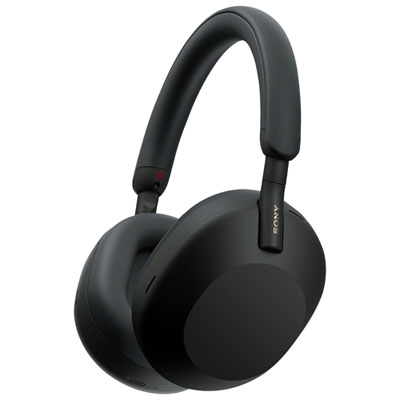 Your price for this item is $499.99
-
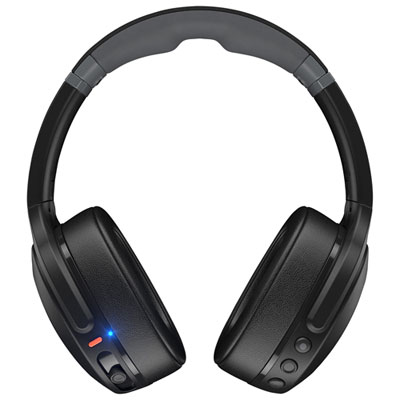 Your price for this item is $159.98
-
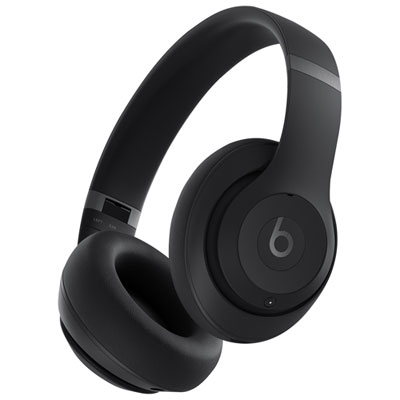 Your price for this item is $399.99
-
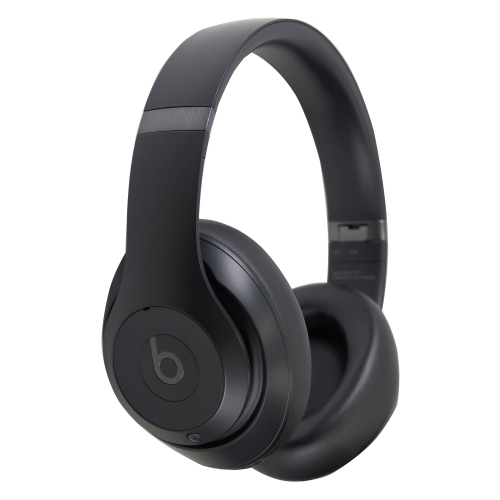 Your price for this item is $359
-
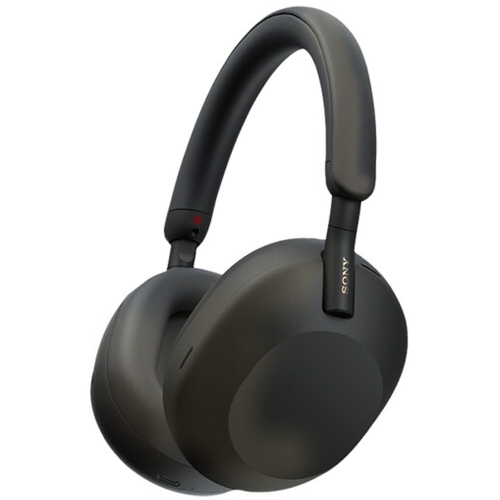 Your price for this item is $349
-
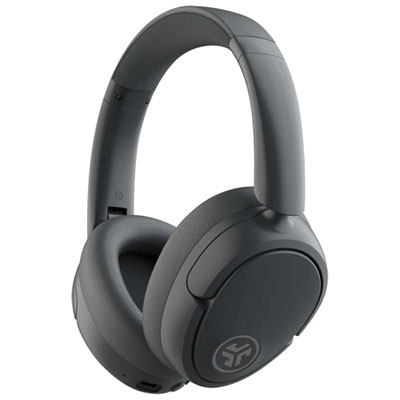 Your price for this item is $59.99
-
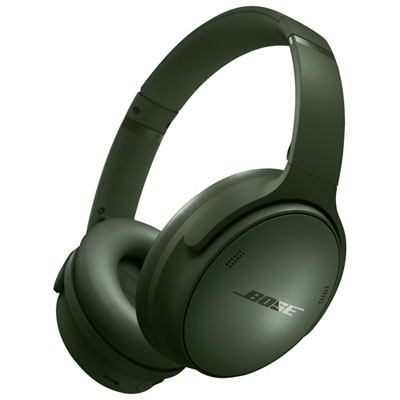 Your price for this item is $249
-
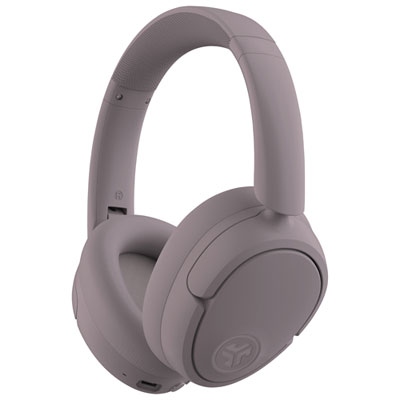 Your price for this item is $59.99
Discover more categories related to Noise Cancelling Wireless Headphones

Top Collections:
Best Black Friday Deals This Year, Best Black Friday Deals On Electronics, Kindle Devices, Pokemon Centers, Best Black Friday Deals On Apple Products, Best Cameras for Sports Photography, Dyson Airwrap, Pokémon 30th Celebration Cards, Apple iPhone 17 Pro, Canon G7X Cameras
Some products may be subject to Environmental Handling Fees
(EHF) depending on your province.
Learn more about EHFs.