Noise Isolating Earbuds
Looking to immerse yourself in your favorite tunes or podcasts without any distractions? Look no further than our collection of noise isolating earbuds. Designed to block out external noises and deliver crystal-clear sound quality, these earbuds are perfect for music enthusiasts, frequent travelers, and anyone looking to enhance their audio experience. Whether you're on a crowded bus or working in a busy office, these noise isolating earbuds will provide you with the ultimate listening pleasure. With a wide range of styles and features available, you're sure to find the perfect pair to suit your needs.
Sort

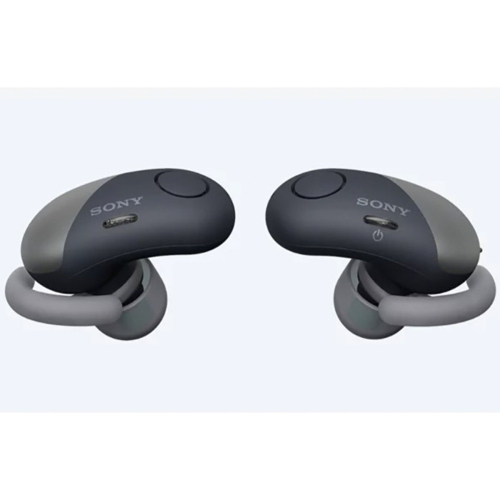


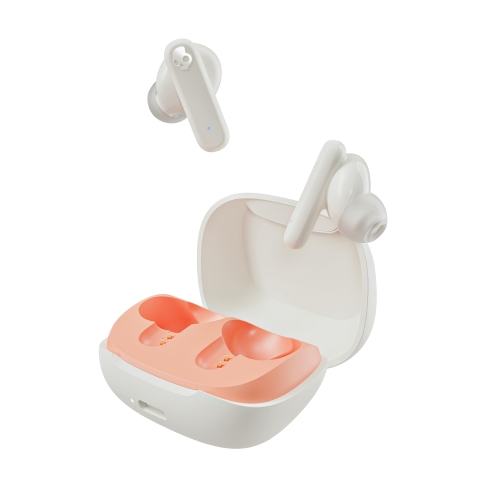

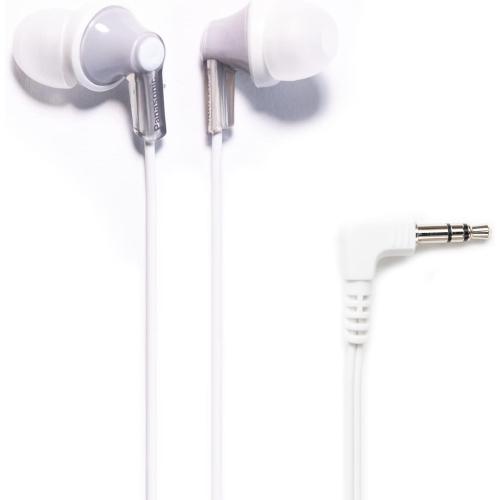
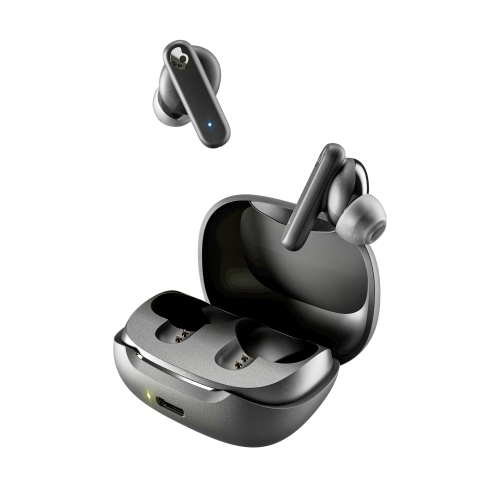
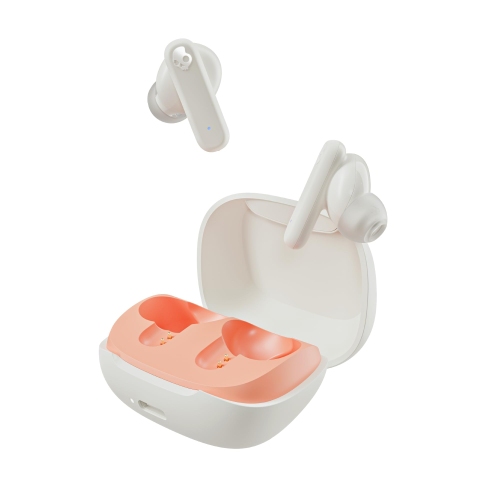


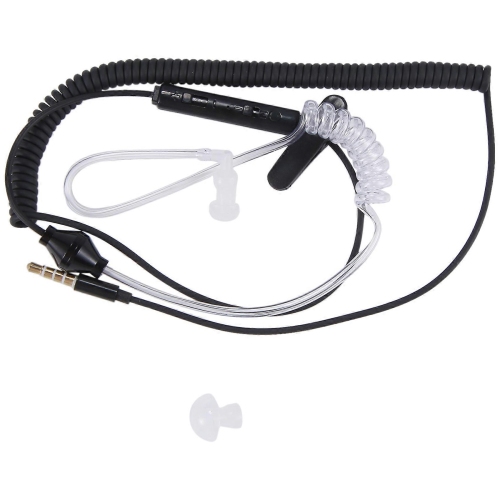

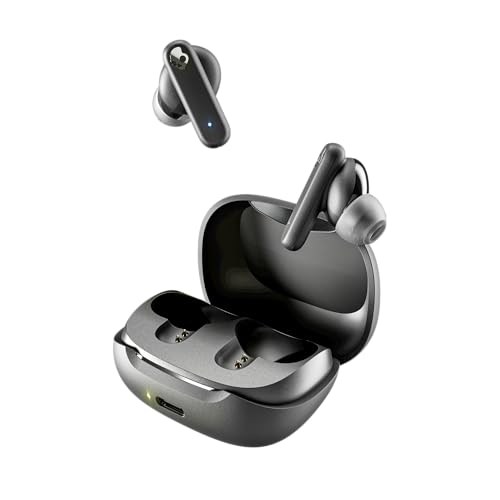
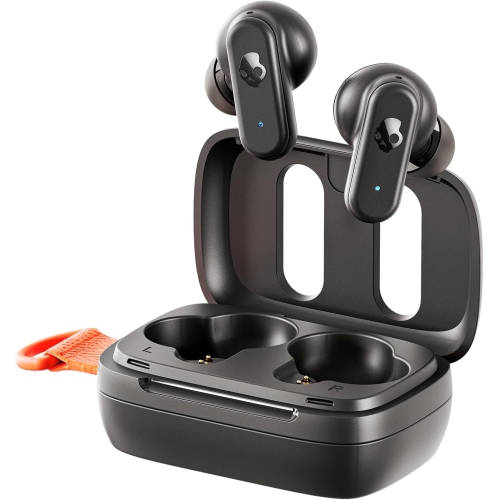


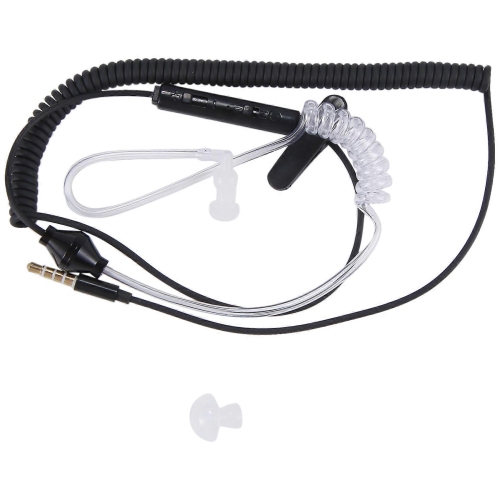
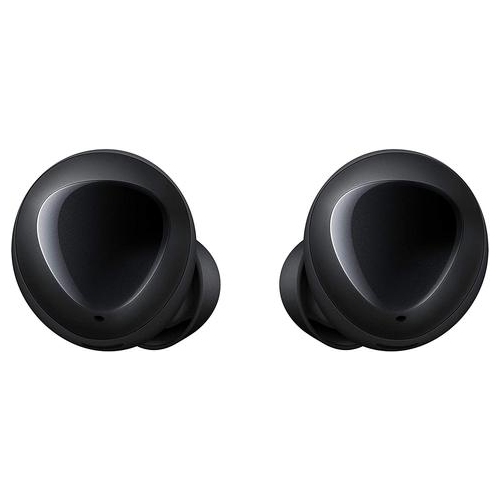
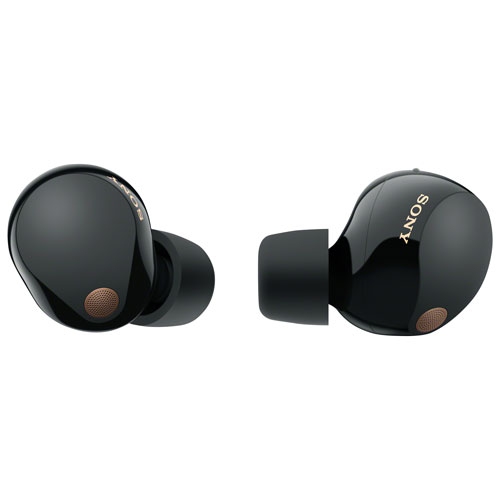
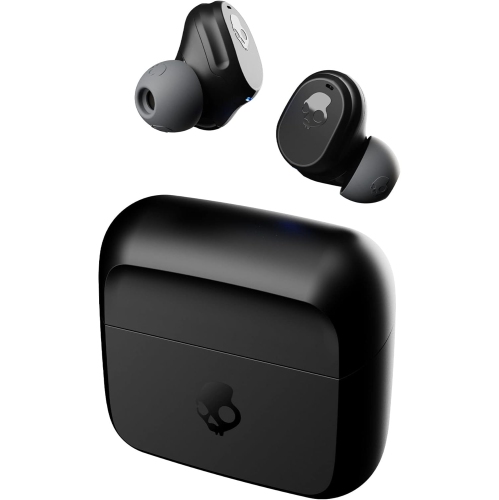
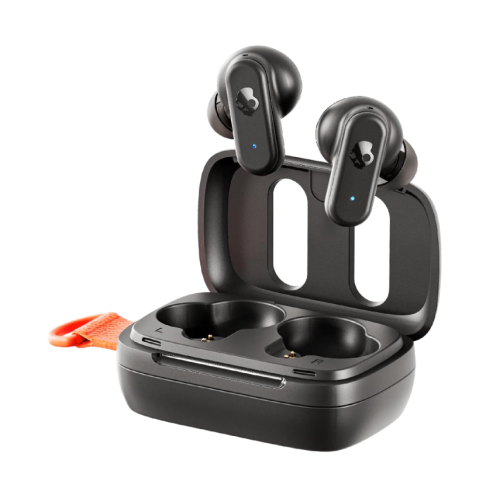
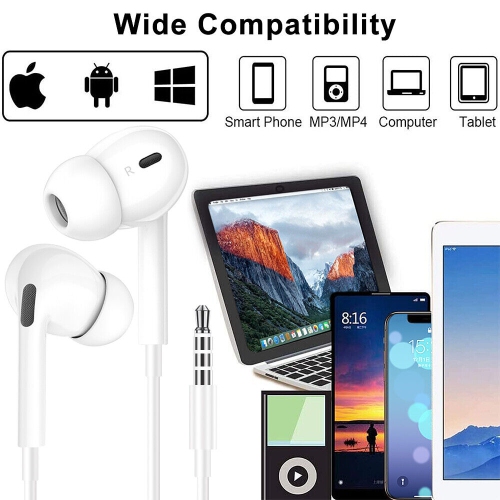


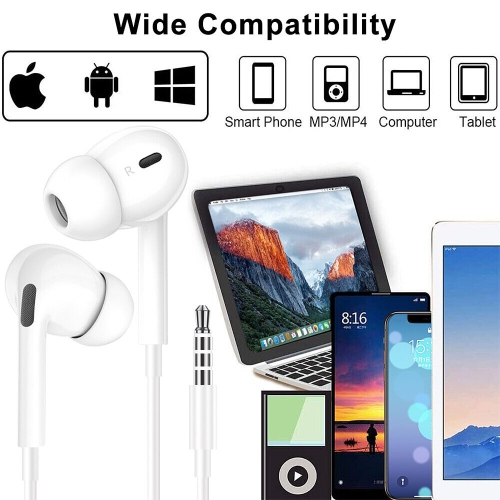


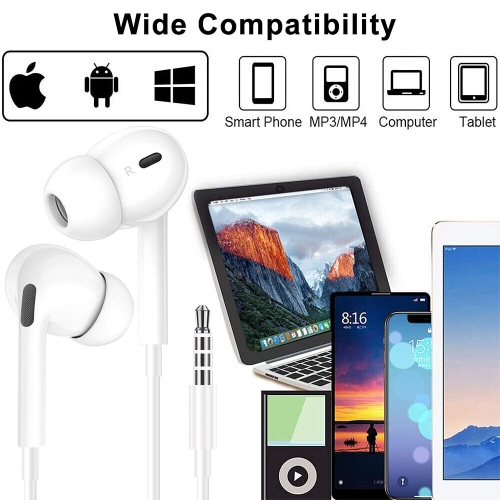


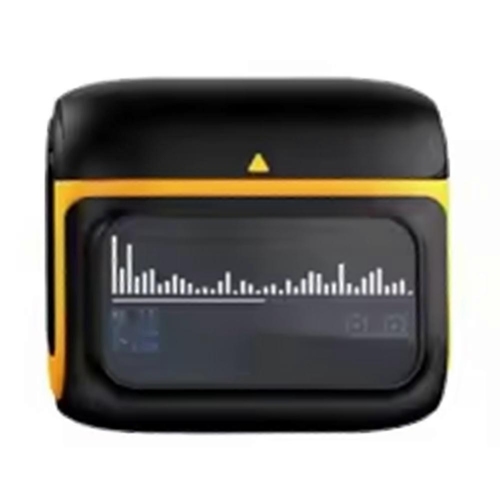
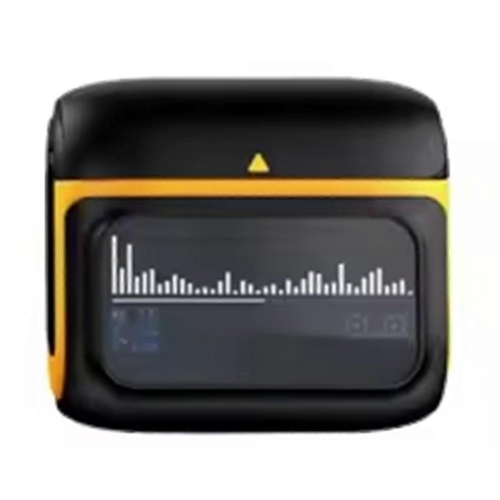


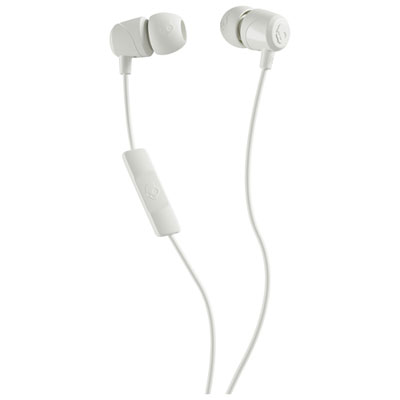


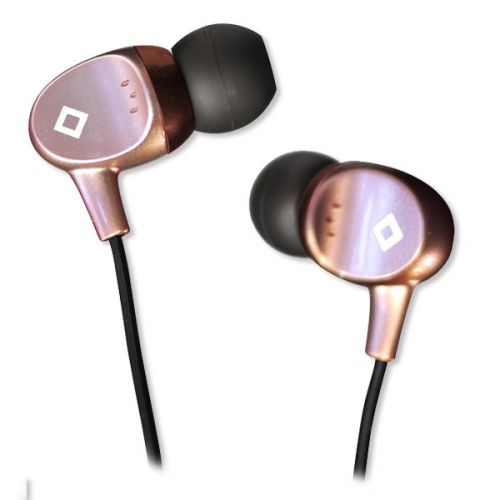


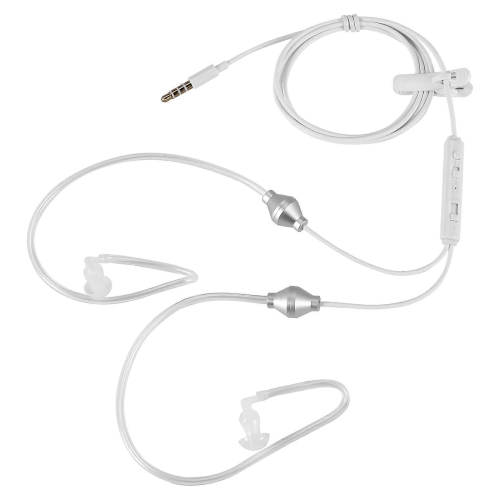
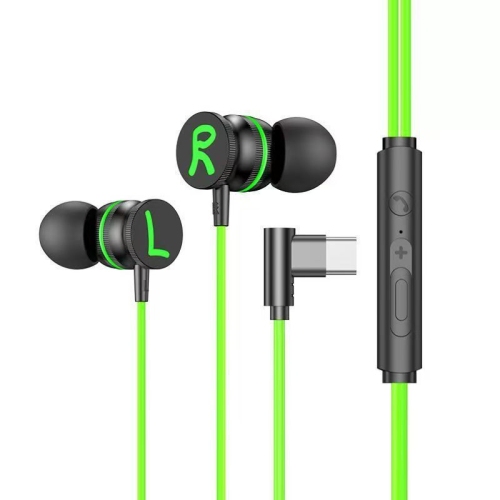
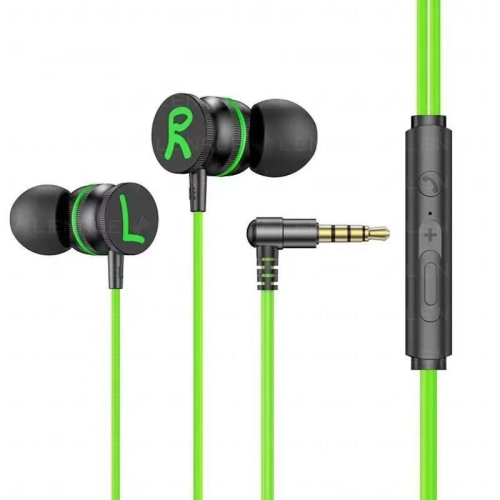
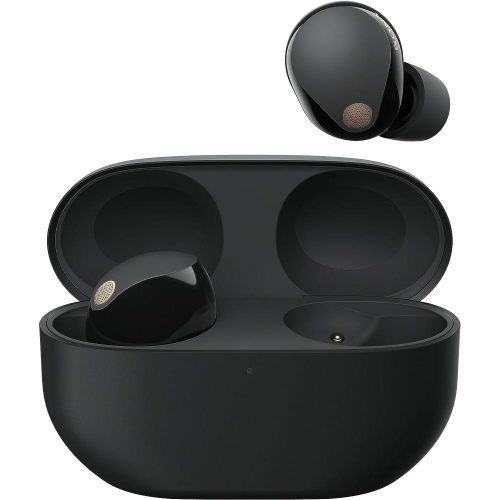


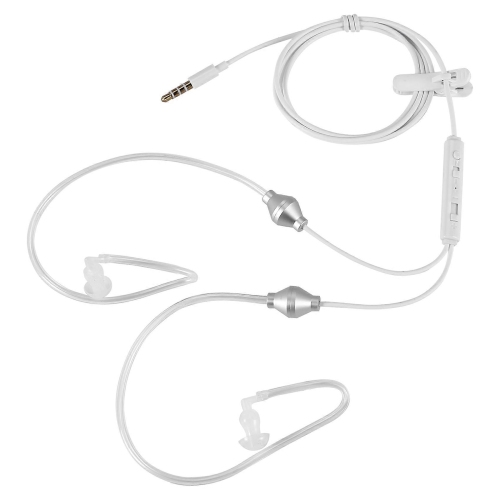

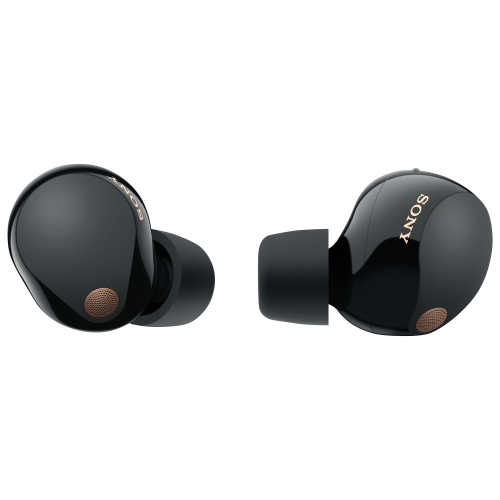


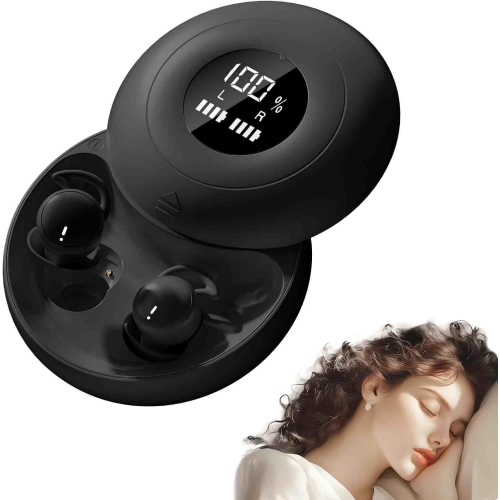


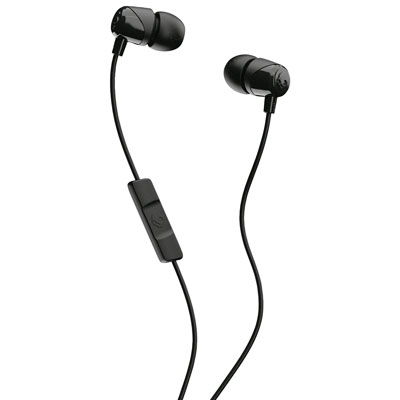
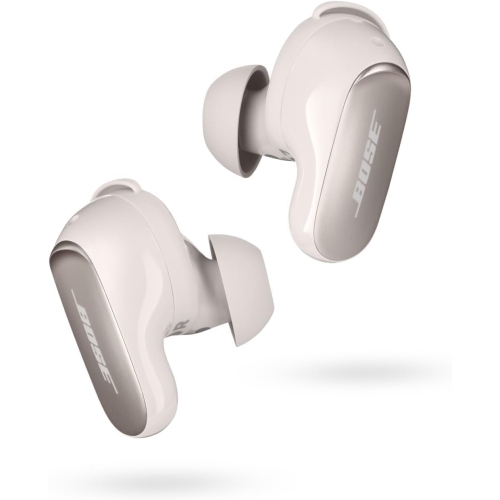

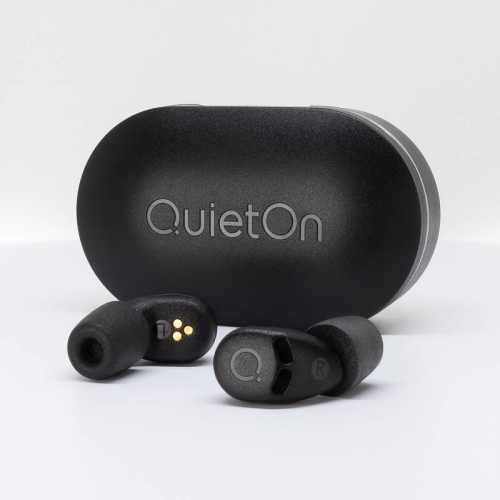
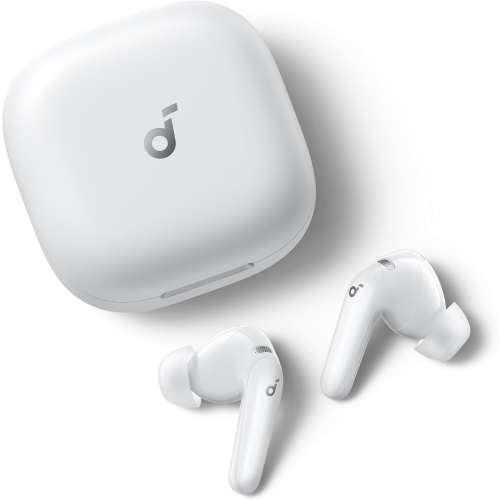


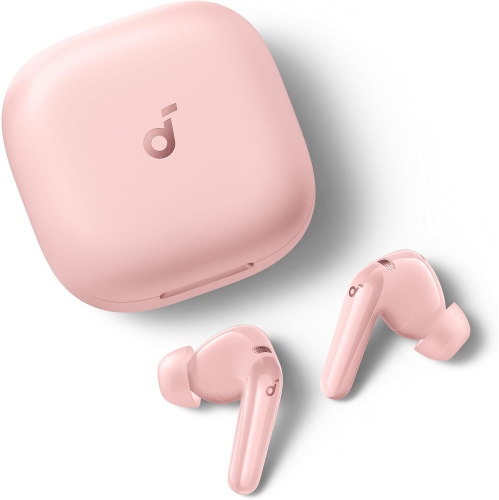

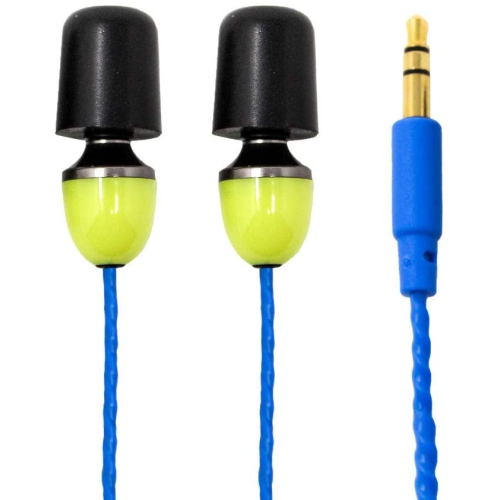
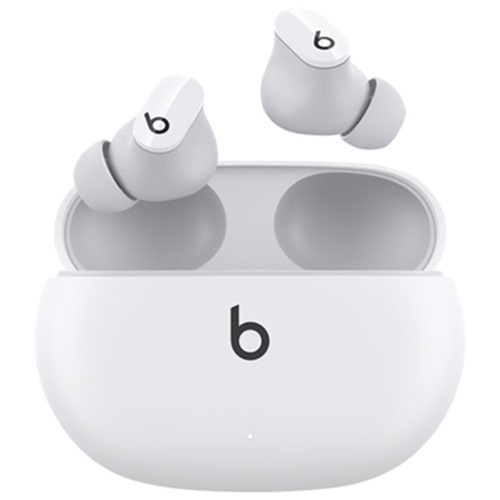


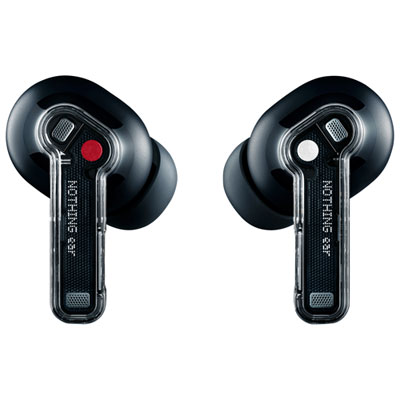


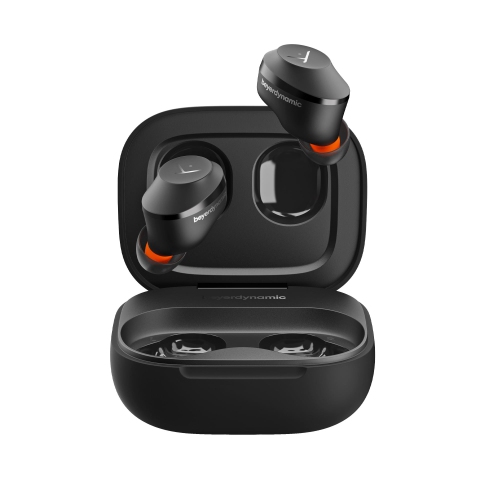


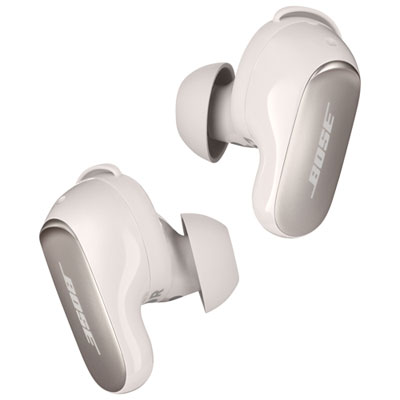


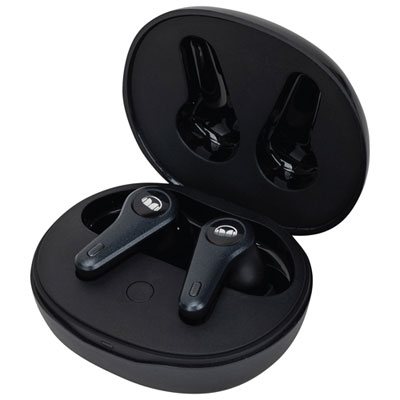


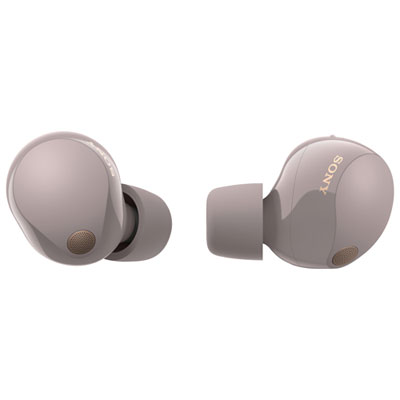


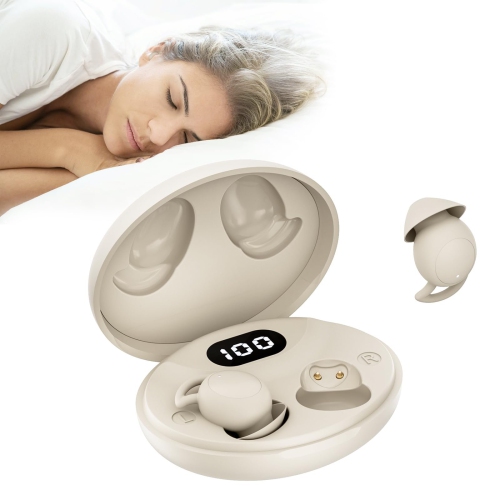
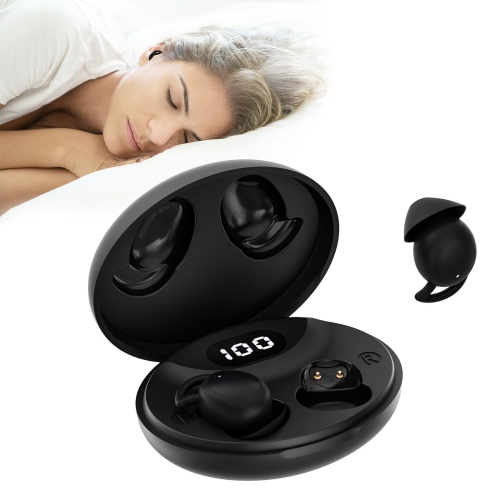

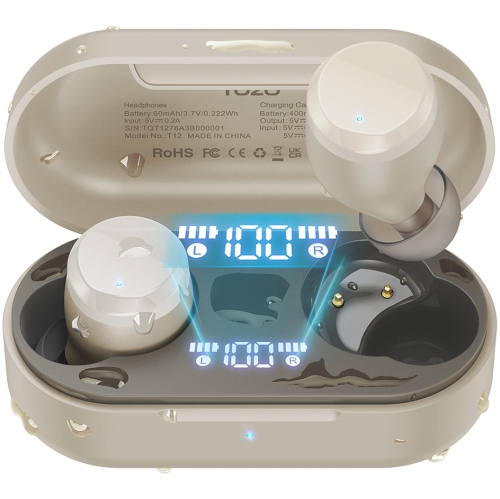
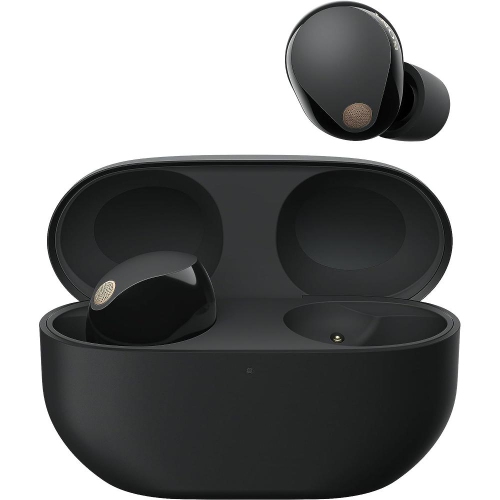


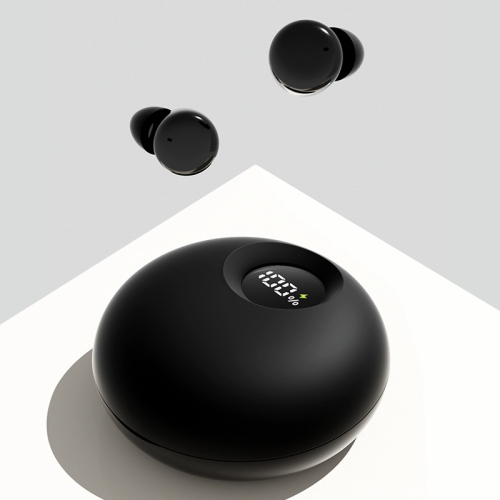


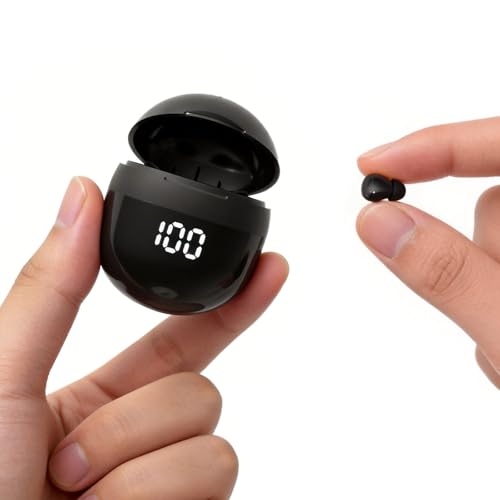


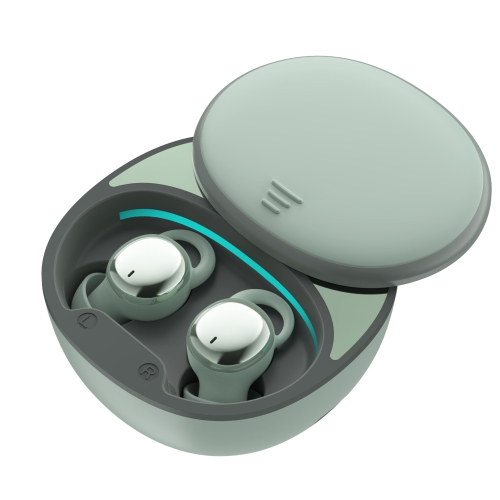


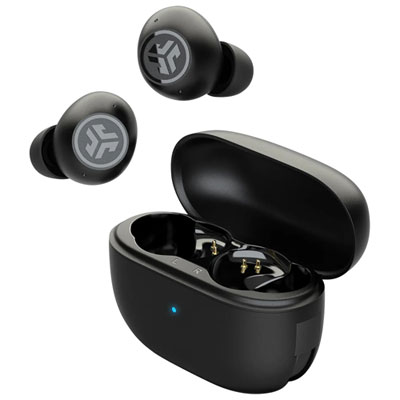


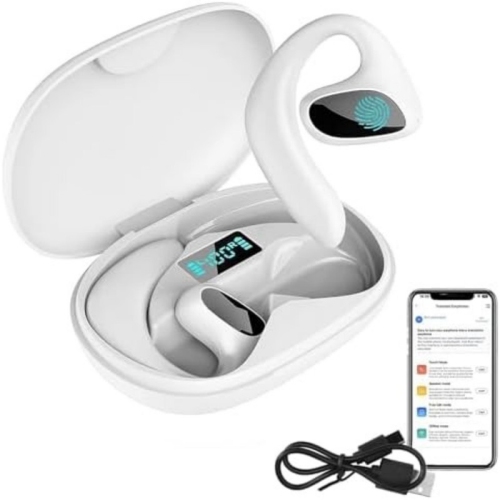

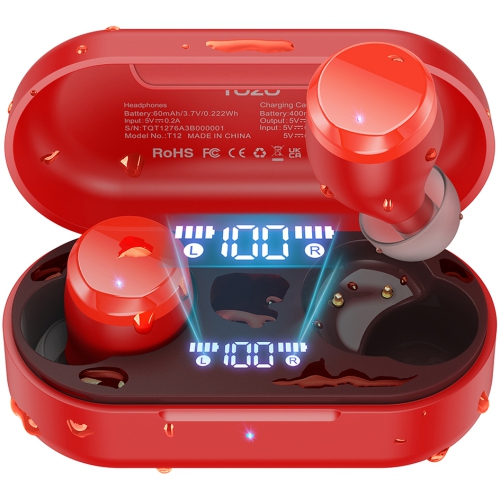
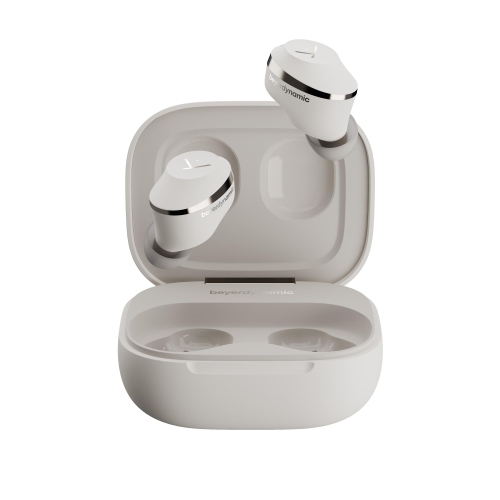


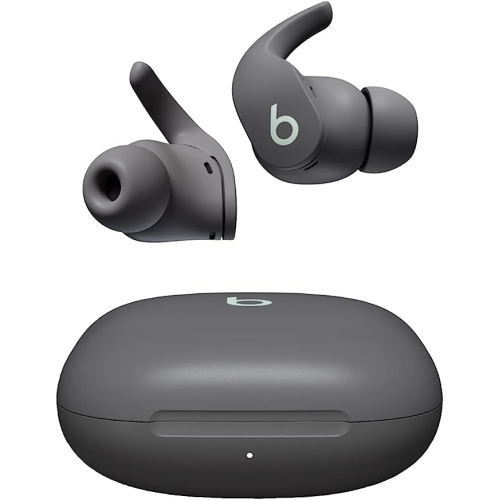

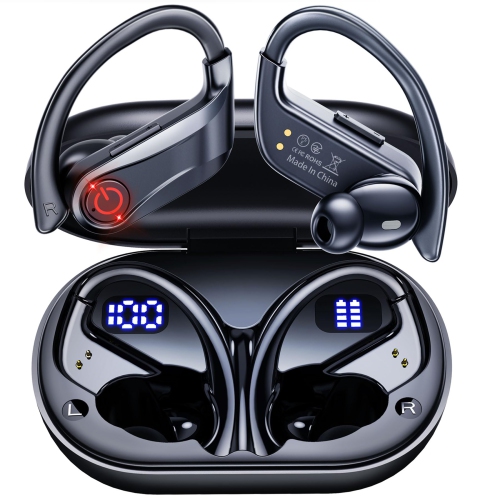

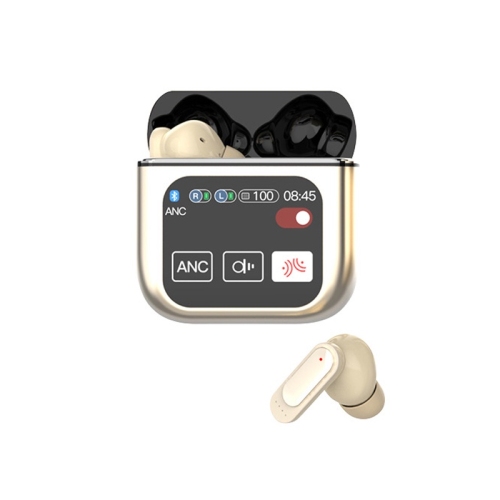
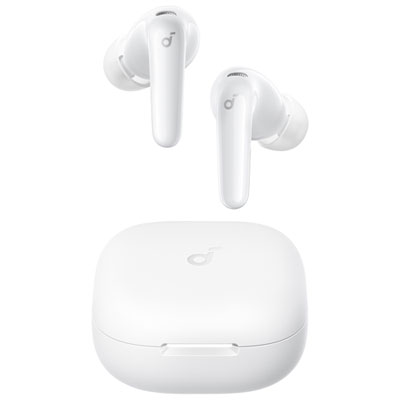


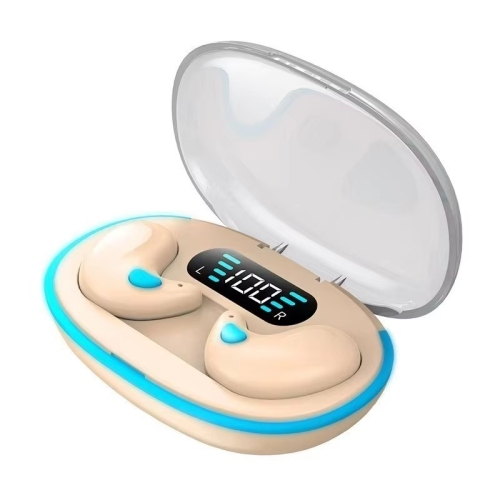


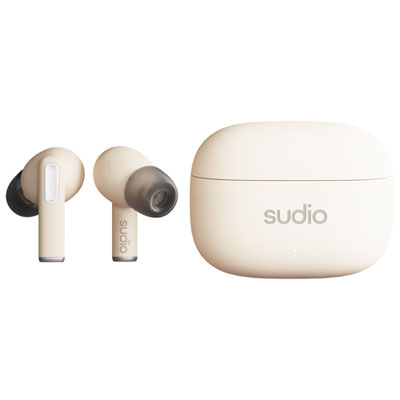
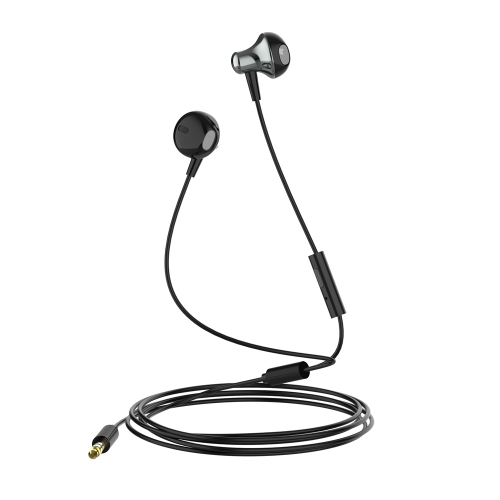
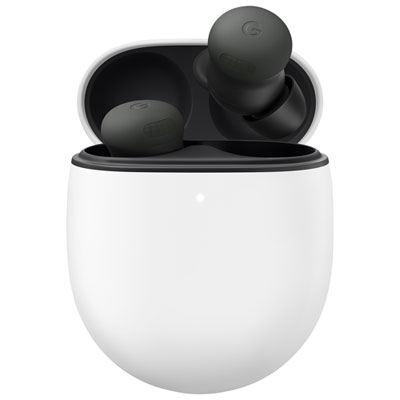


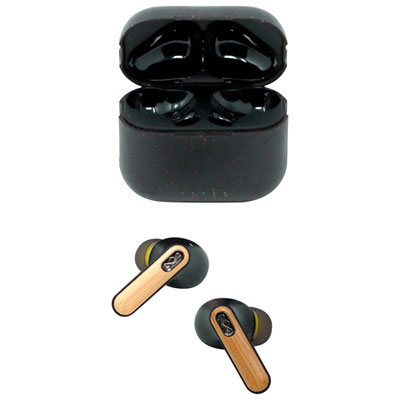
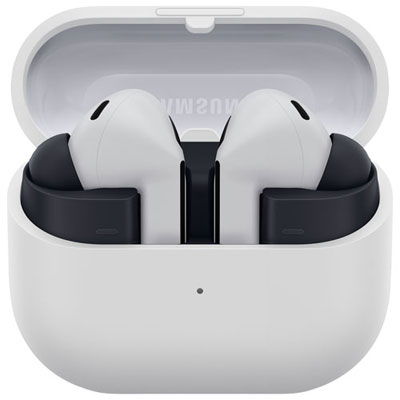

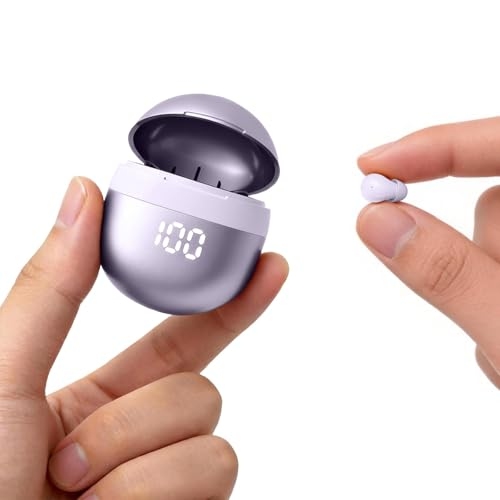
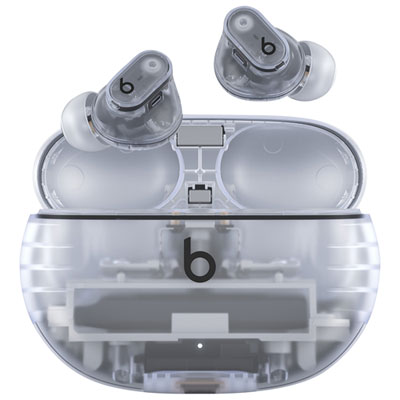


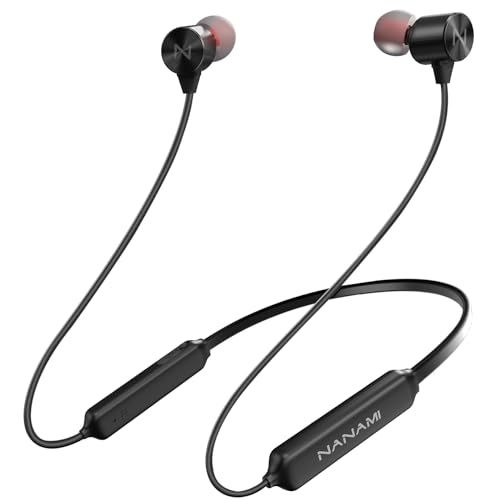
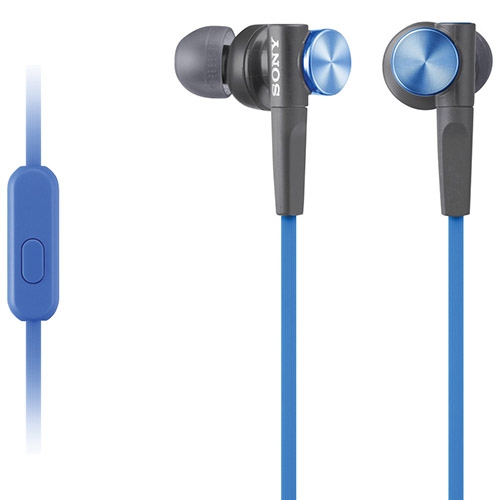

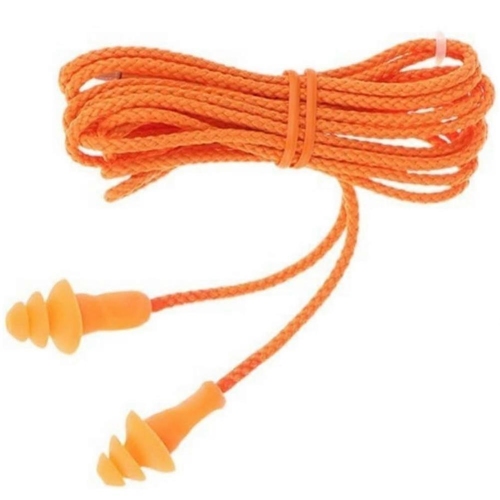
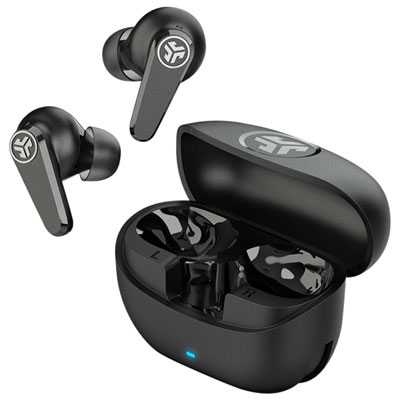
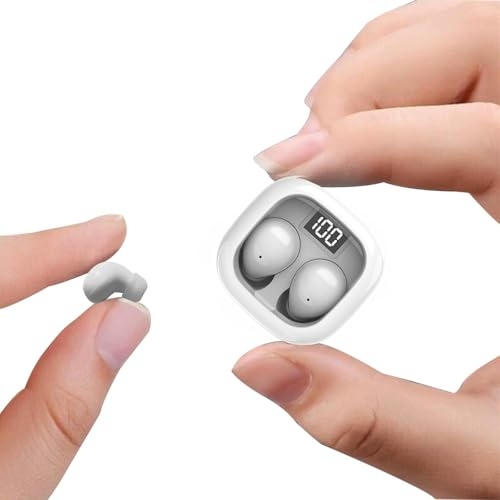
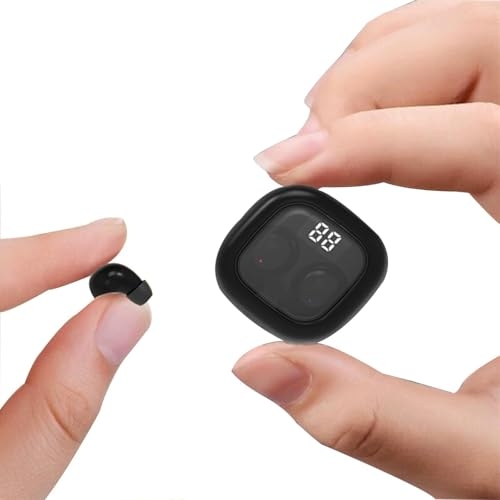

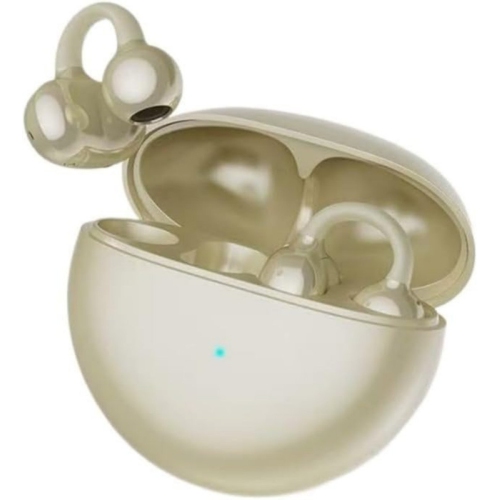
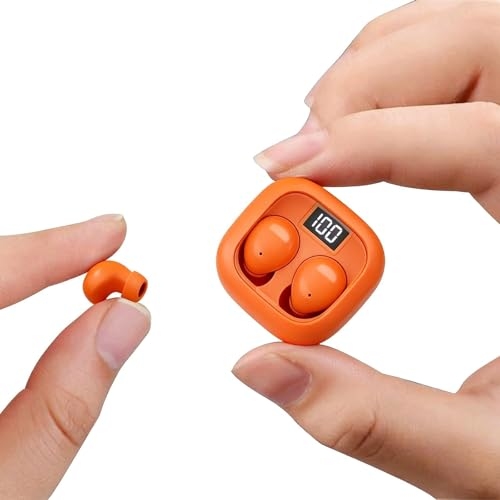

How a snug ear tip seal softens outside sound
Noise-isolating earbuds reduce outside sound by creating a physical seal at the entrance to the ear canal. Their silicone or foam ear tips act as a barrier, softening surrounding noise so music, podcasts, audiobooks, and dialogue are easier to hear. This is passive noise isolation: the seal itself does not need battery power, microphones, or electronic processing to work. Active noise cancellation, often called ANC, uses microphones and circuitry to generate sound that counteracts incoming noise. The two features are different, but they can work together in the same pair of earbuds. Passive isolation can help muffle voices and other mid- and higher-frequency sounds, while ANC is often particularly effective against steady, low-frequency noise, such as the hum of a ventilation system. Neither approach removes every sound, and the results depend on fit, the earbud design, and the type of noise nearby. For someone listening to a podcast on a bus or following a recorded lecture in a shared home, a secure seal can make speech easier to follow without competing as much with surrounding chatter. It can also help preserve the fullness of bass notes that may sound thin when ear tips sit too loosely. Noise isolation is not, however, a measure of overall sound quality. Driver design, tuning, the audio source, and personal listening preferences still shape the experience. Some listeners enjoy a fuller bass response for workout playlists, while others prefer a more balanced presentation for acoustic music or spoken-word recordings. Earbuds that seal well may make it easier to listen at a comfortable volume, but turning the volume up can still put hearing at risk. Everyday audio earbuds are not a substitute for certified hearing protection around power tools or other hazardous noise. Their appeal is more straightforward: a compact, personal listening space for commuting, studying, travelling, or settling into a favourite album at home.
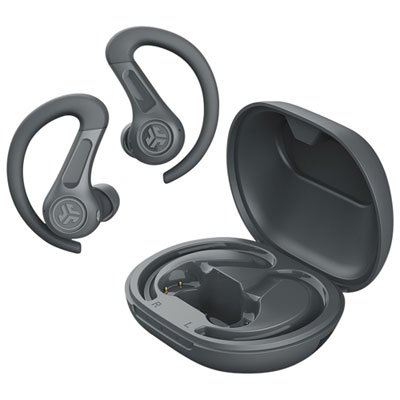
Fit is central to how noise-isolating earbuds feel and perform, and the right ear tip size is not necessarily the same for both ears. A tip that is too small may leave gaps that let sound through; one that is too large can create pressure or make the earbuds work loose. A comfortable seal should feel snug rather than painful and stay reasonably consistent when speaking, turning the head, or walking. Silicone tips are flexible, generally easy to wipe clean, and offered in different shapes and sizes. Foam tips compress before insertion and then expand to follow the contours of the ear canal, which some listeners find helpful for achieving a close fit. Foam usually needs gentler handling and may need replacement sooner as it loses its shape or becomes worn. Tip compatibility matters as well: replacement tips need to attach securely to the earbud nozzle, and larger tips can sometimes interfere with the fit inside a charging case. Beyond the tips, the size and shape of the earbud housing affect comfort. A bulky housing may press against smaller ears, while a low-profile shape can be more comfortable beneath a toque during the cooler months. Ear wings or hooks can add stability for movement, although they do not replace a properly fitted ear tip. For long listening sessions, comfort after an hour matters more than a tight fit during the first few minutes. Taking breaks gives ears a rest and helps reveal pressure points that are easy to overlook at first. A sealed fit can also make footsteps, chewing, or the listener’s own voice sound more noticeable, an effect that varies between designs and people. Those considering earbuds for quiet bedtime listening may also find Noise Cancelling Sleep Earbuds relevant, since pillow contact, protruding housings, and access to alarms introduce different needs from daytime use. Side sleepers, in particular, may find that earbuds comfortable in an upright position feel quite different when resting against a pillow.
Connection type, controls, and everyday care help determine how well noise-isolating earbuds fit into a routine. Wired earbuds offer a direct connection without the need to recharge the earbuds themselves, though the plug must match the listening device or a compatible adapter. Cable length, flexibility, and reinforcement near the plug and earpieces matter for daily handling; cable movement can also transmit rustling sounds into the ears. Wireless earbuds remove the cable connection to the listening device, making them convenient for workouts, household tasks, and commutes. Battery life per charge is separate from the extra listening time supplied by a charging case, and features such as ANC or frequent calls can affect runtime. For calls and online meetings, microphone placement and noise-reduction processing influence how clearly the person at the other end hears speech. A good ear tip seal improves the wearer’s listening experience, but it does not automatically make the microphone better at filtering nearby conversation. Touch controls can be convenient, while physical buttons may be easier to locate by feel; either style should be usable without repeatedly disturbing the seal. For exercise, an appropriate water-resistance rating can help address sweat exposure, but water resistance is not the same as waterproofing, and the case may have a different rating from the earbuds. Wiping away perspiration, allowing earbuds to dry before charging, and keeping sound openings clear can support dependable performance. Cleaning methods should follow the manufacturer’s directions, particularly for foam tips, acoustic mesh, and charging contacts. A protective case helps keep loose earbuds away from lint and prevents cables from tangling with keys in a bag. These details also matter when earbuds are a gift for a student, frequent traveller, or music lover: interchangeable tips, straightforward controls, and device compatibility are more useful than guessing at someone’s preferred sound signature. Wherever they are used, sound isolation should suit the setting. Near traffic or announcements, pausing playback or removing the earbuds may be necessary to stay aware.
Top selling and popular products
-
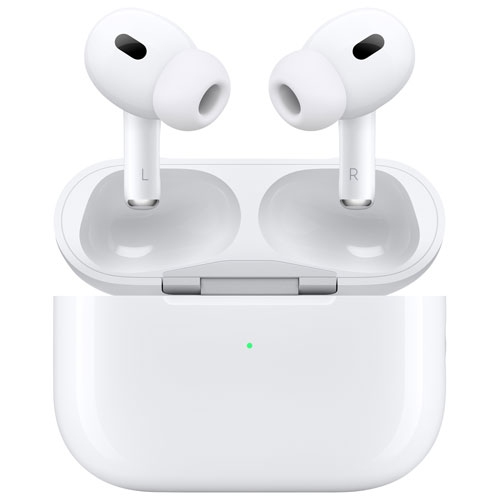 Your price for this item is $349.99
-
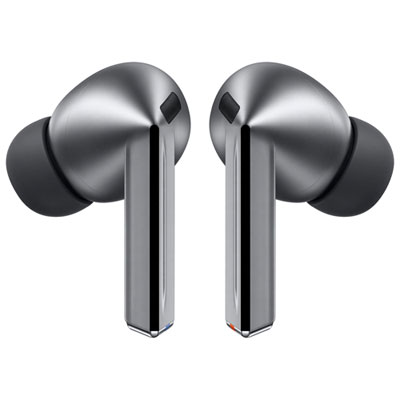 Your price for this item is $329.99
-
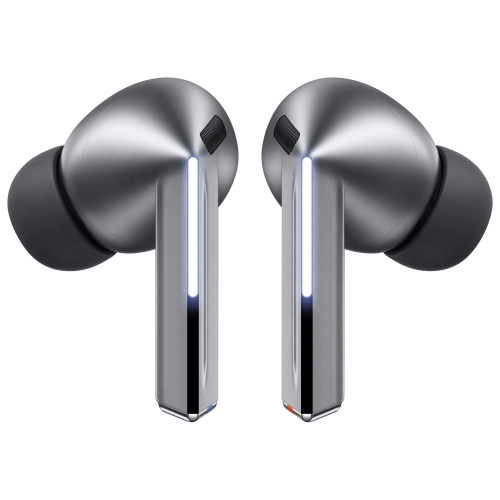 Your price for this item is $229
-
 Your price for this item is $215
-
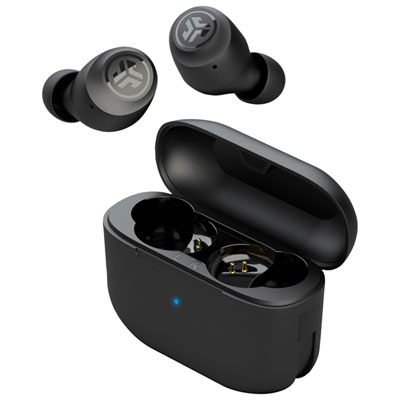 Your price for this item is $34.99
-
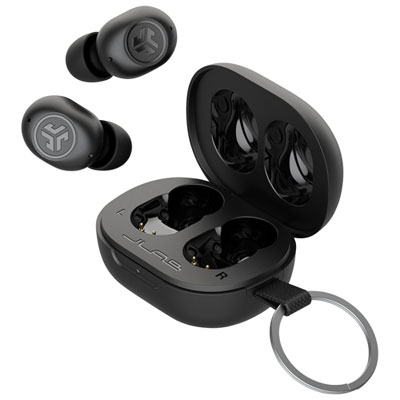 Your price for this item is $59.99
-
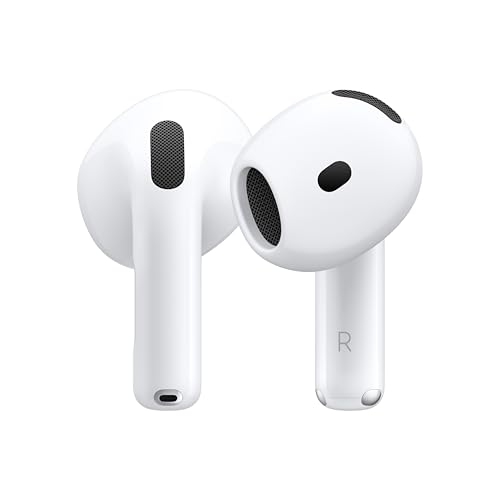 Your price for this item is $189
-
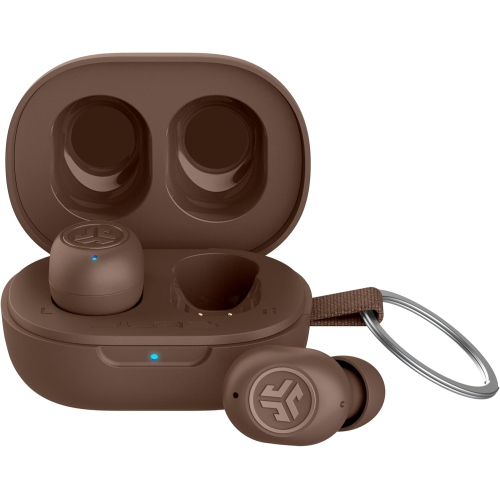 Your price for this item is $89.99
Discover more categories related to Noise Isolating Earbuds
Top Collections:
Pokemon Centers, Best Cameras for Sports Photography, Kindle Devices, Samsung Galaxy Phones, Canon G7X Cameras, Pokémon 30th Celebration Cards, Refurbished Apple Laptops, iPhone 15 Apple, Laptops for Students, Budget Smartphones
Some products may be subject to Environmental Handling Fees
(EHF) depending on your province.
Learn more about EHFs.