Over-the-Ear Headphones Under $50
Discover great value and impressive sound quality with Over-the-Ear Headphones Under 50. Perfect for music lovers, gamers, and anyone looking to enjoy immersive audio without stretching their budget, these headphones offer a comfortable fit for extended listening sessions. Explore a wide selection of styles and colors designed to suit your preferences while keeping affordability in mind. Find the ideal pair of Over-the-Ear Headphones Under 50 to enhance your everyday listening experience.
Sort
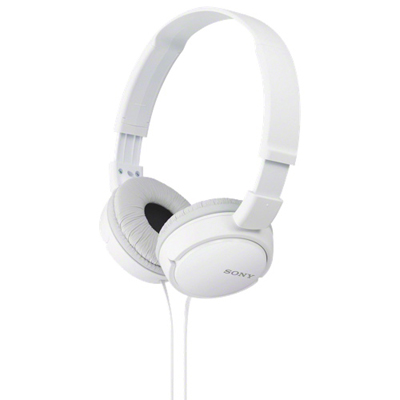


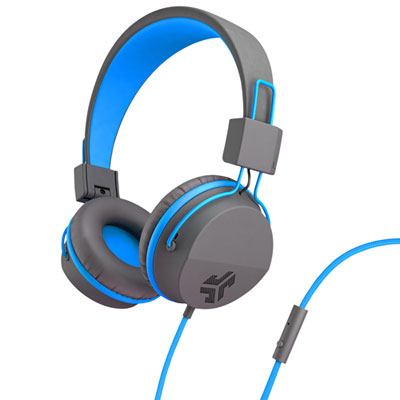

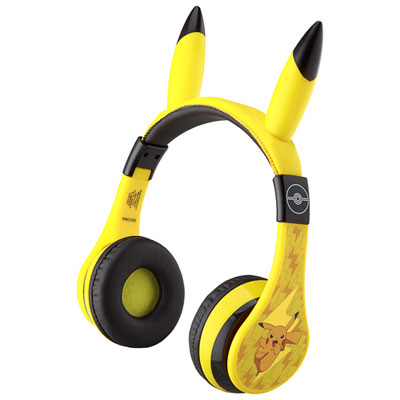
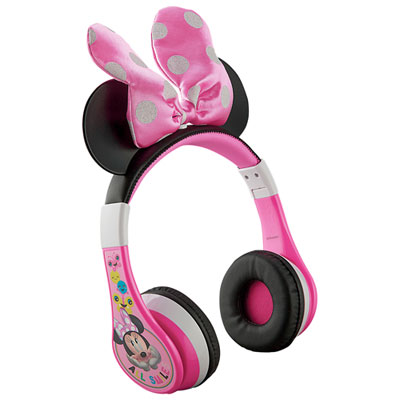







Why fit matters as much as sound
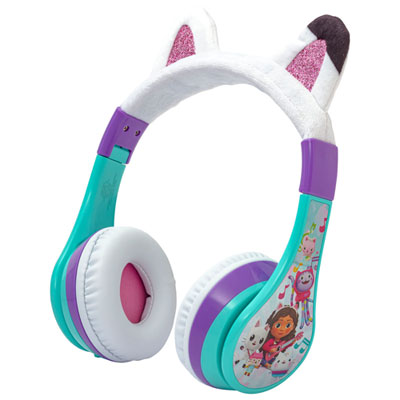
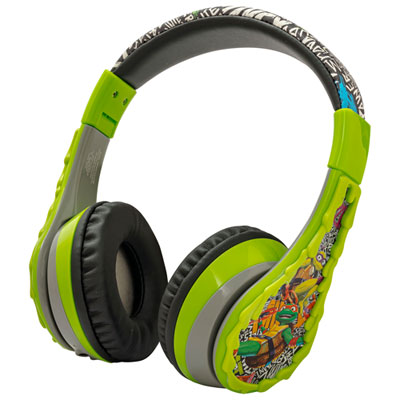
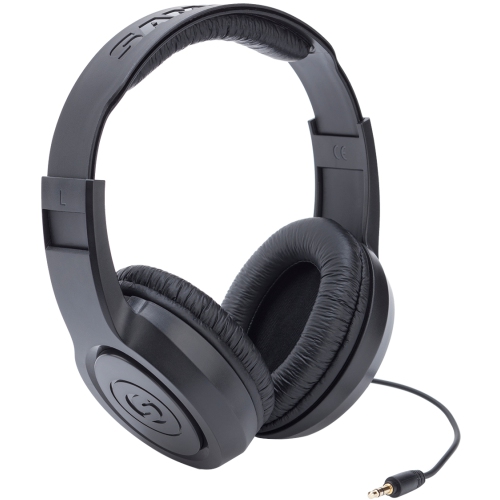
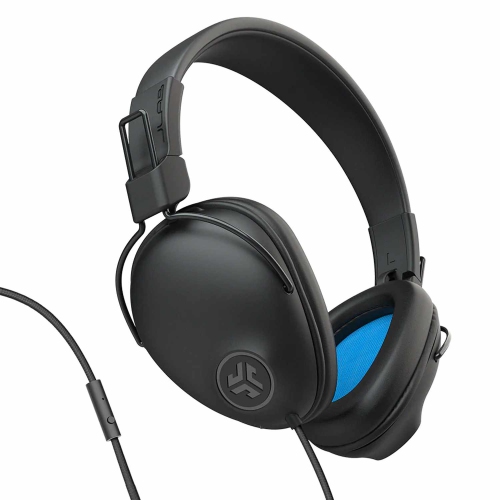
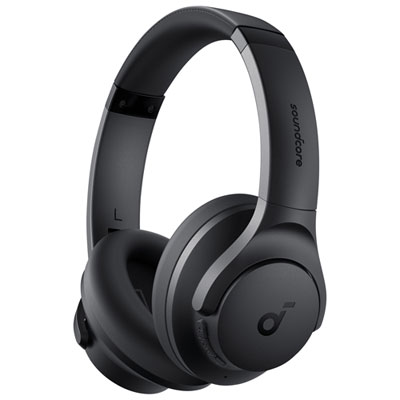
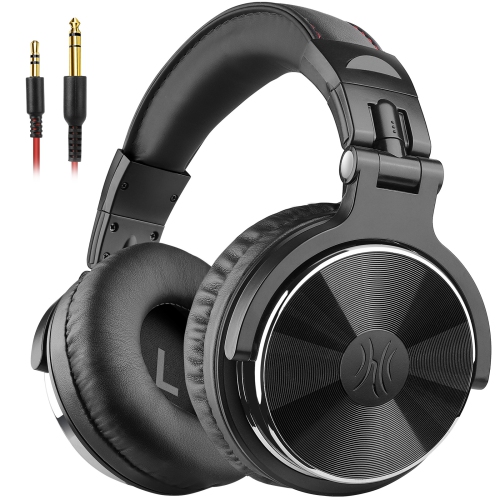
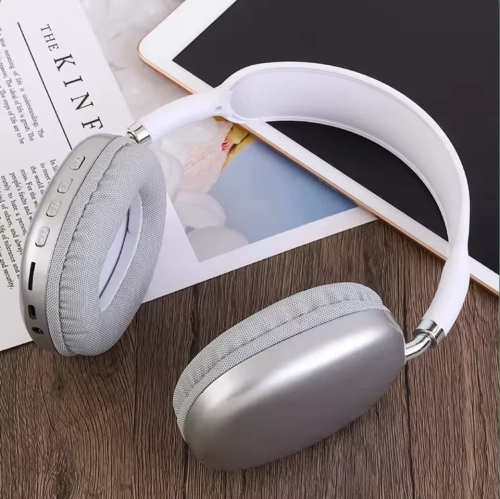
Over-the-ear headphones bring music, podcasts, films, and everyday audio into a personal listening space, with earcups designed to surround the ears rather than rest directly on them. Often called over-ear headphones, this style can suit students working through recorded lectures, listeners settling into a favourite album, or anyone watching a show without filling a shared room with sound. The larger earcups leave room for cushioning around the ears, while an adjustable headband helps position the speakers comfortably on either side of the head. Fit makes a noticeable difference during longer sessions: cushions should sit around the ears without folding them, and the headband should feel secure without creating a pressure point across the top of the head. People who wear glasses may prefer softer padding that accommodates the arms of their frames, although comfort depends on the shape of both the headphones and the eyewear. Earcup depth matters, too, especially when shallow cushions allow the ears to touch the fabric covering the drivers. Materials influence how headphones feel in daily use. Smooth synthetic leather cushions are generally easy to wipe clean, while fabric coverings can have a softer, more textured feel against the skin. Plastic housings help keep weight manageable, and metal reinforcement in a headband can add support at a frequently adjusted part. Neither material alone determines durability; the construction of hinges, sliders, and cable connections also matters. A lighter design may be more comfortable for a long study session, while a folding frame can be easier to tuck into a backpack between classes. Swivelling earcups can help the cushions follow the contours of the head and may allow the headphones to lie flatter for storage. These details make over-ear headphones useful for everyday routines, from listening at a kitchen table to keeping dialogue close during an evening film. A comfortable fit also supports consistent sound, since gaps around the cushions can change the listening experience.
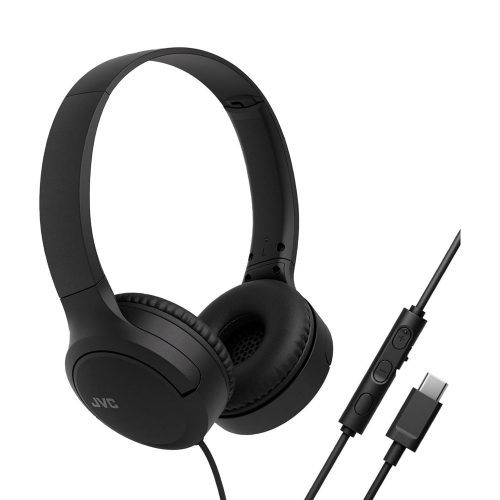
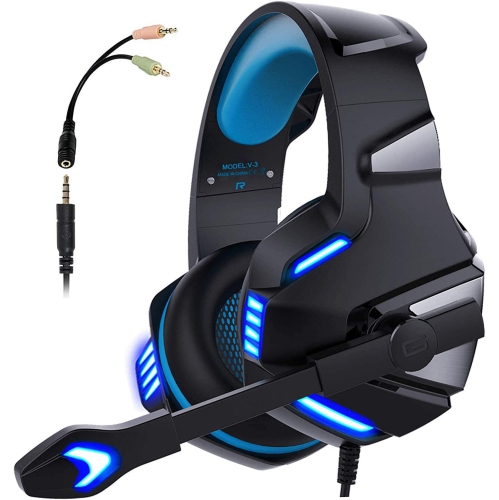
Sound and connection options shape how over-ear headphones fit into those routines. A clear midrange helps voices remain understandable in podcasts, online lessons, and video calls, while bass gives weight to drums, electronic music, and film soundtracks. Stronger bass is not automatically better: a balanced presentation can make it easier to follow speech without turning up the volume whenever background music enters a scene. Driver size alone does not establish sound quality, because tuning, earcup construction, and the fit around the ears all contribute. Closed-back earcups can reduce some surrounding sound through their physical design, but passive noise isolation is different from active noise cancellation, which uses microphones and electronic processing to reduce certain background sounds. Neither feature should be assumed from the over-ear shape alone. Wired headphones connect directly to a compatible audio output and do not need battery charging for basic wired playback, making them practical for a desk setup or repeated listening sessions throughout the day. A 3.5 mm connection still requires a matching socket or a suitable adapter, and microphone support can depend on the plug, adapter, and device. Wireless headphones use Bluetooth to connect with compatible devices and remove the cable between the headphones and the audio source. That freedom can be convenient when moving around a room, though battery life, charging requirements, and connection behaviour vary by design. USB-C charging does not necessarily mean that a USB-C port also carries audio. Similarly, a built-in microphone does not guarantee that every playback control will work with every connected device. For video calls, microphone placement and nearby noise can affect how clearly speech comes through. For films or games, a wired connection can help avoid the delay that sometimes places wireless audio slightly behind the picture. Someone switching between a laptop and a phone may also find connection management just as important as sound. Features such as multipoint pairing, detachable cables, and on-earcup controls are worth distinguishing from the basic listening function, since they are not standard across every design.
Everyday care helps preserve the comfort and function of over-ear headphones, particularly when they travel between home, school, and work. Cushions collect skin oils and dust with regular use, so gentle cleaning with a soft cloth can keep contact surfaces pleasant without soaking the padding. Cleaning directions vary by material; harsh cleaners, excess moisture, and vigorous rubbing can damage some coverings or loosen adhesives. Allowing headphones to dry fully before storage is especially important after wiping them down. A pouch or protective case can keep earcups from rubbing against keys and other objects in a bag, while leaving a little space around the headband reduces pressure on hinges and adjustment points. Folding mechanisms work best when moved through their intended range rather than forced into a smaller space. For wired designs, a loosely gathered cable is less likely to develop sharp bends than one wrapped tightly around the headband. Pulling a connector by its plug rather than its cord also reduces strain where the cable meets the housing. For wireless designs, following the charging instructions and keeping the charging port free of debris supports reliable everyday use. Intended use matters as much as upkeep. A pair kept beside a computer may benefit from easy-to-reach controls and a cable long enough to allow comfortable movement, whereas headphones carried in a backpack may place greater importance on weight and a compact folded shape. Over-ear headphones can also make a thoughtful gift for a student, a frequent podcast listener, or someone who enjoys watching films on a tablet, provided the connection type suits the device they use. Fit remains personal, so headband adjustment and earcup dimensions deserve attention alongside appearance and colour. For children, an adult-sized fit and ordinary volume controls should not be mistaken for a dedicated volume-limiting design. At any age, listening at a moderate level and taking breaks can help keep sessions comfortable, and awareness of nearby activity remains important whenever the earcups reduce outside sound. The related Over Ear Headphones Under $100 collection provides another place to explore the category, with the same attention to fit, connections, and everyday handling.
Top selling and popular products
-
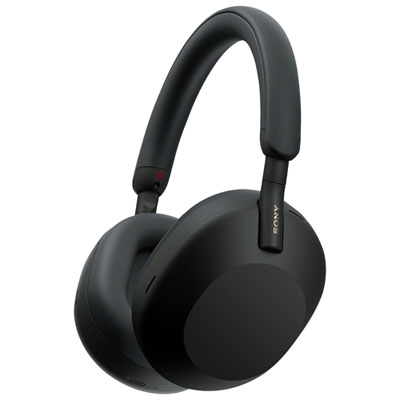 Your price for this item is $499.99
-
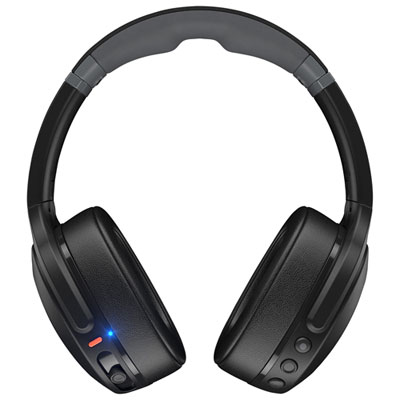 Your price for this item is $159.98
-
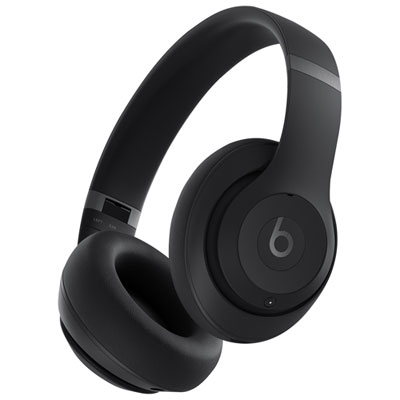 Your price for this item is $399.99
-
 Your price for this item is $359
-
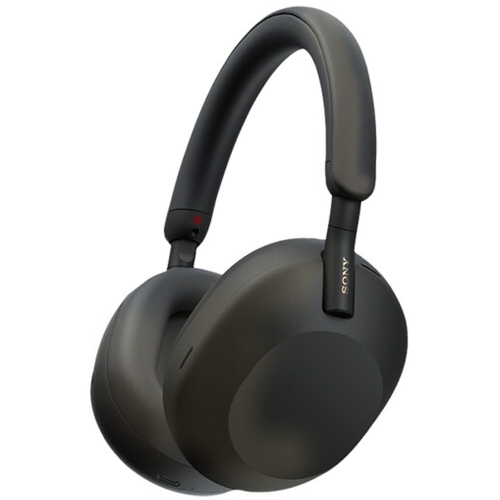 Your price for this item is $349
-
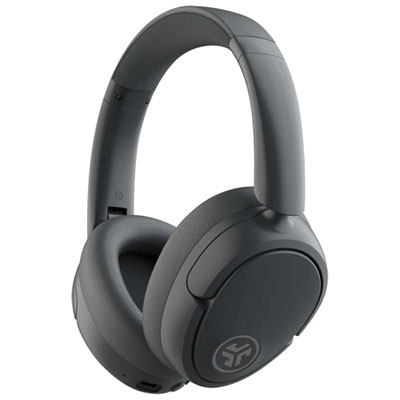 Your price for this item is $59.99
-
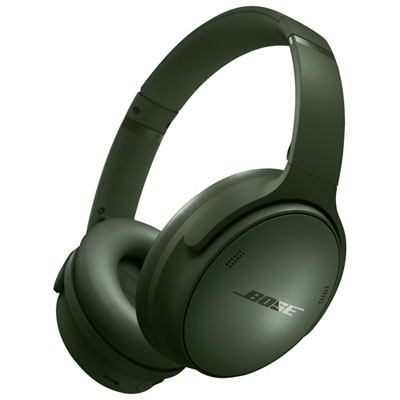 Your price for this item is $249
-
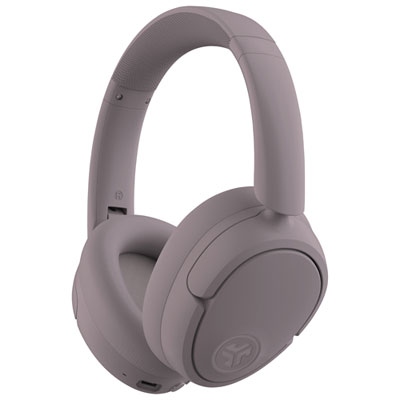 Your price for this item is $59.99
Discover more categories related to Over-the-Ear Headphones Under $50


Top Collections:
Best Black Friday Deals This Year, Best Black Friday Deals On Electronics, Kindle Devices, Pokemon Centers, Best Black Friday Deals On Apple Products, Best Cameras for Sports Photography, Dyson Airwrap, Pokémon 30th Celebration Cards, Apple iPhone 17 Pro, Canon G7X Cameras
Some products may be subject to Environmental Handling Fees
(EHF) depending on your province.
Learn more about EHFs.