Passive Loudspeakers
Passive loudspeakers are an essential component of any home audio setup, delivering crisp and immersive sound for your listening pleasure. Designed to work in conjunction with a separate amplifier, these speakers offer versatility and customization options to tailor your audio experience to your preferences. Whether you're a music enthusiast, a movie buff, or simply looking to enhance your home entertainment system, passive loudspeakers provide the power and clarity you need to enjoy your favorite media in high fidelity. Explore our range of passive loudspeakers to find the perfect match for your audio needs.
Sort


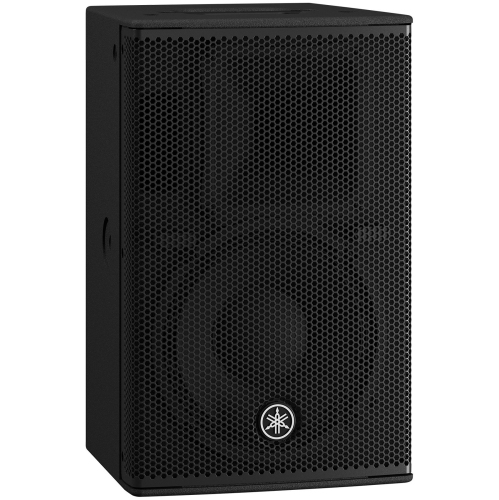
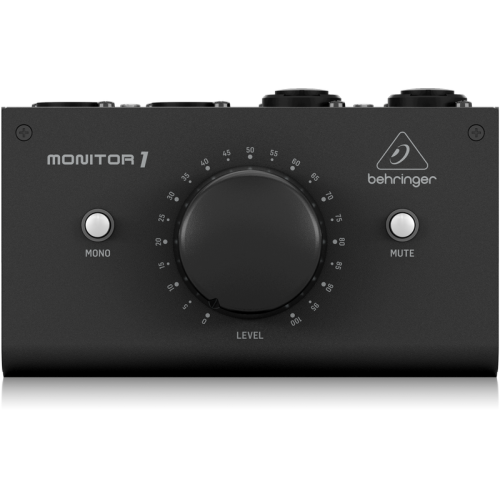
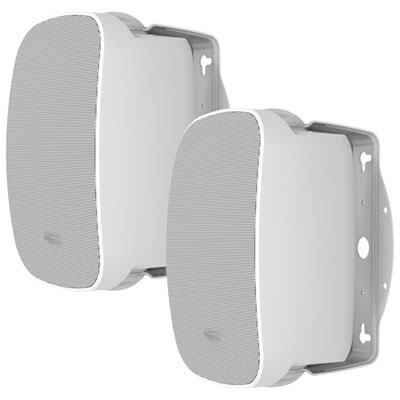

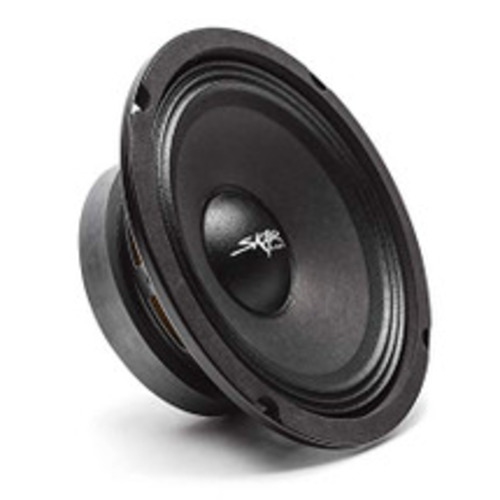
Why separate speakers and amplification offer more flexibility
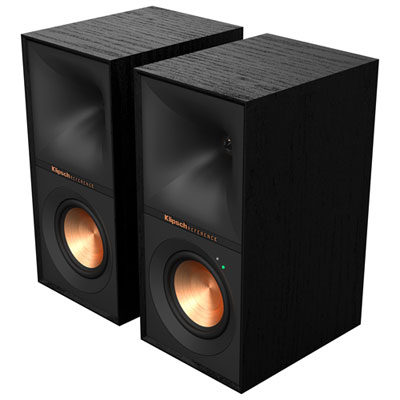
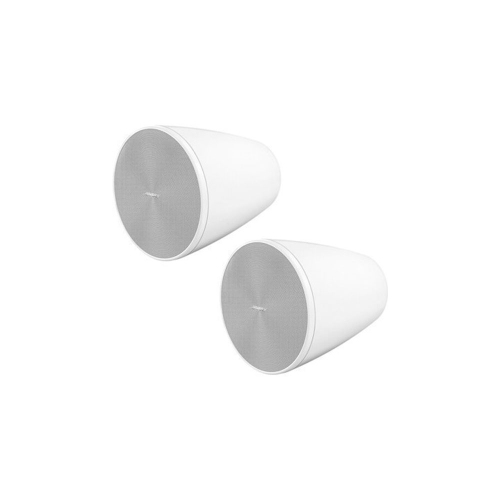
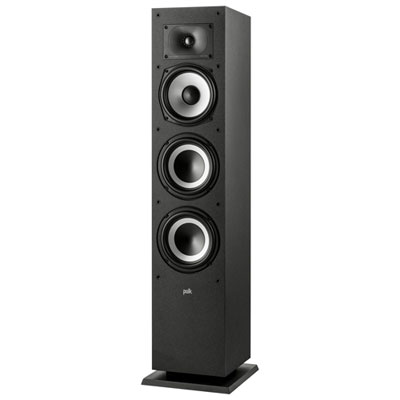
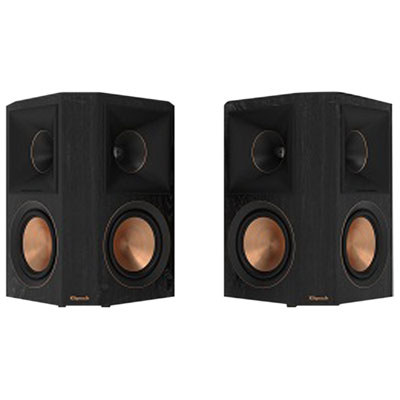
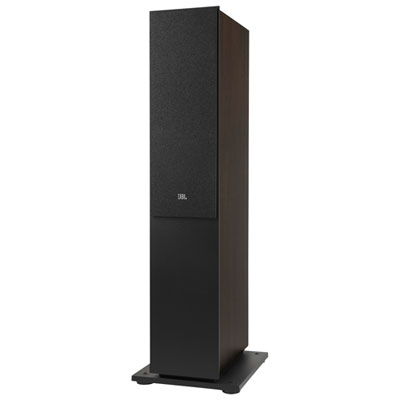
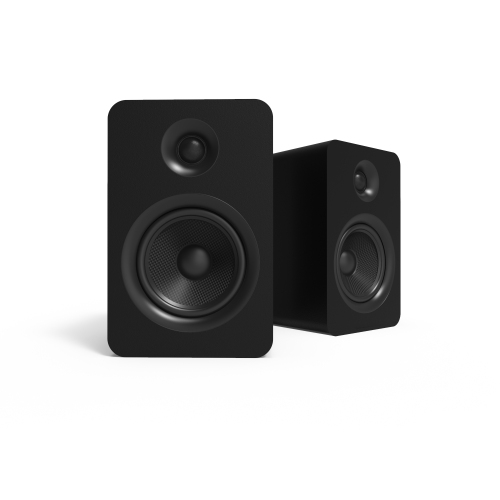
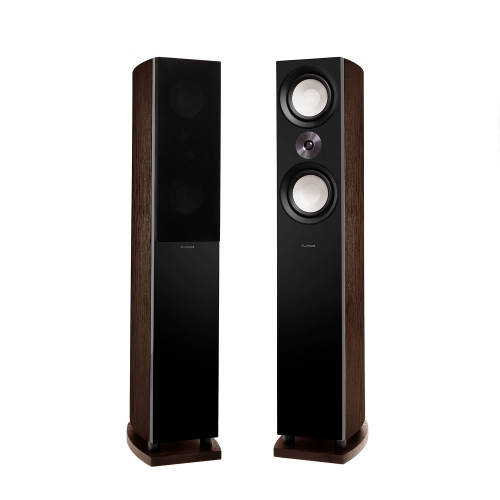
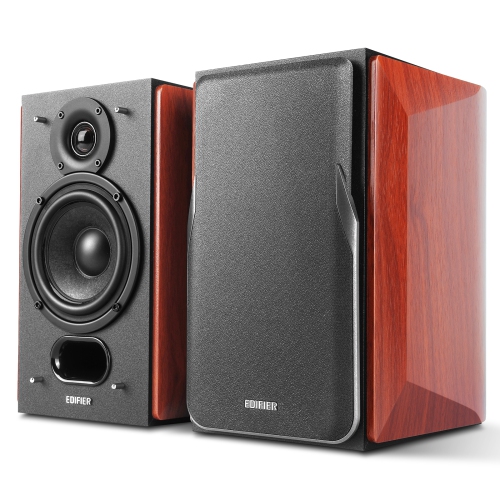
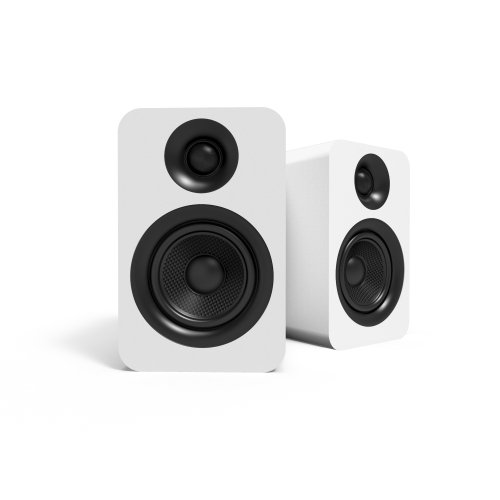
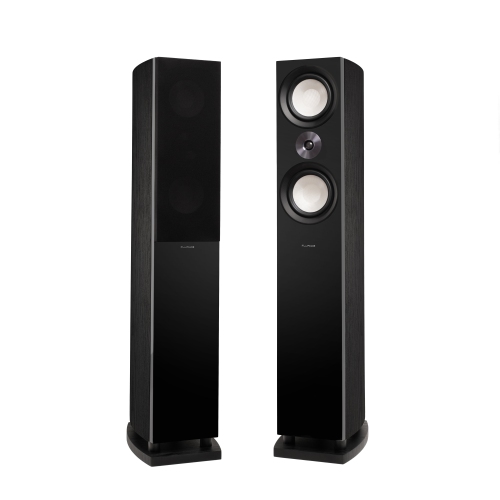
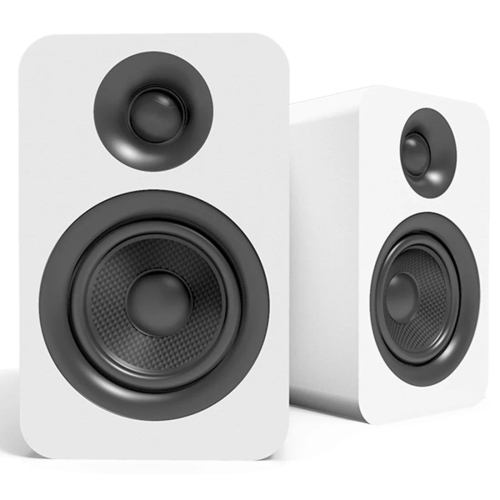
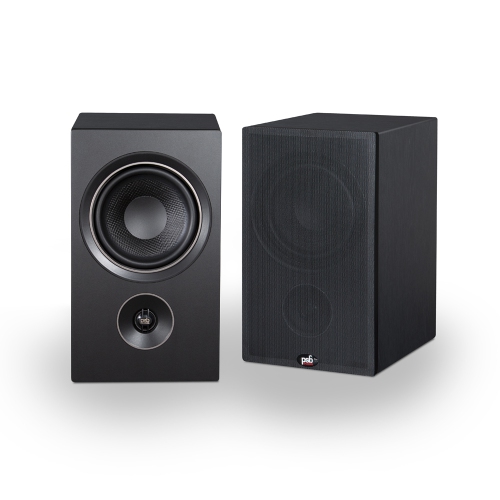
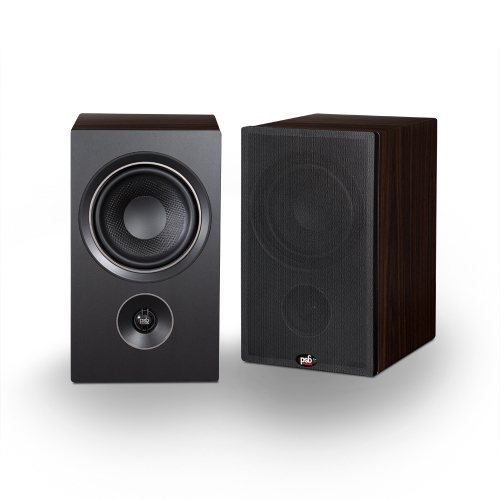
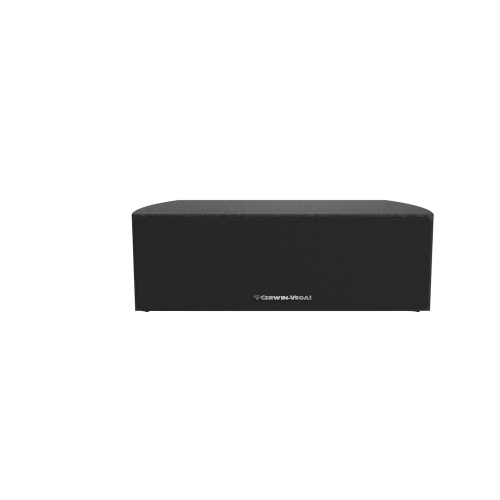
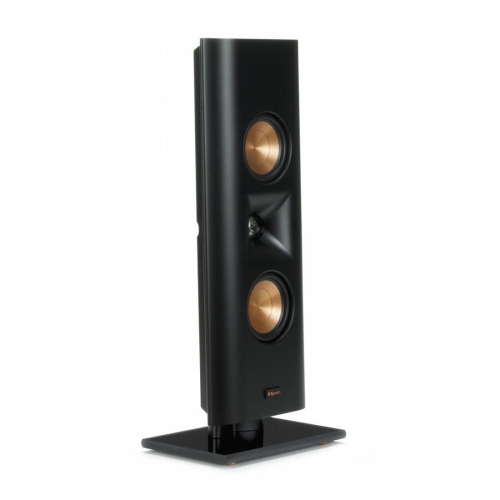
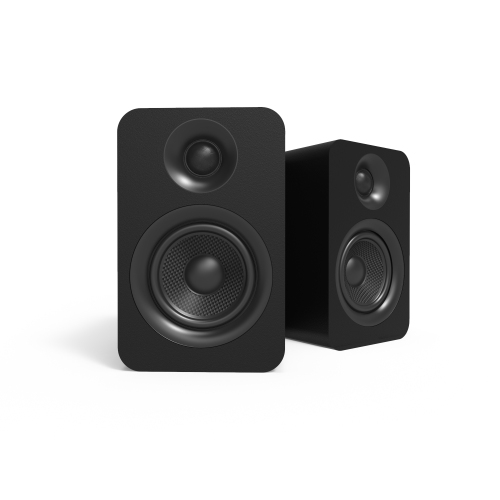
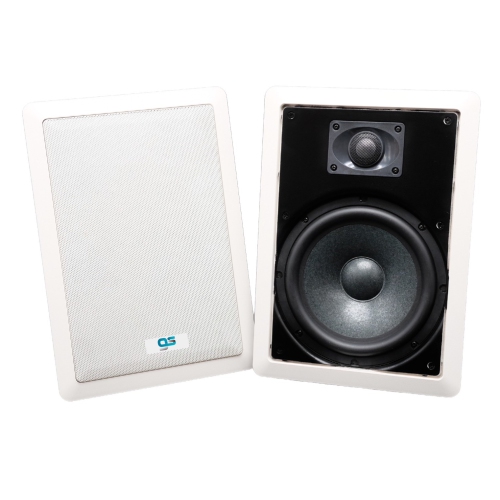
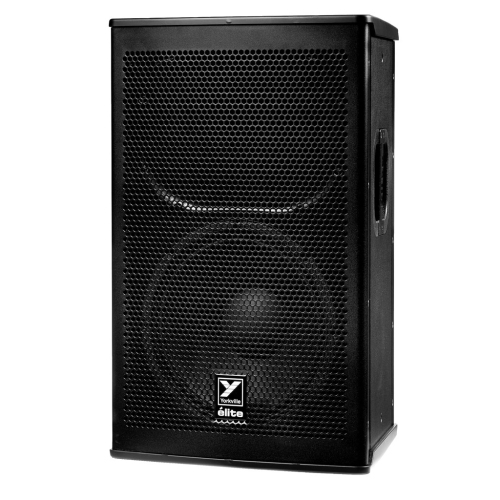
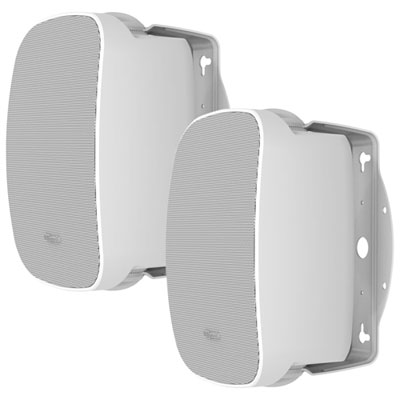
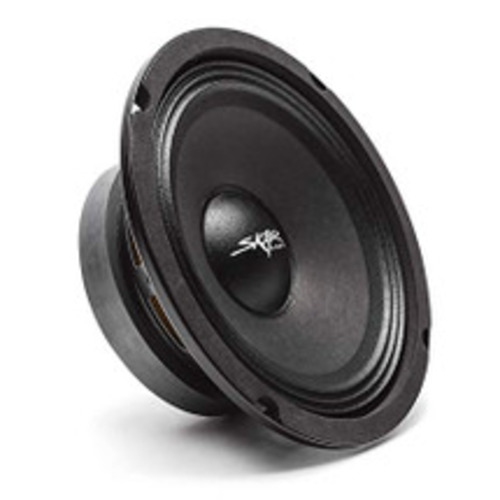
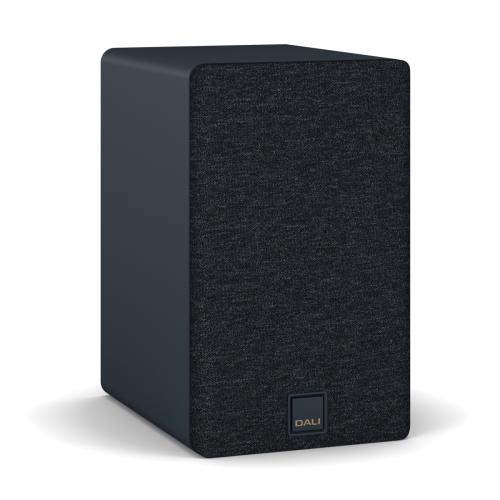
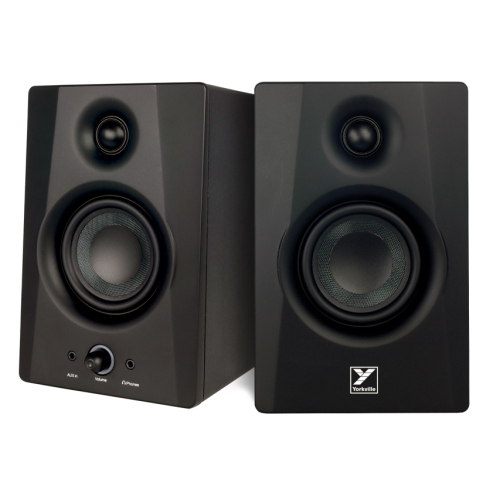
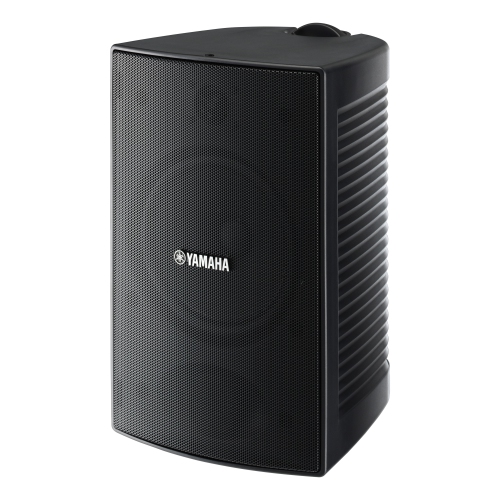
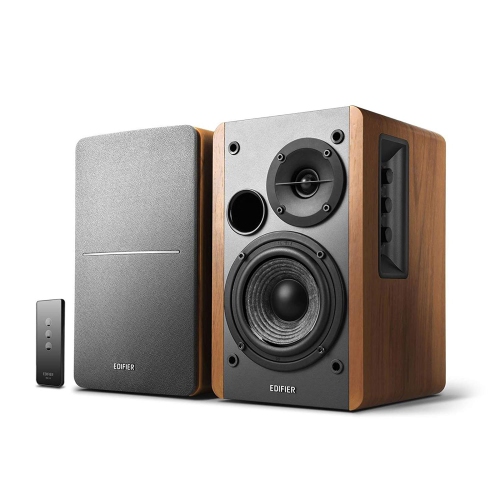
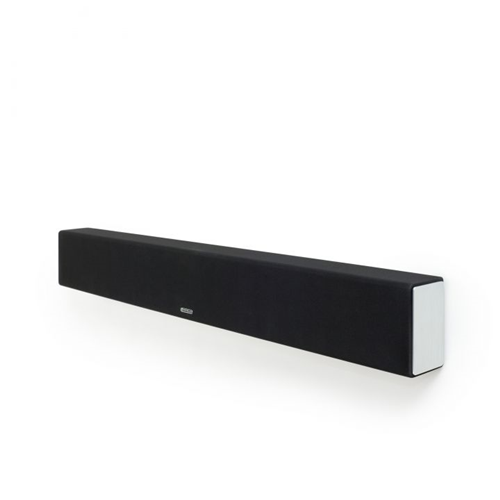
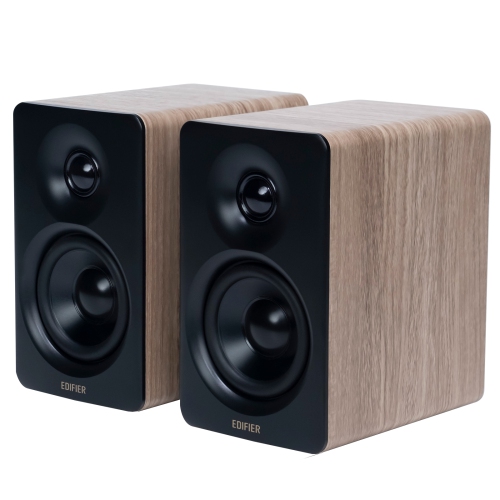
Passive loudspeakers are speakers that rely on an external amplifier or receiver rather than a built-in amplifier to produce sound. Speaker cable carries the amplified audio signal to each cabinet, where drivers turn it into the voices, instruments, and effects heard in the room. Most multi-driver passive designs use an internal passive crossover to direct different frequency ranges to the appropriate drivers: high frequencies to a tweeter, lower frequencies to a woofer, and, in some designs, the middle range to a dedicated midrange driver. That crossover works with the incoming amplified signal and does not need a separate power connection. This arrangement makes passive loudspeakers a flexible foundation for a stereo system, a home theatre, or a suitably equipped live sound setup. The speakers and amplification remain separate, so either part can be changed without replacing the other, provided the components are compatible. A pair of bookshelf speakers can bring clear dialogue and a convincing stereo image to a small living room, while floorstanding speakers often offer greater bass extension and output for a larger listening space. Centre-channel speakers focus on dialogue in a surround system, and matching surround speakers carry effects and ambience around the seating area. For music lovers, the appeal may be the sense of a singer positioned between two speakers or the distinct placement of instruments across a recording. For film fans, it may be speech that remains intelligible during a busy soundtrack. Browsing Passive Speakers brings the focus to this externally amplified approach, rather than powered speakers with amplification inside the cabinet. Wireless streaming, Bluetooth, and Wi-Fi playback generally come from a connected receiver, amplifier, or source component, not from a conventional passive speaker itself. A turntable also needs the appropriate phono stage somewhere in the signal chain; passive speakers cannot be connected directly to its audio outputs and play at normal listening levels.
The relationship between the speakers, amplifier, and room matters as much as cabinet size. A speaker’s nominal impedance, expressed in ohms, helps indicate the electrical load presented to the amplifier, although its actual impedance varies with frequency. The amplifier or receiver should support the speaker load, especially when several channels are operating or more than one pair of speakers is connected. Power-handling figures describe limits under particular test conditions, not a promise of loudness or a requirement to use an amplifier with an identical wattage rating. Sensitivity adds useful context by describing sound output at a stated input and distance, but comparisons are most meaningful when measurement methods match. In practical terms, less sensitive speakers may need more amplifier power to reach the same listening level as more sensitive designs. Clean amplification and sensible volume settings are important: an amplifier driven into audible distortion can damage drivers, and excessive power can do the same. Physical fit deserves equal attention. Bookshelf speakers do not always perform best tucked tightly into a bookshelf; many benefit from stable stands or an open surface that places their tweeters near seated ear height. Space behind and beside a cabinet can help manage bass balance, particularly with rear-ported designs, so the manufacturer’s placement guidance is worth checking against the intended location. Floorstanding speakers need a secure footprint and clear space around walkways, while a centre speaker should fit the furniture without blocking the screen or sitting deep inside an enclosed compartment. Positioning the left and right speakers at similar distances from the listening seat helps create a stable central image. A room with bare floors and large windows may sound more reflective than one with rugs, curtains, and upholstered seating. Modest changes to placement and furnishings can make dialogue clearer and music more balanced before any equipment is changed. A compatible powered subwoofer can add deeper bass when the system’s connections and bass-management options support one.
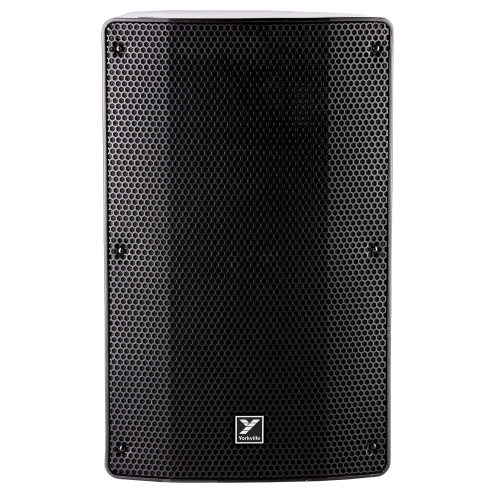
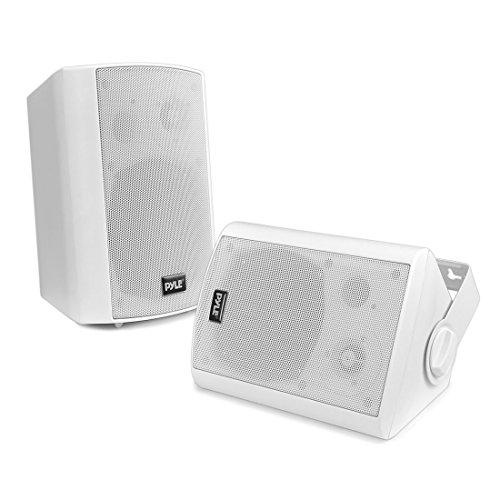
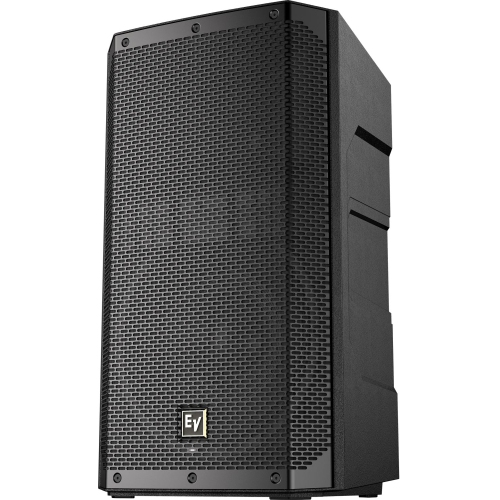
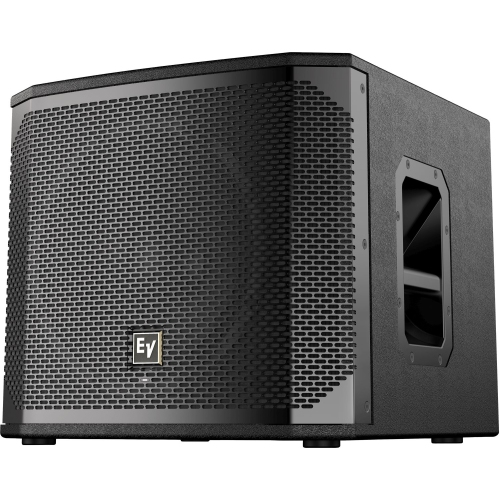
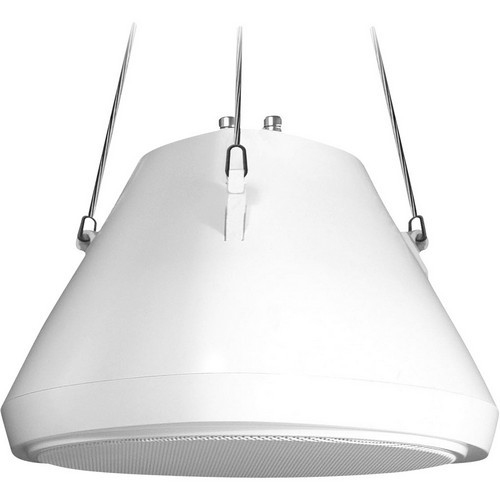
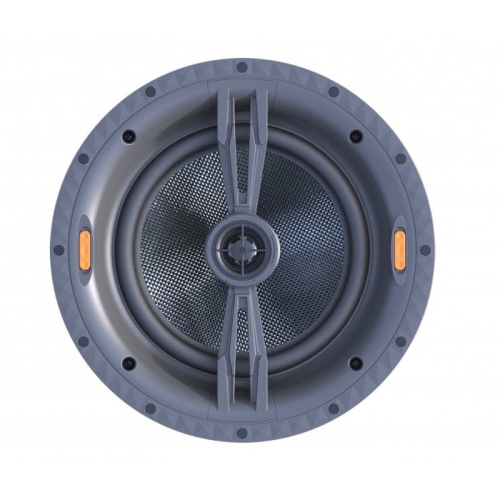
Materials and construction influence both everyday practicality and sound. Many home passive loudspeakers use medium-density fibreboard cabinets, sometimes with internal bracing to limit unwanted panel vibration, and finishes ranging from vinyl wraps to painted surfaces or wood veneers. Driver cones may use treated paper, polypropylene, metal, or woven fibres; each material is part of a larger acoustic design, so a cone material alone does not establish sound quality. Removable fabric or metal grilles can help shield drivers from light contact, although they are not a substitute for keeping delicate tweeter domes and woofer cones out of reach of curious hands. In a shared living space, secure stands, suitable wall mounts where supported, and neatly routed speaker cable help keep the setup tidy and reduce trip or tipping hazards. Connections may use binding posts, spring clips, or professional speaker connectors, depending on the intended application. Cable thickness should suit the run length and speaker load, and matching positive and negative terminals at both ends helps preserve the intended relationship between channels. Longer cable runs and installed wiring call for particular attention to cable ratings and local requirements. Care is usually straightforward: dust cabinets with a soft, dry cloth, avoid spraying cleaning liquid onto drivers or terminals, and follow the finish-specific cleaning instructions. Keeping cabinets away from damp areas and direct sunlight can help protect their appearance over time. For rehearsal spaces, presentations, and small performances, passive PA loudspeakers serve a different purpose from typical home speakers, with designs that may emphasize higher output, wider audience coverage, protective grilles, and portable cabinets. They still need compatible power amplification, and any stand socket or mounting point must be used within its stated limits. Home listeners, record collectors, and people building a surround system can all find a role for passive loudspeakers, but intended use should lead the choice. As a gift, they are most useful when the recipient’s amplifier, room dimensions, and preferred speaker format are already known, allowing the speakers to become a practical part of a system they will enjoy using.
The relationship between the speakers, amplifier, and room matters as much as cabinet size. A speaker’s nominal impedance, expressed in ohms, helps indicate the electrical load presented to the amplifier, although its actual impedance varies with frequency. The amplifier or receiver should support the speaker load, especially when several channels are operating or more than one pair of speakers is connected. Power-handling figures describe limits under particular test conditions, not a promise of loudness or a requirement to use an amplifier with an identical wattage rating. Sensitivity adds useful context by describing sound output at a stated input and distance, but comparisons are most meaningful when measurement methods match. In practical terms, less sensitive speakers may need more amplifier power to reach the same listening level as more sensitive designs. Clean amplification and sensible volume settings are important: an amplifier driven into audible distortion can damage drivers, and excessive power can do the same. Physical fit deserves equal attention. Bookshelf speakers do not always perform best tucked tightly into a bookshelf; many benefit from stable stands or an open surface that places their tweeters near seated ear height. Space behind and beside a cabinet can help manage bass balance, particularly with rear-ported designs, so the manufacturer’s placement guidance is worth checking against the intended location. Floorstanding speakers need a secure footprint and clear space around walkways, while a centre speaker should fit the furniture without blocking the screen or sitting deep inside an enclosed compartment. Positioning the left and right speakers at similar distances from the listening seat helps create a stable central image. A room with bare floors and large windows may sound more reflective than one with rugs, curtains, and upholstered seating. Modest changes to placement and furnishings can make dialogue clearer and music more balanced before any equipment is changed. A compatible powered subwoofer can add deeper bass when the system’s connections and bass-management options support one.
Materials and construction influence both everyday practicality and sound. Many home passive loudspeakers use medium-density fibreboard cabinets, sometimes with internal bracing to limit unwanted panel vibration, and finishes ranging from vinyl wraps to painted surfaces or wood veneers. Driver cones may use treated paper, polypropylene, metal, or woven fibres; each material is part of a larger acoustic design, so a cone material alone does not establish sound quality. Removable fabric or metal grilles can help shield drivers from light contact, although they are not a substitute for keeping delicate tweeter domes and woofer cones out of reach of curious hands. In a shared living space, secure stands, suitable wall mounts where supported, and neatly routed speaker cable help keep the setup tidy and reduce trip or tipping hazards. Connections may use binding posts, spring clips, or professional speaker connectors, depending on the intended application. Cable thickness should suit the run length and speaker load, and matching positive and negative terminals at both ends helps preserve the intended relationship between channels. Longer cable runs and installed wiring call for particular attention to cable ratings and local requirements. Care is usually straightforward: dust cabinets with a soft, dry cloth, avoid spraying cleaning liquid onto drivers or terminals, and follow the finish-specific cleaning instructions. Keeping cabinets away from damp areas and direct sunlight can help protect their appearance over time. For rehearsal spaces, presentations, and small performances, passive PA loudspeakers serve a different purpose from typical home speakers, with designs that may emphasize higher output, wider audience coverage, protective grilles, and portable cabinets. They still need compatible power amplification, and any stand socket or mounting point must be used within its stated limits. Home listeners, record collectors, and people building a surround system can all find a role for passive loudspeakers, but intended use should lead the choice. As a gift, they are most useful when the recipient’s amplifier, room dimensions, and preferred speaker format are already known, allowing the speakers to become a practical part of a system they will enjoy using.
Top selling and popular products
-
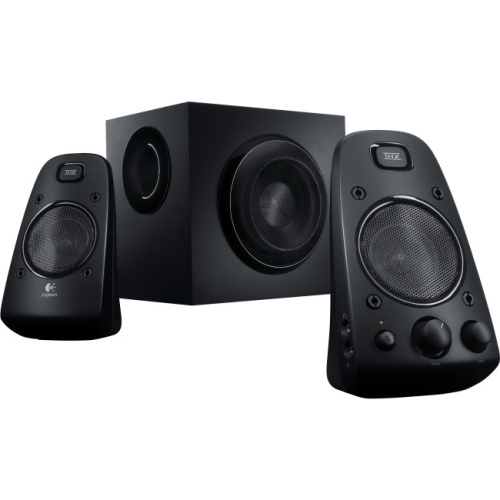 Your price for this item is $286.58
 -
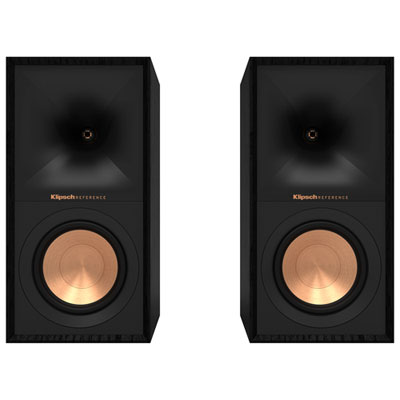 Your price for this item is $369.99
 -
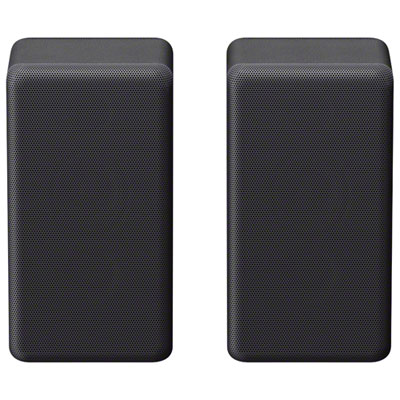 Your price for this item is $449.95
 -
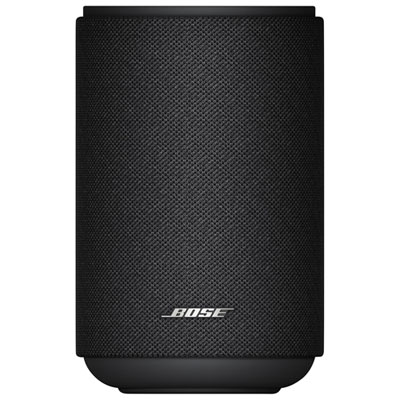 Your price for this item is $399.99
 -
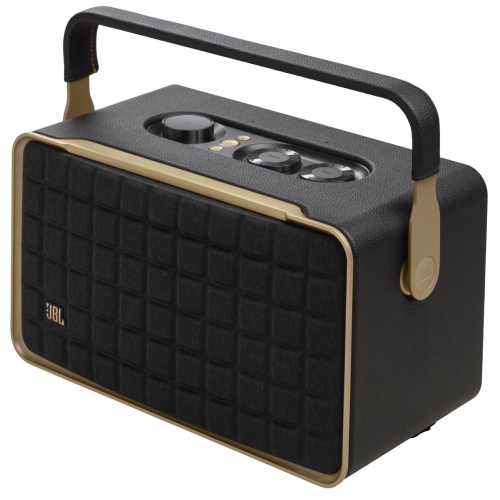 Your price for this item is $399.99
 -
 Your price for this item is $399.99
 -
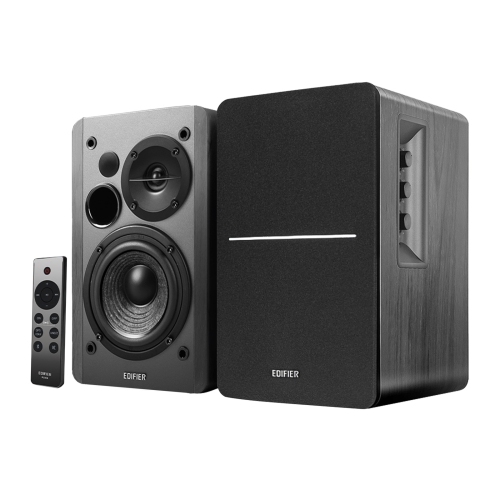 Your price for this item is $229.99
 -
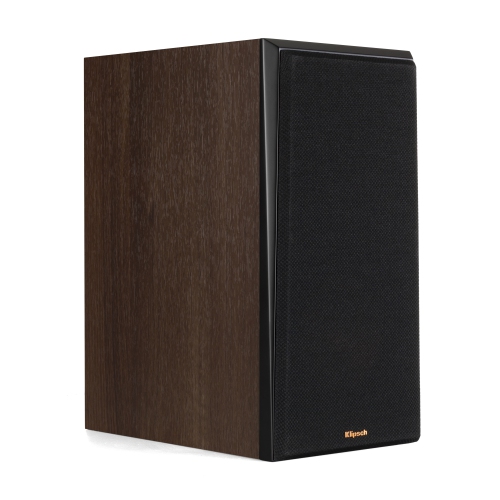 Your price for this item is $949
Discover more categories related to Passive Loudspeakers
Top Collections:
Pokemon Centers, Kindle Devices, Best Budget Office Chairs, Apple iPhones 16, Best Laptops for Writers, iPhone 15 Apple, Canon G7X Cameras, Refurbished Apple Laptops, Alarm Clock, Motorola Razr Phones
Some products may be subject to Environmental Handling Fees
(EHF) depending on your province.
Learn more about EHFs.