Plug Headphones
Plug Headphones offer a convenient and comfortable way to enjoy your favorite music, podcasts, and calls whether you’re at home, in the office, or on the go. With their compact design, these headphones easily fit into your pocket or bag, making them an ideal choice for travel and daily commutes. Explore a wide selection of Plug Headphones to find options that suit your listening preferences and lifestyle needs. Discover the perfect pair to enhance your audio experience with crisp sound and reliable performance.
Sort





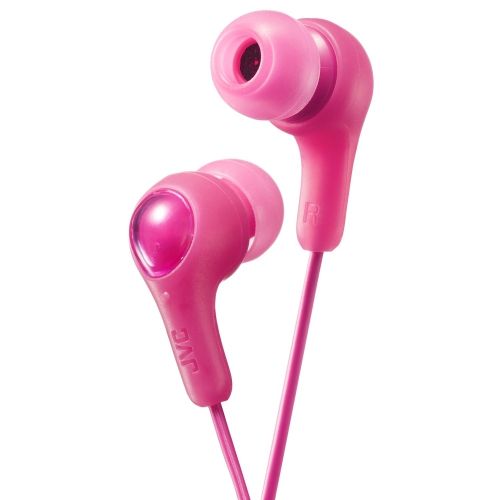
Why the right plug is only the beginning
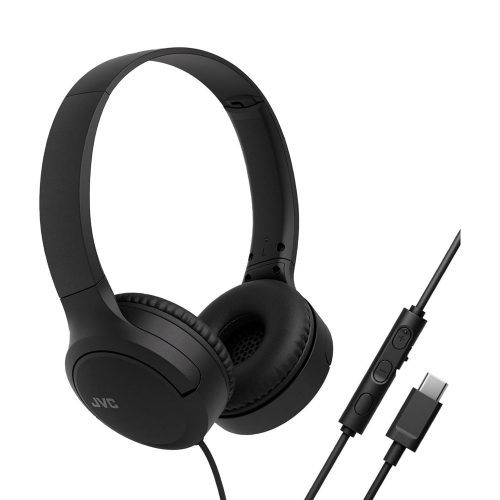
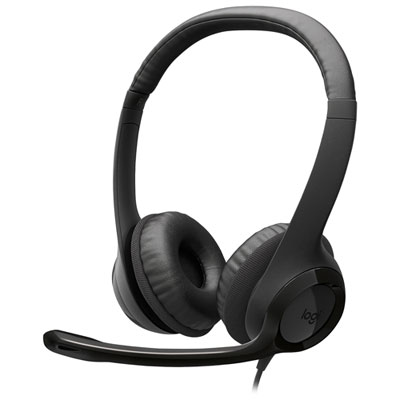
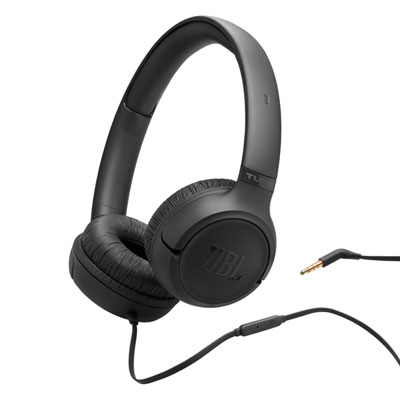
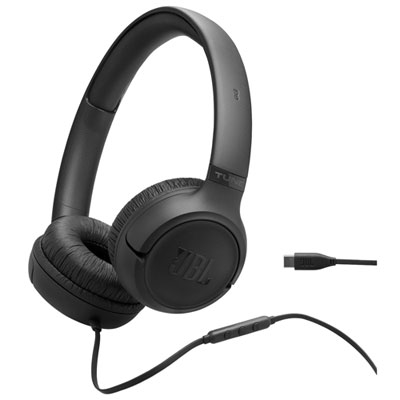
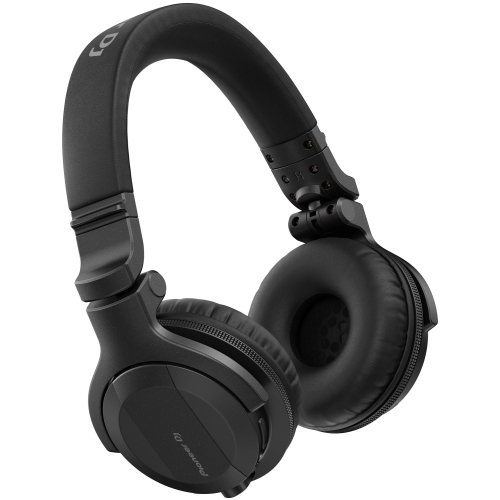
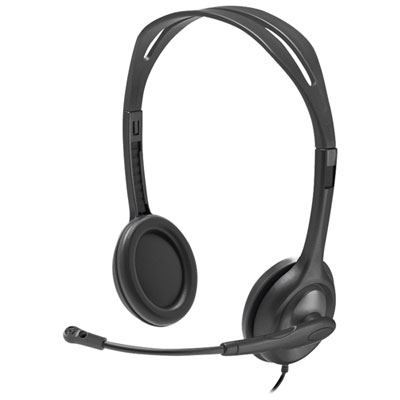
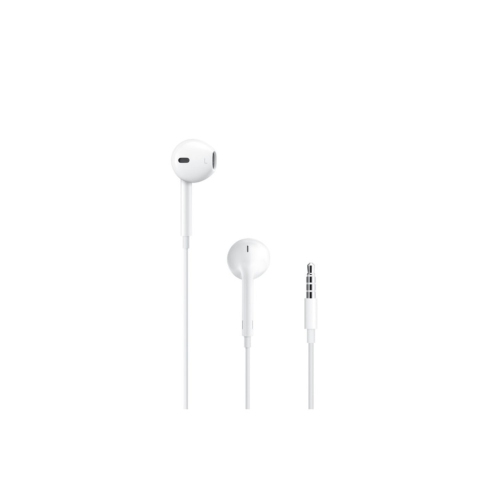
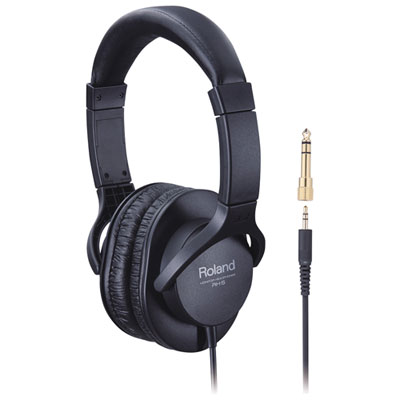
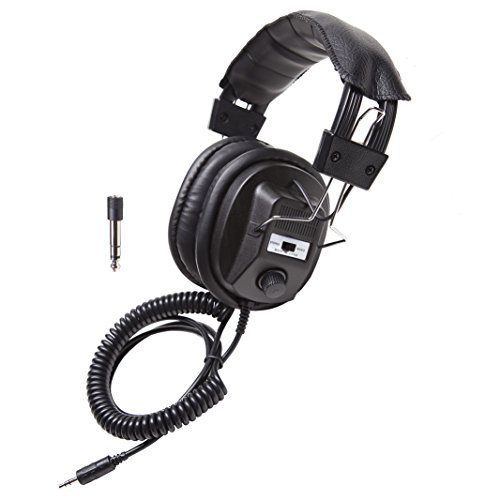
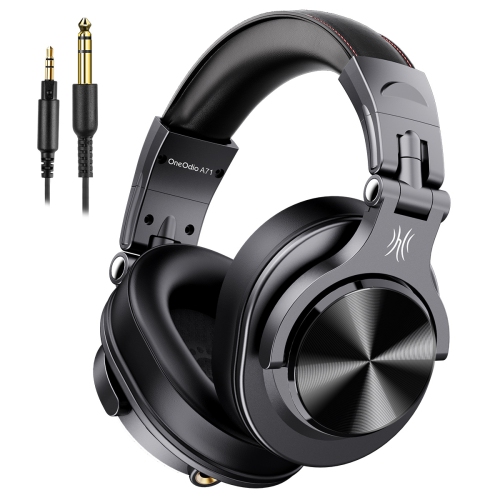
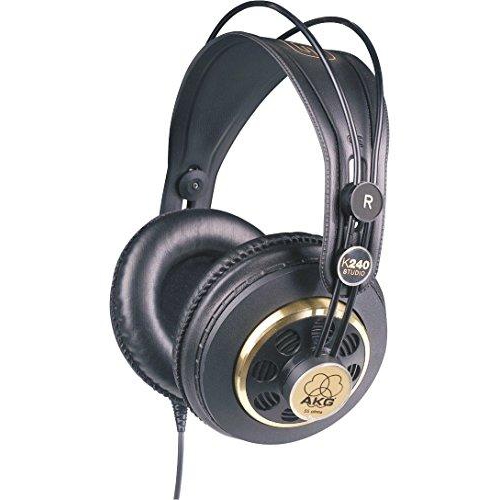
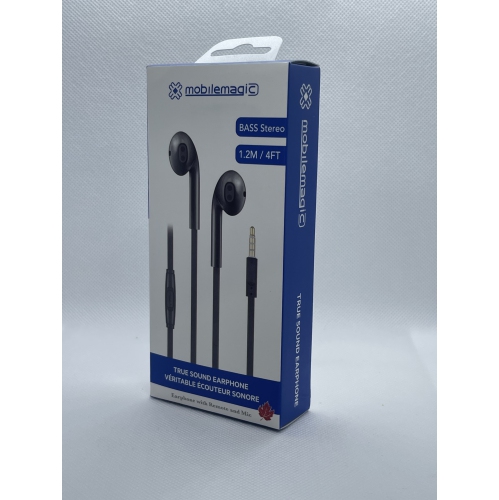
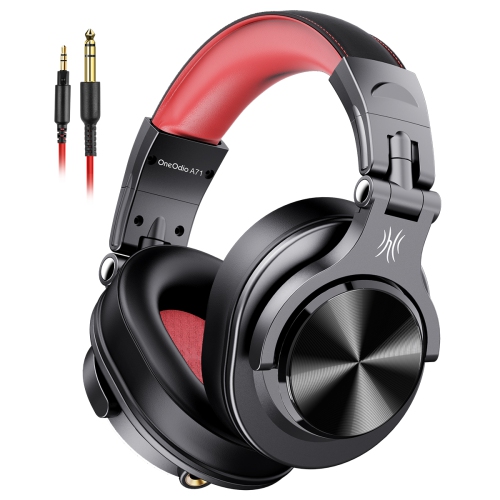
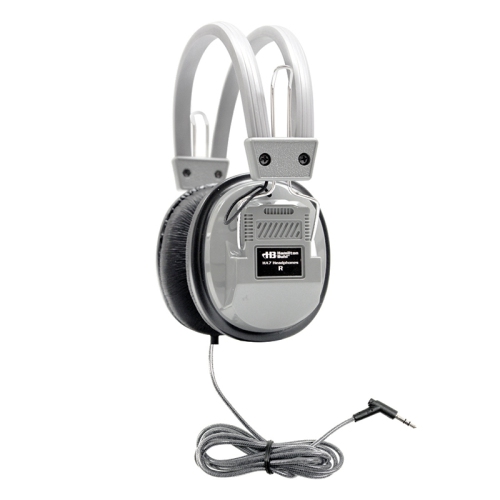
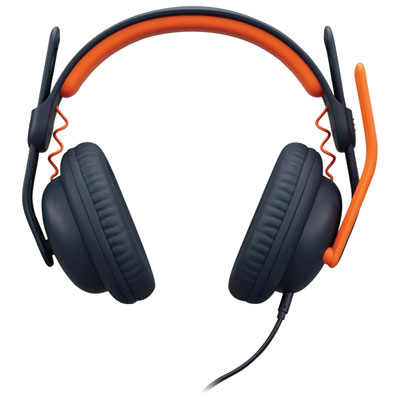
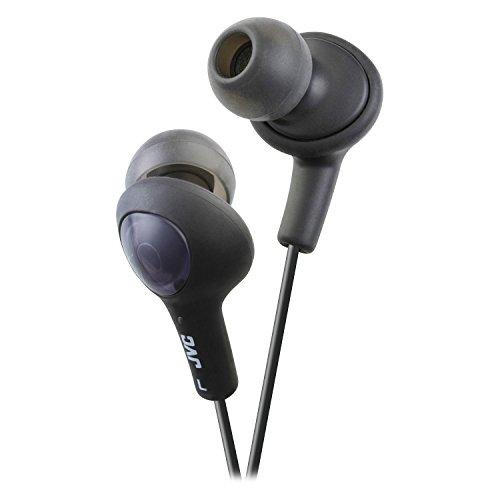
Plug headphones are wired headphones or earphones that connect to an audio source through a physical plug, commonly a 3.5 mm connector or USB-C connection. They carry sound through a cable rather than relying on Bluetooth pairing, making them a practical choice for listening at a desk, watching videos on a compatible device, or keeping a straightforward audio connection during a call. Many passive analogue designs work without charging, although features such as active noise cancellation or built-in amplification may require power. The connector is an important distinction: a round 3.5 mm plug needs a matching headphone socket, while USB-C headphones require a device that supports their audio connection. A connector that physically fits does not always guarantee full compatibility, particularly for microphones, volume controls, and adapters. Devices without a headphone socket may need a compatible audio adapter, sometimes with a built-in digital-to-analogue converter. For headsets with a microphone, plug wiring and the device’s microphone input also matter; some desktop computers have separate sockets for listening and speaking. Beyond the connection itself, wired headphones come in several shapes, from compact in-ear designs that tuck into a small pouch to over-ear styles with cushions surrounding the ears. Each format changes how the headphones feel, how much surrounding sound reaches the listener, and how easily they travel. A well-seated ear tip or evenly cushioned earcup can make speech clearer and bass sound fuller without turning up the volume. Sound preferences vary, too: a balanced presentation can suit spoken-word audio and mixed playlists, while a stronger bass response may appeal to listeners who enjoy rhythm-heavy music. Driver size alone does not determine sound quality, and a snug fit should not mean pressure or discomfort. For video calls, films, and games, a wired connection can also avoid the additional transmission delay associated with some wireless connections, though overall timing still depends on the device and software. The most useful match brings together the right plug, comfortable construction, and sound suited to the way the headphones will actually be used.
Comfort becomes especially noticeable during a long lecture, a full-length film, or an afternoon of focused work. In-ear headphones typically use silicone or foam tips, with different sizes helping accommodate differences between ears. Silicone tips are generally easy to wipe clean, while foam tips compress before expanding to form a close fit and may need more frequent replacement as they wear. Earbuds that rest near the ear opening feel different from tips that seal inside the ear canal, so familiarity with one style does not necessarily predict comfort with another. On-ear headphones sit against the outer ears and can feel compact, but their clamping pressure matters during extended listening. Over-ear designs distribute contact around the ears, with cushion depth, headband padding, and adjustment range all affecting the fit. Glasses, earrings, and hairstyles can influence where pressure builds, making small details such as swivelling earcups and flexible supports worth considering. Shoppers interested in a fit that follows the ear can also explore Wrap Headphones when comparing wearing styles. Materials contribute to both feel and everyday durability: lightweight plastics can keep carrying weight down, metal reinforcement can strengthen high-stress areas, and fabric-covered or leatherette cushions offer different textures against the skin. No single material guarantees a longer lifespan, because hinge construction, cable attachment, and handling also play a part. Reinforced strain relief near the plug and earpieces helps reduce sharp bending at vulnerable points. A detachable cable can simplify replacement when the connection is designed for it, while a fixed cable avoids a separate connection that might loosen or be misplaced. Cable length deserves attention as well. A shorter lead can stay manageable beside a phone, whereas a longer one may reach a computer tower without pulling across the desk. Inline controls should sit within easy reach, and a microphone positioned away from clothing is less likely to pick up the scrape of a collar or zipper during a conversation.
Different listening routines place different demands on plug headphones. A student following an online lesson may value clear voices and a microphone that keeps speech intelligible, while someone editing audio may prefer a sound presentation that does not strongly emphasize one frequency range. A commuter may want a compact pair with good passive isolation, although blocking outside sound is not appropriate in every setting. Closed-back over-ear designs generally help contain sound, while open-back designs allow more sound to pass in both directions and are better suited to spaces where leakage will not disturb others. At a shared desk or in a library, the amount of sound escaping matters as much as what the listener hears. For gaming or video meetings, compatibility with the exact computer, controller, or conferencing device is more useful than assuming every wired headset handles both listening and speaking in the same way. As a gift, wired headphones make the most sense when the recipient’s device connection and preferred wearing style are known; a comfortable design with the wrong plug can still require extra equipment. Everyday care helps preserve the cable, cushions, and connectors. Unplugging by holding the connector rather than pulling the cord reduces stress on the internal wires, and loosely coiling the cable avoids the tight bends that develop when it is wrapped firmly around a phone. A pouch or case keeps the plug from pressing into ear tips and stops loose objects from catching the cable inside a bag. Cleaning should follow the manufacturer’s directions, with particular care around speaker mesh, charging connections on powered designs, and any openings where moisture could enter. Removable tips should be fully dry before reattachment. Keeping listening levels moderate and taking breaks supports comfortable use, while leaving enough awareness of nearby traffic or announcements remains important outside a quiet room. These practical details help wired headphones fit naturally into daily listening, from a brief call to a longer session with music, films, or coursework.
Top selling and popular products
-
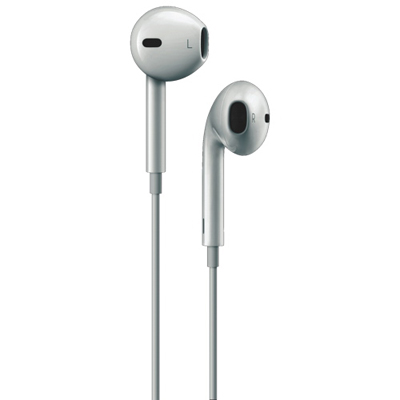 Your price for this item is $25.99
-
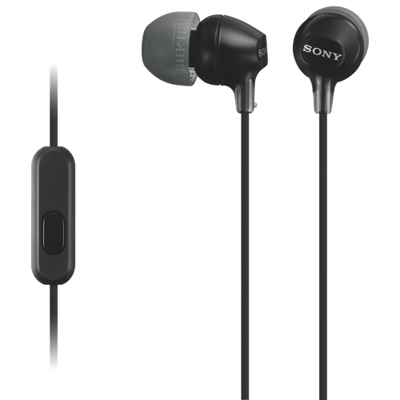 Your price for this item is $15.98
-
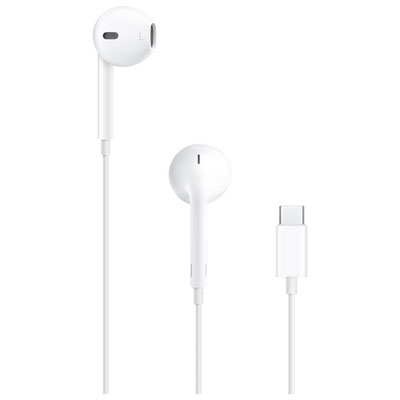 Your price for this item is $25.99
-
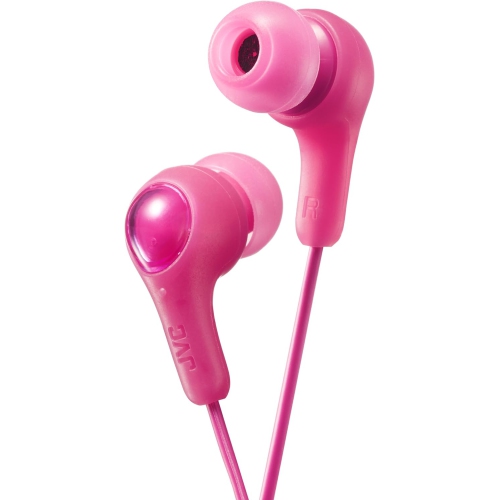 Your price for this item is $25.98
-
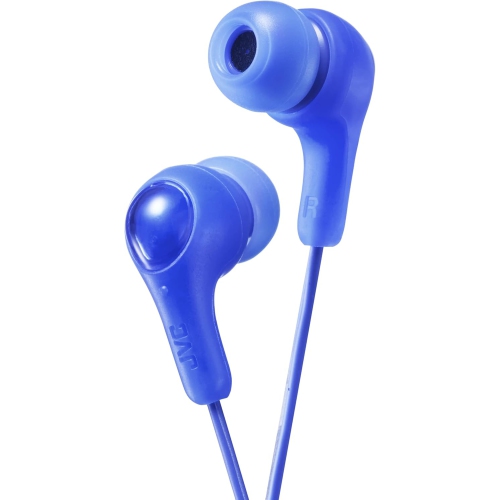 Your price for this item is $25.98
-
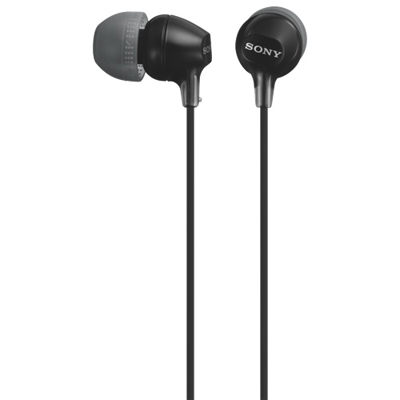 Your price for this item is $12.99
-
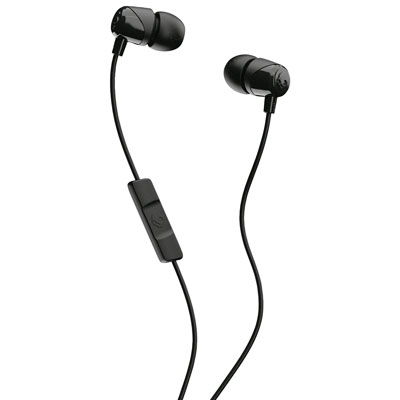 Your price for this item is $14.99
-
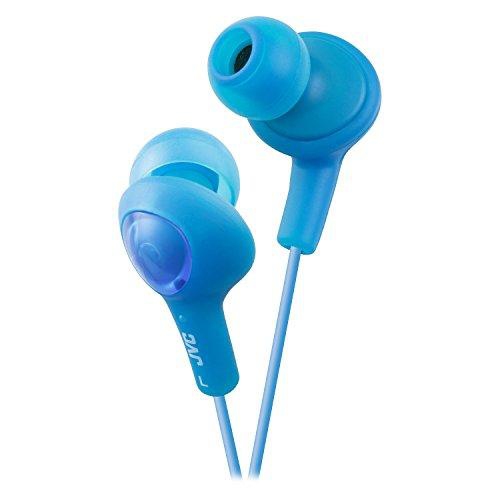 Your price for this item is $19.99
Discover more categories related to Plug Headphones
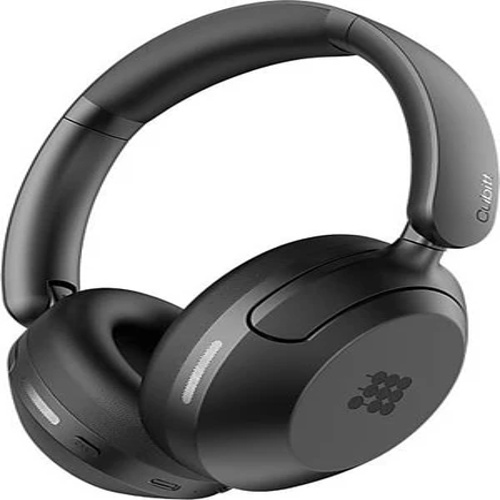

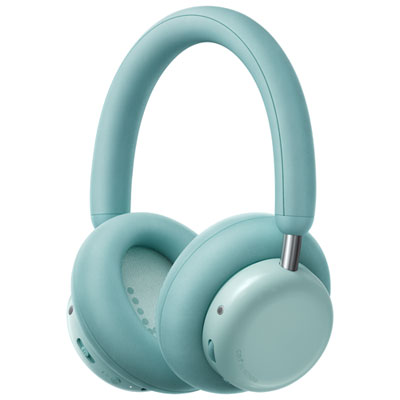
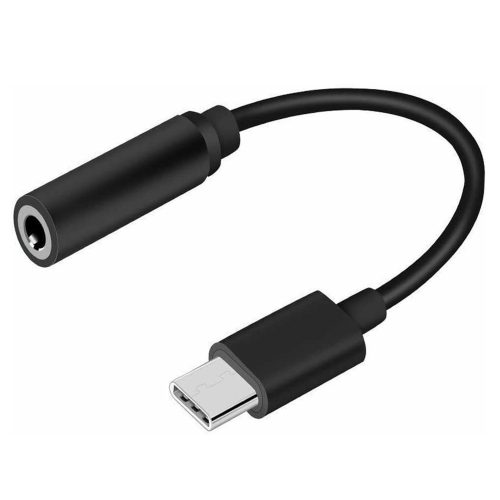
Top Collections:
Best Black Friday Deals This Year, Best Black Friday Deals On Electronics, Kindle Devices, Pokemon Centers, Best Black Friday Deals On Apple Products, Best Cameras for Sports Photography, Dyson Airwrap, Pokémon 30th Celebration Cards, Apple iPhone 17 Pro, Canon G7X Cameras
Some products may be subject to Environmental Handling Fees
(EHF) depending on your province.
Learn more about EHFs.