Wrap Headphones
Wrap Headphones offer a unique blend of comfort and convenience, making them an excellent choice for those who value both style and functionality. Perfect for travel, workouts, or daily use, these headphones are designed to fit securely while delivering quality audio. Explore a wide selection of Wrap Headphones to find the perfect match for your listening needs, whether you’re at home, on the go, or at the gym. Discover options that complement your lifestyle and enhance your music experience.
Sort
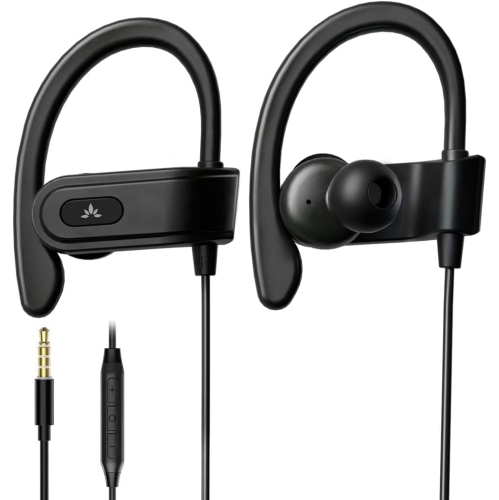
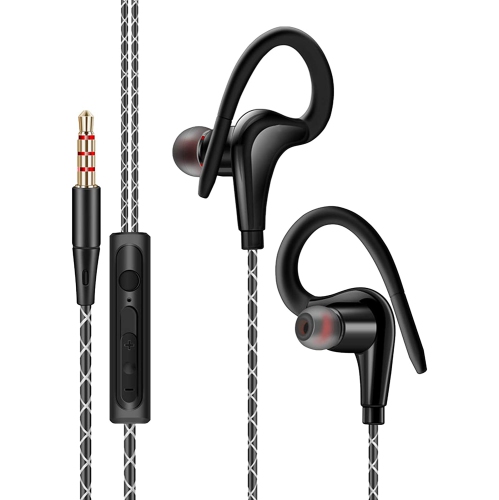


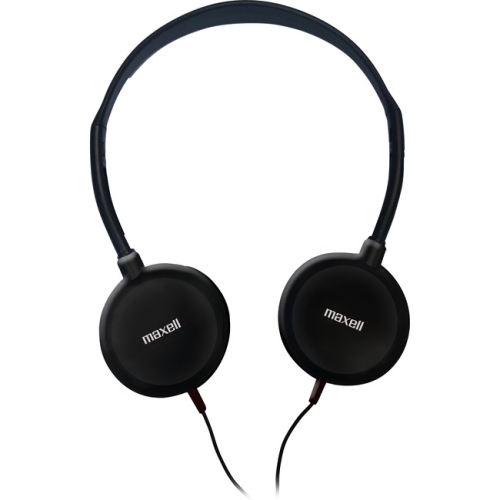
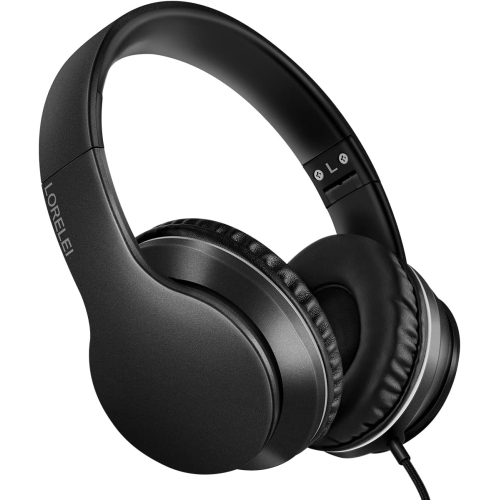
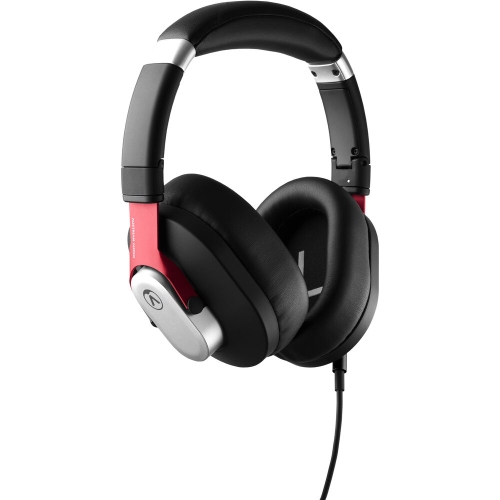
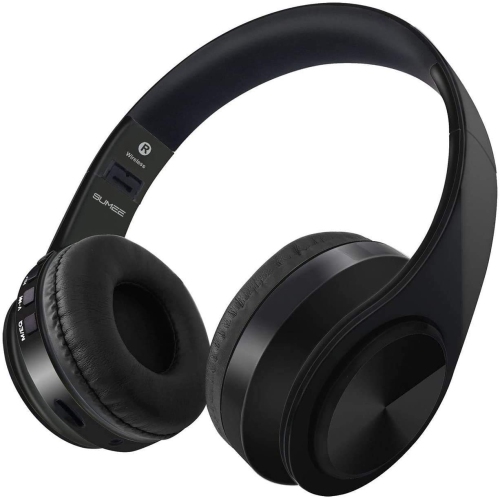
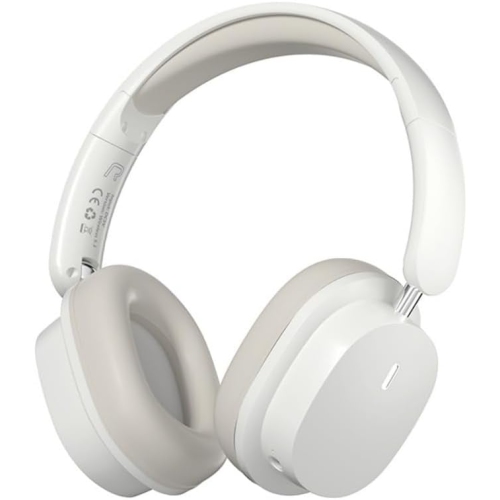
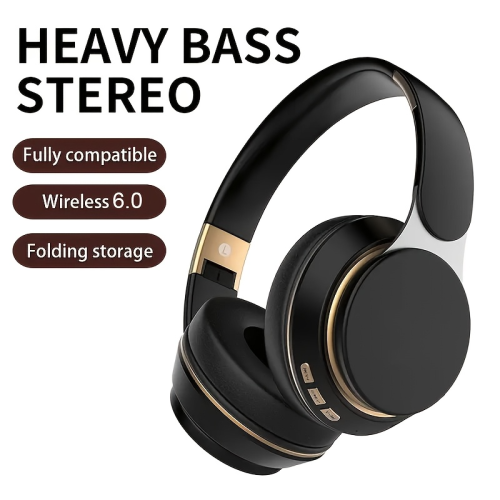

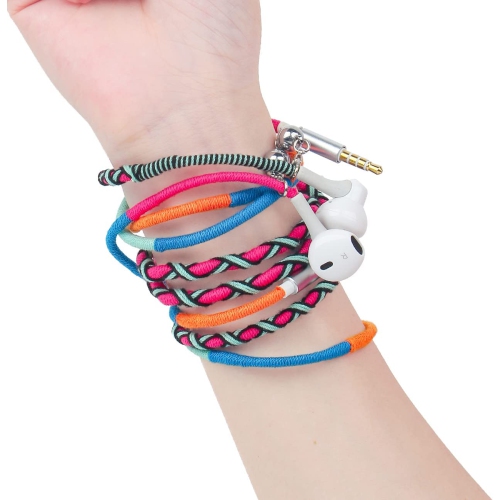
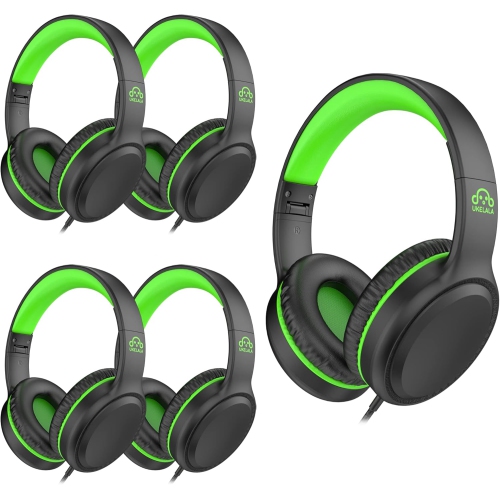
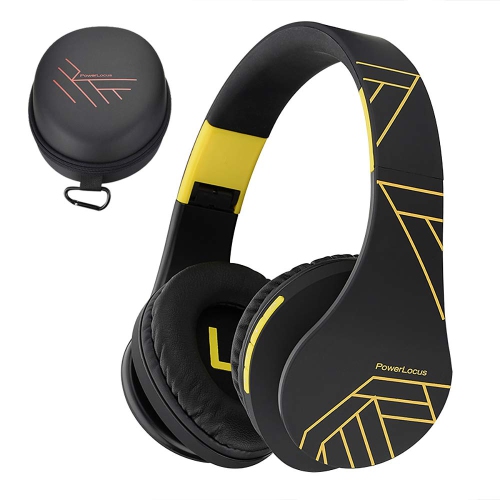
A wraparound fit is different from a wrapped cable
Wrap headphones can describe wired earphones whose cable wraps neatly for storage or wrist wear, as well as headphones with hooks or a band that curves around the ears or the back of the head. These designs address different everyday needs: keeping a cable manageable, helping earpieces stay in position, or moving the connecting band away from the top of the head. In bracelet-style designs, the earphones and cable fasten together when not in use, turning a loose cord into something easier to carry between listening sessions. Ear-hook designs instead follow the curve behind each ear, adding support during movement. Behind-the-head styles connect the earpieces with a band that sits near the neck rather than across the crown. The term can also appear in discussions of hand-wrapped headphone cords, but a decorative thread covering is different from a purpose-built fastening system or supportive wraparound shape. For everyday listening, the distinction matters more than the name. Someone taking earphones out of a work bag several times a day may appreciate an easily managed cable, while someone walking briskly or exercising may prefer a fit that needs less readjustment. Comfort depends on where the design makes contact with the body. Soft ear tips, rounded hooks and a flexible band can distribute pressure differently, and a secure fit should not require pinching or a tight pull. Glasses, earrings and hearing devices can share the same space around the ear, making the thickness and position of an ear hook especially relevant. A rear band also needs enough clearance to remain comfortable against a chair’s headrest or when the listener turns their head. For in-ear versions, interchangeable tip sizes can help accommodate different ears; it is normal for one ear to need a different size from the other. The most useful wrap design is one that suits both the listening routine and the way the headphones are carried afterwards, whether that means slipping them into a small pouch or securing a purpose-built cable closure around the wrist.
Sound and connectivity vary across wrap headphones, so the shape alone does not indicate how they will perform. An in-ear design with a well-fitting tip creates a physical seal that can reduce some outside noise and support fuller bass. An open-ear design leaves the ear canal unsealed, which some listeners find more comfortable for extended wear, although surrounding sound can make quieter details harder to hear. Ear hooks do not automatically mean open-ear listening: they can support either sealed earbuds or earpieces that sit outside the canal. Similarly, a wraparound band does not establish whether a design includes active noise cancellation, a microphone or wireless connectivity. Those are separate features. The broader Sound Headphones category provides another starting point for comparing listening styles beyond the wrap format. For speech-heavy listening, clear voices and comfortable volume levels may matter more than strong bass; for music, a balanced presentation can help vocals and instruments remain distinct. Fit plays a part in both, since an unstable seal can change the sound whenever an earpiece shifts. Wired versions may use a 3.5 mm plug or a USB-C connection, with compatibility depending on the device and its support for audio through that connection. An adapter may be needed when the headphone plug and device port differ, and a matching connector does not always guarantee full microphone or control functionality. Wireless versions remove the cable to the phone but introduce battery life, charging and pairing considerations. A short connecting cable or rear band may still be part of the design. For calls, microphone placement and performance around background noise are important, especially when listening overlaps with work or travel. Accessible buttons can make pausing audio simpler than reaching for a phone, while clearly separated controls are easier to identify by touch. Whatever the format, a secure fit is not a reason to raise the volume excessively, and open ears do not remove the need to stay attentive around traffic or shared spaces.
Materials and construction influence how wrap headphones feel after repeated use and how well they handle everyday carrying. Flexible plastics and silicone are often used where hooks or bands contact the skin, while fabric-covered or braided cables can offer a different feel from smooth cable jackets. A braided covering may help a cord slide less readily into tight tangles, but it does not make the cable immune to knots, abrasion or internal damage. Reinforcement where the cable enters the plug and earpieces is particularly useful because these points bend frequently. For wrist-wearable designs, the closure should hold the cable in its intended shape without sharply folding the wire or putting strain on the earpieces. A bracelet-style cable is best treated as an audio accessory rather than jewellery that can tolerate constant pulling. Smooth contact surfaces, replaceable ear tips and a protective pouch can all make day-to-day ownership more practical. Care is usually straightforward: a soft cloth removes surface marks, and removable tips can be cleaned according to their material and the manufacturer’s directions. Moisture should stay out of speaker openings, microphone ports and charging connections, and components should be fully dry before being reassembled or charged. Sweat resistance and water resistance depend on the stated rating; neither should be assumed from a sporty shape or rubberized finish. Loosely coiling a cable, using its intended closure and pulling a connector by the plug rather than the wire can reduce unnecessary stress. Between listening sessions, a case helps keep earpieces away from keys, loose grit and other objects in a bag. These details also matter when choosing wrap headphones as a gift. A regular podcast listener may value uncomplicated controls and comfortable ear tips, while someone who dislikes overhead bands may appreciate a behind-the-head fit. For a recipient who often misplaces small accessories, a wearable cable design may suit their routine. Device compatibility, preferred fit and ease of care make the gift more personal than appearance alone.
Top selling and popular products
-
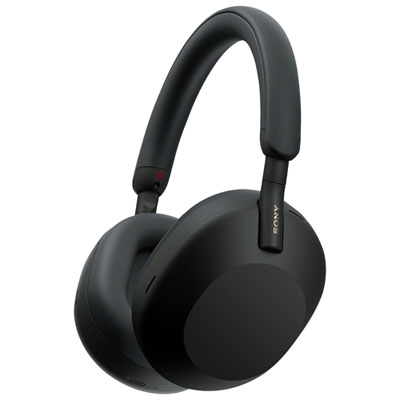 Your price for this item is $499.99
-
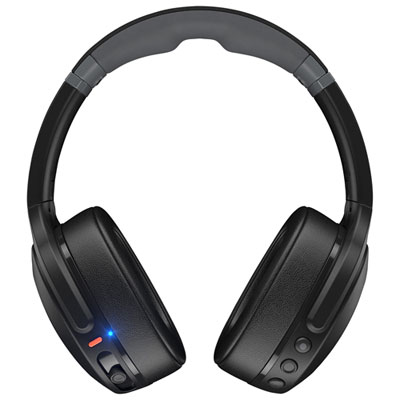 Your price for this item is $159.98
-
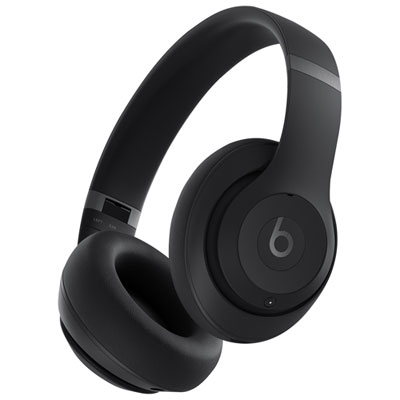 Your price for this item is $399.99
-
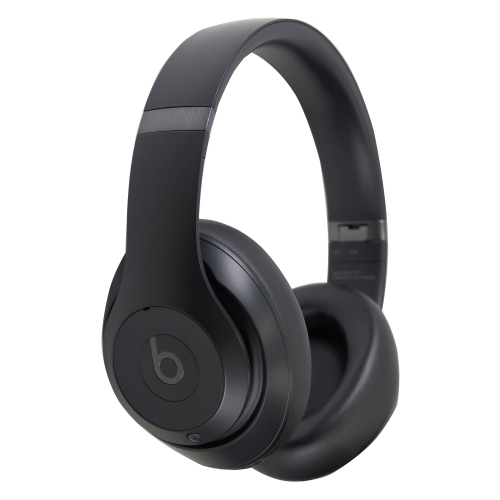 Your price for this item is $359
-
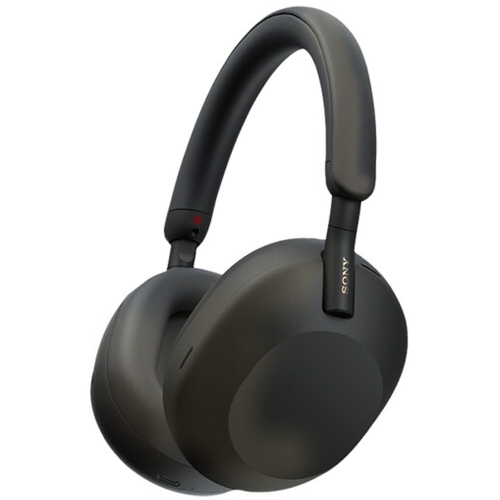 Your price for this item is $349
-
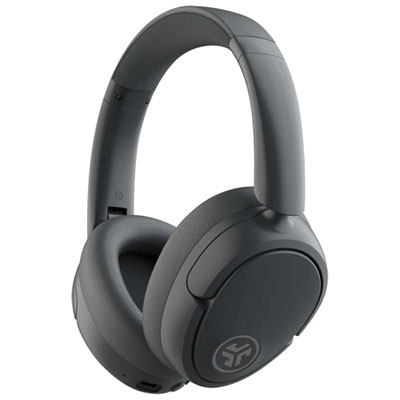 Your price for this item is $59.99
-
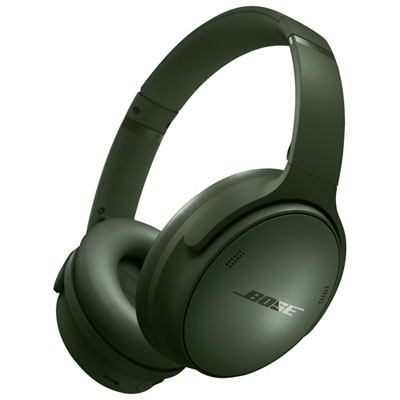 Your price for this item is $249
-
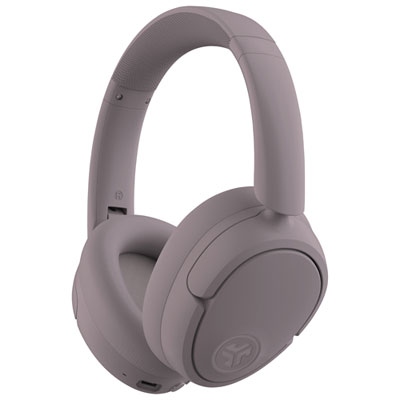 Your price for this item is $59.99
Discover more categories related to Wrap Headphones
Top Collections:
Best Black Friday Deals This Year, Best Black Friday Deals On Electronics, Kindle Devices, Pokemon Centers, Best Black Friday Deals On Apple Products, Best Cameras for Sports Photography, Dyson Airwrap, Pokémon 30th Celebration Cards, Apple iPhone 17 Pro, Canon G7X Cameras
Some products may be subject to Environmental Handling Fees
(EHF) depending on your province.
Learn more about EHFs.