Powered Speakers
Looking to enhance your audio experience with powerful sound and convenient features? Our selection of powered speakers offers a range of options to suit your needs, whether you're setting up a home entertainment system, upgrading your computer setup, or hosting a party. With advanced technology and sleek designs, these speakers deliver impressive sound quality and easy connectivity, making them a versatile addition to any space. Explore our collection of powered speakers to find the perfect match for your audio setup.
Sort


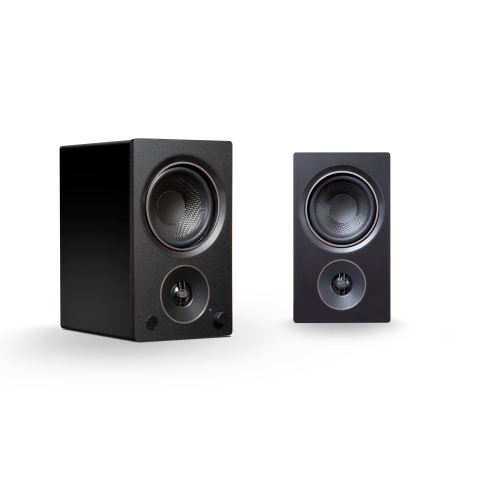
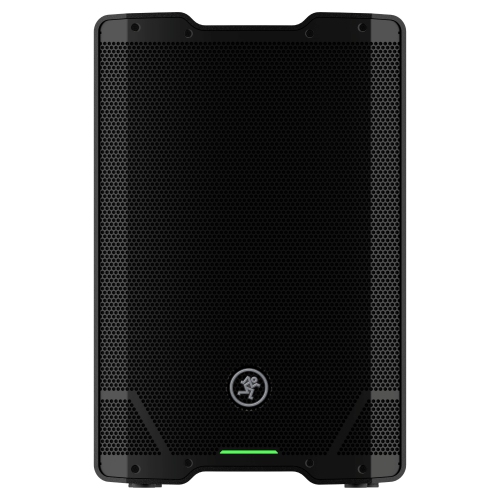
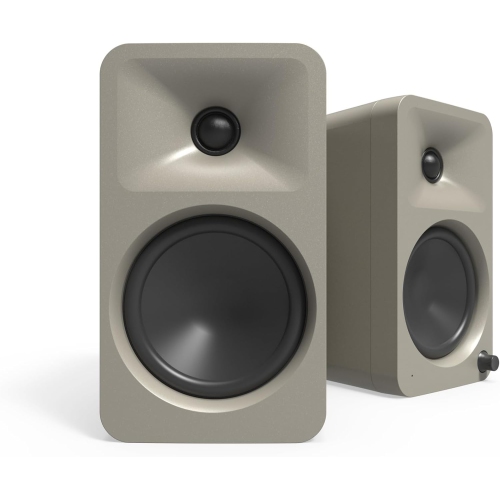
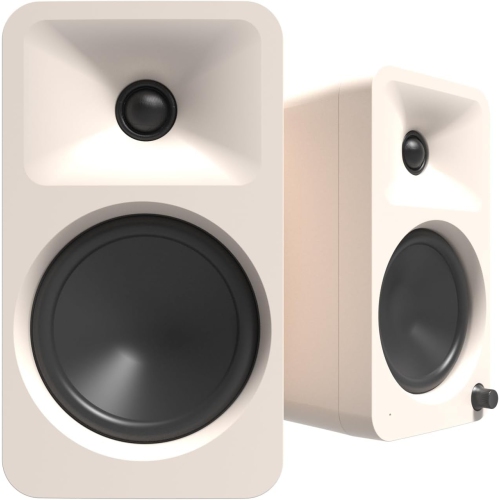
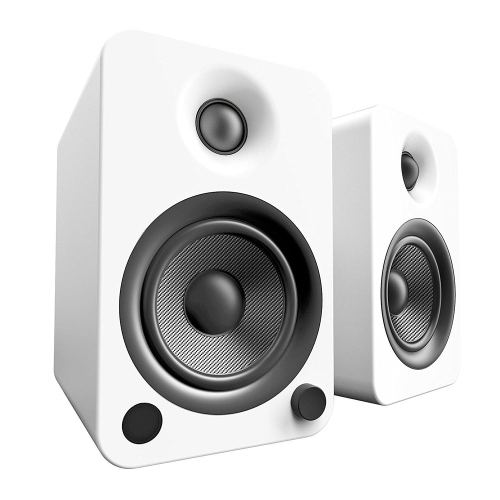
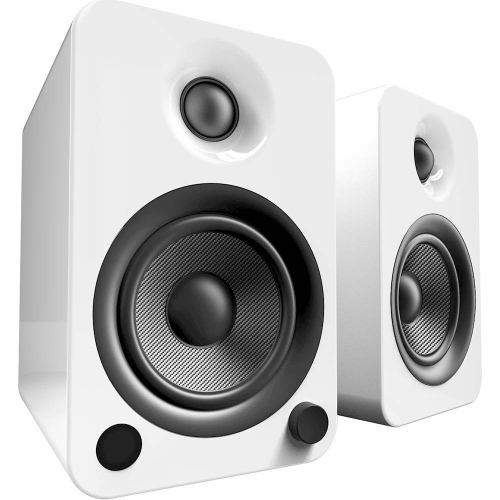
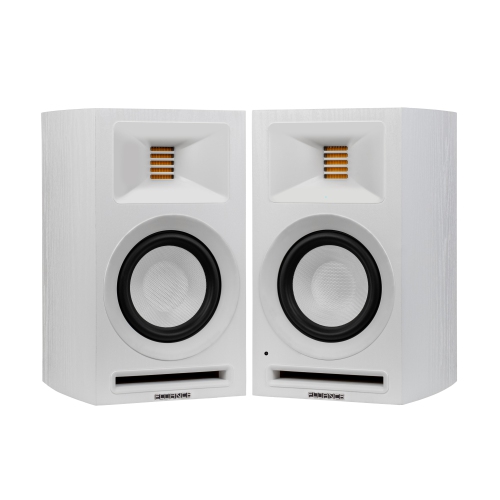
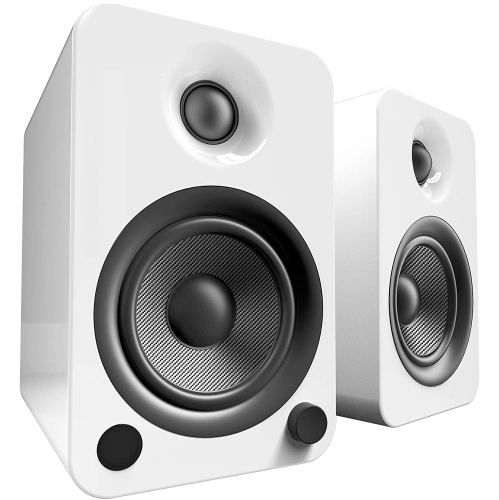
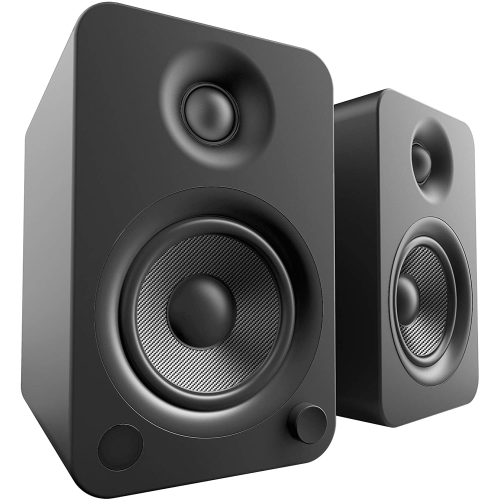
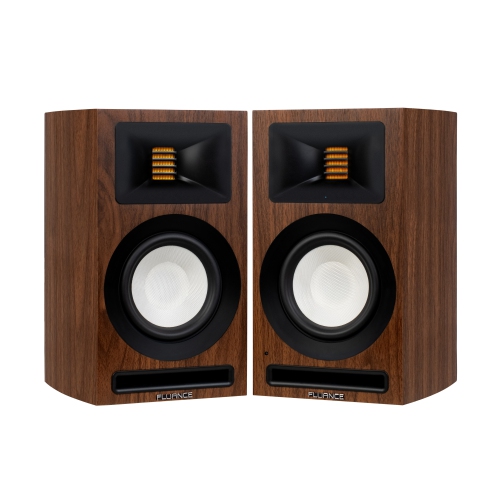
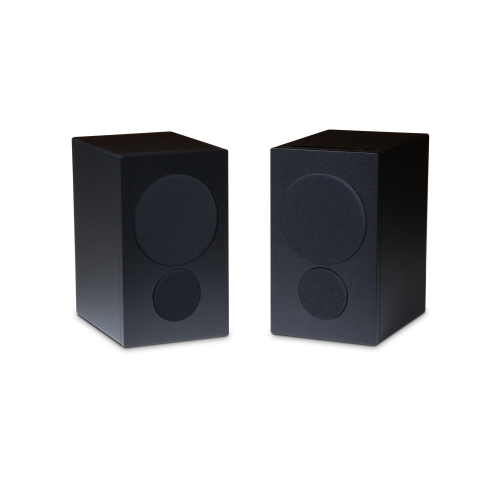
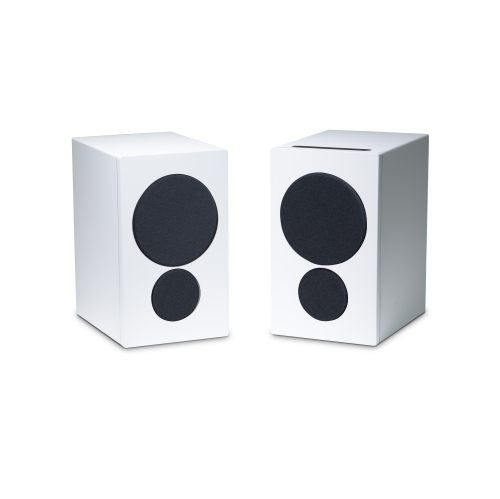
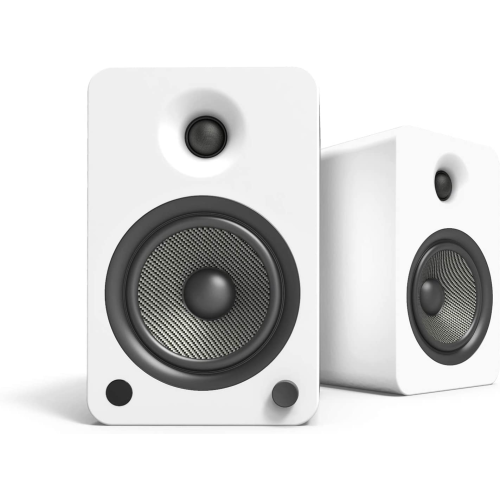
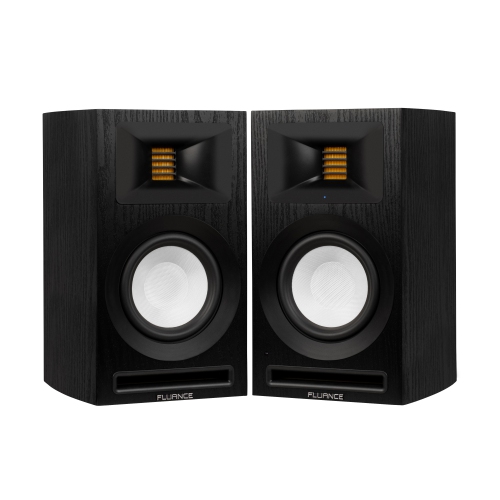
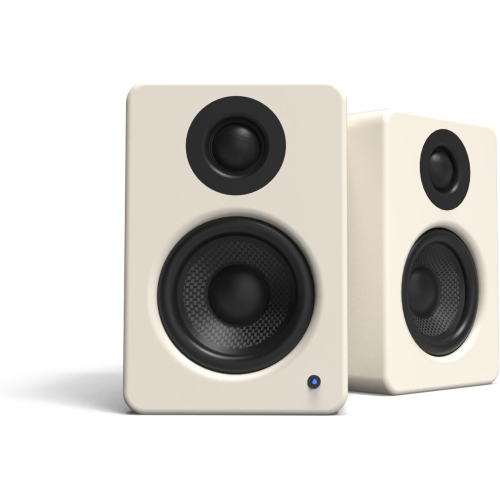
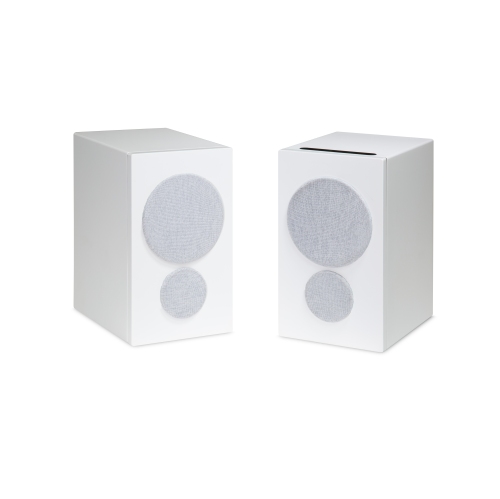
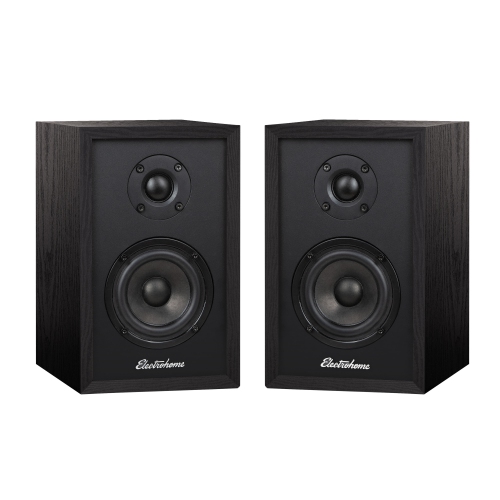
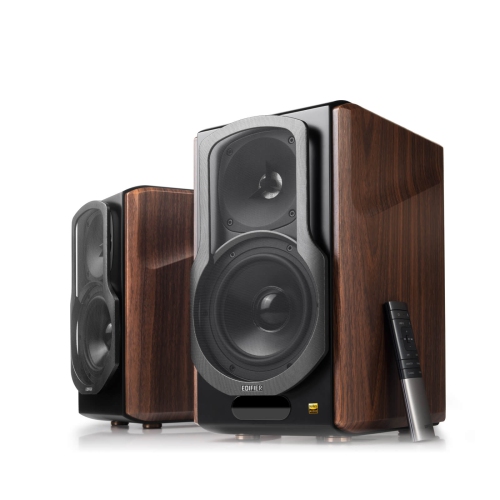
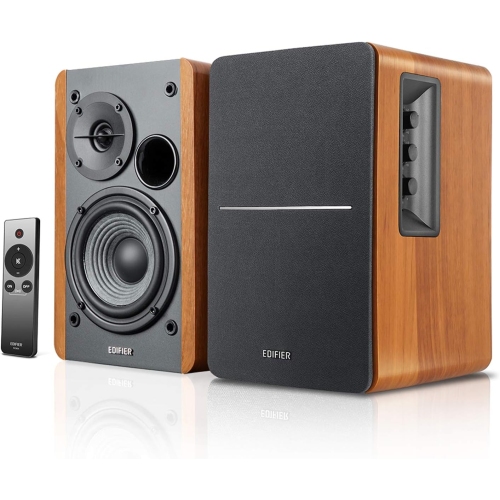
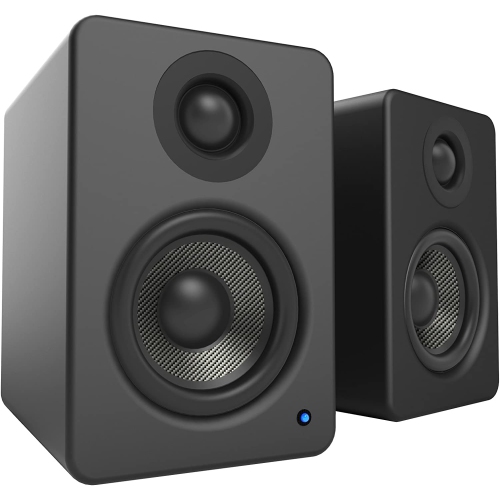
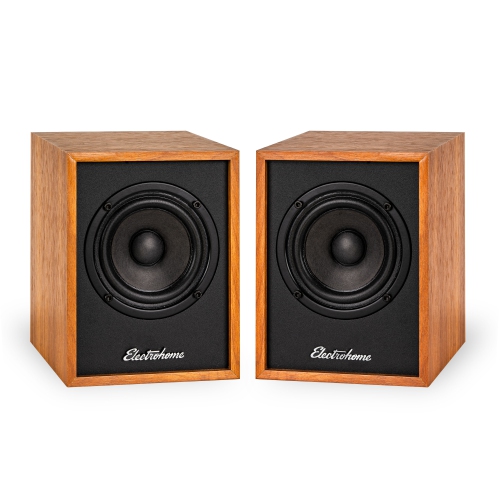
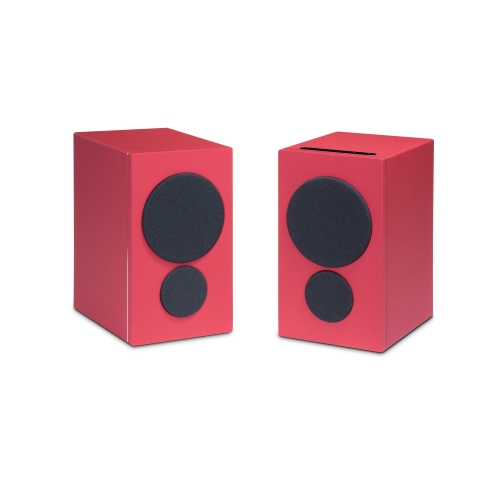
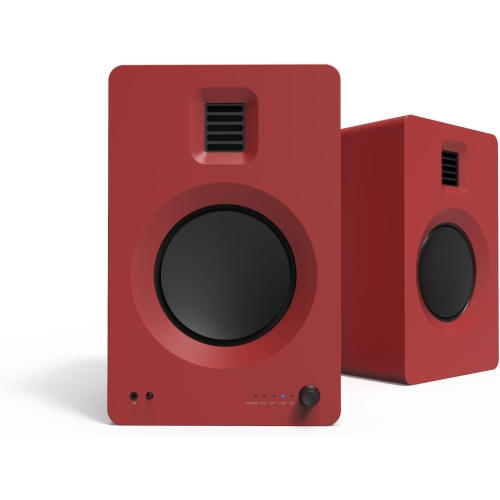
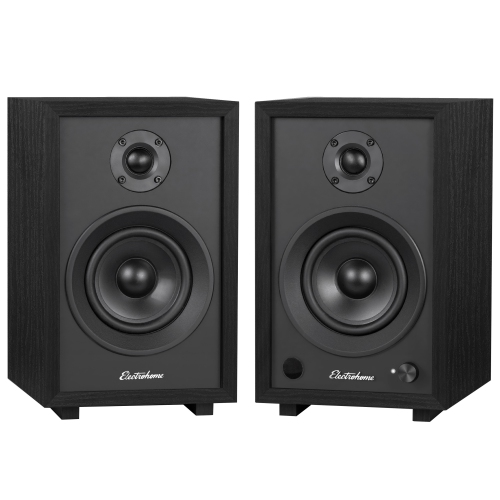
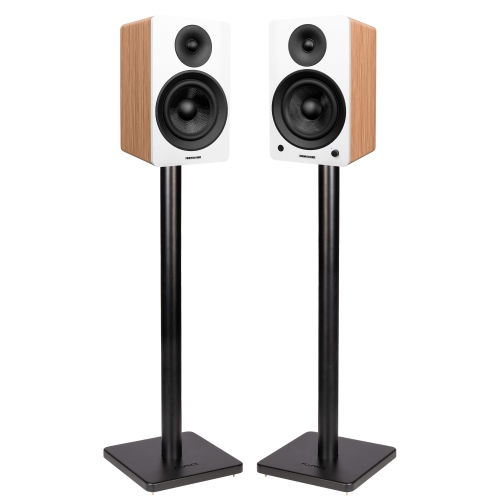
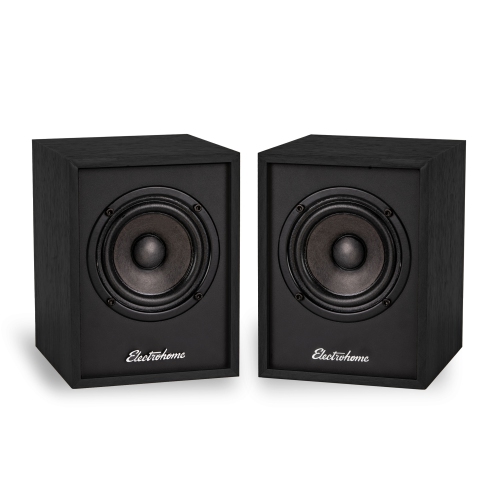
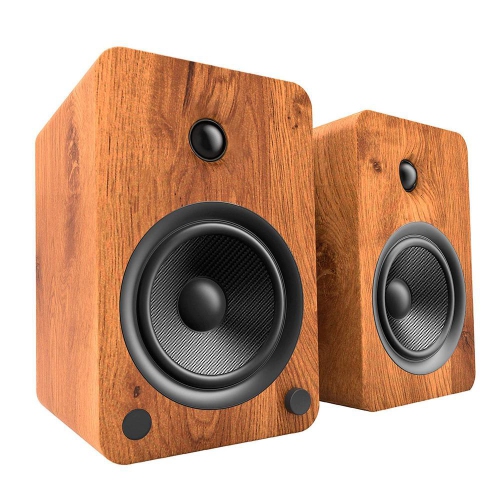

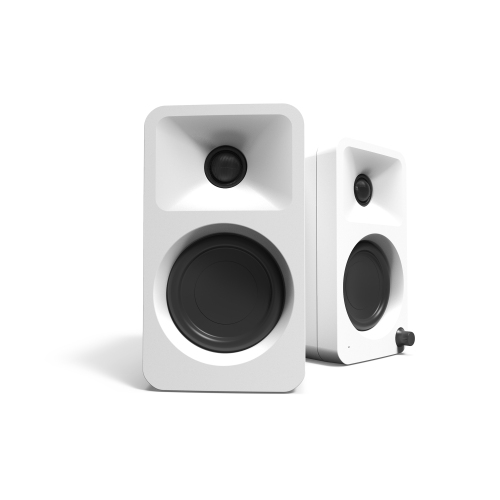
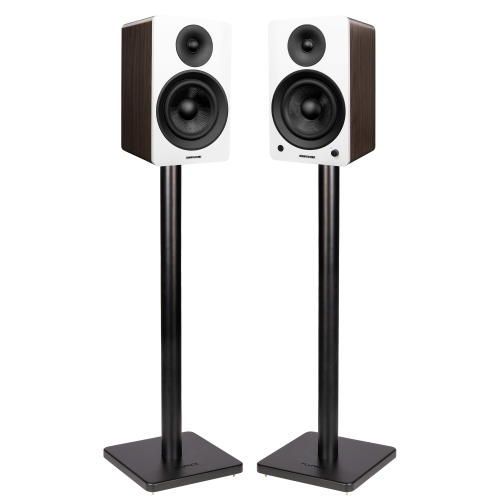

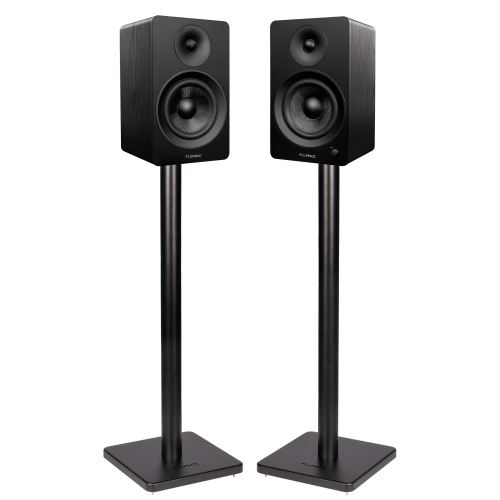
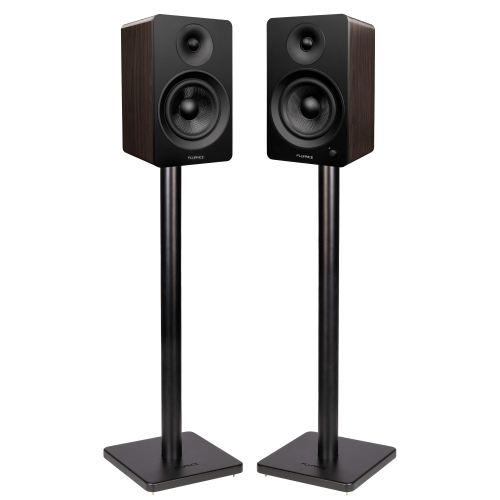
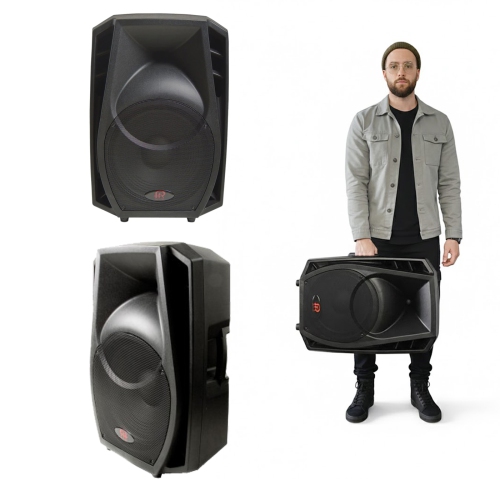
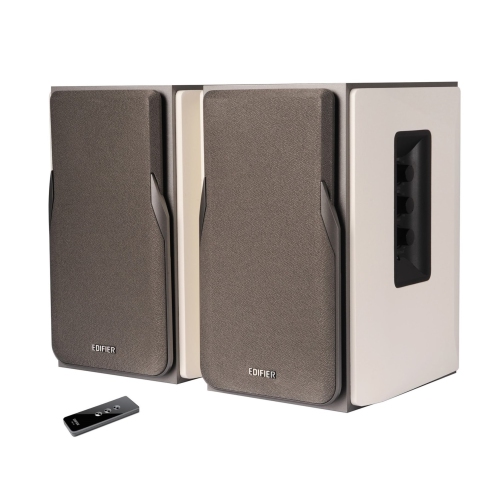
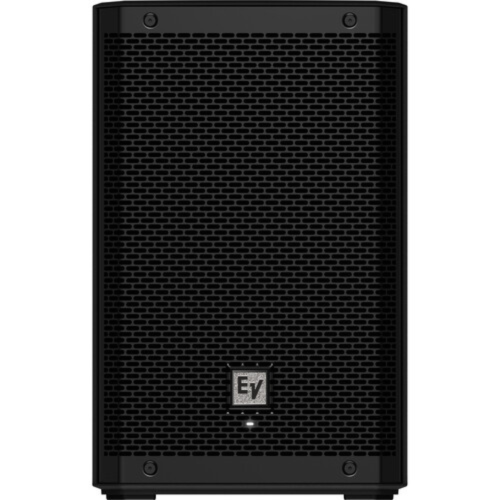
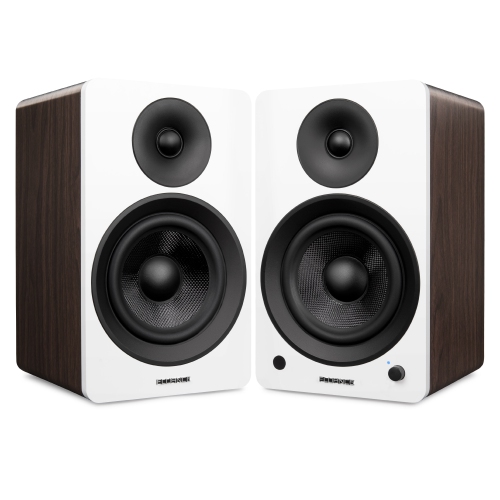
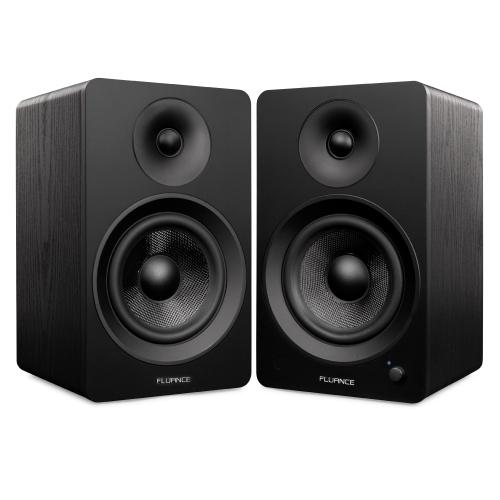
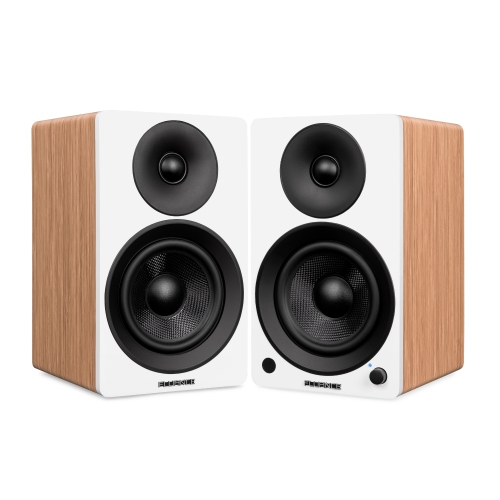
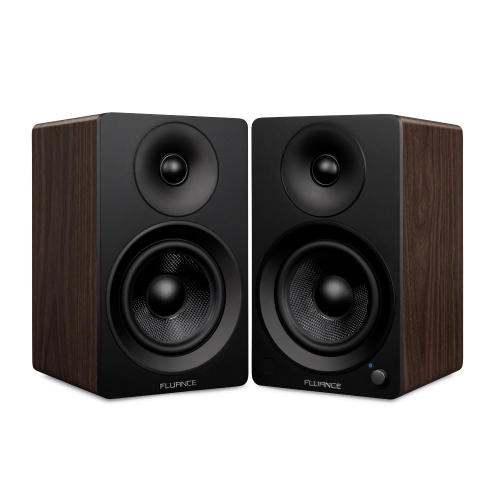
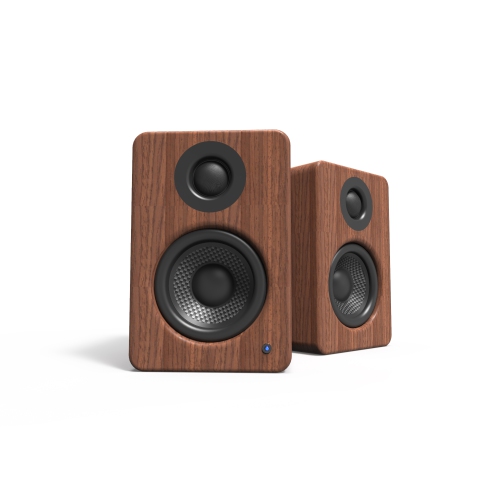
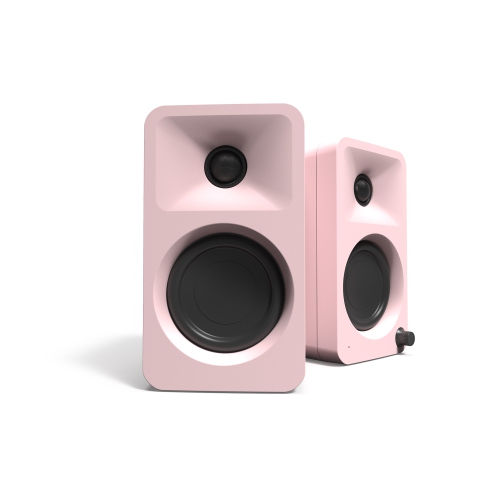
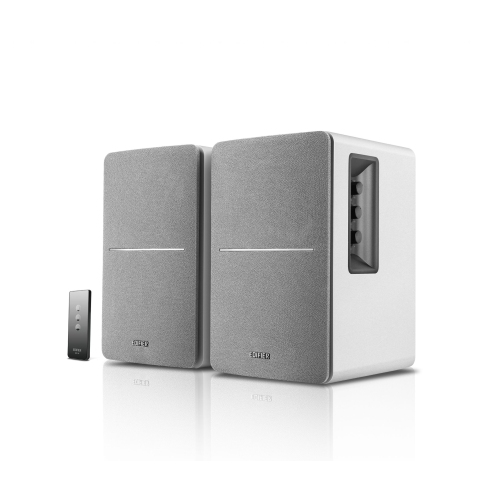
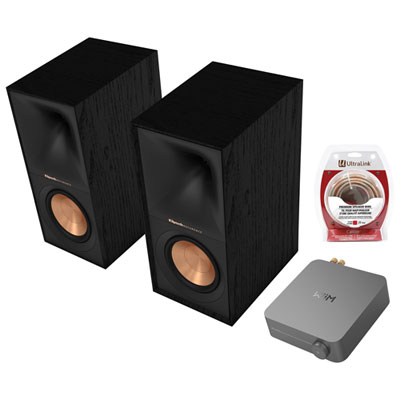
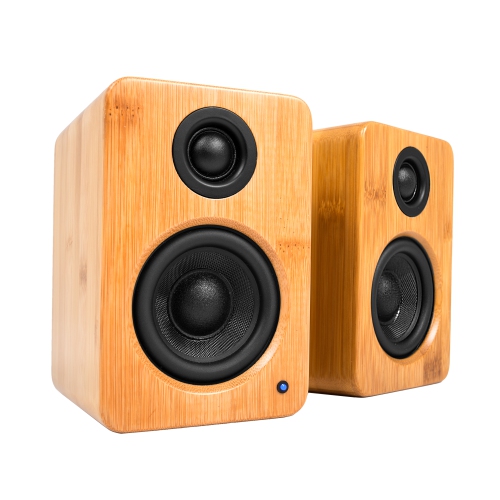
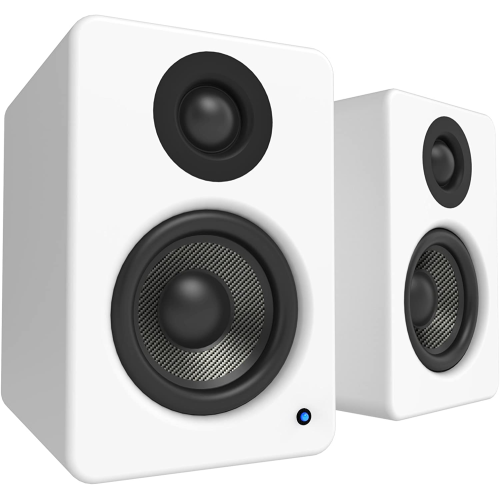
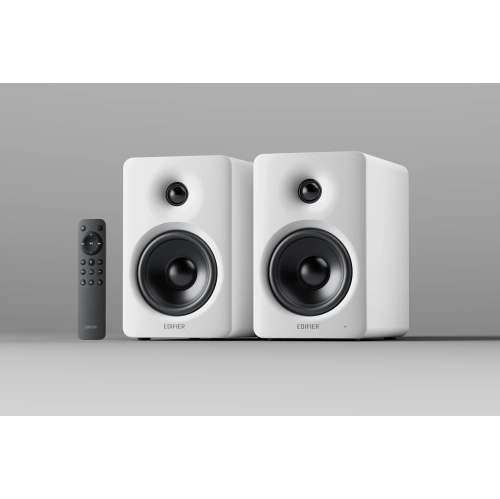
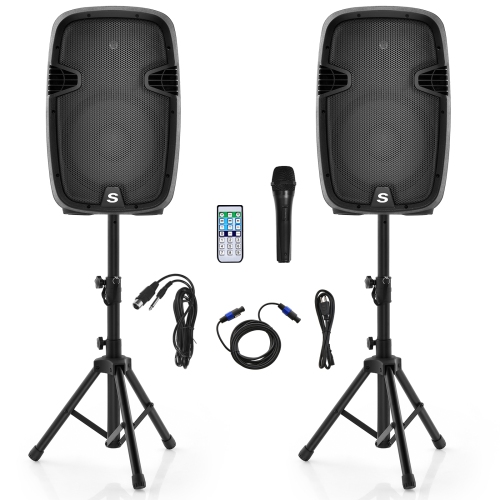
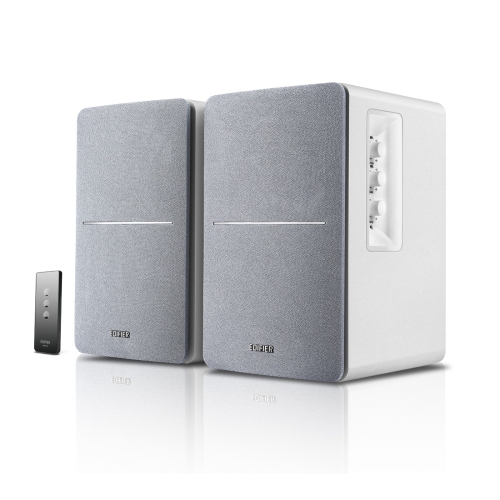
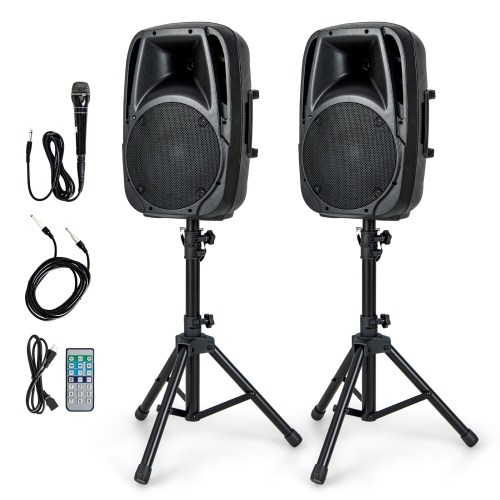
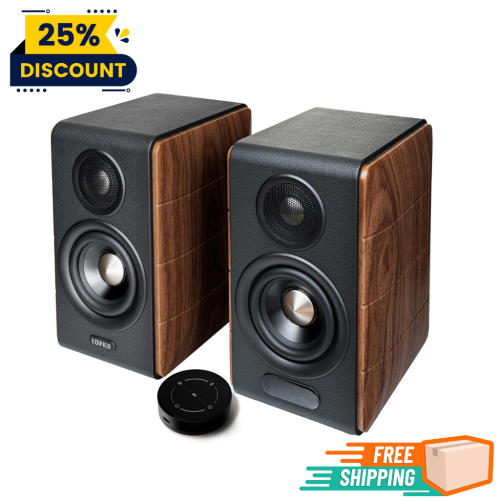
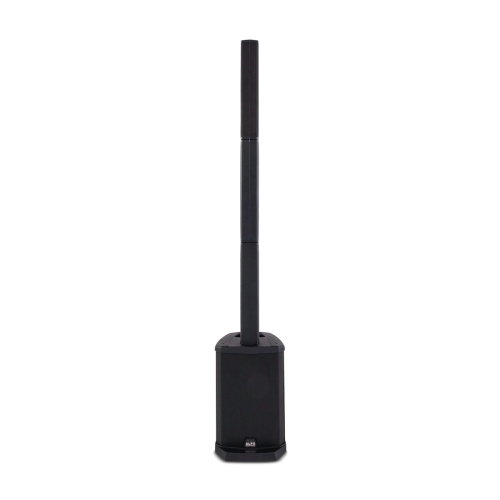
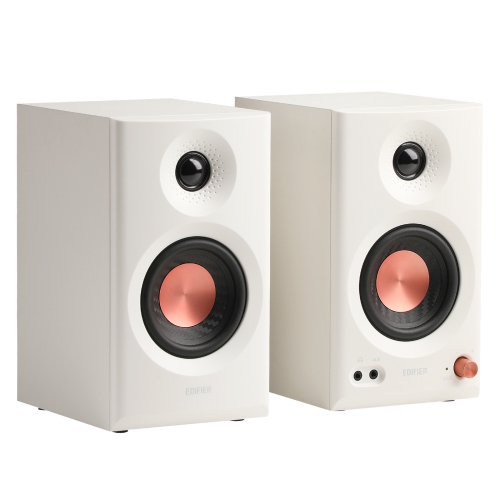
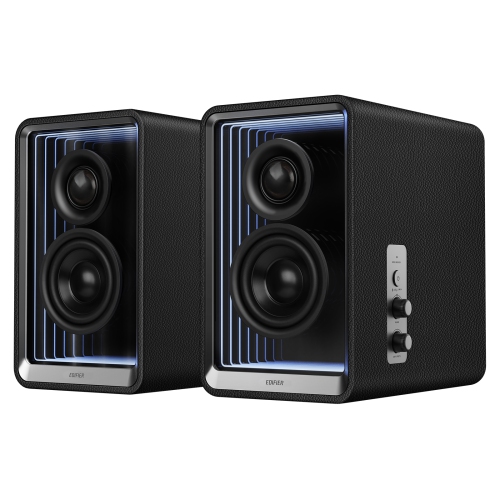
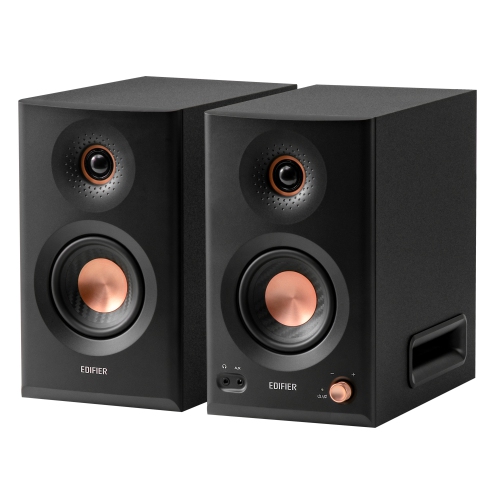
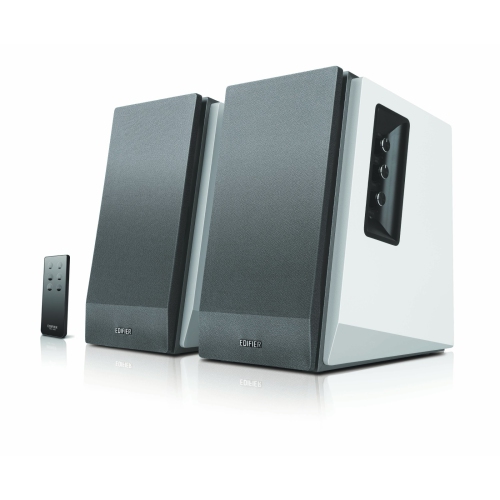
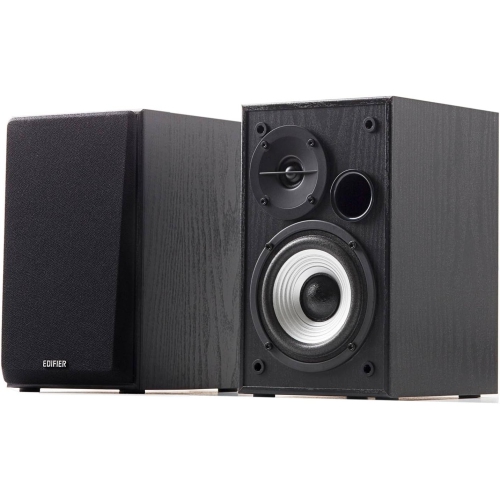
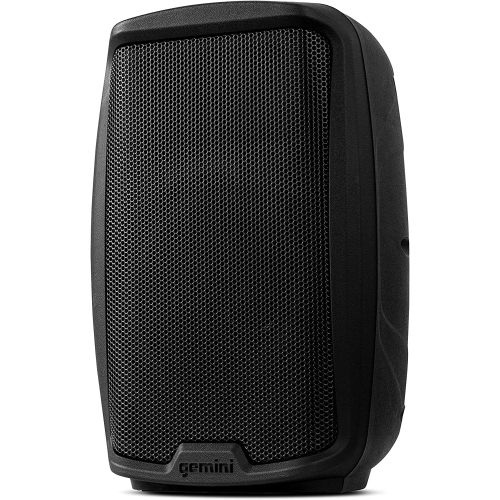
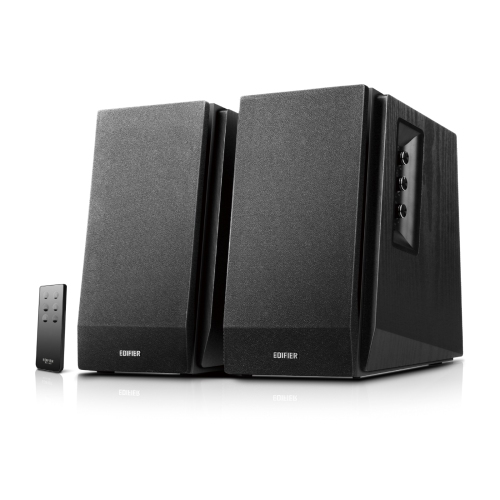
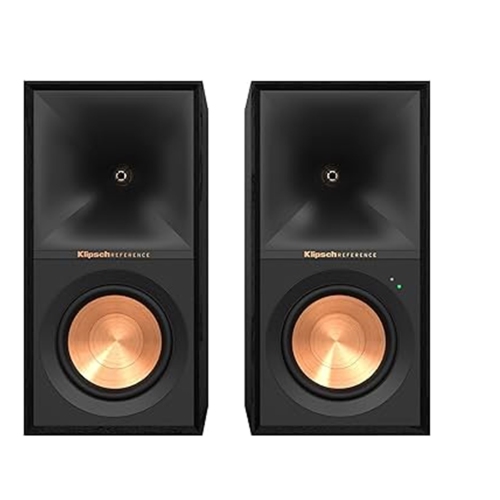
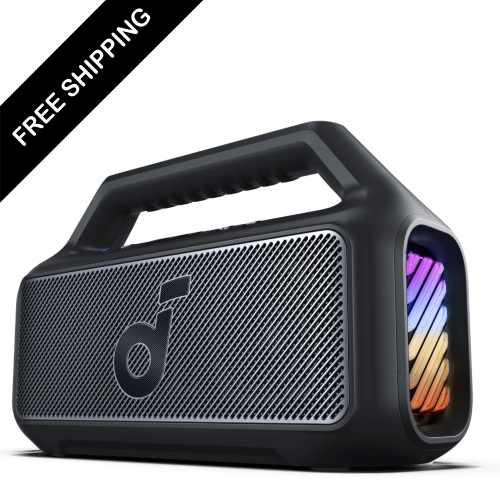
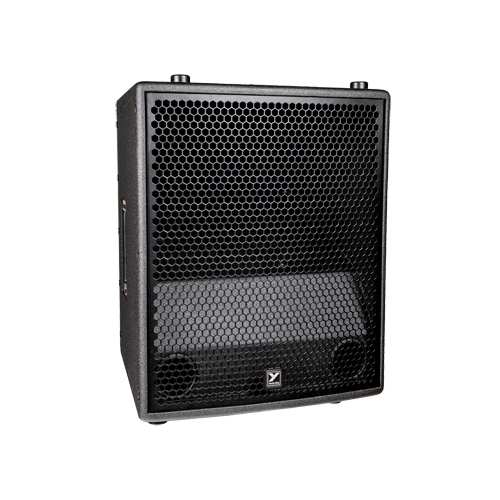
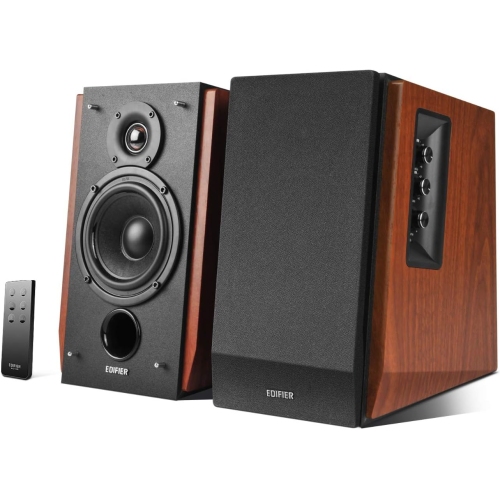
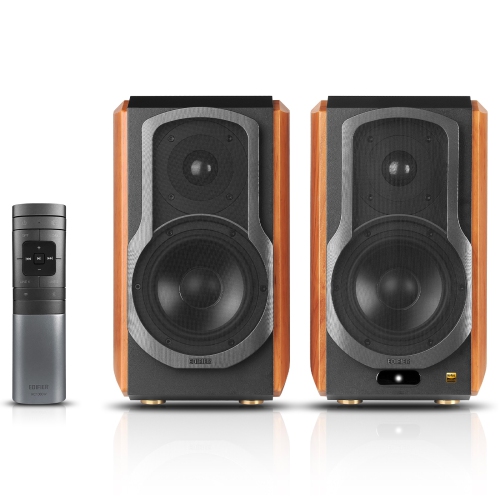
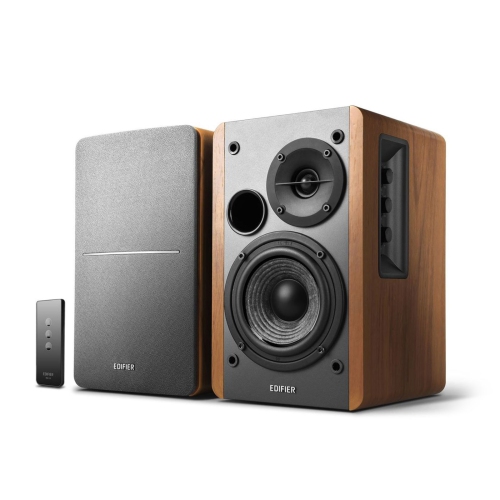
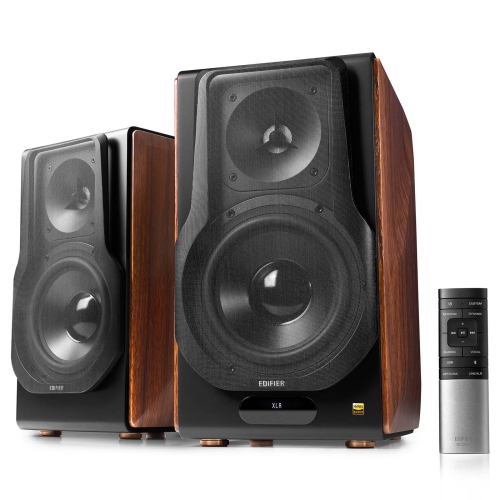
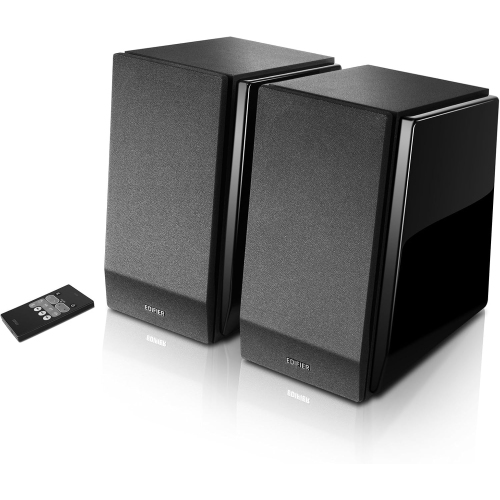
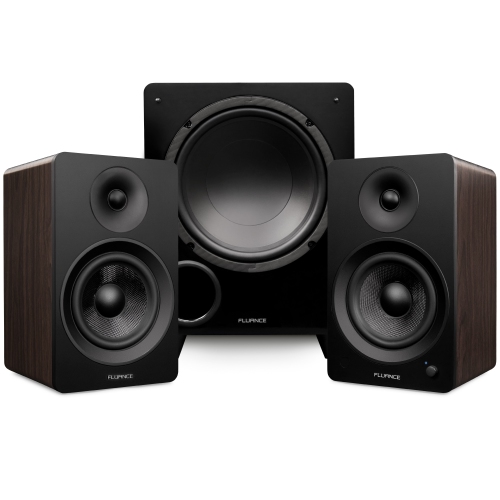
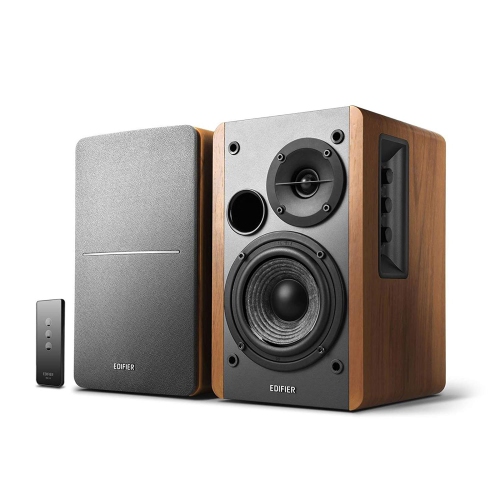
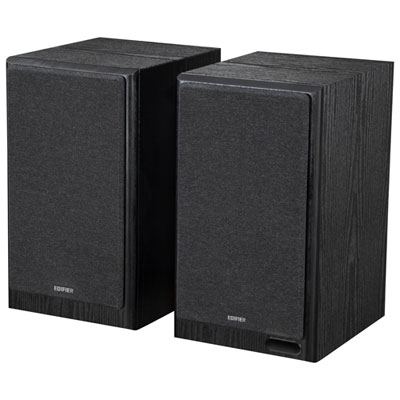

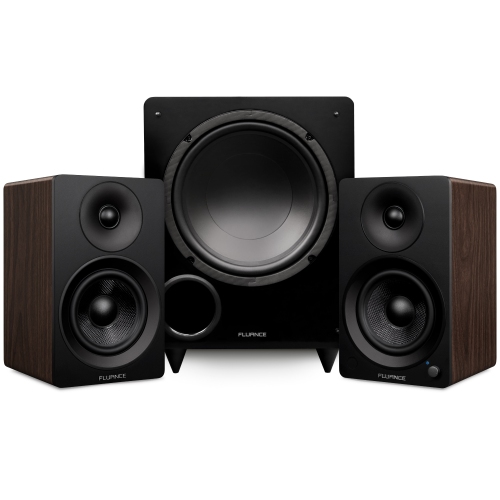
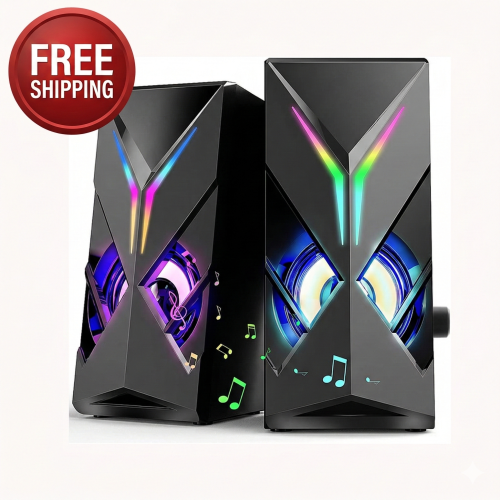
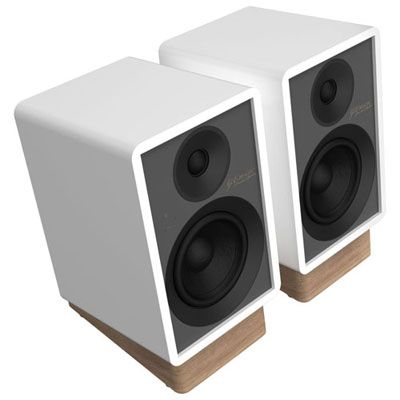
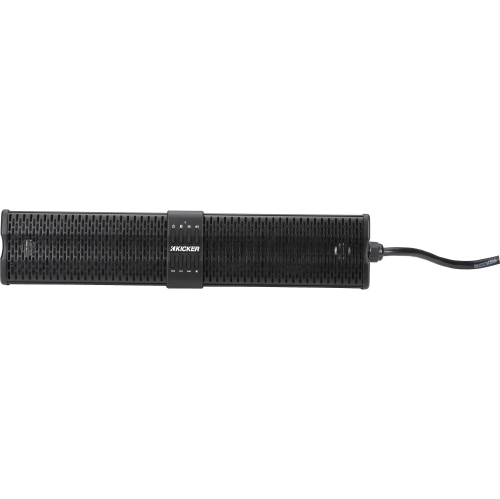

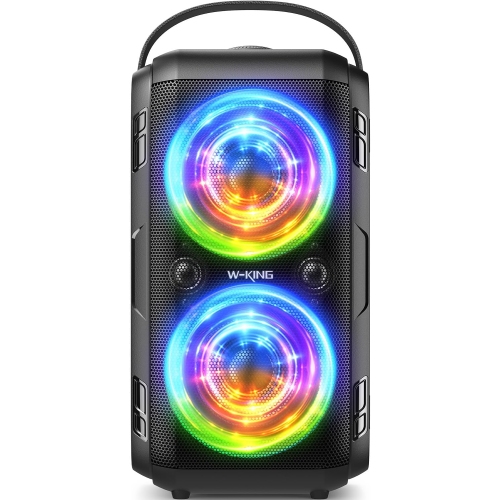
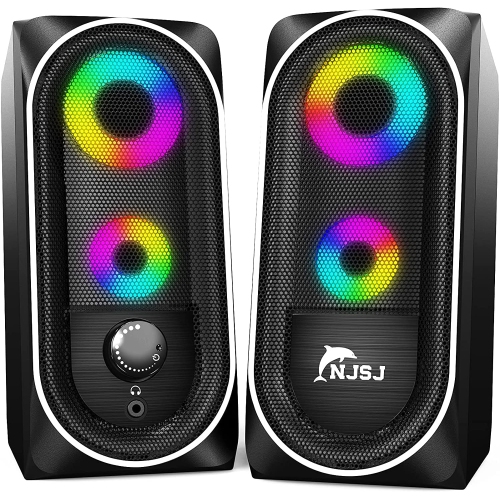

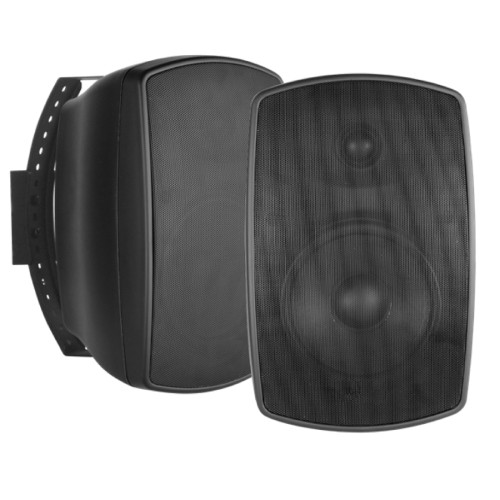
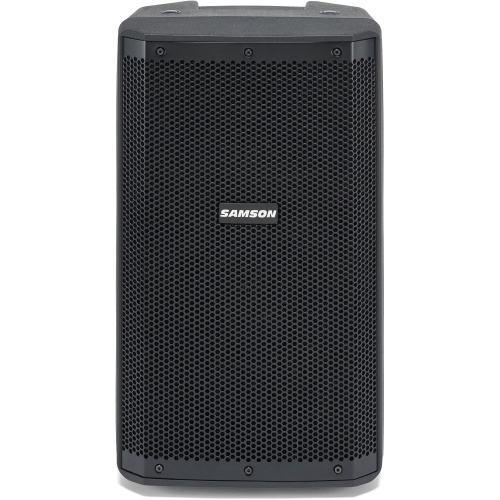
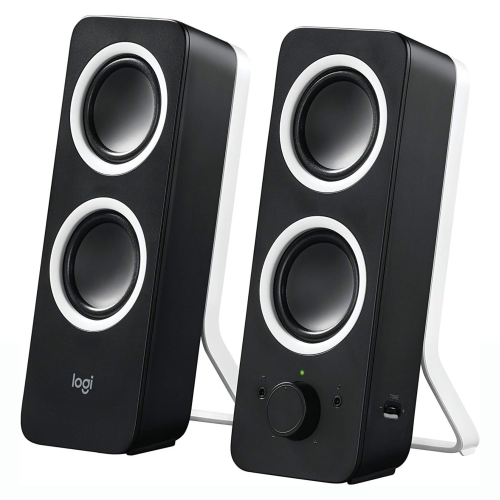
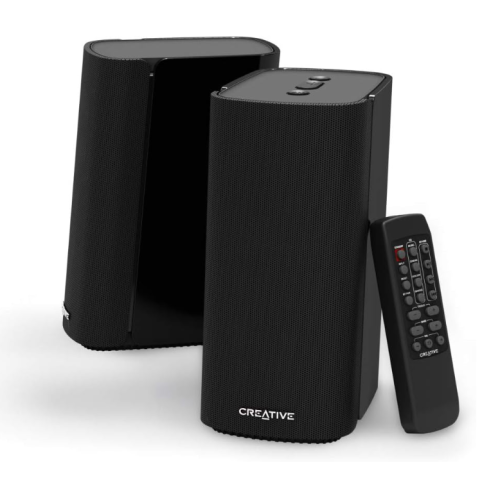
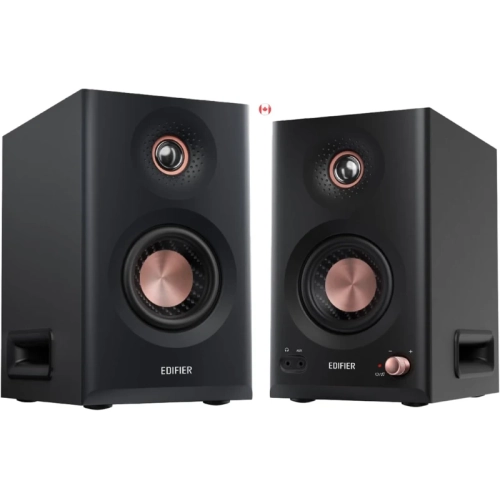
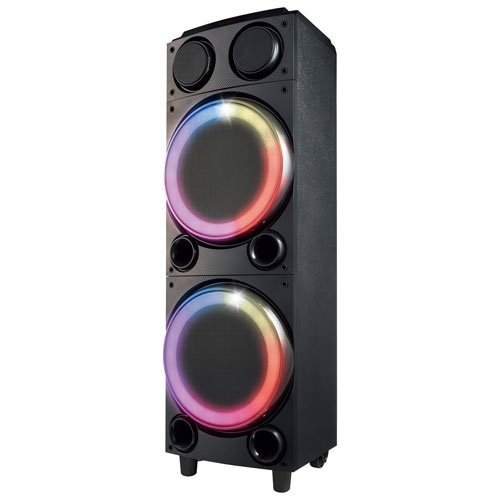
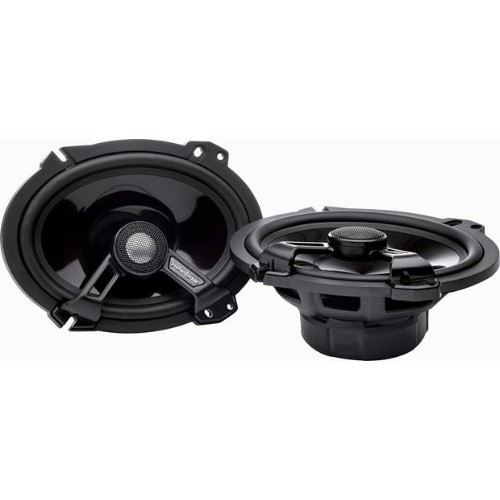
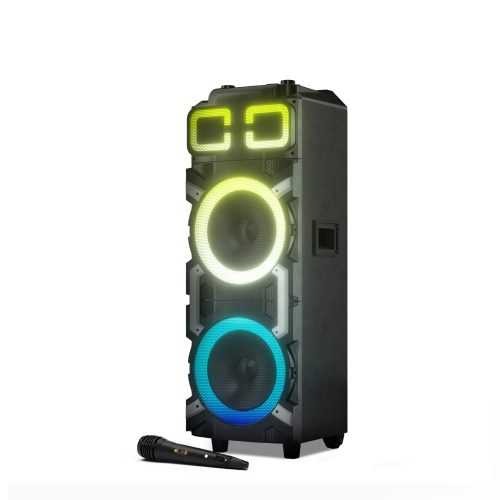
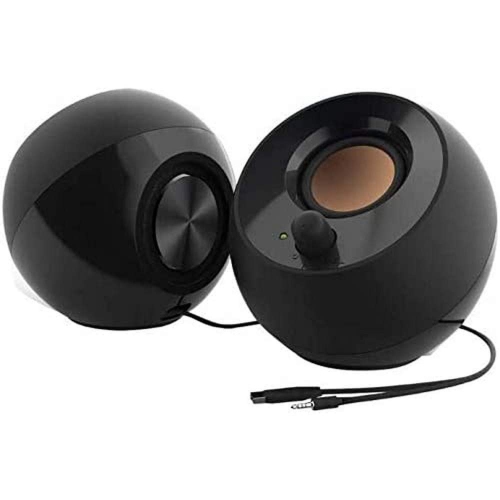
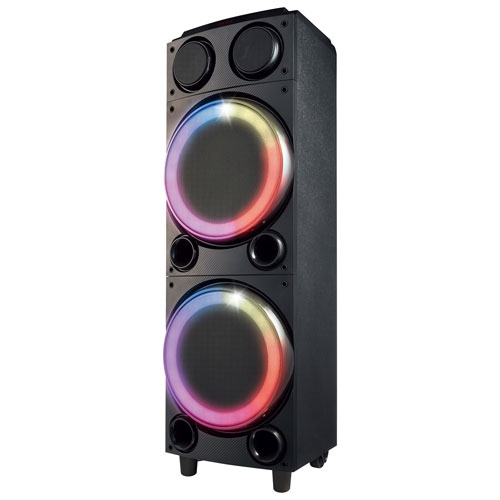
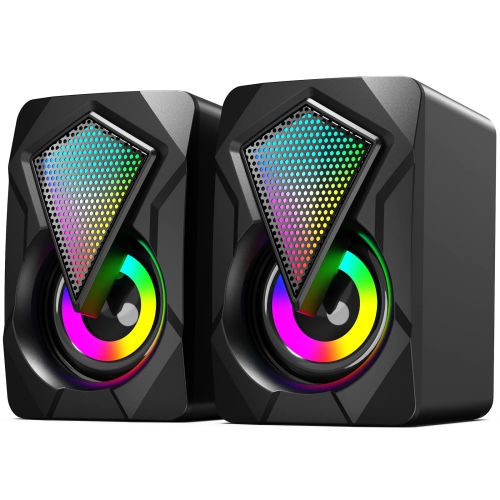
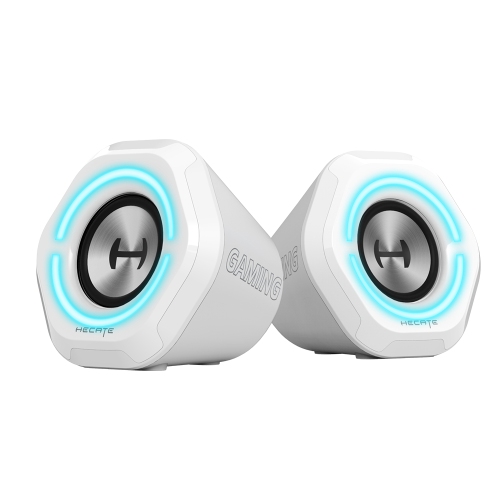
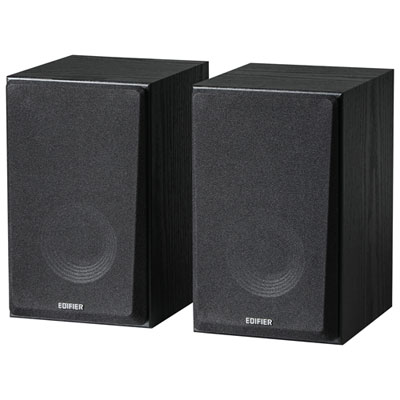
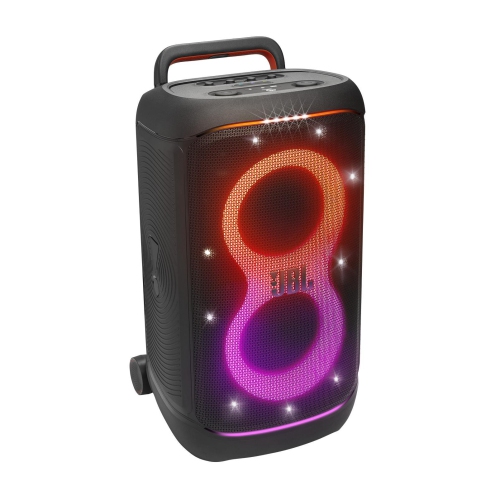
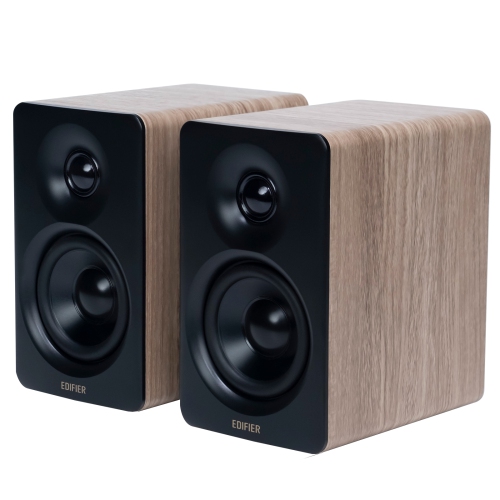
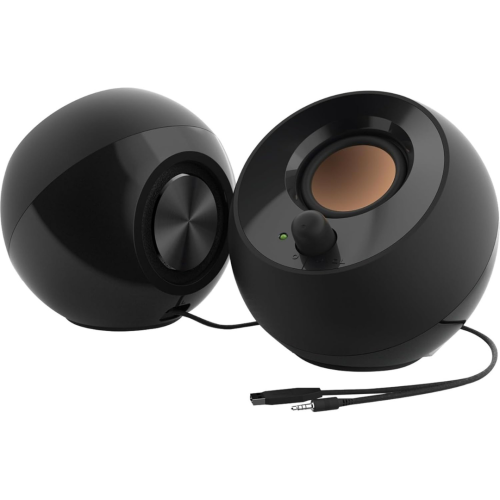
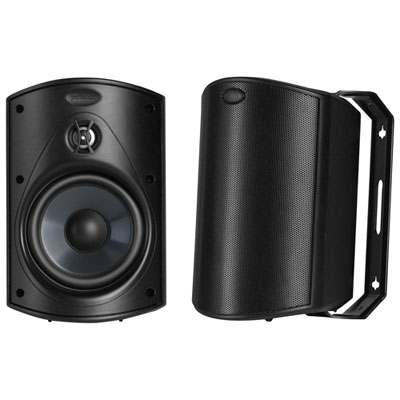
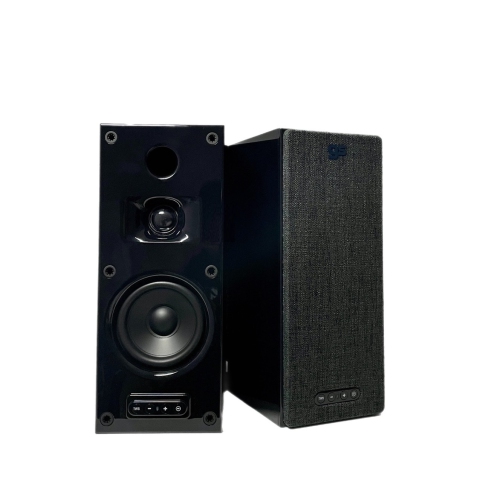
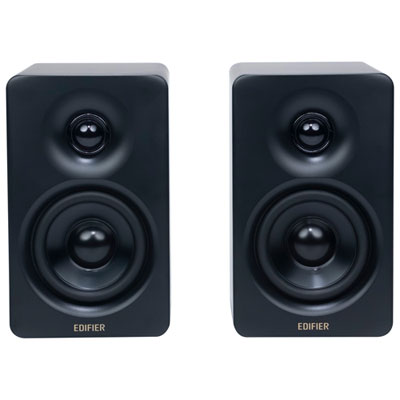
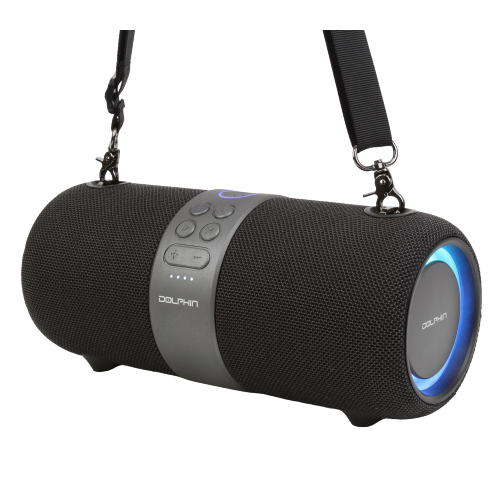
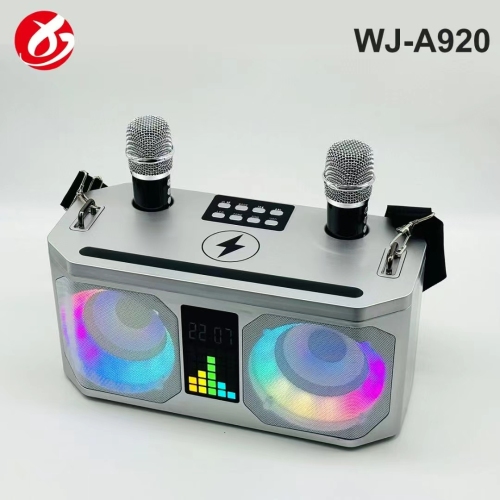
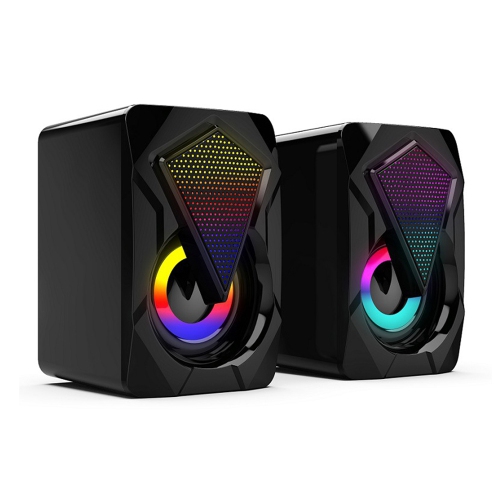
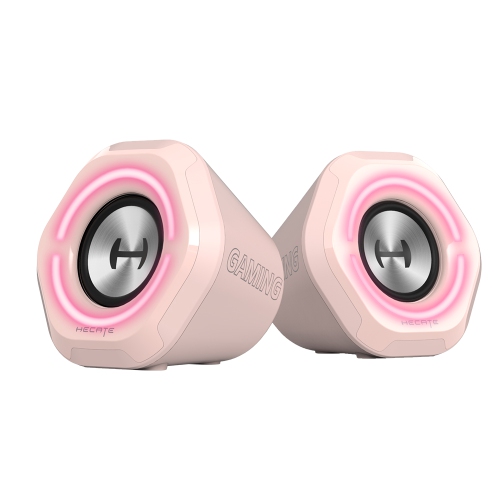
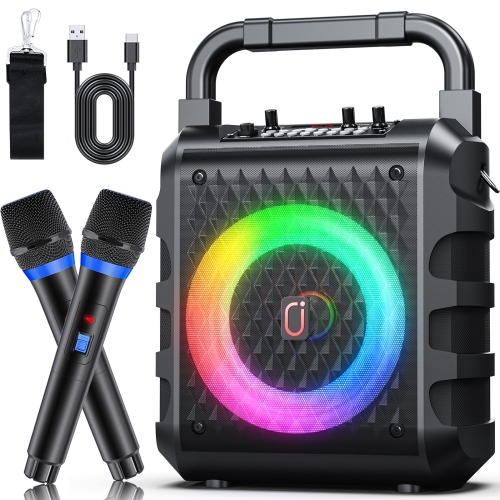
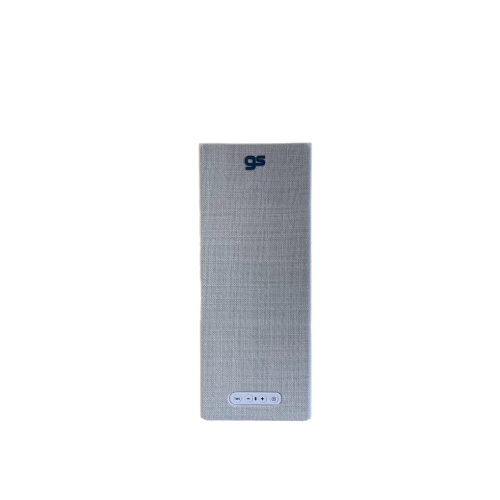
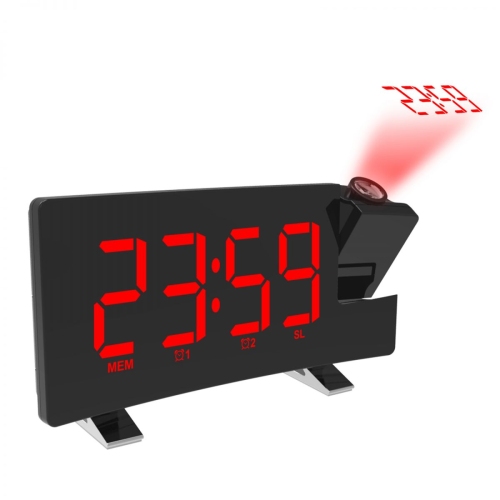
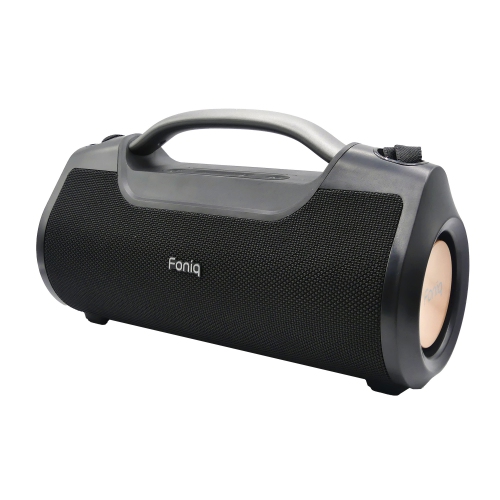
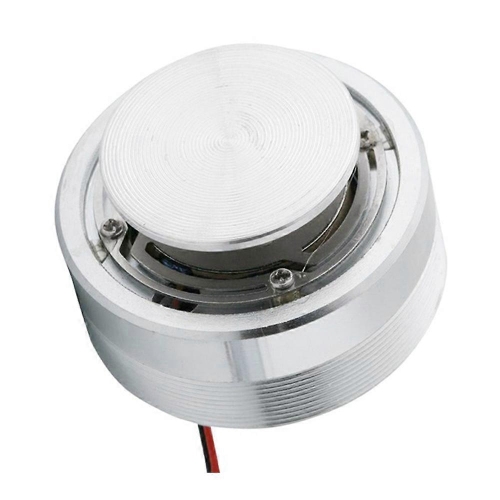
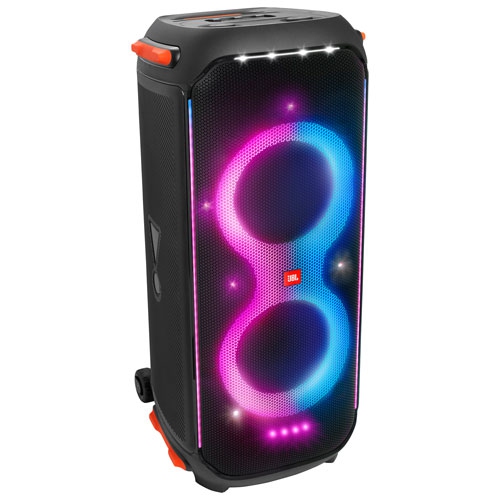
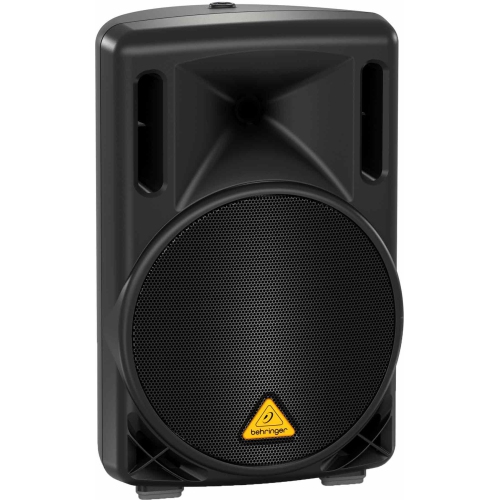
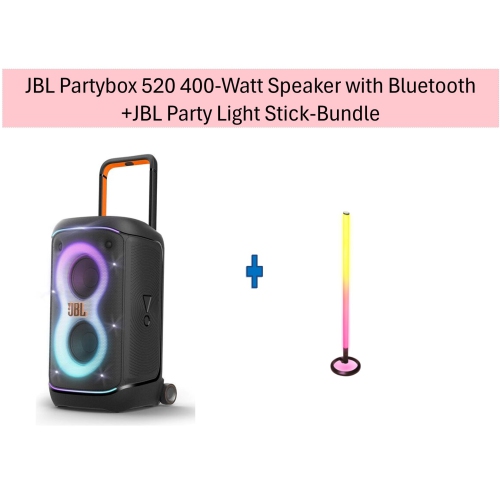
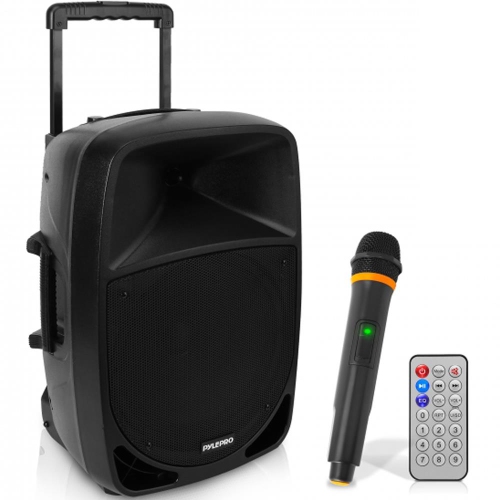

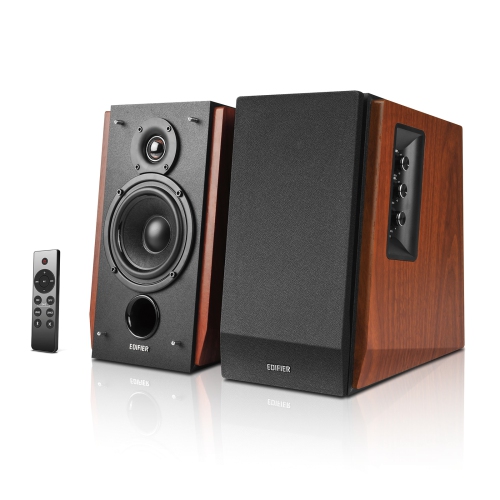
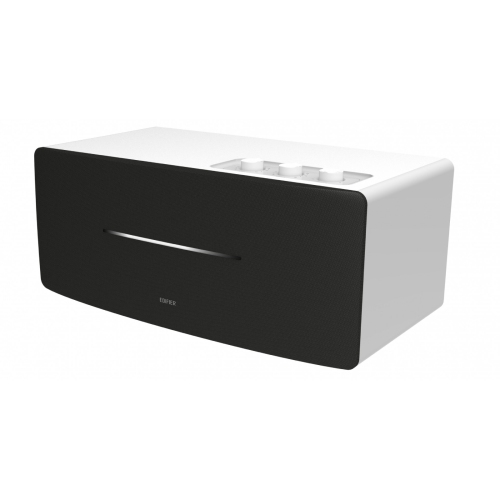
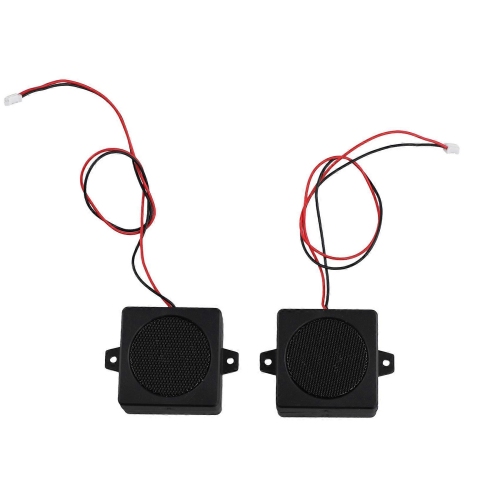
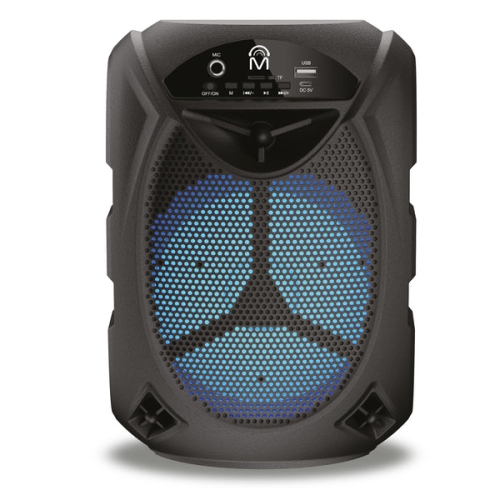
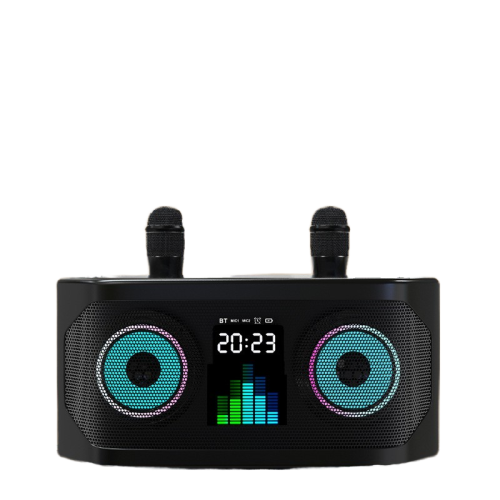
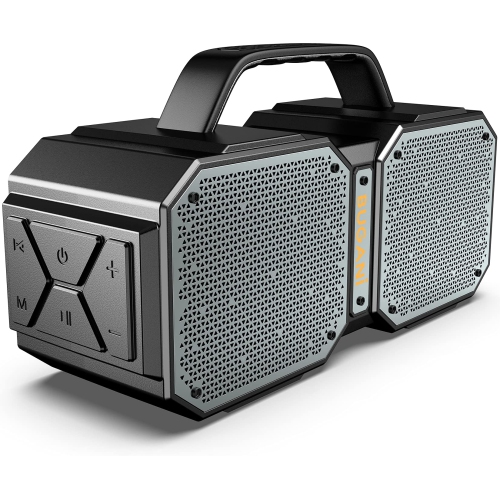
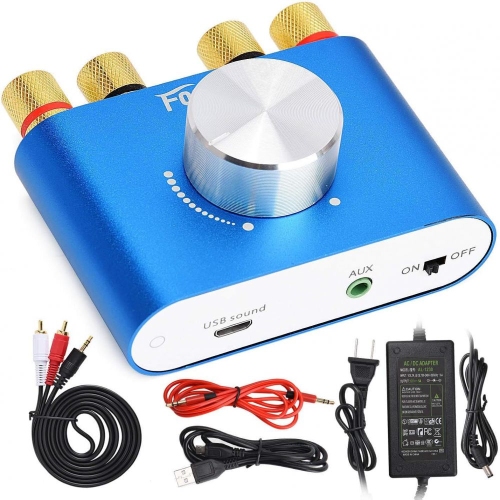
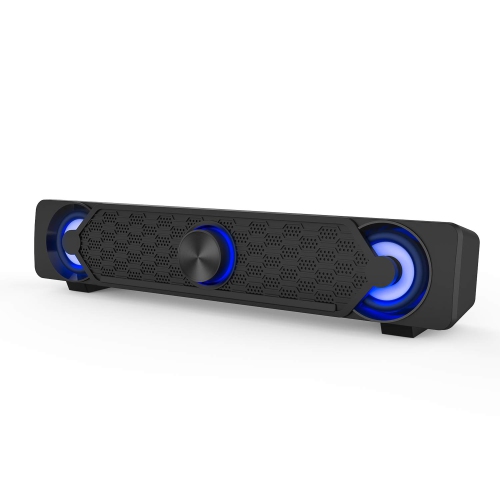
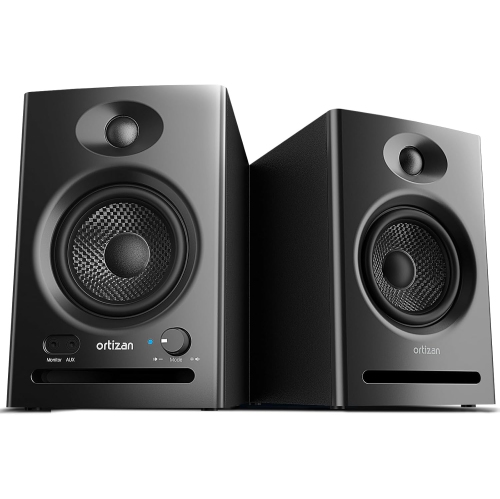

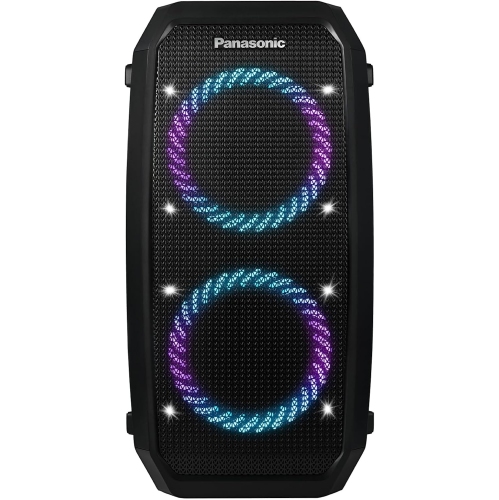


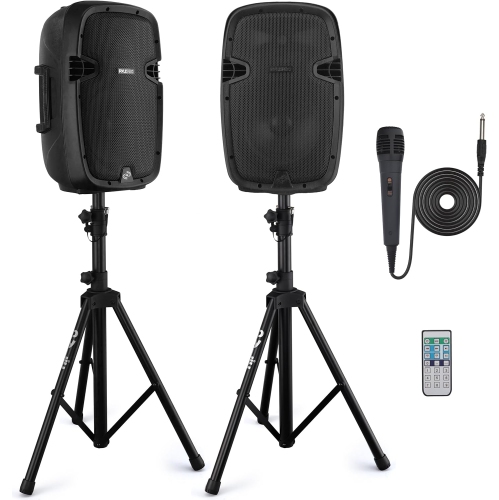
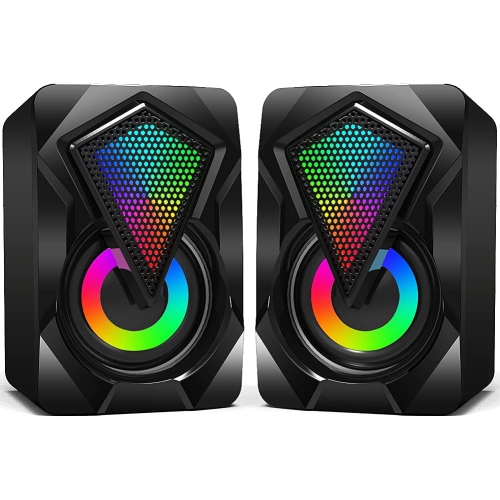
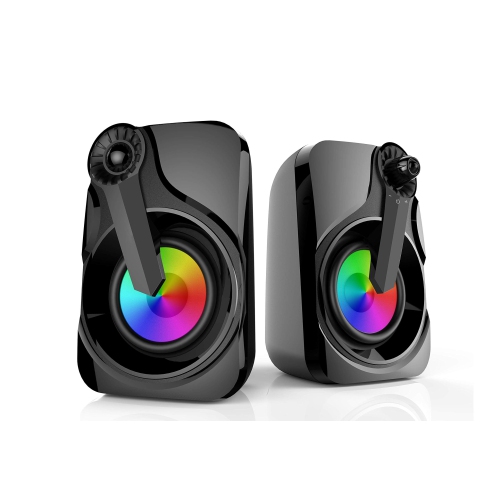
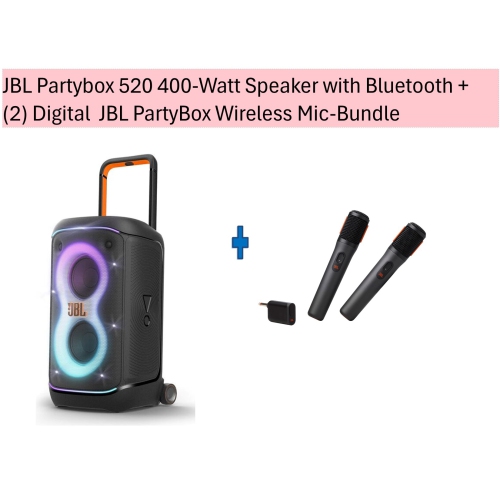
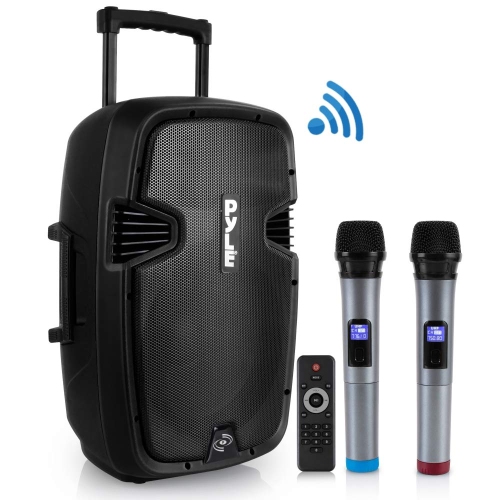
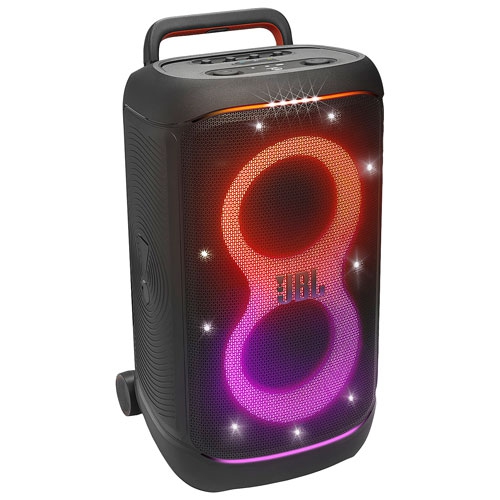
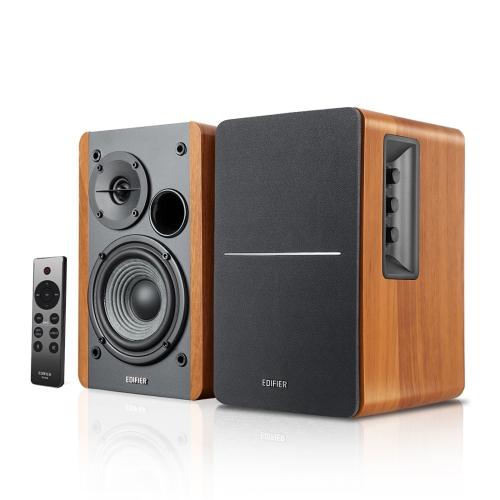
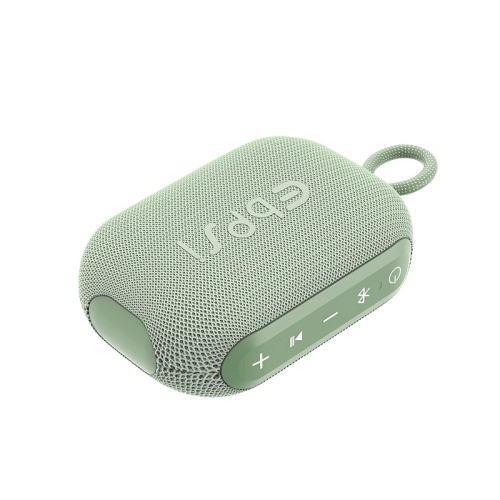
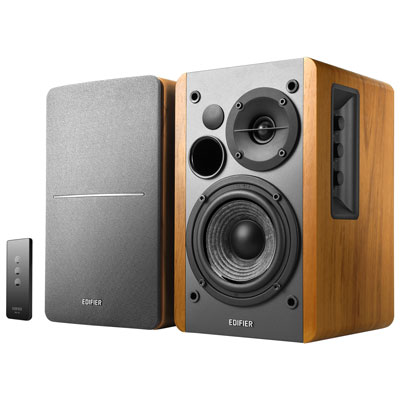
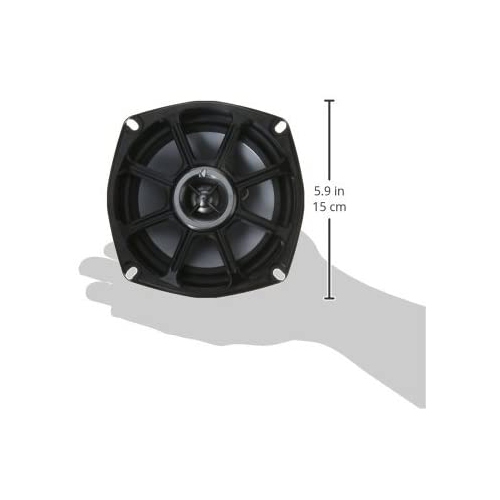
Simple connections and flexible sound for every space
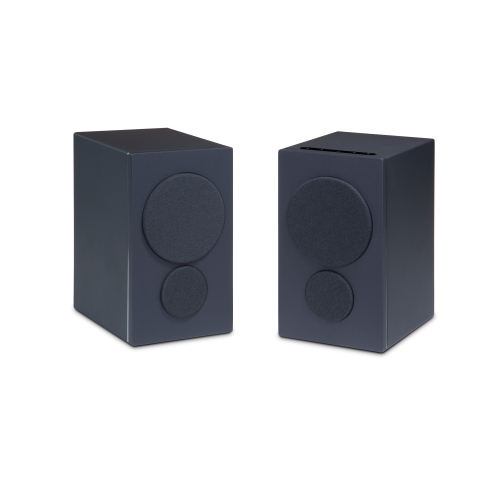
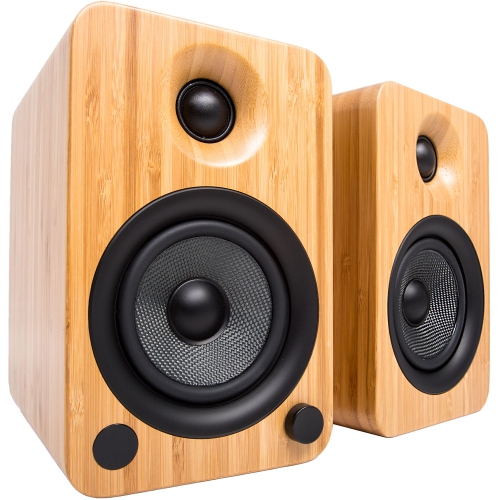
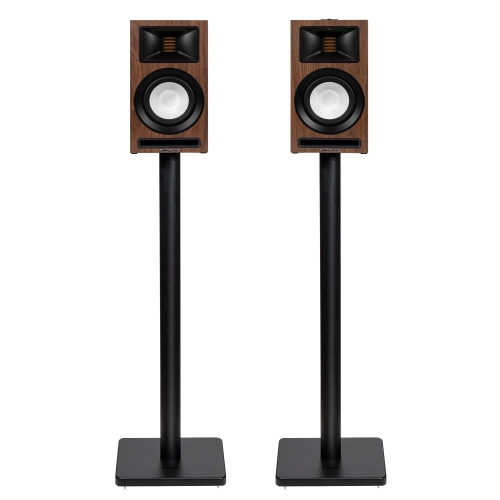
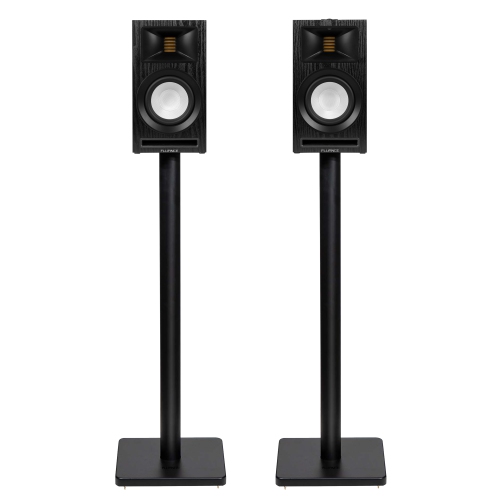
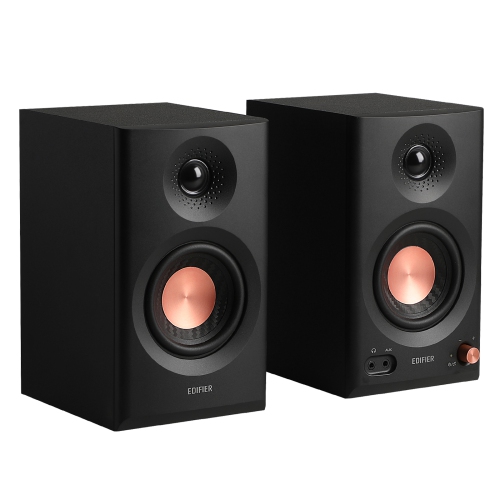
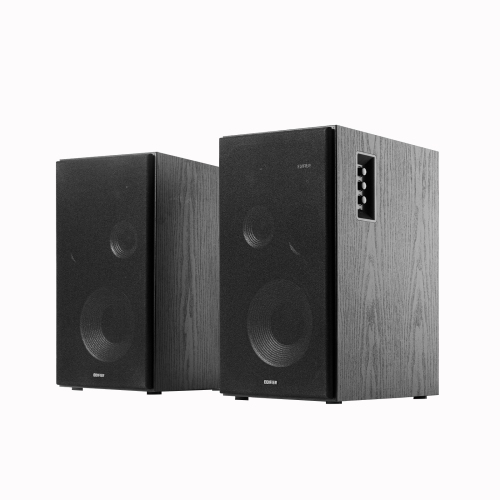
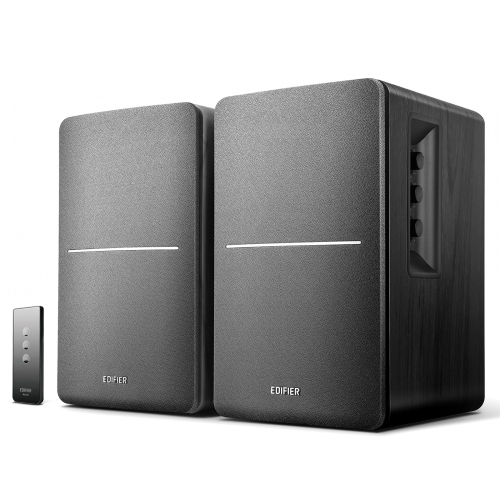
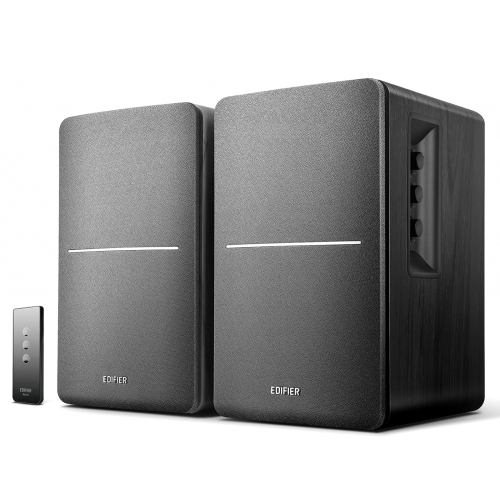
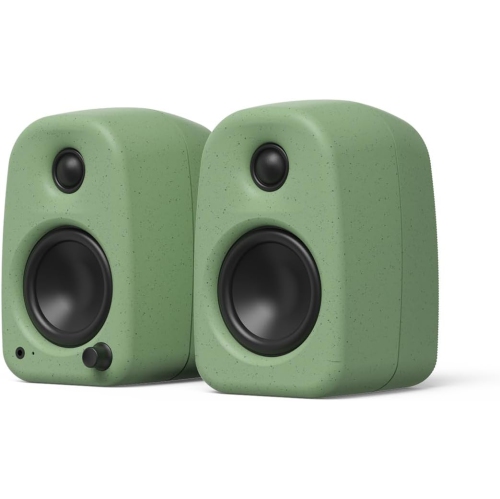
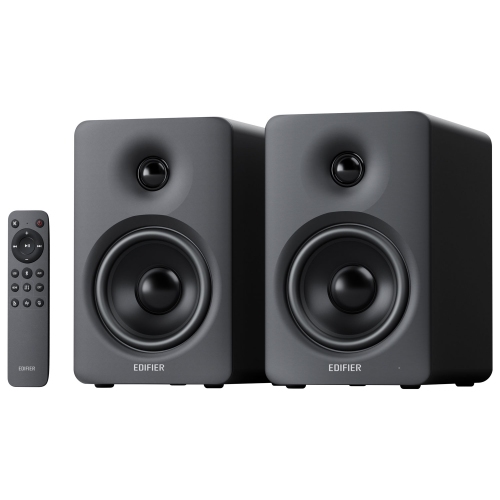
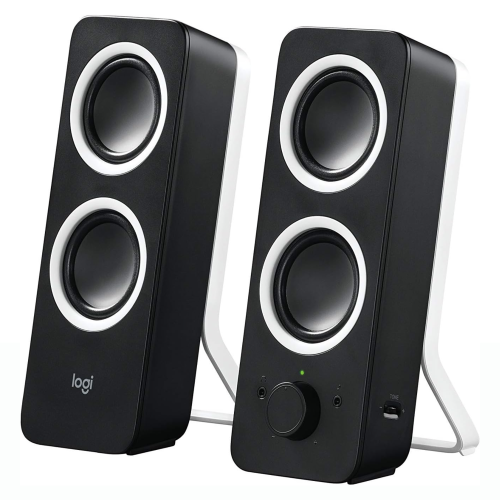
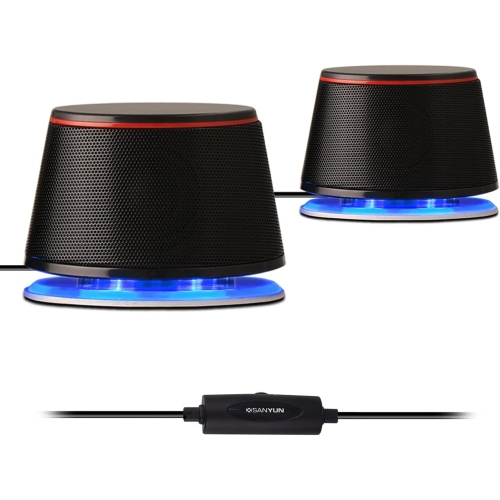
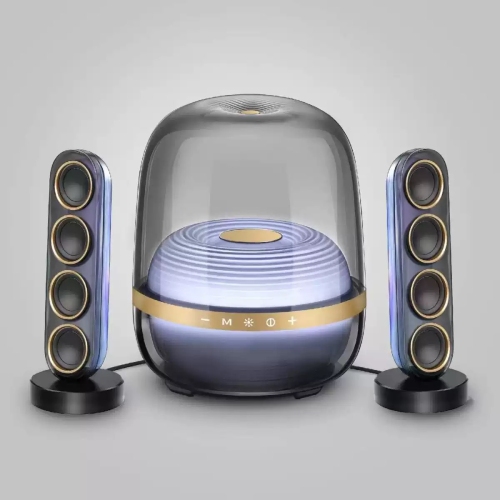
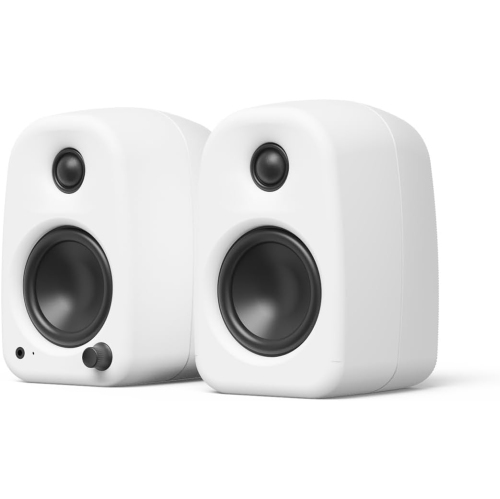
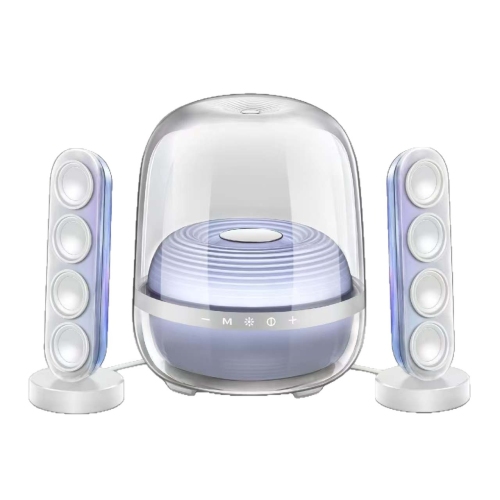
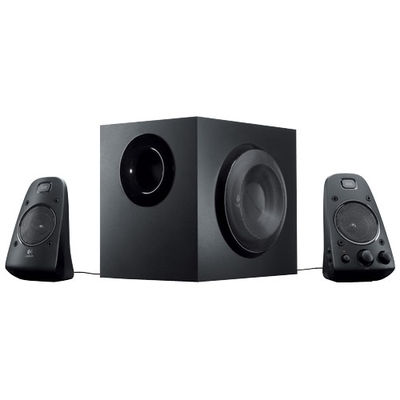
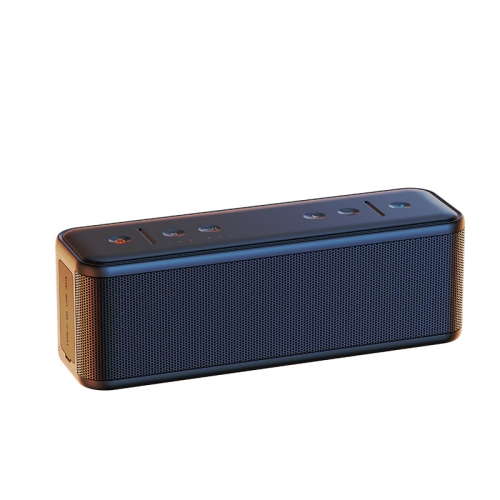
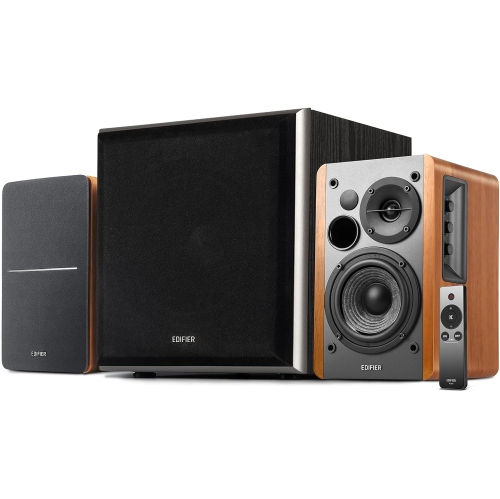
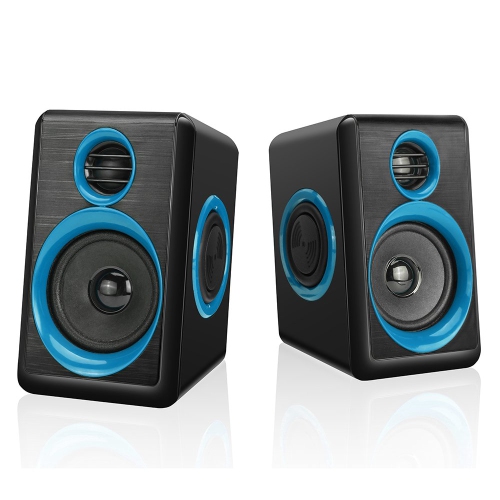
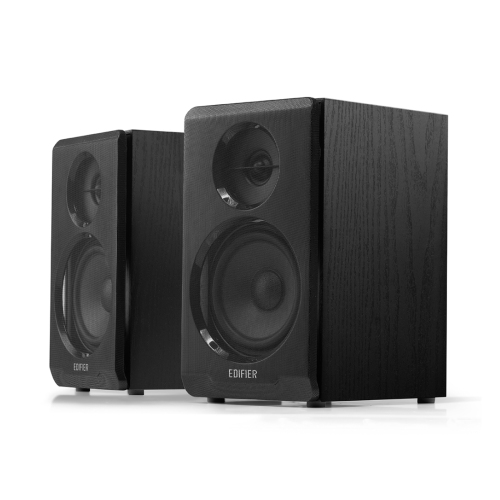
Powered speakers, also called active speakers, have built-in amplifiers that drive their own speaker components, so they do not require a separate stereo receiver or external power amplifier. This all-in-one design makes them a practical choice for listening spaces where straightforward setup, fewer components and efficient use of room are important. Connect a source such as a phone, tablet, computer, television, turntable or CD player, plug the speakers into an electrical outlet, and they are ready to play. Many models support Bluetooth for convenient wireless listening, while wired inputs can provide a dependable connection for home audio equipment, gaming systems and televisions. Because the amplifier and speaker drivers are designed to work together, powered speakers can deliver balanced sound without requiring the listener to match separate components. Built-in crossovers help direct different frequencies to the appropriate drivers, while controls for volume, bass or treble can make it easier to adjust the sound for a particular room. Some systems are compact enough for a desk, bedside table or kitchen counter, while larger cabinets can fill an open living room, recreational space or gathering area with more powerful audio. For smaller spaces and everyday listening, explore Powered Small Speakers for compact options that can fit neatly beside a monitor, television or record player.
The right powered speakers depend on the way they will be used, the available space and the sources that need to be connected. For a computer desk, look for a compact footprint and inputs that make it easy to connect a computer, monitor or mobile device without reaching behind the speakers. In a television room, optical, HDMI or auxiliary connectivity may be useful, depending on the equipment already in place, and a remote control can make day-to-day volume adjustments more comfortable from the sofa. Listeners who enjoy vinyl should check whether the speakers accept the output from their turntable; some turntables have a built-in phono preamp, while others need a separate preamp or compatible input. Bluetooth is helpful when several people want to take turns playing music, although a wired connection may be preferable for a fixed setup or for reducing wireless interruptions. Pay attention to the number and type of inputs, the position of the controls, the length of the included speaker cable and whether a subwoofer output is available for adding deeper bass later. Speaker size also matters, but larger cabinets are not automatically the best match for every room. A pair placed too close together can sound crowded, while speakers positioned with a little space between them and angled towards the listening position can create a more open stereo image. Keep them on a sturdy, level surface and avoid pushing them tightly into a corner, where bass may become overly prominent. For a desk, raising the speakers so the tweeters are close to ear level can make voices, instruments and detail easier to hear. In a larger room or for higher-volume entertainment, choose speakers with suitable power handling and coverage rather than relying on appearance alone.
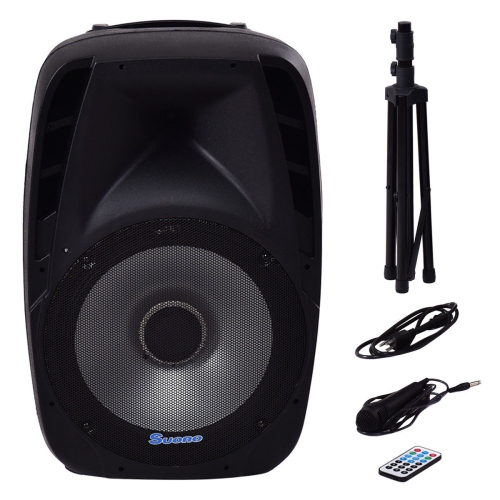
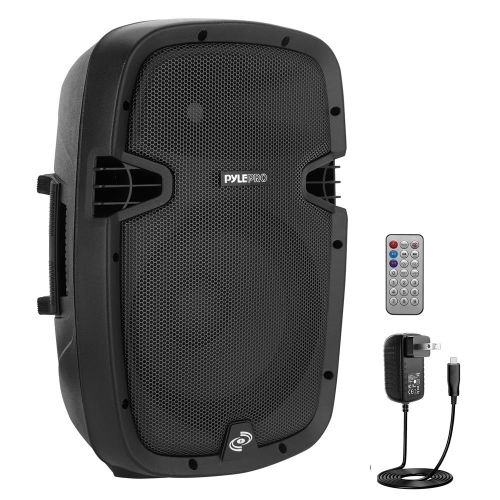
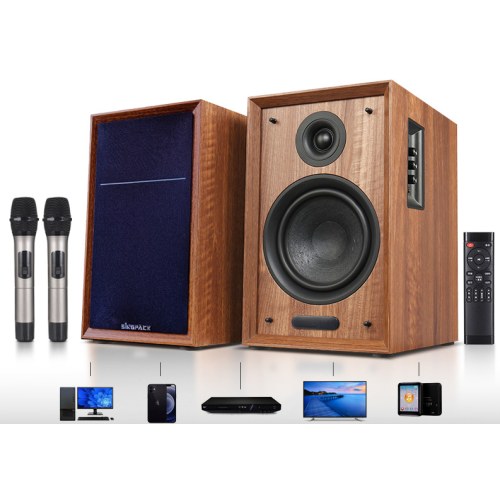
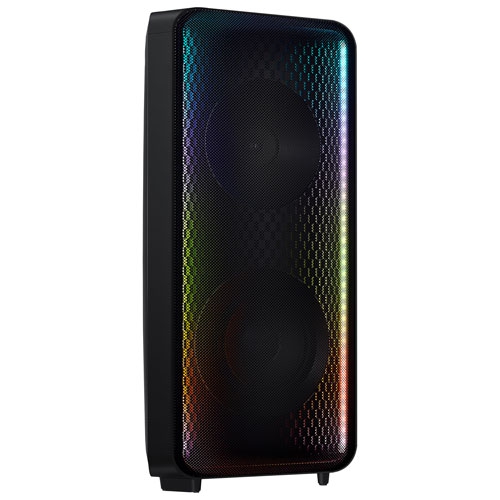
Powered speakers can suit a wide range of listeners, from someone building a first home audio system to an experienced music fan looking to simplify a collection of components. They are useful in apartments, bedrooms, home offices, studios, dorm rooms, cottages and entertainment rooms because the amplifier is integrated into the speaker cabinet. A pair on a desk can make video calls, films, games and playlists sound fuller than a computer’s built-in audio, while a set beside a television can add clearer dialogue and a broader sense of space without the footprint of a larger surround-sound system. In a record-listening area, powered speakers provide an uncomplicated way to enjoy albums without assembling a traditional receiver-based setup. Larger powered cabinets can also be useful for presentations, rehearsals, community events and casual gatherings, provided their inputs, volume capacity and portability suit the occasion. Some include microphone inputs, stands, handles or mounting points, making them more appropriate for public-address use than compact bookshelf-style designs. When selecting speakers as a gift, consider the recipient’s listening habits and the devices they already own: a compact Bluetooth pair may be appreciated by a student or remote worker, while a more versatile set with multiple inputs may suit someone starting a vinyl collection or improving a television setup. It is also worth considering how the speakers will be controlled, where the power outlets are located and whether the finish will work with the existing furniture. During the warmer season and cooler months alike, powered speakers can provide music for everyday routines, films on relaxed evenings, background audio while cooking and fuller sound when friends gather. Their combination of built-in amplification, flexible connections and straightforward operation makes them a convenient foundation for many personal listening spaces.
The right powered speakers depend on the way they will be used, the available space and the sources that need to be connected. For a computer desk, look for a compact footprint and inputs that make it easy to connect a computer, monitor or mobile device without reaching behind the speakers. In a television room, optical, HDMI or auxiliary connectivity may be useful, depending on the equipment already in place, and a remote control can make day-to-day volume adjustments more comfortable from the sofa. Listeners who enjoy vinyl should check whether the speakers accept the output from their turntable; some turntables have a built-in phono preamp, while others need a separate preamp or compatible input. Bluetooth is helpful when several people want to take turns playing music, although a wired connection may be preferable for a fixed setup or for reducing wireless interruptions. Pay attention to the number and type of inputs, the position of the controls, the length of the included speaker cable and whether a subwoofer output is available for adding deeper bass later. Speaker size also matters, but larger cabinets are not automatically the best match for every room. A pair placed too close together can sound crowded, while speakers positioned with a little space between them and angled towards the listening position can create a more open stereo image. Keep them on a sturdy, level surface and avoid pushing them tightly into a corner, where bass may become overly prominent. For a desk, raising the speakers so the tweeters are close to ear level can make voices, instruments and detail easier to hear. In a larger room or for higher-volume entertainment, choose speakers with suitable power handling and coverage rather than relying on appearance alone.
Powered speakers can suit a wide range of listeners, from someone building a first home audio system to an experienced music fan looking to simplify a collection of components. They are useful in apartments, bedrooms, home offices, studios, dorm rooms, cottages and entertainment rooms because the amplifier is integrated into the speaker cabinet. A pair on a desk can make video calls, films, games and playlists sound fuller than a computer’s built-in audio, while a set beside a television can add clearer dialogue and a broader sense of space without the footprint of a larger surround-sound system. In a record-listening area, powered speakers provide an uncomplicated way to enjoy albums without assembling a traditional receiver-based setup. Larger powered cabinets can also be useful for presentations, rehearsals, community events and casual gatherings, provided their inputs, volume capacity and portability suit the occasion. Some include microphone inputs, stands, handles or mounting points, making them more appropriate for public-address use than compact bookshelf-style designs. When selecting speakers as a gift, consider the recipient’s listening habits and the devices they already own: a compact Bluetooth pair may be appreciated by a student or remote worker, while a more versatile set with multiple inputs may suit someone starting a vinyl collection or improving a television setup. It is also worth considering how the speakers will be controlled, where the power outlets are located and whether the finish will work with the existing furniture. During the warmer season and cooler months alike, powered speakers can provide music for everyday routines, films on relaxed evenings, background audio while cooking and fuller sound when friends gather. Their combination of built-in amplification, flexible connections and straightforward operation makes them a convenient foundation for many personal listening spaces.
Top selling and popular products
-
 Your price for this item is $269.99
 -
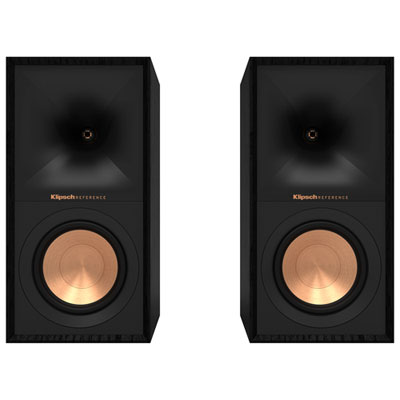 Your price for this item is $458.98
 -
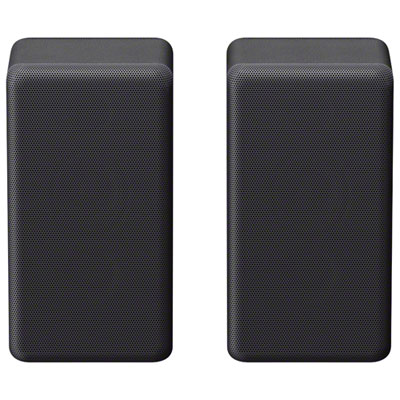 Your price for this item is $314.95
 -
 Your price for this item is $449.99
 -
 Your price for this item is $399.99
 -
 Your price for this item is $399.99
 -
 Your price for this item is $199.99
 -
 Your price for this item is $949
Discover more categories related to Powered Speakers

Top Collections:
Pokemon Centers, Kindle Devices, Best Budget Office Chairs, Canon G7X Cameras, Apple iPhones 16, Samsung Galaxy Phones, Refurbished Apple Laptops, Laptops for Students, iPhone 15 Apple, Budget Smartphones
Some products may be subject to Environmental Handling Fees
(EHF) depending on your province.
Learn more about EHFs.