Record Players With Good Sound
A record player is a great way to listen to your favorite music. It's also a great way to learn how to play the songs you hear on the record. A record player with good sound will make learning fun and enjoyable. Here are some of our favorites.
Sort
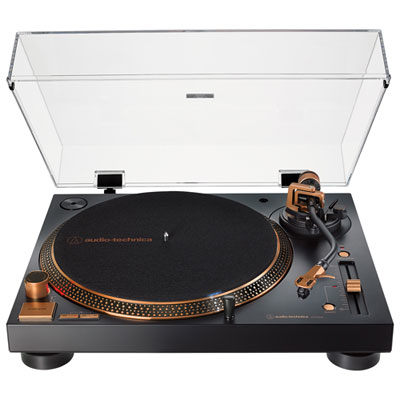
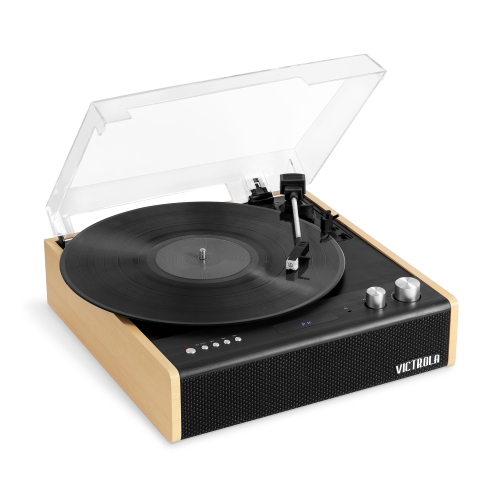

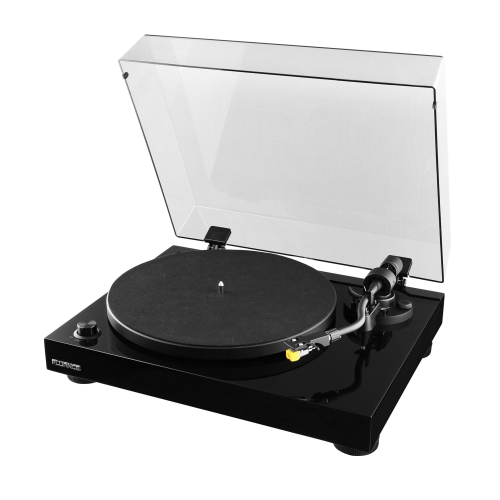
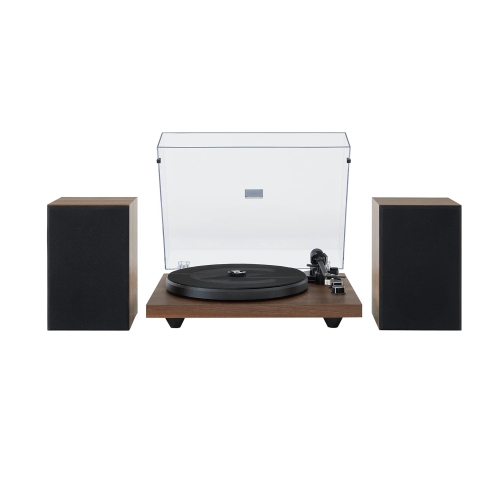

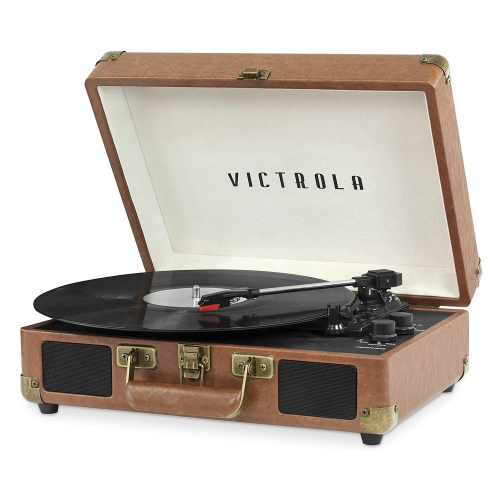
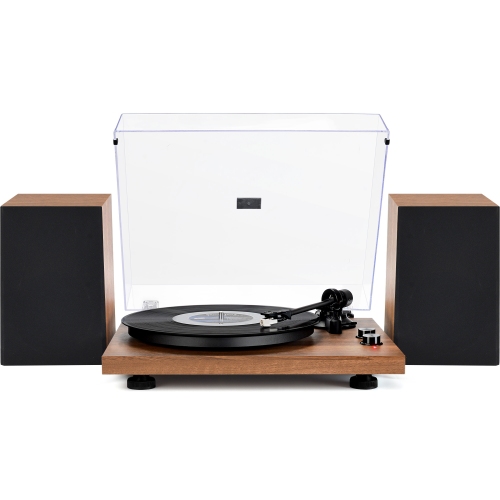
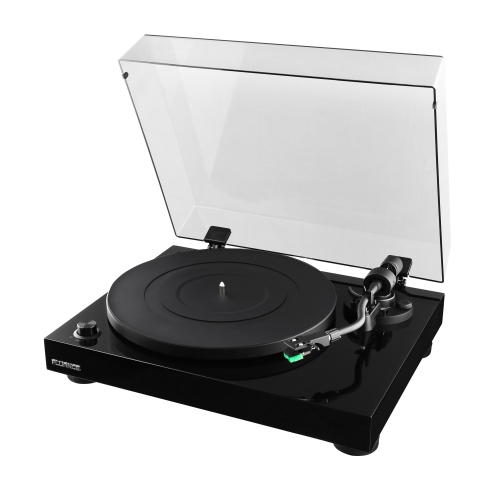
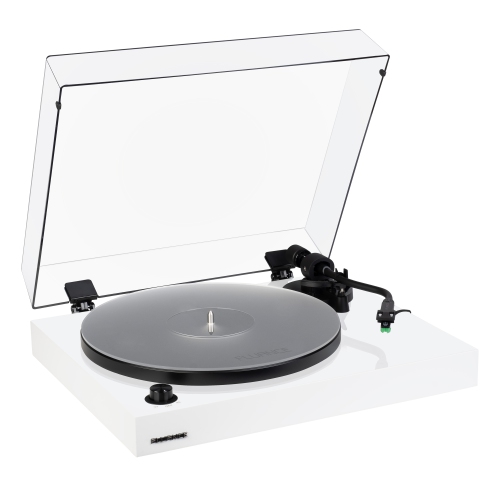
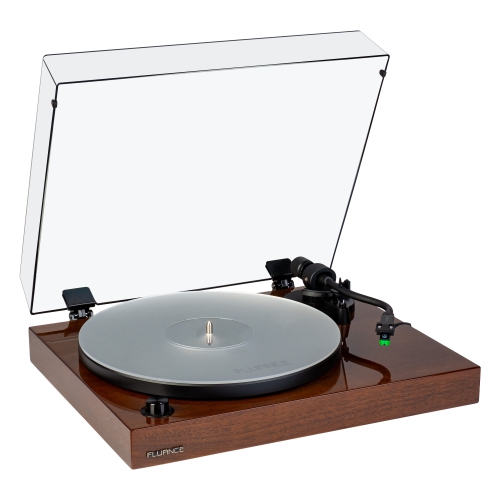
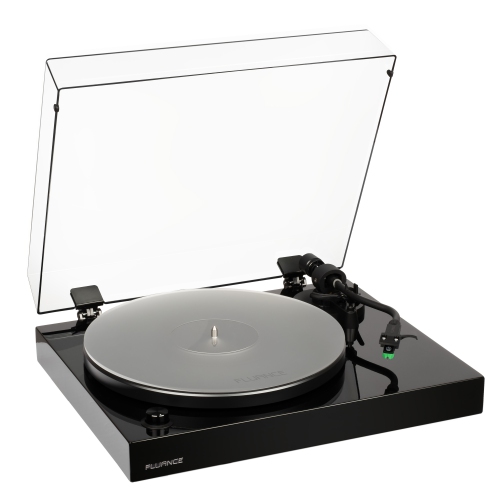
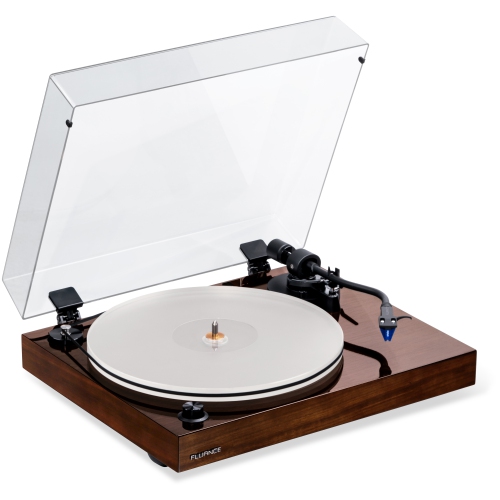
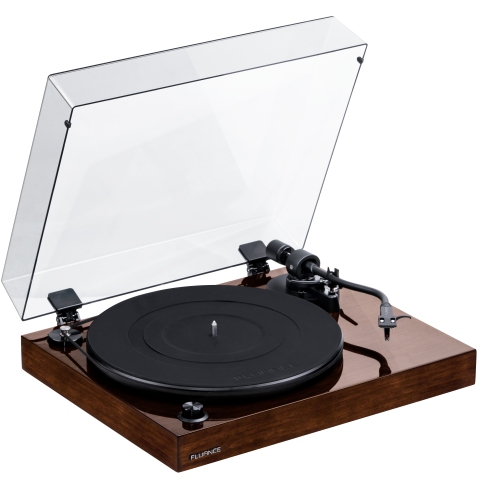
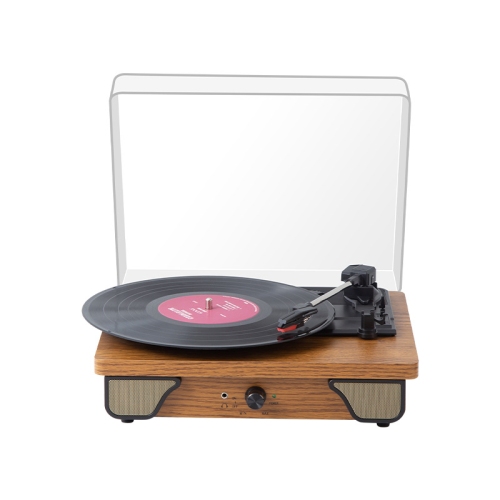
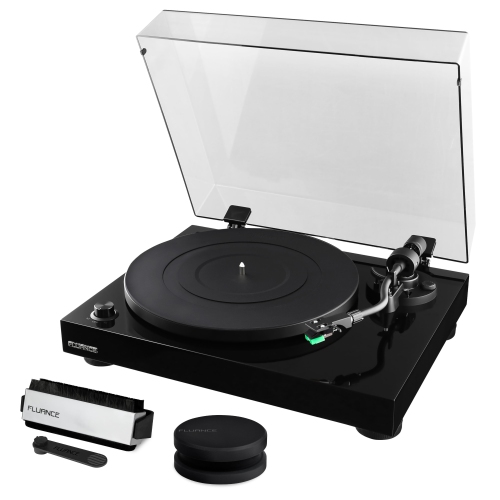

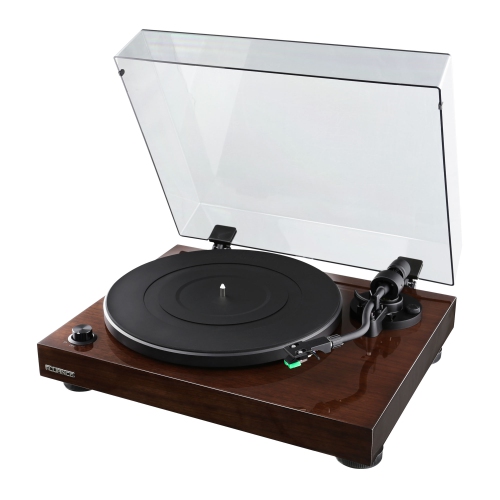
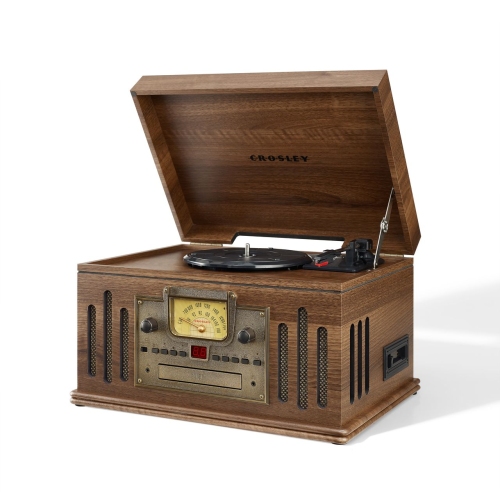
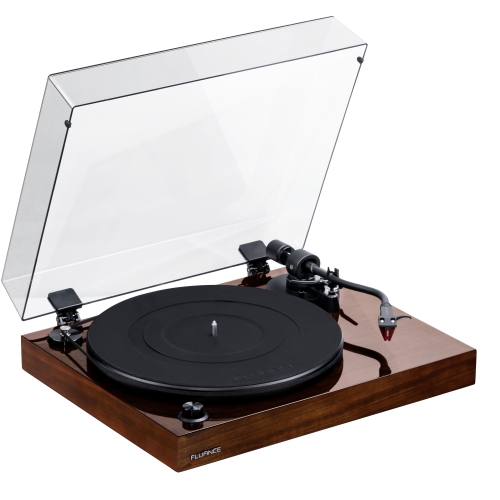
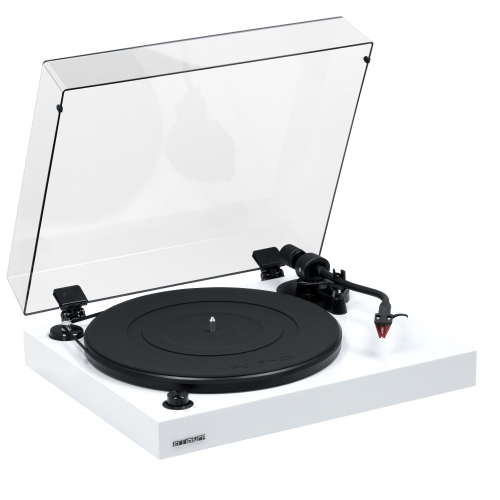
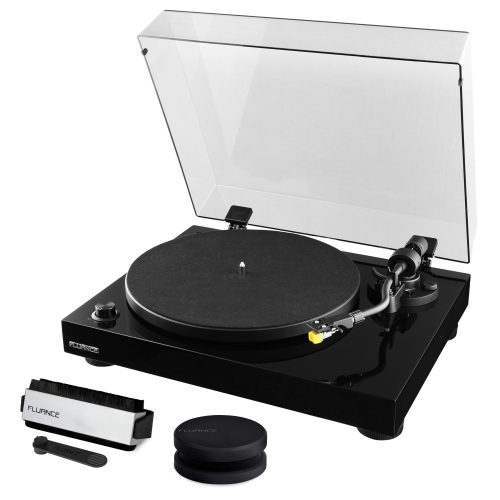
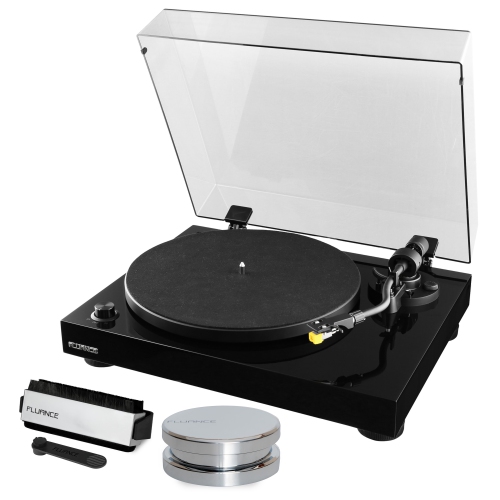
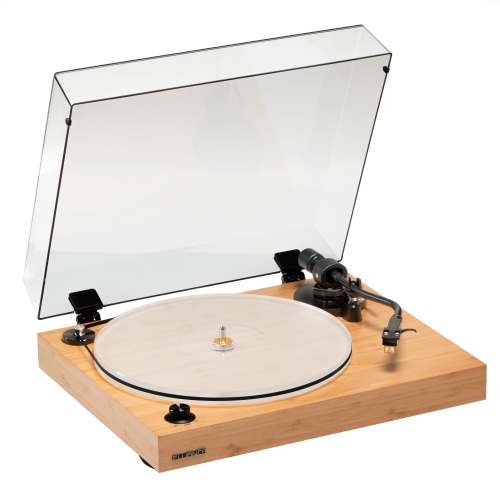
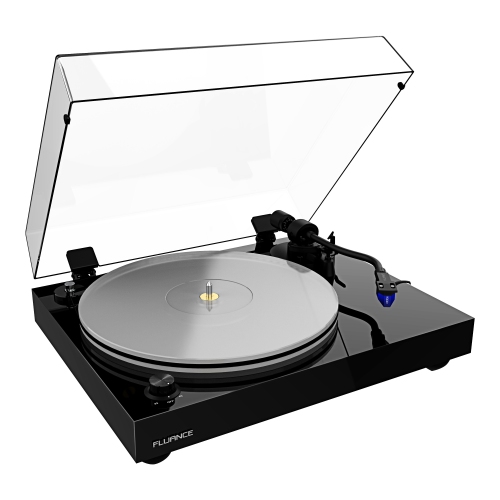
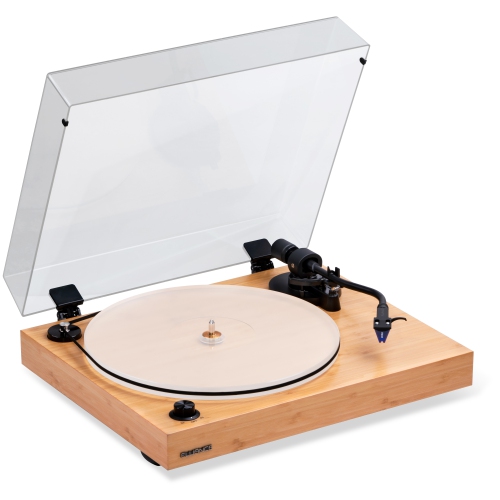
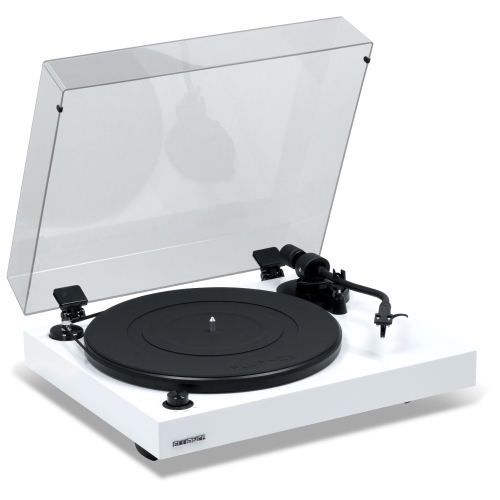
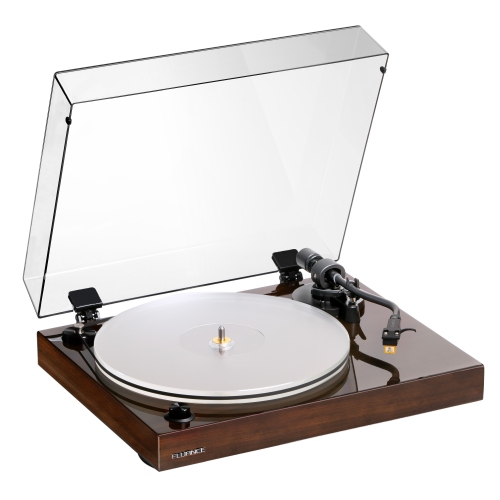
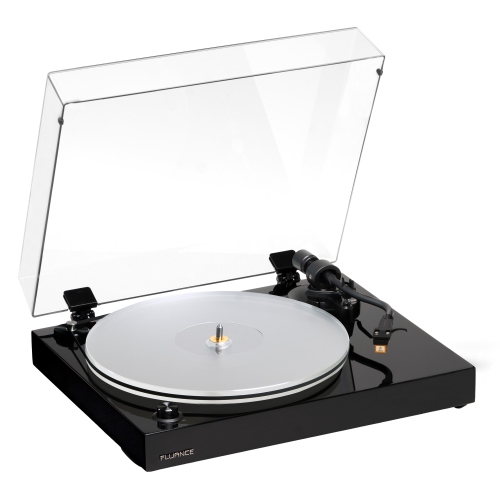

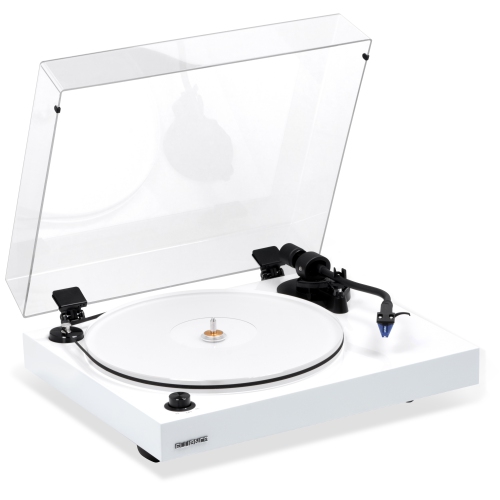
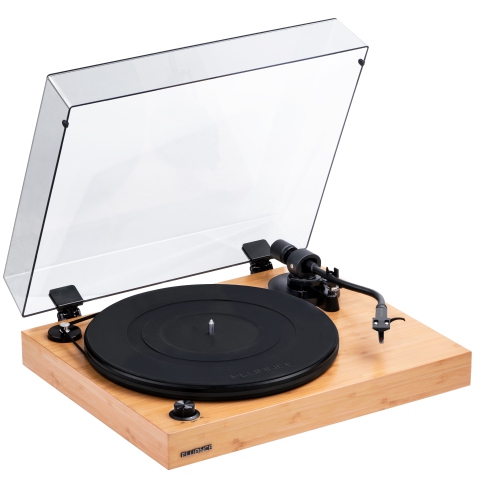
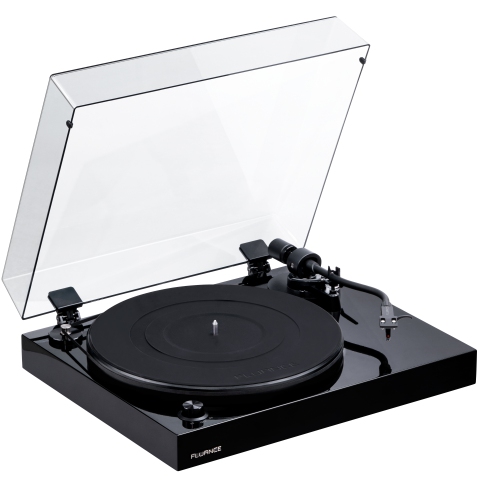
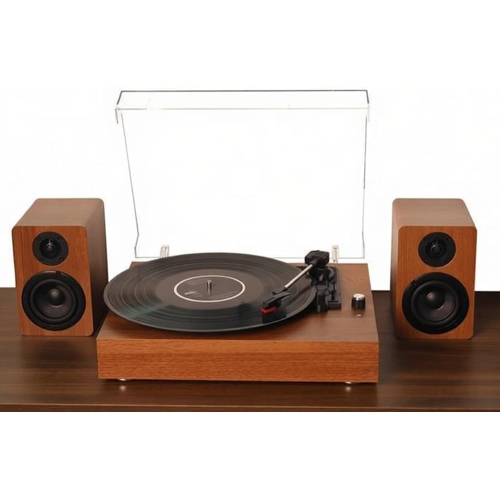
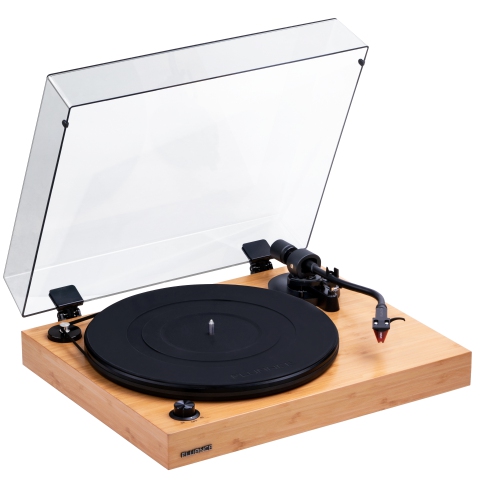

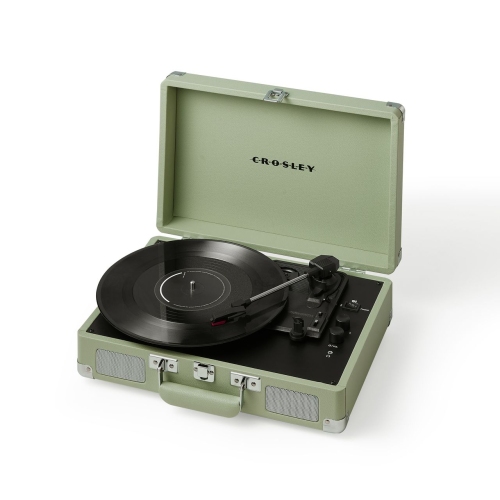
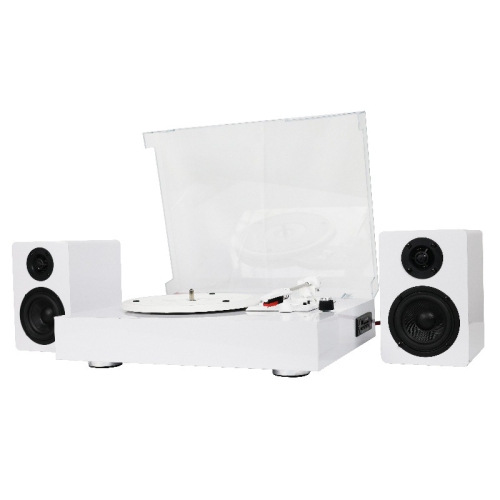
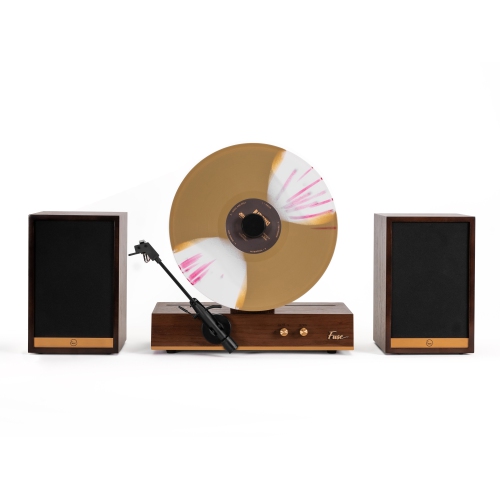

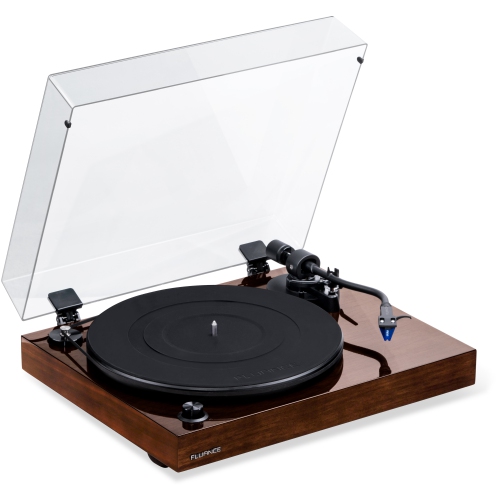

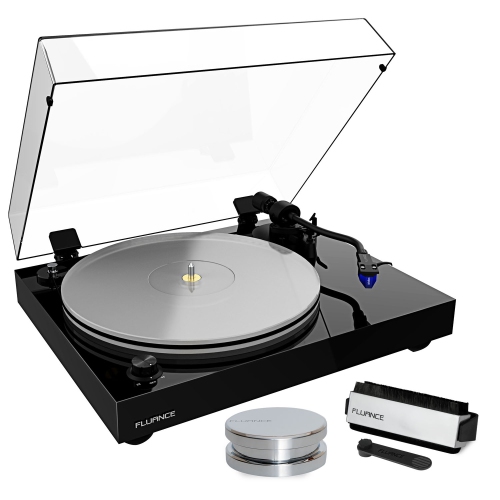
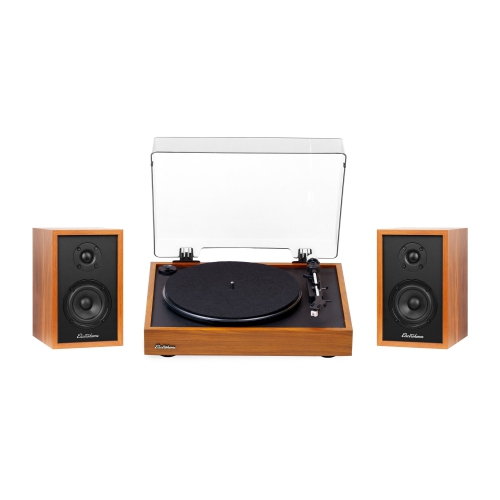
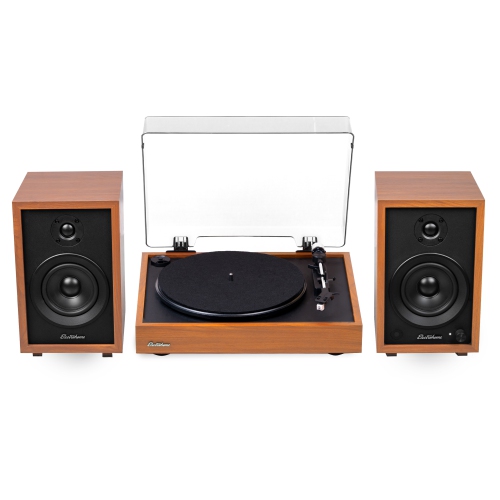
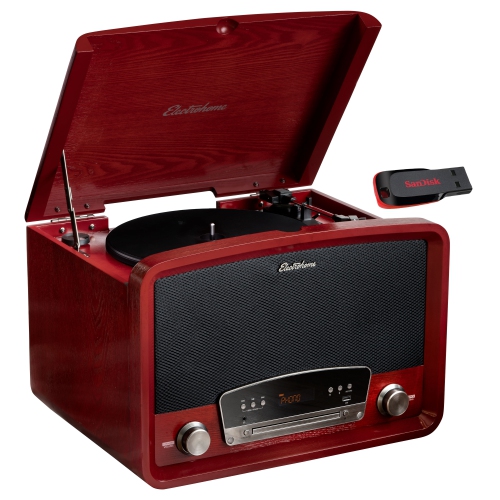

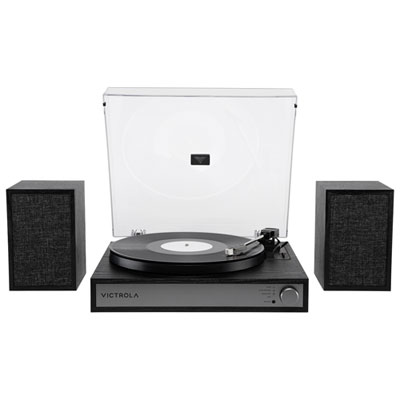
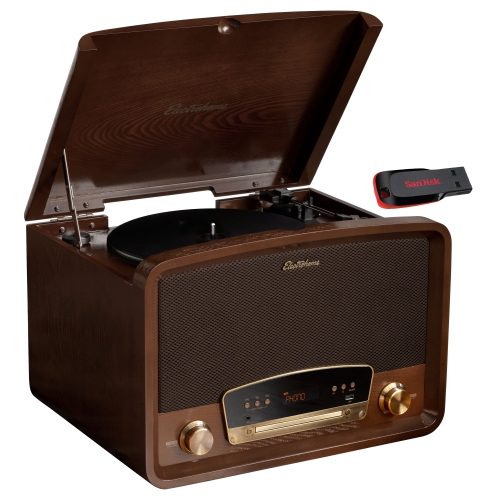
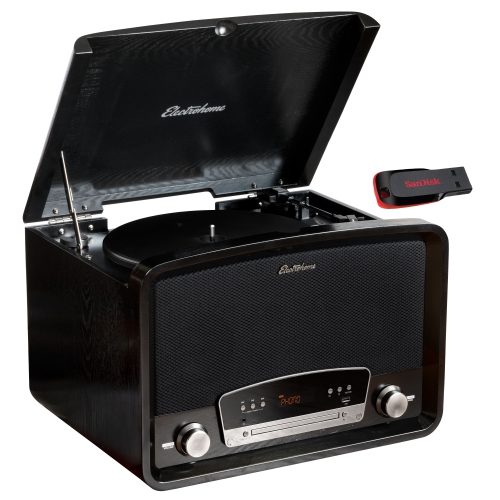

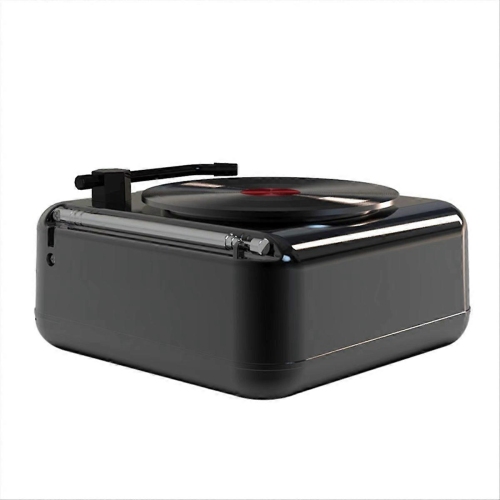
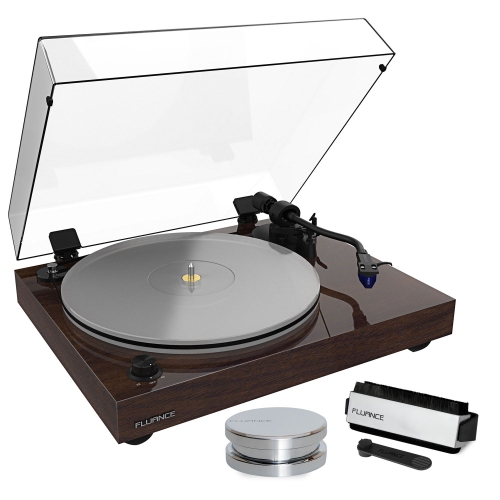
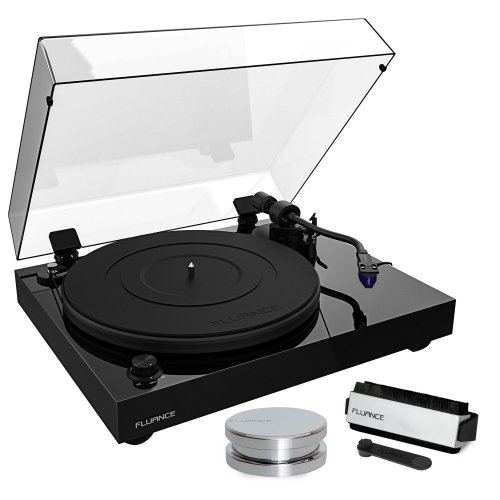


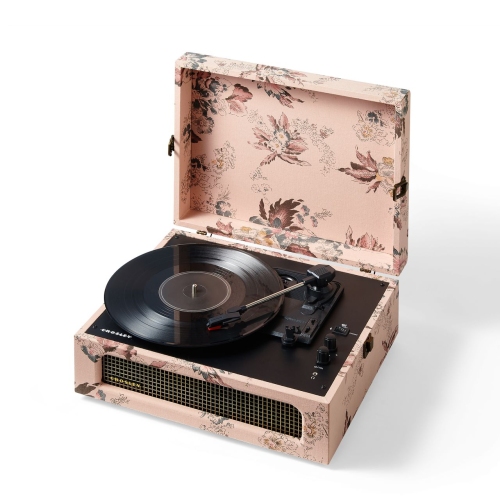
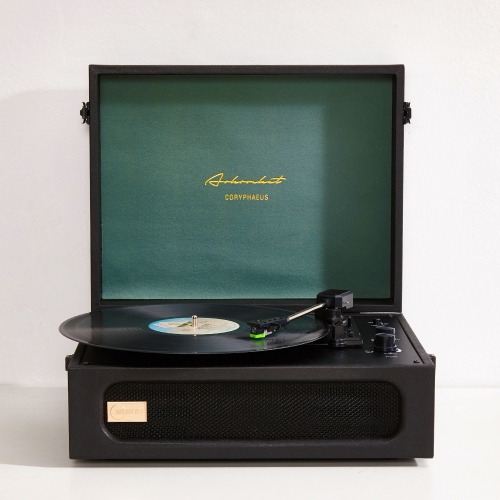

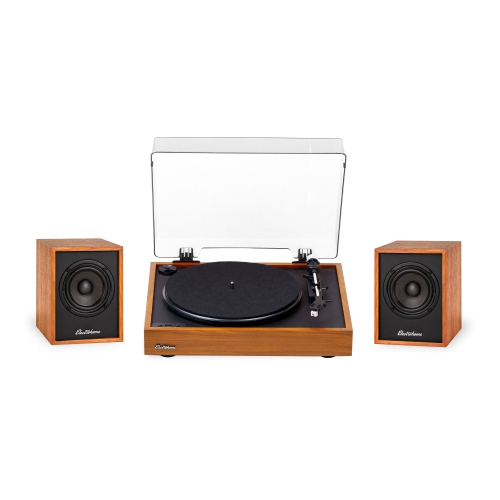




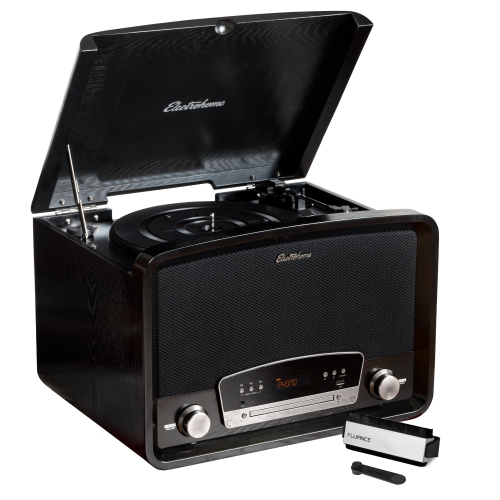
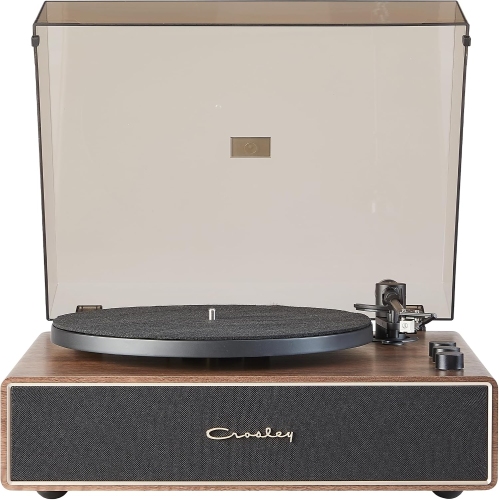
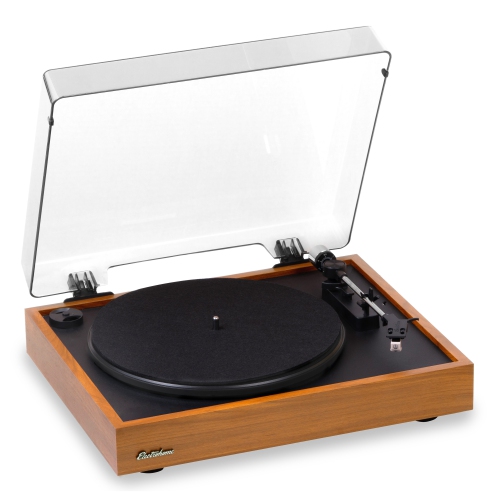

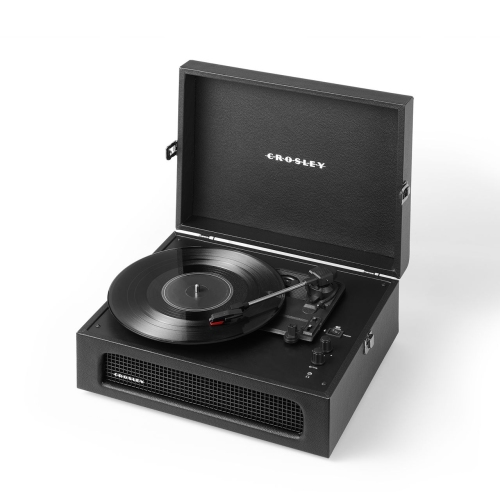
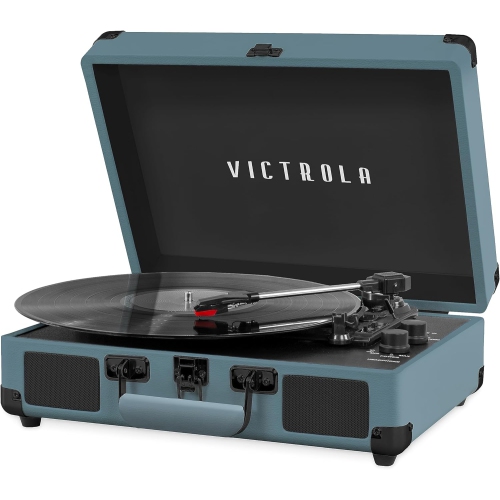

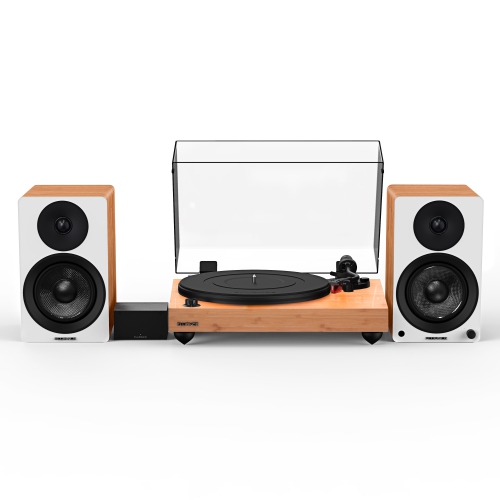
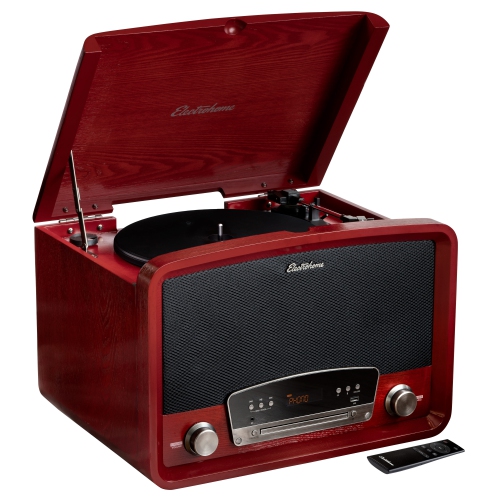
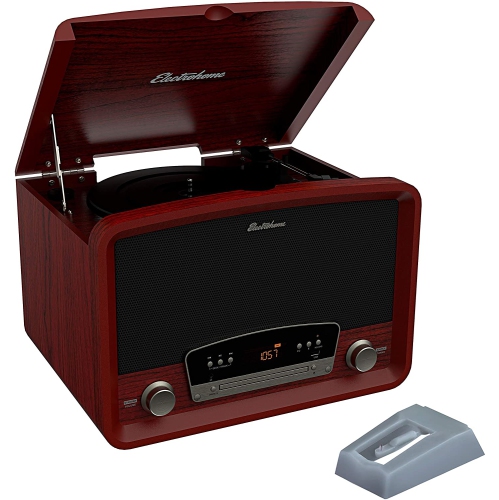
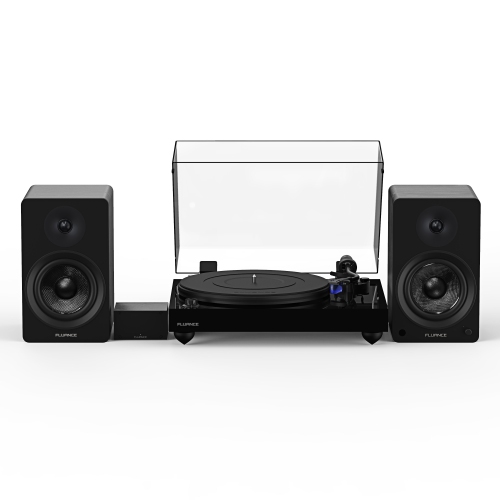
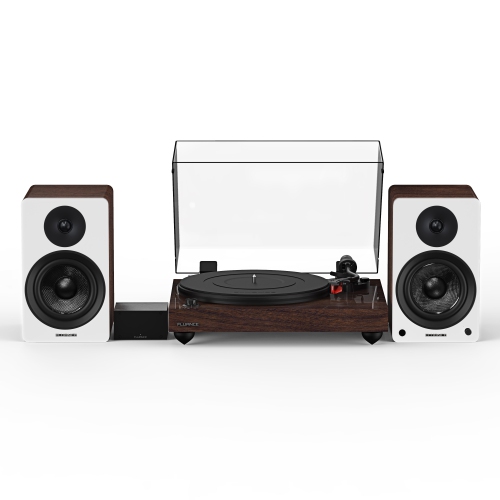
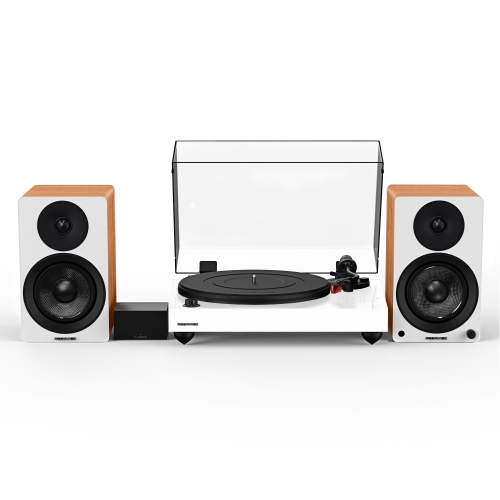

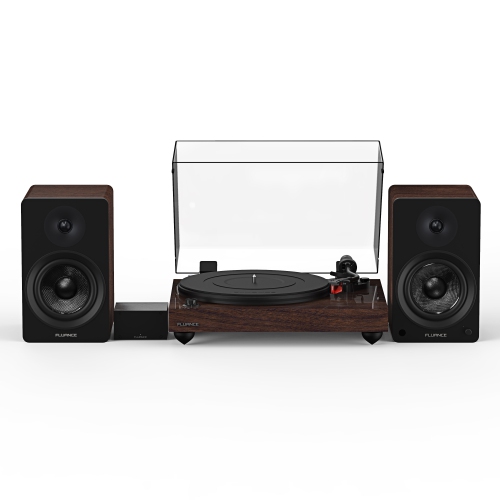
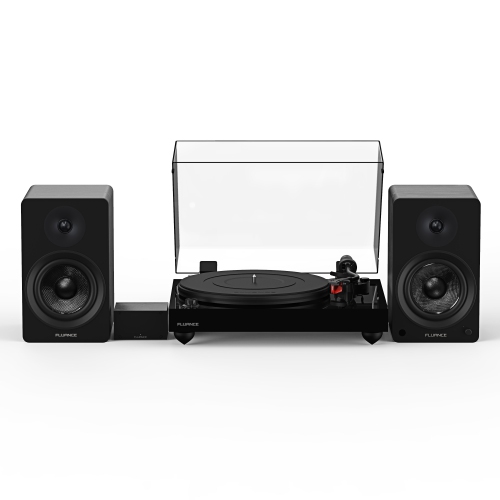
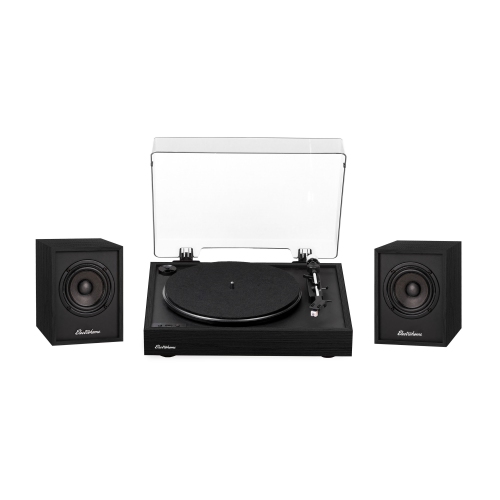
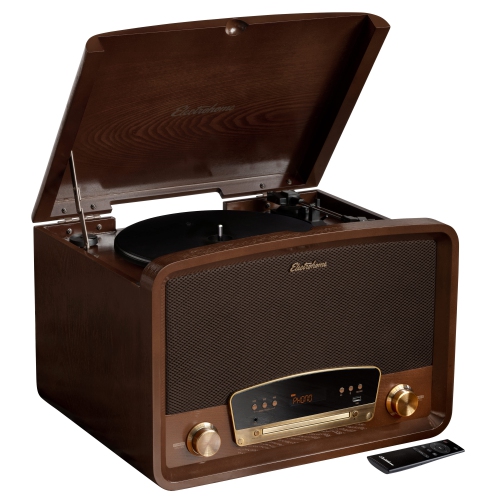
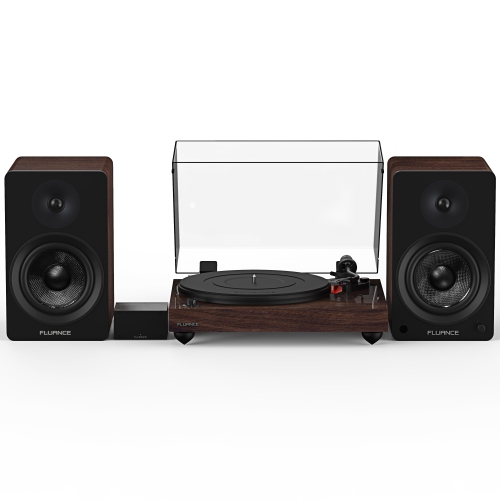


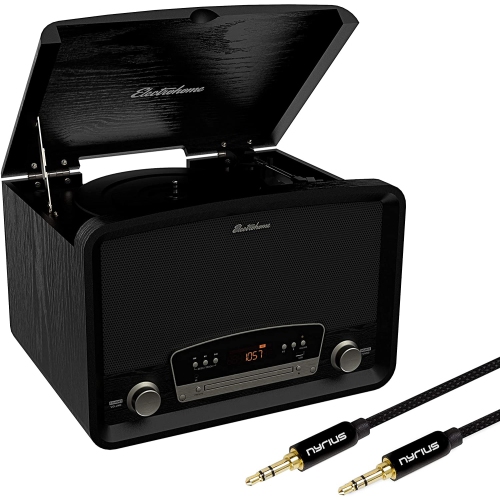
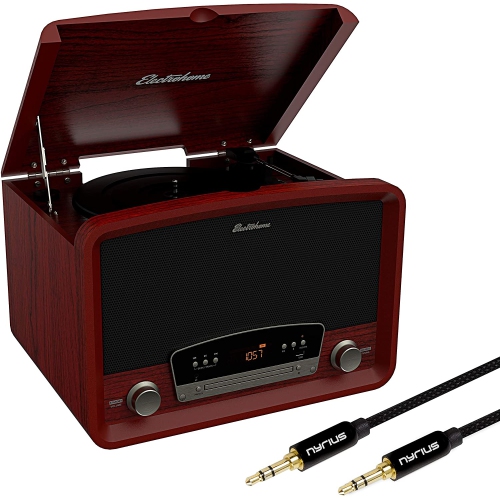
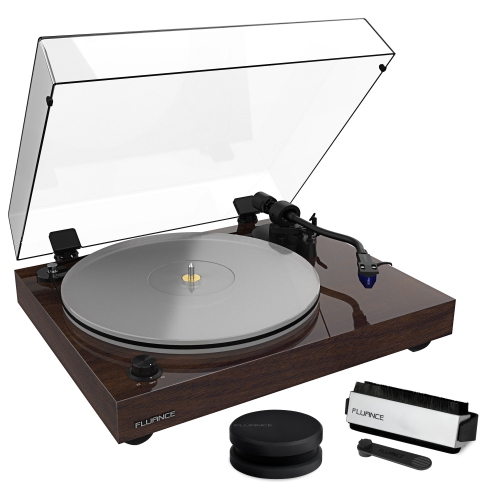
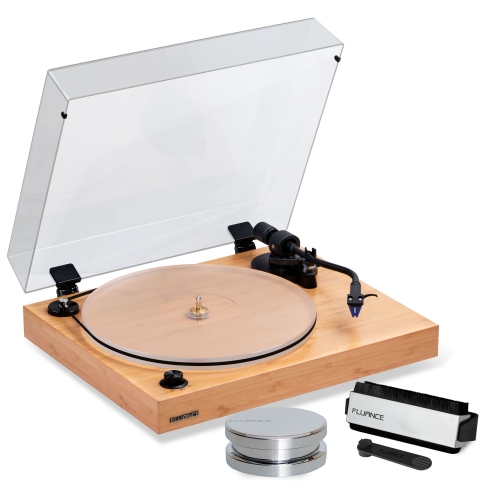
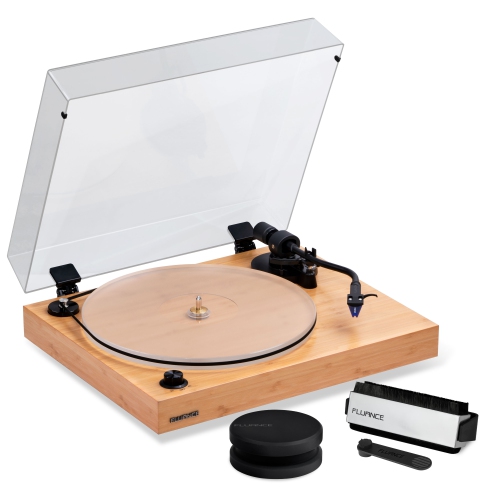

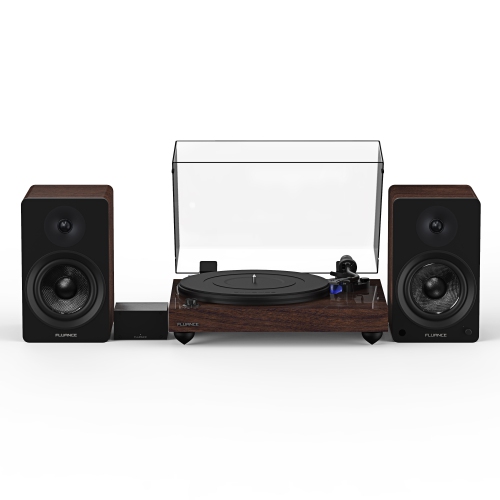

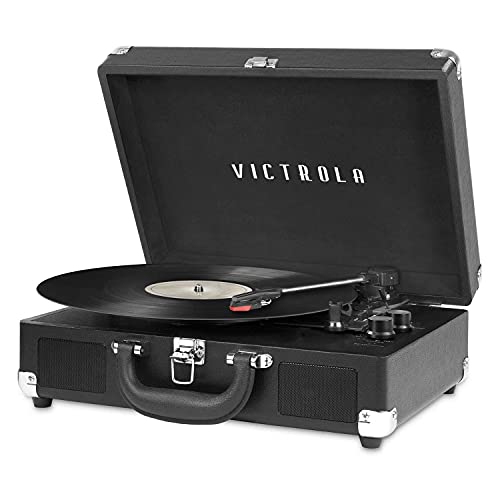
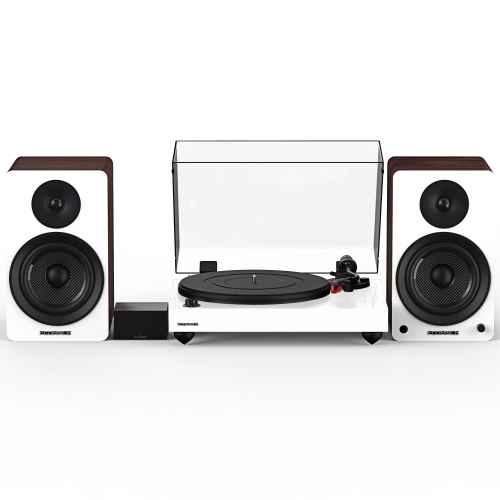
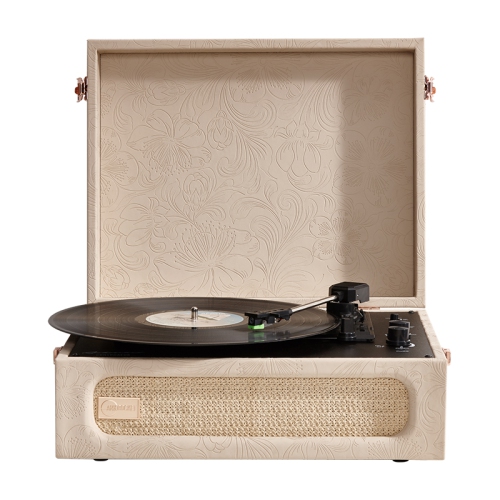
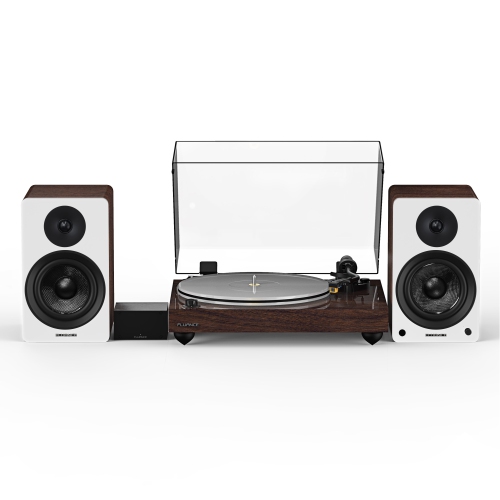
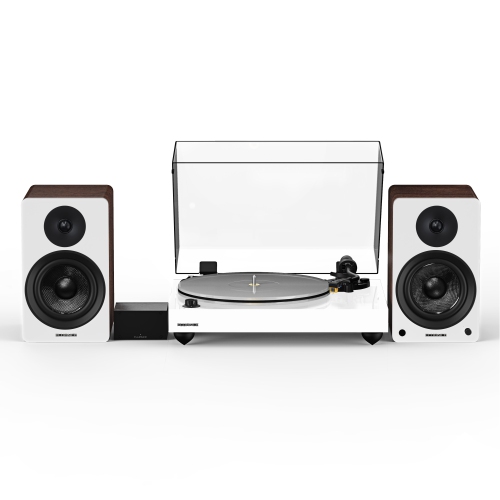


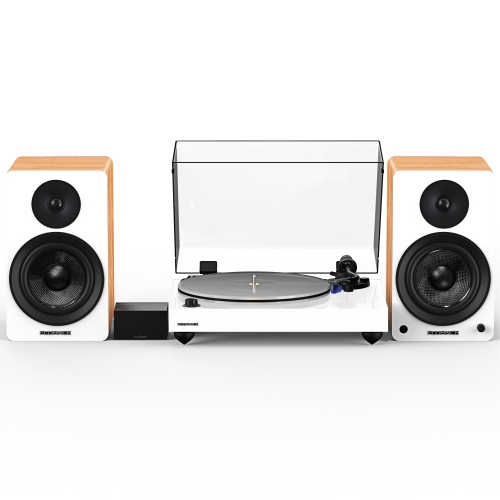


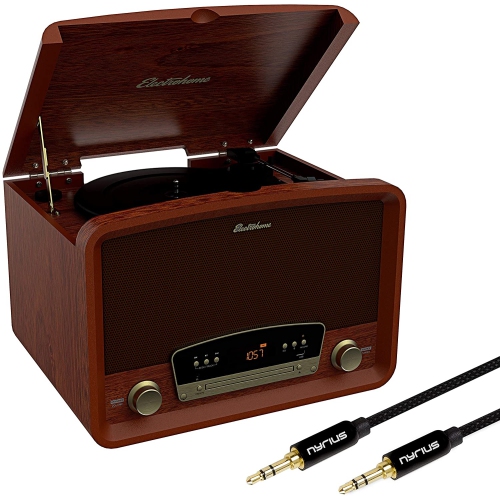
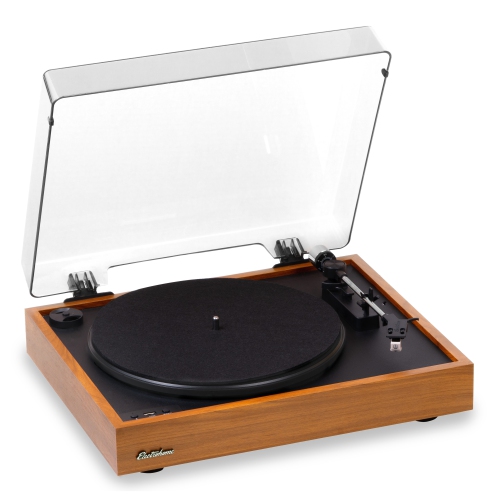
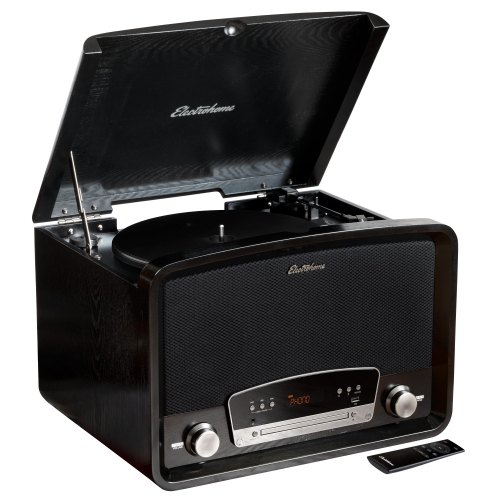

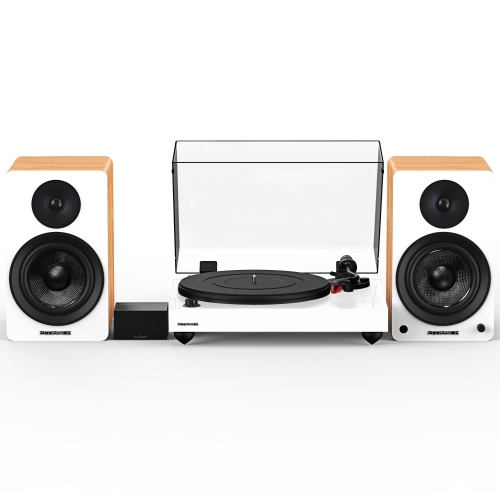


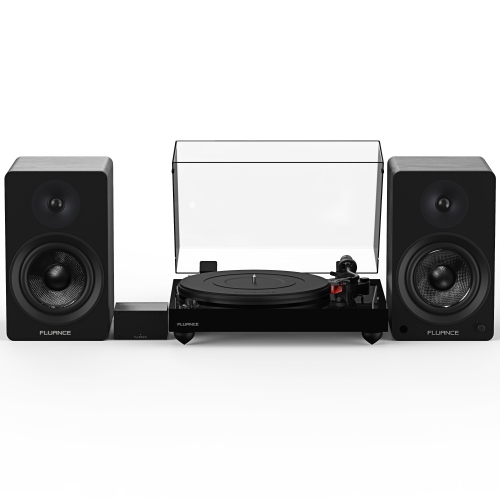
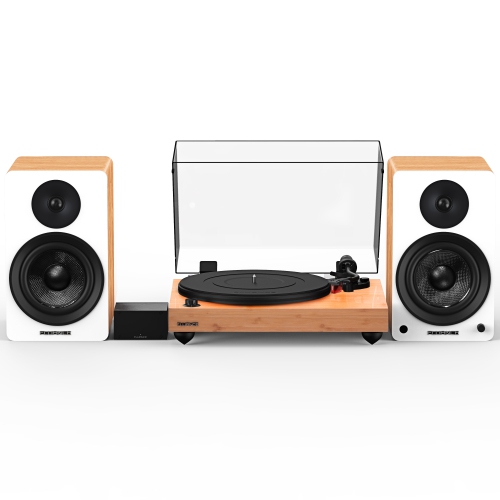
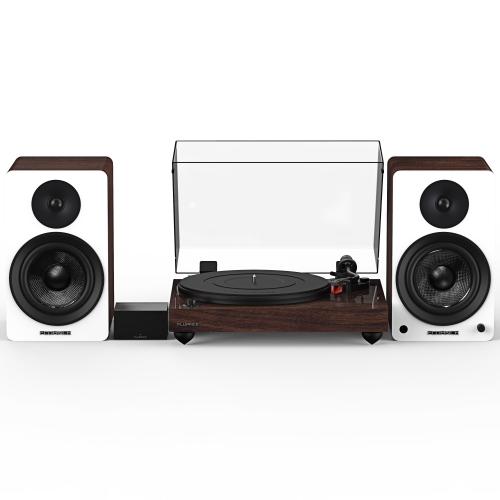
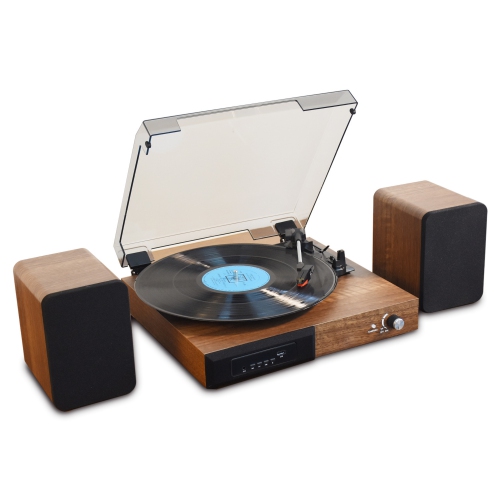
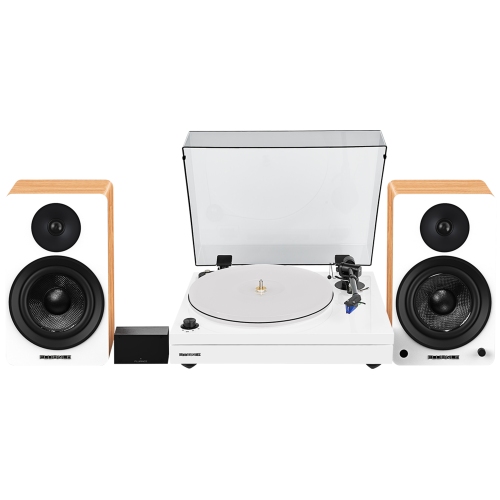
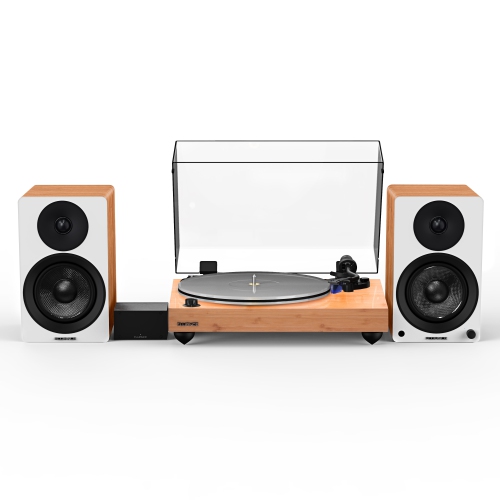


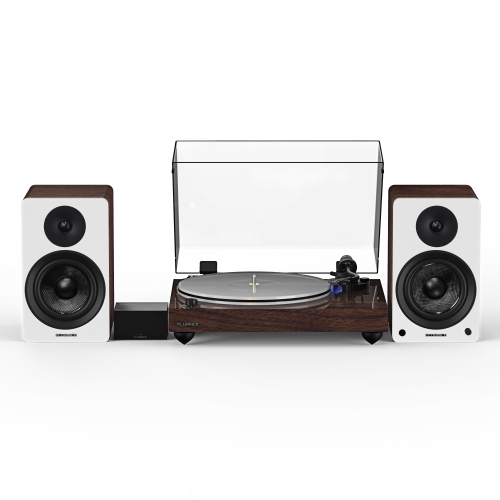
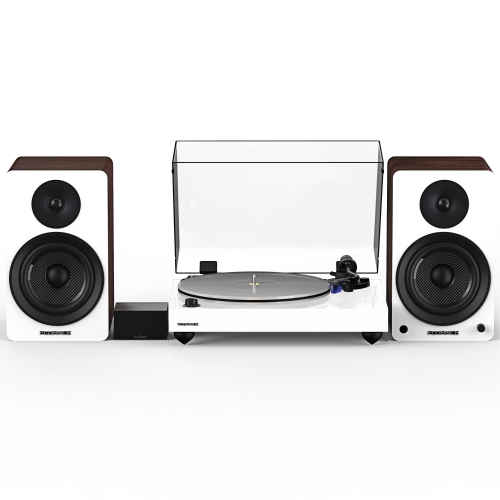

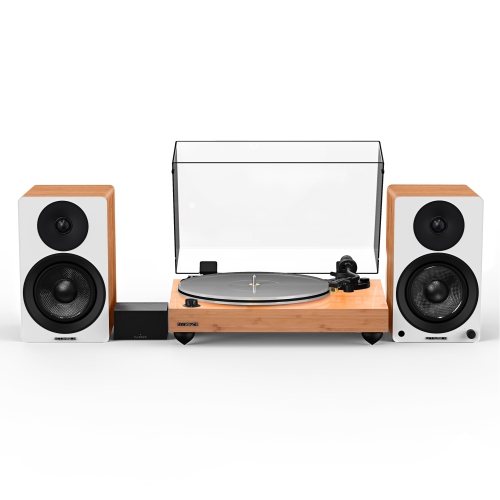
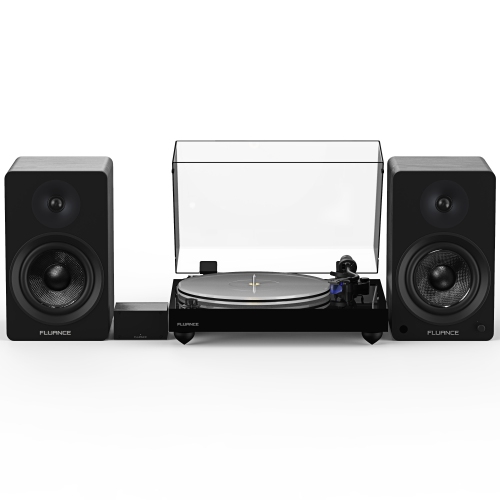
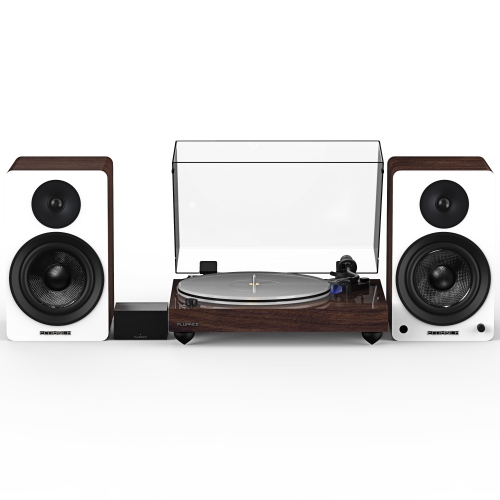
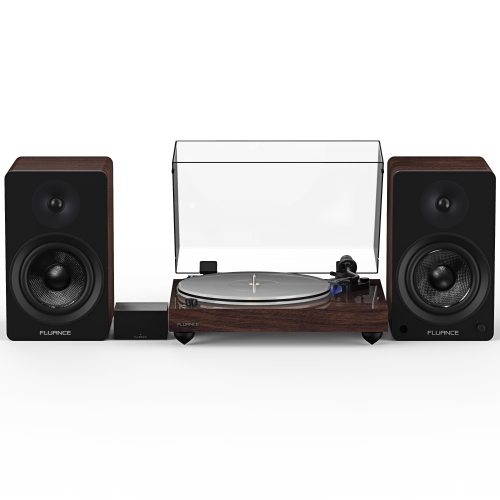
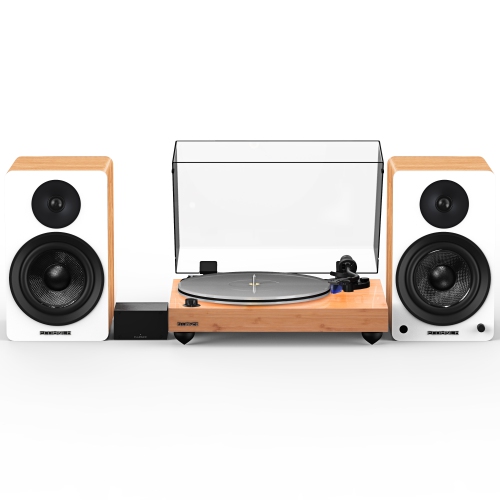
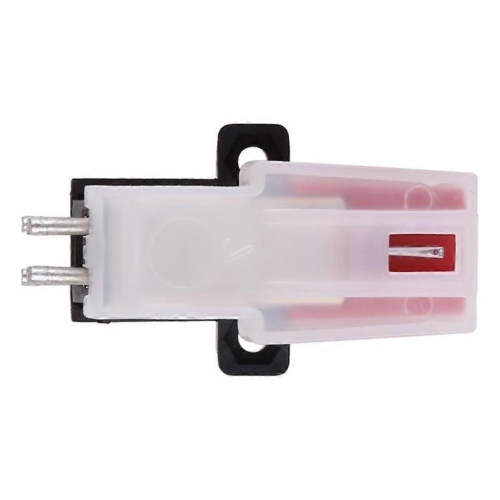

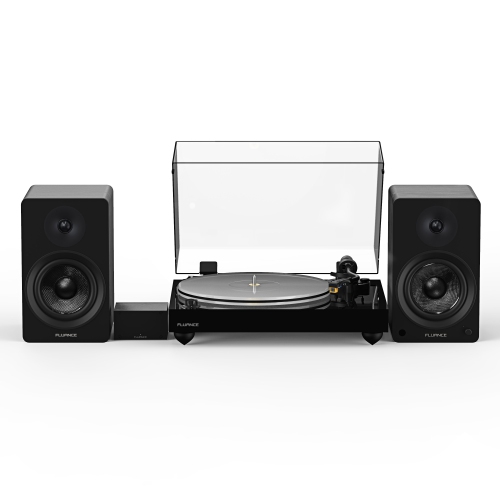
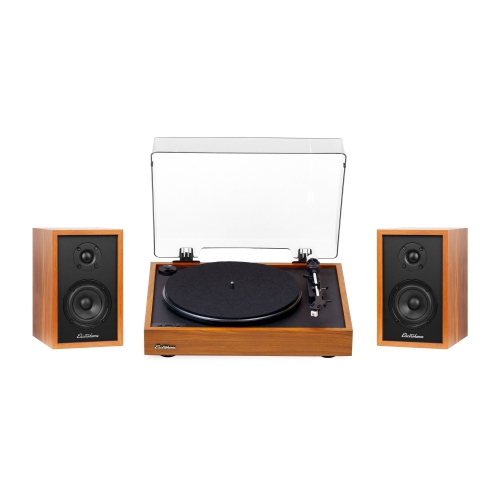
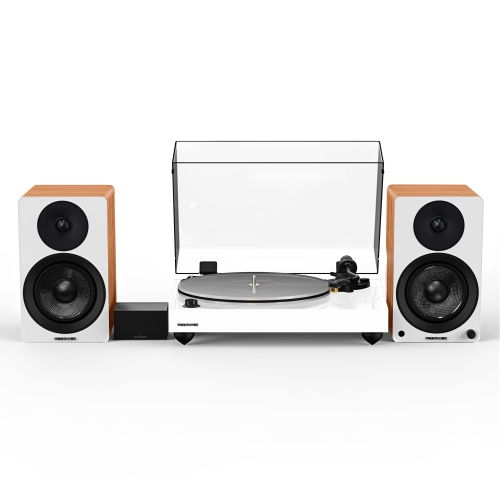


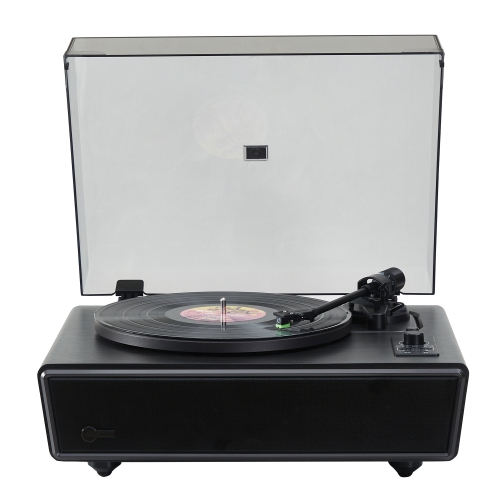


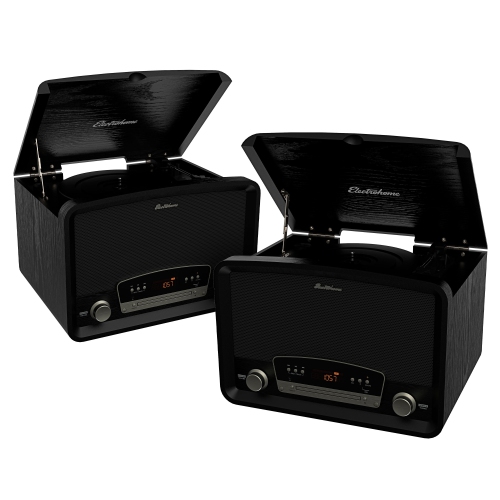

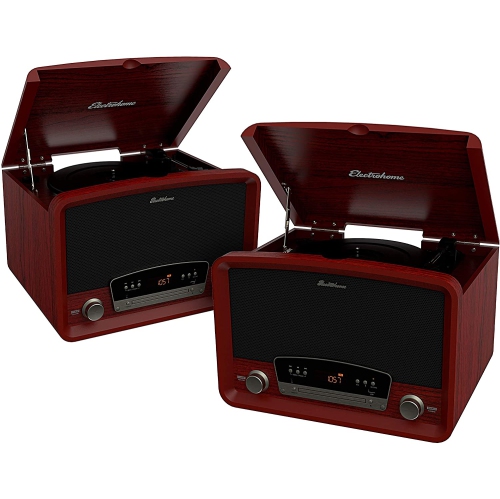
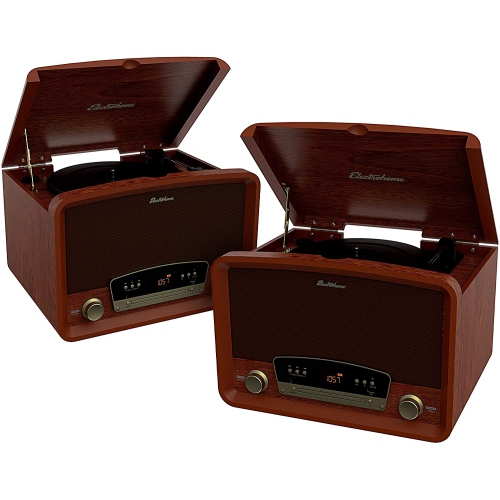


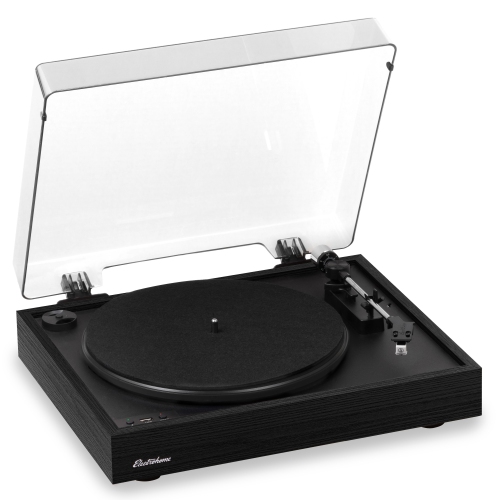

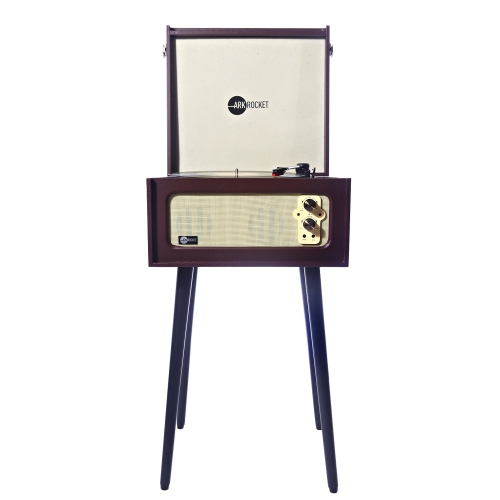


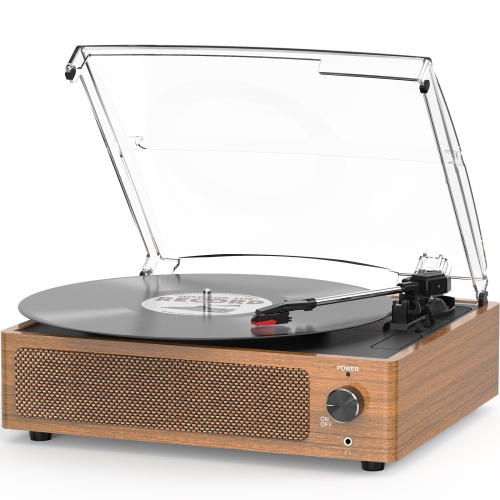
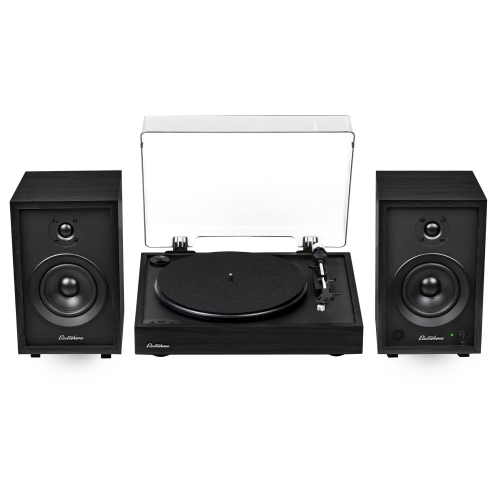

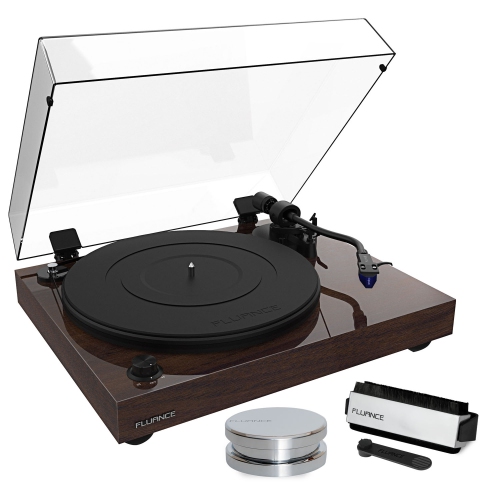
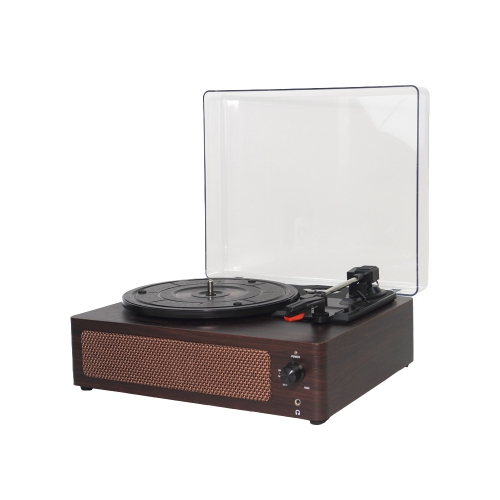
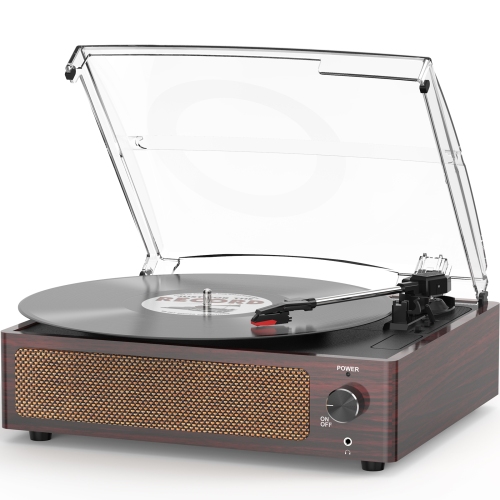
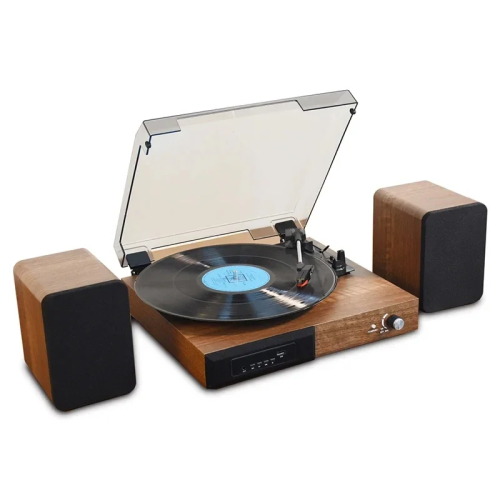
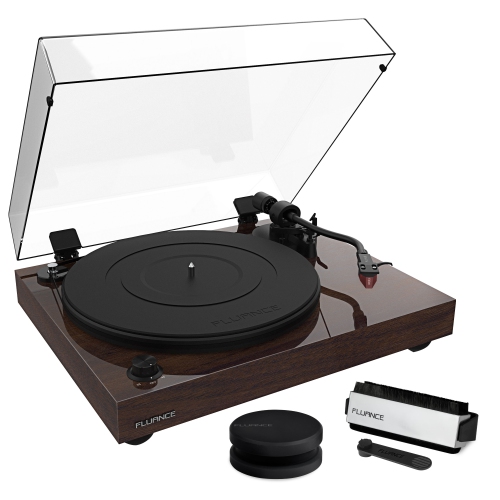
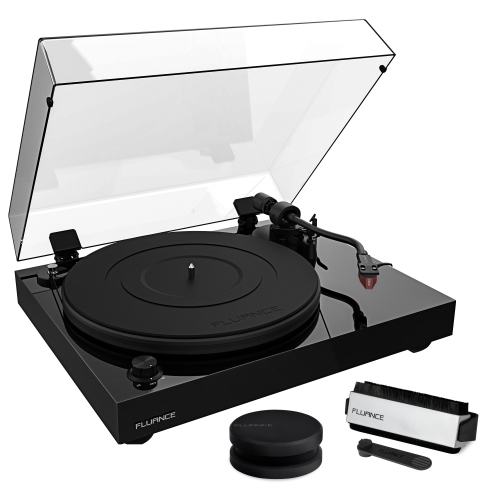


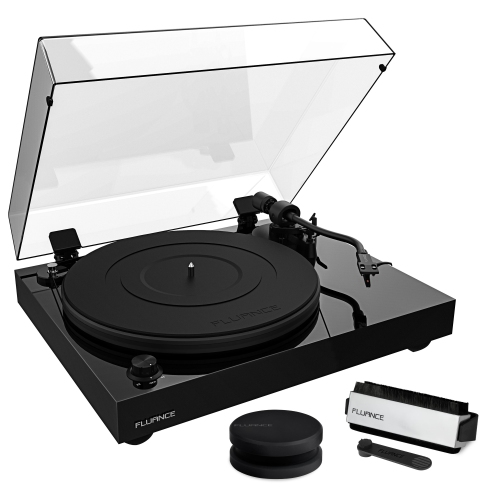
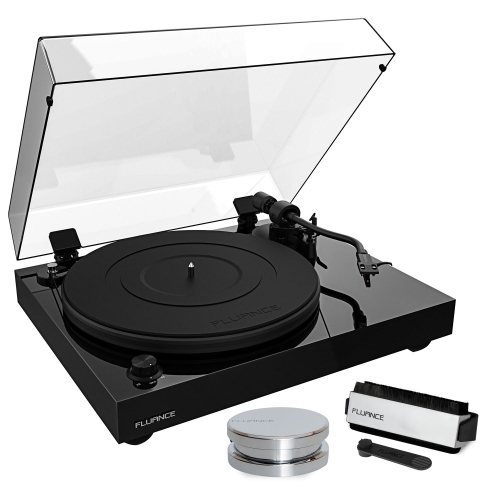
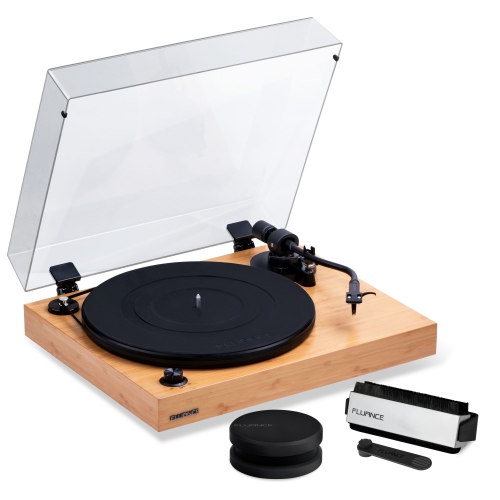

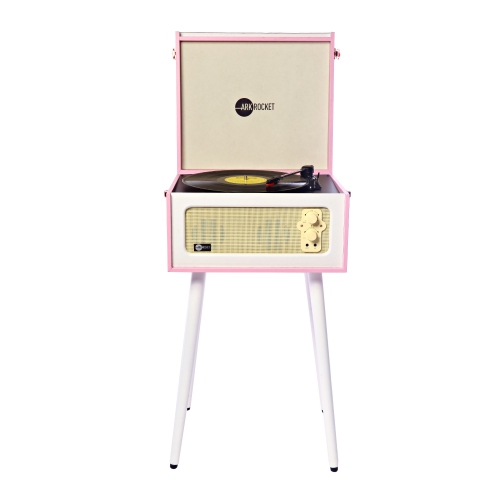


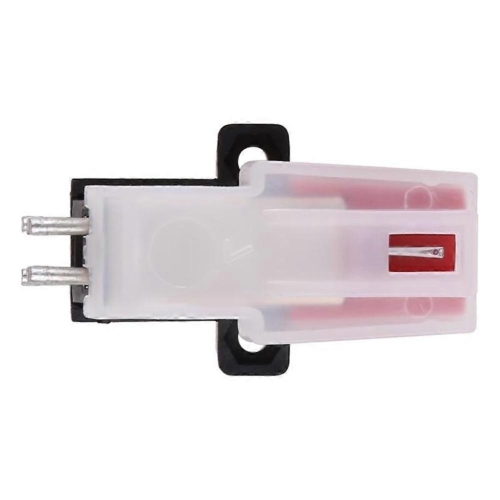
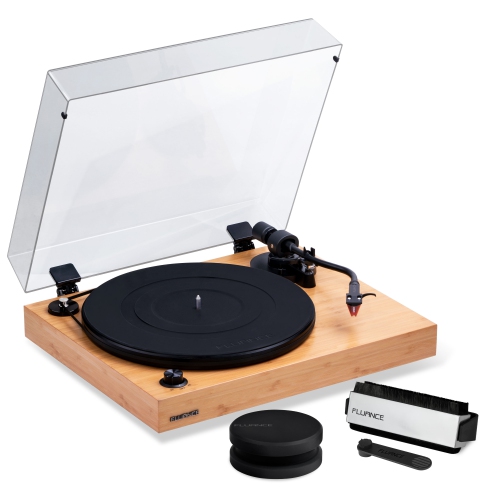

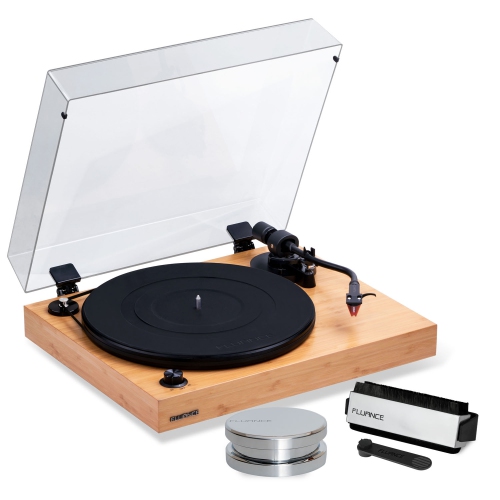
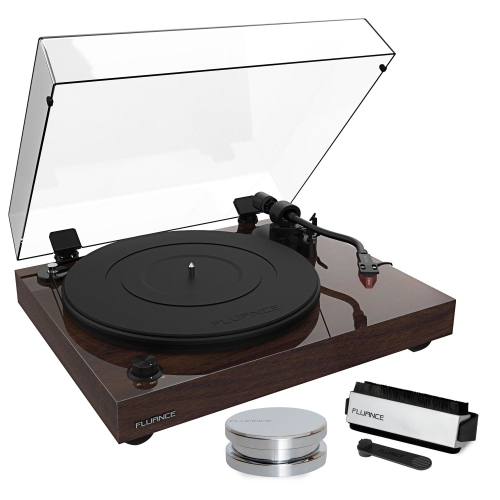
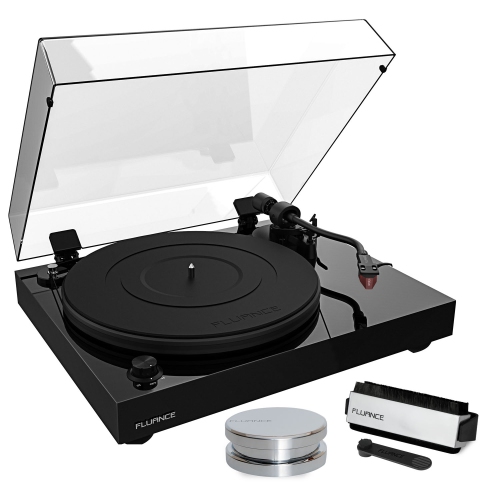
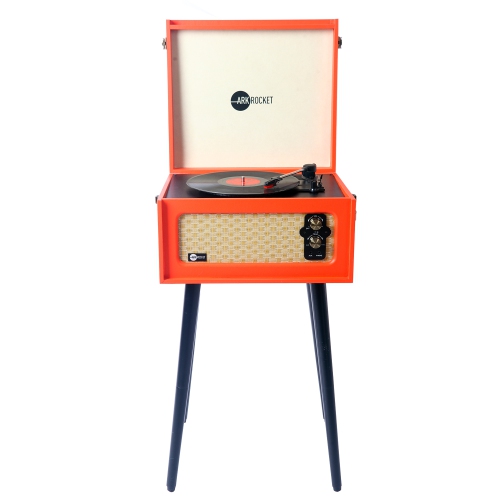
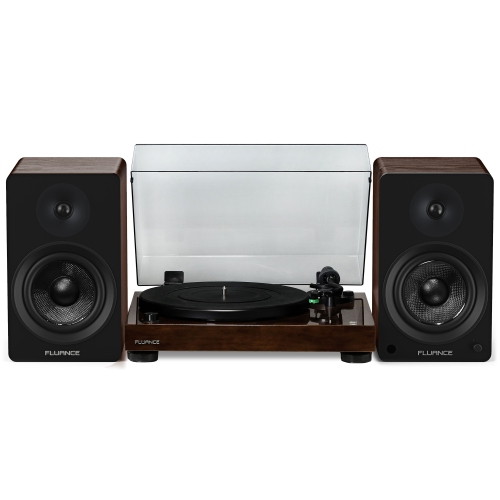
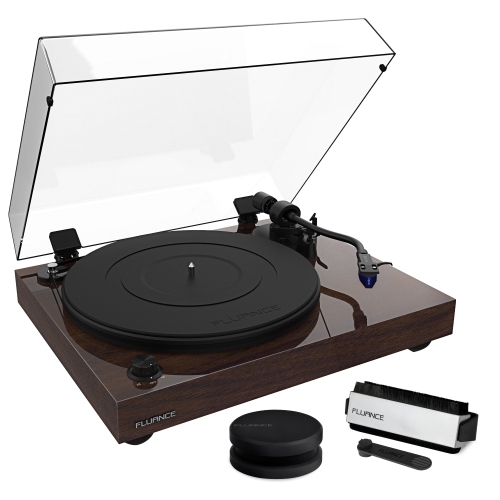
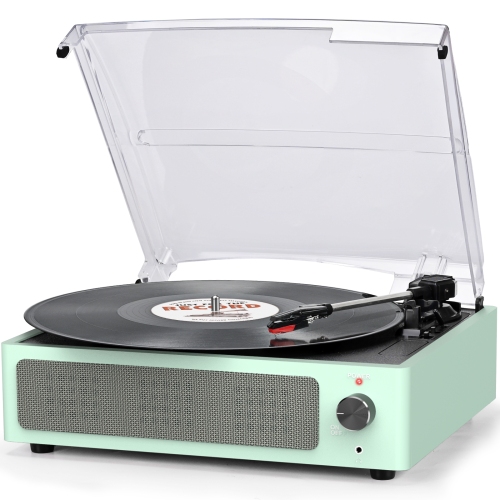

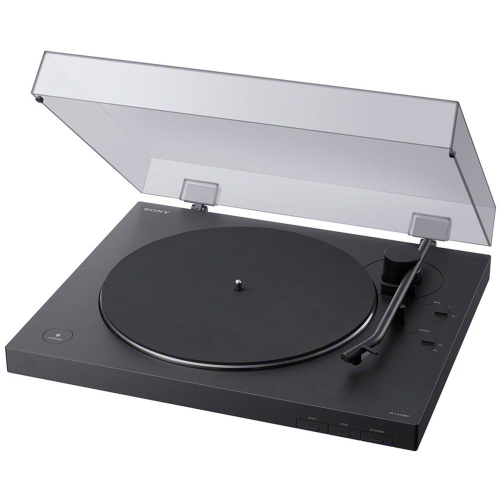
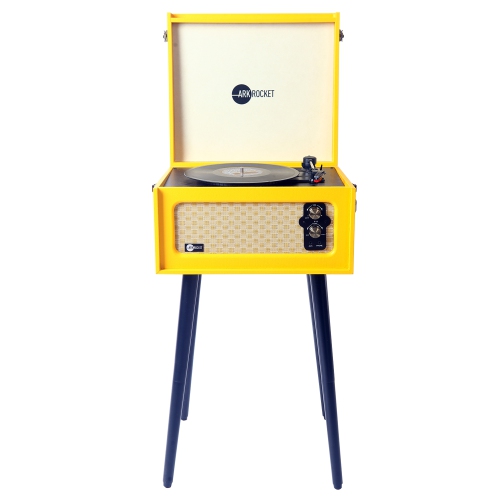

Why clear vinyl playback depends on the whole setup
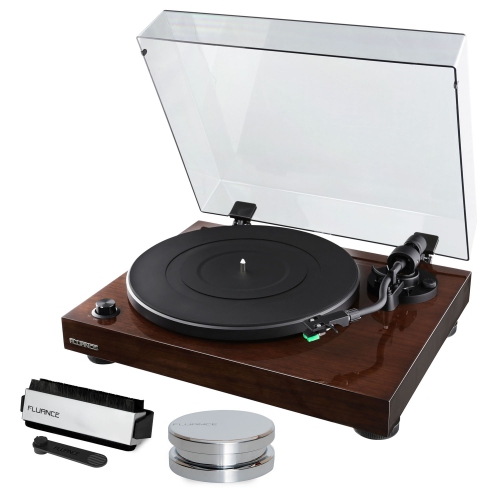
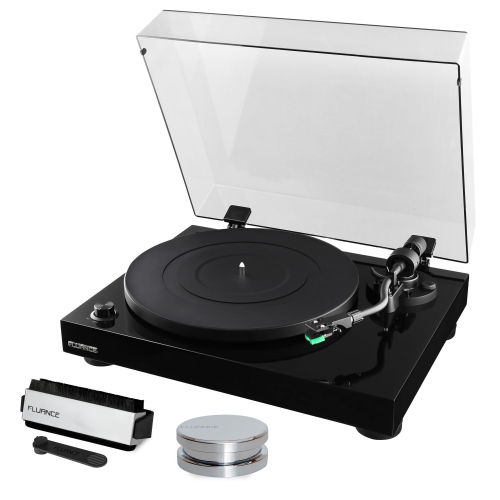
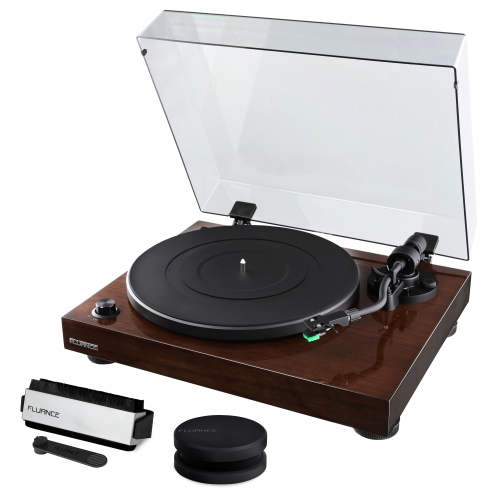
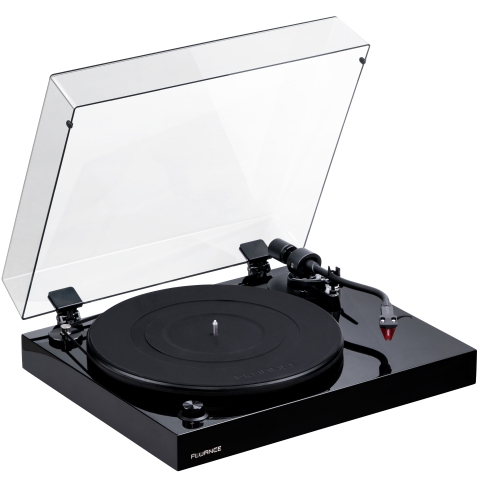
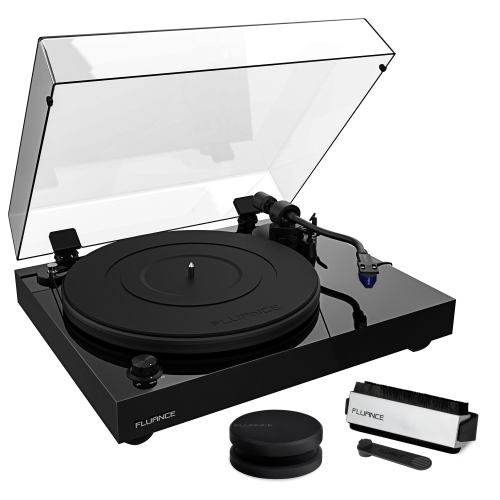
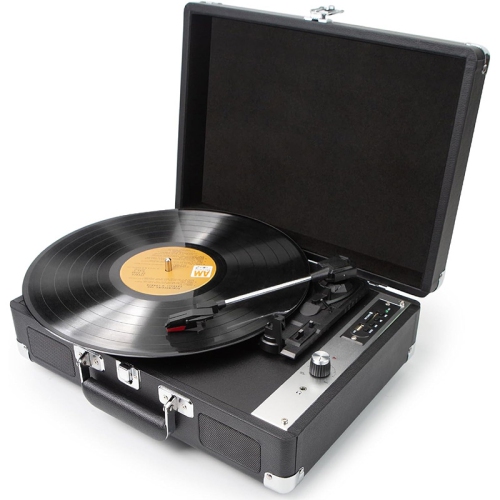
Record players with good sound bring out the texture of a singer’s voice, the resonance of an acoustic bass, and the space around instruments without letting mechanical noise dominate the music. That performance depends on several parts working together: a stable drive system, a well-matched tonearm and cartridge, a properly fitted stylus, and speakers capable of reproducing the signal clearly. A component turntable connected to separate speakers generally offers more flexibility and stronger sound potential than a compact player with built-in speakers. Keeping the speakers separate also makes it easier to limit vibrations reaching the stylus. Powered speakers have amplification built in, while passive speakers need a separate amplifier or receiver; either arrangement can suit a satisfying vinyl setup. The important distinction is that a turntable’s cartridge produces a small signal that usually needs a phono preamp before it reaches a standard line-level audio input. That preamp may be built into the player, included in an amplifier’s phono input, or supplied as a separate component. Matching those connections helps avoid thin, unusually quiet playback or overloaded, distorted sound. Good vinyl reproduction is not simply a matter of making every recording sound warm. Clear vocals, steady piano notes, controlled bass, and clean instrument separation are more useful signs of a balanced system. A familiar album can reveal those qualities: cymbals should retain detail without becoming harsh, and a bass line should remain distinct rather than blending into a low rumble. Sound also depends on the pressing, the condition of the record, and the room, so even a capable player cannot remove damage already present in a groove. For listeners building a dedicated music corner, sharing favourite albums with family, or returning to a long-stored collection, a turntable with dependable tracking and suitable connections provides a foundation that can grow with the rest of the audio system.
The construction of a record player matters because the stylus responds to extremely small movements, including vibrations that are not part of the recording. A rigid plinth made from materials such as medium-density fibreboard, a dense composite, or metal can help support the mechanism, while thoughtful damping and isolation reduce the transfer of unwanted vibration. Material alone does not establish sound quality: the way the plinth, feet, bearing, and platter work together matters more than a decorative finish or a heavy-looking cabinet. Platters may be made from aluminium, steel, acrylic, or other materials, with different approaches to mass and resonance control. A well-engineered platter and bearing support smooth rotation, helping sustained strings and keyboard notes hold their pitch. Both belt-drive and direct-drive designs can deliver good sound. Belt-drive systems use a belt between the motor and platter, which can help limit the transmission of motor vibration, while direct-drive systems connect the motor to the platter and can offer strong speed stability and quick starts. Neither design guarantees better playback on its own. The cartridge and stylus are equally important, as their job is to trace the groove accurately and convert its movement into an electrical signal. An elliptical stylus can trace finer groove details than a basic conical design, although performance still depends on alignment, tracking force, and the cartridge’s compatibility with the tonearm. Adjustable tracking force and anti-skate allow a compatible cartridge to operate within its specified settings; too little force is not automatically gentler on records and can cause mistracking. Replaceable styli and compatible cartridge options also support long-term use, making it possible to maintain the player or refine its performance without replacing the entire setup. Automatic operation offers another kind of fit: it can move the arm into place and return it after playback, while a manual player leaves those actions to the listener. Convenience and sound quality are separate considerations, and a thoughtfully designed automatic turntable can be a practical choice for everyday listening.
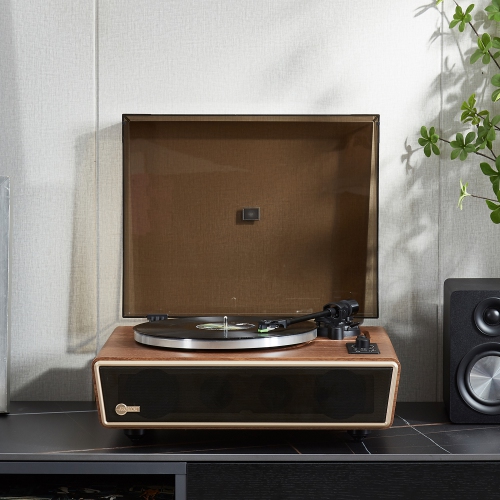
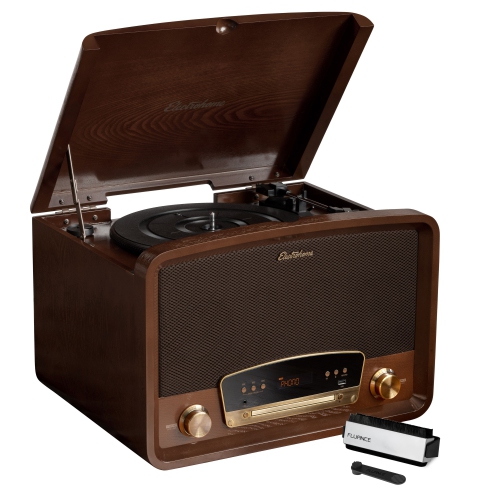
How a record player fits into a home is just as important as its technical design. A full-size turntable needs a level, stable surface with enough depth for its cabinet, space behind it for cables, and clearance for the dust cover to open. Placing speakers on separate stands or a different surface helps prevent bass vibrations from feeding back into the cartridge, particularly when listening at higher volumes. In a smaller room, compact powered speakers and a player with a built-in phono preamp can create a straightforward system without a separate receiver. An existing stereo may instead suit a turntable with a switchable phono stage or a direct connection to a compatible phono input. Wireless features can simplify placement, but Bluetooth playback introduces digital conversion and may use lossy compression, depending on the connection; a wired path avoids that wireless encoding stage. For anyone considering both sound and visual fit, Nice Record Players offers a related perspective on turntables as part of a listening space. A wood-look finish might sit comfortably beside a record cabinet, while a restrained metal or matte finish can blend with an existing audio rack. Beyond appearance, accessible controls, a protective dust cover, and clearly specified replacement parts make ownership easier. Regular care protects both playback quality and the collection itself: handle records by their edges and centre labels, store them upright in protective sleeves, and remove loose dust with a suitable record brush. A stylus needs careful cleaning with the appropriate tool and technique, following the manufacturer’s directions rather than wiping it sideways or applying household cleaners. Belts and styli are wear parts, so maintenance needs deserve attention alongside cabinet durability. As a gift, a record player is especially meaningful for an album collector, a music student, or someone who enjoys listening to a record from beginning to end. The most useful match accounts for the recipient’s speakers, available space, and preferred level of hands-on setup, so the pleasure of lowering the needle is supported by clear, dependable sound.
Top selling and popular products
-
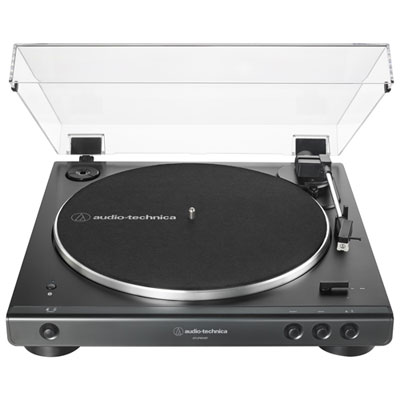 Your price for this item is $299.99
-
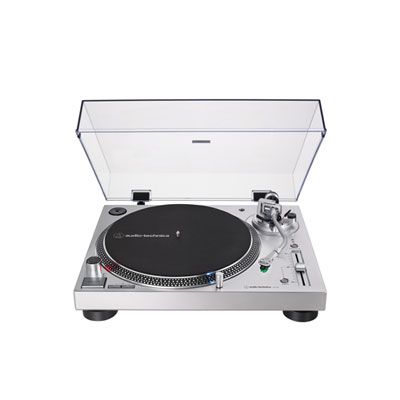 Your price for this item is $469.99
-
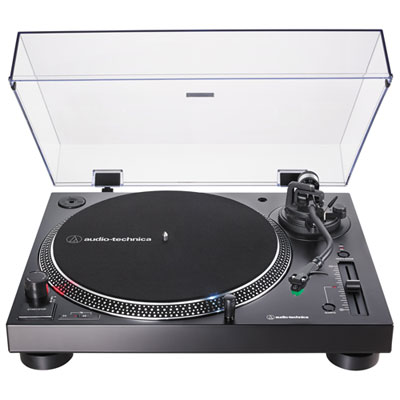 Your price for this item is $469.99
-
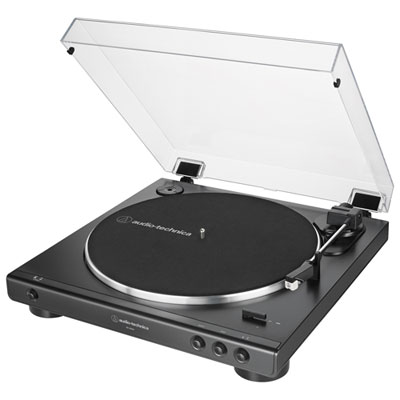 Your price for this item is $199.99
-
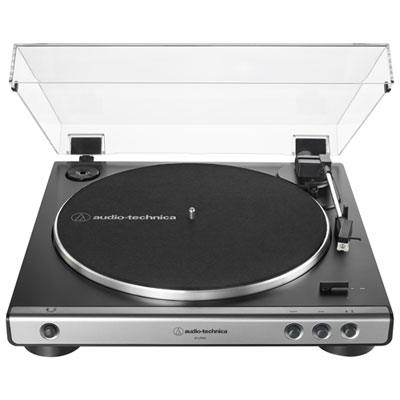 Your price for this item is $199.99
-
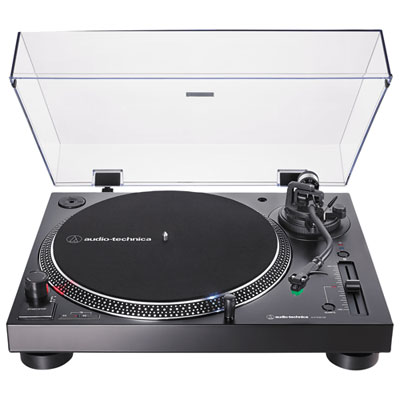 Your price for this item is $619.99
-
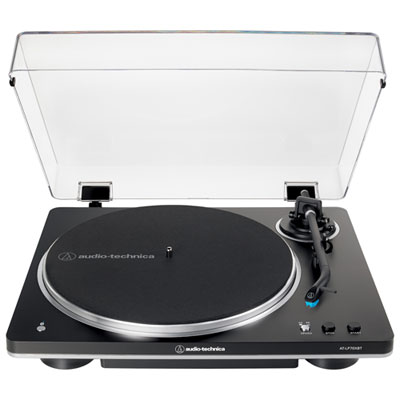 Your price for this item is $379.99
-
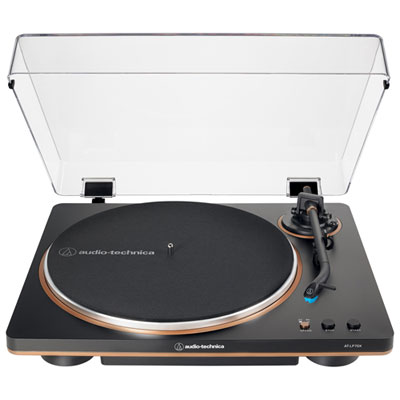 Your price for this item is $279.99
Discover more categories related to Record Players With Good Sound
Top Collections:
Pokemon Centers, Best Cameras for Sports Photography, Kindle Devices, Samsung Galaxy Phones, Canon G7X Cameras, Pokémon 30th Celebration Cards, Refurbished Apple Laptops, iPhone 15 Apple, Laptops for Students, Budget Smartphones
Some products may be subject to Environmental Handling Fees
(EHF) depending on your province.
Learn more about EHFs.