Record Players With Built-In Speakers
Discover the perfect blend of classic charm and modern convenience with record players with built-in speakers. Ideal for music lovers who want a streamlined listening experience, these all-in-one turntables let you enjoy your favorite vinyl records without the need for extra equipment. Whether you're setting up a cozy space at home or looking for a stylish addition to your entertainment area, record players with built-in speakers offer an easy way to bring rich, authentic sound to any room. Explore a wide selection designed to suit every taste and listening preference.
Sort
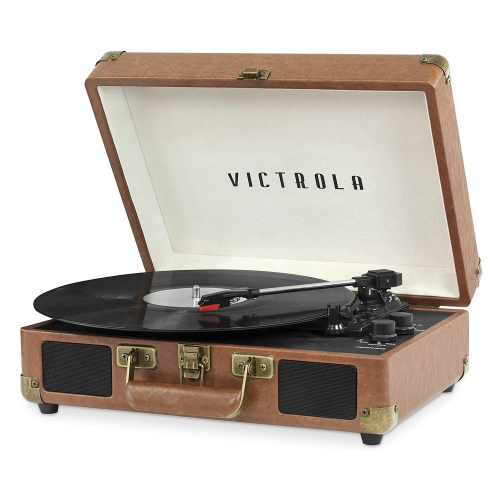
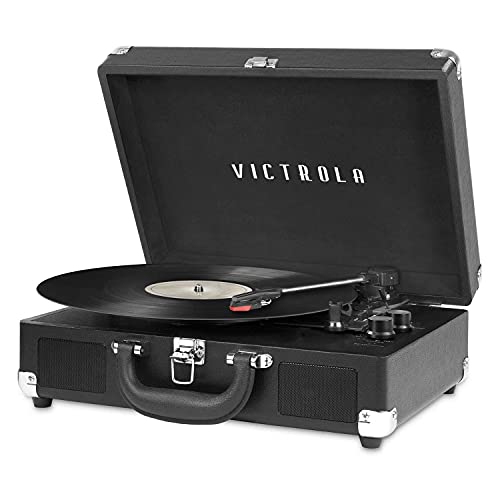
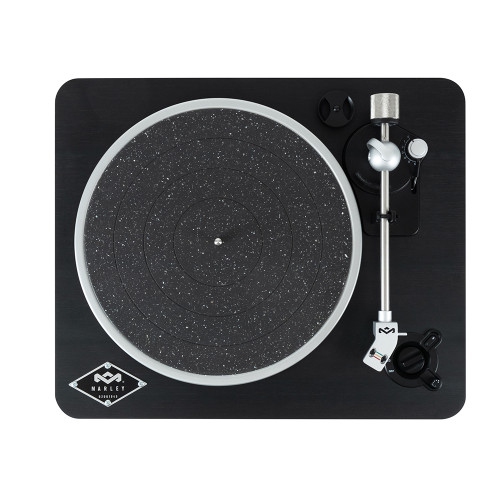
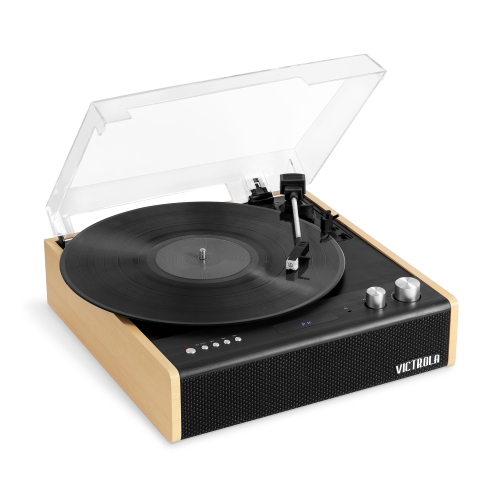
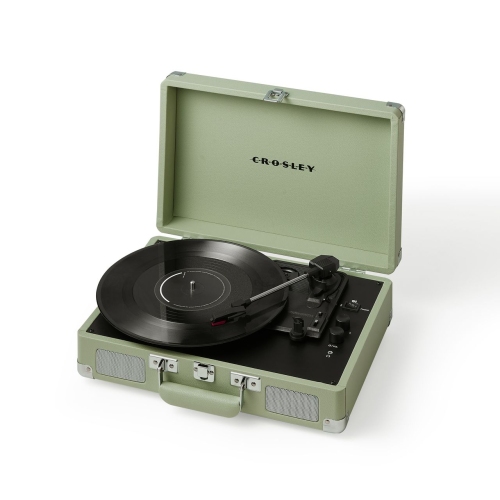
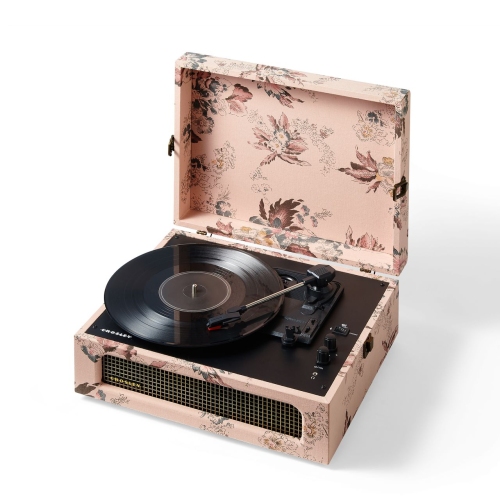
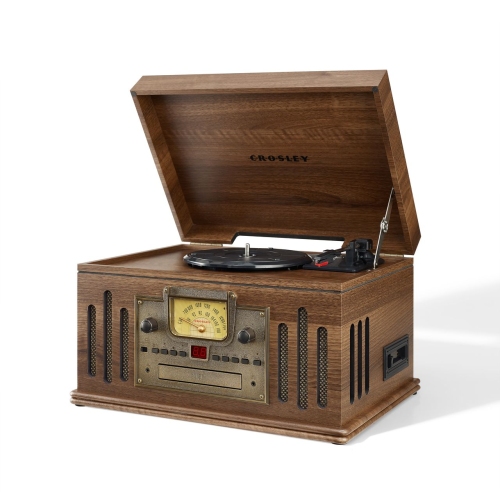
A simpler setup for your favourite vinyl rituals
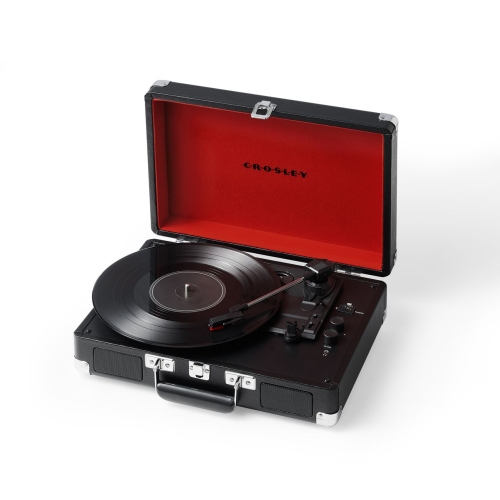
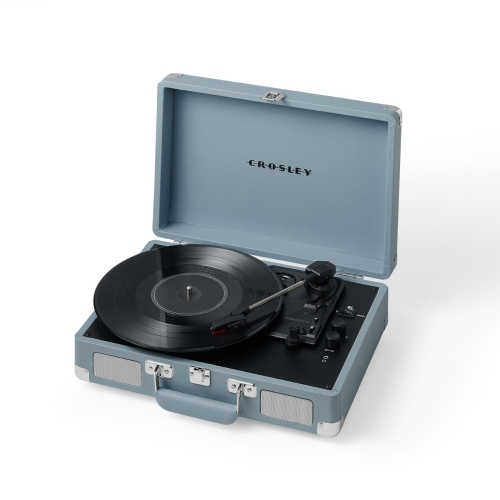
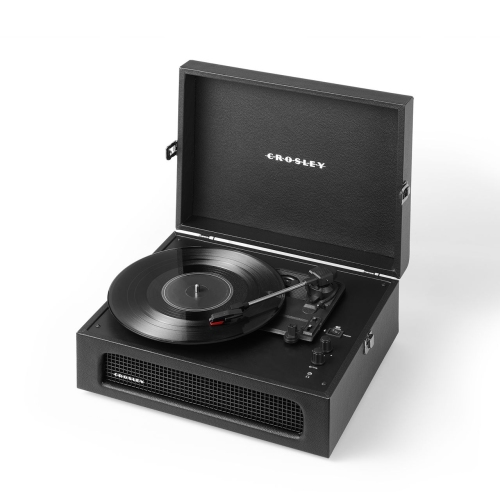
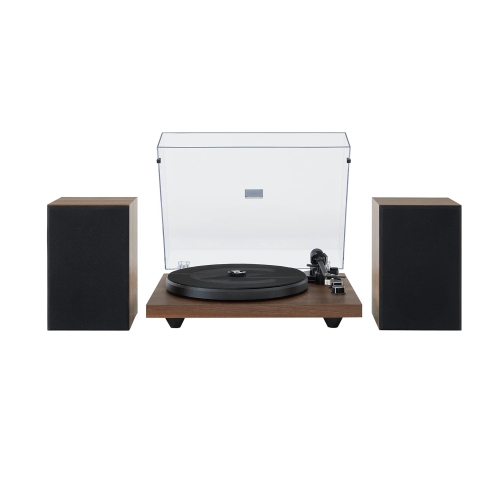
Record players with built-in speakers bring vinyl playback into a single unit, combining a turntable, amplification, and speakers without requiring a separate audio system. That straightforward setup suits listeners who want to lower the tonearm onto a favourite album and hear it play without arranging multiple components around the room. It also gives a first record collection a practical home, whether the player sits on a living room cabinet, a bedroom dresser, or a dedicated music shelf. The experience is tactile: sliding a record from its sleeve, placing it on the platter, and turning the album over when a side ends. Integrated designs range from compact, suitcase-style enclosures to larger tabletop cabinets, with different priorities for portability, appearance, and speaker space. Wood, engineered wood, plastic, metal, and fabric-covered surfaces each contribute a different look and feel. A wood-look finish can blend with shelving and furniture, while a carrying handle and closing lid may suit a player that moves between rooms. Portability does not necessarily mean battery operation, however; many compact designs still need a nearby electrical outlet. The overall footprint matters as much as the cabinet dimensions. A hinged cover needs room to open, and a full-size record may extend beyond the edges of a compact platter or enclosure. A sturdy, level surface with enough clearance for the record and tonearm makes everyday listening more comfortable. Front-facing controls can be easier to reach on a shelf, while top-mounted controls need unobstructed access. Built-in speakers also need room around their openings rather than being pressed against books or cabinet walls. For shared spaces, a headphone connection can make the same player useful for private listening, provided that function is included. These details shape how naturally a record player fits into a room and a listening routine, beyond the style of its cabinet.
Sound from an all-in-one record player depends on the entire playback system, from the stylus tracing the groove to the speakers projecting music into the room. Compact speakers can work well for close-range listening, spoken-word recordings, and relaxed background music, while larger enclosures may allow for fuller sound. Cabinet size alone does not establish sound quality, and a small integrated system will generally have less deep bass and stereo separation than a well-matched setup with separate speakers. That distinction matters when listening from across a large living room rather than from a nearby chair. For listeners exploring Record Players With Good Sound, vocal clarity, steady pitch, and balanced playback are useful considerations alongside the convenience of a self-contained design. Consistent platter speed helps sustained piano notes and voices sound natural, while a properly matched cartridge and stylus help retrieve musical detail from the groove. Some players include an adjustable counterweight or anti-skate control; others use a preset tonearm arrangement intended for simpler operation. Correct setup matters with either approach, since tracking force should suit the cartridge rather than being altered by guesswork. Playback speed also determines which records a player can accommodate. Most LPs play at 33⅓ rpm, many singles use 45 rpm, and a 78 rpm setting is relevant to some older recordings, which may also require a different stylus. Wireless features deserve a close look because Bluetooth reception and transmission serve different purposes. Reception lets a compatible phone send music to the player’s speakers, while transmission can send vinyl audio to compatible wireless speakers or headphones when supported. Neither function automatically includes the other. Similarly, a line output can allow connection to a suitable external audio system, whereas a phono output requires an appropriate phono input or preamp. These connections can give an integrated player a role beyond standalone listening, but their presence and operation vary between designs.
Everyday care helps a record player remain dependable and keeps the listening experience enjoyable. A firm surface away from foot traffic reduces the chance of a bumped tonearm, and separating the player from other vibrating equipment can help limit unwanted noise. Because built-in speakers share the enclosure with the turntable mechanism, sensible listening levels and stable placement are particularly useful. A dust cover helps protect the platter and tonearm between sessions, although whether it stays open or closed during playback depends on the design and its operating instructions. Records benefit from being handled by their edges and label area, returned to clean inner sleeves, and stored upright rather than piled flat. A suitable record brush can lift loose surface dust before playback, while deeper cleaning calls for materials intended for vinyl rather than household sprays. The stylus needs gentle care, too: an appropriate stylus brush used in the recommended direction is safer than fingers or improvised tools. A worn stylus can affect sound and record condition, so access to a compatible replacement is a meaningful part of long-term ownership. Durable hinges, secure controls, and a well-supported tonearm also matter when a player is used frequently or moved occasionally. Carrying handles are convenient, but records should be removed and the tonearm secured before transport according to the player’s instructions. For gifting, an integrated record player can suit someone beginning a collection, returning to albums kept for years, or creating a small listening corner without a separate amplifier and speakers. The most useful match reflects the recipient’s habits: straightforward controls for occasional listening, headphone capability for a shared home, or suitable outputs for someone who may later connect a larger system. A compact cabinet can make vinyl approachable in a smaller room, while a more substantial tabletop design may better suit a permanent music space. Together, thoughtful placement, compatible playback features, and routine care let the player serve its central purpose: making records easy to enjoy as part of everyday life.
Top selling and popular products
-
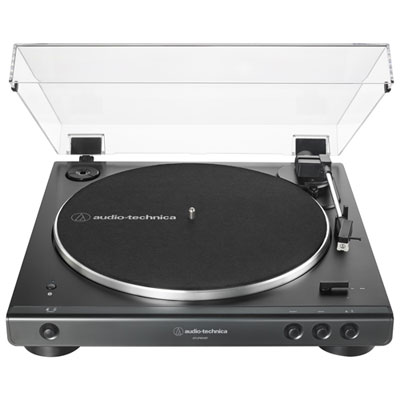 Your price for this item is $299.99
-
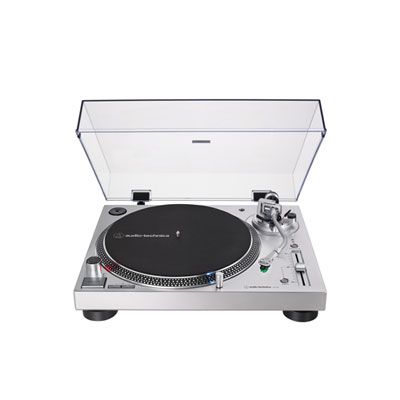 Your price for this item is $469.99
-
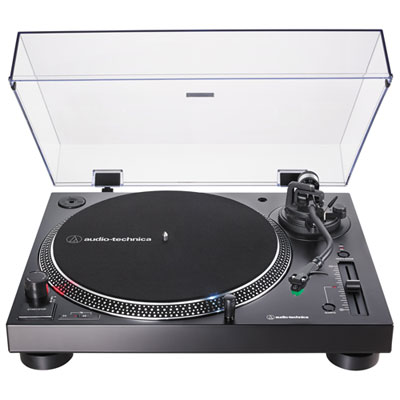 Your price for this item is $469.99
-
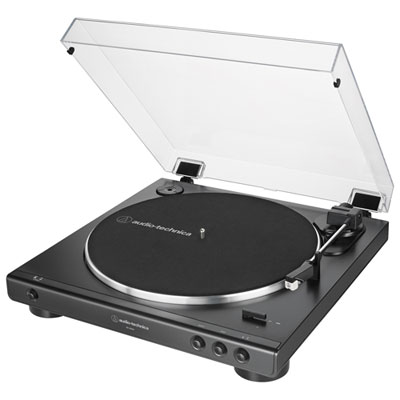 Your price for this item is $199.99
-
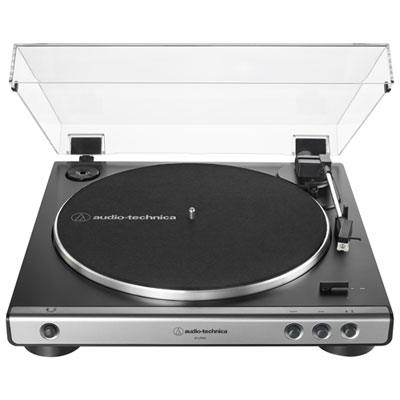 Your price for this item is $199.99
-
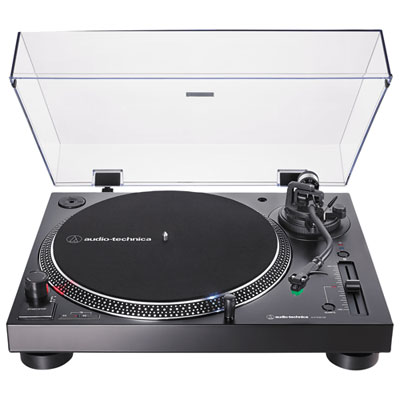 Your price for this item is $619.99
-
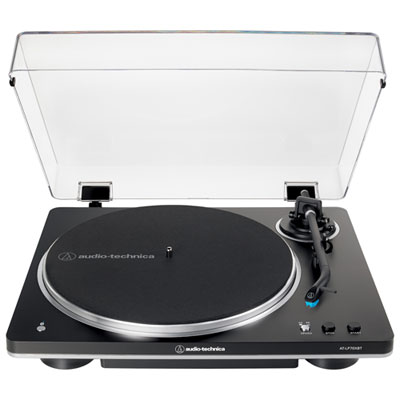 Your price for this item is $379.99
-
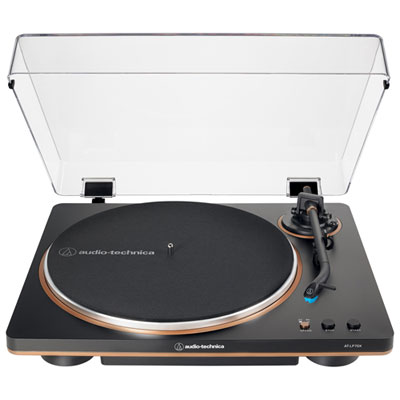 Your price for this item is $279.99
Discover more categories related to Record Players With Built-In Speakers

Top Collections:
Pokemon Centers, Best Cameras for Sports Photography, Kindle Devices, Samsung Galaxy Phones, Canon G7X Cameras, Pokémon 30th Celebration Cards, Refurbished Apple Laptops, iPhone 15 Apple, Laptops for Students, Budget Smartphones
Some products may be subject to Environmental Handling Fees
(EHF) depending on your province.
Learn more about EHFs.