Soundbar 5.1 Wireless
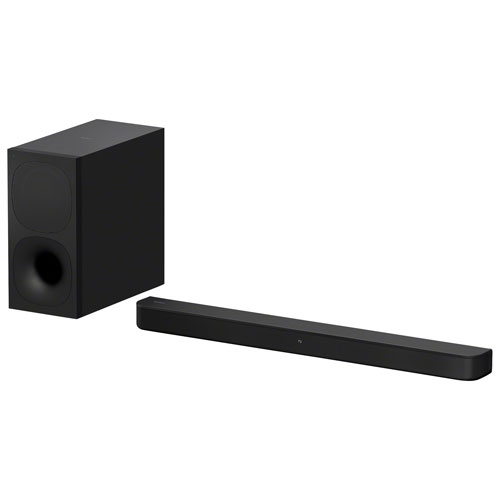
Enhance your home entertainment experience with these 5.1 wireless soundbars. These sleek and powerful audio systems bring the cinema right to your living room, delivering immersive sound that will elevate your movie nights, gaming sessions, and music listening. With wireless connectivity and a compact design, these soundbar 5.1 seamlessly integrate into almost any space, while their advanced technology ensures crystal-clear audio for an unparalleled audio experience. Here are some great options available.
Sort

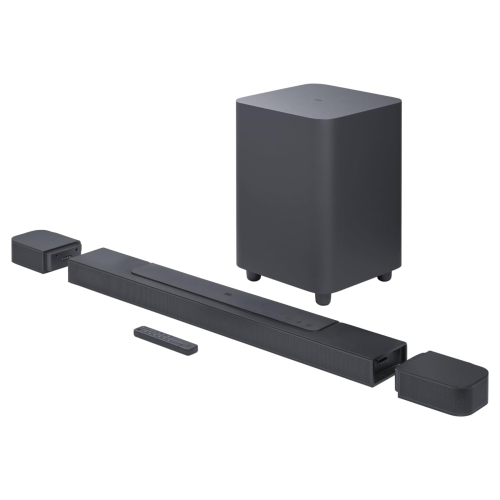
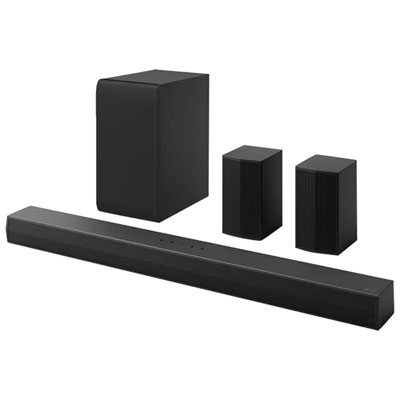
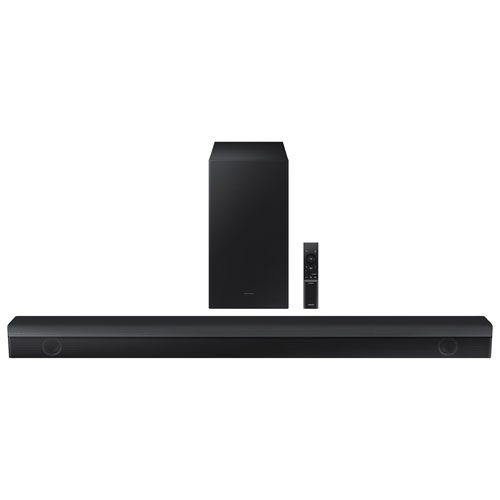
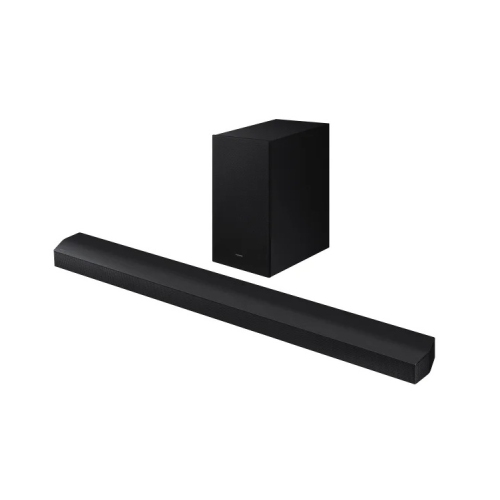
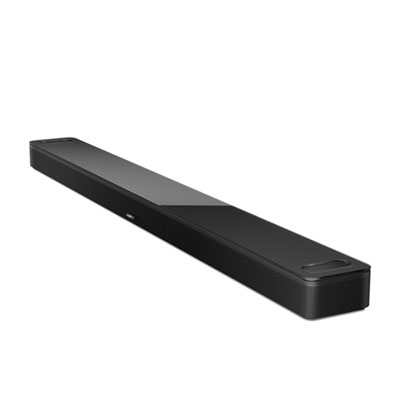
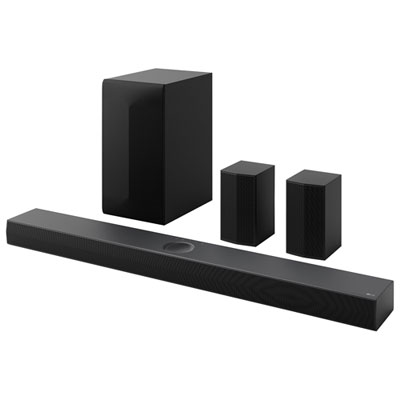


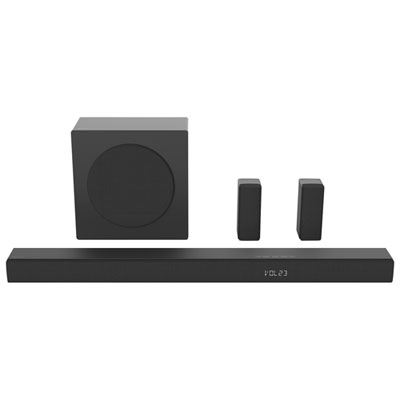

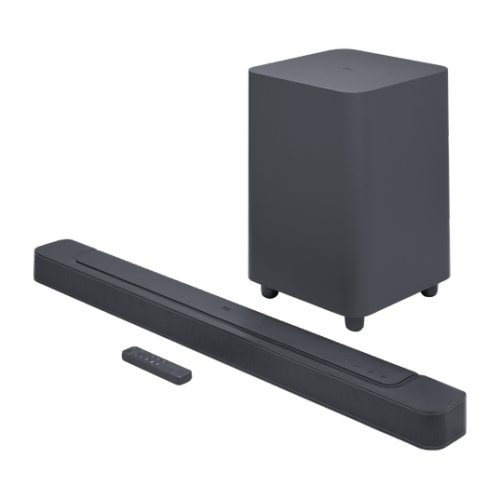


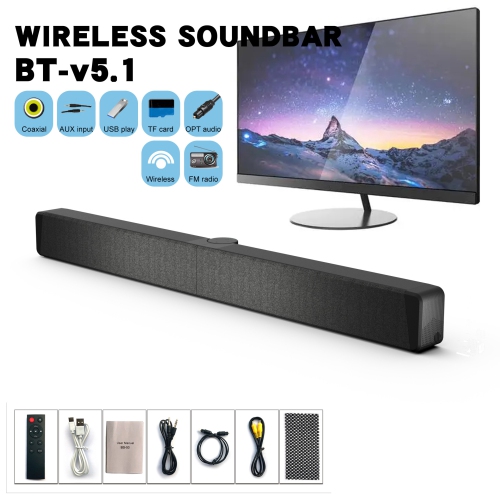


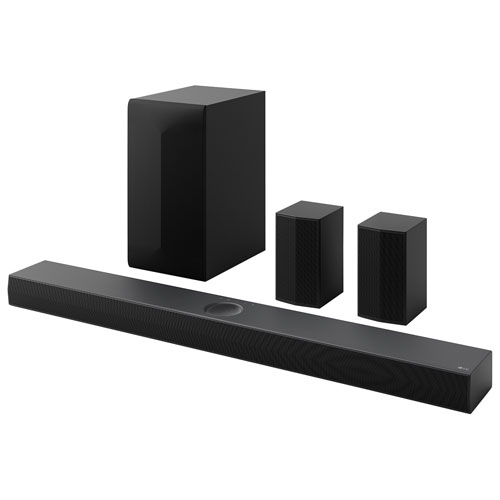

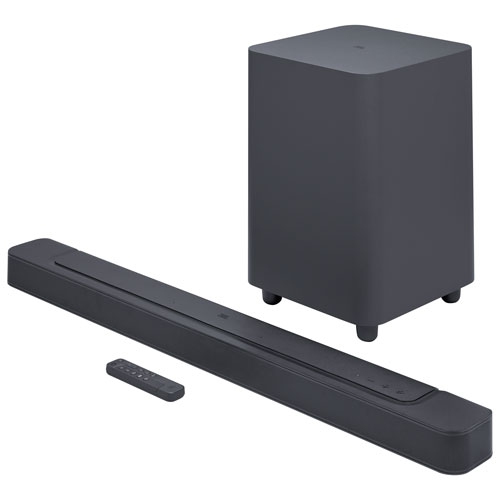
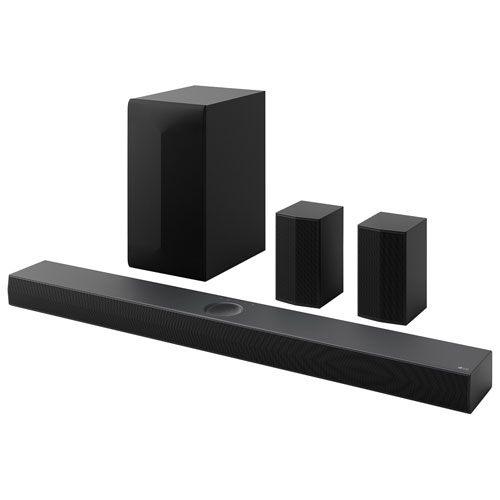


Immersive TV audio without a room full of cables
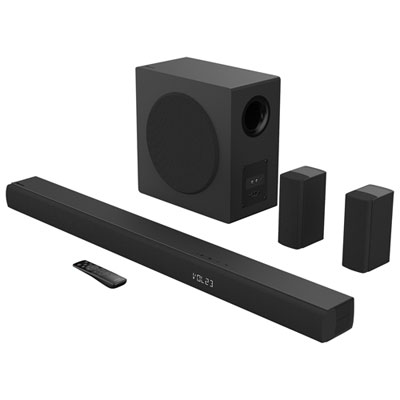
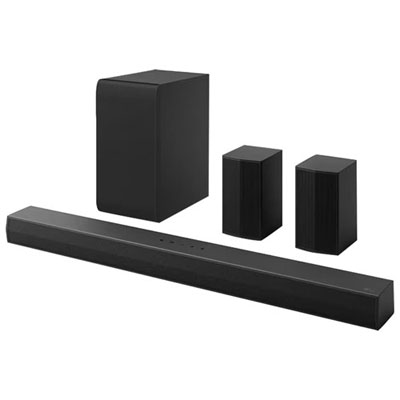
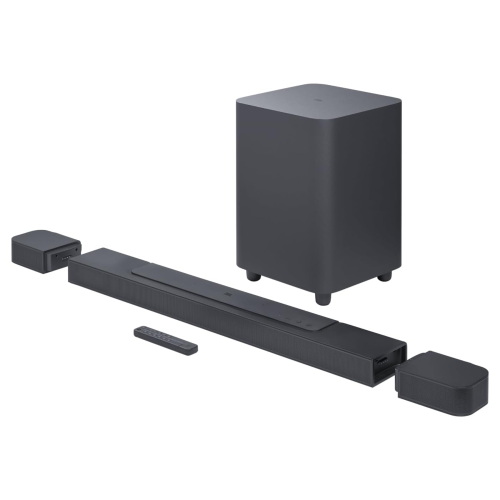
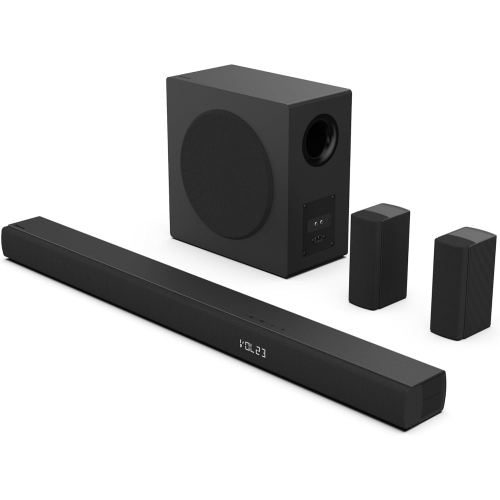
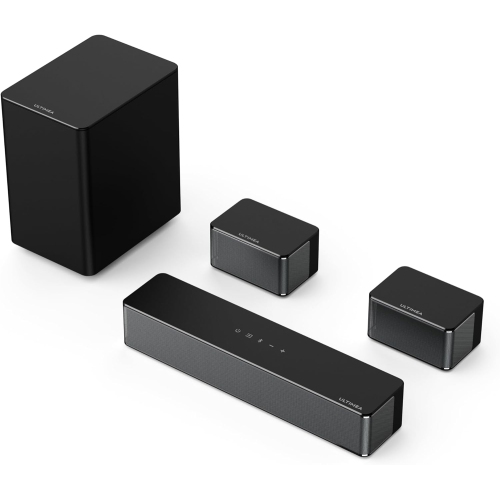
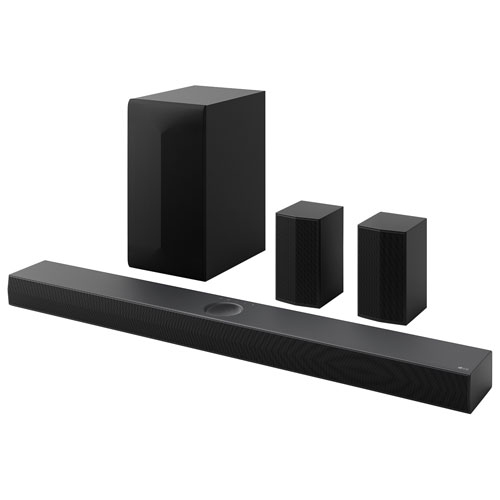
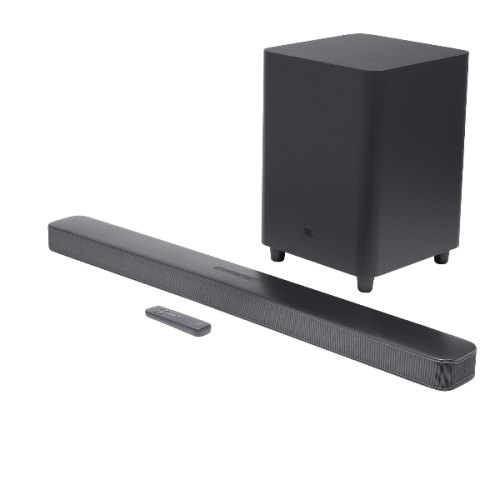
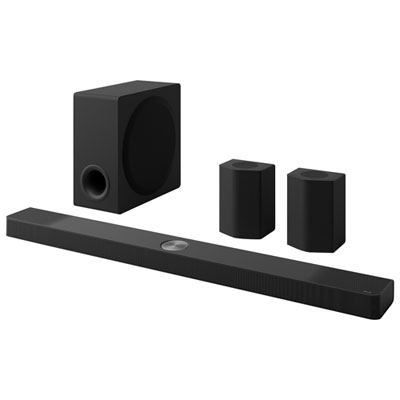
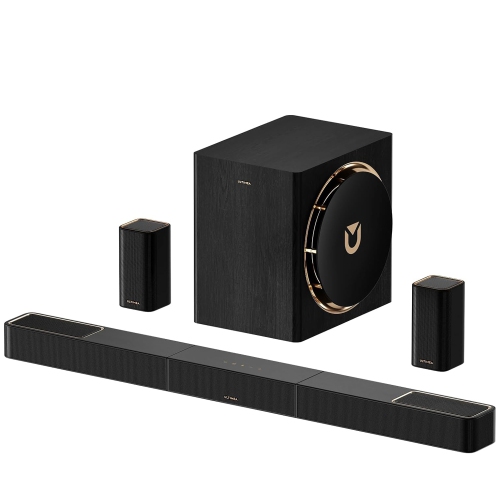
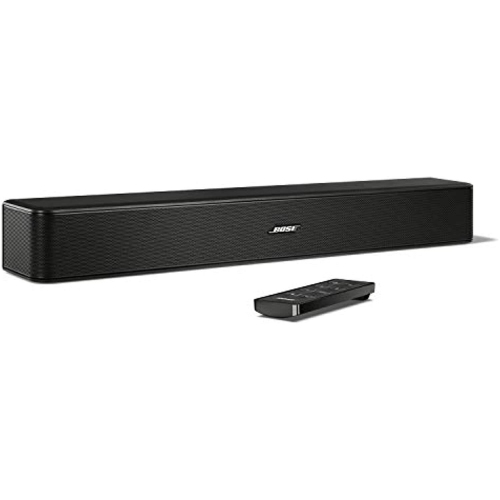
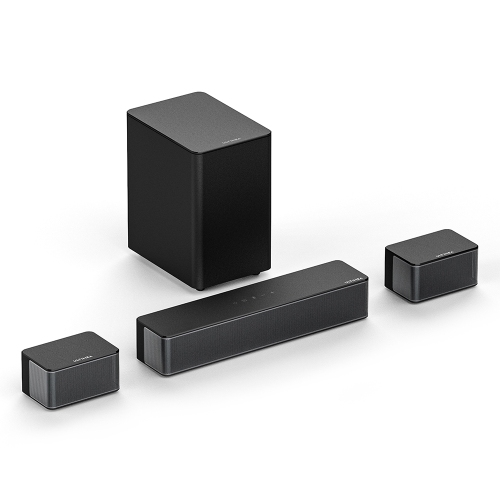
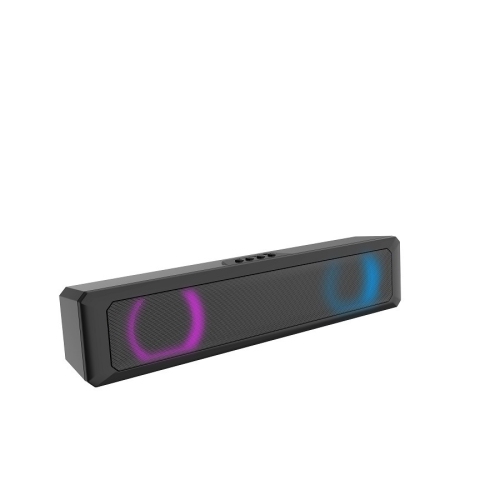
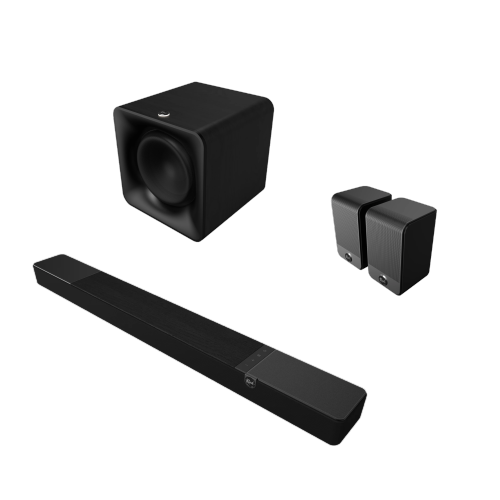
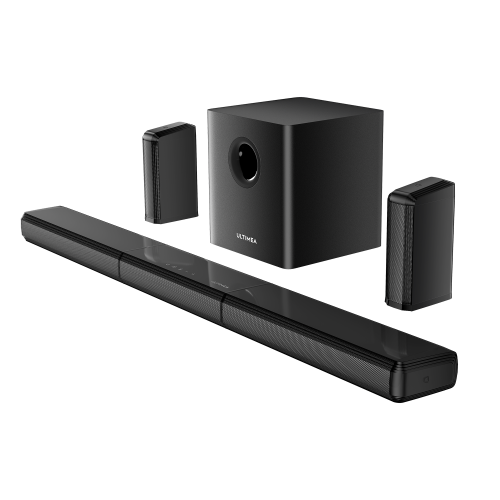
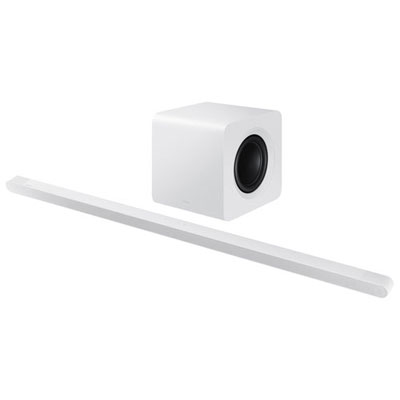
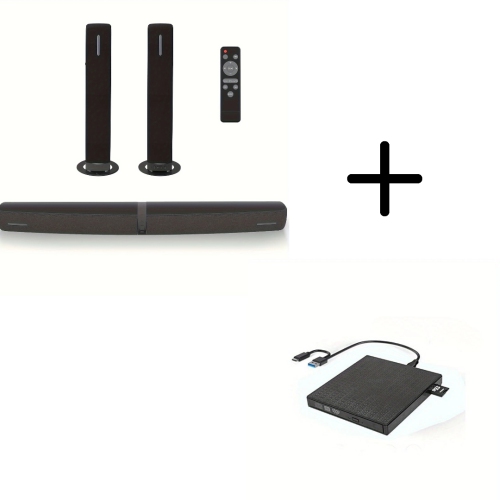
A 5.1 wireless soundbar system is designed to bring fuller, more immersive audio to your television without the complexity of a traditional home theatre receiver and a room full of speaker cables. In a typical setup, the main soundbar sits beneath or in front of the TV, a wireless subwoofer adds depth to bass-heavy effects, and separate rear speakers help place sound around the listening area. The “5.1” designation generally refers to five main audio channels plus one dedicated bass channel: left, centre, right, surround left, and surround right, along with the subwoofer. That arrangement can make dialogue feel anchored to the screen while music, crowd noise, weather effects, and cinematic sound move beyond the TV’s edges. It is especially useful in open-concept living rooms, apartments, bedrooms, and family rooms where a full collection of wired speakers may be difficult to install. Wireless rear speakers can reduce visible cable runs across the floor, although most components still need access to a power outlet. Some systems use plug-in wireless satellites, while others include detachable, battery-powered rear speakers that can be placed behind a sofa for a movie and returned to their charging positions afterwards. Battery life varies, with some designs offering several hours of playback before recharging. For shoppers comparing options, it helps to look beyond the total wattage printed on the box. A higher wattage rating can indicate strong output, but room size, speaker placement, tuning, and the quality of the source all influence the listening experience. A compact room may not need the most powerful system available, while a wide living area with high ceilings may benefit from greater headroom and a dedicated subwoofer that can fill the space without sounding strained.
Connectivity is one of the most important details to check before choosing a wireless 5.1 soundbar. HDMI ARC or eARC is often the simplest way to connect a compatible television, as it can carry TV audio through one cable and let you control volume with the television remote. eARC can support higher-bandwidth formats and is worth considering for newer TVs, game consoles, and streaming devices. Optical audio remains useful for older televisions, while Bluetooth can make it easy to play music, podcasts, or audiobooks from a phone or tablet. Some systems also offer Wi-Fi connectivity, additional HDMI inputs, or support for advanced surround formats. Compatibility can vary, so check whether your TV can pass through the audio formats you plan to use. A system that supports Dolby Atmos or DTS Virtual:X may create a wider or taller sense of space, but it is important to understand the difference between an arrangement with dedicated rear speakers and one that creates surround effects through processing alone. A true 5.1 layout places speakers behind the listener, which can provide more distinct directional effects in films and games. Virtual surround processing can still be impressive, particularly when space is limited, but the result depends heavily on the room and listening position. Placement makes a noticeable difference: the soundbar should be centred with the TV, the subwoofer can be tested in several locations to find the cleanest bass, and rear speakers generally work best slightly behind and to either side of the main seating area. Avoid hiding the soundbar inside a closed cabinet, since this can block the front-facing drivers and make dialogue less clear. If wall mounting the TV, confirm the soundbar’s height and mounting requirements so the screen, remote sensor, and speakers remain unobstructed. It is also worth checking whether the package includes speaker stands, wall-mounting hardware, or only the speakers themselves. Shoppers who want a simpler system without separate rear speakers can explore Soundbars With Wireless Subwoofer for options that focus on a strong front soundstage and deeper low frequencies.
A wireless 5.1 soundbar can be a practical choice for someone moving into a new home, updating an older television, or creating a more engaging space for films, sports, gaming, and music during the cooler months. It can also make a thoughtful gift for a film enthusiast, a gamer who wants clearer positional audio, or anyone whose TV speakers sound thin and difficult to hear from across the room. Before purchasing, consider the room’s dimensions, the location of the sofa, the number of available outlets, and whether rear speakers can be placed where they will not be knocked over. Families may appreciate a dedicated centre channel that keeps voices clearer during animated films and television shows, while sports fans can benefit from a broader soundstage that brings out stadium ambience and commentary. Gamers may prefer a system with low-latency connections, multiple inputs, and rear speakers that make approaching footsteps or environmental effects easier to place. For music, listen for balanced vocals, controlled bass, and a mode that does not make stereo recordings sound overly processed. Dialogue enhancement can be helpful for quiet conversations, but it should not be necessary to use the strongest setting all the time. Sound modes are best treated as useful adjustments rather than replacements for proper positioning. It is also sensible to check the included remote, mobile app features, automatic calibration, and whether the subwoofer and rear speakers reconnect automatically after being powered on. In a home where the layout changes often, detachable or rechargeable rear speakers offer added flexibility; in a dedicated media room, permanently positioned plug-in satellites may provide a dependable everyday setup. The best system is one that fits naturally into the room, connects easily to the devices already in use, and delivers a noticeable improvement without requiring complicated setup each time the TV is turned on.
Connectivity is one of the most important details to check before choosing a wireless 5.1 soundbar. HDMI ARC or eARC is often the simplest way to connect a compatible television, as it can carry TV audio through one cable and let you control volume with the television remote. eARC can support higher-bandwidth formats and is worth considering for newer TVs, game consoles, and streaming devices. Optical audio remains useful for older televisions, while Bluetooth can make it easy to play music, podcasts, or audiobooks from a phone or tablet. Some systems also offer Wi-Fi connectivity, additional HDMI inputs, or support for advanced surround formats. Compatibility can vary, so check whether your TV can pass through the audio formats you plan to use. A system that supports Dolby Atmos or DTS Virtual:X may create a wider or taller sense of space, but it is important to understand the difference between an arrangement with dedicated rear speakers and one that creates surround effects through processing alone. A true 5.1 layout places speakers behind the listener, which can provide more distinct directional effects in films and games. Virtual surround processing can still be impressive, particularly when space is limited, but the result depends heavily on the room and listening position. Placement makes a noticeable difference: the soundbar should be centred with the TV, the subwoofer can be tested in several locations to find the cleanest bass, and rear speakers generally work best slightly behind and to either side of the main seating area. Avoid hiding the soundbar inside a closed cabinet, since this can block the front-facing drivers and make dialogue less clear. If wall mounting the TV, confirm the soundbar’s height and mounting requirements so the screen, remote sensor, and speakers remain unobstructed. It is also worth checking whether the package includes speaker stands, wall-mounting hardware, or only the speakers themselves. Shoppers who want a simpler system without separate rear speakers can explore Soundbars With Wireless Subwoofer for options that focus on a strong front soundstage and deeper low frequencies.
A wireless 5.1 soundbar can be a practical choice for someone moving into a new home, updating an older television, or creating a more engaging space for films, sports, gaming, and music during the cooler months. It can also make a thoughtful gift for a film enthusiast, a gamer who wants clearer positional audio, or anyone whose TV speakers sound thin and difficult to hear from across the room. Before purchasing, consider the room’s dimensions, the location of the sofa, the number of available outlets, and whether rear speakers can be placed where they will not be knocked over. Families may appreciate a dedicated centre channel that keeps voices clearer during animated films and television shows, while sports fans can benefit from a broader soundstage that brings out stadium ambience and commentary. Gamers may prefer a system with low-latency connections, multiple inputs, and rear speakers that make approaching footsteps or environmental effects easier to place. For music, listen for balanced vocals, controlled bass, and a mode that does not make stereo recordings sound overly processed. Dialogue enhancement can be helpful for quiet conversations, but it should not be necessary to use the strongest setting all the time. Sound modes are best treated as useful adjustments rather than replacements for proper positioning. It is also sensible to check the included remote, mobile app features, automatic calibration, and whether the subwoofer and rear speakers reconnect automatically after being powered on. In a home where the layout changes often, detachable or rechargeable rear speakers offer added flexibility; in a dedicated media room, permanently positioned plug-in satellites may provide a dependable everyday setup. The best system is one that fits naturally into the room, connects easily to the devices already in use, and delivers a noticeable improvement without requiring complicated setup each time the TV is turned on.
Top selling and popular products
-
 Your price for this item is $1379.99
 -
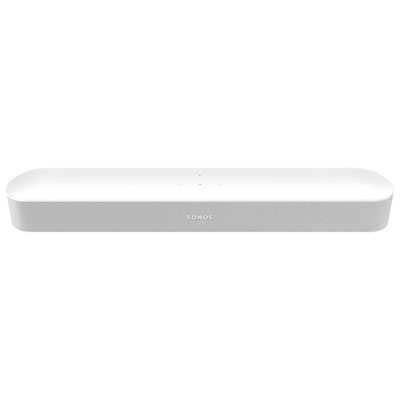 Your price for this item is $649.99
 -
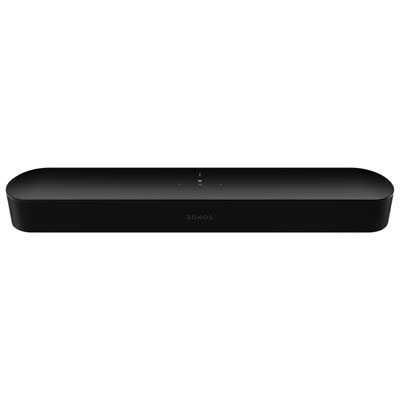 Your price for this item is $649.99
 -
 Your price for this item is $649.99
 -
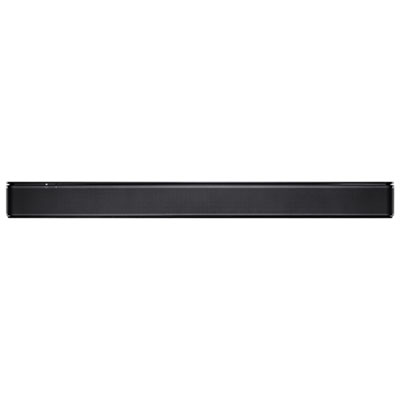 Your price for this item is $329.99
 -
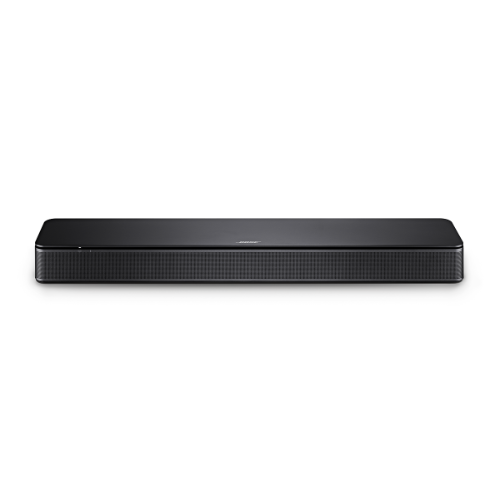 Your price for this item is $284.99
 -
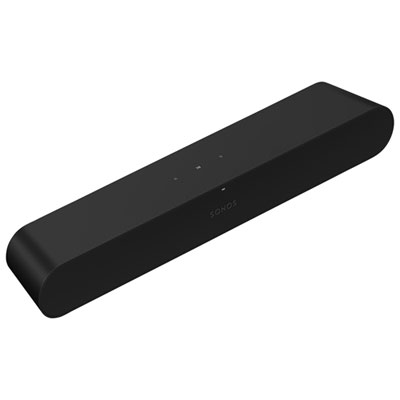 Your price for this item is $289.99
 -
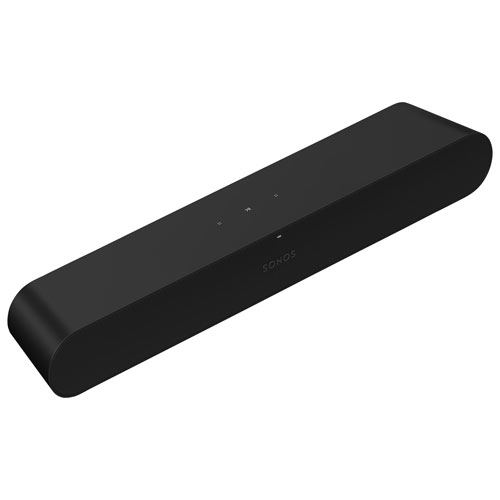 Your price for this item is $299.98
Discover more categories related to Soundbar 5.1 Wireless


Top Collections:
Pokemon Centers, Kindle Devices, Best Budget Office Chairs, Apple iPhones 16, Best Laptops for Writers, iPhone 15 Apple, Canon G7X Cameras, Refurbished Apple Laptops, Alarm Clock, Motorola Razr Phones
Some products may be subject to Environmental Handling Fees
(EHF) depending on your province.
Learn more about EHFs.