Tape Players
Discover the classic charm and timeless appeal of a Tape Player, perfect for enjoying your favorite cassette collections or adding a retro touch to your audio setup. Whether you're looking to relive cherished memories or experience music in a unique way, a Tape Player offers a nostalgic listening experience. Explore a variety of options designed to fit seamlessly into your home or on the go, and find the ideal Tape Player to suit your needs.
Sort

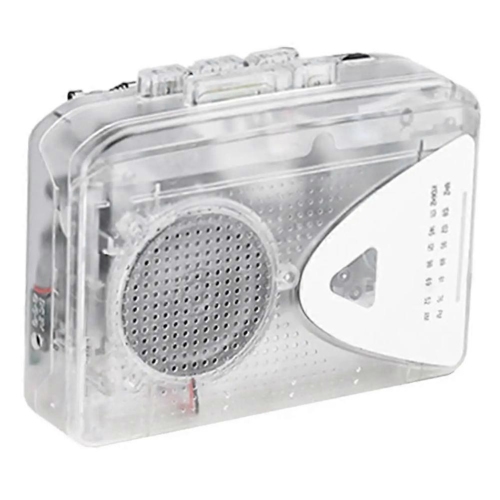
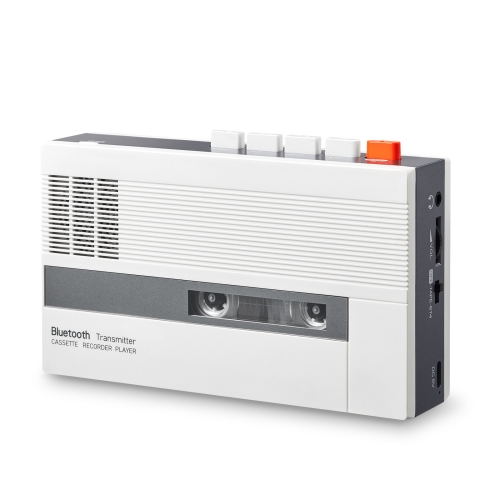

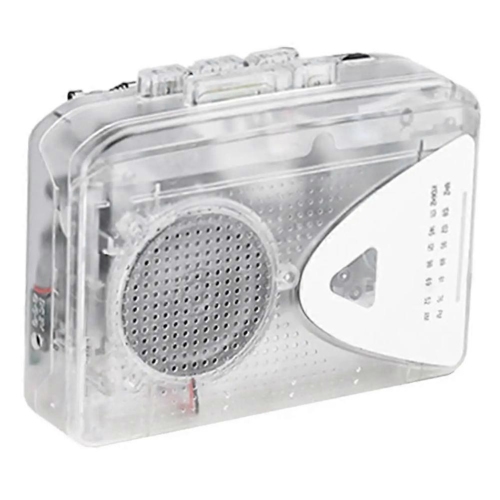
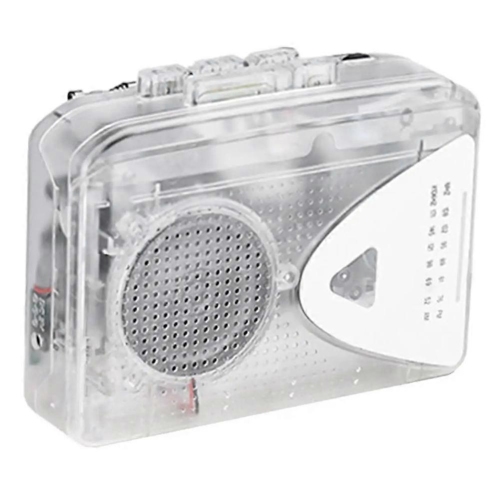
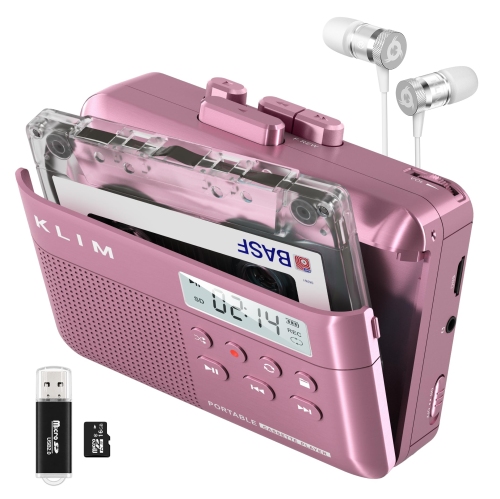


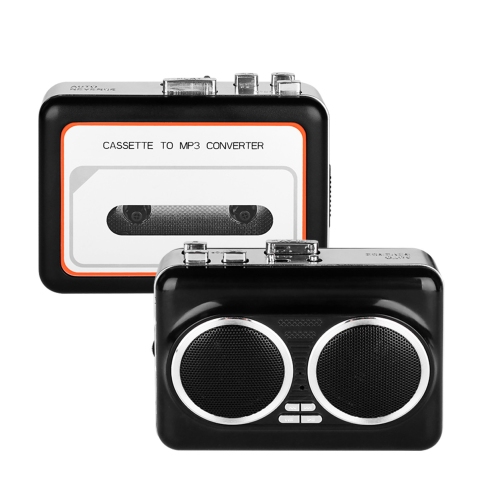
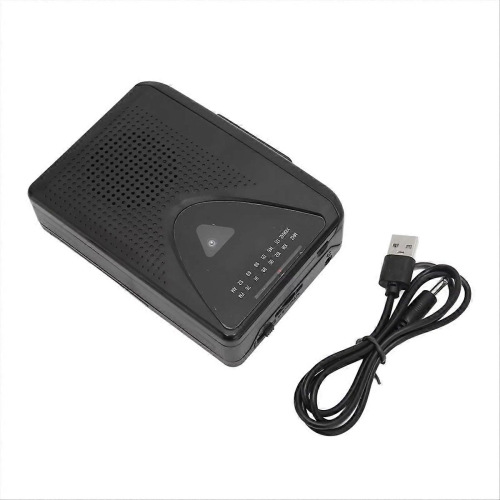
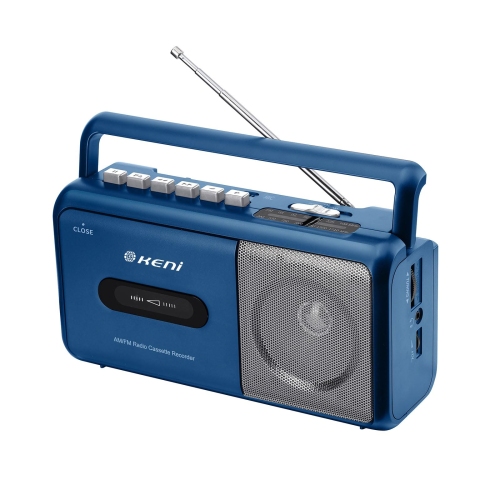

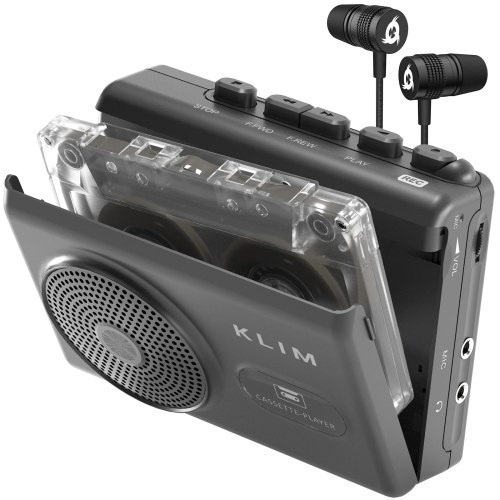
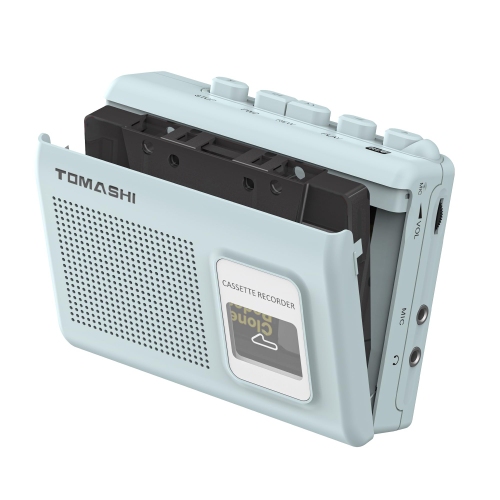
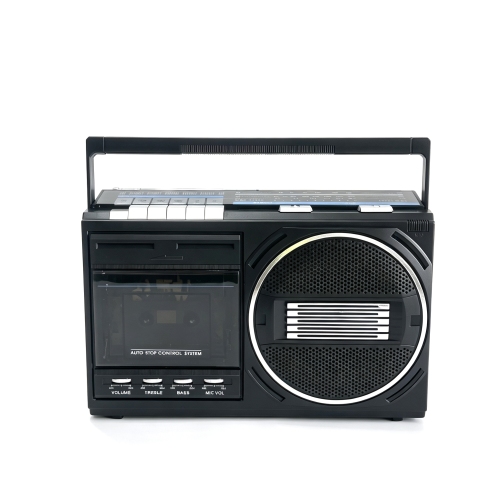

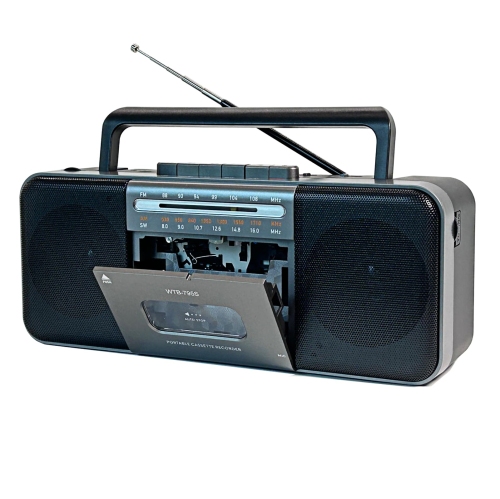


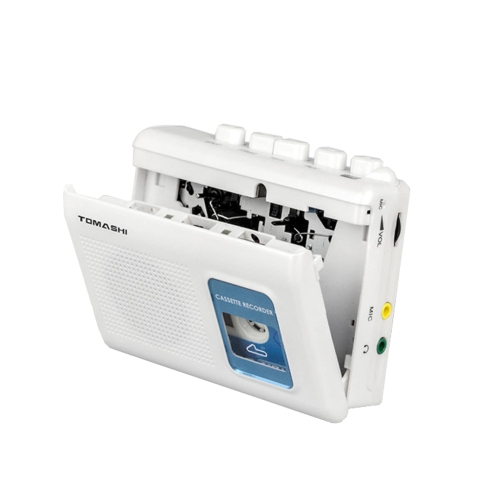
Homemade mixes and familiar voices deserve another listen
Tape players bring cassette albums, homemade mixes, spoken-word recordings, and family voices back into everyday listening. They play magnetic tape housed inside a compact cassette, using a playback head and a motor-driven mechanism to turn the recorded signal into sound. The format offers a distinctly hands-on experience: opening the cassette door, watching the reels move, and turning the tape over when a side ends. Portable cassette players suit private listening through headphones, with compact designs that can sit beside a reading chair or travel in a bag. Larger portable stereos combine cassette playback with built-in speakers, making them useful for sharing music in a living room, workshop, or hobby space. Component cassette decks are designed to work with a separate amplifier or receiver and speakers, fitting into a home audio setup rather than serving as self-contained systems. These different formats matter as much as appearance, since a pocket-sized player and a full-width deck serve quite different listening habits. Someone revisiting a collection of albums may value straightforward playback, while a musician working with demo tapes may need recording controls and connections to other audio equipment. A cassette player can also make a thoughtful gift for a music collector, a relative with treasured voice recordings, or a younger listener discovering physical music formats. Pairing the player with the recipient’s existing tapes gives the gift a personal connection, especially when the recordings include handwritten labels or familiar voices. For collections that span more than one physical format, Cd Cassette Players combine disc and cassette listening in one unit, reducing the need for separate playback devices. The central distinction is between equipment intended simply to play tapes and equipment that also records, connects to external speakers, or transfers audio to a computer.
Sound and compatibility depend on more than the size of the player. Standard compact cassettes are the familiar format used for music albums and many personal recordings; microcassettes used in some dictation machines require a different mechanism. Type I ferric tapes are a common match for basic cassette players. Playback settings for Type II and Type IV tapes vary by device, and a deck with the appropriate tape-type controls can better match those recordings. Stereo playback is another meaningful distinction, particularly for music with instruments or vocals spread across the left and right channels. A built-in speaker may provide mono sound even when headphone playback is stereo, so the speaker arrangement and headphone output describe different aspects of performance. A standard 3.5 mm headphone connection supports private listening, while line-level outputs on some decks connect to a compatible amplifier or receiver. Bluetooth features also vary: a transmitter can send cassette audio to compatible wireless headphones or speakers, whereas a receiver accepts audio from another device. The presence of Bluetooth alone does not establish which direction the connection works. Physical design affects daily use, too. A slim portable player fits more easily into a small bag, but its dimensions, control placement, and headphone cable clearance influence how comfortably it can be carried. Larger buttons can be easier to operate by touch, and a clear cassette window makes it possible to see whether the reels are moving. Plastic housings keep many portable designs light, while metal panels can add rigidity and weight. Neither material alone determines playback quality or service life; the transport mechanism, hinges, switches, and battery compartment also matter. Battery-powered designs offer flexibility away from an outlet, while rechargeable models and units with external power connections have different charging or adapter requirements. Headphones, speaker volume, and additional wireless functions can all affect operating time, so battery life is best understood in relation to how the player will actually be used.
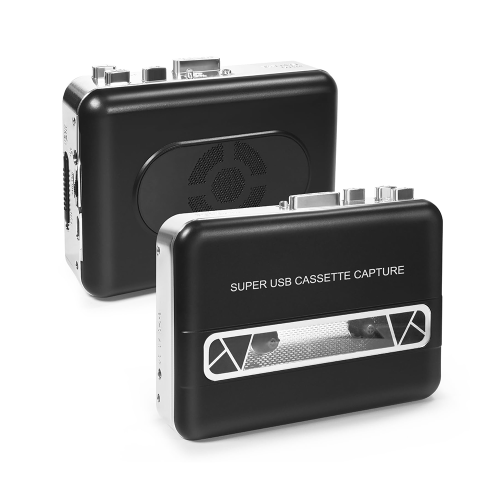
Recording and transfer features give tape players uses beyond replaying finished albums. A cassette recorder may capture speech through a built-in microphone, accept an external microphone, or record from another audio source, depending on its connections. These are different capabilities: a microphone intended for spoken notes is not the same as a line input for recording music from compatible equipment. Manual recording levels and visible meters can be helpful when recording sources that vary in volume, while automatic level control can simplify casual voice recording. A pause control also has a practical role when capturing an interview or spoken memories without filling the tape with long gaps. For anyone preserving older recordings, a USB cassette player or converter can provide a route to a computer, although the required software and supported operating systems vary. Transfers generally happen in real time, so a full cassette takes approximately its playing length to capture. Digitizing creates a convenient listening copy, but it does not automatically remove hiss, repair distortion, or recover sound lost through damage. The condition of the original tape and the playback mechanism remains important. Smooth, steady transport helps keep pitch consistent; worn belts or an uneven mechanism can produce audible wavering. Clean playback heads and rollers support reliable operation, with cleaning methods suited to the manufacturer’s directions. Tapes themselves benefit from storage in their cases, away from moisture, direct sunlight, and strong magnetic fields. A cassette with a cracked shell, loose tape, or unusual resistance deserves attention before playback, since forcing it through a mechanism can damage the recording. For long-term ownership, accessible maintenance information, suitable power accessories, and service support can be more useful than decorative details. Well-matched features make the difference between a player that only revisits an old collection once and one that earns a regular place beside the headphones, speakers, and tapes used most often.
Top selling and popular products
-
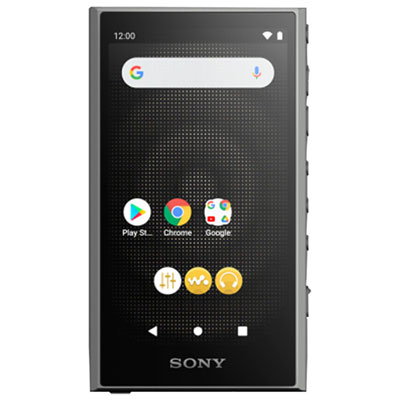 Your price for this item is $479.99
-
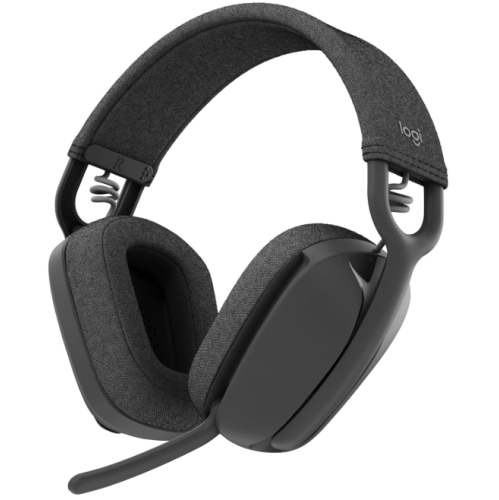 Your price for this item is $112.99
-
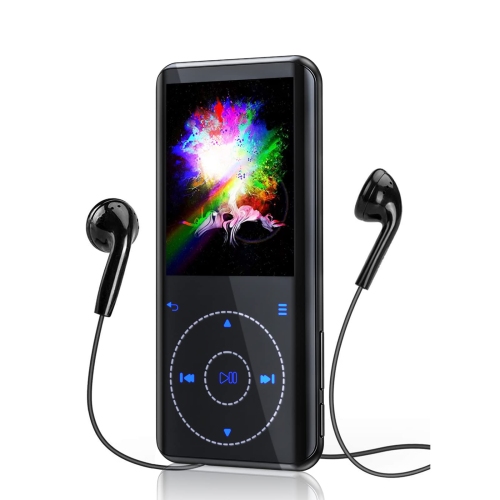 Your price for this item is $148.99
-
 Your price for this item is $56.99
-
 Your price for this item is $56.99
-
 Your price for this item is $51.99
-
 Your price for this item is $52.99
-
 Your price for this item is $49.99
Discover more categories related to Tape Players

Top Collections:
Pokemon Centers, Kindle Devices, Best Cameras for Sports Photography, Pokémon 30th Celebration Cards, Apple iPhones 16, Canon G7X Cameras, iPhone 15 Apple, Flip Phones, Samsung Galaxy Phones, Alarm Clock
Some products may be subject to Environmental Handling Fees
(EHF) depending on your province.
Learn more about EHFs.