Cassette Tape Players
Rediscover the timeless charm of analog music with a cassette tape player. Perfect for enjoying classic albums or cherished mixtapes, these devices offer a nostalgic listening experience that brings back memories. Whether you’re adding to your audio collection or searching for a unique gift, a cassette tape player is an excellent choice for music lovers of all ages. Explore a variety of models designed to suit different preferences and enjoy your favorite tracks in a whole new way.
Sort







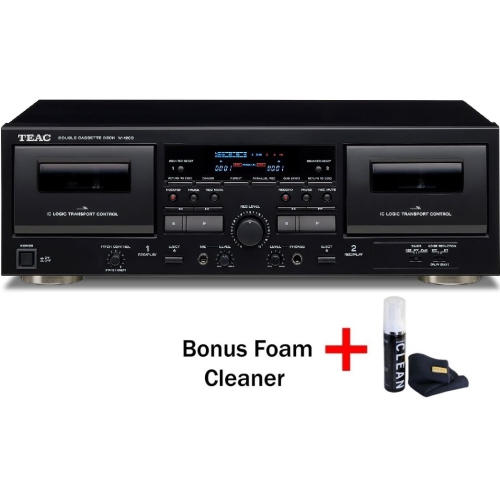

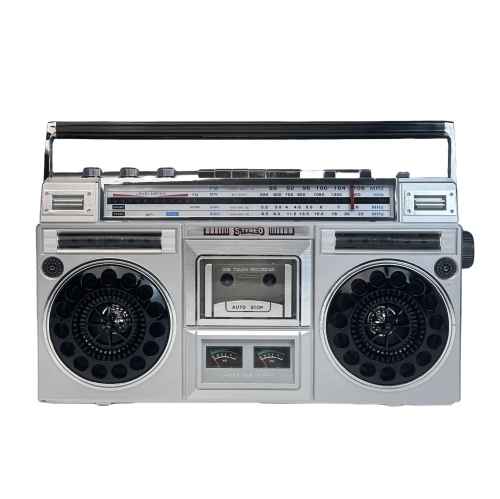


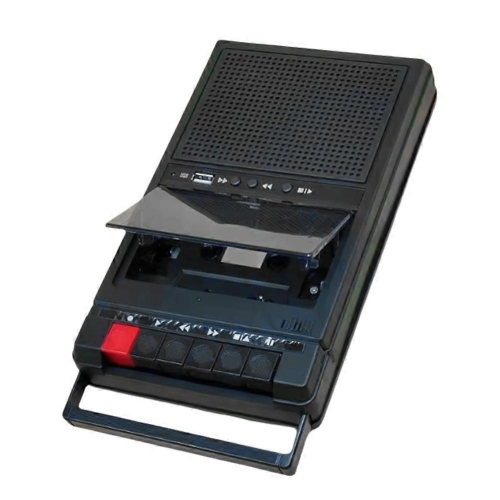


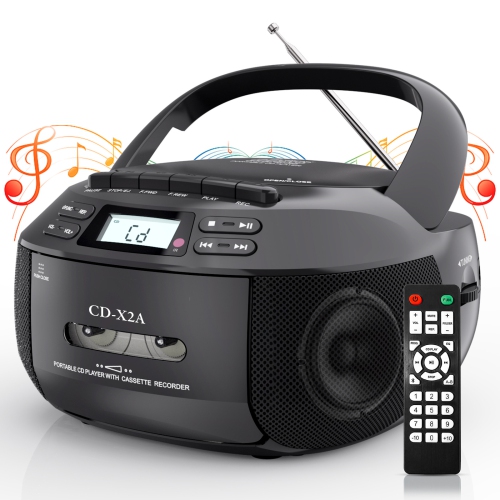
Your old tapes have more than music to offer
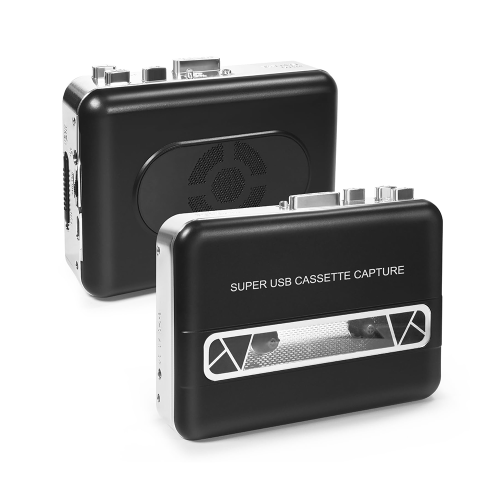
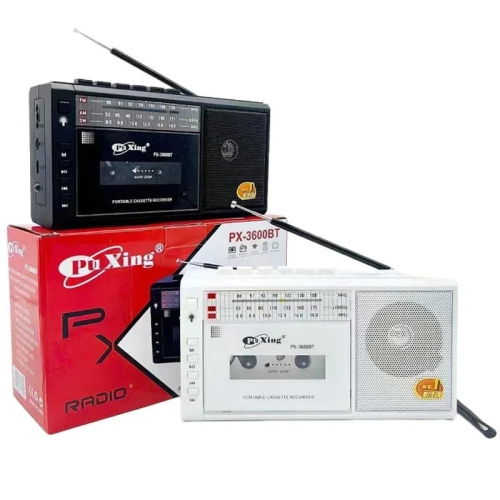
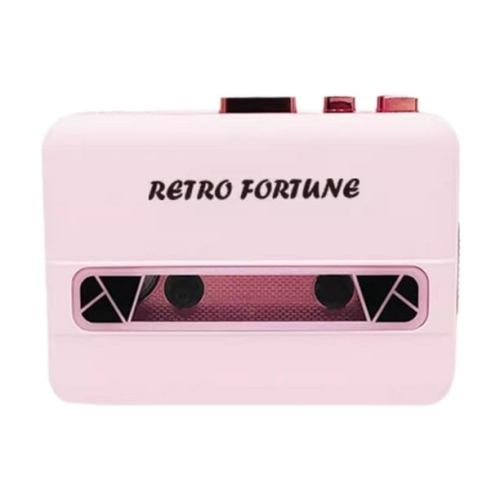
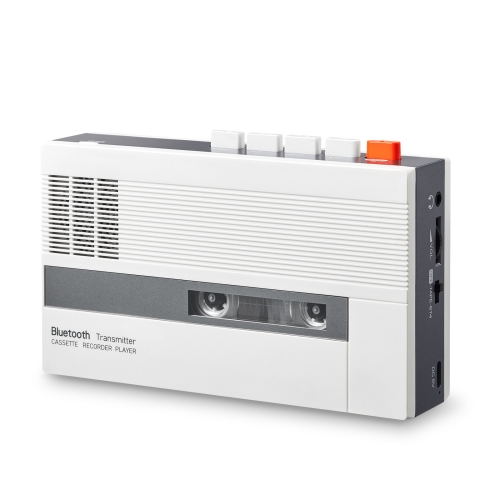
Cassette tape players play audio stored on compact cassettes, making them useful for listening to music collections, spoken-word recordings, language lessons, and personal tapes that have been kept for years. The main formats include portable players for headphone listening, tabletop units with built-in speakers, and cassette decks designed to connect to a separate audio system. Some models also support recording or transferring cassette audio to a computer, though these functions are separate from basic playback and depend on the connections and controls provided. Part of the appeal is the physical experience: opening the cassette door, seeing the reels turn, and following an album in its original sequence rather than moving through a digital playlist. A handwritten track list or a familiar voice on an old recording can give a tape a significance that goes beyond its sound quality. Portable cassette players suit listeners who want a compact device for a desk, a quiet commute, or a favourite chair, with headphones keeping the sound personal. A tabletop player can make more sense for shared listening, especially when spoken recordings or background music need to be heard without additional equipment. Cassette decks fit into a home stereo setup and generally rely on an amplifier, receiver, or powered speakers rather than producing room-filling sound on their own. For collections that span more than one physical format, CD cassette players bring disc and tape playback together in a single unit. The practical differences between these formats include size, power requirements, speaker arrangements, and how easily the controls can be reached. A lightweight player is convenient to carry, while a larger unit may offer a clearer view of the cassette compartment and more space between buttons. Plastic housings can keep weight down; metal housings or panels may provide a more substantial feel. In either case, a secure cassette door, well-fitted controls, and a stable base matter more in everyday handling than appearance alone. Enough room to open the door fully also makes loading tapes easier on a shelf or beside other audio equipment.
Sound quality depends on the player, the condition of the tape, and the headphones or speakers used for listening. Cassettes can have audible hiss, and older recordings may contain uneven levels or wear that no playback device can completely remove. A well-functioning tape transport keeps the cassette moving steadily; inconsistent speed can make sustained piano notes or a singer’s voice sound as though the pitch is wavering. Stereo playback preserves the left and right channels of a recording, while the size and placement of built-in speakers affect how much separation is heard across a room. A small speaker can be convenient for speech, but headphones or an external audio system may reveal more detail in music. Connection types deserve attention because similar-looking sockets can serve different purposes. A headphone output is intended for headphones, while a line output is designed to feed compatible audio equipment. An input marked for a turntable is not the appropriate connection for a cassette deck; a compatible line-level input, often labelled AUX, is the relevant option. Wireless connectivity, where provided, also needs a clear description of its direction: sending cassette sound to wireless headphones is different from receiving audio from a phone. Everyday controls can be just as important as connectivity. Separate play, stop, rewind, and fast-forward buttons make operation familiar, and a tape counter can help locate a passage, although its numbers are not necessarily elapsed minutes. Auto-stop can halt the transport at the end of a tape, while auto-reverse, when supported, allows playback to continue on the other side without removing the cassette. These are distinct features rather than interchangeable terms. For a portable player, battery type, expected playback time, and access to the battery compartment affect convenience. Mains-powered listening reduces the need to change batteries at home, but an adaptor must match the device’s specified requirements. Headphone comfort also matters during a full album or a lengthy spoken recording: an uncomfortable fit can become more noticeable than small differences in audio performance. Large, legible controls can be particularly useful for anyone who prefers a straightforward listening device without menus or a touchscreen.
Cassette care helps preserve both the recordings and the player’s moving parts. Tapes are best kept in their cases, away from direct sunlight, moisture, and strong magnetic fields, with labels firmly attached and loose inserts clear of the reels. A cracked shell, wrinkled tape, or unevenly wound reel can interfere with smooth playback, so the physical condition of an older cassette is worth checking before it goes into a player. Longer-playing tapes generally use thinner tape, which can make careful handling especially important. The playback head and tape path also need occasional cleaning using methods and materials approved for the device; abrasive tools, excess liquid, and force around small components can cause damage. Keeping dust out of an open cassette compartment and removing batteries before lengthy storage are simple habits that support reliable use. For recordings with personal value, such as a relative’s stories or a home-recorded performance, digital transfer can provide a convenient listening copy while leaving the original cassette intact. USB cassette players may offer an audio connection for this purpose, but a USB port alone does not confirm that a device can transfer sound; some ports are only for power. Computer compatibility, any required software, and the supported recording process all affect how straightforward a transfer will be. A player without USB audio may still connect to a suitable audio interface through an appropriate analogue output. Transfers capture the sound of the original tape, including existing hiss and imperfections, rather than automatically restoring it. Recording new cassettes likewise requires a recording-capable unit, suitable inputs, and compatible blank tapes; playback-only devices cannot make recordings. These distinctions matter when a cassette player is intended as a gift. A music collector may value integration with an existing stereo, a listener revisiting old mixes may prefer simple headphone playback, and someone preserving family recordings may need a dependable transfer connection. The most useful match is a player whose functions suit the tapes and listening habits involved, whether that means hearing an album from beginning to end, sharing a remembered recording, or making an older collection easier to enjoy.
Top selling and popular products
-
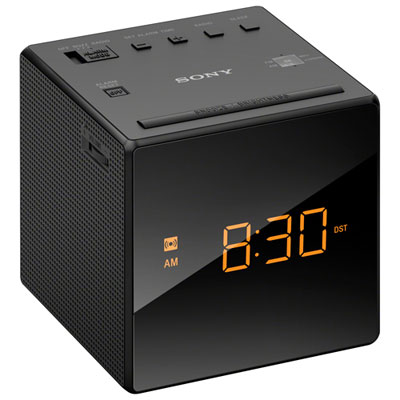 Your price for this item is $49.99
-
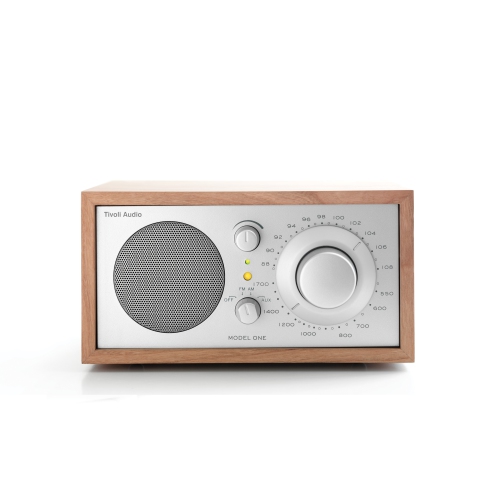 Your price for this item is $199
-
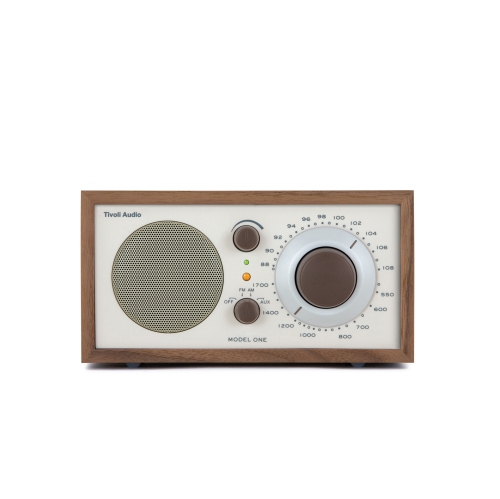 Your price for this item is $199
-
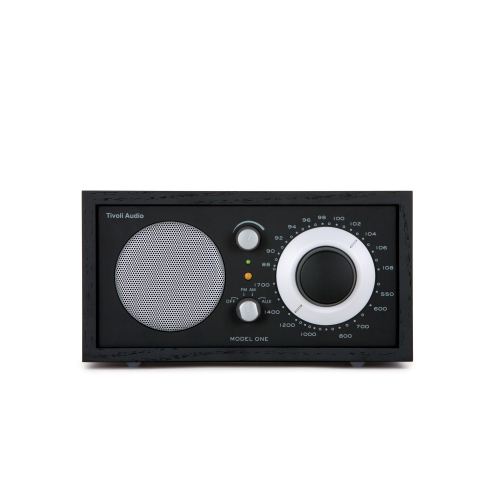 Your price for this item is $199
-
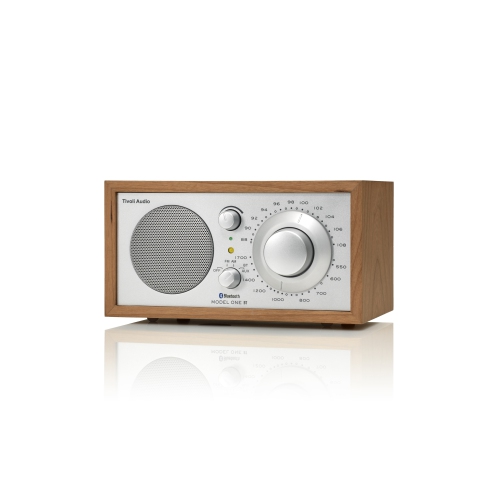 Your price for this item is $279
-
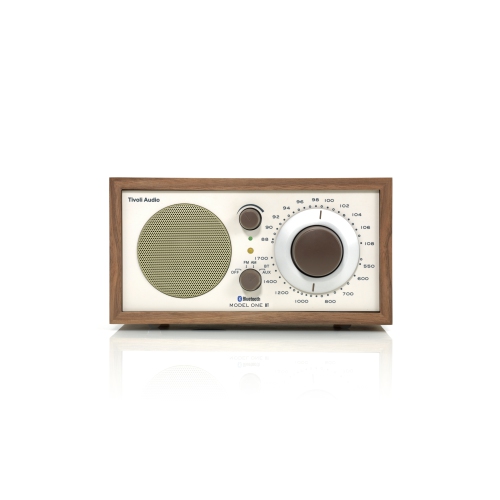 Your price for this item is $279
-
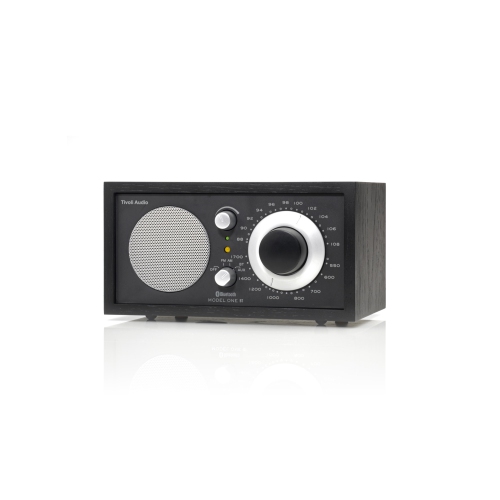 Your price for this item is $279
-
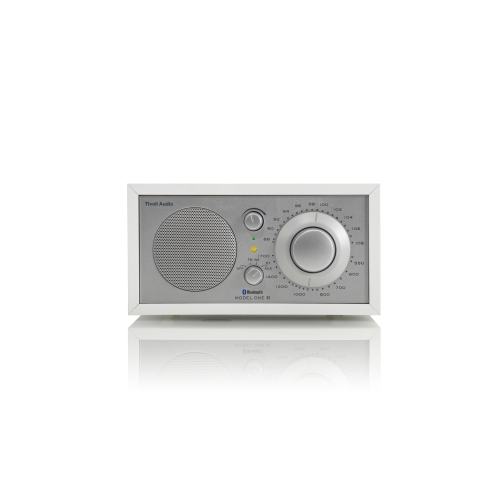 Your price for this item is $279
Discover more categories related to Cassette Tape Players

Top Collections:
Pokemon Centers, Kindle Devices, Best Cameras for Sports Photography, Pokémon 30th Celebration Cards, Apple iPhones 16, Canon G7X Cameras, iPhone 15 Apple, Flip Phones, Samsung Galaxy Phones, Alarm Clock
Some products may be subject to Environmental Handling Fees
(EHF) depending on your province.
Learn more about EHFs.