Stereo Cassette Players
Rediscover the classic sound experience with a Stereo Cassette Player. Perfect for enjoying your favorite tapes or exploring vintage audio, these devices bring timeless listening to any setting. Whether you’re reliving cherished memories or adding a retro touch to your music collection, a Stereo Cassette Player offers an easy way to enjoy analog audio on the go or at home. Explore a range of options designed to suit different preferences and lifestyles.
Sort


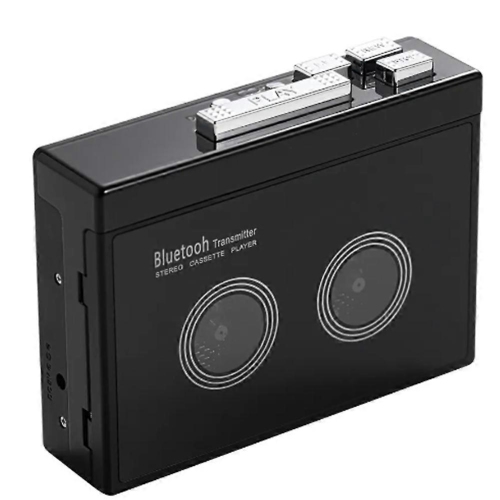
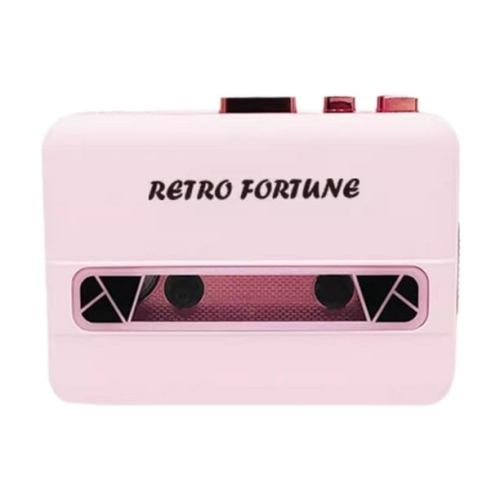
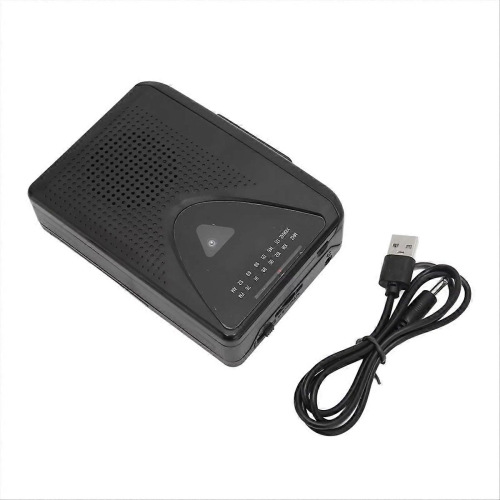

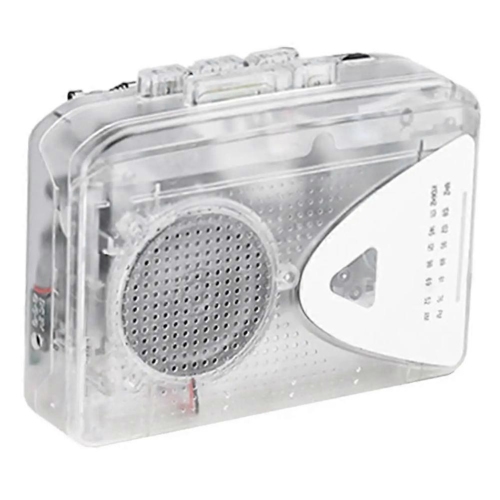

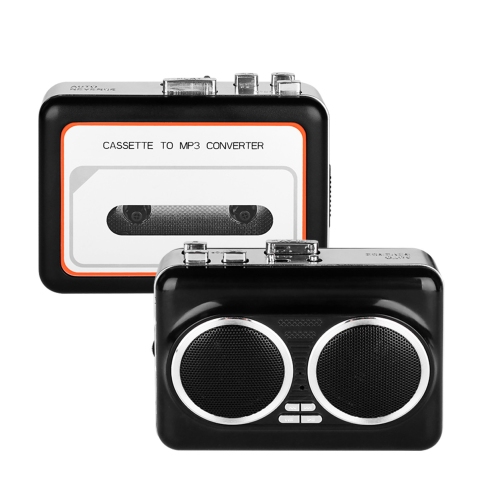

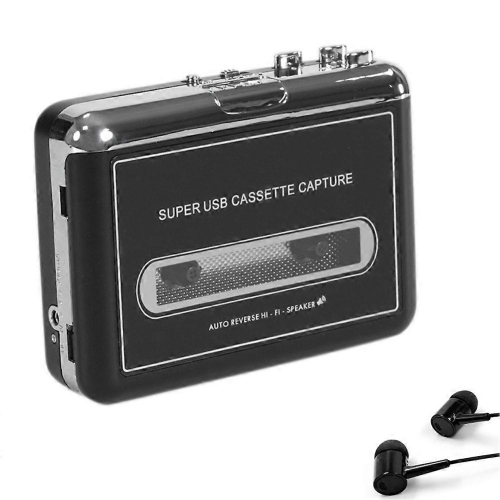

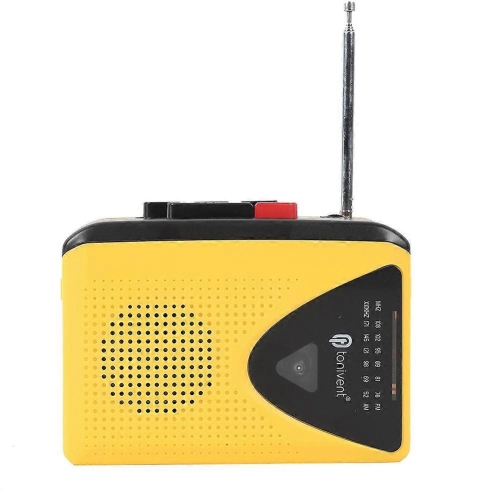
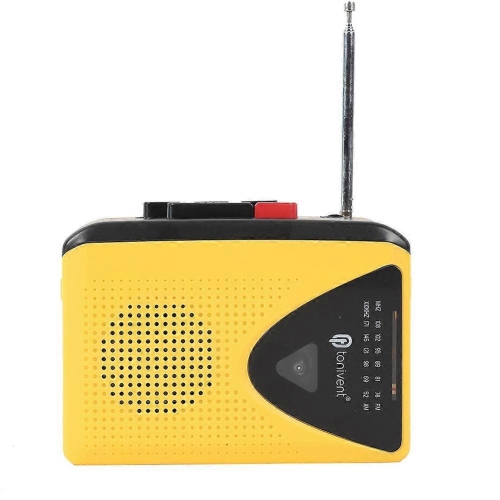
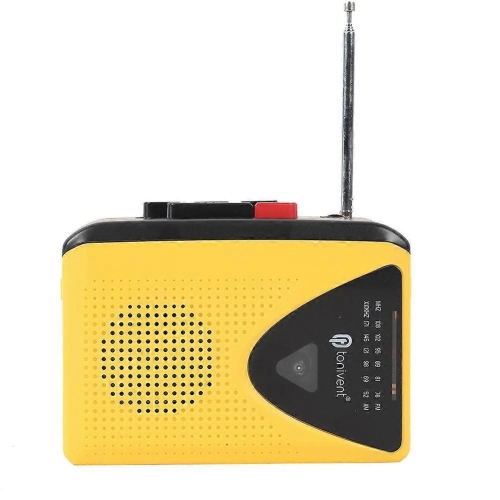

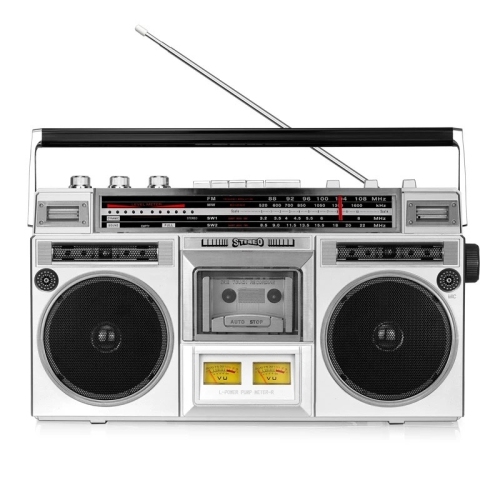
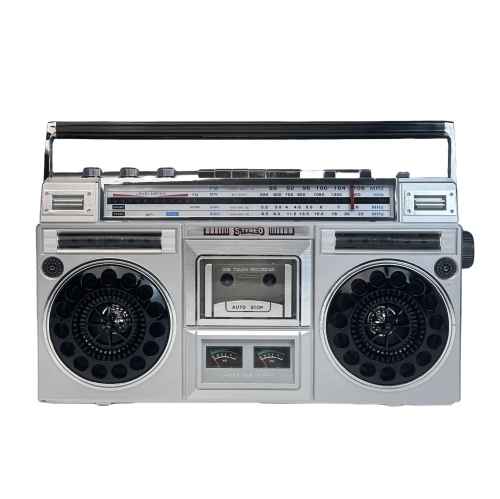
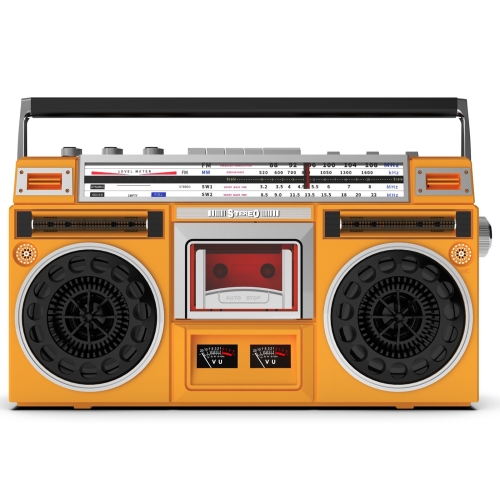

Your favourite mixtapes deserve another turn
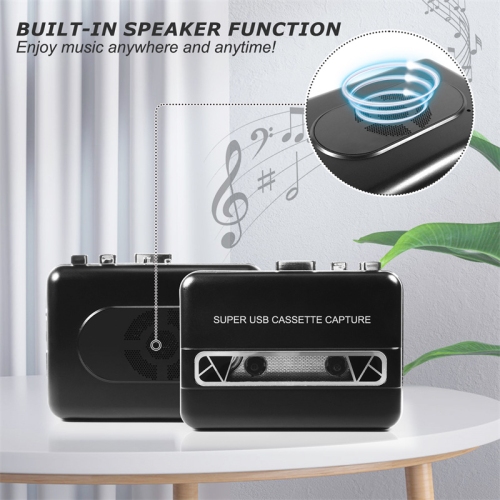
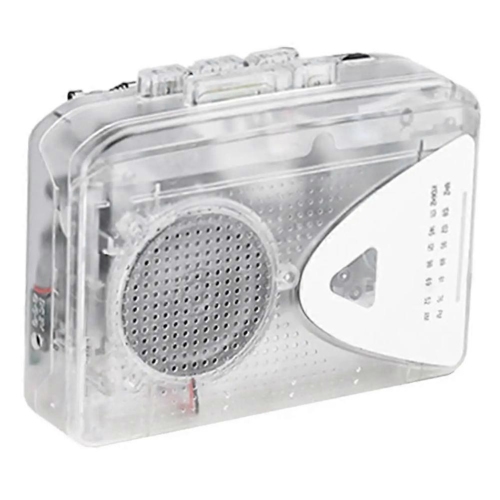
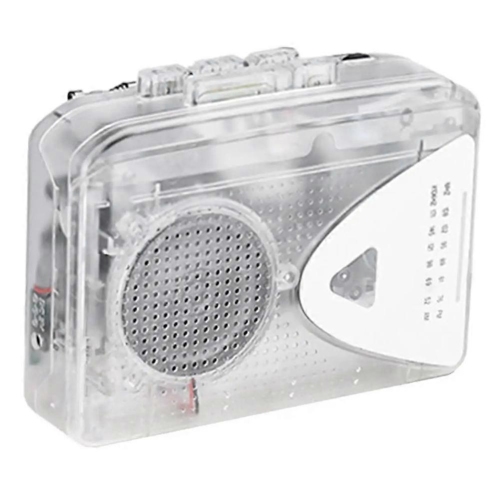
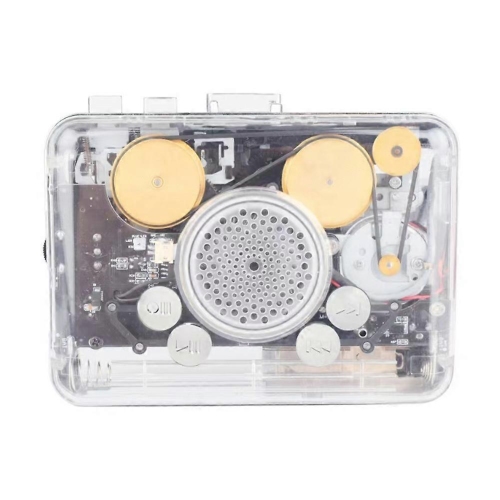
Stereo cassette players bring familiar albums, home recordings, and carefully sequenced mixtapes back into everyday listening. They play compact audio cassettes, with stereo playback preserving separate left and right channels when the recording and connected headphones or speakers support it. The main formats suit different ways of enjoying a tape collection: portable cassette players are designed for personal listening, boomboxes combine a cassette mechanism with built-in speakers, and component cassette decks connect to a separate sound system. A portable player makes sense for someone who wants to settle into an album through headphones without opening an app or looking at a screen. Its size, weight, button placement, and battery arrangement all affect how comfortable it is to carry and use. A secure belt clip or carrying strap can be useful where included, while a clearly marked headphone jack keeps the connection straightforward. Boombox-style players suit shared listening in a living room, hobby space, or home office, with a carrying handle making it easier to move the music between rooms. Some combine cassette playback with radio or other audio sources, although the exact functions differ by design. Home cassette decks take a different approach, fitting alongside an amplifier or receiver and using the speakers already connected to that system. Their larger controls and level displays can make playback and recording settings easier to see. Across these formats, useful details include an accessible cassette compartment, responsive transport buttons, and a stable base that keeps the player steady when a button is pressed. Auto-stop can halt the mechanism at the end of a tape, while auto-reverse, where supported, allows the other side to play without manually turning the cassette over. These functions are distinct, and their presence matters most when matched to the way someone expects to listen.
Sound quality depends on more than the cassette player alone. The condition of the tape, the original recording, playback speed accuracy, and the headphones or speakers all contribute to what reaches the listener. A well-maintained stereo recording can create a clear sense of space, with vocals centred and instruments spread across the left and right channels. A mono recording will not gain separate stereo information simply because it is played on a stereo machine. Built-in speakers offer convenient listening, but their size and placement influence bass response and channel separation; headphones or separately positioned speakers can make those differences easier to hear. Connection types also shape how a player fits into a room or an existing audio setup. A headphone output is intended for headphones, while a line output can feed a compatible amplifier or powered speakers. An auxiliary input serves the opposite purpose, accepting sound from another source rather than sending cassette audio out. Bluetooth features need the same attention to direction: receiving audio from a phone is different from transmitting tape playback to wireless headphones or a speaker. USB connections may support audio capture, file playback, or power, so the connector alone does not establish what a player can do. For listeners interested in preserving personal recordings, cassette-to-digital capability can transfer audio to a computer or, on some designs, directly to storage media. Conversion generally happens in real time, making a full listening session part of the process, and recording software or compatible storage may be required. Someone keeping both discs and tapes in regular rotation may also find Cd Cassette Players useful for bringing those formats into one listening setup. Recording functions, when included, deserve a separate look: a built-in microphone, external audio input, and tape-to-tape copying each serve different purposes, and playback capability alone does not mean a machine can record.
The physical details of stereo cassette players matter because tapes depend on a mechanical transport rather than file-based playback. A lightweight plastic housing can be practical for carrying, while metal panels or a reinforced chassis may provide a more substantial feel in a home setup. Neither material alone establishes long-term durability; secure hinges, a cassette door that closes properly, firm connections, and consistent tape movement are important parts of everyday use. Rubber feet can help a tabletop player stay in place, and a handle should feel comfortable with the player’s full weight, including batteries where applicable. For portable listening, battery type, expected playing time, and charging requirements affect convenience, particularly when a player will spend time away from an outlet. Tape compatibility is equally important. Standard compact audio cassettes are different from microcassettes used in some dictation machines, and support for different tape formulations varies. Type I tapes are common, while Type II and Type IV playback or recording settings should be confirmed in the player’s specifications. Noise-reduction compatibility can also affect how an older recording sounds. Regular care helps protect both the machine and the collection: clean playback heads and tape-contact surfaces according to the manufacturer’s directions, keep liquids away from the cassette compartment, and avoid forcing a jammed tape or a resistant door. Cassettes are best kept in their cases, away from direct sunlight and strong magnetic sources, with labels secure enough not to lift inside the mechanism. An irreplaceable family recording deserves particular care; testing a player with a less important tape first can reveal uneven speed, dragging, or other transport problems before that recording is played. For a music collector, a cassette player offers access to albums and mixes that may have stayed boxed away for years. For a gift recipient, the right format depends on the collection and listening setup: a personal player pairs naturally with headphones, a boombox supports listening without extra components, and a deck belongs with a compatible home stereo. The appeal is tangible and familiar, from reading handwritten track lists to turning over a tape and hearing its second side unfold.
Top selling and popular products
-
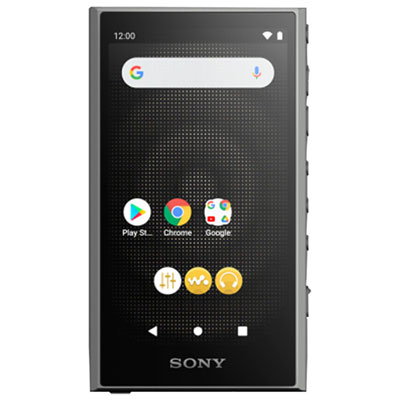 Your price for this item is $479.99
-
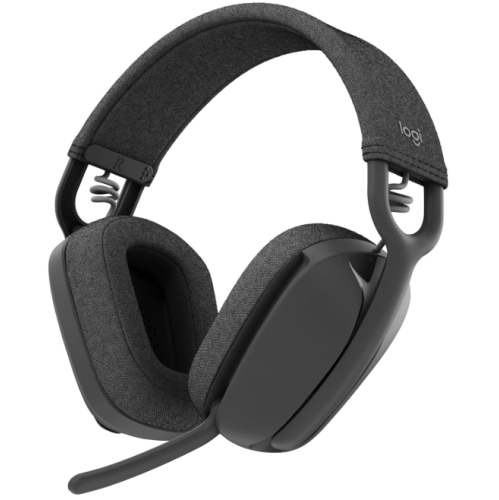 Your price for this item is $112.99
-
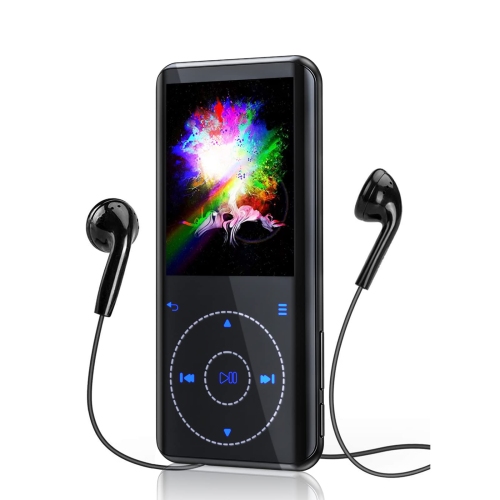 Your price for this item is $148.99
-
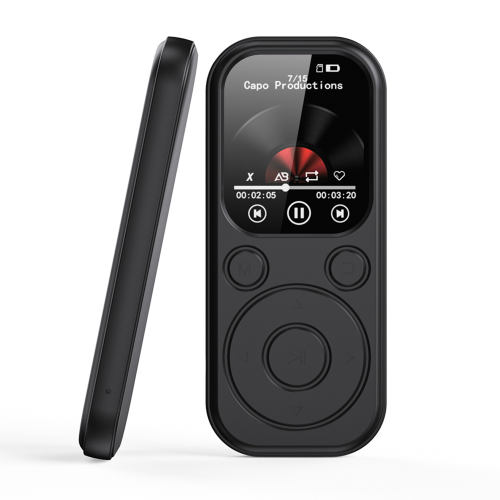 Your price for this item is $56.99
-
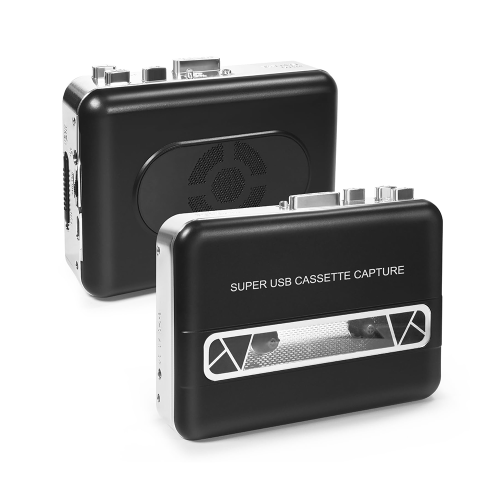 Your price for this item is $56.99
-
 Your price for this item is $51.99
-
 Your price for this item is $52.99
-
 Your price for this item is $49.99
Discover more categories related to Stereo Cassette Players

Top Collections:
Pokemon Centers, Kindle Devices, Best Cameras for Sports Photography, Pokémon 30th Celebration Cards, Apple iPhones 16, Canon G7X Cameras, iPhone 15 Apple, Flip Phones, Samsung Galaxy Phones, Alarm Clock
Some products may be subject to Environmental Handling Fees
(EHF) depending on your province.
Learn more about EHFs.