TRRS To TRS Adapters
A TRRS To TR S Adapter is an essential accessory for connecting devices with different audio jack configurations. Whether you're looking to use your favorite headset with a variety of gadgets or need a reliable solution for audio compatibility, these adapters offer a simple way to bridge the gap between TRRS and TR S connections. Perfect for enhancing your audio setup at home, in the studio, or on the go, a TRRS To TR S Adapter ensures you can make the most out of your existing equipment. Explore options designed to meet a range of needs and enjoy seamless connectivity across your devices.
Sort






Why microphone compatibility goes beyond the plug size
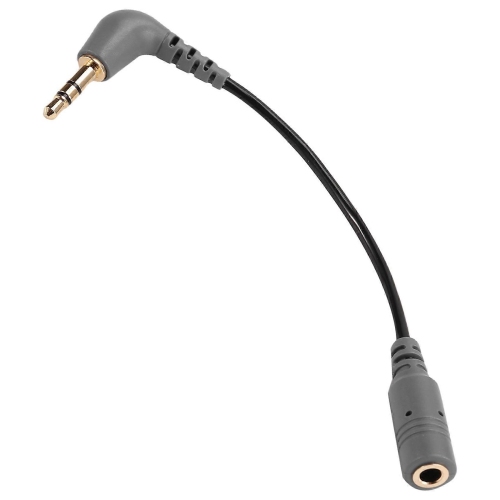
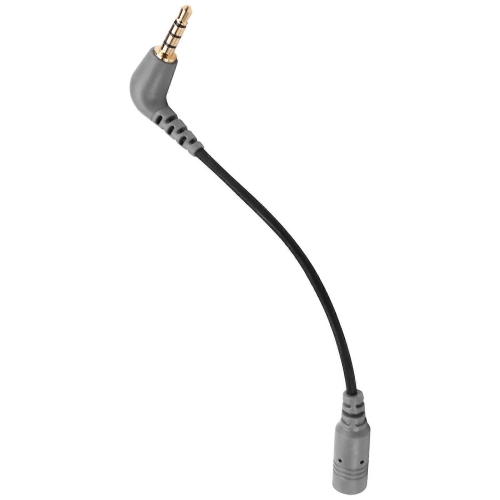
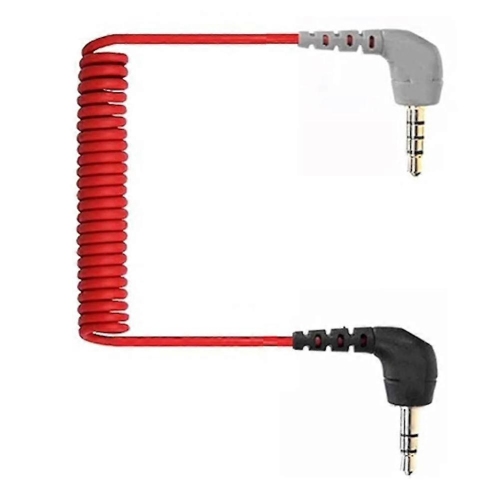
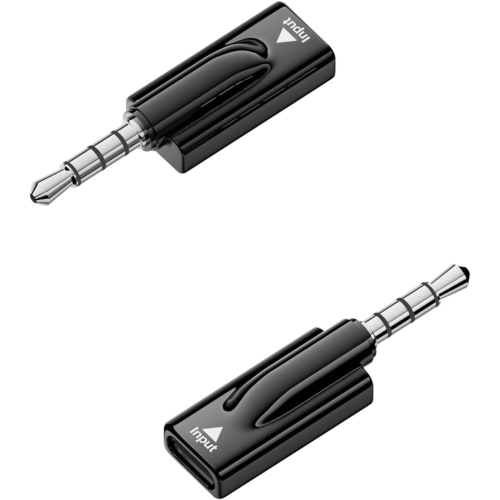
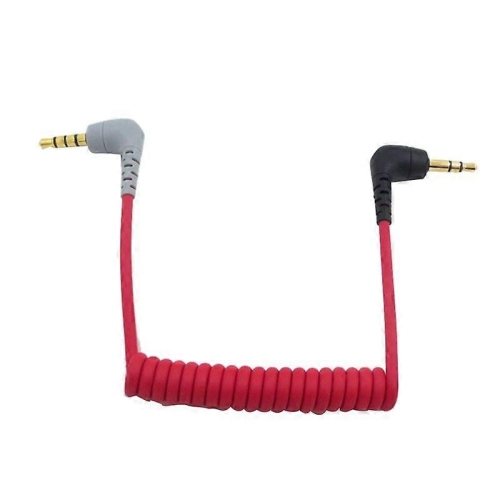
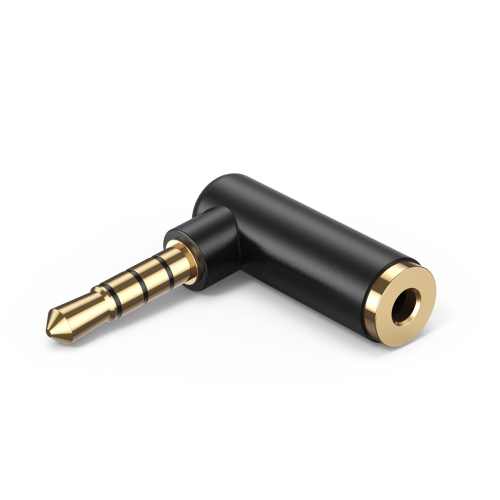
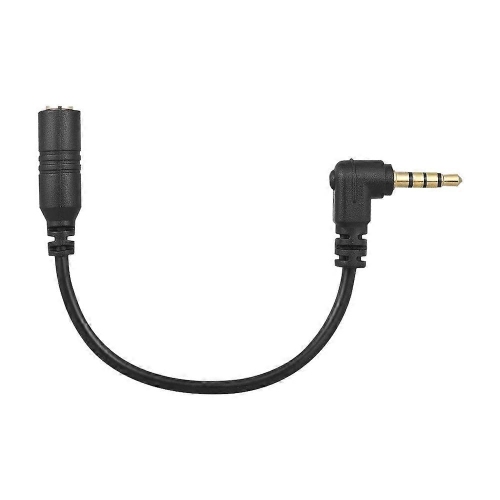
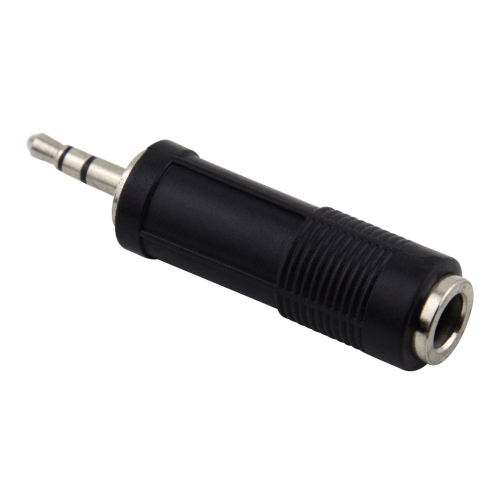
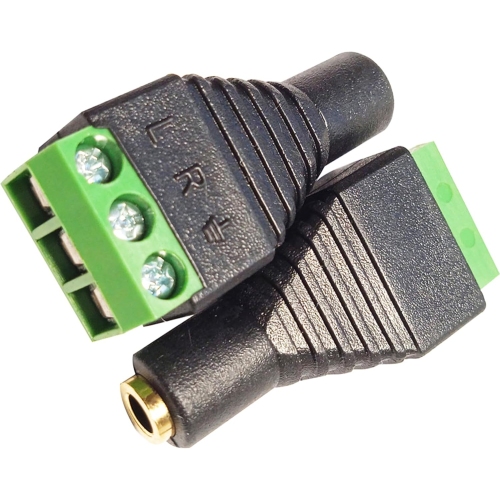
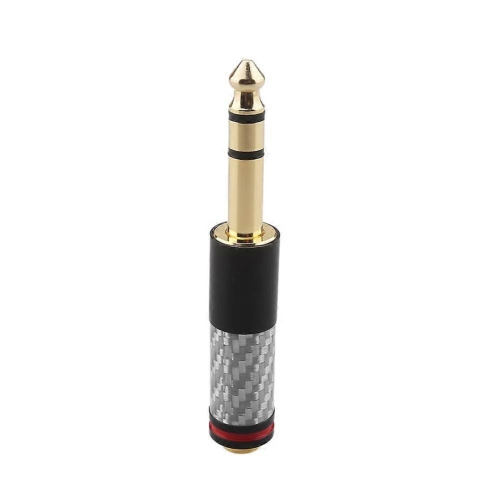
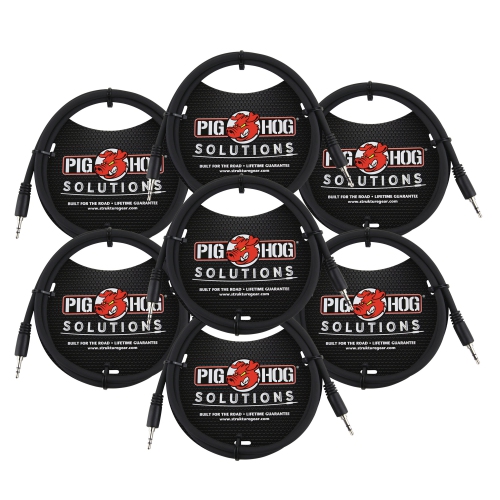
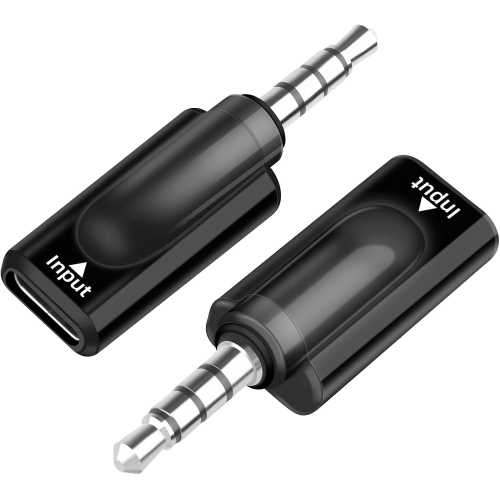
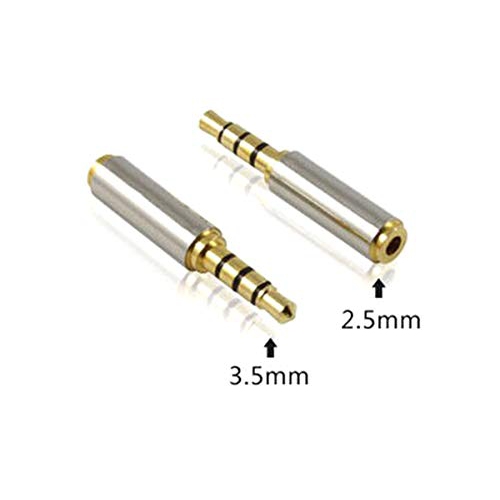
TRRS to TRS adapters connect compatible four-contact audio accessories to three-contact audio sockets, with microphone adapters commonly used to connect a smartphone-style lavalier microphone to a camera or portable audio recorder. The letters describe the metal contacts on the connector: TRRS means tip, ring, ring, sleeve, while TRS means tip, ring, sleeve. On a typical 3.5 mm plug, three insulating bands separate the four TRRS contacts, compared with two bands on a TRS plug. Although these connectors can look nearly identical and fit sockets of the same diameter, their electrical connections serve different purposes. A common headset-style TRRS connection carries left and right headphone audio, a microphone signal, and a shared ground. A TRS connection may carry stereo headphone audio, a balanced mono signal, or a microphone signal, depending on the equipment. A suitable adapter routes the required contacts between compatible connections; matching the plug size alone does not establish compatibility. For someone clipping a small microphone to a shirt before filming a presentation, the relevant adapter is one designed to carry that microphone’s signal into the camera’s external microphone input. It is not necessarily interchangeable with an adapter intended to connect headphones or feed a microphone into a phone. TRRS to TRS and TRS to TRRS microphone adapters perform different connection jobs and should not be assumed to work in reverse. Socket labels, signal direction, and the adapter’s stated purpose matter as much as the connector shape. Wiring standards also matter: CTIA and OMTP TRRS arrangements place the microphone and ground contacts differently, so a four-contact plug is not a guarantee of a working connection. These distinctions make TRRS to TRS adapters useful, purpose-specific accessories rather than universal audio converters. They can help a compatible microphone remain useful across different recording setups without changing its capsule, pickup pattern, or basic sound characteristics.
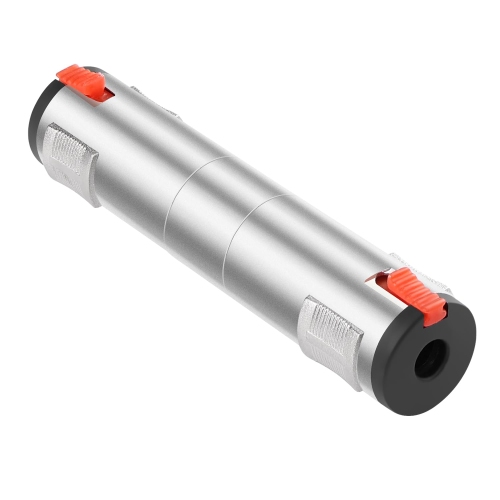
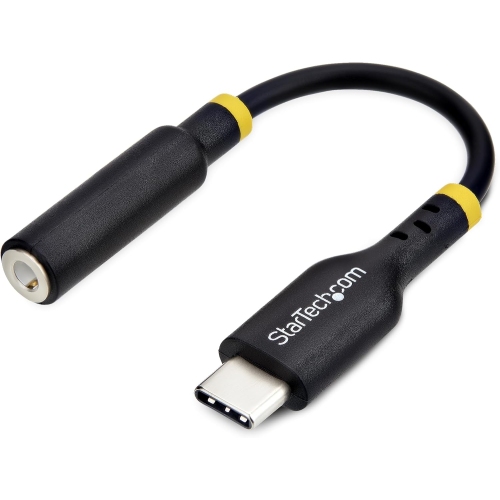
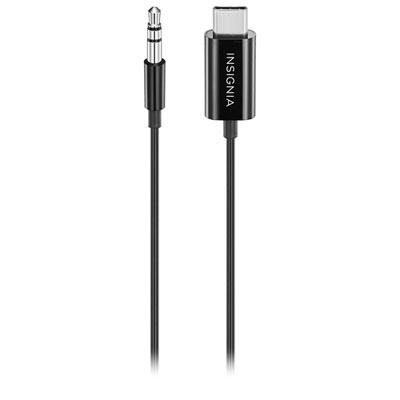
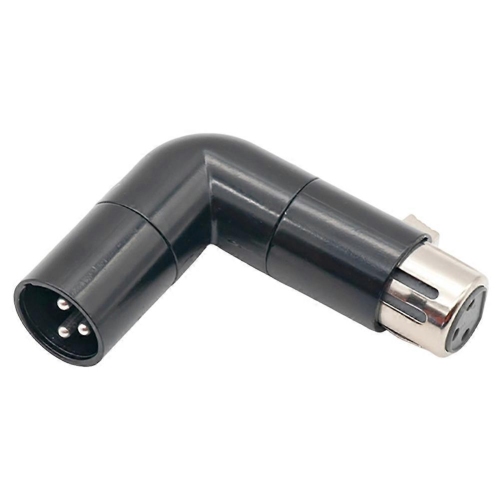
Physical design makes a noticeable difference when an adapter sits between a microphone cable and a camera, recorder, or other audio device. Compact, rigid adapters take up little room in a pouch and keep the connection close to the socket, while short flexible adapter cables allow more freedom around crowded controls and mounting hardware. A cable-style design can also reduce the leverage that a protruding connector places on a small audio jack, particularly when the microphone lead moves during an interview. Straight plugs suit accessible sockets, whereas right-angle plugs can keep the cable closer to the equipment body when the surrounding space allows. Connector housings need enough clearance to seat fully, especially beside a camera grip, inside a recessed socket, or through the opening in a protective case. An almost-seated plug may cause crackling, an intermittent signal, or missing audio even when the wiring is otherwise compatible. Materials and construction influence how well an adapter tolerates repeated packing and connection. Metal housings can provide a firm grip and resistance to everyday knocks; moulded housings can offer a lighter, compact shape. Flexible cable jackets and reinforced strain relief help protect the points where the cable enters each connector. Shielding can help limit unwanted interference, although an adapter cannot eliminate noise already present in the microphone or recording equipment. Gold-plated contacts are often used for resistance to corrosion, but plating alone does not determine recording quality. Secure contact, suitable wiring, and sound cable construction remain important. Care is straightforward: disconnect by holding the connector housing rather than pulling the cable, avoid tight bends at the ends, and keep plugs dry and free of lint. A small accessory pouch keeps an adapter from catching on loose cables or being crushed beneath heavier equipment. Colour-coded ends or clear connector markings can also make similar-looking adapters easier to distinguish when several audio leads share the same bag.
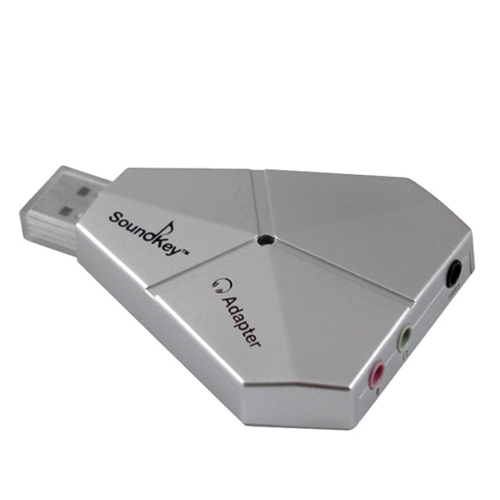
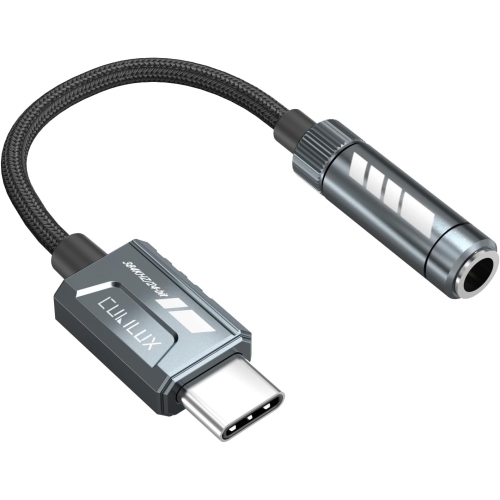
These adapters suit a range of recording routines, from a student capturing a spoken assignment to a teacher preparing a demonstration or a creator filming a hands-on tutorial. A presenter who already uses a compatible clip-on microphone with a phone may want the same discreet microphone placement when recording with a camera. An interviewer may value a small adapter that fits alongside a spare microphone clip and windscreen, while a family member recording spoken memories may prefer a familiar wired microphone over a larger recording arrangement. The adapter’s role remains limited to the connection: it does not improve microphone placement, remove room echo, or turn a mono microphone into a true stereo source. Recording one voice with a mono lavalier also does not guarantee identical audio on both recorded channels; channel routing depends on the adapter and input design. Electrical requirements deserve the same attention as physical fit. Some small microphones need low-voltage plug-in power from a compatible microphone input, and a passive TRRS to TRS adapter does not generate that power itself. Plug-in power is different from the phantom power used by some professional microphones. Likewise, a headphone output is not a microphone input, and a line-level input may not provide the gain or power a small microphone needs. Devices with USB-C or another digital audio connection require an appropriate audio interface or converter when no suitable analogue socket is present; a passive 3.5 mm adapter cannot perform digital conversion. For a broader range of connector formats, Headphone Jack Adapters covers related audio connection needs. As a practical gift for someone who records video or spoken audio, a TRRS to TRS adapter is most useful when matched to the recipient’s microphone wiring and recording input. That small compatibility detail is what turns a pocket-sized accessory into a dependable part of a recording kit.
Top selling and popular products
-
 Your price for this item is $19.99
-
 Your price for this item is $26.99
-
 Your price for this item is $14.99
-
 Your price for this item is $14.99
-
 Your price for this item is $19.99
-
 Your price for this item is $19.99
-
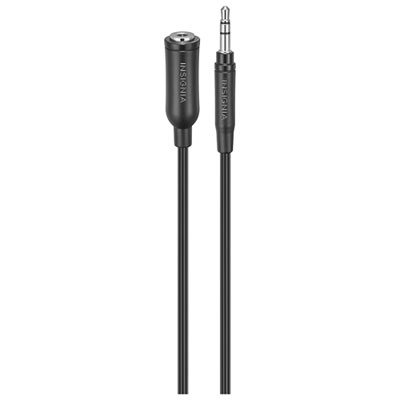 Your price for this item is $9.99
-
 Your price for this item is $17.5
Discover more categories related to TRRS To TRS Adapters

Top Collections:
Pokemon Centers, Best Cameras for Sports Photography, Kindle Devices, Samsung Galaxy Phones, Canon G7X Cameras, Pokémon 30th Celebration Cards, Refurbished Apple Laptops, iPhone 15 Apple, Laptops for Students, Budget Smartphones
Some products may be subject to Environmental Handling Fees
(EHF) depending on your province.
Learn more about EHFs.