White Bookshelf Speakers
Elevate your audio experience with our selection of sleek and modern white bookshelf speakers. Designed to deliver crisp sound quality and a stylish aesthetic, these speakers are the perfect addition to any home entertainment setup. Whether you're enjoying music, movies, or gaming, our range of white bookshelf speakers offers both functionality and flair. Upgrade your sound system today with these versatile and eye-catching speakers that blend seamlessly into any room decor.
Sort

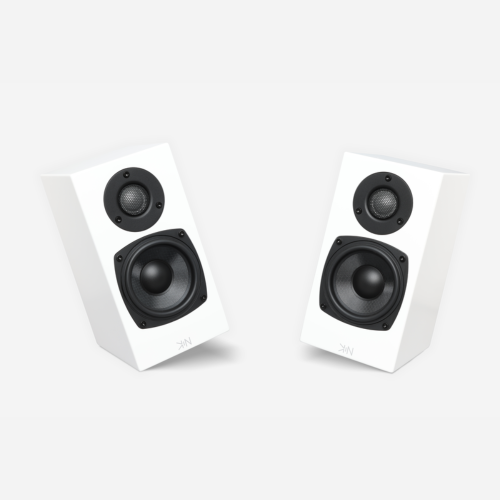
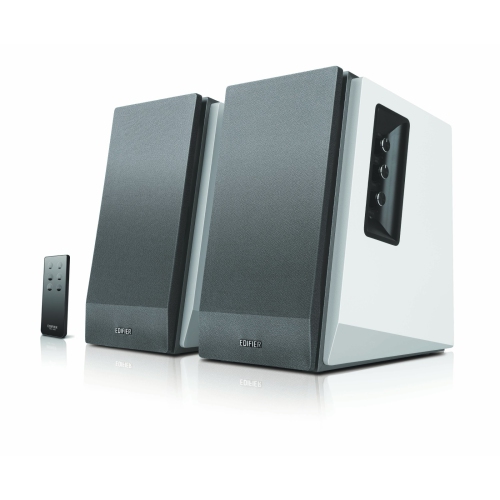
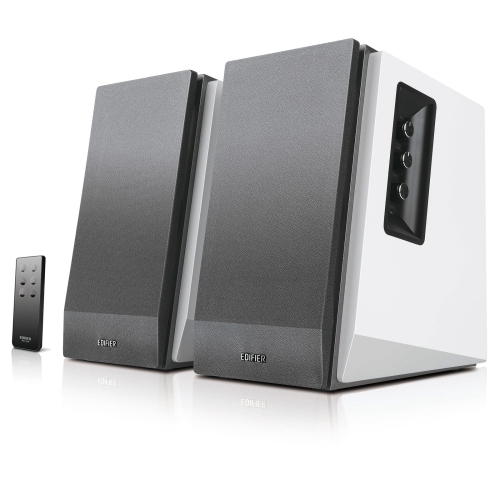
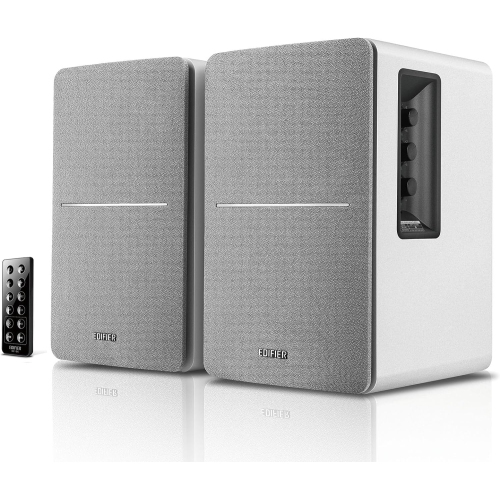
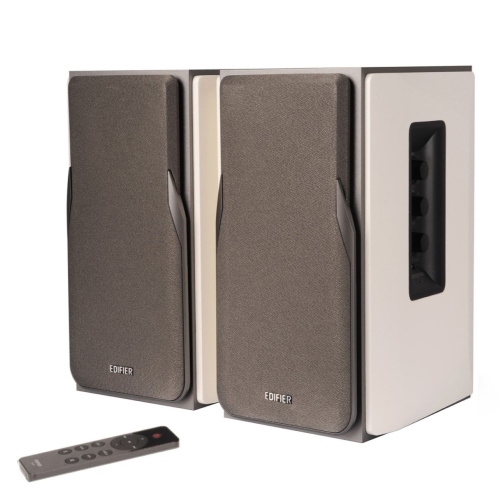
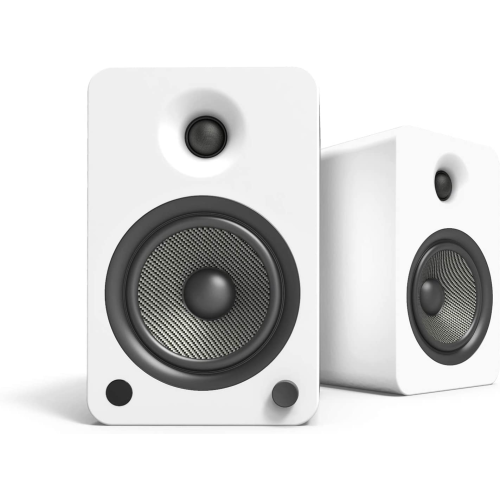
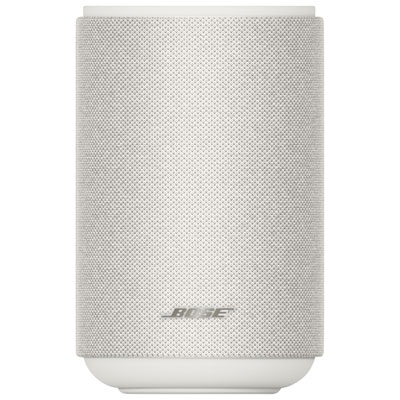
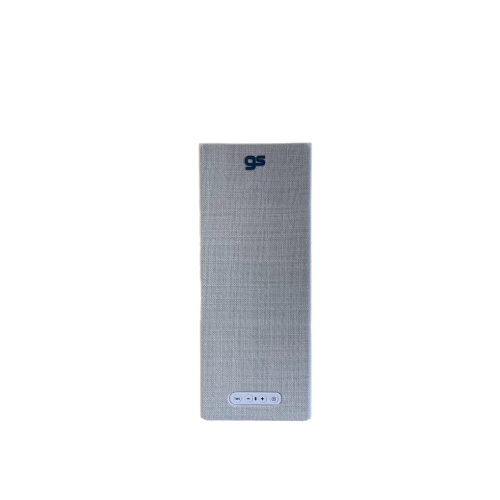
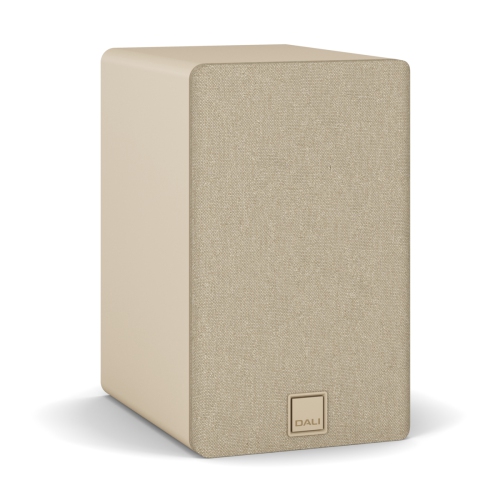
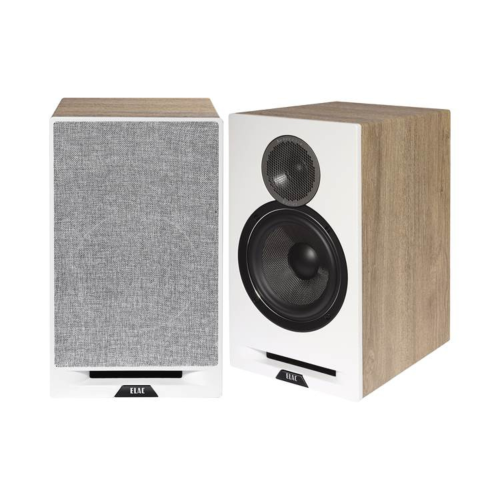
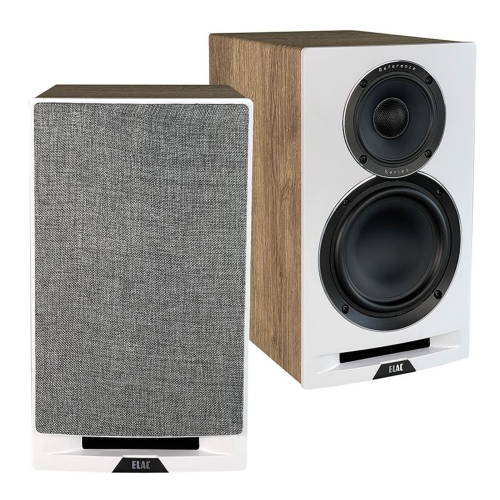
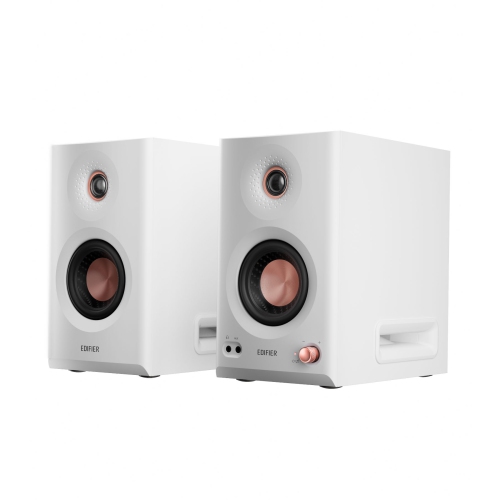
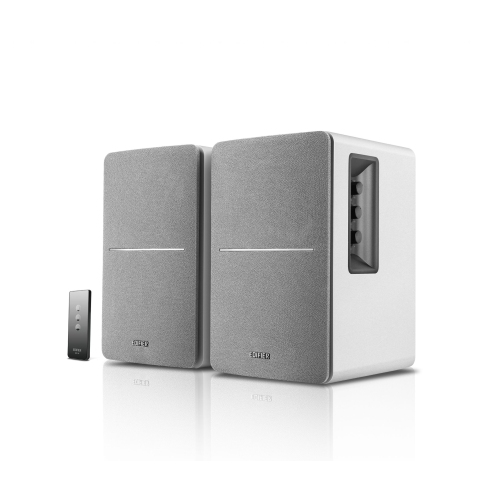
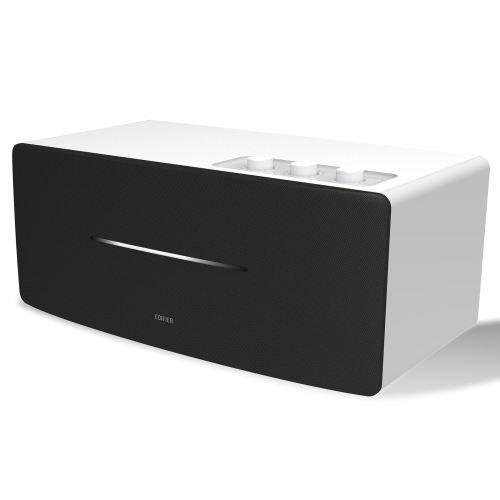

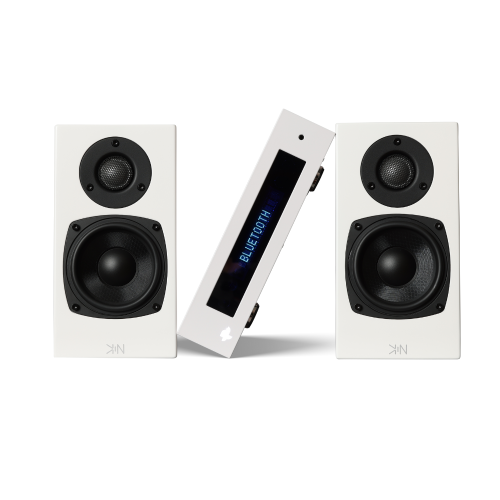
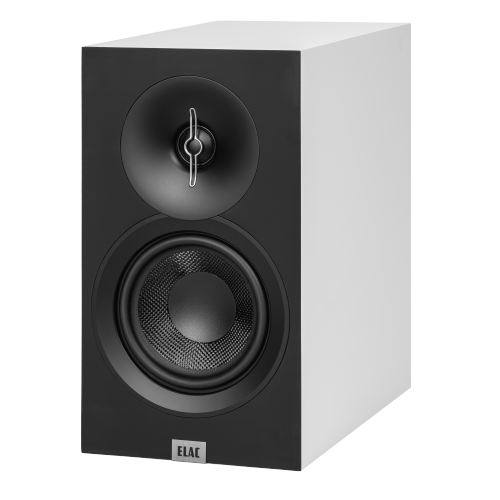

Power and placement shape your listening experience
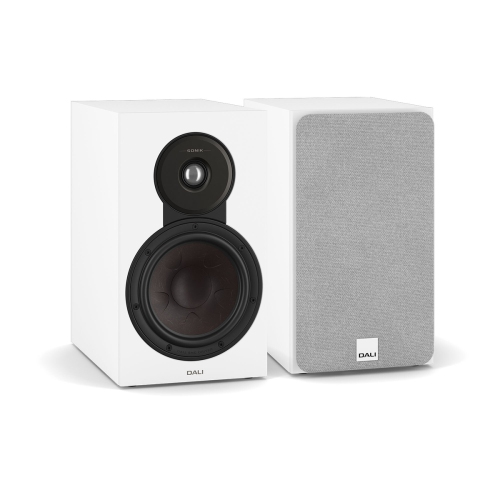
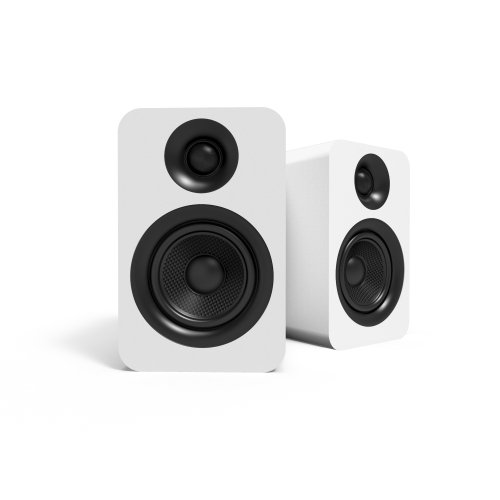
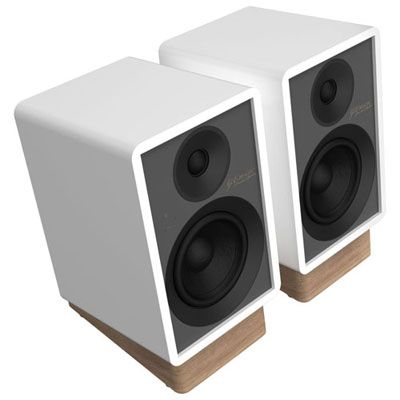
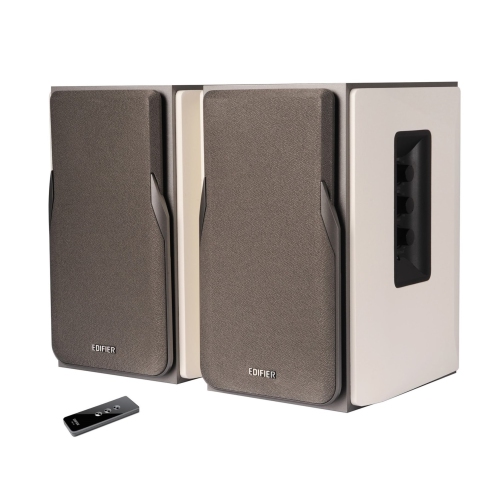
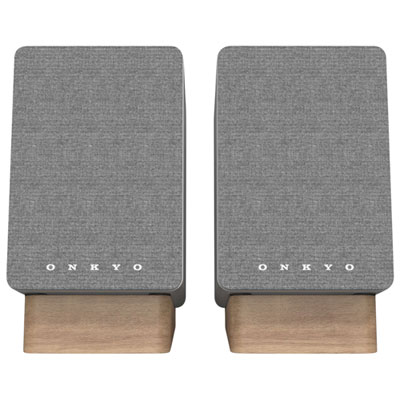
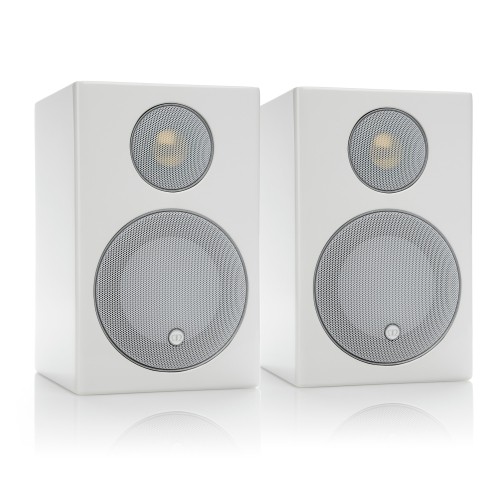
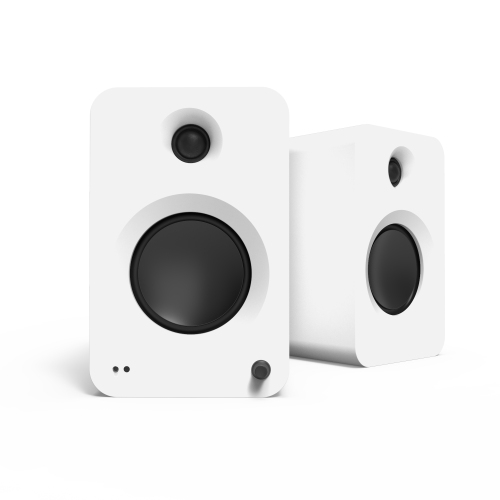
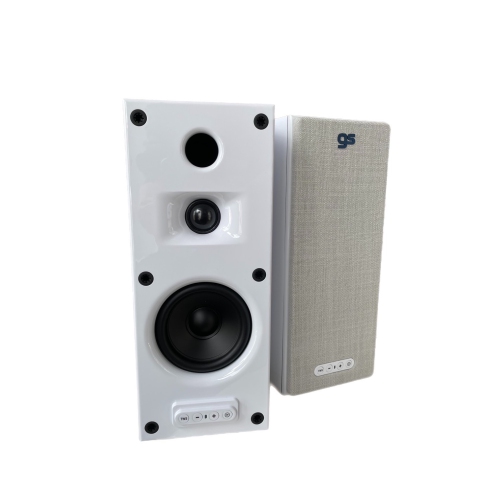
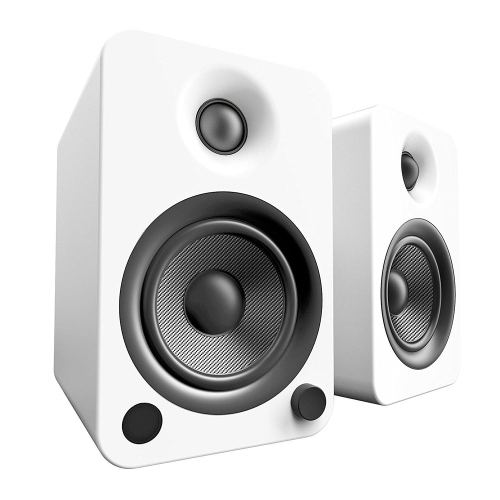
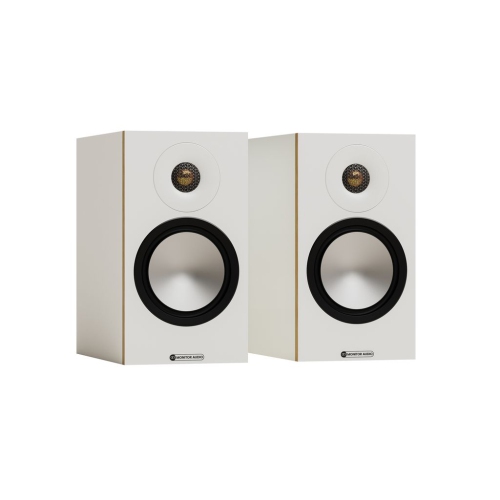
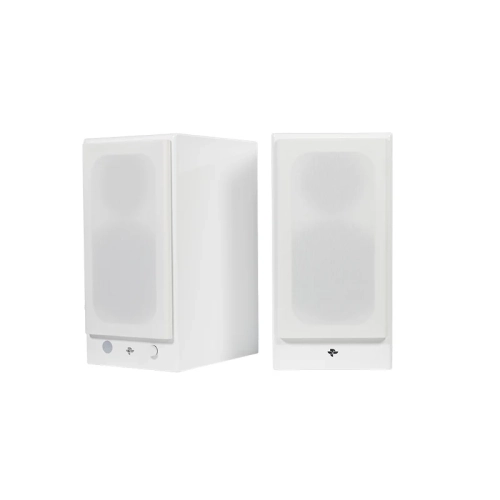
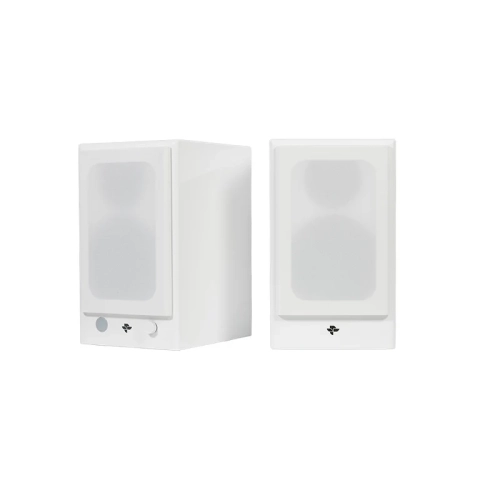
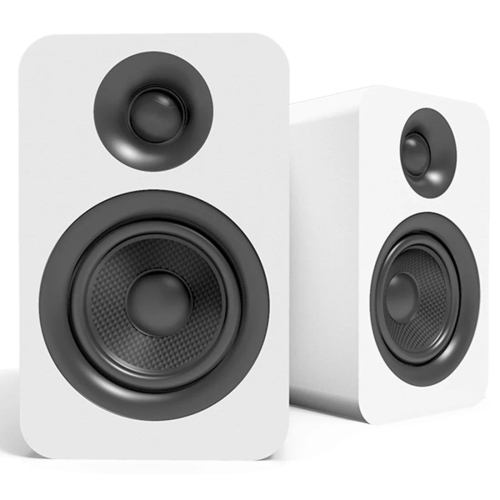
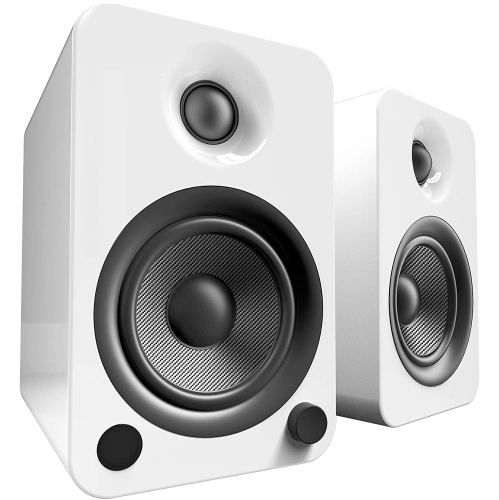
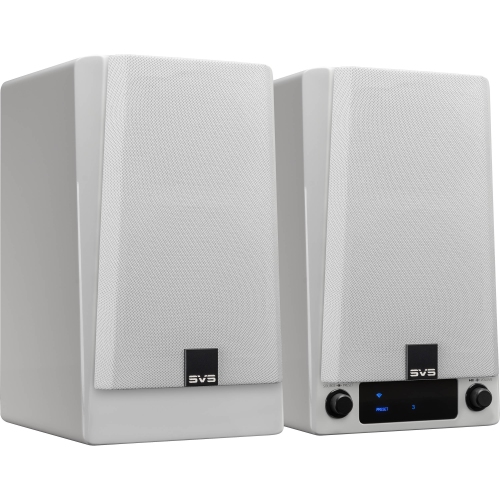
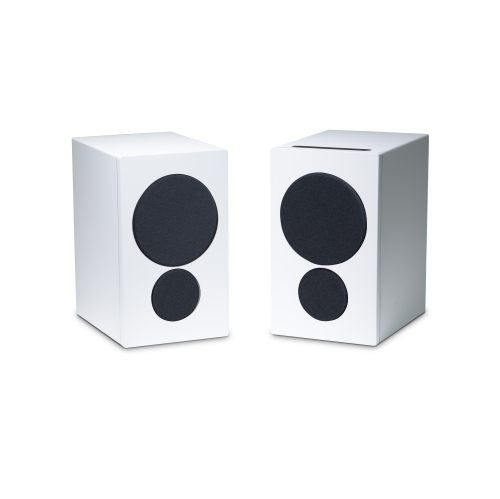
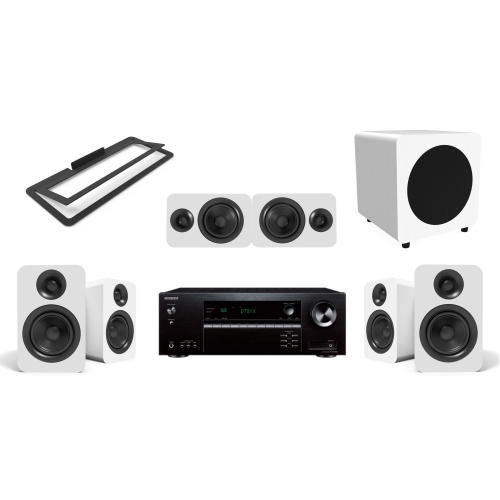
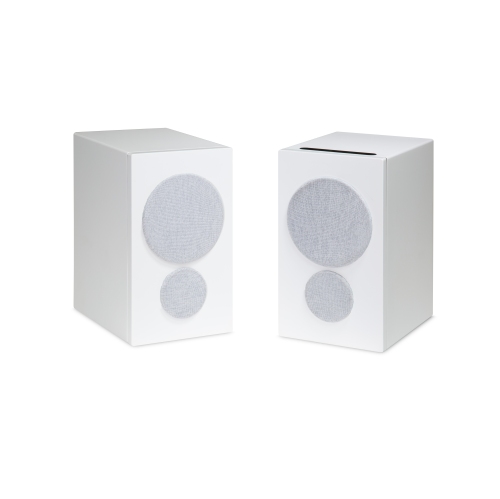
White bookshelf speakers bring clear, room-filling sound to spaces where a full-sized stereo system may feel out of place. Their light finish can blend neatly with pale shelving, modern furniture, home offices, bedrooms, media consoles, and compact living rooms, while the bookshelf format keeps the focus on balanced audio without taking over the room. They are well suited to music, podcasts, films, gaming, online meetings, and everyday listening, whether you are replacing the small speakers built into a computer or adding a more refined stereo experience to a television setup. A white pair can also make a thoughtful gift for someone moving into a new home, setting up a first apartment, building a listening corner, or spending more time with records and digital playlists during the cooler months. When choosing among white bookshelf speakers, start with the equipment you already own and the way you expect to listen. Powered speakers have built-in amplification, so they can often connect directly to a computer, television, phone, turntable with the appropriate output, or another source without requiring a separate receiver. This straightforward arrangement is helpful for a desk, bedroom, or smaller lounge where fewer components and cables are preferred. Passive speakers rely on an external amplifier or stereo receiver, but that additional component can offer more flexibility for building a dedicated system and upgrading individual parts over time. Confirm the required connections before buying, including RCA, 3.5 mm, optical, USB, HDMI, Bluetooth, or speaker-wire terminals, and check whether the included cables suit your intended setup.
Sound quality depends on more than appearance or maximum wattage. Look for a speaker design that matches the size of your room, listening distance, and preferred style of audio. A compact pair can perform very well near a computer or on a narrow shelf, while a larger cabinet may provide a fuller low end and greater presence across a living room. Two-way designs typically divide the audio range between a tweeter for higher frequencies and a woofer for vocals, instruments, and bass, helping music sound more detailed and natural. Sensitivity and impedance are especially important for passive speakers because they affect how much power an amplifier needs to deliver, while powered models should be assessed for their built-in output and adjustment controls. Frequency response can offer useful context, but it does not tell the entire story; cabinet construction, driver materials, crossover design, and placement all influence the final sound. Features such as a remote control, tone controls, a subwoofer output, Bluetooth pairing, and multiple inputs can make daily use easier. If you plan to connect a turntable, verify whether the speaker system includes a phono preamp or whether one is built into the turntable. For television use, optical or HDMI connectivity may be more convenient than an analogue connection, particularly when you want simple volume control from the sofa. Wireless streaming is useful for casual listening, although a wired connection may remain preferable for a desktop or home audio system where consistent playback matters. For additional ideas across different room sizes and listening preferences, browse Good Bookshelf Speakers.
Placement has a noticeable effect on what you hear from white bookshelf speakers. Position the pair at equal distances from your main listening seat, with the tweeters close to ear level when you are seated. Aim the speakers slightly toward the listening position if the design benefits from toe-in, and leave some space between the cabinet and the rear wall unless the manufacturer recommends close-wall placement. A sturdy shelf, speaker stand, desk, or media console helps reduce unwanted vibration, while keeping the speakers at least a little apart creates a wider stereo image than placing them side by side. Avoid crowding the front of the cabinets with books, decorative items, or furniture, and keep fabric, walls, and other objects from blocking the drivers. In a home office, a compact powered pair can give video calls and background music more clarity than a laptop, while in a living room, a carefully positioned stereo pair can make dialogue, acoustic instruments, and game soundtracks feel more spacious. In a bedroom or reading area, lower-volume listening and a smaller cabinet may be the better match. Families may appreciate simple controls and wireless connectivity for shared spaces, while a music enthusiast may prioritize a passive design, a capable receiver, and the option to add a subwoofer later. White finishes are versatile enough for a quiet reading nook, a bright kitchen counter, or a streamlined entertainment area, but the most important choice remains the combination of connections, power, dimensions, and sound character that suits your routine. Reviewing those details before purchase helps ensure the speakers feel natural in the room, work smoothly with your existing devices, and remain enjoyable for everything from a morning news programme to an evening playlist.
Sound quality depends on more than appearance or maximum wattage. Look for a speaker design that matches the size of your room, listening distance, and preferred style of audio. A compact pair can perform very well near a computer or on a narrow shelf, while a larger cabinet may provide a fuller low end and greater presence across a living room. Two-way designs typically divide the audio range between a tweeter for higher frequencies and a woofer for vocals, instruments, and bass, helping music sound more detailed and natural. Sensitivity and impedance are especially important for passive speakers because they affect how much power an amplifier needs to deliver, while powered models should be assessed for their built-in output and adjustment controls. Frequency response can offer useful context, but it does not tell the entire story; cabinet construction, driver materials, crossover design, and placement all influence the final sound. Features such as a remote control, tone controls, a subwoofer output, Bluetooth pairing, and multiple inputs can make daily use easier. If you plan to connect a turntable, verify whether the speaker system includes a phono preamp or whether one is built into the turntable. For television use, optical or HDMI connectivity may be more convenient than an analogue connection, particularly when you want simple volume control from the sofa. Wireless streaming is useful for casual listening, although a wired connection may remain preferable for a desktop or home audio system where consistent playback matters. For additional ideas across different room sizes and listening preferences, browse Good Bookshelf Speakers.
Placement has a noticeable effect on what you hear from white bookshelf speakers. Position the pair at equal distances from your main listening seat, with the tweeters close to ear level when you are seated. Aim the speakers slightly toward the listening position if the design benefits from toe-in, and leave some space between the cabinet and the rear wall unless the manufacturer recommends close-wall placement. A sturdy shelf, speaker stand, desk, or media console helps reduce unwanted vibration, while keeping the speakers at least a little apart creates a wider stereo image than placing them side by side. Avoid crowding the front of the cabinets with books, decorative items, or furniture, and keep fabric, walls, and other objects from blocking the drivers. In a home office, a compact powered pair can give video calls and background music more clarity than a laptop, while in a living room, a carefully positioned stereo pair can make dialogue, acoustic instruments, and game soundtracks feel more spacious. In a bedroom or reading area, lower-volume listening and a smaller cabinet may be the better match. Families may appreciate simple controls and wireless connectivity for shared spaces, while a music enthusiast may prioritize a passive design, a capable receiver, and the option to add a subwoofer later. White finishes are versatile enough for a quiet reading nook, a bright kitchen counter, or a streamlined entertainment area, but the most important choice remains the combination of connections, power, dimensions, and sound character that suits your routine. Reviewing those details before purchase helps ensure the speakers feel natural in the room, work smoothly with your existing devices, and remain enjoyable for everything from a morning news programme to an evening playlist.
Top selling and popular products
-
 Your price for this item is $269.99
 -
 Your price for this item is $458.98
 -
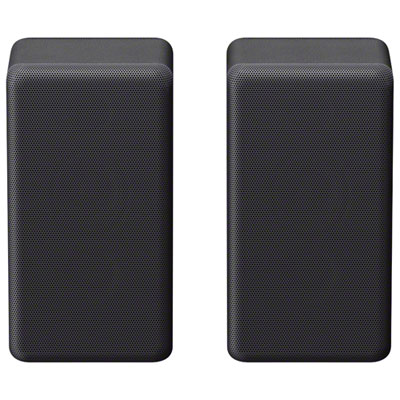 Your price for this item is $314.95
 -
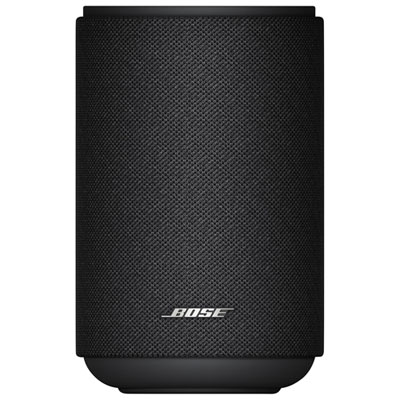 Your price for this item is $449.99
 -
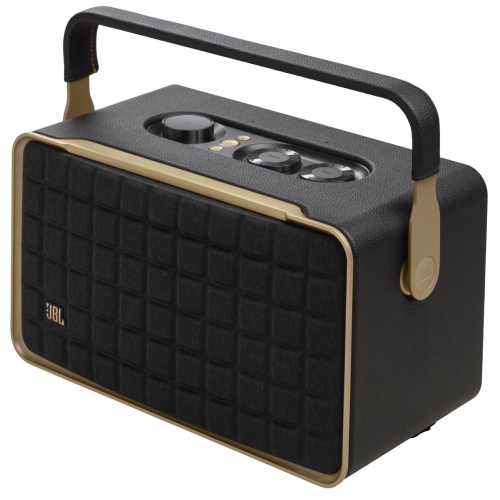 Your price for this item is $399.99
 -
 Your price for this item is $399.99
 -
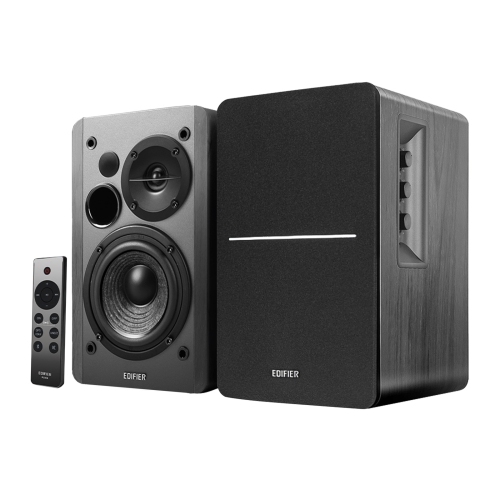 Your price for this item is $199.99
 -
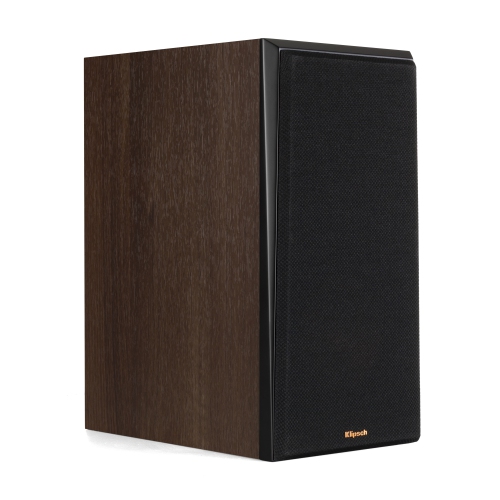 Your price for this item is $949
Discover more categories related to White Bookshelf Speakers
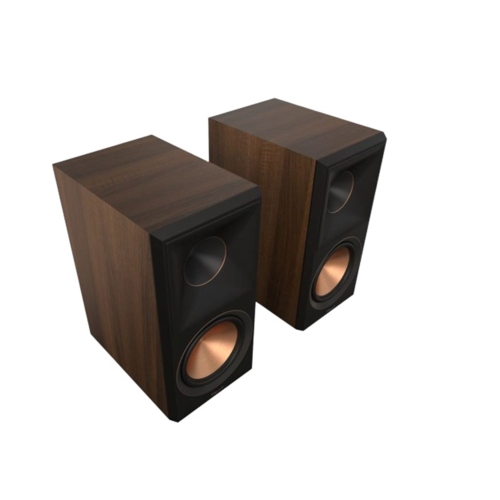
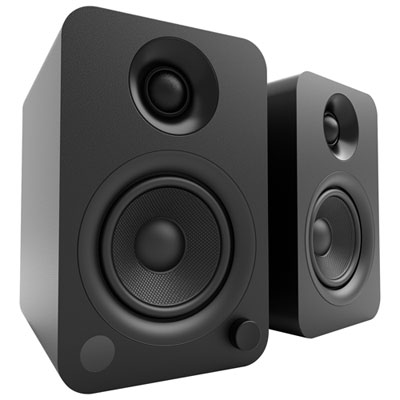
Top Collections:
Pokemon Centers, Kindle Devices, Best Budget Office Chairs, Canon G7X Cameras, Apple iPhones 16, Samsung Galaxy Phones, Refurbished Apple Laptops, Laptops for Students, iPhone 15 Apple, Budget Smartphones
Some products may be subject to Environmental Handling Fees
(EHF) depending on your province.
Learn more about EHFs.