Small White Bookshelf Speakers
If you're looking for a small, easy-to-install bookshelf speaker that will deliver great sound in a room or two, a white small bookshelf speaker is a great choice. These speakers are small enough without taking up too much space, but they still have enough power to fill a room with sound. White is a versatile color that matches almost any decor. Here are some of the best small white bookshelf speakers available today.
Sort
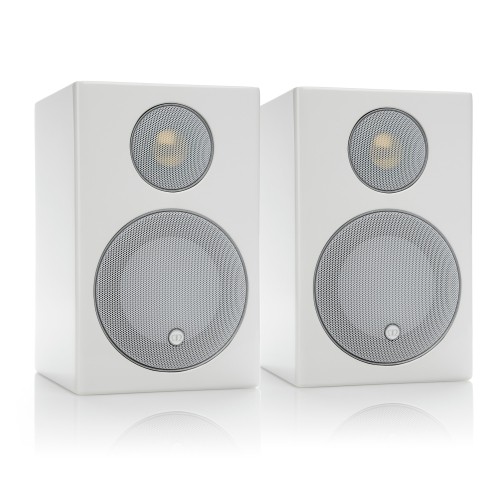
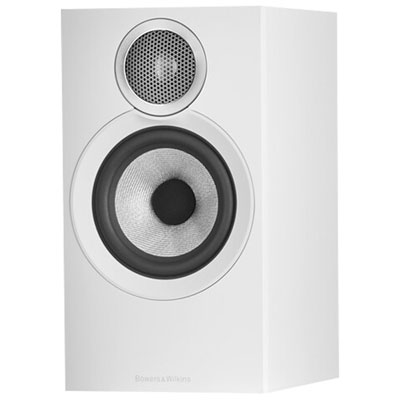
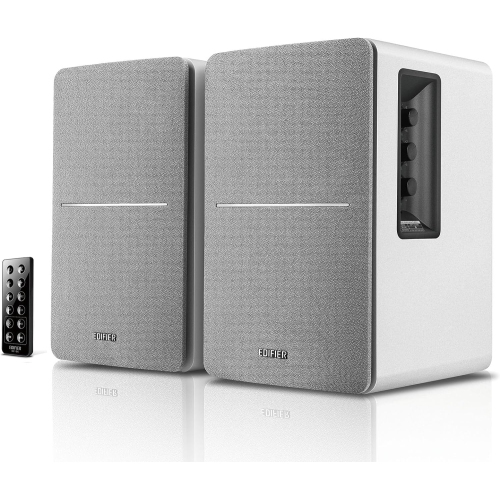
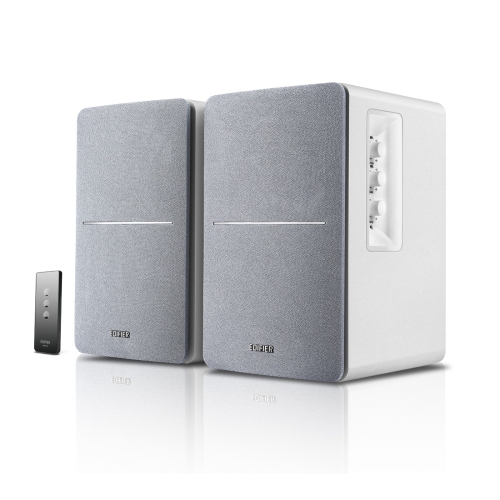
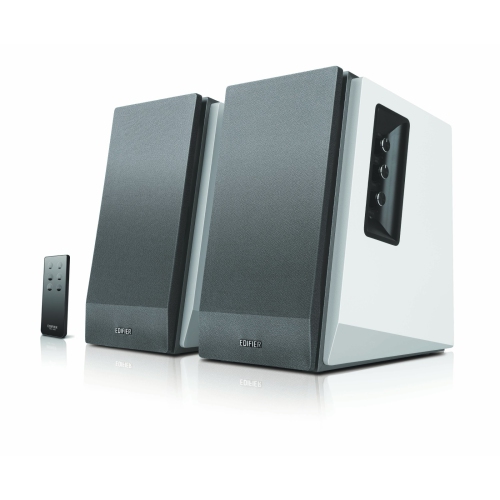
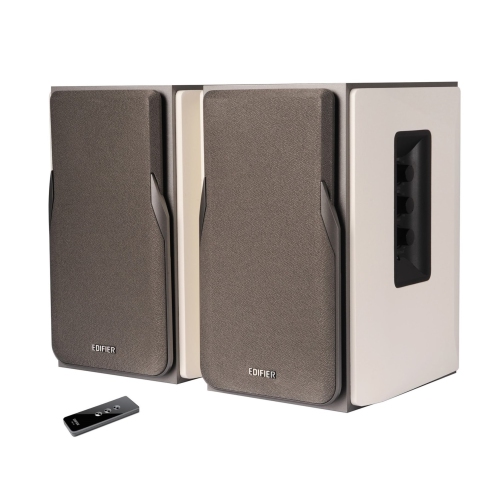

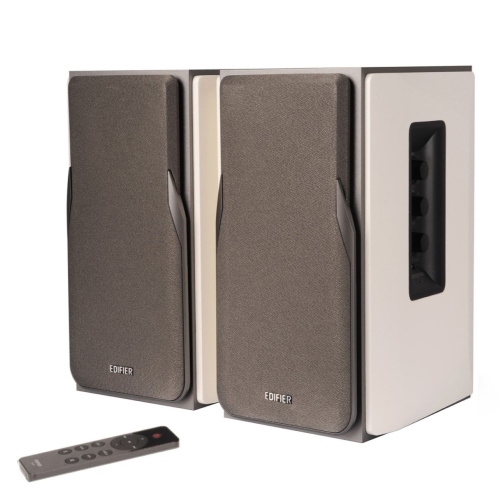
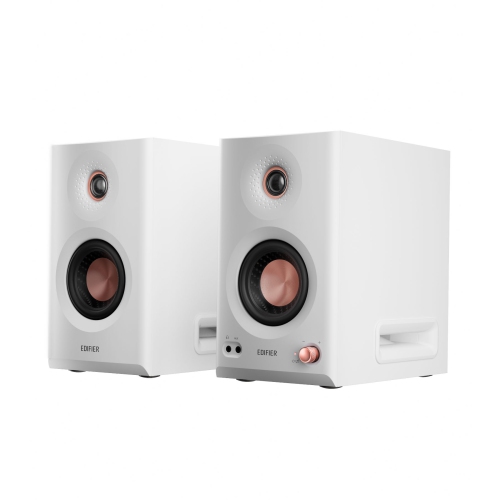
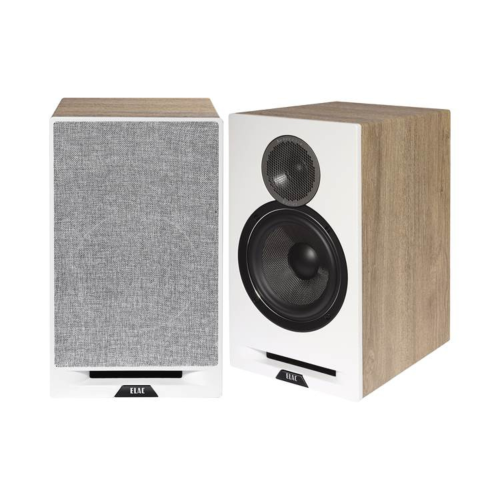

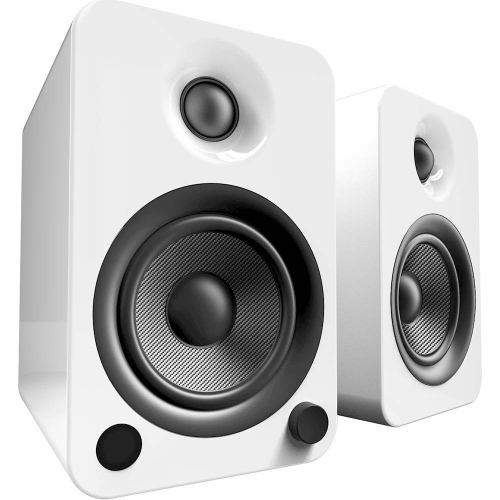

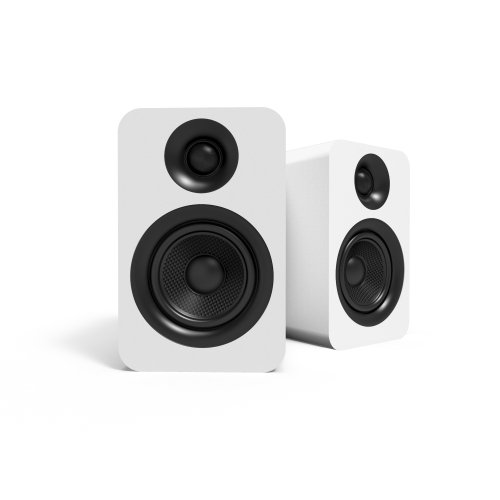
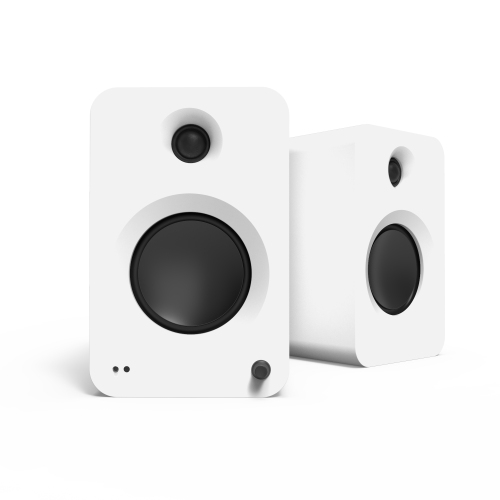
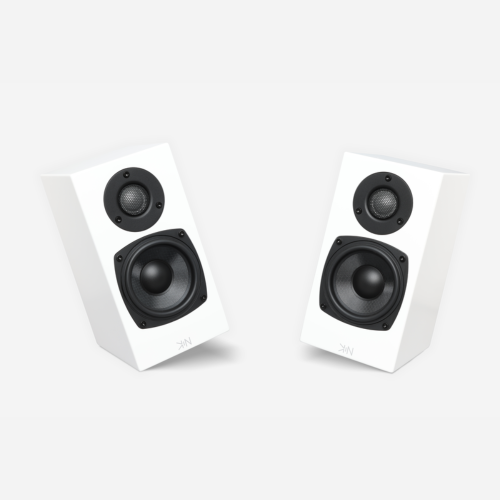
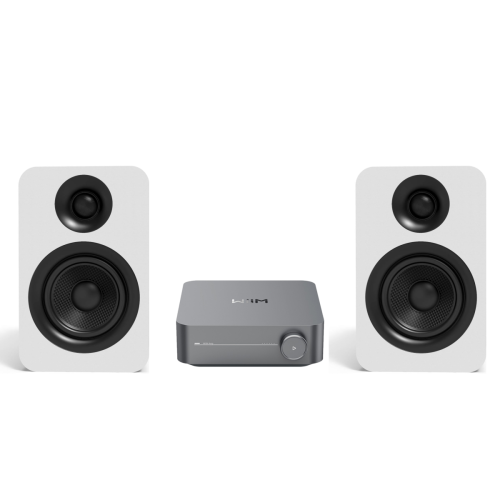
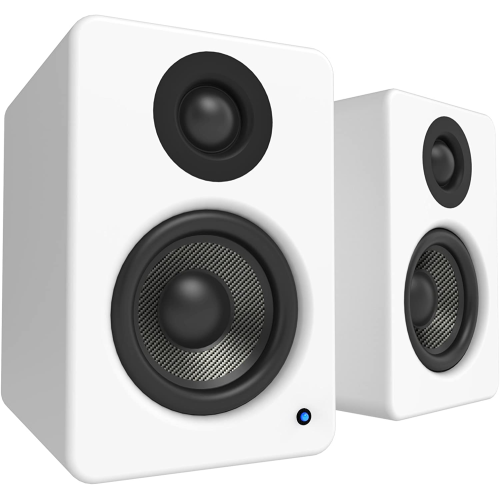
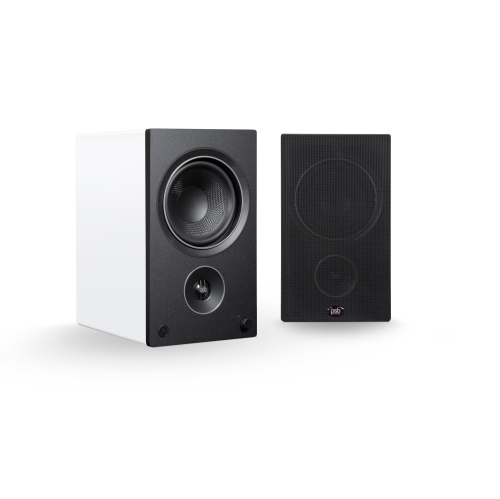
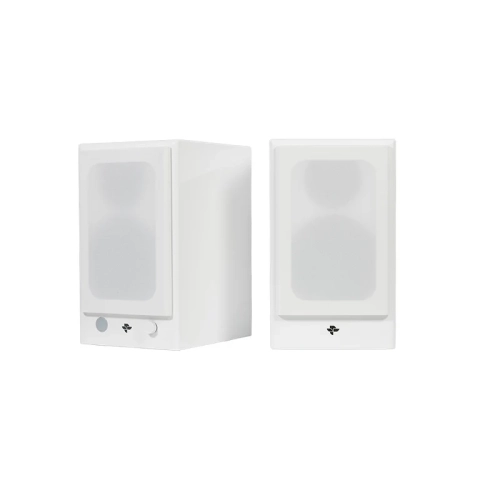
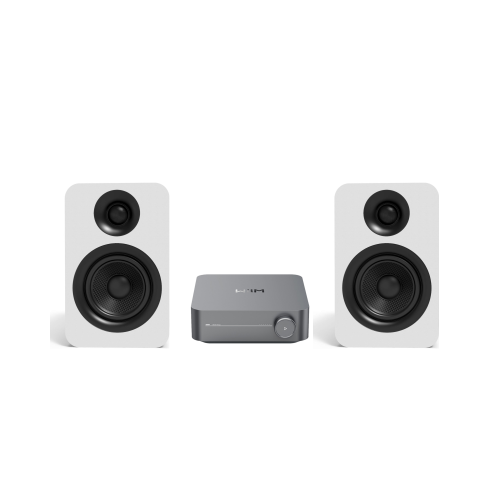
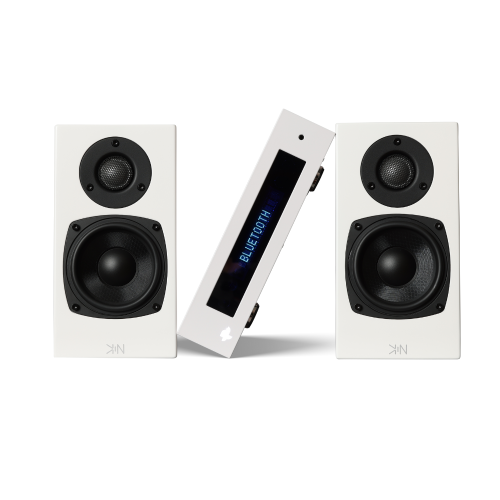
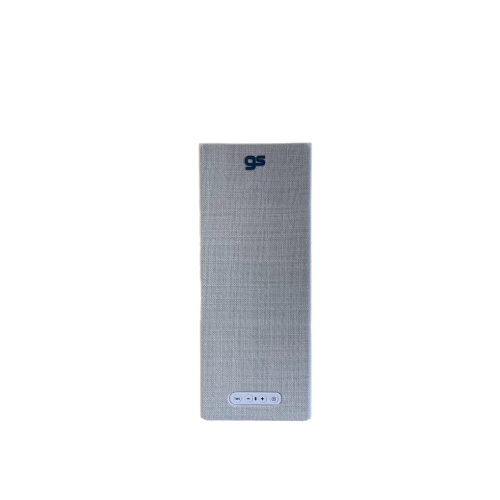
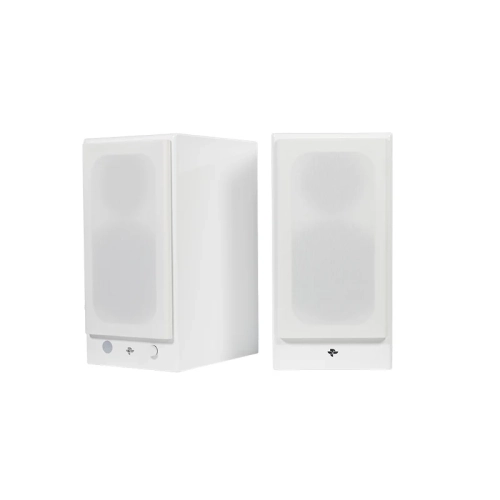
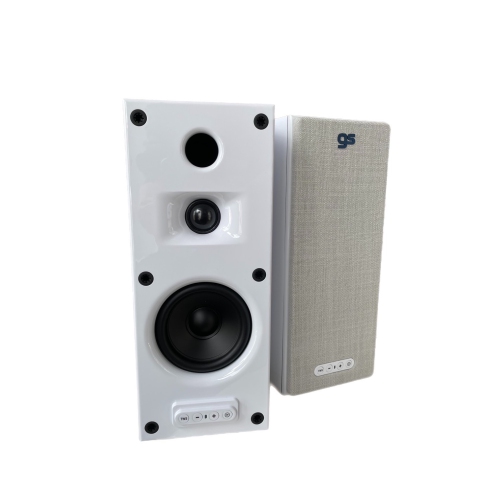
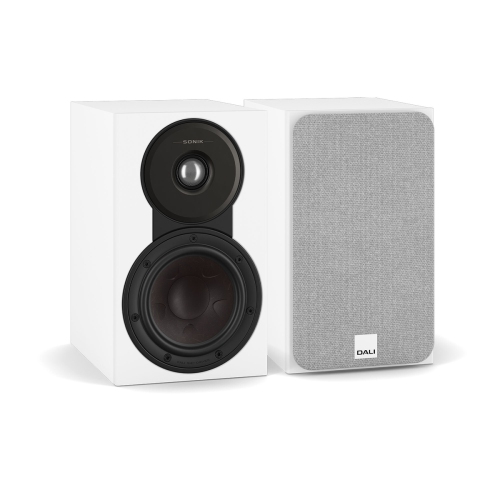
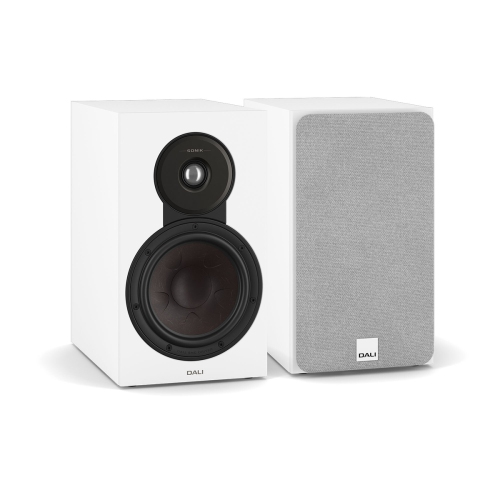
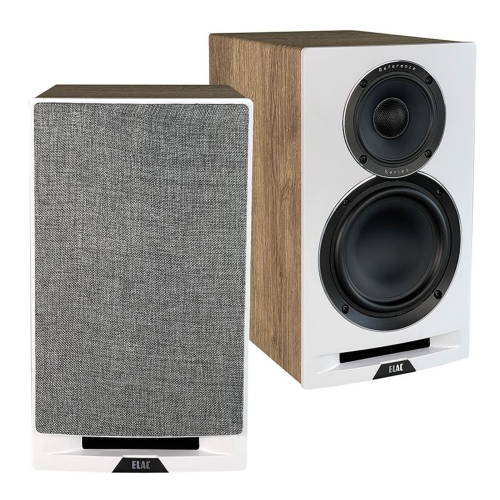
Proper stereo sound without a room-dominating setup
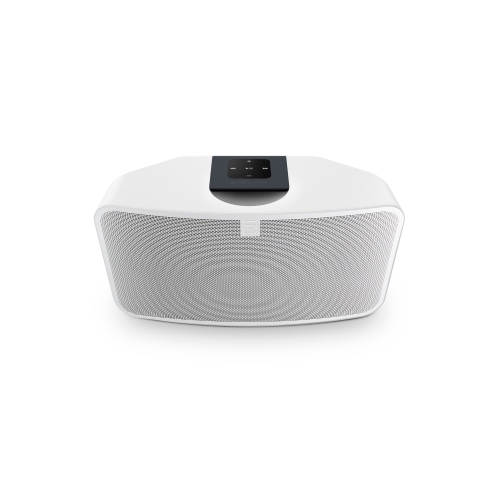
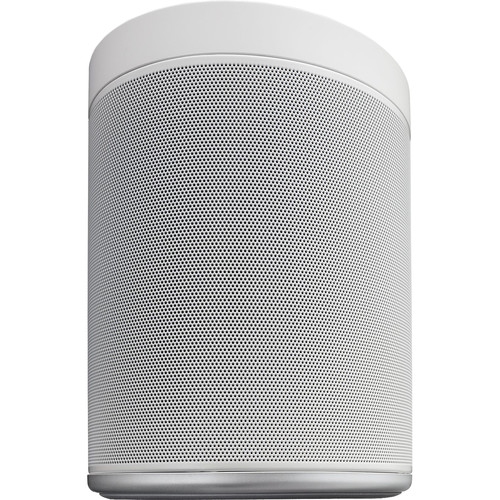
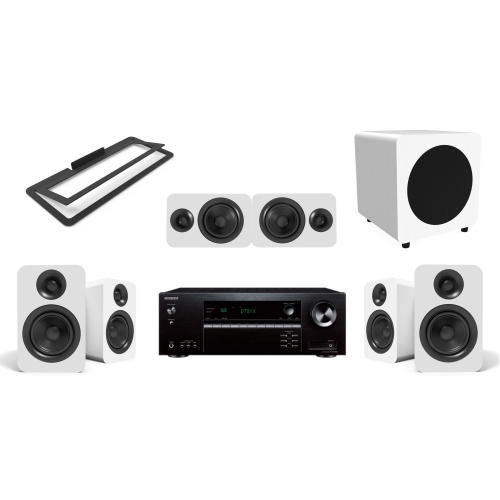
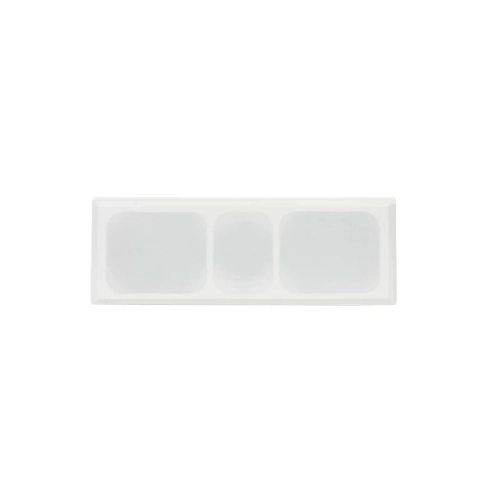
Small white bookshelf speakers bring stereo sound to rooms where a large audio setup would feel out of place. Their compact cabinets fit naturally beside a computer monitor, on a media console, or on dedicated stands in a living room, while a white finish blends with pale walls, light wood furniture, and uncluttered shelving. They suit listeners who want distinct left and right channels for music, clearer dialogue for everyday viewing, or a more spacious sound than a laptop’s built-in speakers can provide. Many use a two-way design, with a tweeter handling higher frequencies and a woofer reproducing midrange and bass. That arrangement can give vocals definition and instruments a convincing sense of position, though performance depends on the design, placement, and listening space rather than cabinet size alone. Small speakers are often especially comfortable in close-range desktop setups and modest rooms, where there is less distance between the listener and the drivers. Their bass can add warmth and rhythm to music without the physical bulk of floor-standing speakers, but the deepest notes and room-filling output may call for a compatible subwoofer or a larger system. White finishes also vary: matte surfaces offer a softer appearance, gloss reflects nearby light, and textured coverings can add subtle visual interest. Matching grilles may conceal the drivers for a quieter look, while exposed drivers create contrast against the cabinet. For a wider view of compact audio designs beyond the bookshelf format, Small White Speakers brings together the broader theme. Within the bookshelf category, the most useful distinctions are the cabinet dimensions, amplification requirements, available connections, and the amount of space around each speaker. Those details help determine whether a pair belongs beside a work laptop, in a reading corner, or alongside a television used for films and casual listening. A compact footprint can make a proper stereo arrangement practical without asking the room to revolve around the equipment.
Powered and passive bookshelf speakers serve different setups, even when their cabinets look similar. Powered speakers include amplification, reducing the need for a separate amplifier and making them a practical fit for a desk or a streamlined music system. In many powered pairs, one speaker houses the amplifier and connects to the other with speaker wire; both speakers are not necessarily independently powered. Passive speakers require an external amplifier or receiver, with speaker cable running to each cabinet. They suit listeners who already have audio equipment or want the flexibility to change individual components over time. Amplifier compatibility depends on the speaker’s impedance, sensitivity, and stated power requirements, so wattage alone does not tell the whole story. Connections matter just as much as amplification. Bluetooth can make phone playback convenient, but it is not included with every powered design, and wireless music streaming does not eliminate the need for power cables. Wi-Fi streaming is a separate feature found on some designs. For a computer, a compatible USB audio input can offer a direct digital connection, while analogue inputs work with many desktop audio interfaces and headphone outputs. Television use calls for closer attention to the available sockets: optical inputs are useful with many TVs, while HDMI ARC support, where provided, may simplify audio control. Turntable connections depend on whether a phono preamplifier is built into the turntable, included in the speaker system, or needed as a separate component. A standard line-level input cannot directly replace a phono stage. Everyday conveniences can be equally important in a small room. A front-mounted volume control is easy to reach from a desk chair, a remote is helpful across a living room, and a headphone connection can support quieter evening listening. A subwoofer output leaves room to extend low-frequency performance later. For a student’s study space, a home office, or a shared living area, the right combination is often less about the longest feature list and more about straightforward connections to the devices used every day.
Cabinet measurements deserve attention because “small” describes a range of bookshelf speaker sizes, and the shelf must accommodate more than the visible enclosure. Depth needs to include room for plugs, speaker terminals, and any clearance specified for a rear bass port. Despite their name, bookshelf speakers do not always sound their best pushed deep into a bookcase. Nearby walls and enclosed shelves can reinforce bass, sometimes making voices sound thick or less distinct. A little breathing room, a stable surface, and tweeters positioned near seated ear height often make a noticeable difference. On a desktop, isolation pads or short stands can reduce vibration through the furniture and angle the sound towards the listener. Left and right speakers work best with some separation and a reasonably balanced position around the seat, rather than with one tucked behind a monitor and the other at the far edge of the desk. Cabinet materials commonly include MDF, wood-based panels, or moulded materials, with painted, wrapped, or lacquered finishes providing the white exterior. Rigidity and internal bracing help limit unwanted cabinet vibration; a finish that looks substantial does not by itself establish acoustic quality. Driver materials vary too, and the overall design matters more than any single cone or tweeter material. For care, a soft, dry microfibre cloth is generally suitable for removing surface dust, subject to the manufacturer’s instructions. Liquids should not be sprayed directly onto the cabinet, and delicate tweeter domes should not be pressed or wiped. Keeping speakers away from damp areas, direct heat, and places where drinks can spill helps protect both the finish and the electronics. Secure stands and tidy cable routing are particularly useful in homes with children or pets. As a gift, a compact white pair can suit a music lover furnishing a first apartment, a student building a comfortable study area, or someone refreshing a home office. Confirming whether the recipient needs powered speakers or already owns an amplifier helps ensure the gift fits naturally into their daily listening.
Powered and passive bookshelf speakers serve different setups, even when their cabinets look similar. Powered speakers include amplification, reducing the need for a separate amplifier and making them a practical fit for a desk or a streamlined music system. In many powered pairs, one speaker houses the amplifier and connects to the other with speaker wire; both speakers are not necessarily independently powered. Passive speakers require an external amplifier or receiver, with speaker cable running to each cabinet. They suit listeners who already have audio equipment or want the flexibility to change individual components over time. Amplifier compatibility depends on the speaker’s impedance, sensitivity, and stated power requirements, so wattage alone does not tell the whole story. Connections matter just as much as amplification. Bluetooth can make phone playback convenient, but it is not included with every powered design, and wireless music streaming does not eliminate the need for power cables. Wi-Fi streaming is a separate feature found on some designs. For a computer, a compatible USB audio input can offer a direct digital connection, while analogue inputs work with many desktop audio interfaces and headphone outputs. Television use calls for closer attention to the available sockets: optical inputs are useful with many TVs, while HDMI ARC support, where provided, may simplify audio control. Turntable connections depend on whether a phono preamplifier is built into the turntable, included in the speaker system, or needed as a separate component. A standard line-level input cannot directly replace a phono stage. Everyday conveniences can be equally important in a small room. A front-mounted volume control is easy to reach from a desk chair, a remote is helpful across a living room, and a headphone connection can support quieter evening listening. A subwoofer output leaves room to extend low-frequency performance later. For a student’s study space, a home office, or a shared living area, the right combination is often less about the longest feature list and more about straightforward connections to the devices used every day.
Cabinet measurements deserve attention because “small” describes a range of bookshelf speaker sizes, and the shelf must accommodate more than the visible enclosure. Depth needs to include room for plugs, speaker terminals, and any clearance specified for a rear bass port. Despite their name, bookshelf speakers do not always sound their best pushed deep into a bookcase. Nearby walls and enclosed shelves can reinforce bass, sometimes making voices sound thick or less distinct. A little breathing room, a stable surface, and tweeters positioned near seated ear height often make a noticeable difference. On a desktop, isolation pads or short stands can reduce vibration through the furniture and angle the sound towards the listener. Left and right speakers work best with some separation and a reasonably balanced position around the seat, rather than with one tucked behind a monitor and the other at the far edge of the desk. Cabinet materials commonly include MDF, wood-based panels, or moulded materials, with painted, wrapped, or lacquered finishes providing the white exterior. Rigidity and internal bracing help limit unwanted cabinet vibration; a finish that looks substantial does not by itself establish acoustic quality. Driver materials vary too, and the overall design matters more than any single cone or tweeter material. For care, a soft, dry microfibre cloth is generally suitable for removing surface dust, subject to the manufacturer’s instructions. Liquids should not be sprayed directly onto the cabinet, and delicate tweeter domes should not be pressed or wiped. Keeping speakers away from damp areas, direct heat, and places where drinks can spill helps protect both the finish and the electronics. Secure stands and tidy cable routing are particularly useful in homes with children or pets. As a gift, a compact white pair can suit a music lover furnishing a first apartment, a student building a comfortable study area, or someone refreshing a home office. Confirming whether the recipient needs powered speakers or already owns an amplifier helps ensure the gift fits naturally into their daily listening.
Top selling and popular products
-
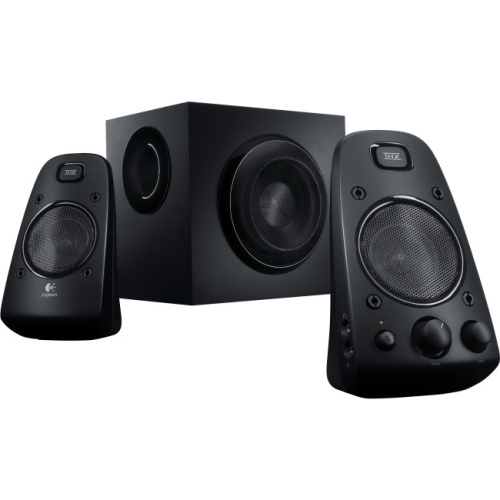 Your price for this item is $286.58
 -
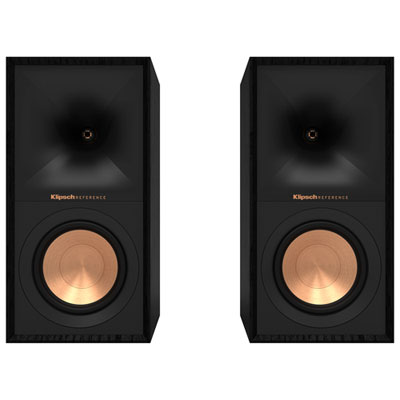 Your price for this item is $369.99
 -
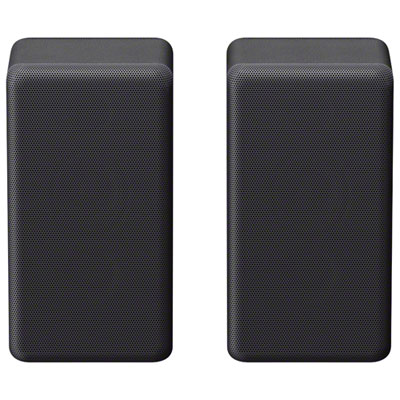 Your price for this item is $449.95
 -
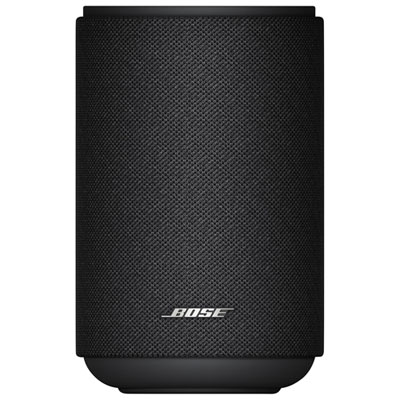 Your price for this item is $399.99
 -
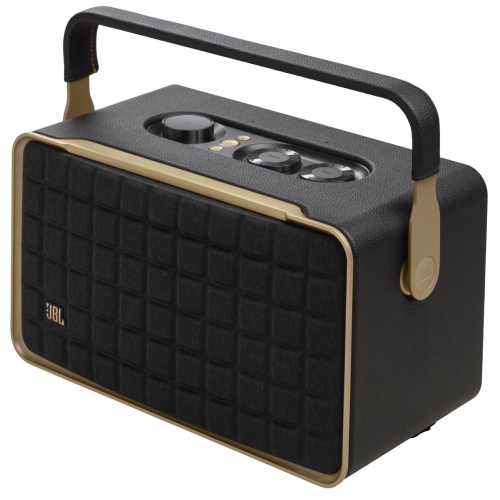 Your price for this item is $399.99
 -
 Your price for this item is $399.99
 -
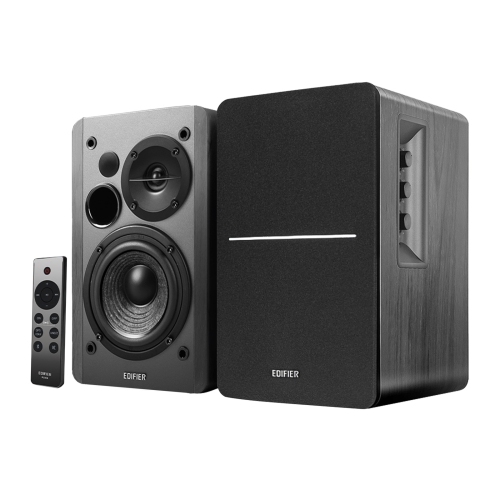 Your price for this item is $229.99
 -
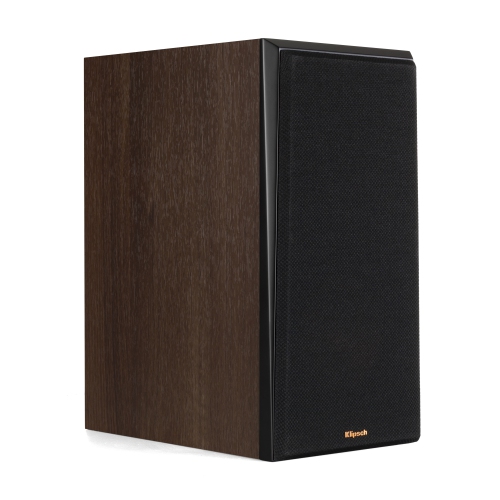 Your price for this item is $949
Discover more categories related to Small White Bookshelf Speakers

Top Collections:
Pokemon Centers, Kindle Devices, Best Budget Office Chairs, Apple iPhones 16, Best Laptops for Writers, iPhone 15 Apple, Canon G7X Cameras, Refurbished Apple Laptops, Alarm Clock, Motorola Razr Phones
Some products may be subject to Environmental Handling Fees
(EHF) depending on your province.
Learn more about EHFs.