Wired Headphones for iPhones
Discover the perfect audio companion with wired headphones for iPhones, designed to deliver reliable sound quality and a seamless listening experience. Whether you’re taking calls, enjoying music, or tuning into your favorite podcasts, these headphones offer consistent connectivity and convenience. Explore a wide selection of options tailored to fit your style and daily needs, making it easy to find the best wired headphones for iPhones that suit your preferences.
Sort

![CSMART [2 Packs] Lightning Connector Headphones Earphones Earbuds Volume Buttons & Mic Compatible for Iphone 7 8 X 11 12 13 Pro Max](https://multimedia.bbycastatic.ca/multimedia/products/500x500/147/14716/14716489.png)
A matching plug is only the first step
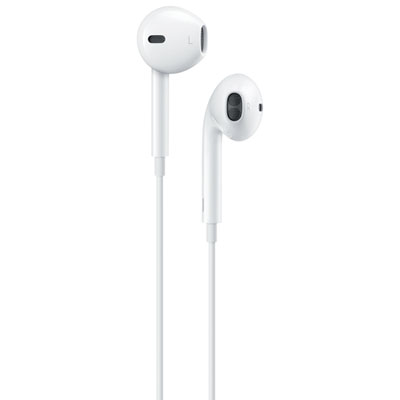
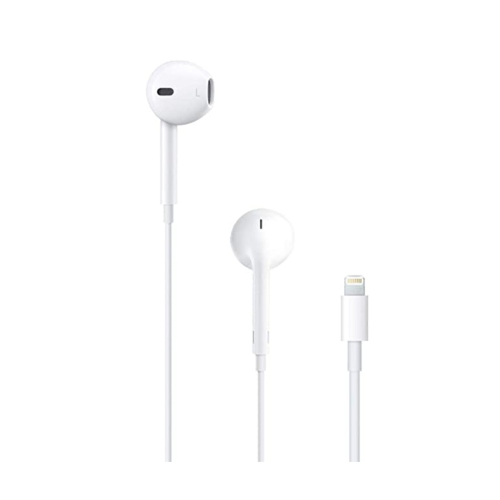
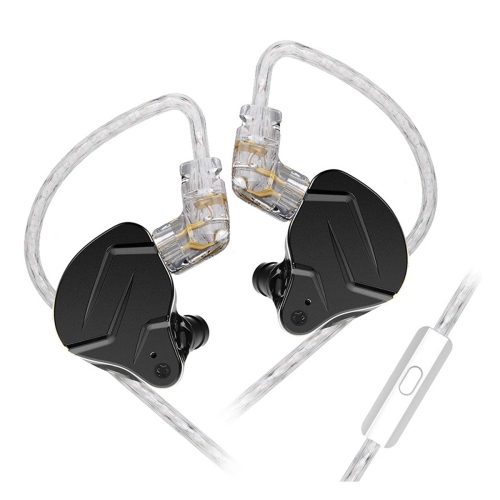
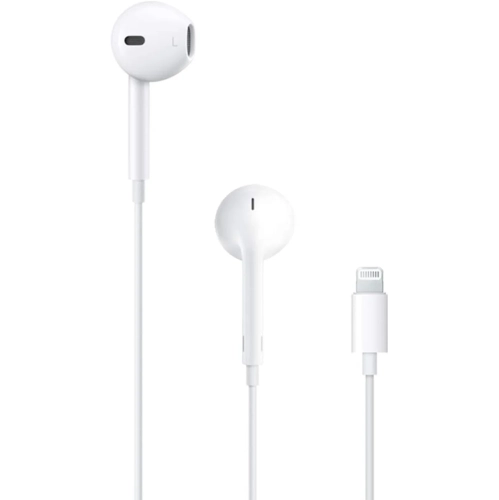
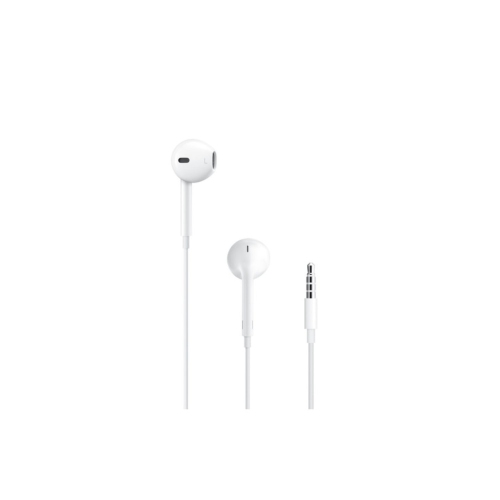
Wired headphones for iPhones provide a direct connection for music, calls, podcasts, and video, without Bluetooth pairing or a separate listening battery to keep charged on most basic designs. Compatibility starts with the phone’s audio connection: USB-C iPhones need USB-C headphones or a compatible USB-C audio adapter, while Lightning iPhones need Lightning headphones or a compatible Lightning audio adapter. Headphones with a 3.5 mm plug can connect directly to an iPhone with a headphone jack; on a phone without that jack, they require an adapter matched to the phone’s port. The connector’s shape is only part of the match, since digital headphones and adapters also need to support audio on the intended device. For analogue headphones, a digital-to-analogue audio adapter converts the phone’s output into a signal the headphones can play. Microphone and inline remote support are worth checking separately, as an adapter that carries sound may not support every calling or volume-control function. A protective phone case can also affect whether a connector seats fully, especially when the opening around the charging port is narrow. Once connected, wired headphones suit everyday listening at a desk, on public transit, or while relaxing with an audiobook. The direct connection avoids wireless interference and can help keep sound closely aligned with on-screen action, although apps and other parts of the playback chain can still introduce delay. Most passive wired headphones draw what they need from the connected device, but designs with powered features may have separate charging requirements. Listening through the charging port also occupies that connection, so simultaneous wired charging requires an accessory that explicitly supports both audio and power for the phone. For anyone who moves between a phone and a laptop, checking both devices’ connections helps clarify whether one pair of headphones can serve both with the right adapter. That small compatibility check makes the difference between a useful everyday accessory and a pair that needs additional hardware before the first listen.
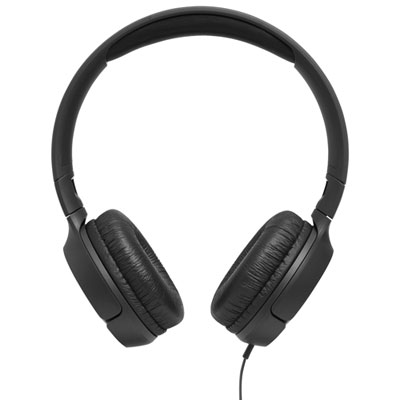
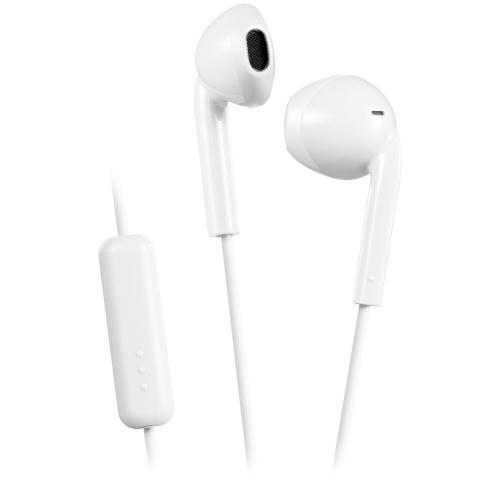
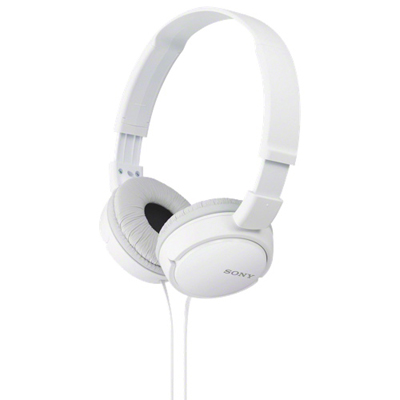
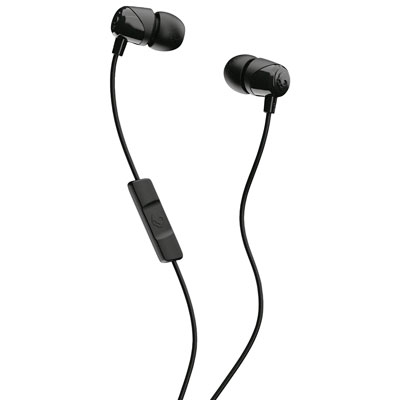
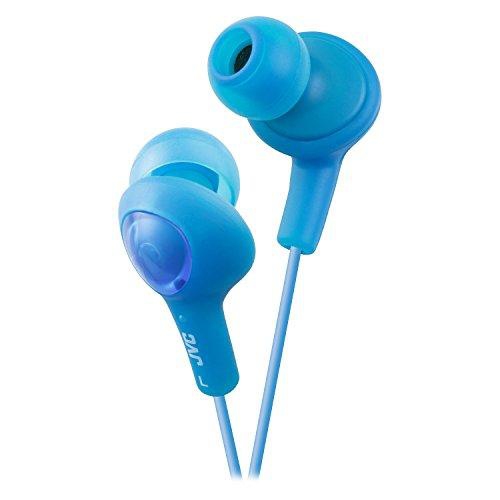
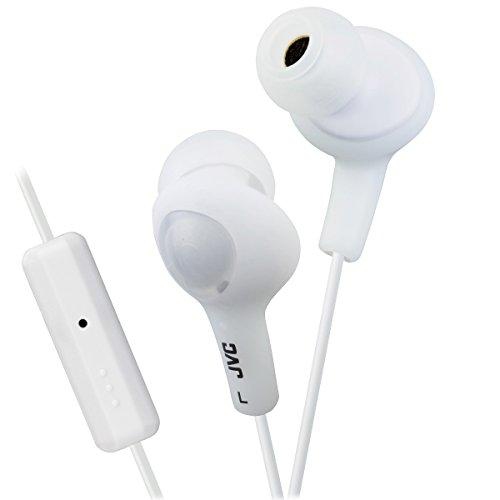
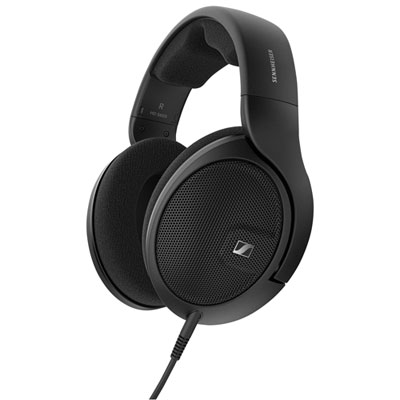
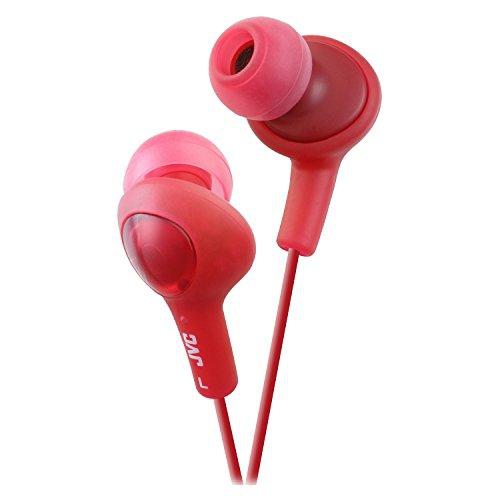
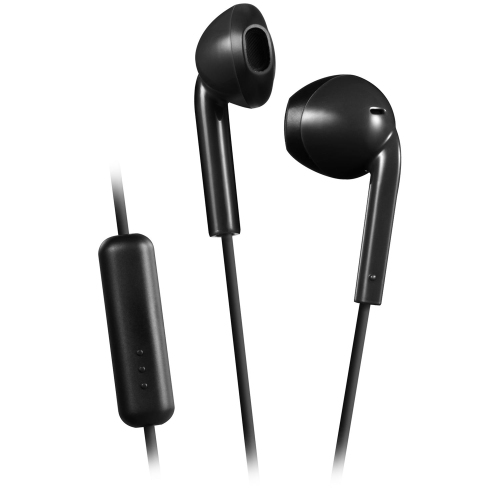
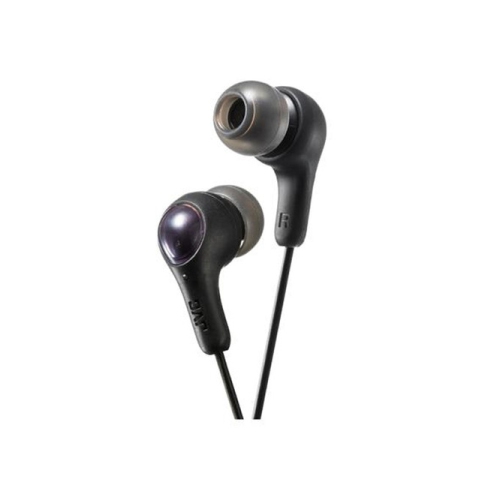
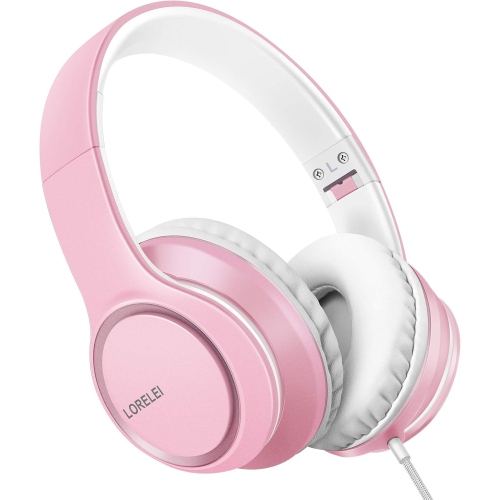
Fit and headphone style shape the experience just as much as the connection. Over-ear headphones surround the ears with padded cushions, spreading contact across a larger area and often creating a more enclosed listening space. They can be comfortable for a full album, a long train journey, or an extended study session, though their size takes up more room in a bag. On-ear headphones rest against the ears and are generally more compact, with comfort depending on the softness of the pads, headband adjustment, and clamping pressure. Earbuds keep the setup light and easy to tuck into a small pouch, making them practical for listeners who carry little beyond a phone and keys. The range of wired earbuds for iPhone focuses on that smaller format. Within this category, open-fit earpieces sit near the ear canal without sealing it, while in-ear designs use tips that fit inside the canal. Silicone tips are usually easy to wipe clean, and foam tips can conform to the ear’s shape, though both need appropriate sizing and periodic inspection. A secure, comfortable seal can improve bass presence and reduce outside sound without requiring a higher listening volume. Passive sound isolation comes from the physical fit; active noise cancellation, where included, uses powered electronics and is a separate feature. Neither replaces the need to stay aware of traffic or other hazards. For calls from a shared room, an inline microphone keeps the phone out of hand, but its position matters: a microphone rubbing against a collar or scarf can transmit unwanted noise. Remote buttons may handle playback, calls, and volume, depending on compatibility. Sound preferences also vary by use. Clear midrange reproduction helps speech remain understandable in lectures and podcasts, while balanced bass can give music weight without masking vocals. A wired connection can support lossless playback, but the source recording, app settings, audio adapter, and headphone capabilities all affect the result; the cable alone does not guarantee a particular level of sound quality.
Materials, cable construction, and care influence how well wired headphones hold up to daily routines. Lightweight plastic housings can reduce weight, while metal components may add rigidity at joints or adjustment points; neither material alone establishes overall durability. On larger headphones, fabric-covered cushions can feel different against the skin from smooth synthetic coverings, and replaceable ear pads can make long-term upkeep easier. For in-ear designs, replaceable tips are useful when the original fit loosens or the material shows wear. The cable deserves particular attention because it repeatedly bends near the plug, earpieces, and inline remote. Flexible strain relief at these junctions helps manage that movement, while a detachable cable, where offered, allows a worn lead to be replaced without replacing the entire headset. Braided coverings can resist some surface wear, although they may also transmit rubbing sounds when brushed against clothing. A longer cable provides reach when a phone is on a desk, while a shorter lead leaves less slack to catch on a bag strap during a commute. At home, keeping the cable clear of chair wheels and desk drawers prevents avoidable damage. When disconnecting, grip the plug rather than pulling the cord, and store the cable in loose loops instead of wrapping it tightly around the phone. A pouch or case keeps earpieces from pressing against keys and protects connectors from loose debris. Cleaning should follow the manufacturer’s directions, with moisture kept away from openings and connectors; removable tips may need a different cleaning method from the headphone body. Sweat resistance is not standard across wired designs, so exercise use calls for an explicit rating rather than an assumption. These practical details matter for students listening to recorded lessons, commuters catching up on podcasts, and people taking calls between tasks. Wired headphones can also make a thoughtful gift for someone who prefers physical controls or wants a familiar backup to wireless listening, provided the recipient’s phone connection and preferred fit are known. A comfortable shape, suitable cable length, and verified microphone support help turn a simple accessory into something that earns a regular place beside the phone.
Fit and headphone style shape the experience just as much as the connection. Over-ear headphones surround the ears with padded cushions, spreading contact across a larger area and often creating a more enclosed listening space. They can be comfortable for a full album, a long train journey, or an extended study session, though their size takes up more room in a bag. On-ear headphones rest against the ears and are generally more compact, with comfort depending on the softness of the pads, headband adjustment, and clamping pressure. Earbuds keep the setup light and easy to tuck into a small pouch, making them practical for listeners who carry little beyond a phone and keys. The range of wired earbuds for iPhone focuses on that smaller format. Within this category, open-fit earpieces sit near the ear canal without sealing it, while in-ear designs use tips that fit inside the canal. Silicone tips are usually easy to wipe clean, and foam tips can conform to the ear’s shape, though both need appropriate sizing and periodic inspection. A secure, comfortable seal can improve bass presence and reduce outside sound without requiring a higher listening volume. Passive sound isolation comes from the physical fit; active noise cancellation, where included, uses powered electronics and is a separate feature. Neither replaces the need to stay aware of traffic or other hazards. For calls from a shared room, an inline microphone keeps the phone out of hand, but its position matters: a microphone rubbing against a collar or scarf can transmit unwanted noise. Remote buttons may handle playback, calls, and volume, depending on compatibility. Sound preferences also vary by use. Clear midrange reproduction helps speech remain understandable in lectures and podcasts, while balanced bass can give music weight without masking vocals. A wired connection can support lossless playback, but the source recording, app settings, audio adapter, and headphone capabilities all affect the result; the cable alone does not guarantee a particular level of sound quality.
Materials, cable construction, and care influence how well wired headphones hold up to daily routines. Lightweight plastic housings can reduce weight, while metal components may add rigidity at joints or adjustment points; neither material alone establishes overall durability. On larger headphones, fabric-covered cushions can feel different against the skin from smooth synthetic coverings, and replaceable ear pads can make long-term upkeep easier. For in-ear designs, replaceable tips are useful when the original fit loosens or the material shows wear. The cable deserves particular attention because it repeatedly bends near the plug, earpieces, and inline remote. Flexible strain relief at these junctions helps manage that movement, while a detachable cable, where offered, allows a worn lead to be replaced without replacing the entire headset. Braided coverings can resist some surface wear, although they may also transmit rubbing sounds when brushed against clothing. A longer cable provides reach when a phone is on a desk, while a shorter lead leaves less slack to catch on a bag strap during a commute. At home, keeping the cable clear of chair wheels and desk drawers prevents avoidable damage. When disconnecting, grip the plug rather than pulling the cord, and store the cable in loose loops instead of wrapping it tightly around the phone. A pouch or case keeps earpieces from pressing against keys and protects connectors from loose debris. Cleaning should follow the manufacturer’s directions, with moisture kept away from openings and connectors; removable tips may need a different cleaning method from the headphone body. Sweat resistance is not standard across wired designs, so exercise use calls for an explicit rating rather than an assumption. These practical details matter for students listening to recorded lessons, commuters catching up on podcasts, and people taking calls between tasks. Wired headphones can also make a thoughtful gift for someone who prefers physical controls or wants a familiar backup to wireless listening, provided the recipient’s phone connection and preferred fit are known. A comfortable shape, suitable cable length, and verified microphone support help turn a simple accessory into something that earns a regular place beside the phone.
Top selling and popular products
-
 Your price for this item is $25.99
 -
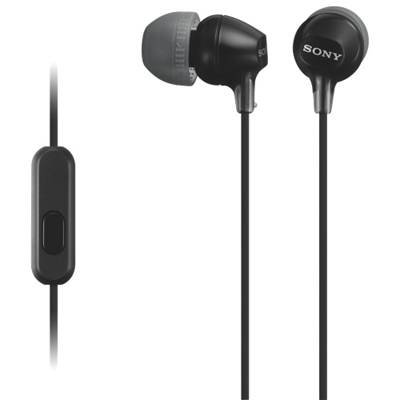 Your price for this item is $15.98
 -
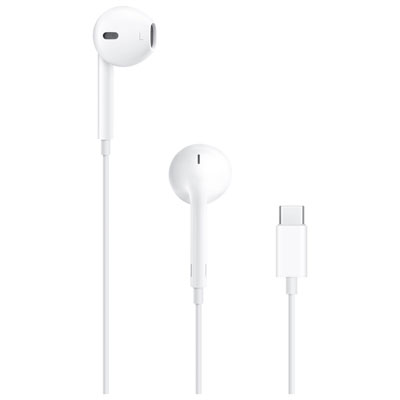 Your price for this item is $25.99
 -
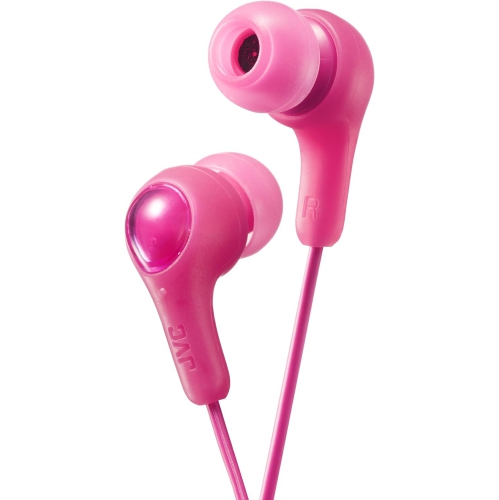 Your price for this item is $25.98
 -
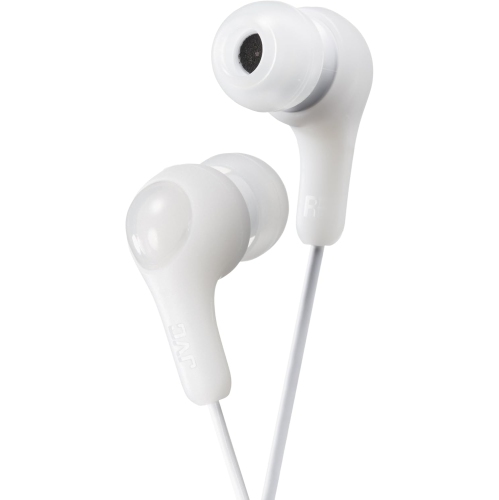 Your price for this item is $25.98
 -
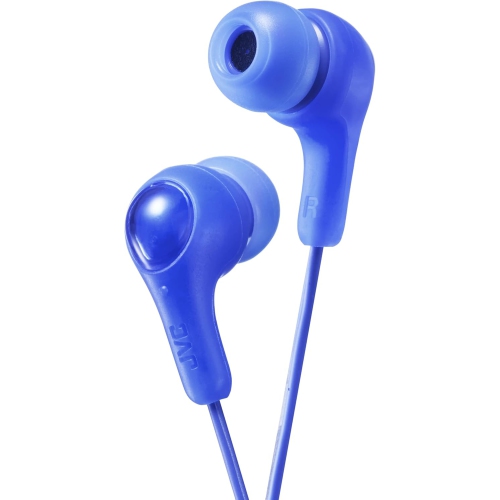 Your price for this item is $25.98
 -
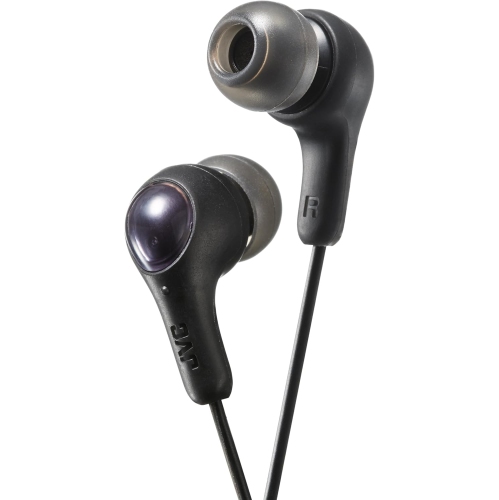 Your price for this item is $25.98
 -
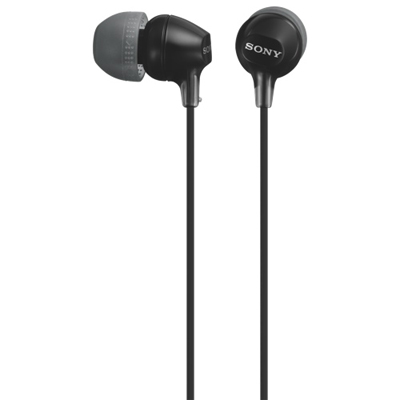 Your price for this item is $12.99
Discover more categories related to Wired Headphones for iPhones
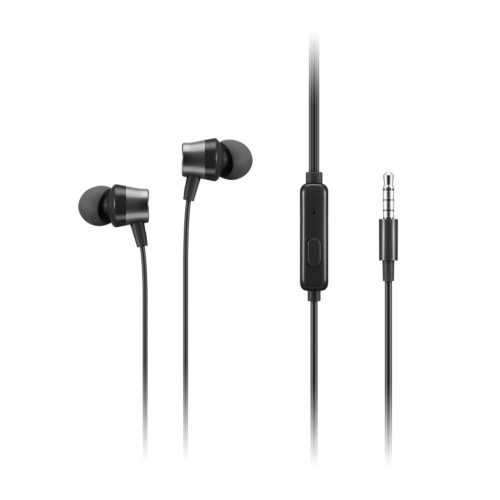
Top Collections:
Pokemon Centers, Kindle Devices, Best Budget Office Chairs, Apple iPhones 16, Best Laptops for Writers, iPhone 15 Apple, Canon G7X Cameras, Refurbished Apple Laptops, Alarm Clock, Motorola Razr Phones
Some products may be subject to Environmental Handling Fees
(EHF) depending on your province.
Learn more about EHFs.