Wireless Headphones for iPhone
If you're looking for the perfect wireless headphones to enhance your iPhone experience, look no further! Whether you're a music lover, a podcast enthusiast, or someone who simply wants to enjoy hands-free calling, these Wireless Headphones For Music offer exceptional sound quality, comfort, and convenience. Say goodbye to tangled wires and hello to the freedom of wireless listening with our top-notch selection of headphones.
Sort


















Why headphone fit matters as much as sound
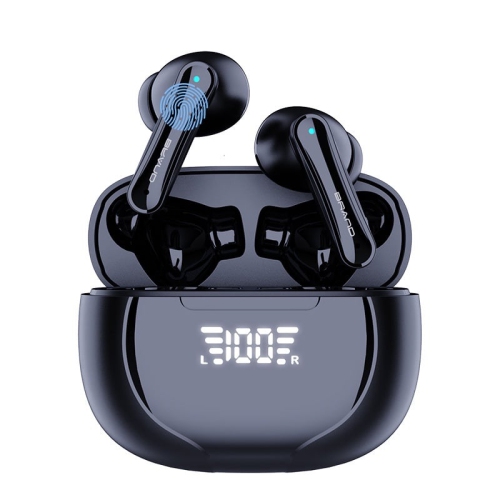
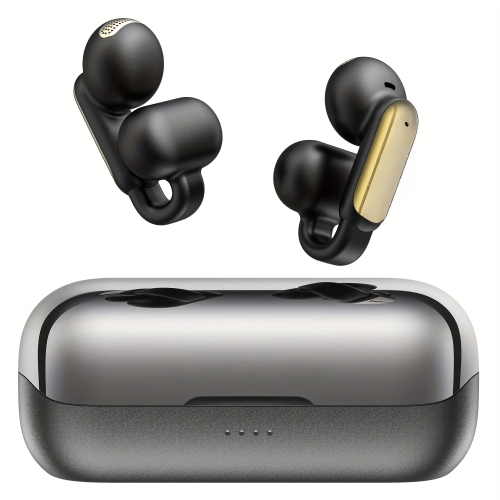
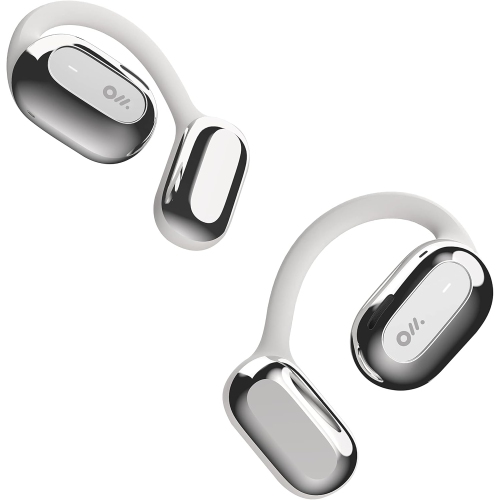
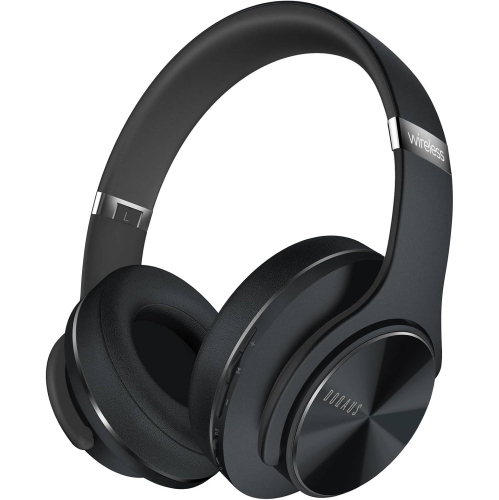
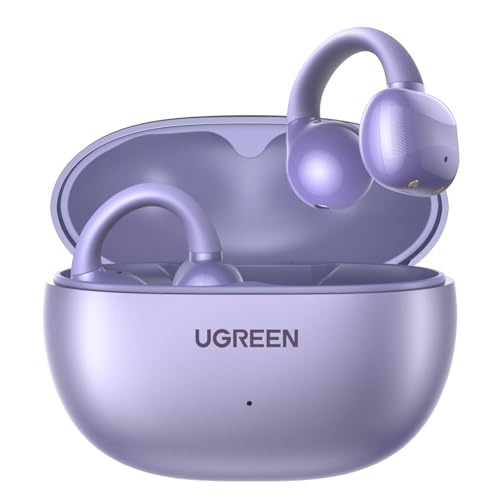
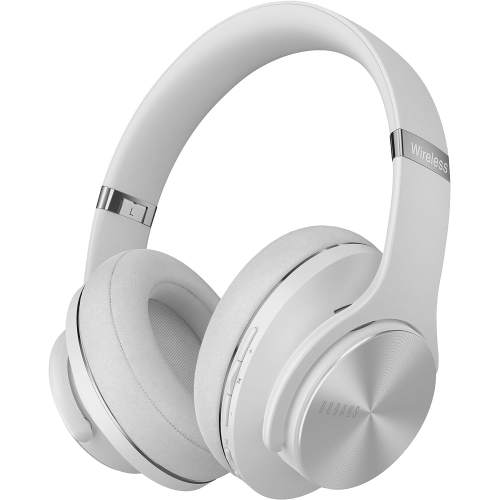
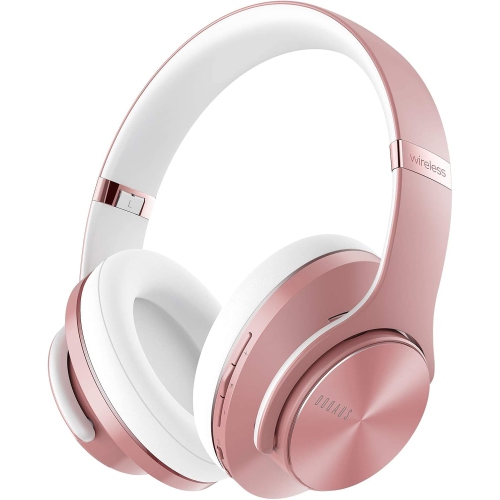
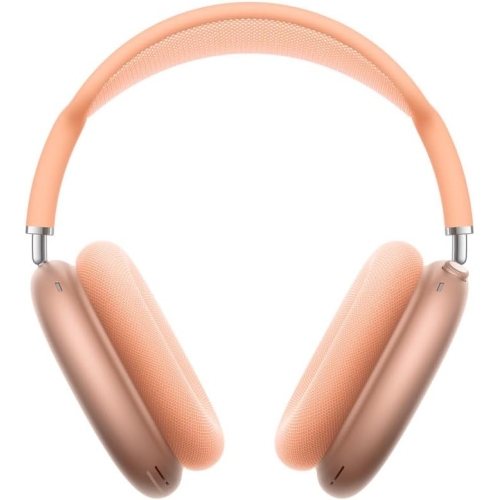
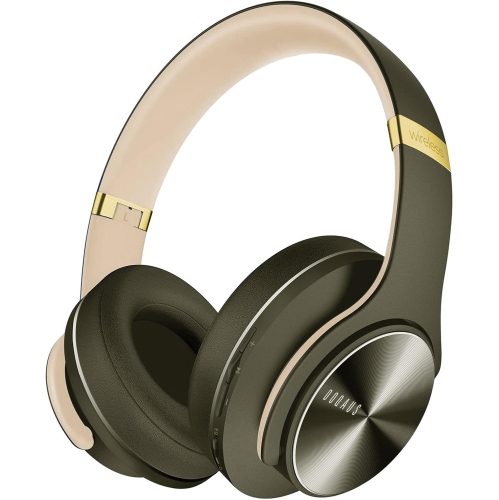
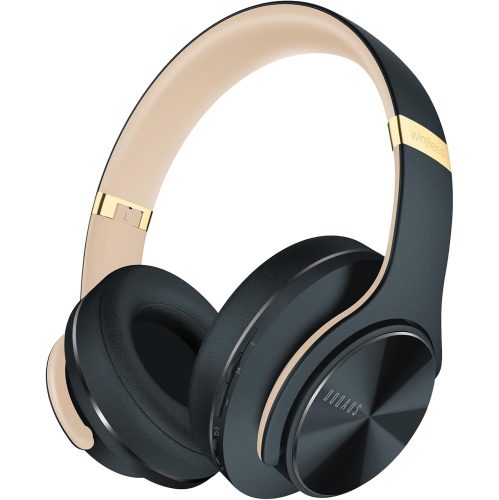
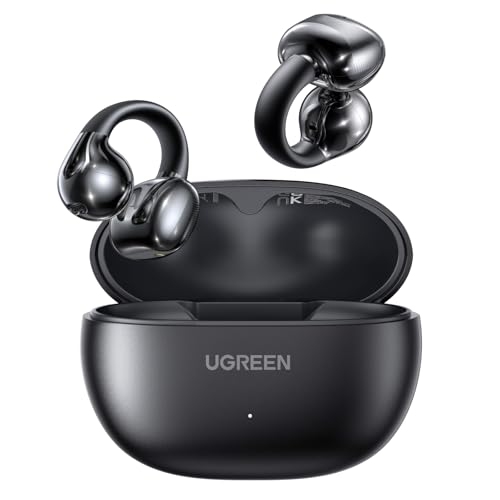
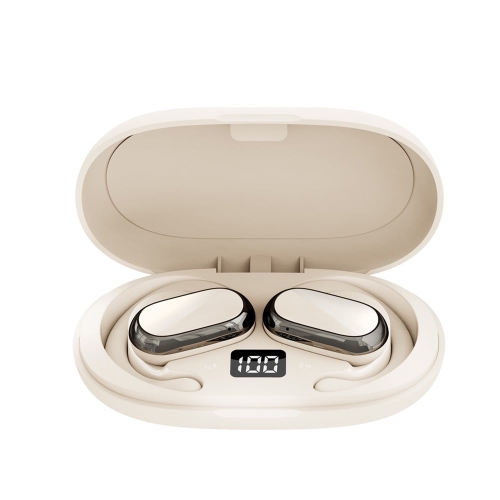
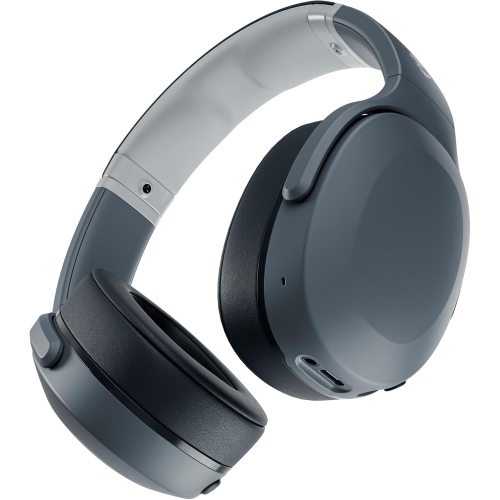
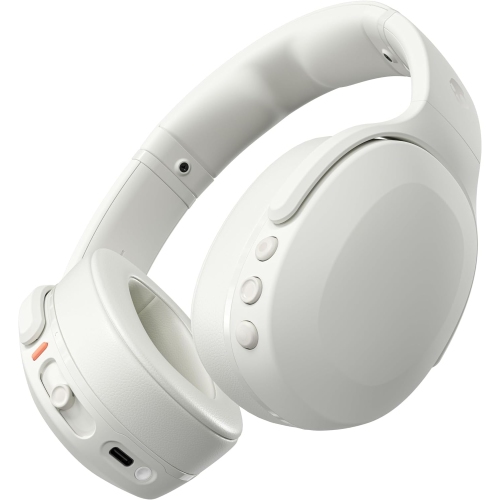
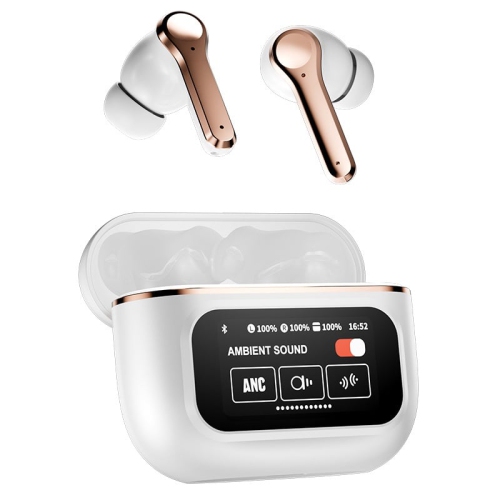
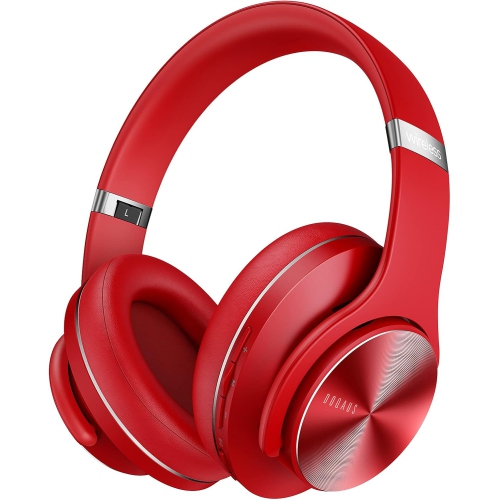
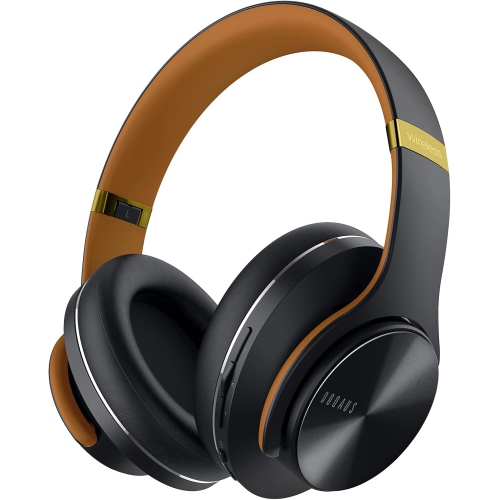
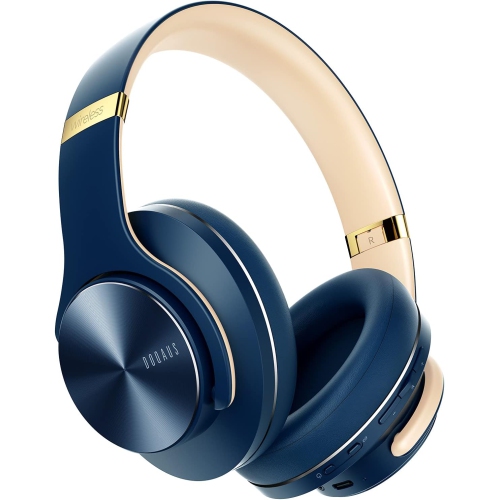
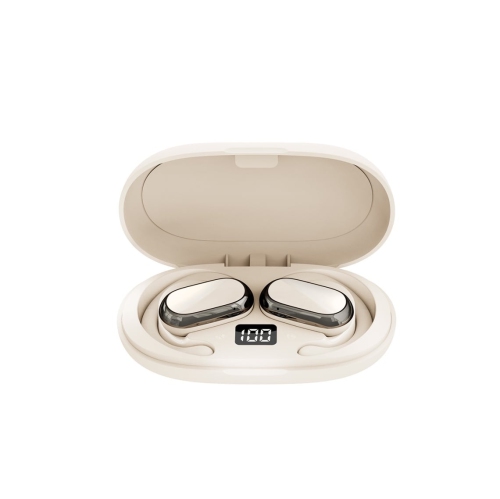
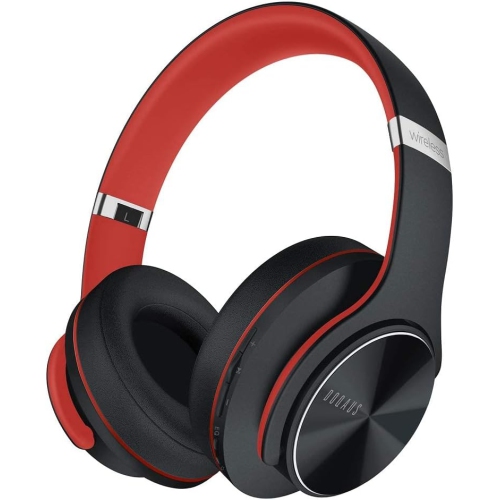
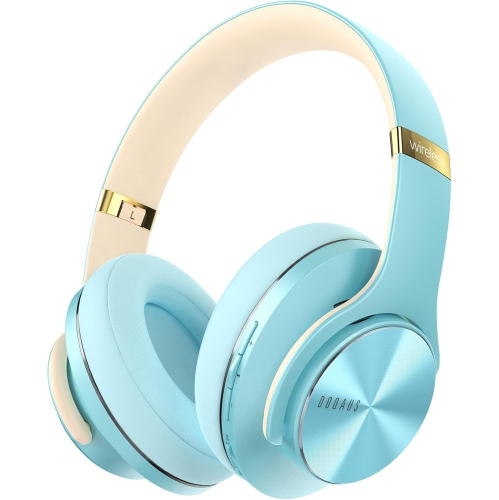
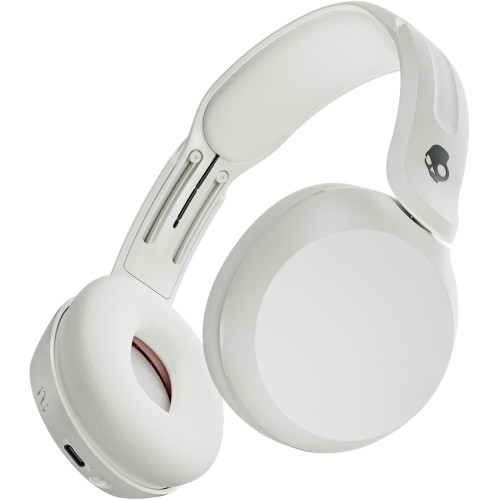
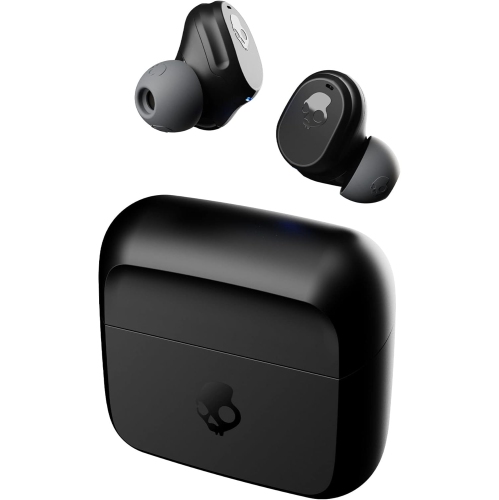
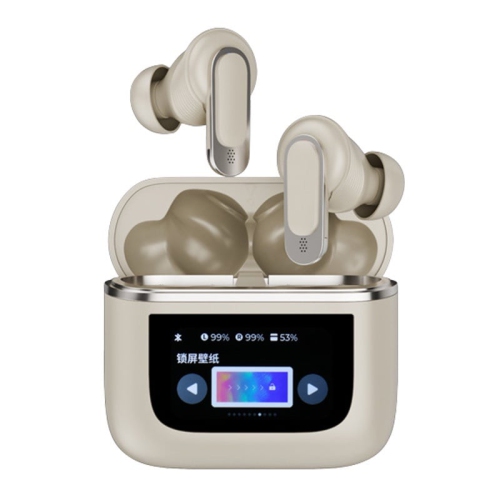
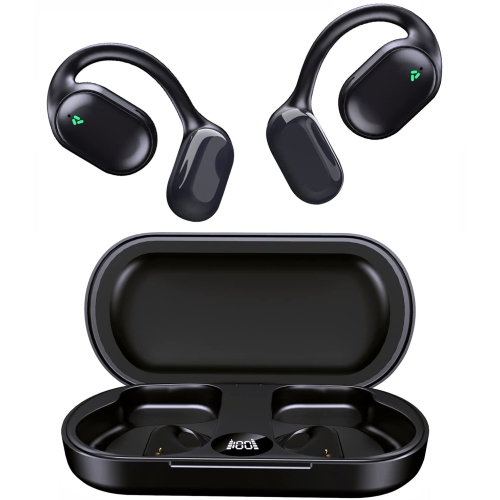
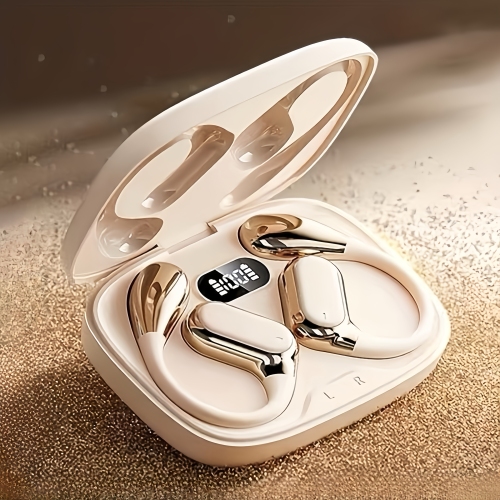
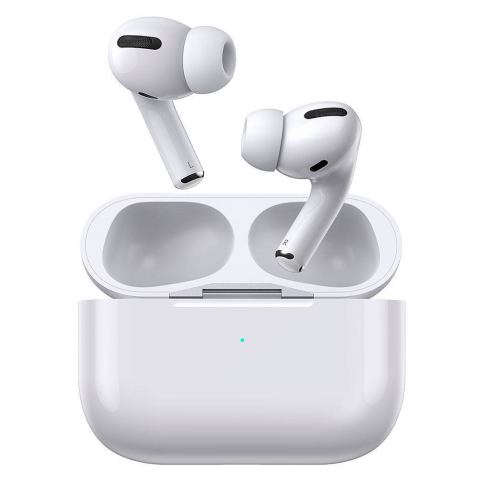
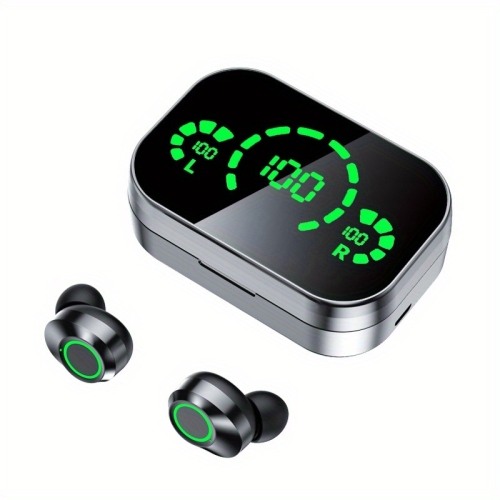
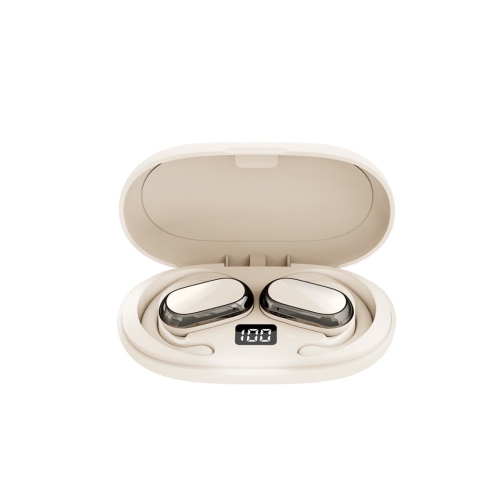
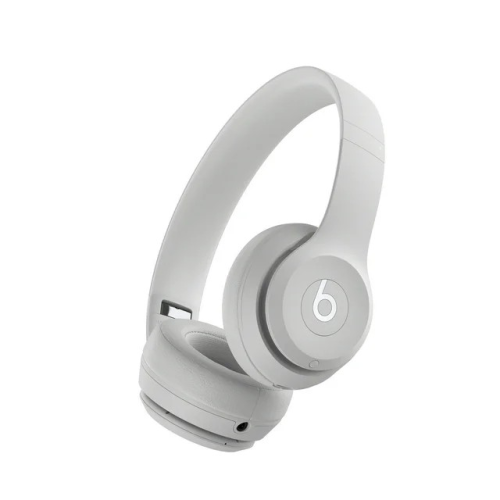
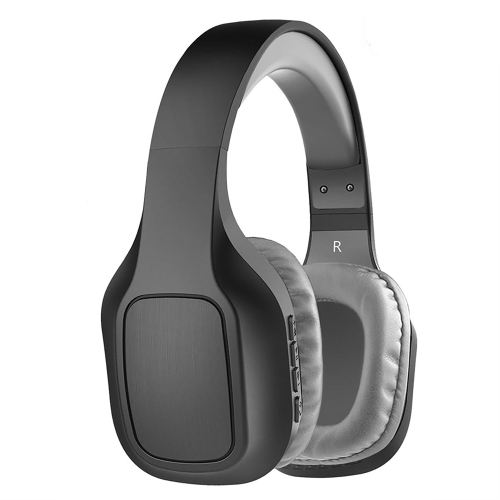
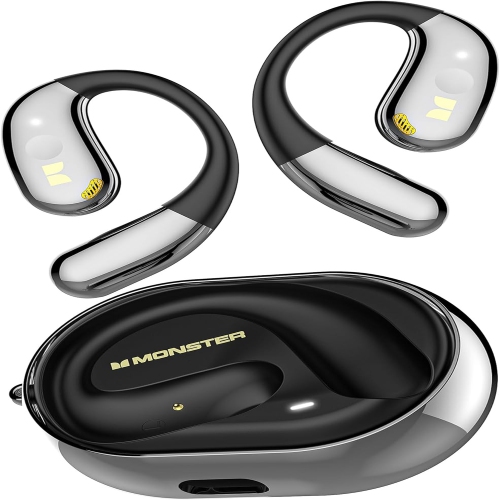
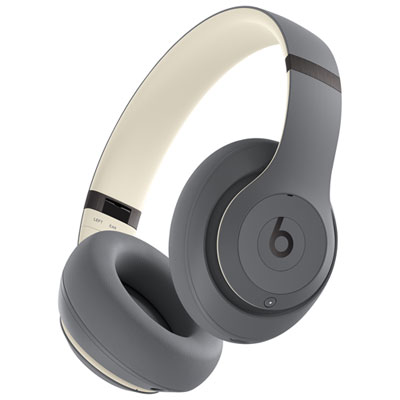
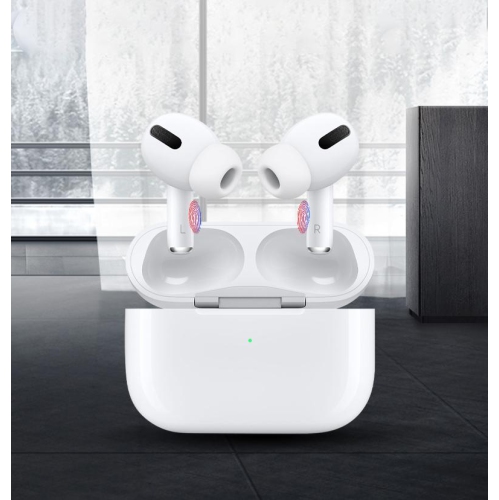
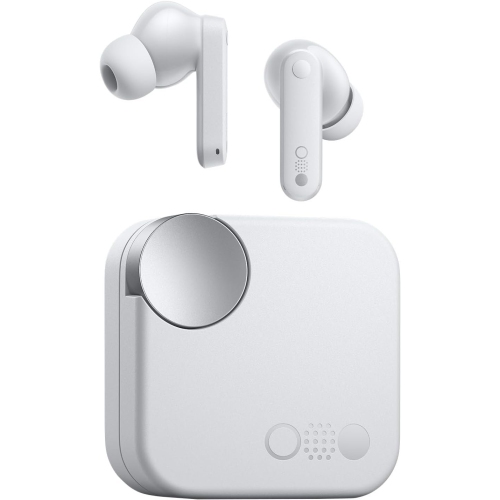
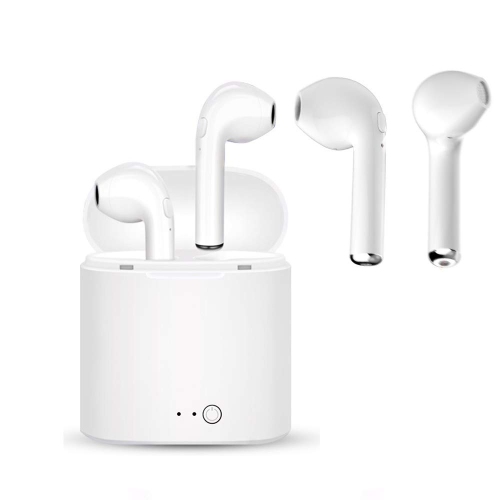
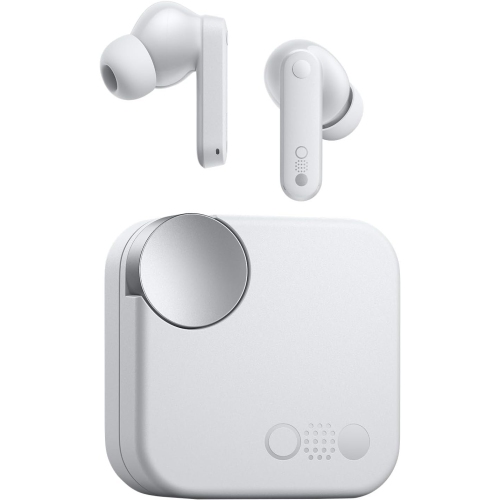
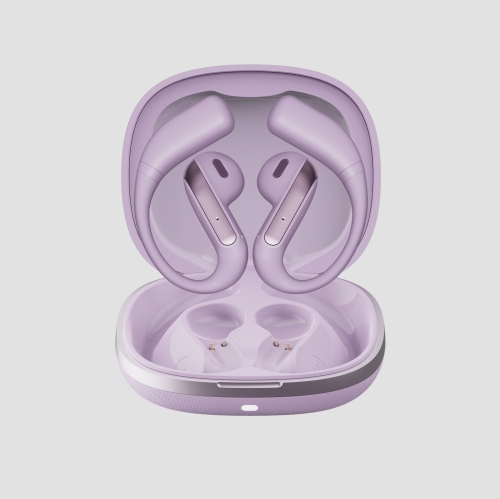
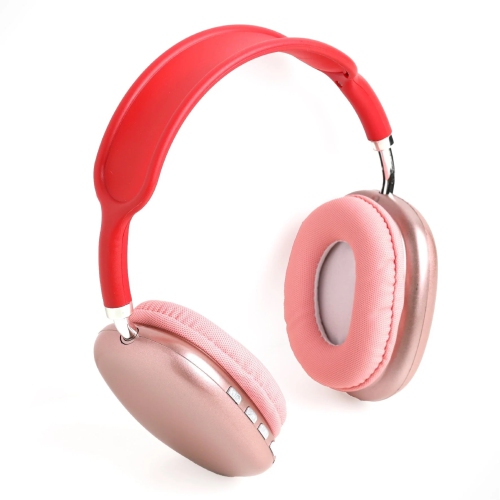
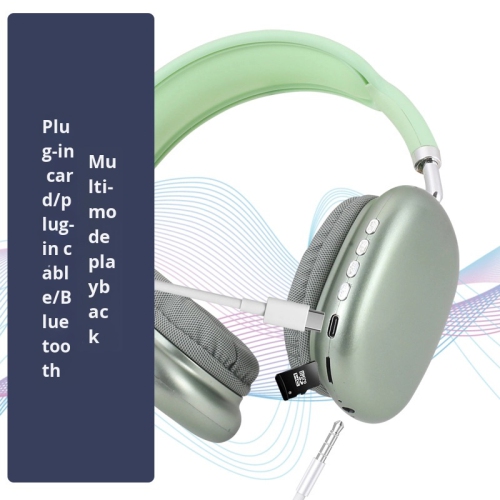
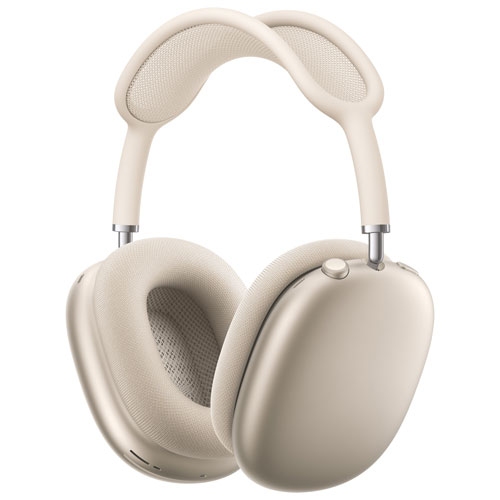
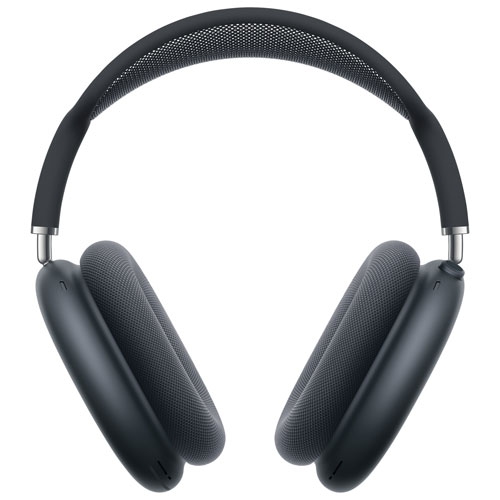
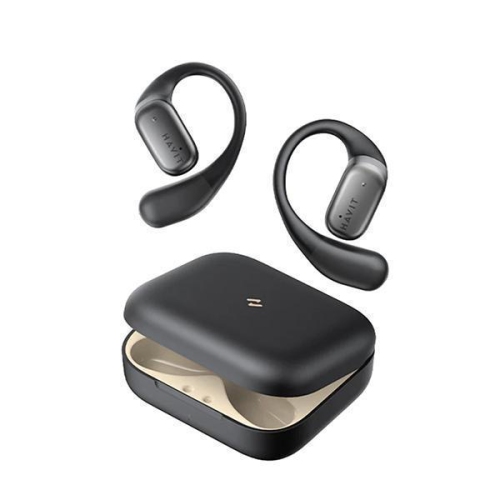
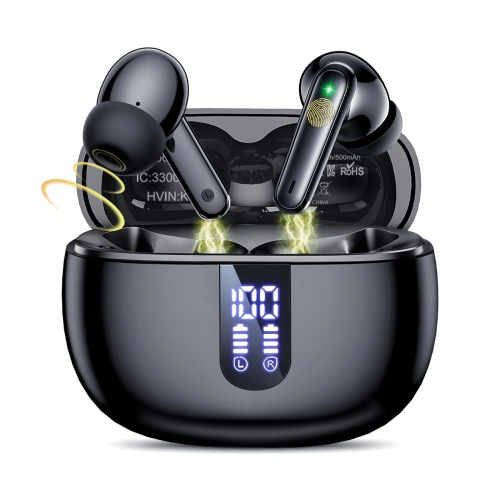
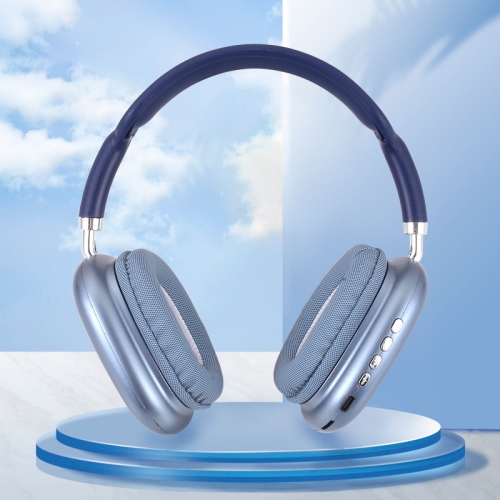
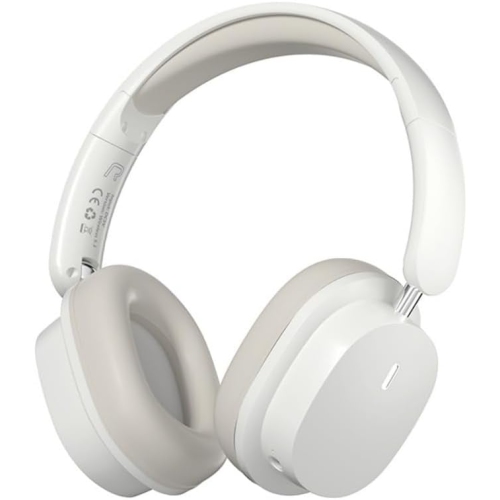
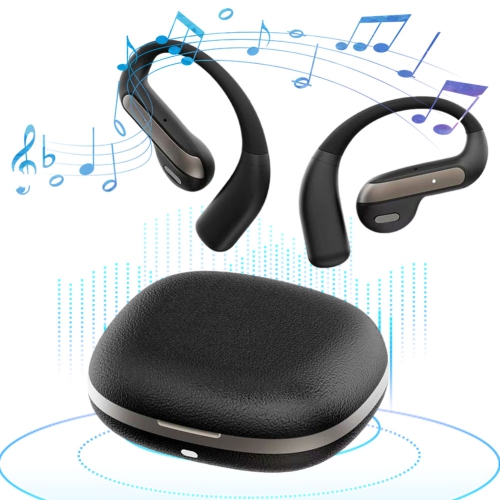
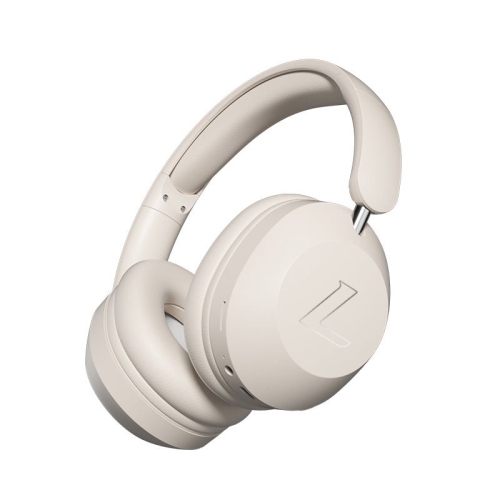
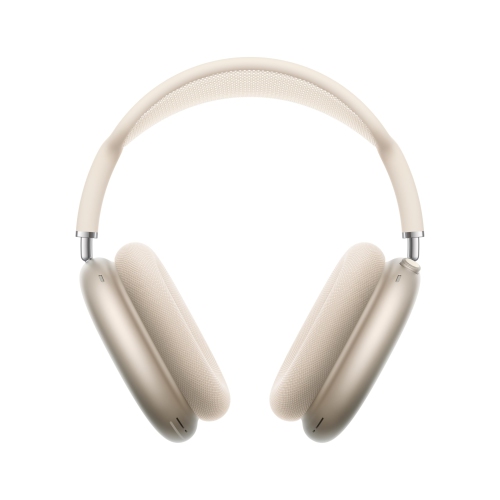
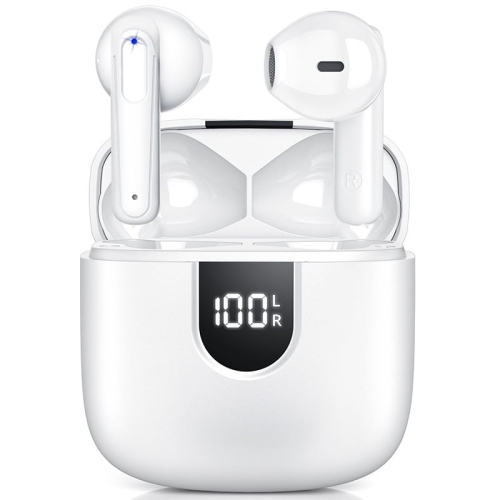
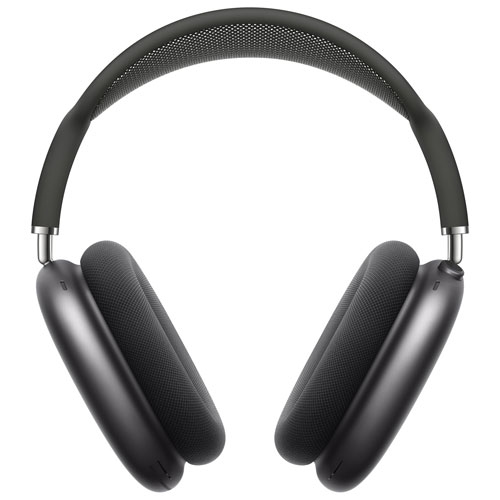
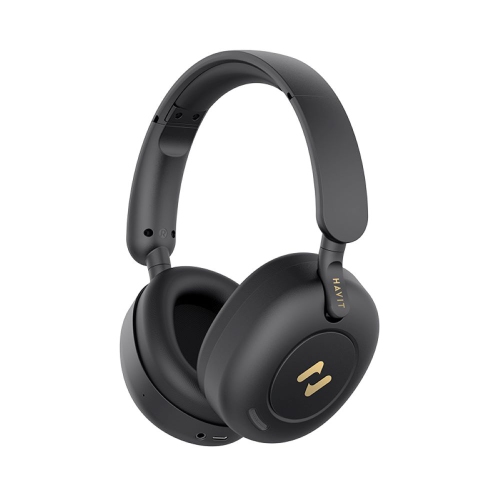
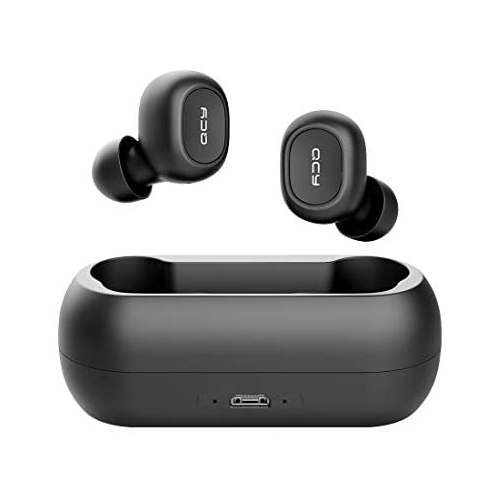
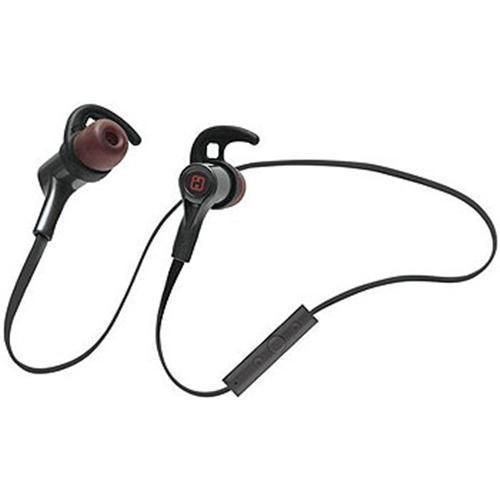
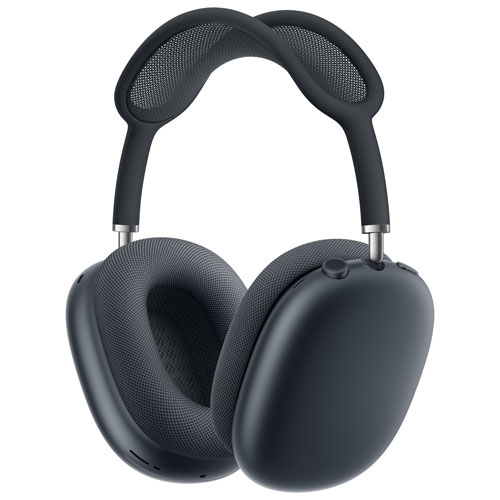
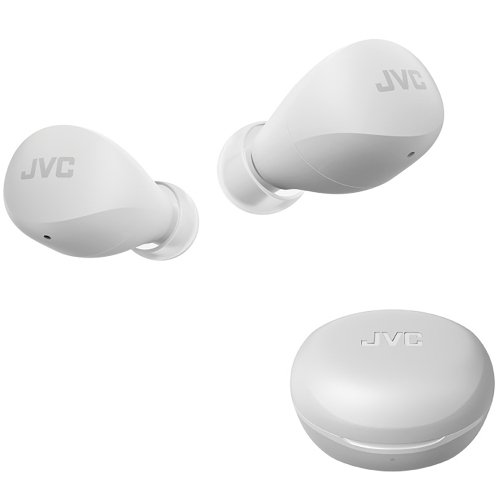
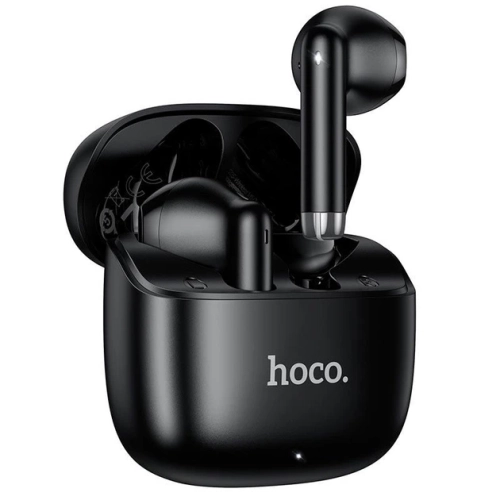
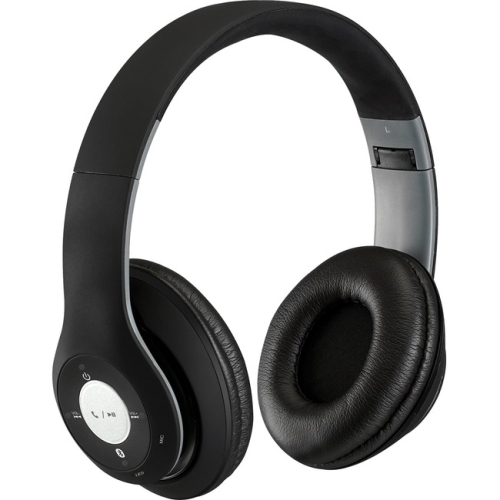
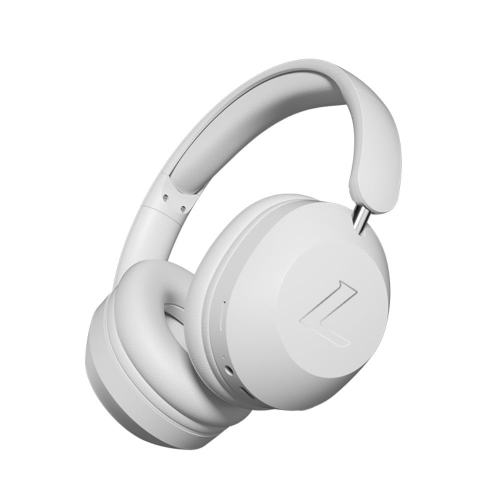
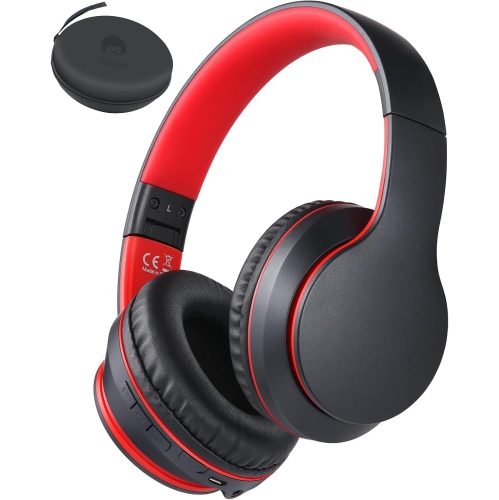
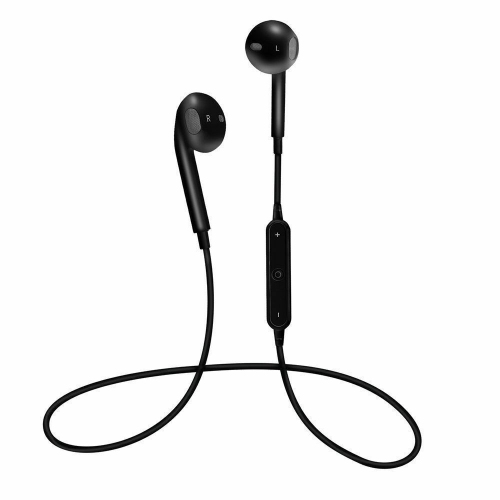
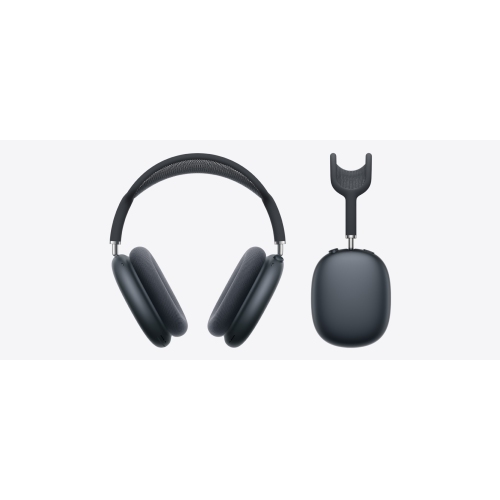
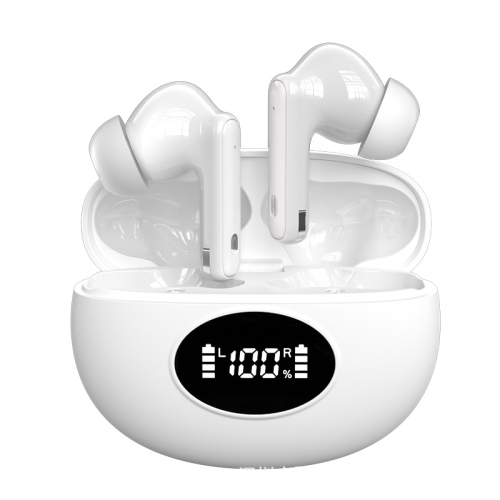
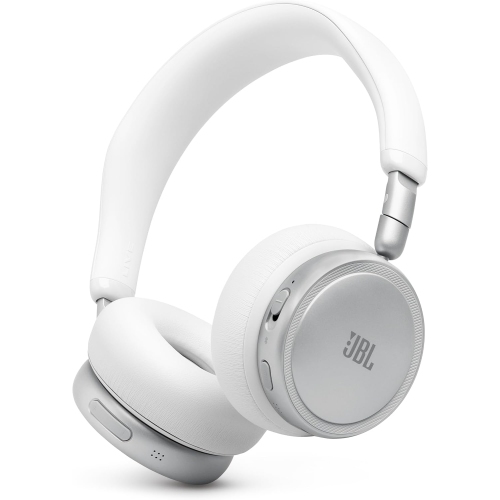
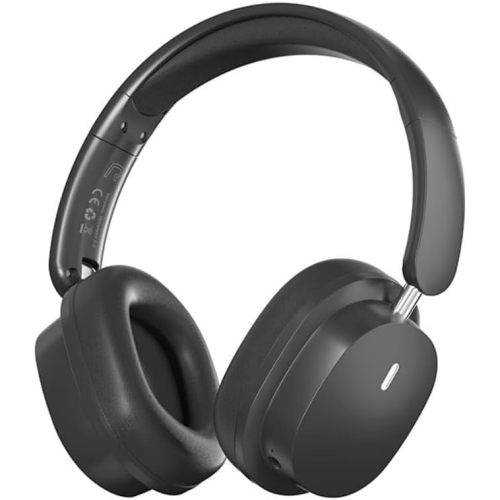
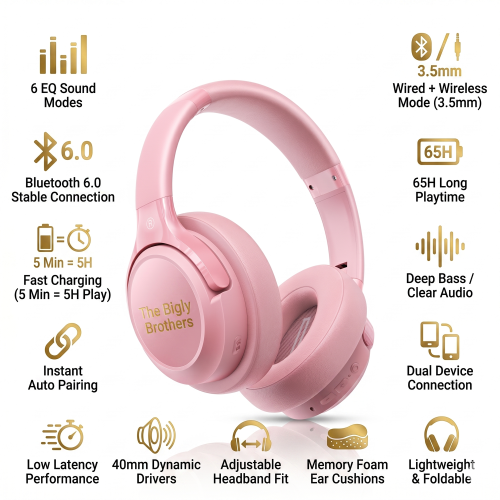
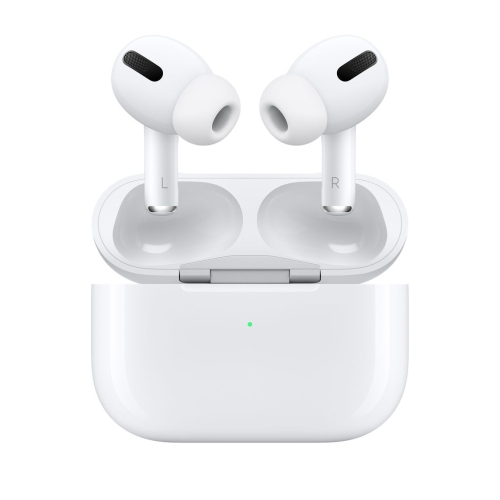
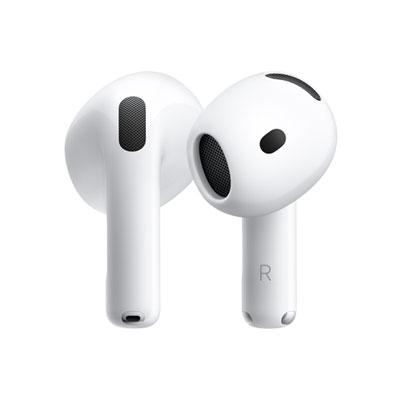
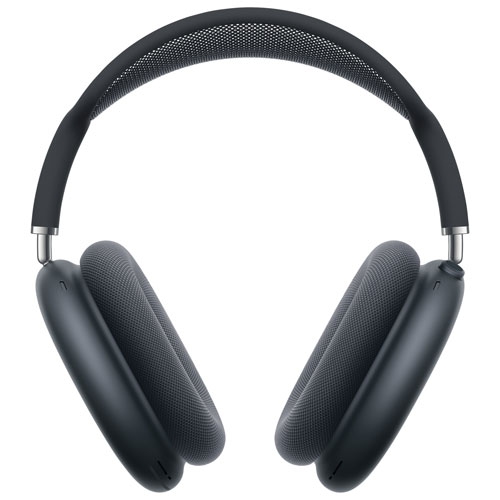
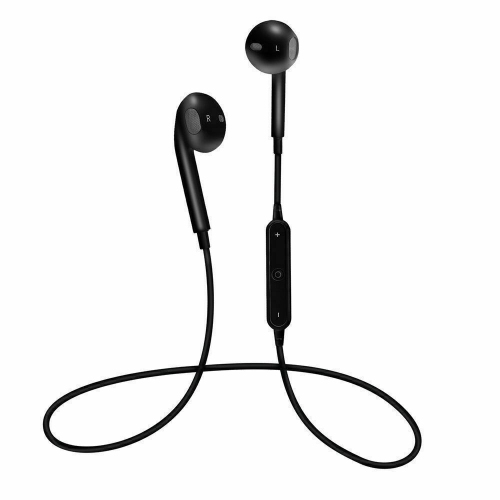
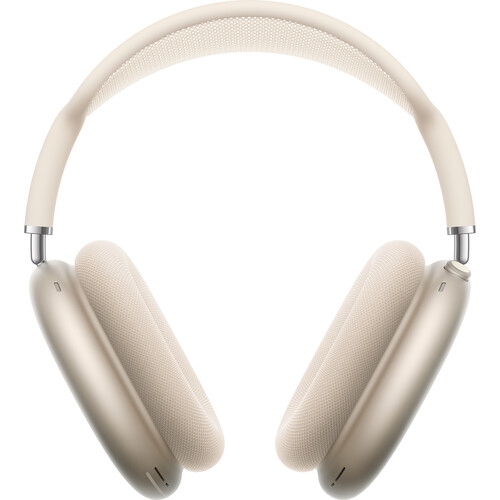
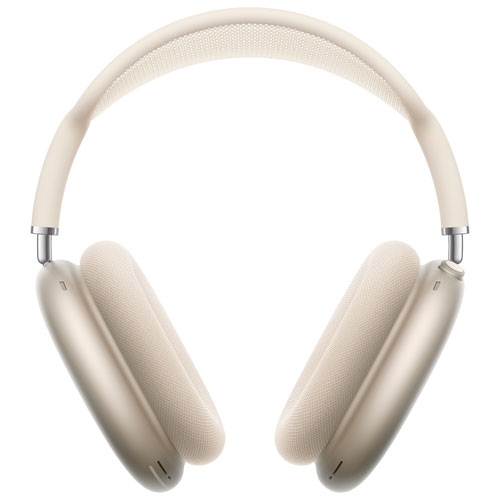
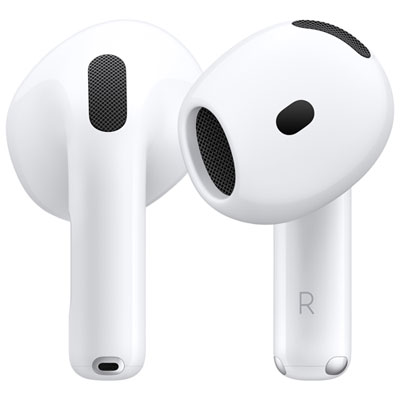
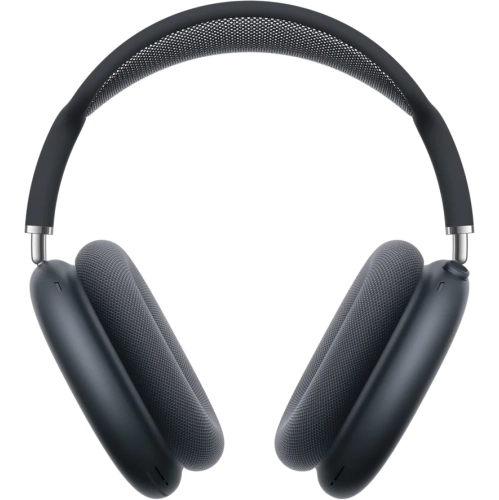
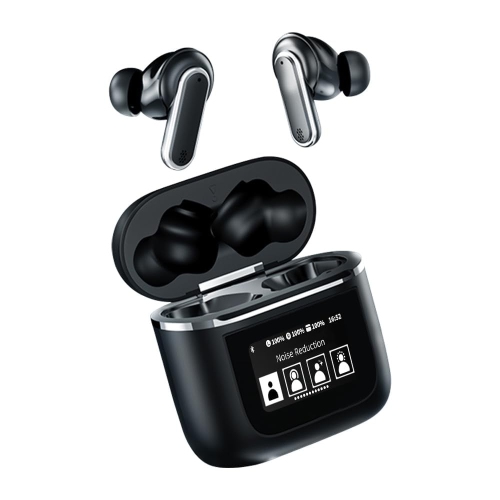
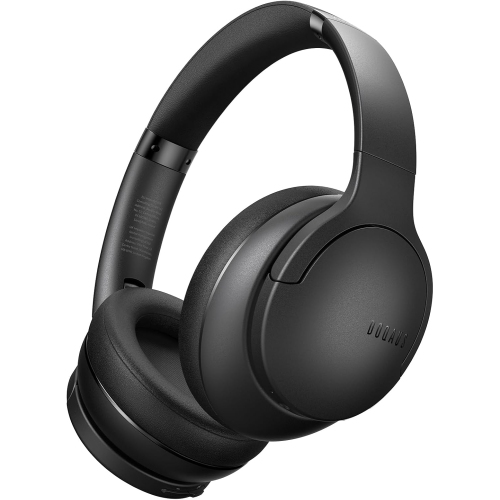
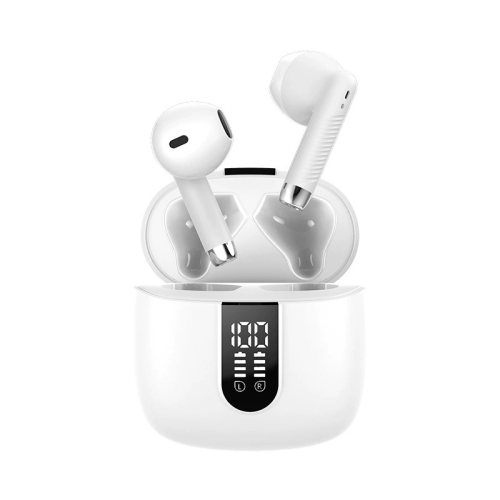
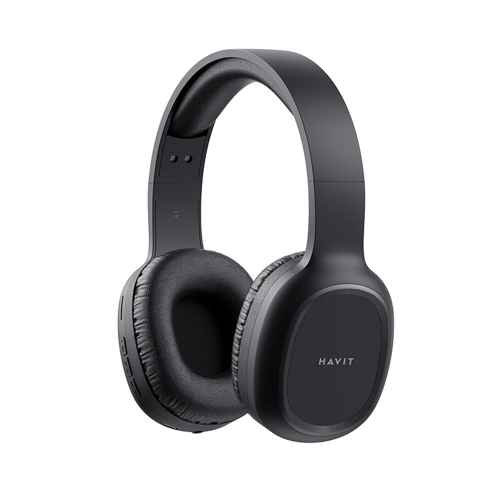
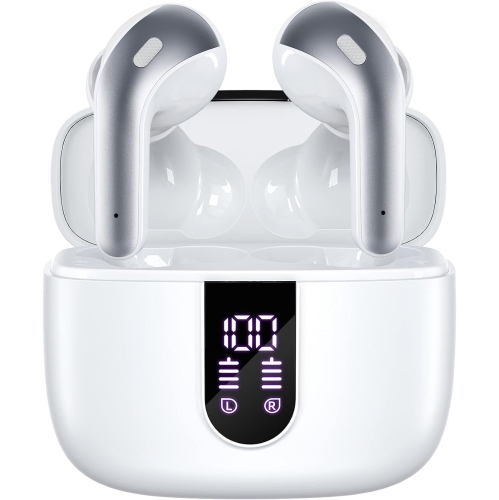
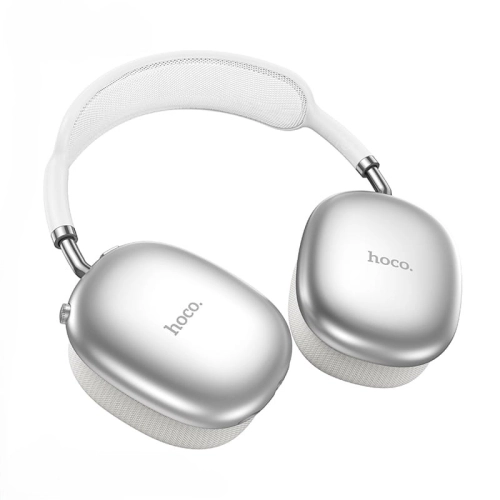
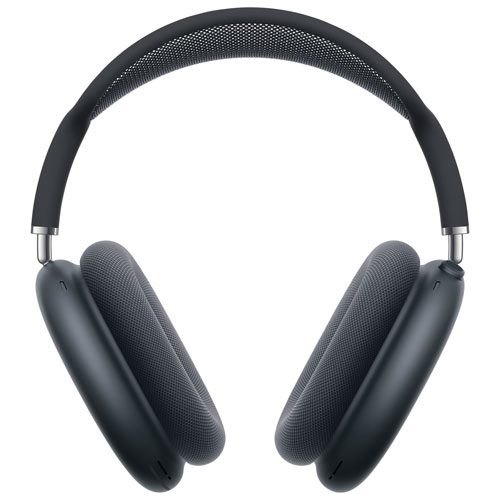
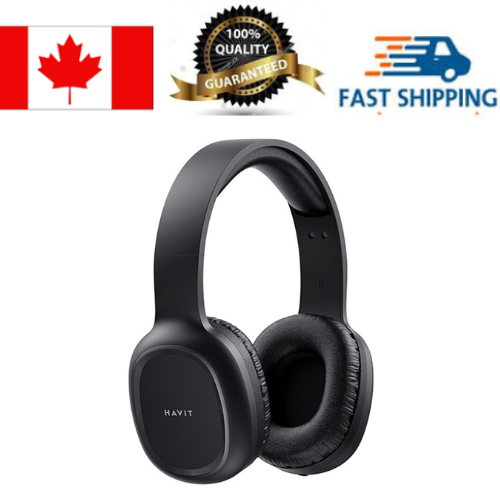
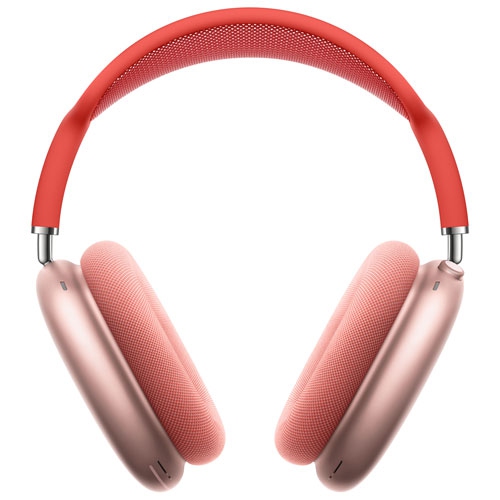
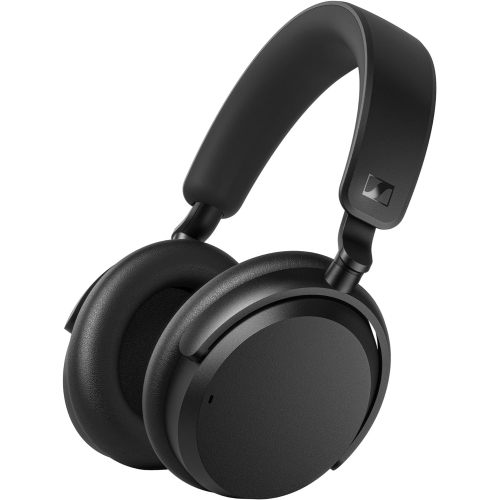
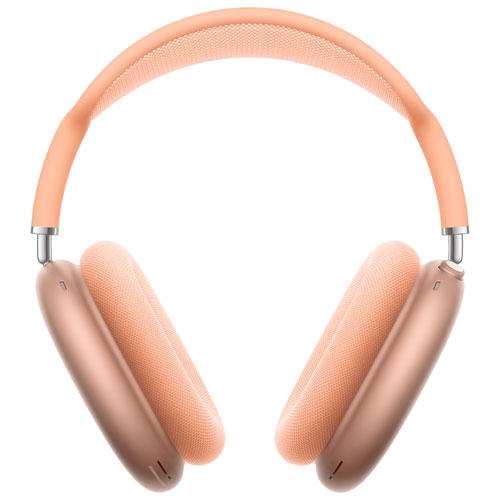
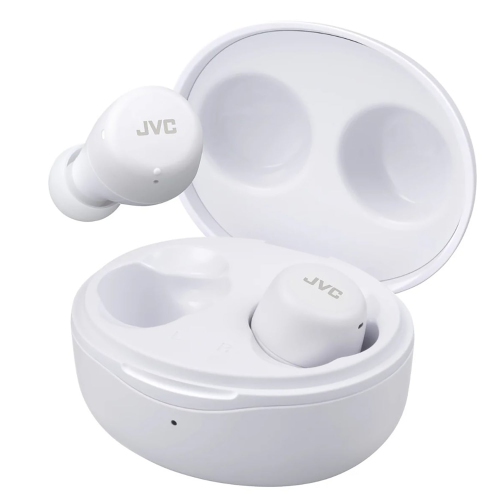
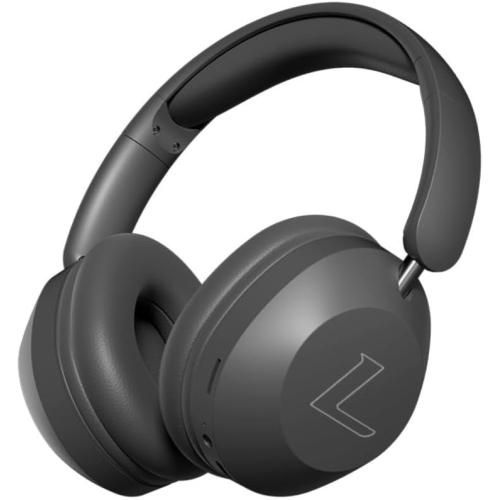
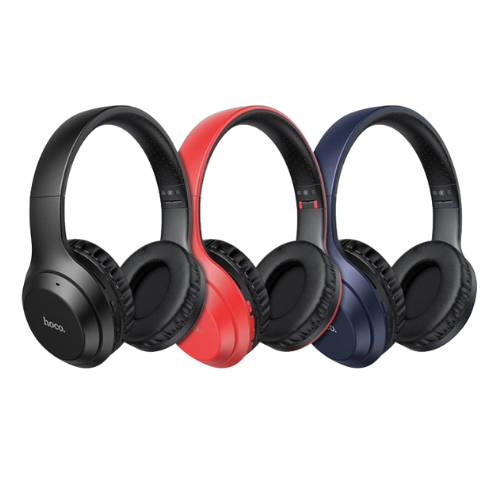
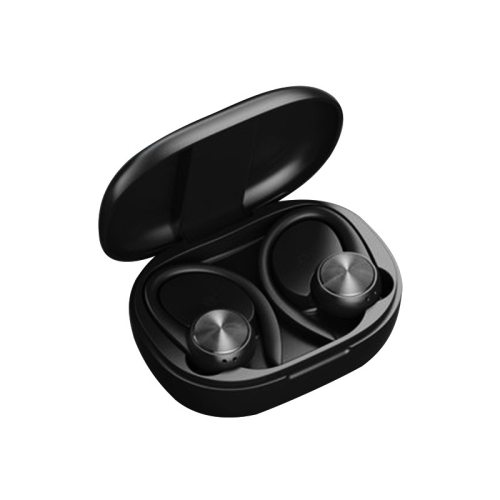
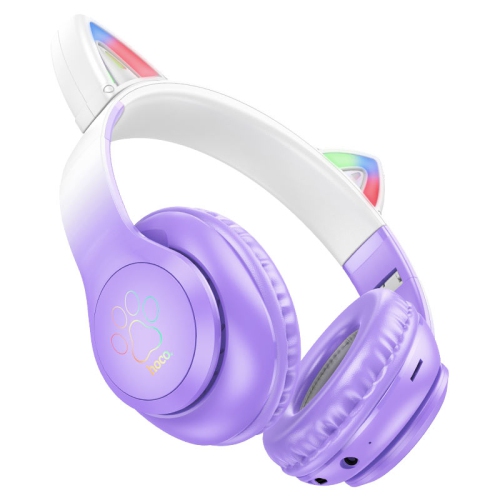
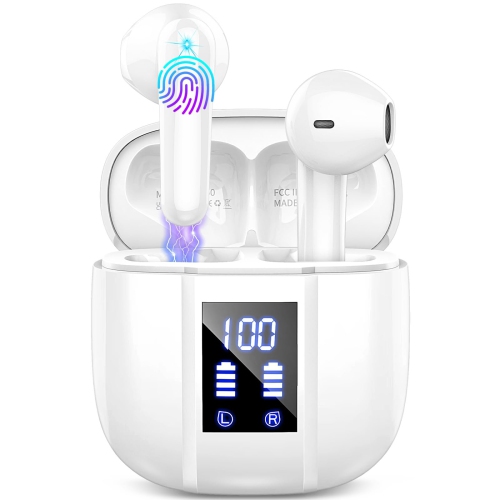
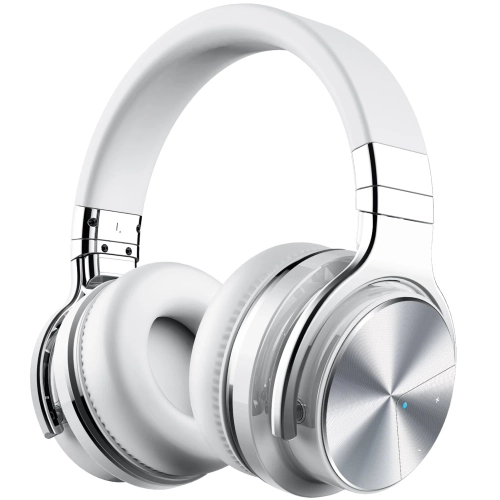
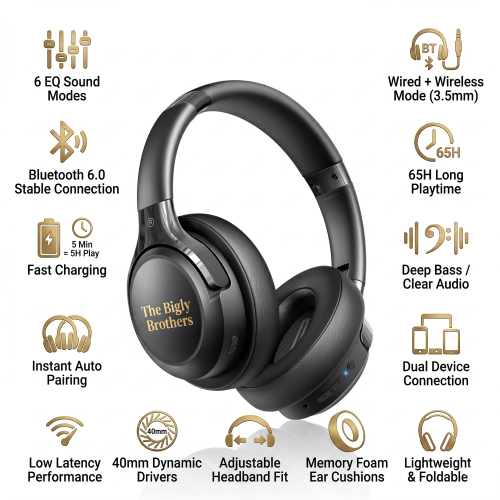
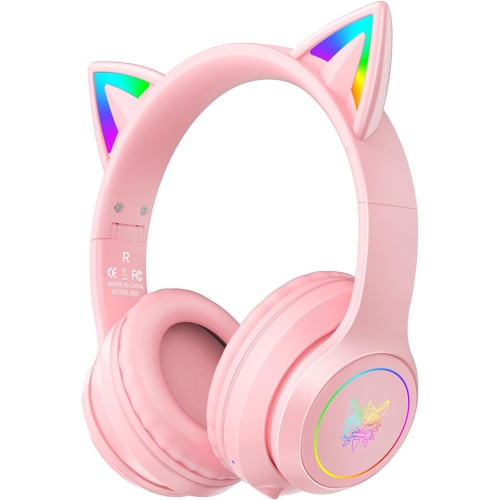
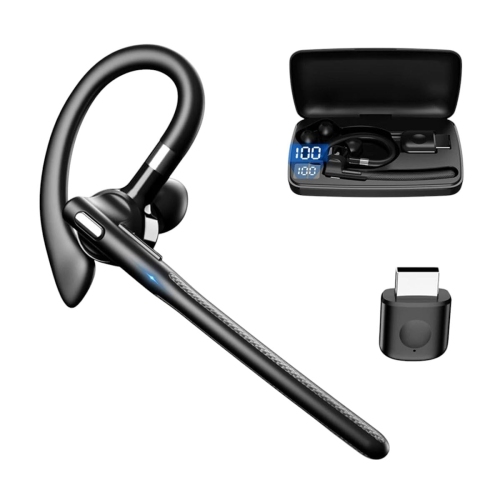
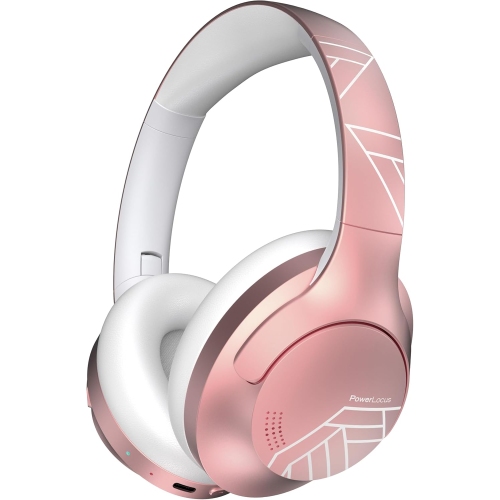
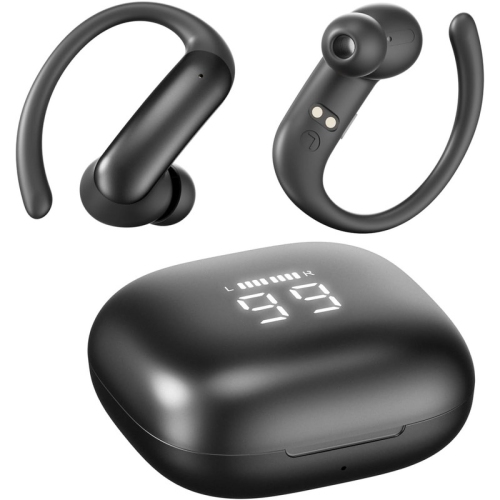
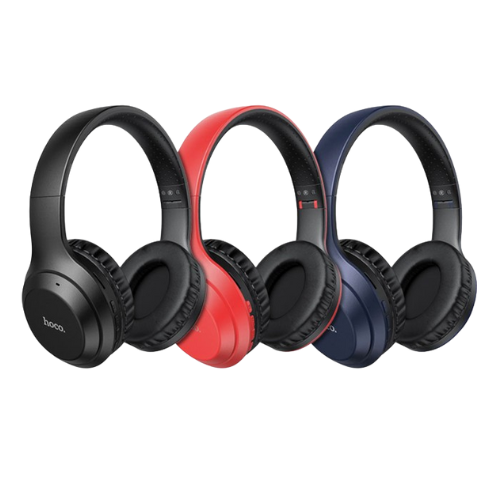
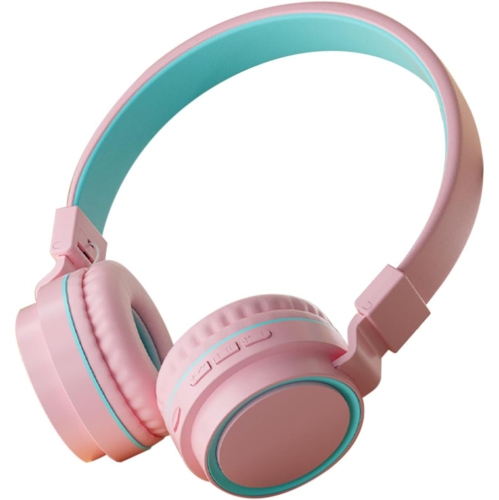
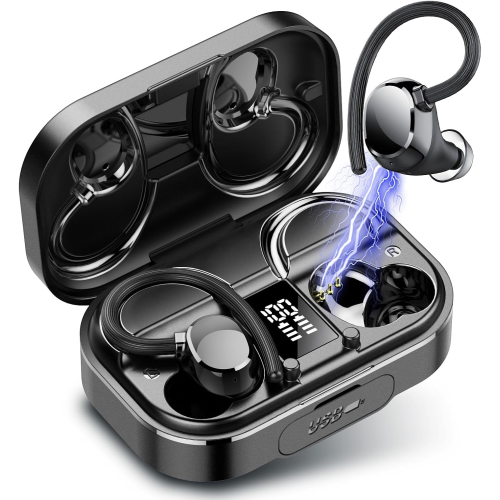
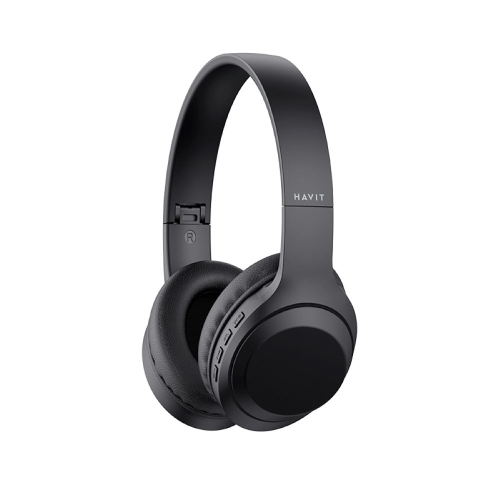
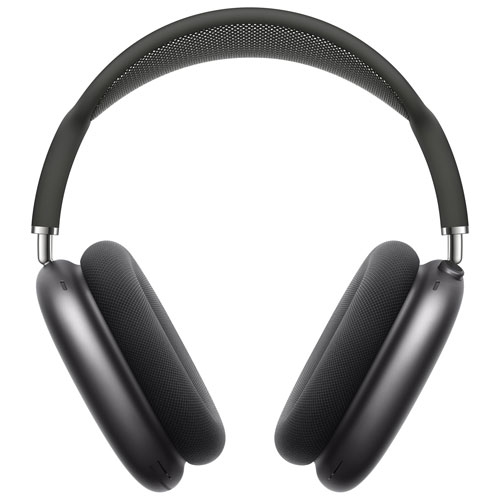
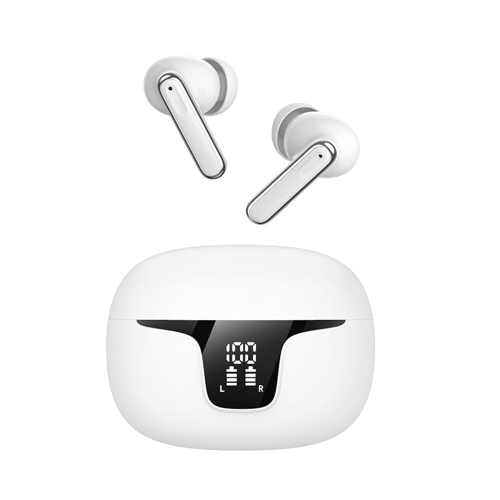
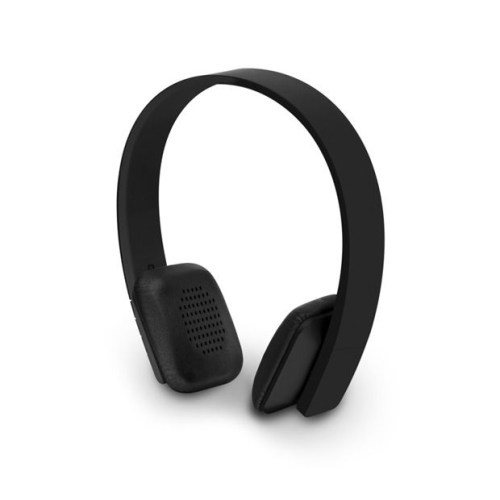
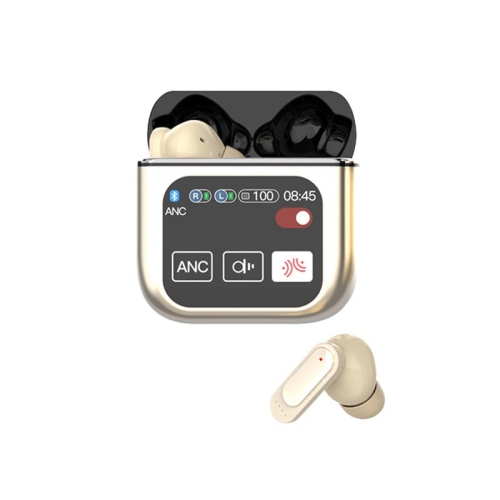
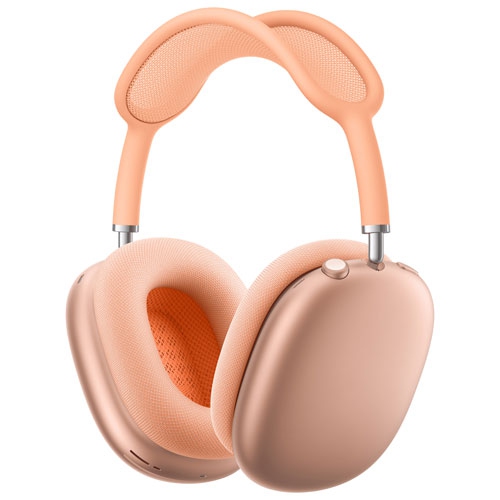
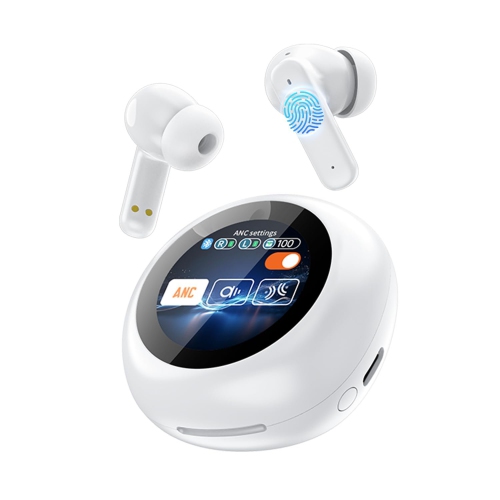
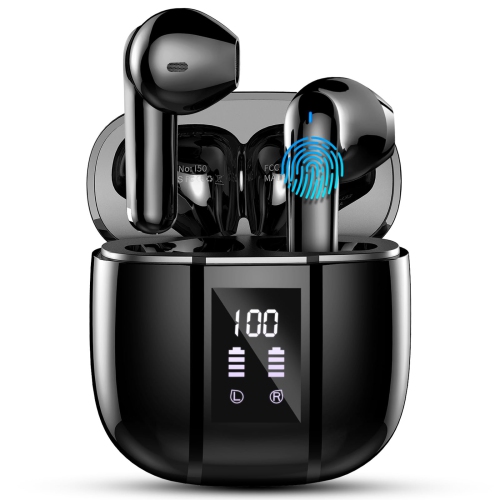
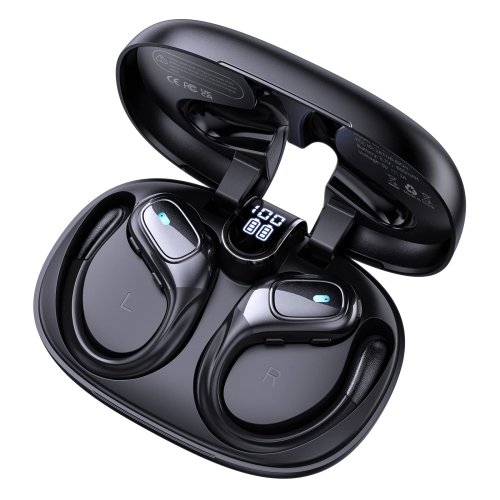
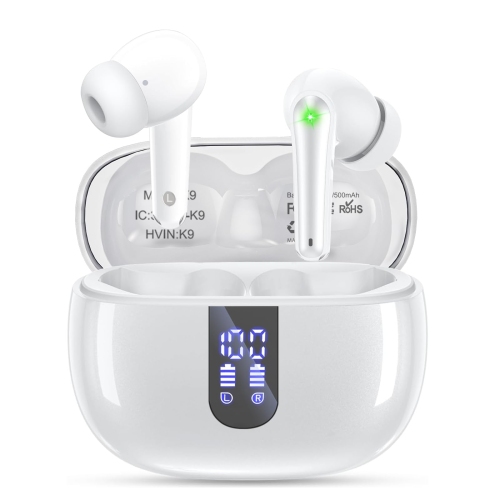
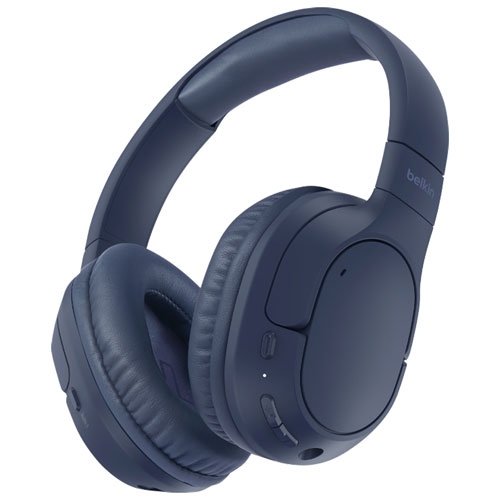
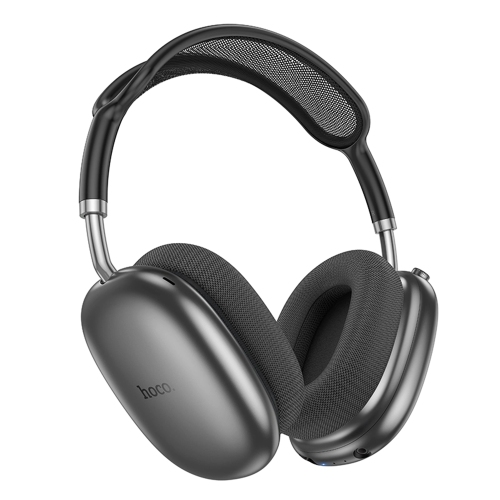
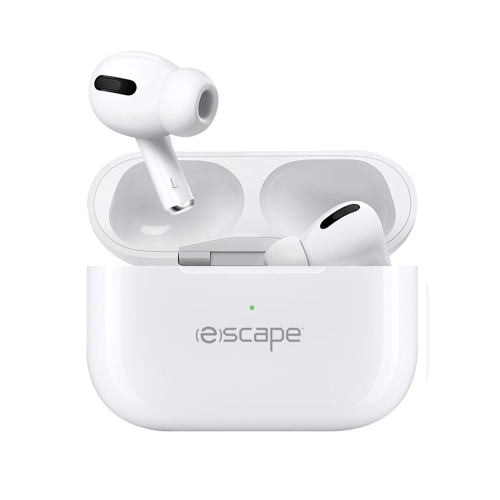
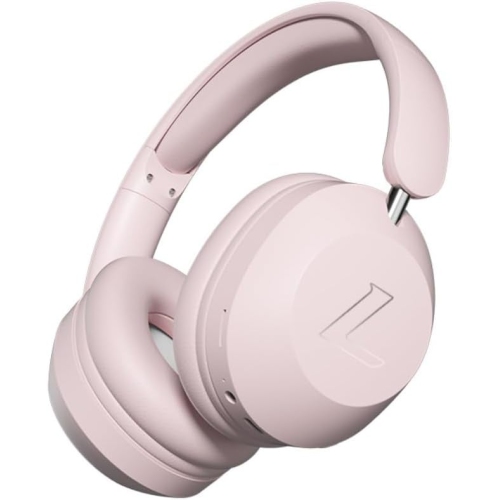
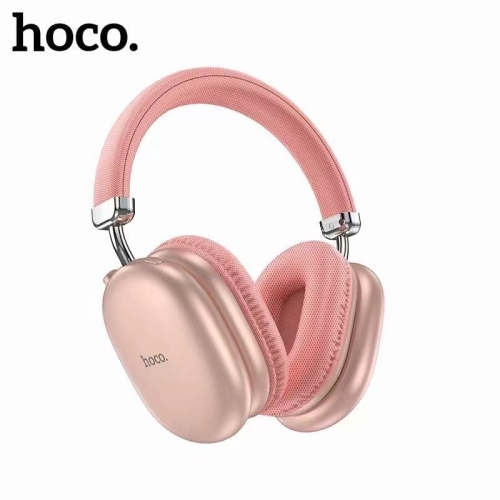
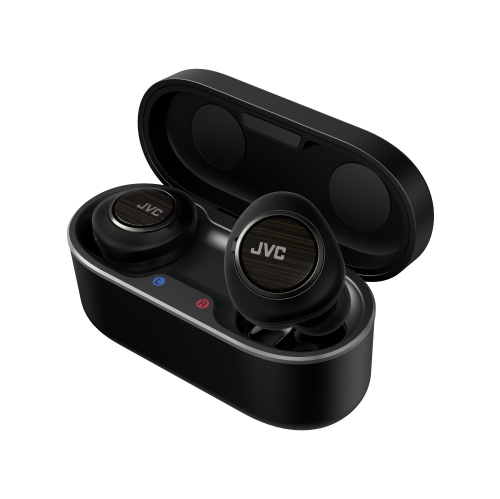
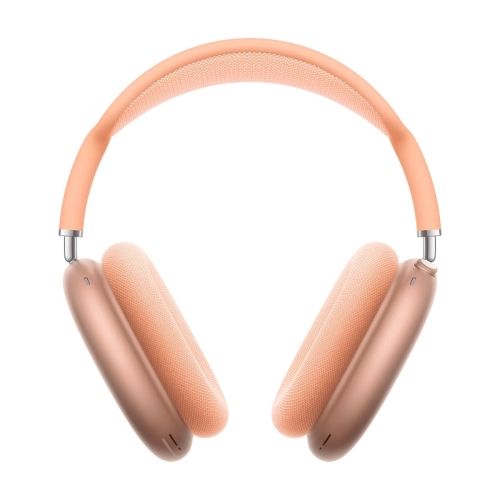
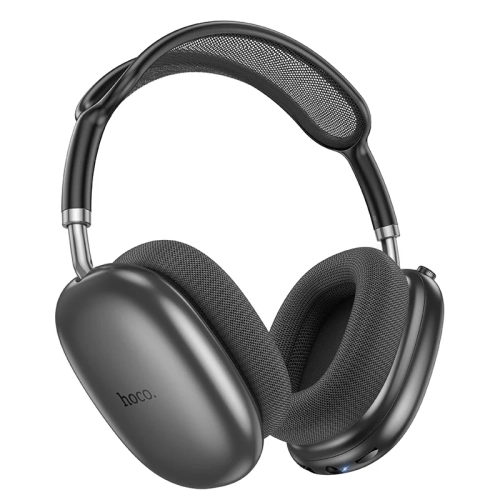
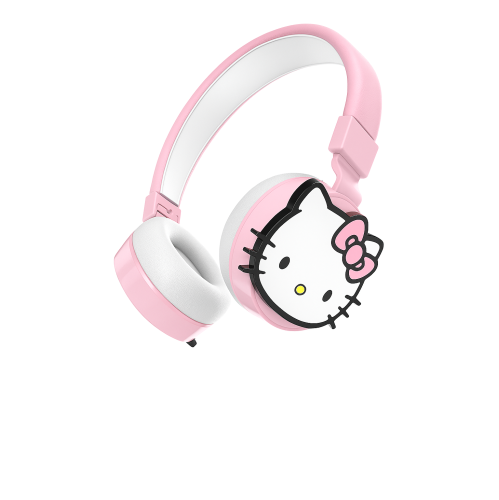
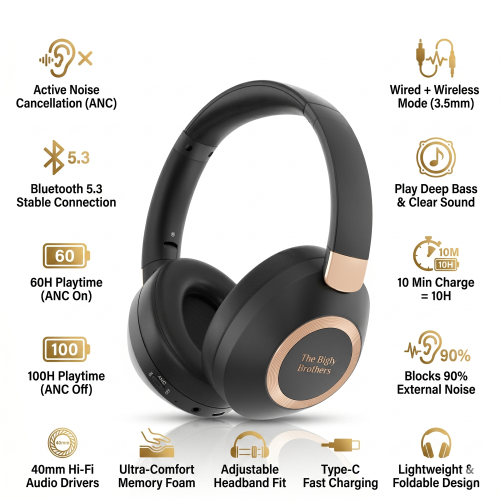
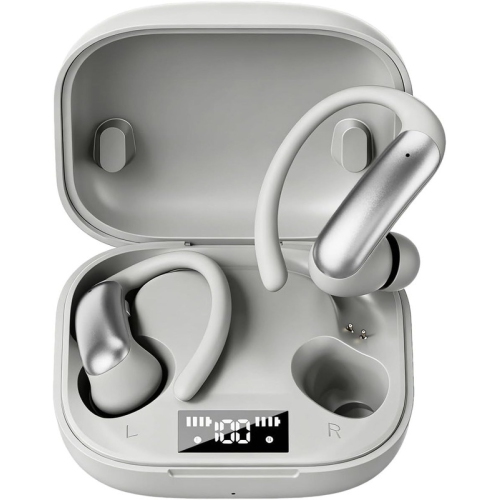
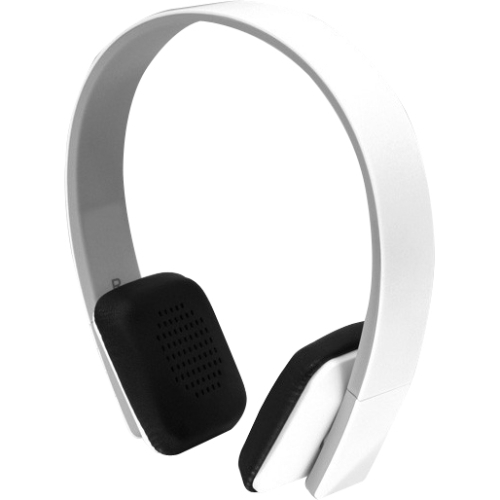
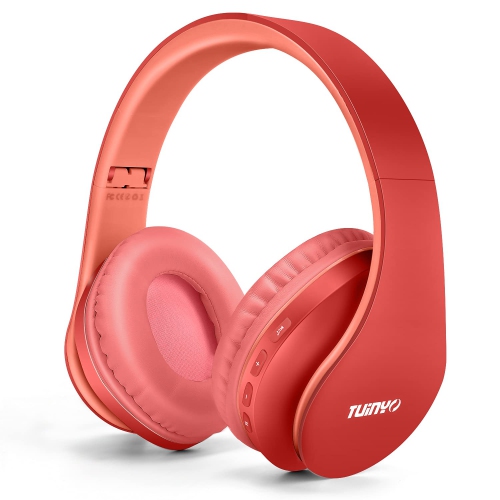
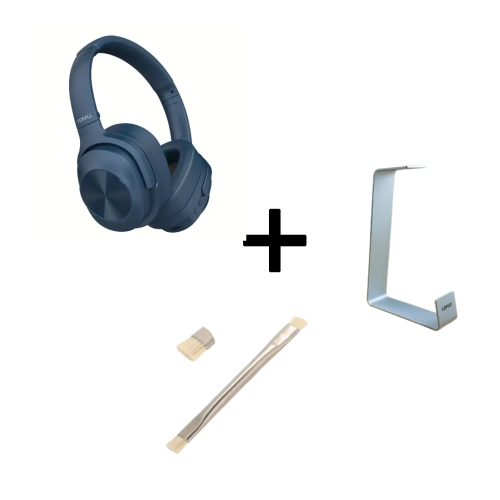
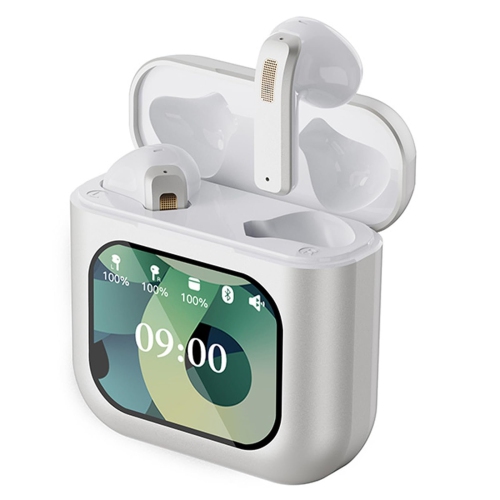
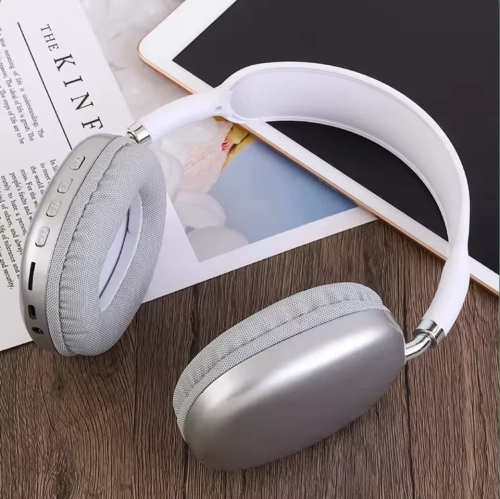
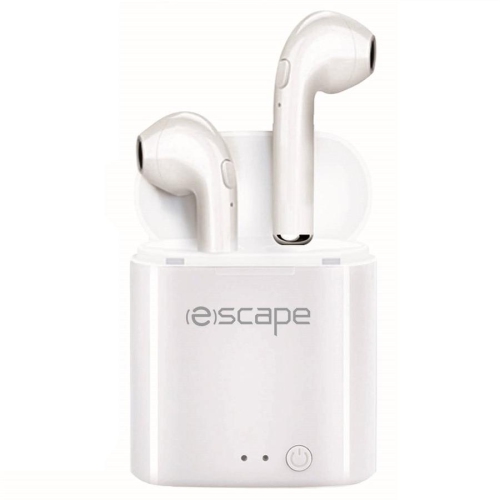
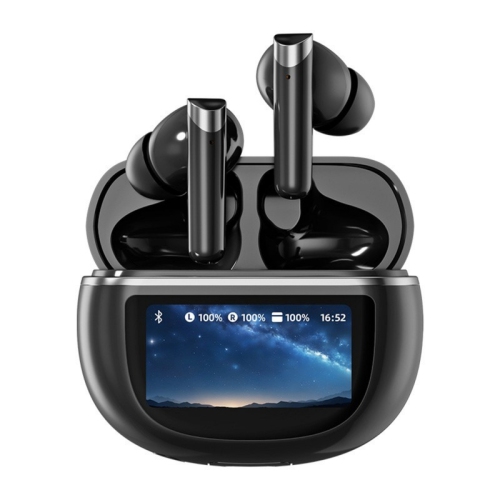
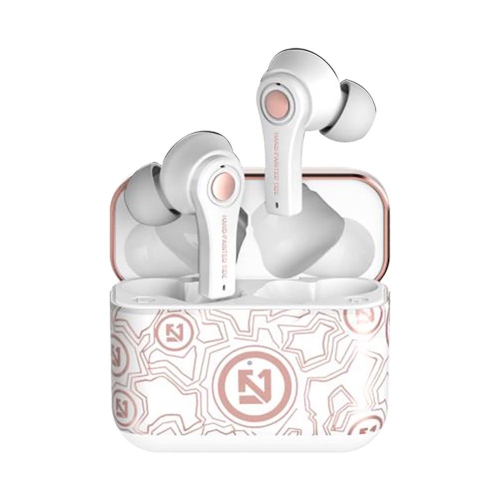
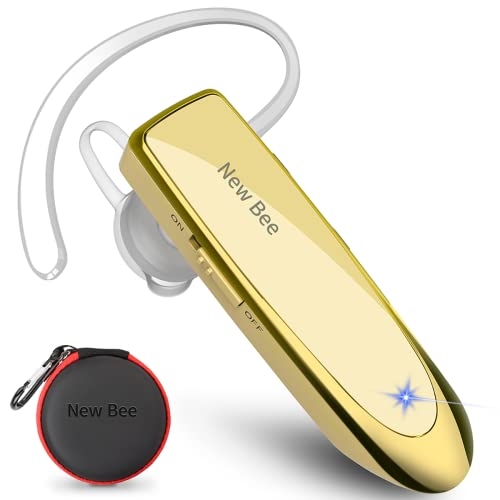
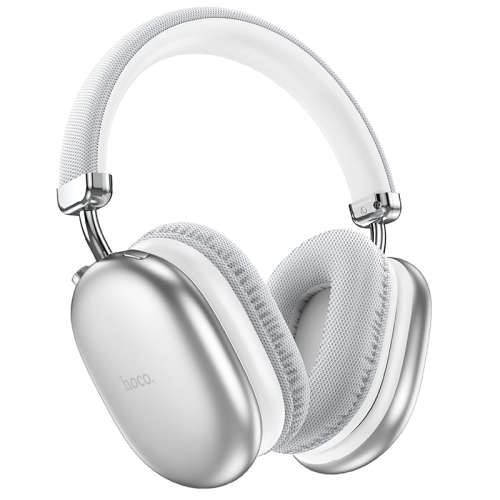
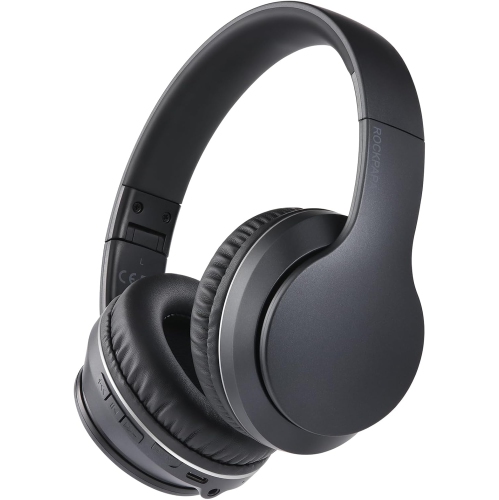
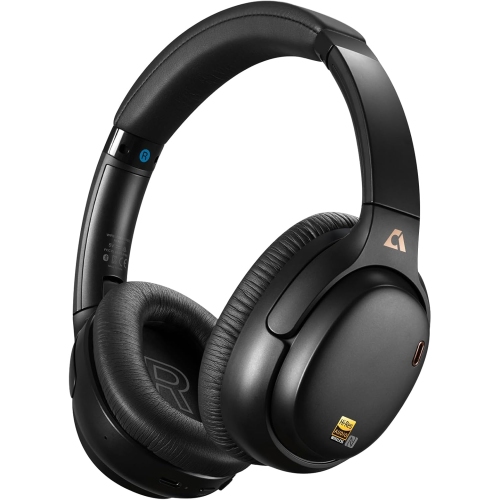
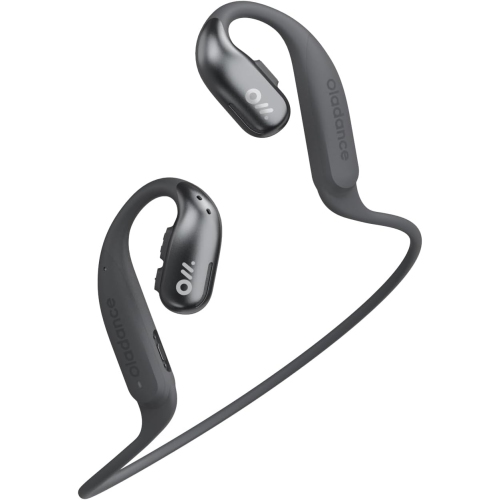
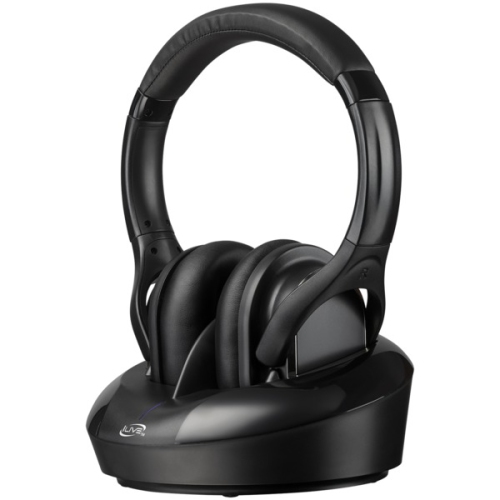
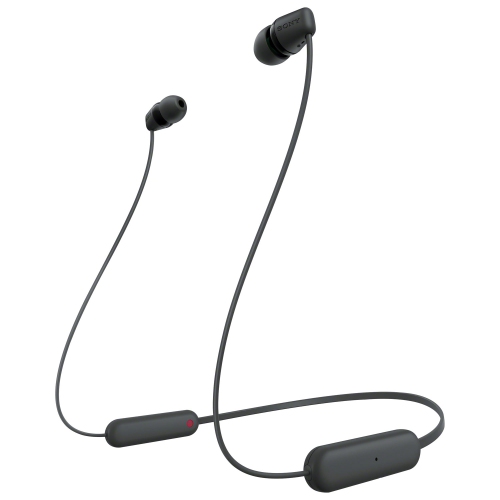
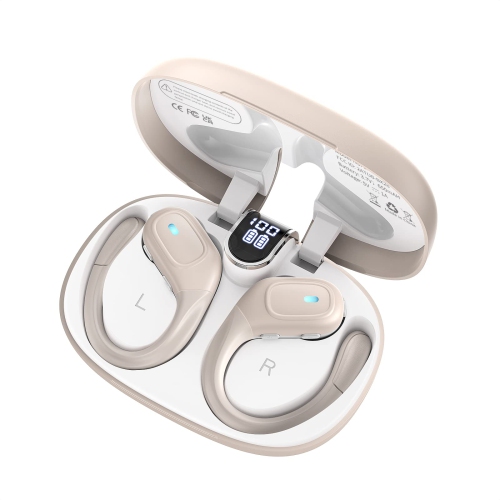
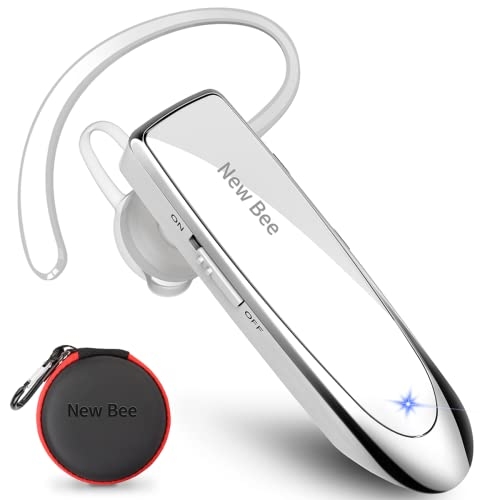
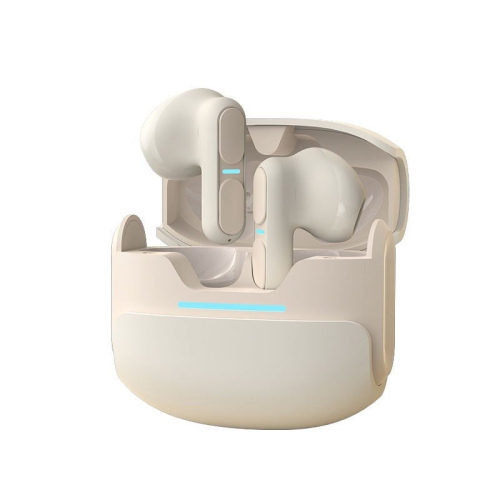
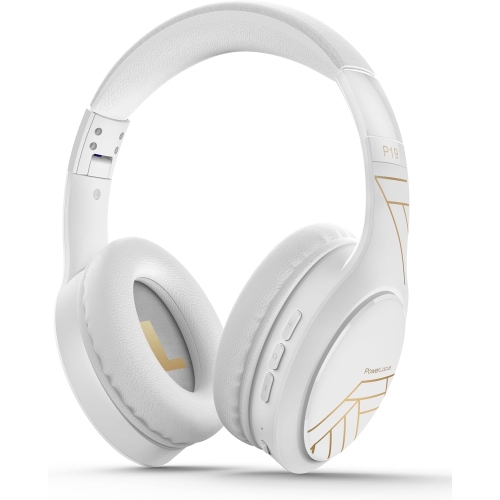
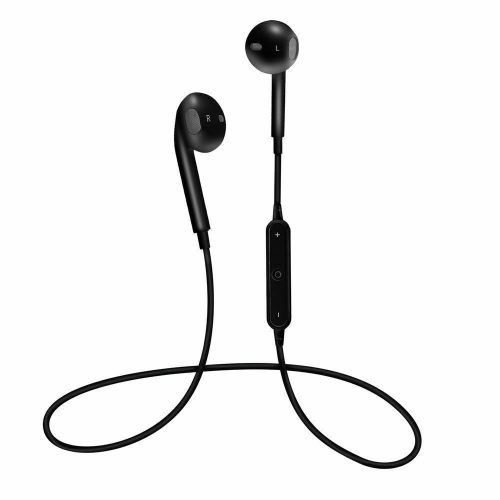
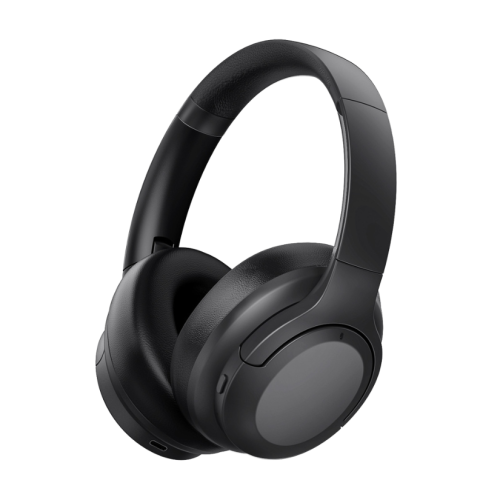
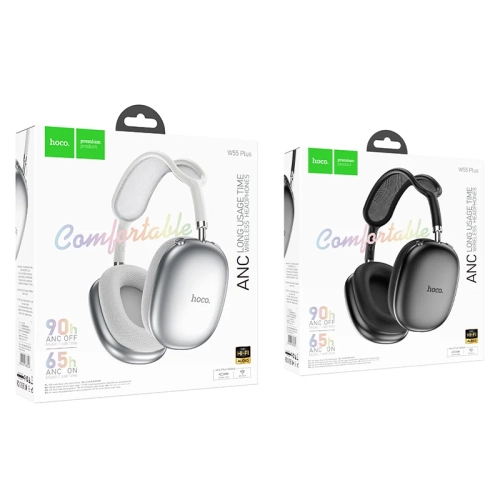
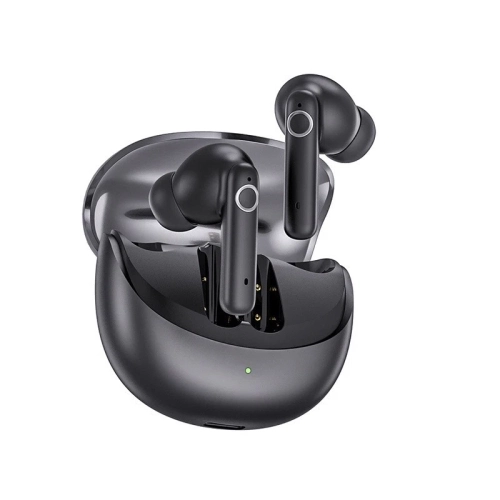
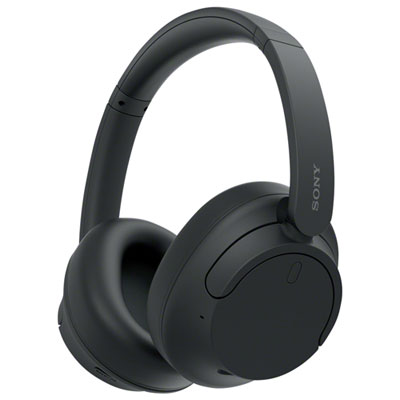
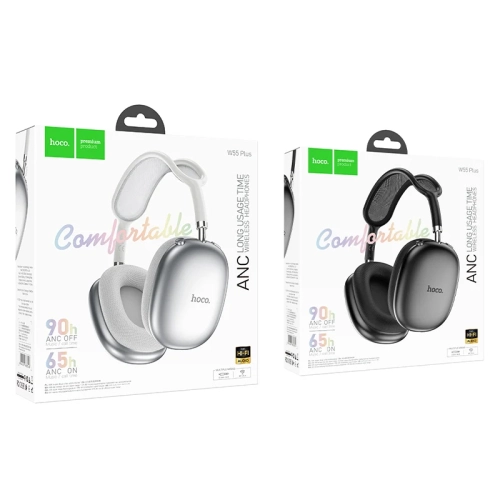
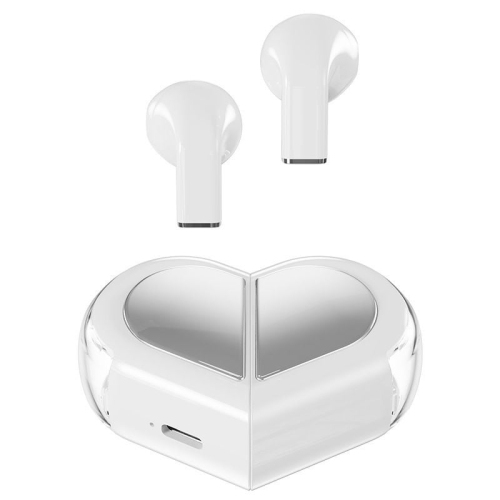
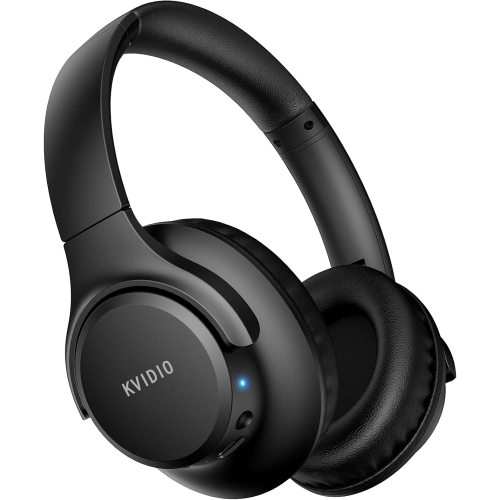
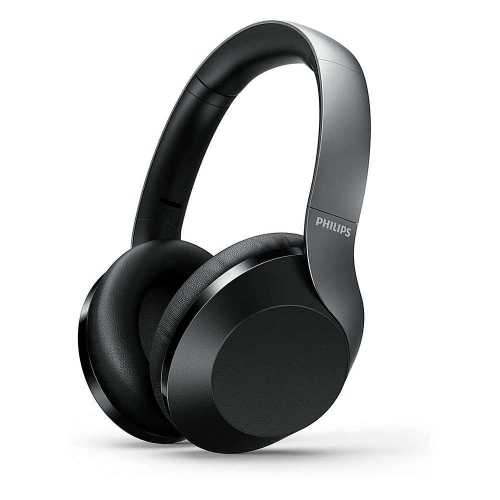
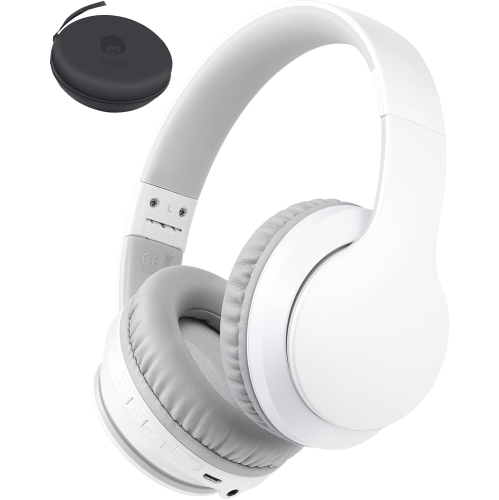
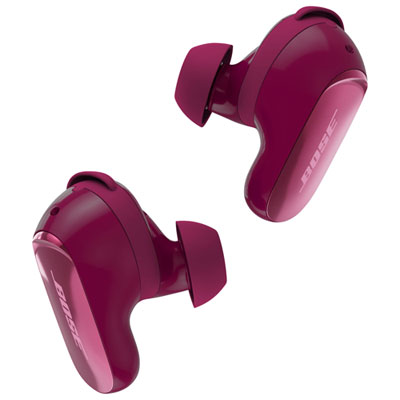
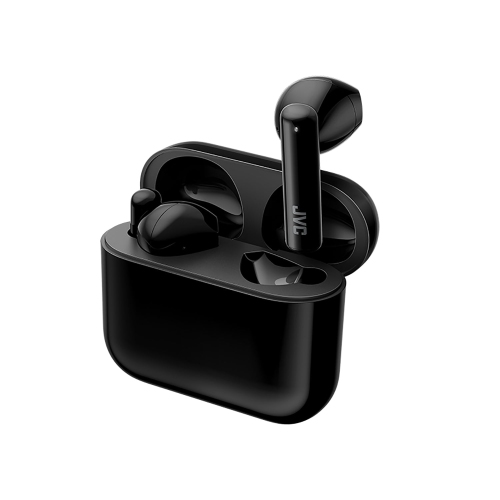
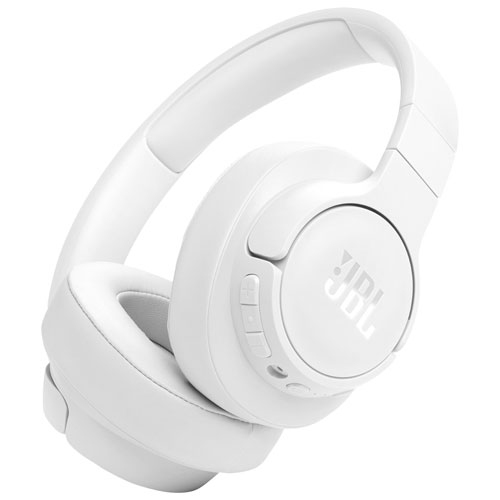
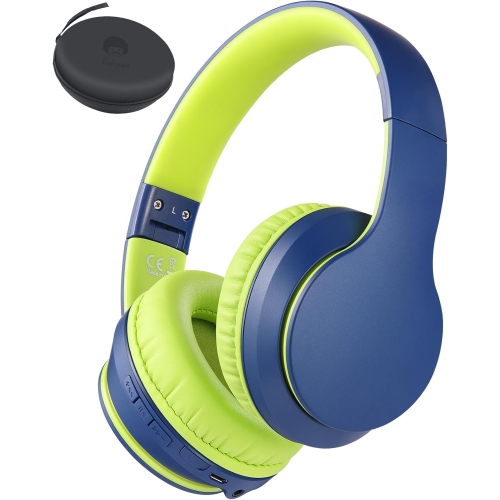
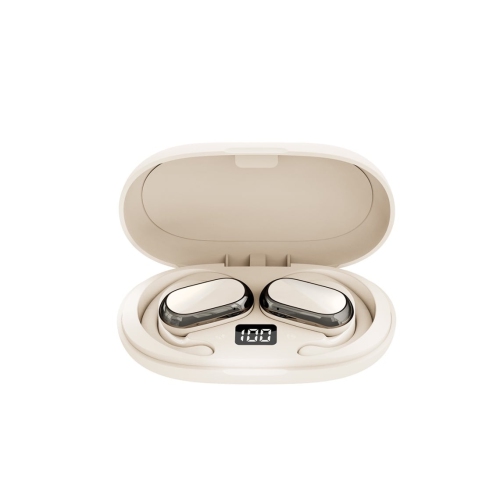
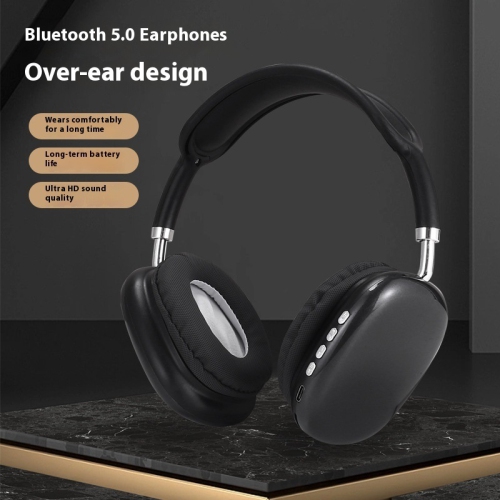
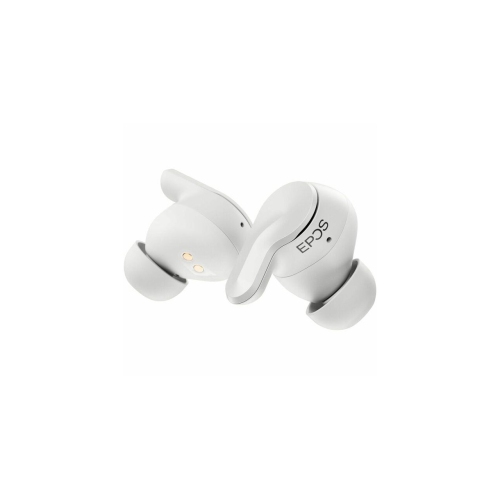
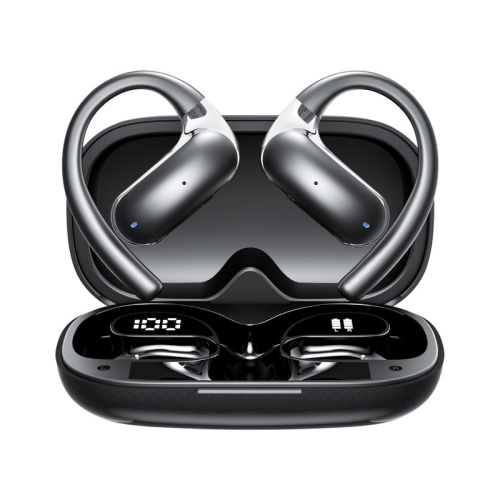
Wireless headphones for iPhone bring music, podcasts, calls, and video audio into everyday routines without a cable running from the phone to the listener. Standard Bluetooth compatibility allows many wireless headphones to connect to an iPhone, although features such as automatic device switching, hands-free voice controls, and personalized audio can depend on the headphones, supporting app, and iOS version. The main styles offer different listening experiences. Over-ear headphones surround the ears with cushioned cups, creating space for larger drivers and a fit that can feel comfortable through an album or a long flight. On-ear headphones rest against the ears and often have a smaller profile for carrying between home, work, and school. In-ear designs keep things compact, with many true wireless styles storing and charging in a pocket-sized case. For listeners drawn to that smaller format, wireless earbuds for iPhone offer a closer look at designs suited to listening on the move. Open-ear styles leave the ear canal unobstructed, which can make surrounding sounds easier to hear, though they generally provide less isolation from nearby conversations and traffic. Sound character varies across all these formats: a fuller bass response can give electronic music extra weight, while clear midrange reproduction helps bring spoken dialogue and vocals forward. A snug acoustic seal also affects bass and detail, so the way headphones fit matters alongside their sound settings. Active noise cancellation uses microphones and processing to reduce certain external sounds, especially steady noise such as the hum of a train or aircraft cabin. It does not remove every sound, and sudden voices may still come through. Transparency or ambient listening modes feed some surrounding sound through the headphones, making a brief conversation more convenient without taking them off. Spatial audio and head-tracking features can add a sense of direction to compatible content, but support varies by headphones, app, and recording. These differences help explain why the right listening experience depends on more than a single specification.
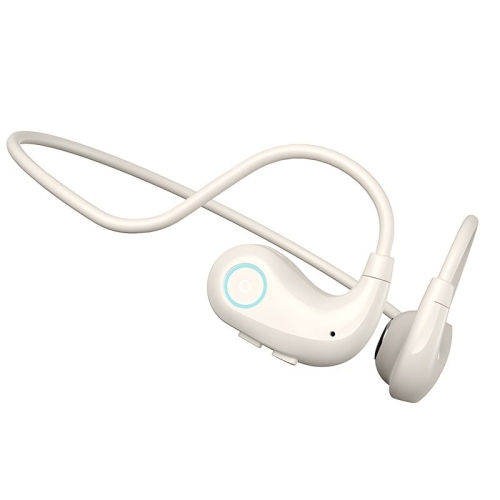
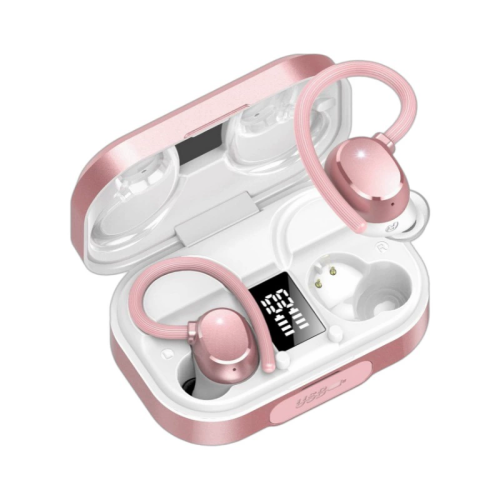
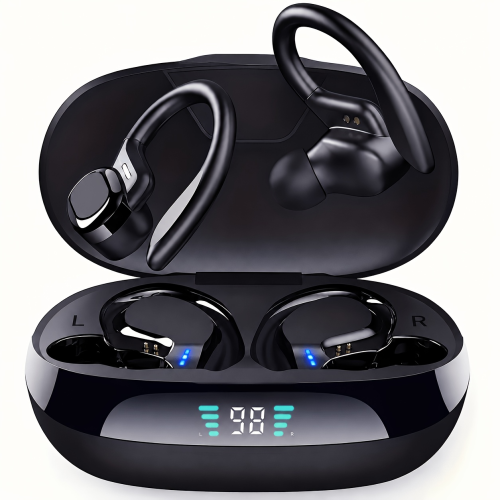
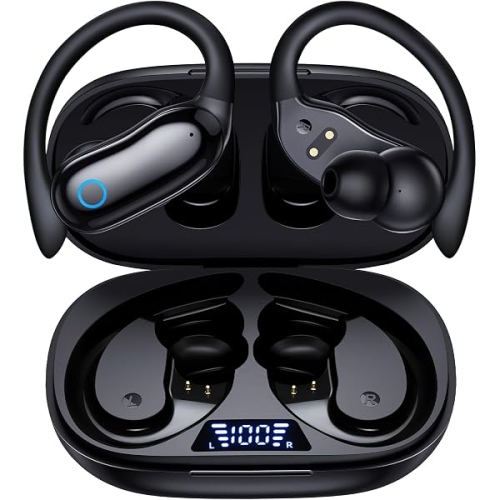
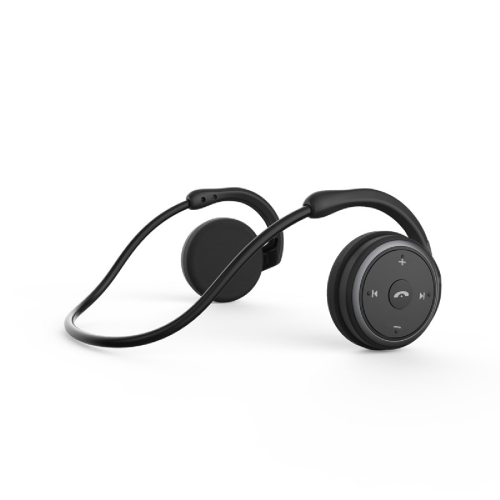
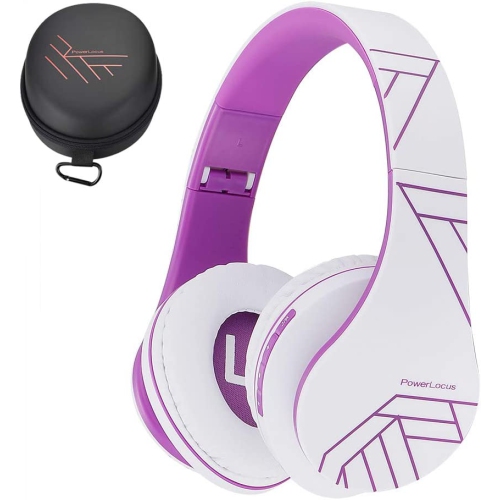
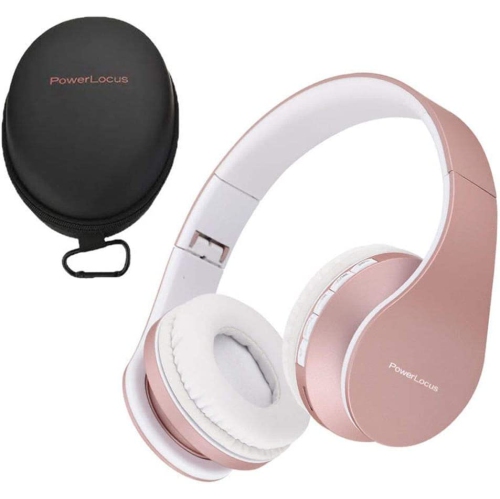
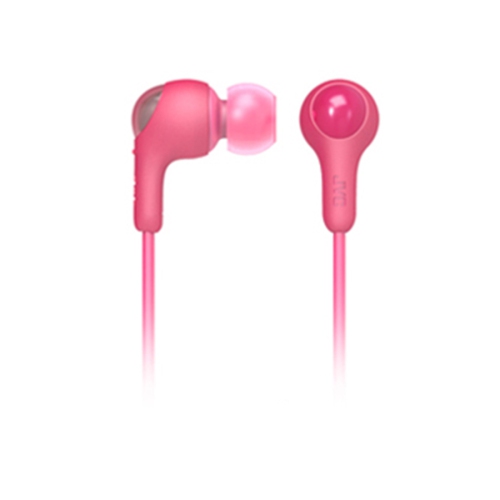
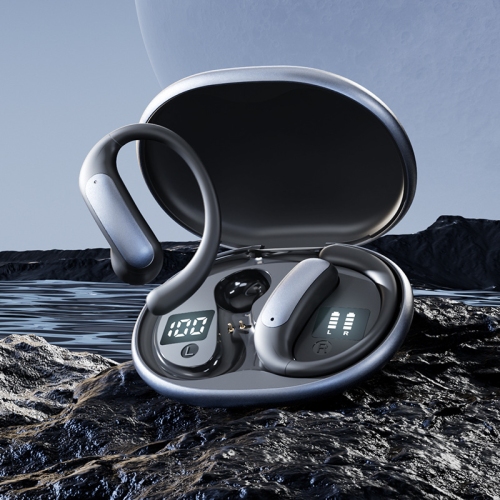
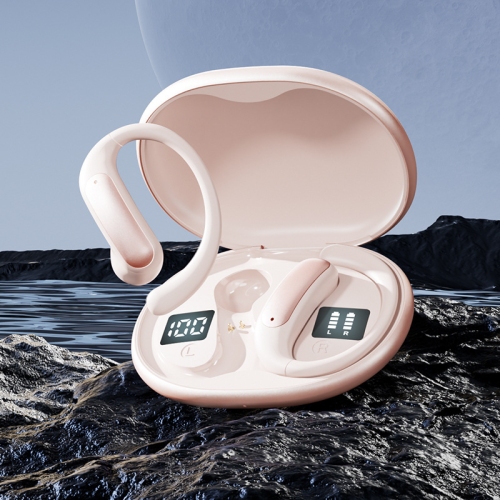
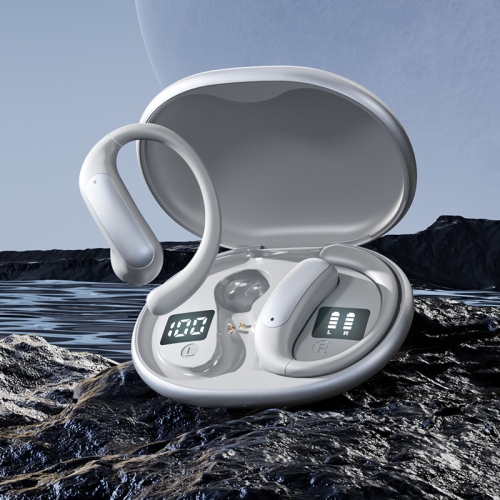
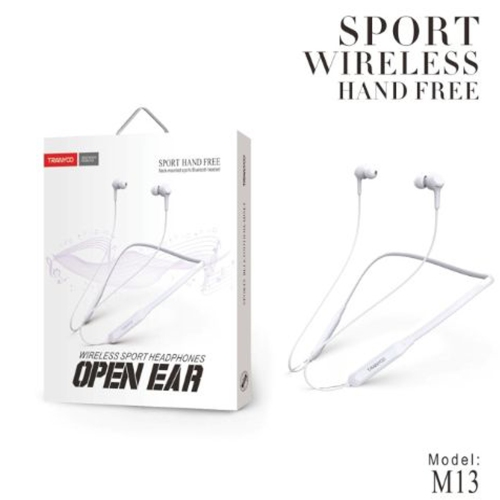
Comfort becomes especially noticeable when headphones stay on through a commute, a study session, or several consecutive calls. With over-ear designs, headband padding, ear-cup depth, and clamping pressure all influence how the weight sits. Someone wearing glasses may notice pressure where the cushions meet the arms of the frames, while a listener with smaller ears may prefer a shallower cup or a more adjustable headband. Soft fabric cushions can feel different against the skin than synthetic leather finishes, and both benefit from regular cleaning according to the manufacturer's directions. Replaceable ear cushions can help keep a frequently used pair comfortable as the original padding wears. In-ear headphones depend on the shape of the earpiece and, where included, the size and material of the ear tips. Silicone tips are typically smooth and easy to wipe, while foam tips compress before expanding to fit the ear canal. Neither material suits everyone, and a secure seal should not require forcing an earpiece into place. A well-fitting design stays settled when walking or turning the head without creating a persistent pressure point. Ear hooks, stabilizing fins, and neckband designs provide other ways to keep headphones in position during movement. For exercise, a stated sweat- or water-resistance rating is more useful than assuming a sporty appearance means protection from moisture. Resistance levels differ, may apply only to the earpieces rather than the charging case, and do not automatically make headphones suitable for swimming or rinsing under a tap. Everyday durability also comes from practical details such as sturdy hinges, reinforced adjustment points, and a protective carrying case that prevents loose bag contents from pressing against the ear cups. After a workout, letting headphones dry before placing them in their case helps keep moisture away from the charging contacts. A soft cloth and gentle handling are sensible starting points for care, with cleaning methods matched to the materials. Keeping ear tips, mesh openings, and charging contacts free of buildup can help preserve comfort, sound clarity, and reliable charging.
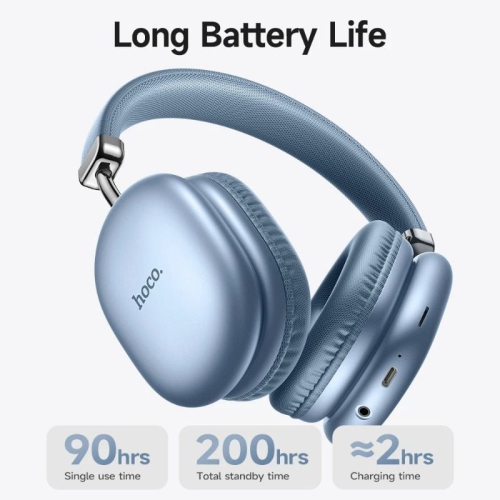
Daily convenience often comes down to how headphones handle the moments between listening sessions. Physical buttons can be easier to locate by feel, while touch controls keep the outside of an ear cup or earpiece uncluttered; their usefulness depends on how reliably they respond to an intended tap or swipe. Wear detection can pause playback when headphones are removed, although its behaviour varies by design and app. For calls, microphone placement and voice processing influence how clearly speech reaches the other person. Noise cancellation for the listener is separate from microphone noise reduction, so a quiet listening experience does not necessarily mean a caller hears equally clear speech. This distinction matters for someone taking a work call near a busy café counter or speaking while walking beside a road. Battery information also needs context: continuous playback describes listening from one charge, whereas a total that includes a charging case combines several listening sessions with recharging breaks. Volume, active noise cancellation, calls, and other enabled features can affect actual listening time. Quick charging can be useful before leaving home, while the charging connector and any wireless charging support determine how the headphones fit with existing accessories. A charging cable that fits an iPhone will not necessarily fit every headphone case, since connector types differ. Multipoint Bluetooth can let supported headphones maintain connections with two devices, such as an iPhone and a laptop, but that is distinct from automatic switching within a particular device system. Companion apps may provide equalizer settings, control adjustments, fit checks, or software updates, with the exact functions depending on iPhone support. For frequent travellers, students, remote workers, and people who simply enjoy uninterrupted albums, these practical differences can matter as much as sound character. Headphones can also make a thoughtful gift when the recipient's habits are familiar: a compact design for someone who travels light, cushioned ear cups for extended listening, or secure-fitting earpieces for regular workouts. The most useful match brings together comfortable fit, suitable controls, dependable connection, and the features that make sense for the listener's everyday routine.
Top selling and popular products
-
 Your price for this item is $339
-
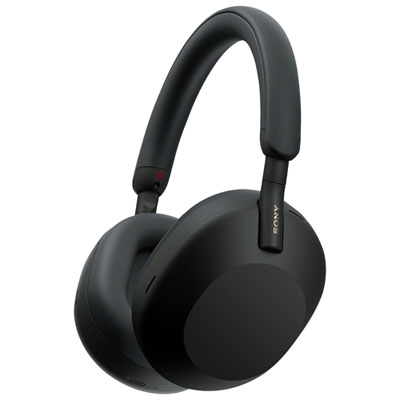 Your price for this item is $349.99
-
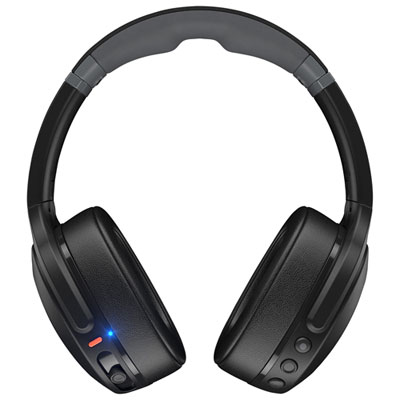 Your price for this item is $99.99
-
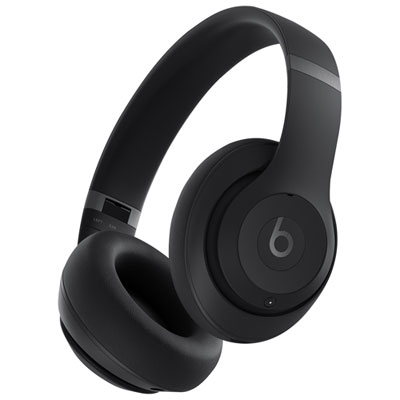 Your price for this item is $399.99
-
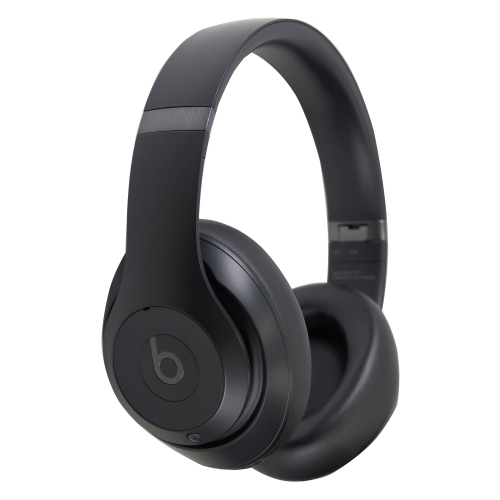 Your price for this item is $349.99
-
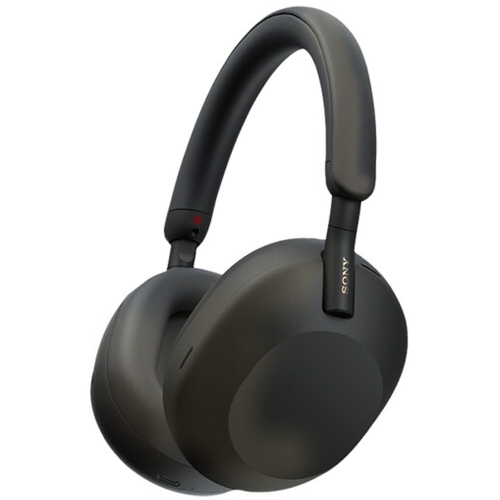 Your price for this item is $349
-
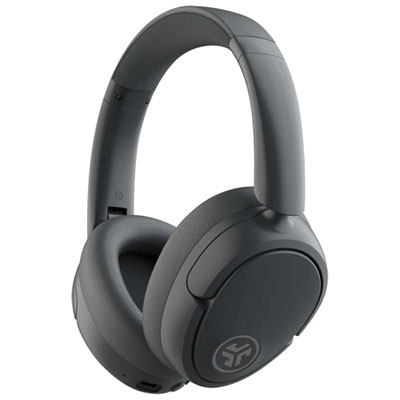 Your price for this item is $119.99
-
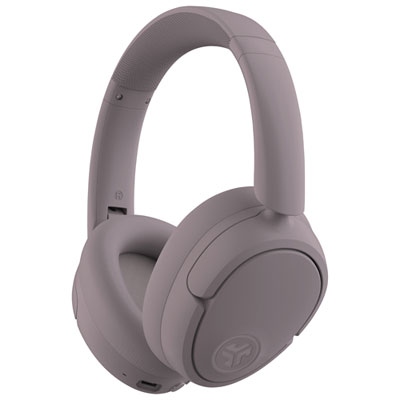 Your price for this item is $119.99
Discover more categories related to Wireless Headphones for iPhone
Top Collections:
Best Black Friday Deals This Year, Best Black Friday Deals On Electronics, Kindle Devices, Best Black Friday Deals On Apple Products, Best Budget Office Chairs, Best Cameras for Sports Photography, Dyson Airwrap, Canon G7X Cameras, Best Laptops for Writers, Samsung Galaxy Phones
Some products may be subject to Environmental Handling Fees
(EHF) depending on your province.
Learn more about EHFs.