Automatic Foaming Hand Soap Dispensers

Automatic foaming hand soap dispensers offer touch-free dispensing for your bathroom or kitchen sink. Browse hands-free options and compare reservoir capacity, power source, dimensions, and soap compatibility to find a dispenser that suits your space and daily routine.
Sort

Touchless lather for messy hands and busy sinks

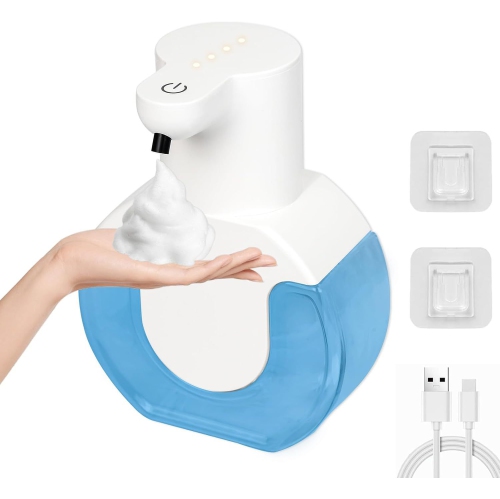
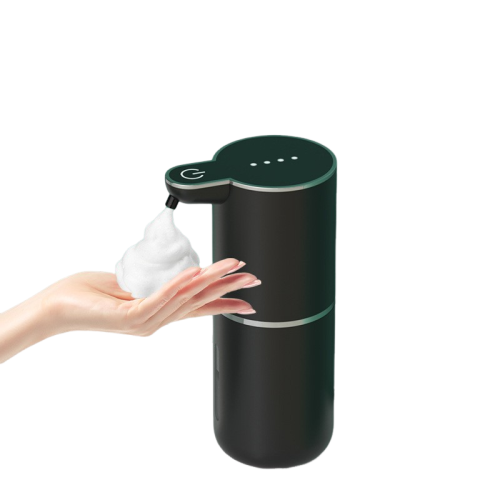
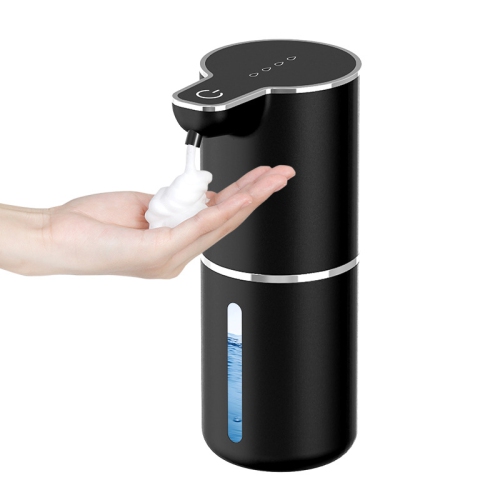
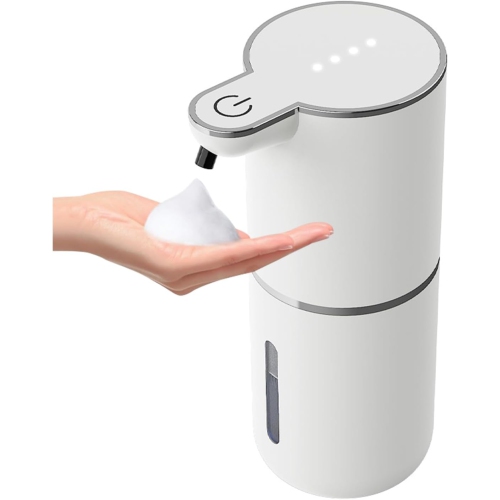
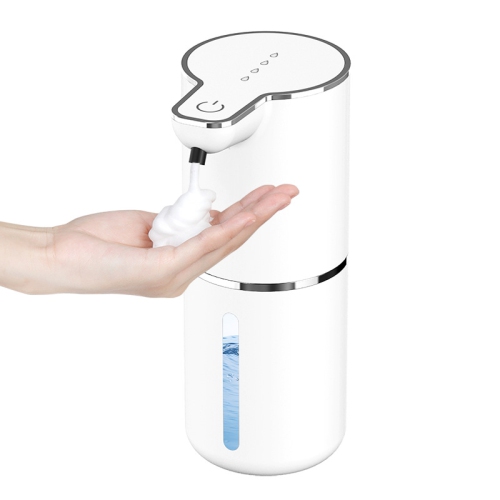
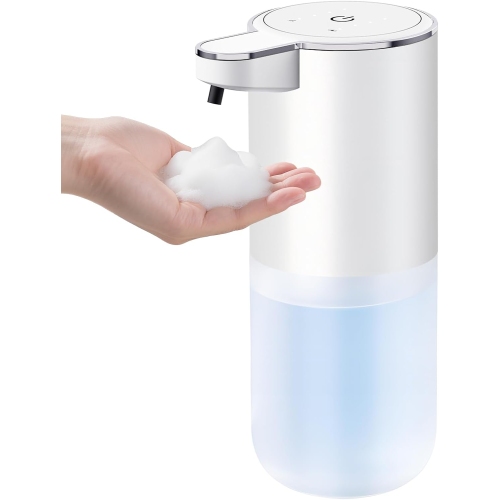
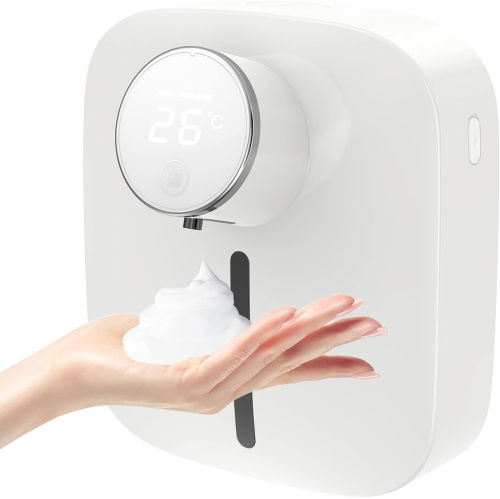
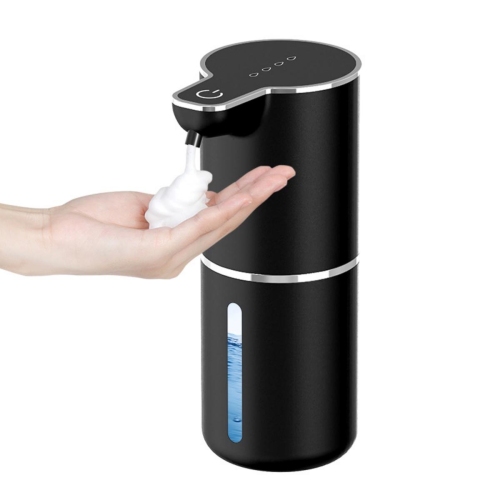
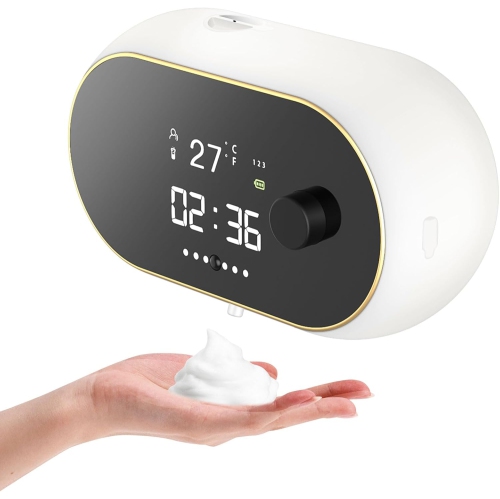
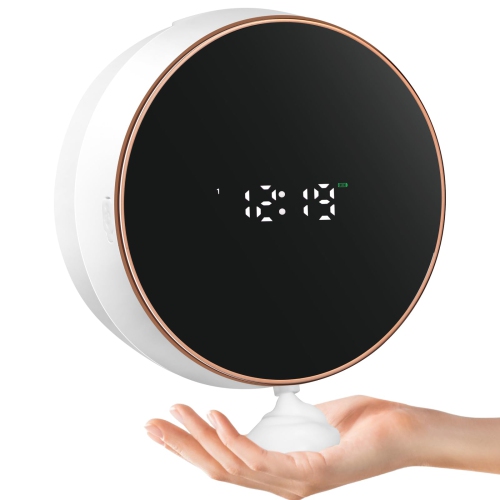
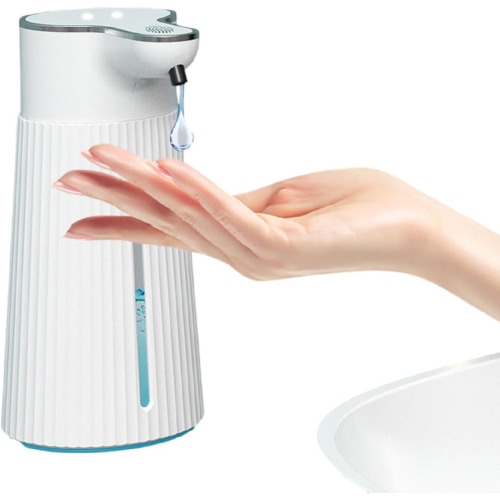
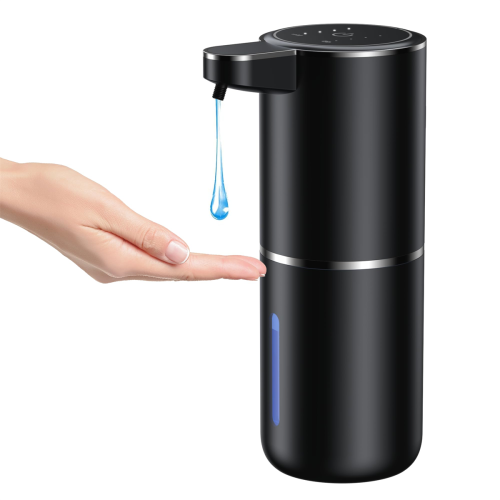
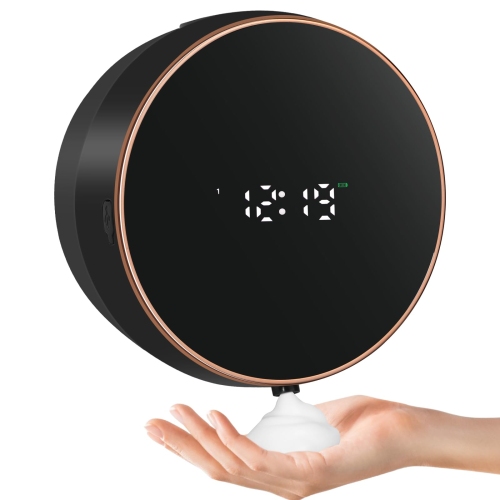
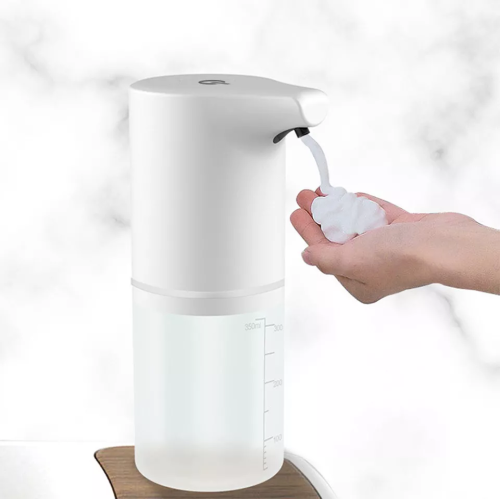
Automatic foaming hand soap dispensers release a portion of lather when a hand moves beneath the nozzle, making it possible to get soap without pressing a pump with wet or messy fingers. Most use an infrared sensor to detect a nearby hand and activate a small motor that draws liquid soap through a foaming mechanism. Air mixes with the liquid to create a light foam that spreads easily across the hands. This touchless operation removes one shared contact point around the sink, although thorough handwashing and regular cleaning of the dispenser remain important. In a kitchen, that can mean reaching for soap after handling food without leaving fingerprints on a pump; in a bathroom, it can make the sink area easier for family members and visitors to use. The experience depends partly on the sensor’s position, detection range, and response. A clearly positioned outlet gives the user an obvious place to hold a palm, while enough clearance beneath the nozzle helps keep fingers from brushing against the housing. Some designs offer adjustable portions, allowing a smaller amount for little hands or a larger amount when needed. Soap compatibility matters just as much as the dispensing mechanism. Foaming dispensers generally require a low-viscosity formula designed to pass through their air-mixing system, rather than thick gel soap poured straight into the reservoir. Certain designs accept diluted liquid hand soap, but only where the manufacturer permits it and specifies a suitable mixture. Lotions, exfoliating particles, and other additives can interfere with flow when the mechanism is not designed for them. Foam is a convenient way to deliver soap, not a substitute for washing all hand surfaces and rinsing well. Its airy texture also does not, by itself, indicate stronger cleaning performance. For everyday use, a consistent portion, a comfortable hand position, and a formula suited to both the dispenser and the user’s skin contribute more to a satisfying routine than an oversized burst of lather.

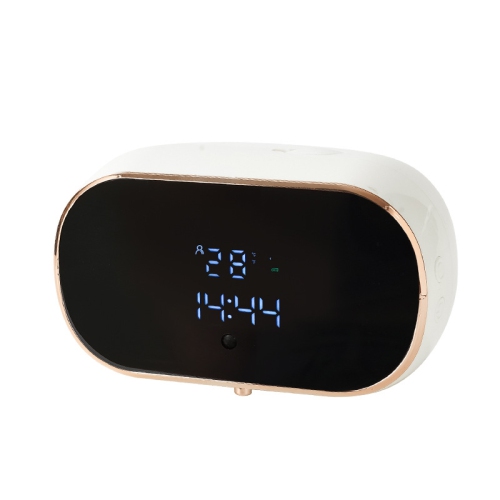
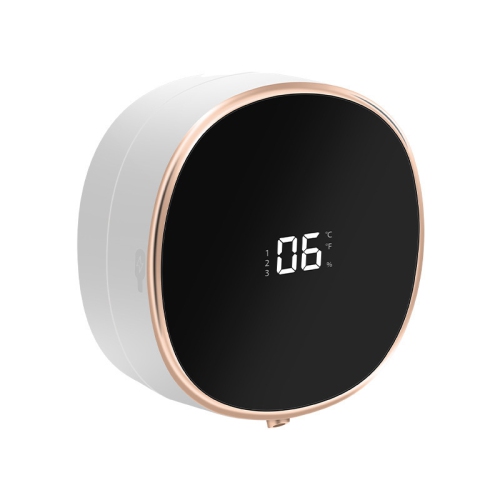
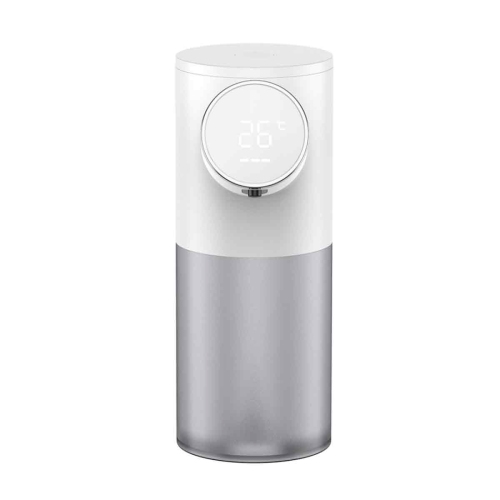
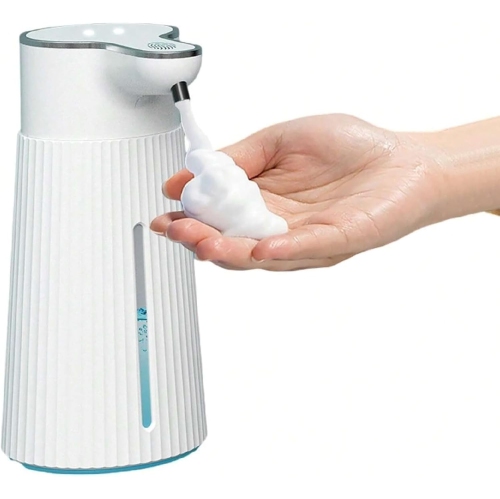
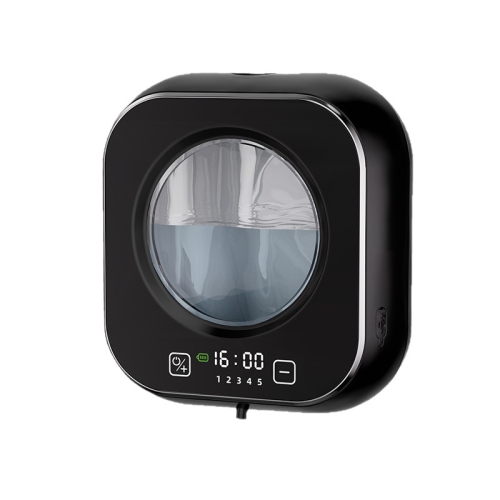
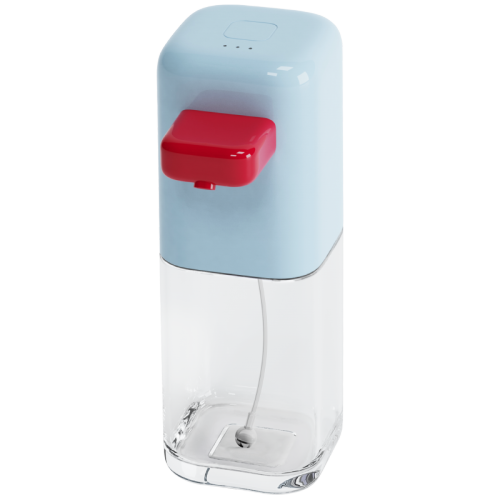
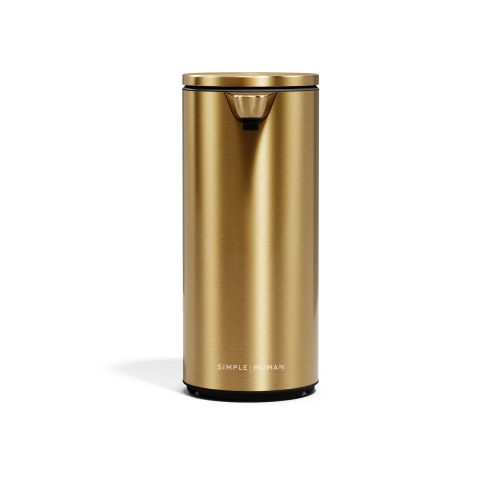
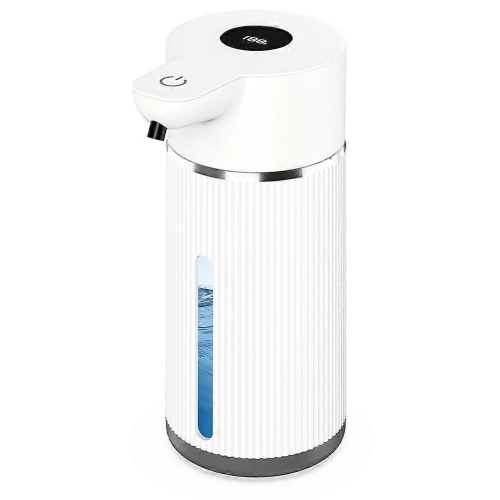
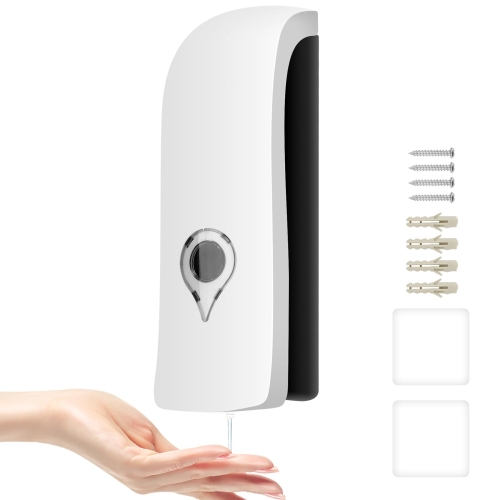
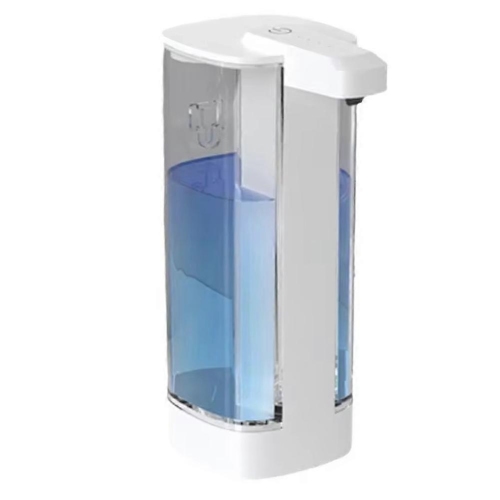
The best physical fit depends on the sink area as much as the dispenser’s appearance. A compact base can sit neatly beside a small bathroom basin, while a larger reservoir may suit a busy family kitchen where handwashing happens throughout the day. Height deserves attention, especially beneath a cabinet, shelf, or low mirror: there needs to be room for the housing, the hand beneath its outlet, and access to whichever part opens for refilling. Placement also affects sensor behaviour. Nearby objects, reflective surfaces, or a position too close to passing hands may trigger some designs unintentionally, so a clear space around the sensing area can help. A stable base and non-slip footing are useful on smooth counters where splashes are common. Plastic housings are often lightweight and easy to move, while stainless steel exteriors can coordinate with taps, appliances, and other sink accessories. Neither material alone guarantees durability; the quality of the reservoir, seals, battery cover, and nozzle also matters. Glossy finishes may show water spots and fingerprints more readily than textured or brushed surfaces, and a transparent window can make the remaining soap level easier to see. Colour and shape can help the dispenser blend into a bathroom set or stand apart clearly enough for guests to recognize its purpose. Battery-powered designs provide flexibility without a charging cable near the basin, while rechargeable designs need an accessible way to replenish power. Charging connections and battery compartments should remain protected from water according to the manufacturer’s directions. A splash-resistance rating is worth distinguishing from permission to immerse the unit, since many dispensers contain electronics that cannot tolerate soaking. Practical details such as a wide refill opening, a secure lid, and a removable reservoir can make a noticeable difference over repeated use. For someone with limited grip strength or difficulty pressing a conventional pump, automatic dispensing may also reduce the effort involved, provided the controls, refill process, and sensor position are accessible.

Routine care helps an automatic foaming hand soap dispenser remain pleasant to use rather than becoming another sticky fixture beside the tap. Soap residue can gather around the outlet, particularly when the dispenser is used frequently or a small amount of foam remains after each cycle. Wiping the exterior and nozzle with a soft cloth, using cleaning methods permitted for the finish, helps keep those deposits from building up. The electronic housing should not be held under running water unless its instructions expressly allow that treatment. Reservoir cleaning requirements vary, but old soap residue should be addressed as directed rather than repeatedly covered with fresh soap. A dispenser that begins producing thin liquid, uneven foam, or no output may have an unsuitable soap formula, a low power supply, an obstructed outlet, or a reservoir that is not seated correctly. Those possibilities make accessible compartments and straightforward maintenance useful features for long-term ownership. An on/off control can be particularly helpful during wiping, refilling, or moving the unit, when a hand near the sensor might otherwise release soap unexpectedly. In households with children, a dispenser positioned within comfortable reach can support a more independent handwashing routine, with adult supervision appropriate to the child’s age. In a guest bathroom, clear placement beside the basin makes its function apparent without adding clutter. Automatic foaming dispensers can also be practical housewarming gifts for someone setting up a kitchen or refreshing bathroom accessories, especially when the size and finish suit the recipient’s space. Touchless operation is not essential for every sink, however. For spaces where a straightforward pump and no power source are preferable, Manual Hand Soap Dispensers provide a familiar alternative. Automatic designs are particularly suited to people who value hands-free dispensing and do not mind occasional charging or battery changes. A comfortable fit beside the basin, reliable soap compatibility, and manageable upkeep are the details that make this everyday accessory feel useful each time hands need washing.

FAQ

Some products may be subject to Environmental Handling Fees (EHF) depending on your province. Learn more about EHFs.