Foaming Soap Dispensers
Upgrade your handwashing routine with foaming soap dispensers. These sleek and efficient devices transform ordinary liquid soap into a luxurious foam, providing a gentle and refreshing lather every time you wash your hands. With their stylish designs and easy-to-use functionality, foaming soap dispensers are a must-have addition to almost any bathroom or kitchen.
Sort







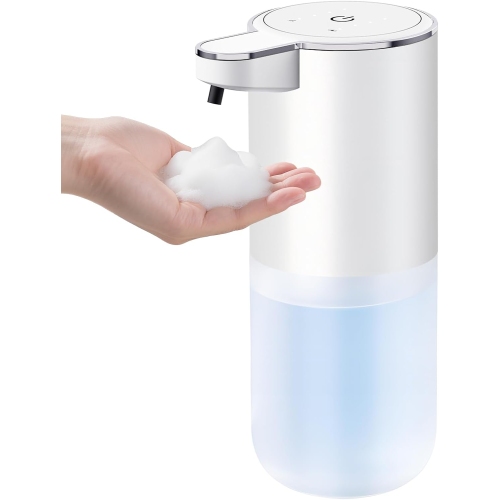
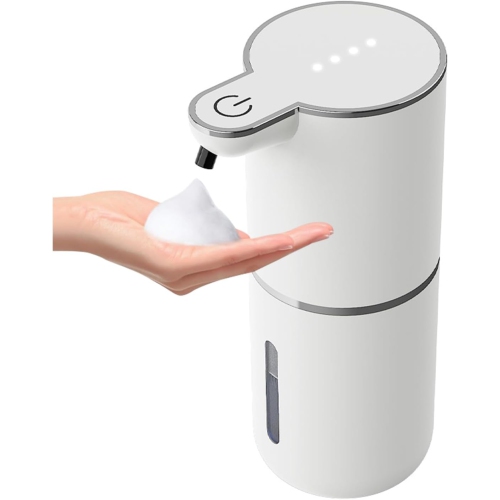
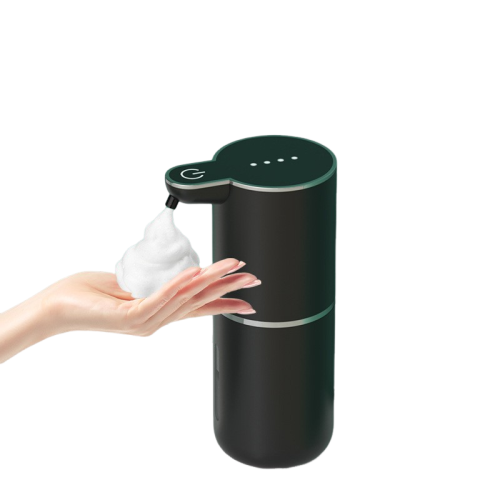
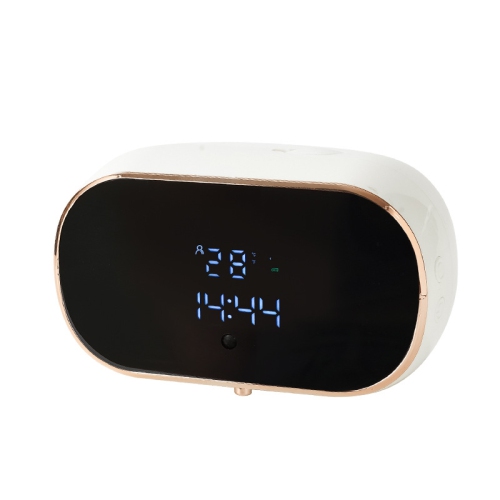

















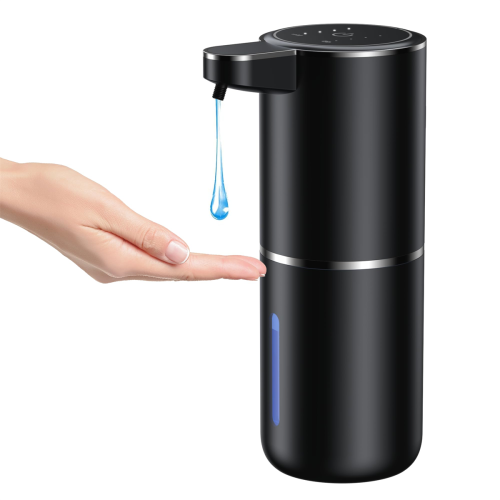


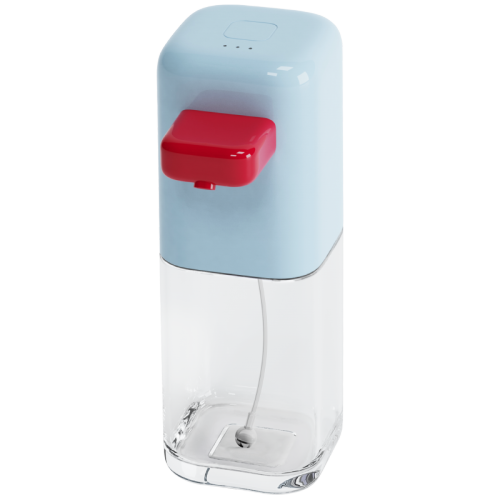

How pumps and soap work together for airy lather
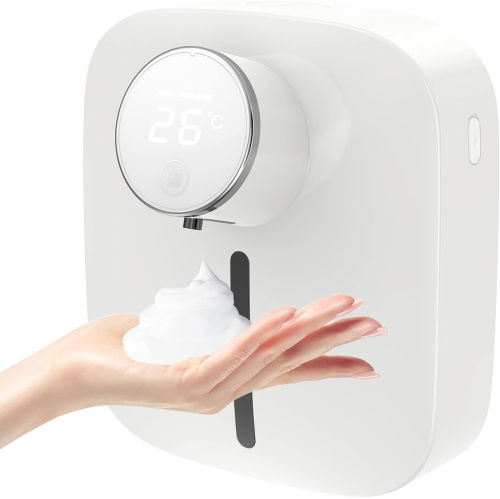
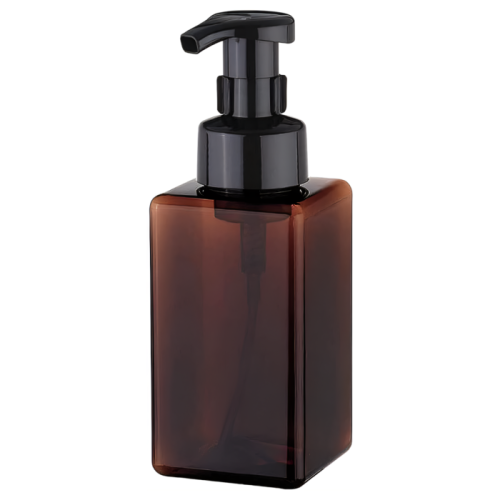
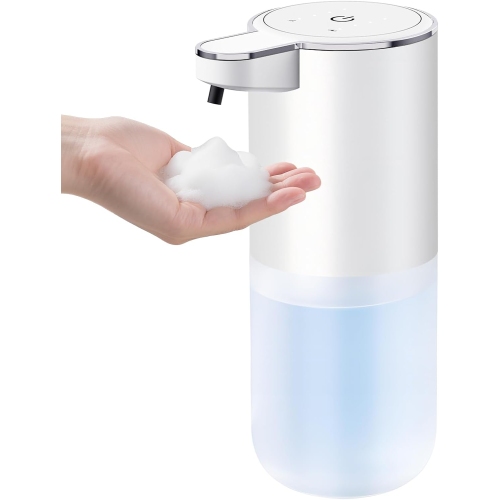
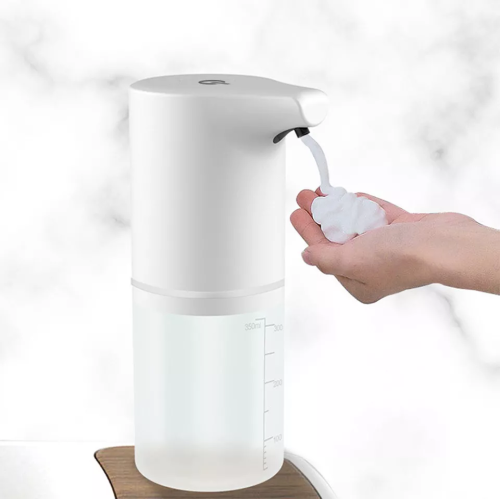
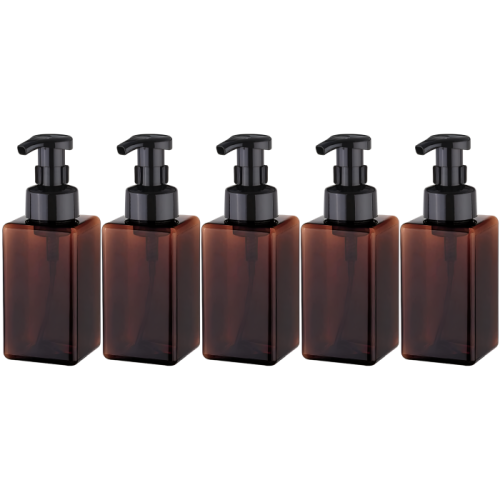
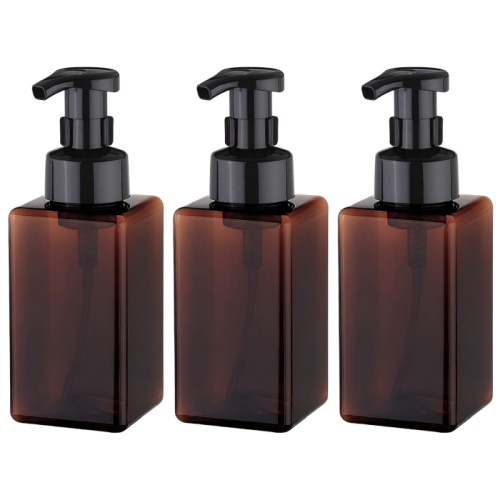
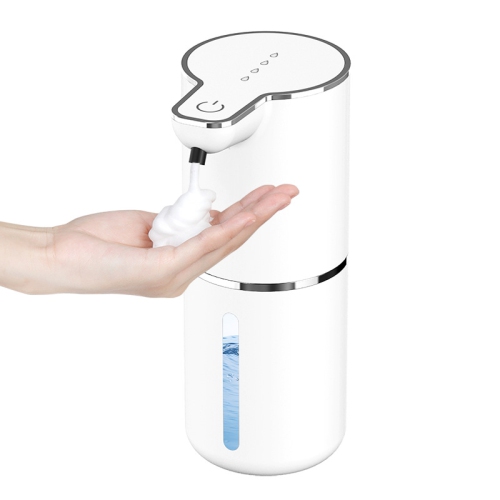
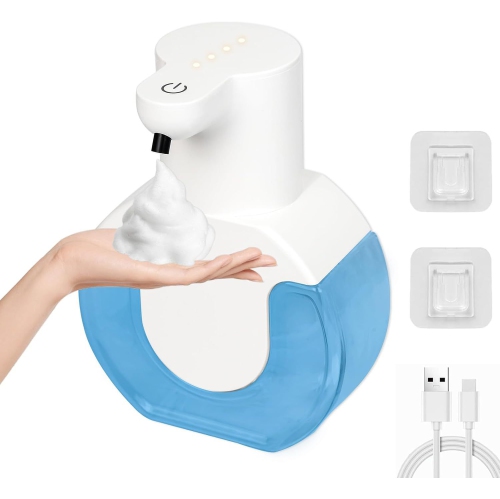
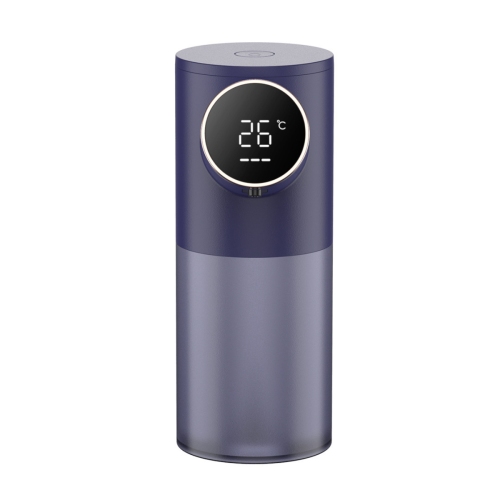
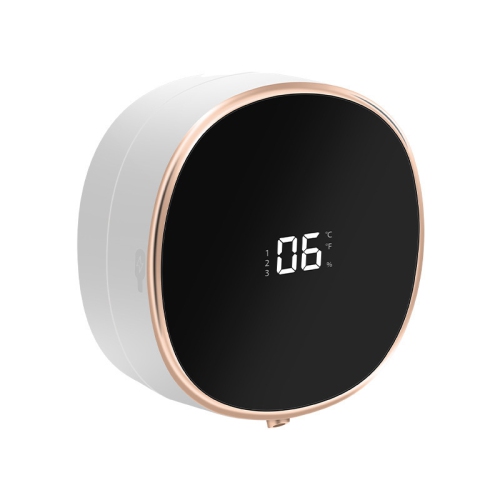
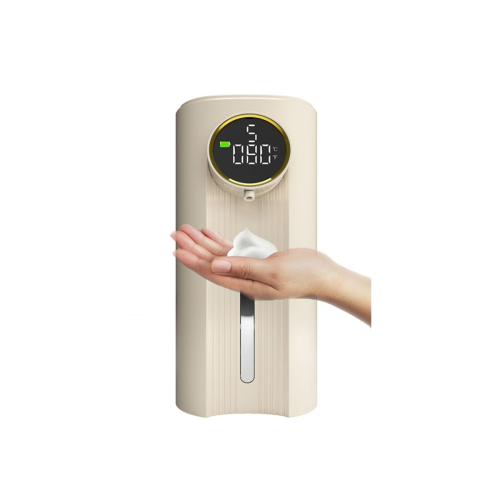
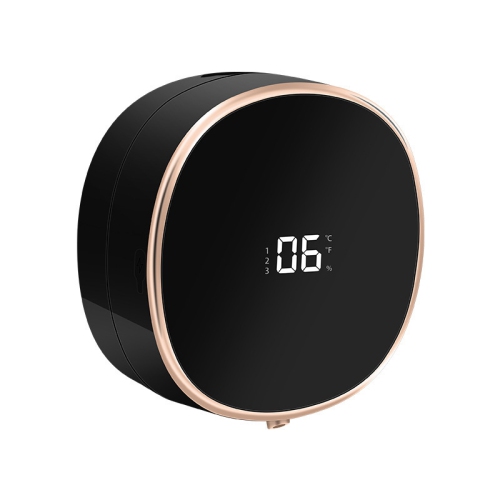
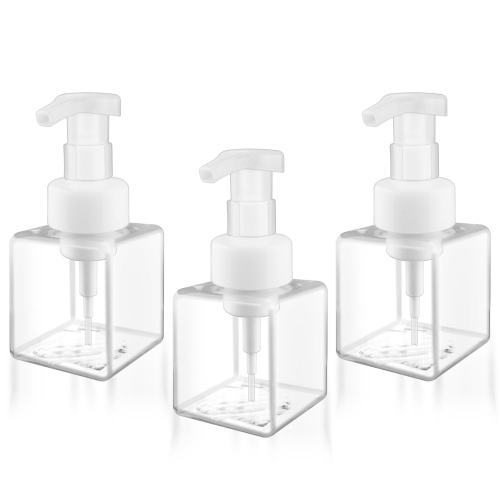
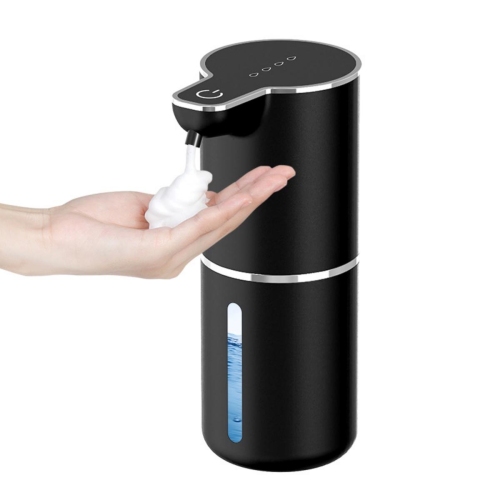
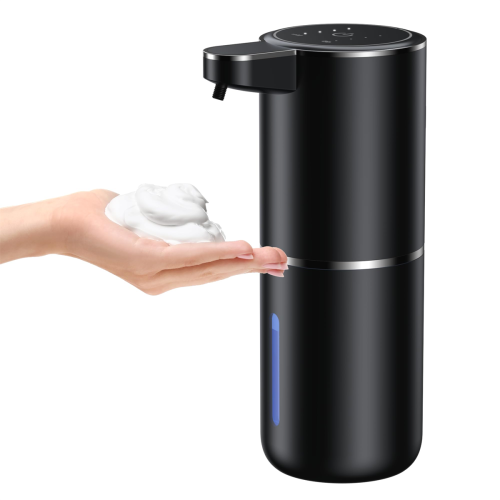
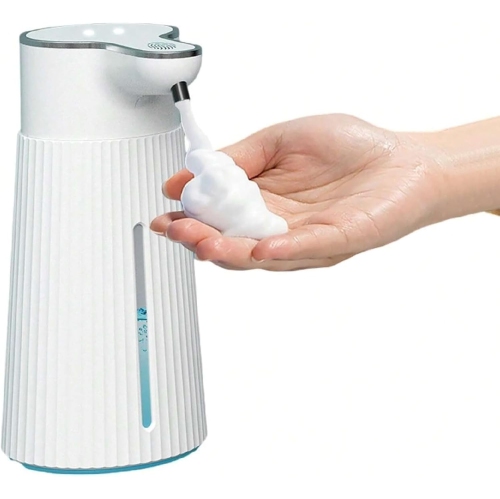
Foaming soap dispensers deliver a light, airy lather by combining a thin liquid soap solution with air as it passes through a specialized pump. Unlike a standard liquid soap dispenser, which releases soap in a thicker stream, a foaming dispenser produces bubbles before the soap reaches your hands. That difference makes the pump and the soap formula equally important: a bottle fitted with an ordinary lotion pump will not create the same foam simply because it contains foaming hand soap. These dispensers suit everyday handwashing beside a bathroom basin, at a kitchen sink, or in a laundry room where hands need washing after household tasks. The foam spreads readily across palms and between fingers, while a well-positioned spout helps keep each portion over the sink rather than on the countertop. Manual designs release soap when the pump head is pressed, while automatic designs use a sensor to detect a hand beneath the nozzle. Both styles still require thorough washing and rinsing; foam texture alone does not indicate that a soap is antibacterial or more effective than another formula. Soap compatibility is worth checking closely. Ready-to-use foaming hand soap is formulated for this type of mechanism, whereas thick handwashing gels, lotions, exfoliating particles, and other unsuitable liquids can interfere with the pump or obstruct its small passages. Some dispensers accept diluted liquid soap, but dilution should follow the dispenser and soap manufacturers’ directions rather than a universal mixing ratio. Adding water to a formula that is not intended for dilution can affect its performance and preservation. For households with children, a manageable pump stroke and a bottle that stays upright can make the handwashing routine easier. For someone who finds pressing a pump uncomfortable, a sensor-operated design may be a more practical fit. The dispenser controls how soap is delivered, but the soap itself determines characteristics such as fragrance and suitability for sensitive skin. A consistent portion can help limit drips, though output varies with the mechanism and formula.
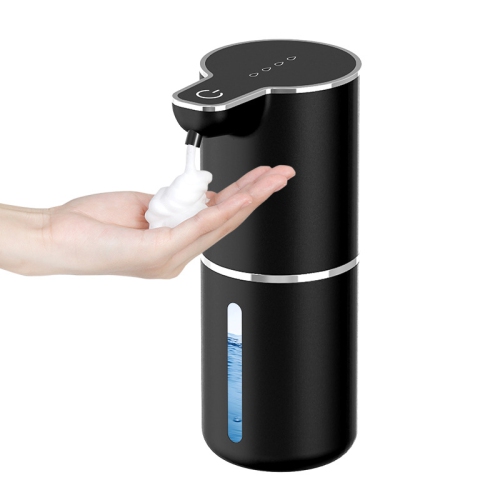
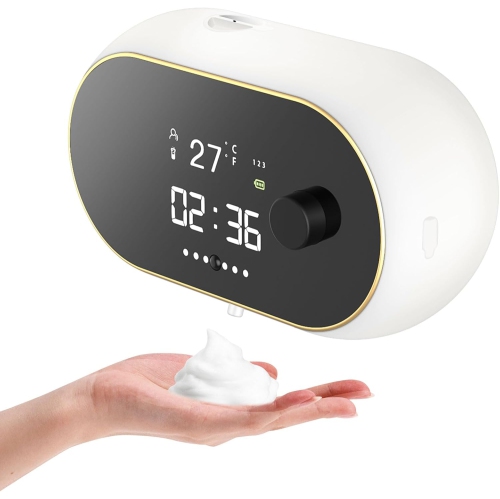
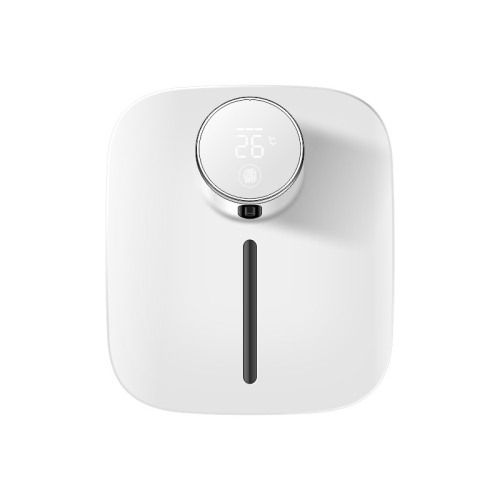
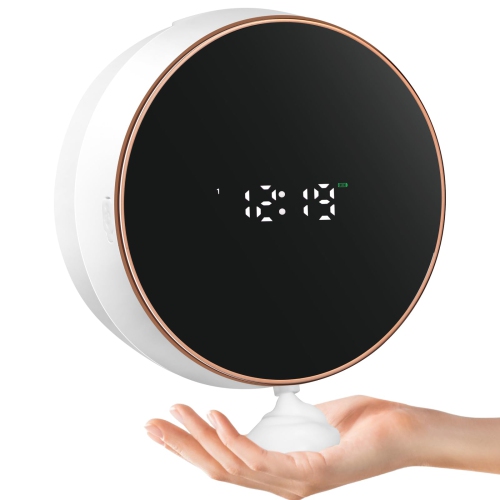
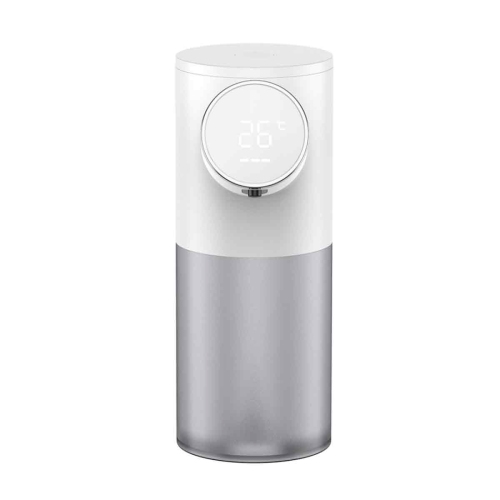
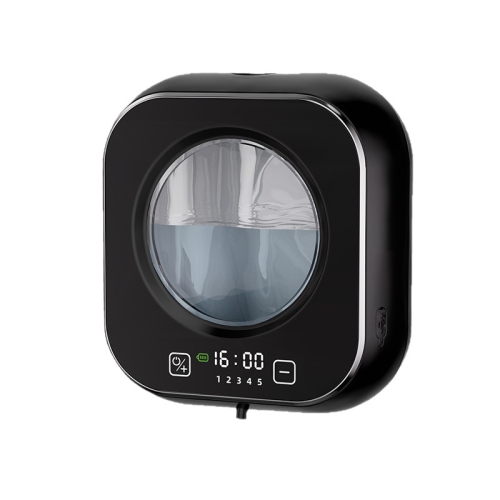
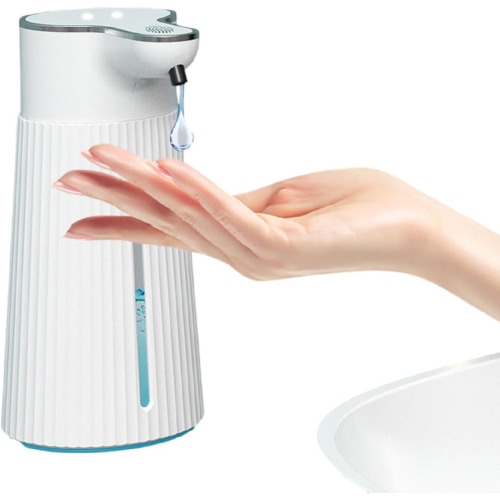
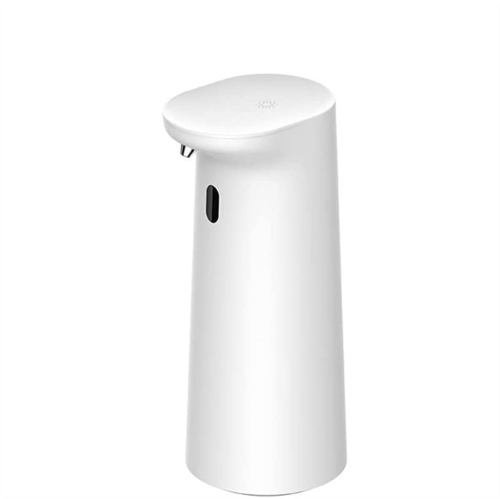
Materials, proportions, and placement shape how a foaming soap dispenser feels in daily use. Plastic bodies are generally lightweight and less likely than glass to break if knocked from a counter, making them practical around busy family sinks. Glass offers a substantial feel and makes the remaining soap easy to see when the bottle is clear, although its weight and breakability deserve consideration on narrow ledges. Stainless steel can complement taps and sink fittings, while ceramic brings a softer, decorative finish to a bathroom vanity. Surface finishes vary: glossy surfaces may show water spots and fingerprints, and coated finishes need care that will not scratch or dull them. The bottle material is only part of the construction, since the pump, internal seals, and base also affect durability. A broad base, secure pump connection, and corrosion-resistant components are useful details where splashes are frequent. Capacity should suit the space and the number of people using it. A larger reservoir may mean less frequent refilling, but it also takes up more counter space; a compact bottle can fit neatly between a tap and a backsplash. Height matters beneath shelves or mirrored cabinets, and the nozzle needs enough clearance for a hand without forcing fingers against the basin. A clear window or translucent reservoir makes it easier to check the fill level. Manual pumps benefit from a comfortable head that can be pressed without tipping the bottle. For hands-free operation, Automatic Foaming Hand Soap Dispensers use a sensor rather than a press-down head, with power supplied by batteries or a rechargeable system, depending on the design. Sensor placement, access to the battery compartment, and any adjustable dispensing settings are useful considerations. Water resistance also varies, so a powered dispenser should sit where routine splashes are manageable and should not be treated as waterproof unless its specifications say so. Wall-mounted styles can free counter space, provided the mounting method suits the surface and keeps the nozzle within comfortable reach.
Routine care helps a foaming soap dispenser remain pleasant to use and keeps dried soap from interfering with the mechanism. Around a frequently used sink, residue can collect at the nozzle, beneath the pump head, and along the bottle’s base. Wiping these areas with a soft, damp cloth prevents a sticky ring from becoming part of the countertop. Cleaning methods should match the materials: abrasive pads can mark coated metal or glossy finishes, and cleaning solutions that suit one surface may damage another. When the reservoir needs washing, empty it and follow the manufacturer’s instructions for rinsing and drying before refilling. Avoid repeatedly adding fresh soap to an uncleaned reservoir containing old residue. If the pump begins dispensing unevenly, checking the fill level, soap compatibility, and nozzle opening is more useful than immediately adding extra water. A removable manual pump may be rinsed or flushed if its care instructions permit, but an electronic assembly should not be submerged. Replacement pump availability can also matter for long-term use, particularly when the bottle remains in good condition after the dispensing mechanism wears. For refillable designs, a wide opening makes pouring easier, and a clearly marked fill line helps prevent overfilling. Leaving the specified headspace and securing the top correctly supports reliable operation. Beyond these practical details, foaming soap dispensers can give a sink area a more coordinated appearance without requiring every accessory to match exactly. A clear bottle can sit quietly beside a patterned towel, while a neutral ceramic or metal finish can tie in with a toothbrush holder or kitchen tap. Separate dispensers at different sinks keep hand soap close to where it is needed. They can also make useful housewarming gifts, especially when the size, finish, and operating style suit the recipient’s space. An easy-to-handle dispenser with a straightforward refill process is often a better everyday match than a decorative shape that is awkward to clean or unstable on a wet counter.
Top selling and popular products
-
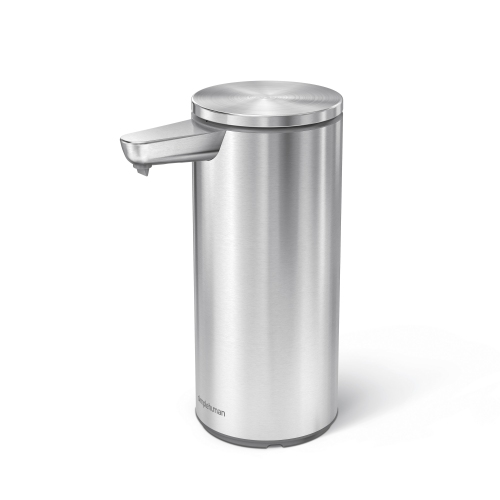 Your price for this item is $90
-
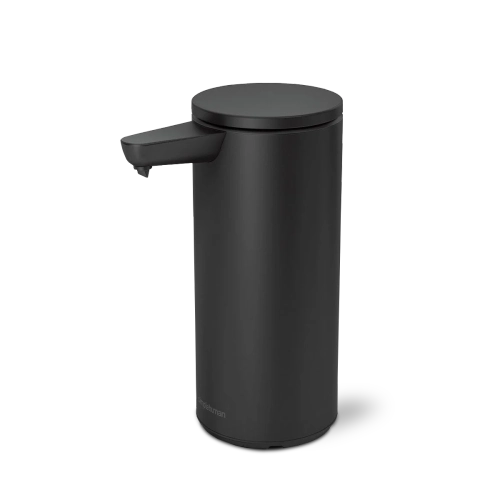 Your price for this item is $100
-
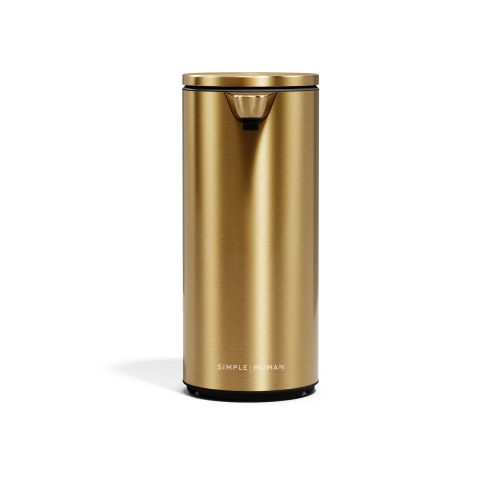 Your price for this item is $100
-
 Your price for this item is $426.55
-
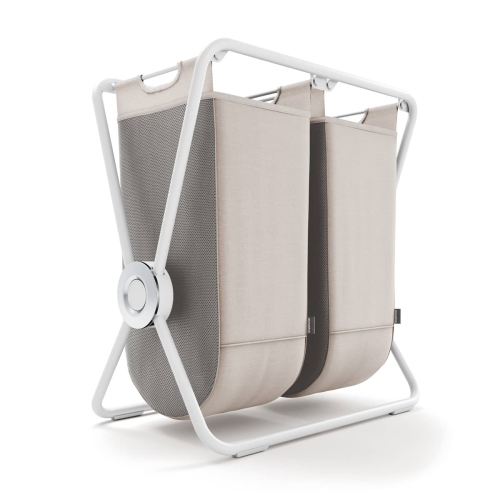 Your price for this item is $300
-
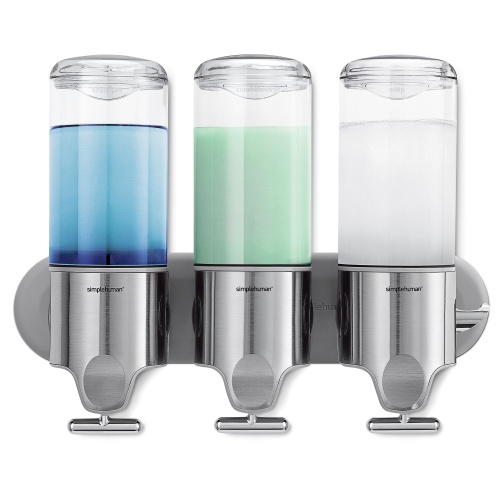 Your price for this item is $120
-
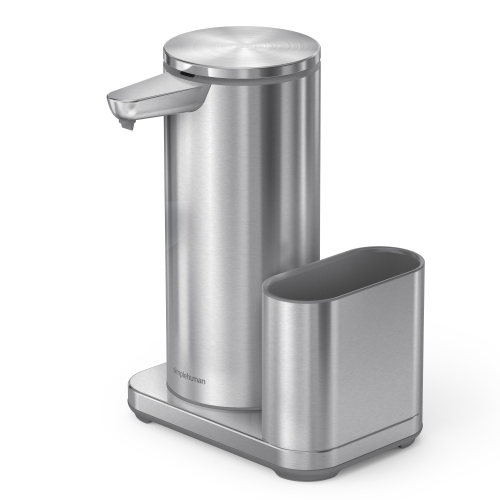 Your price for this item is $160
-
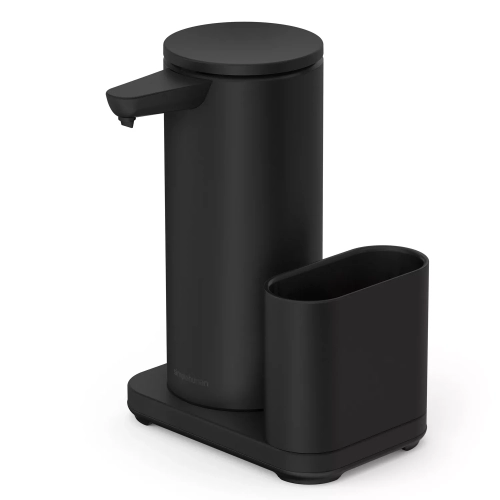 Your price for this item is $180
Discover more categories related to Foaming Soap Dispensers
Top Collections:
Best Black Friday Deals This Year, Best Black Friday Deals On Electronics, Kindle Devices, Pokemon Centers, Best Black Friday Deals On Apple Products, Best Cameras for Sports Photography, Dyson Airwrap, Pokémon 30th Celebration Cards, Apple iPhone 17 Pro, Canon G7X Cameras
Some products may be subject to Environmental Handling Fees
(EHF) depending on your province.
Learn more about EHFs.