Liquid Soap Dispensers
Looking to keep your hands clean and germ-free with ease? Our collection of liquid soap dispensers offers a convenient solution for every sink in your home. From sleek and modern designs to practical and durable options, we have a variety of styles to complement any bathroom or kitchen decor. Say goodbye to messy soap bars and hello to the convenience of liquid soap dispensers that make handwashing a breeze.
Sort


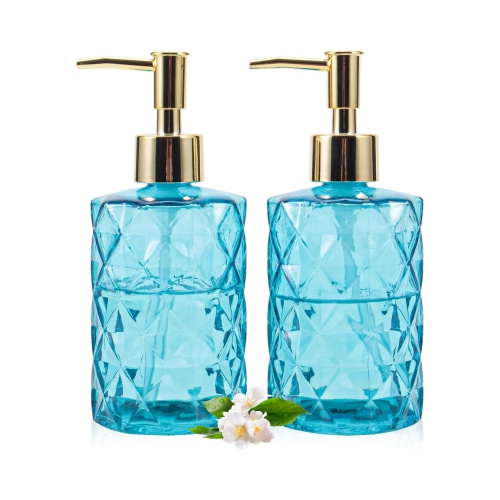
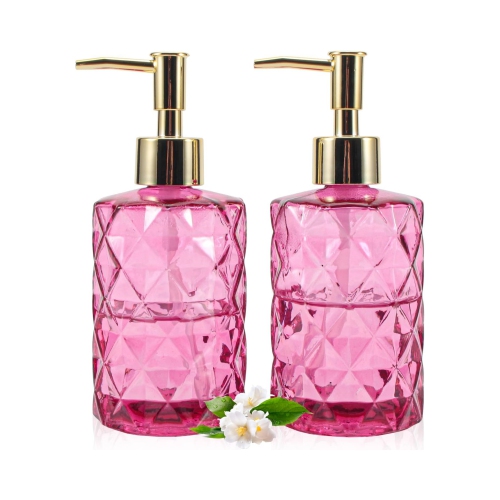
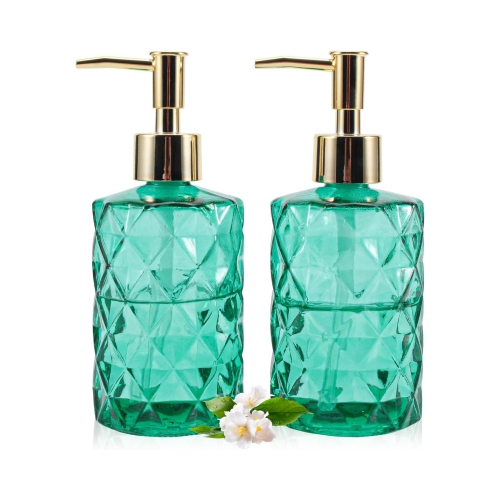
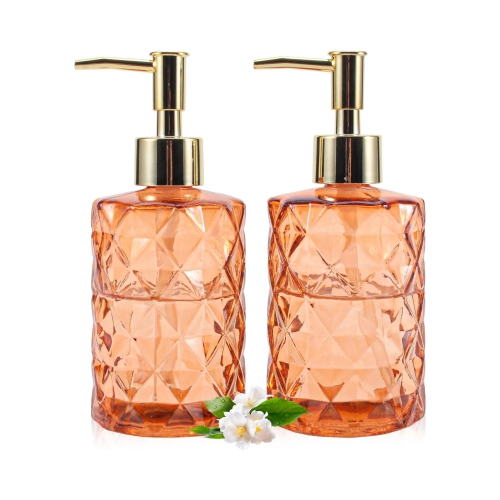



What to consider for smoother, tidier handwashing routines
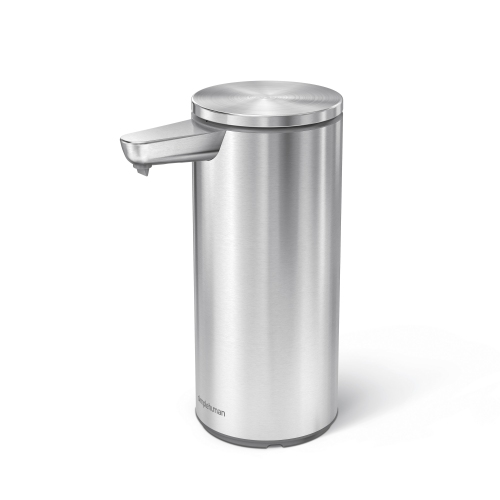
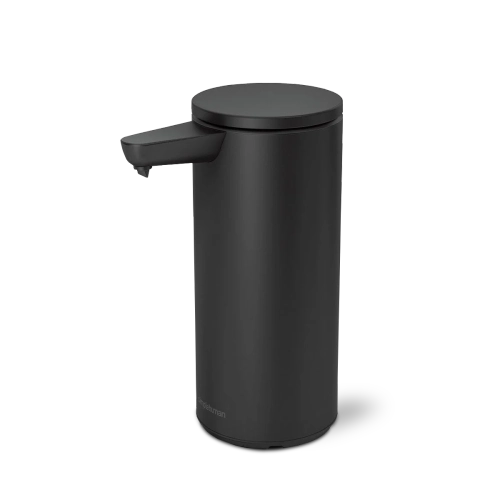
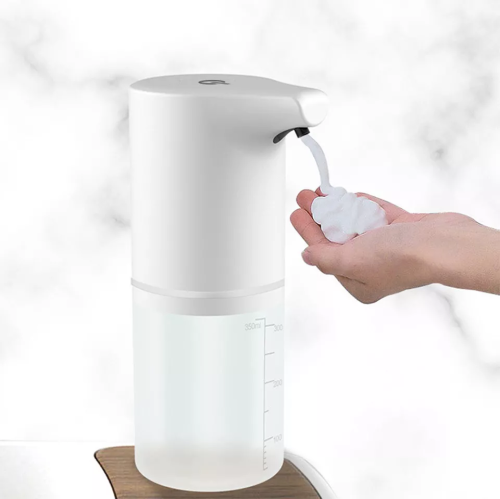
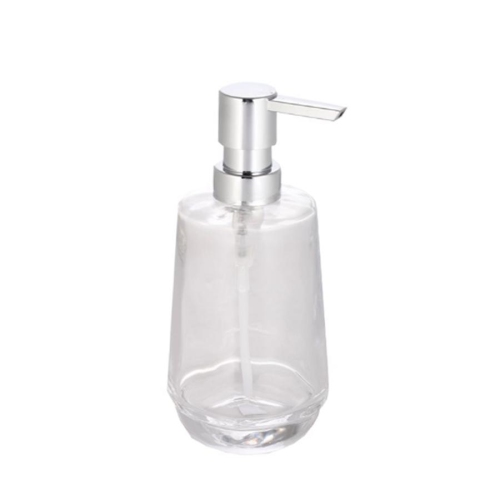
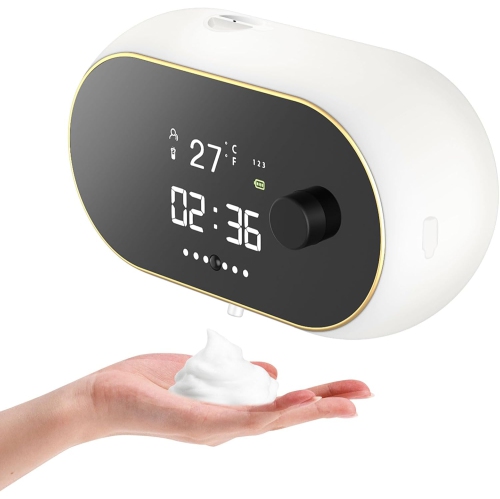
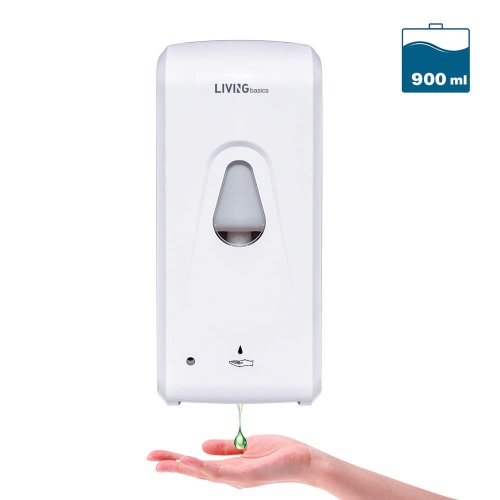
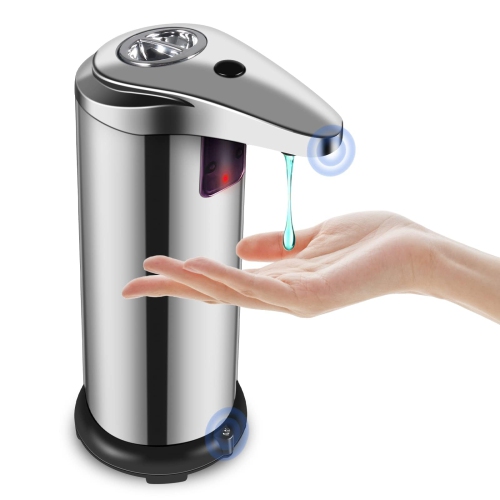
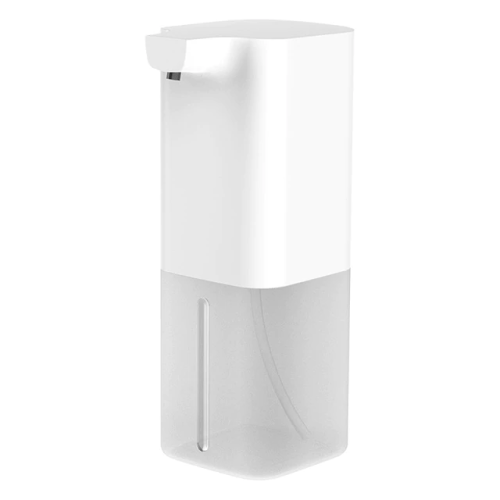
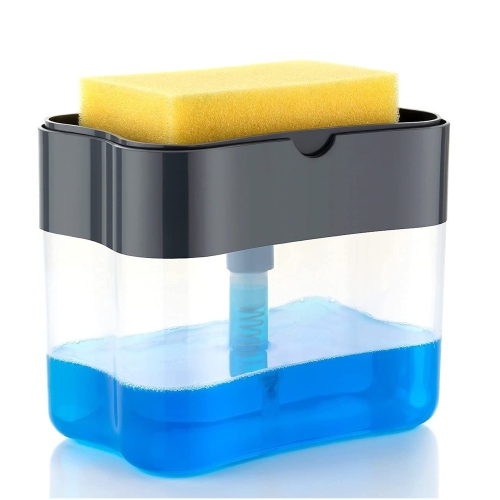
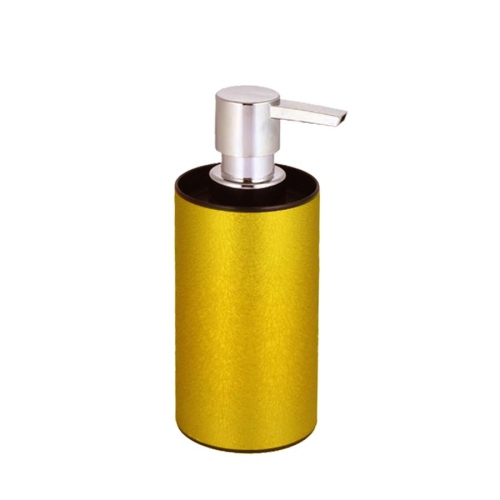
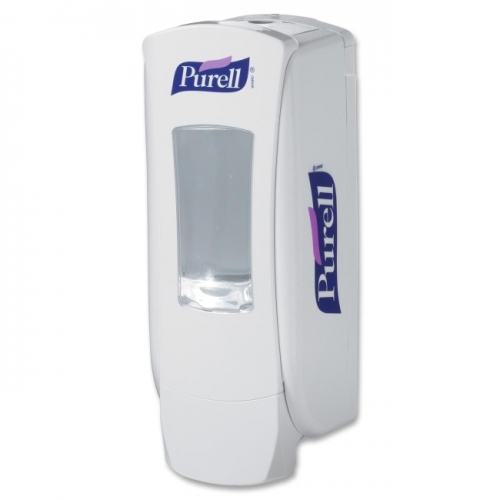
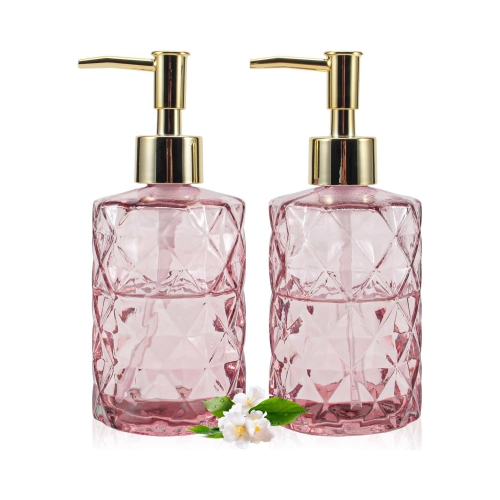
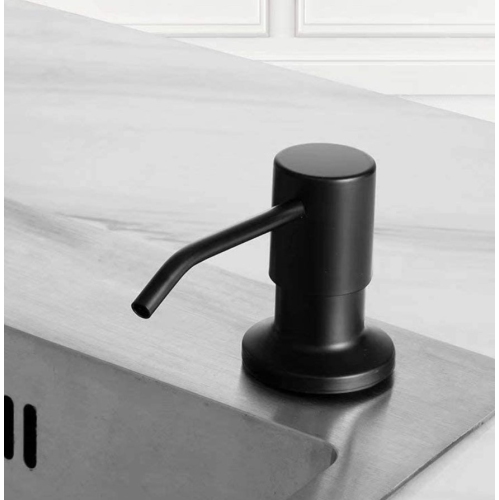
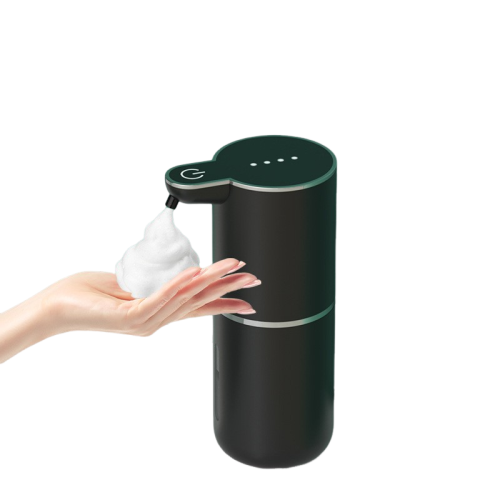
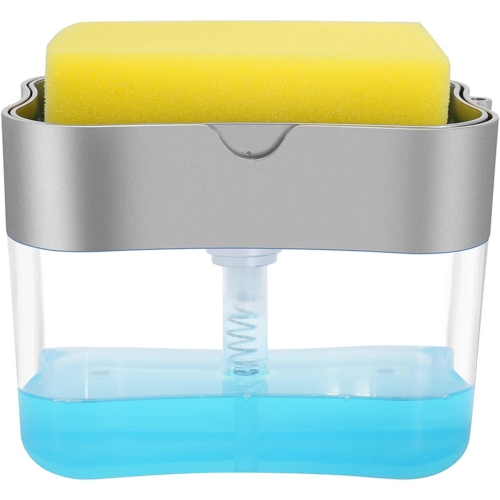
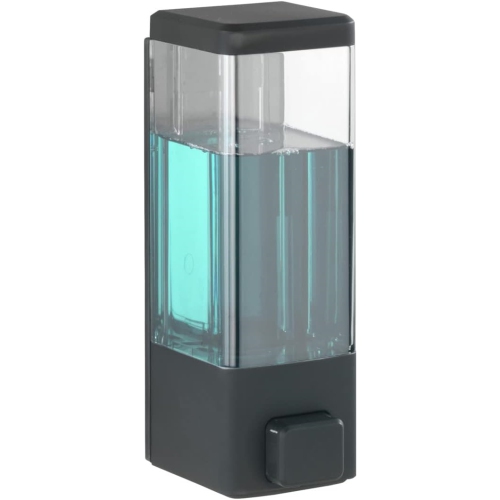
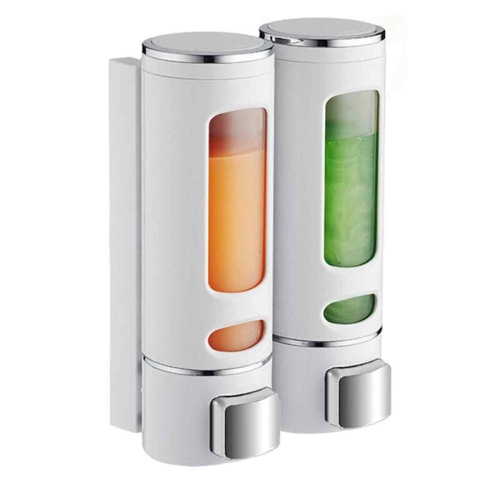
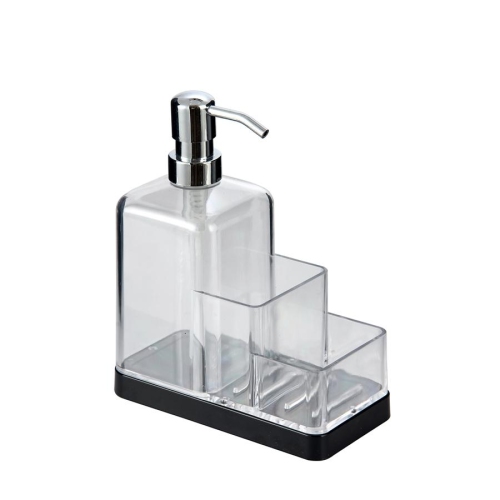
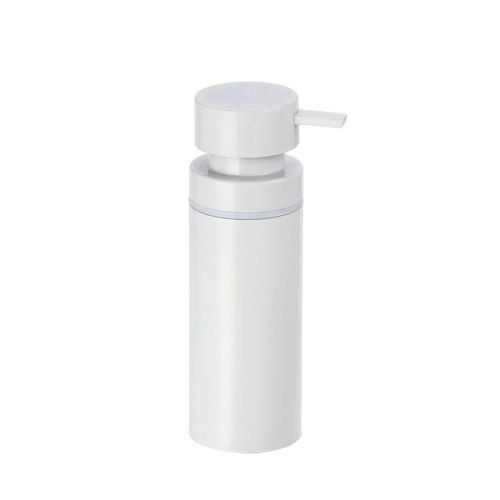
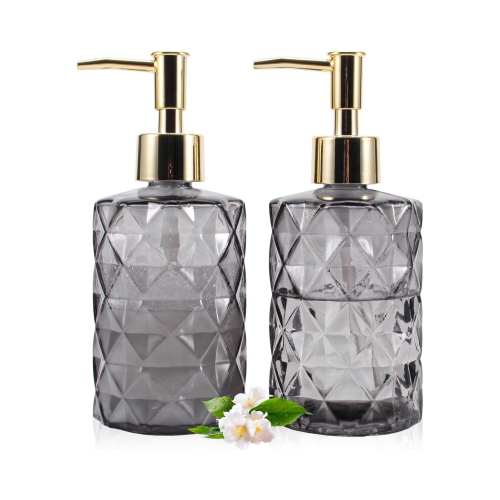
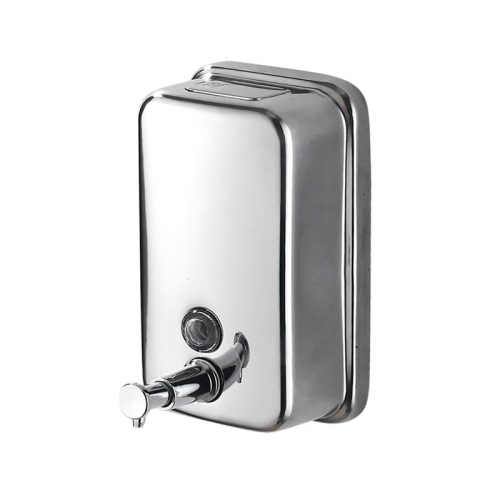
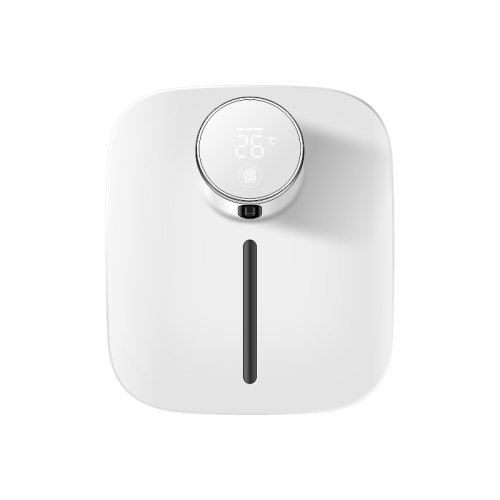
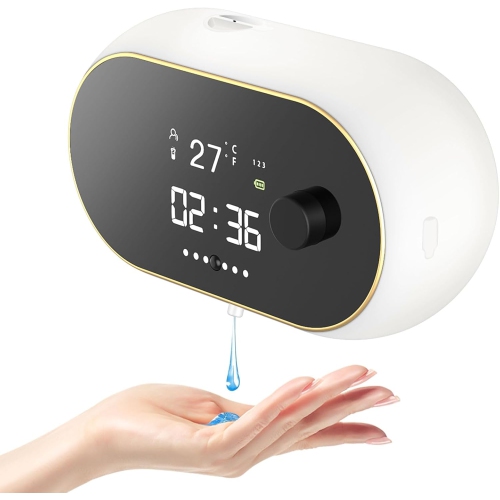
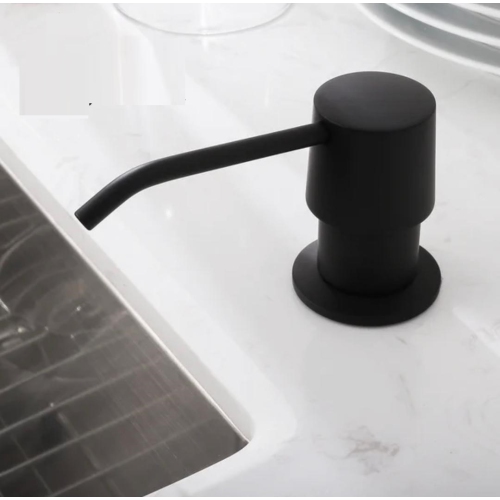
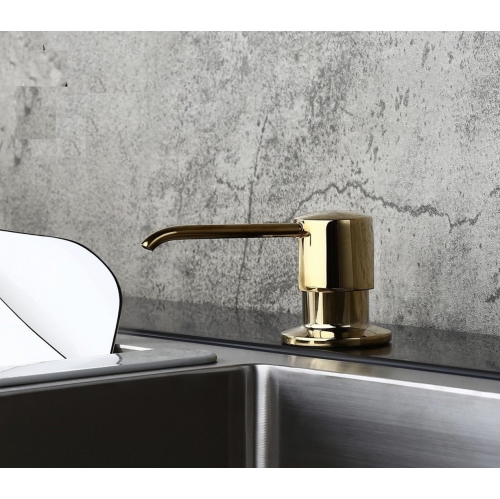
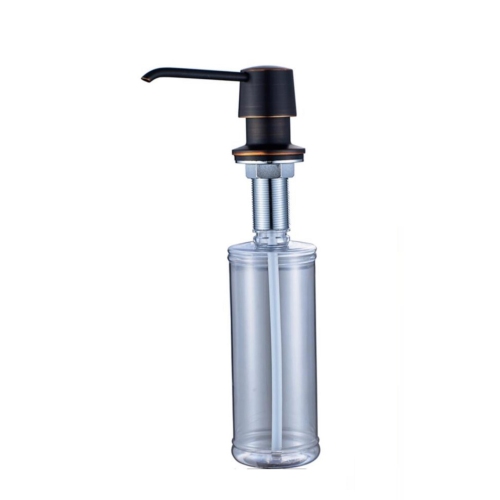
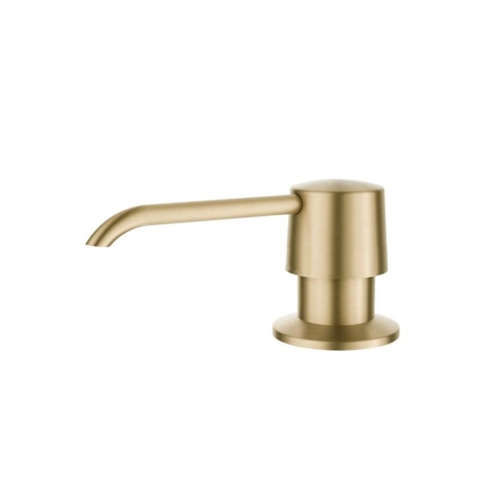
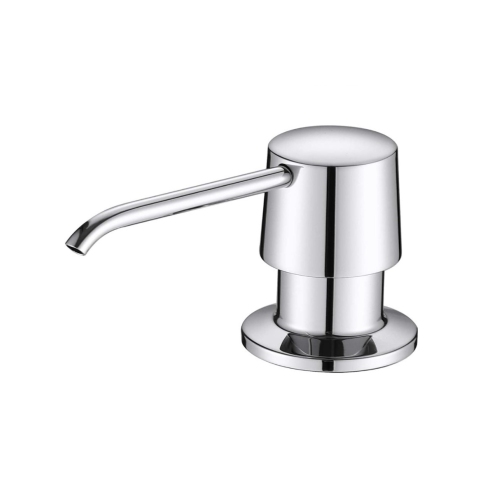
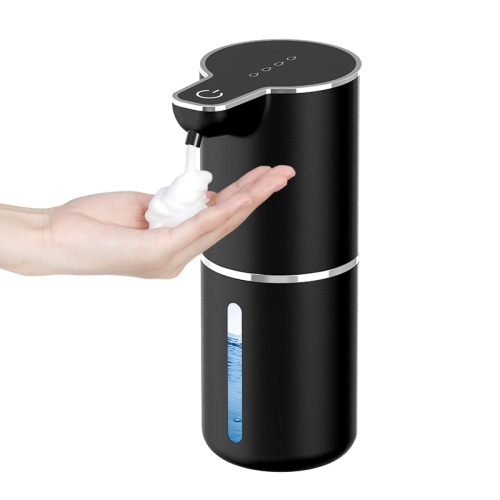
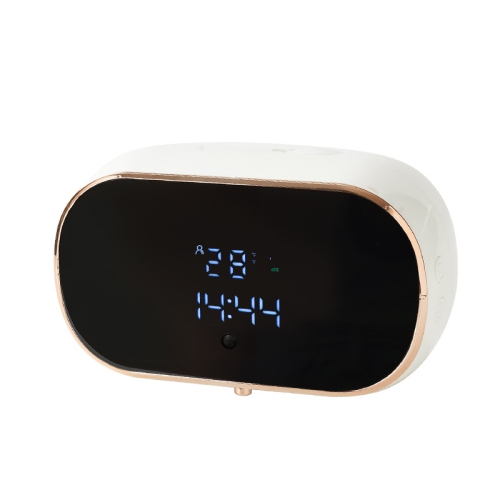
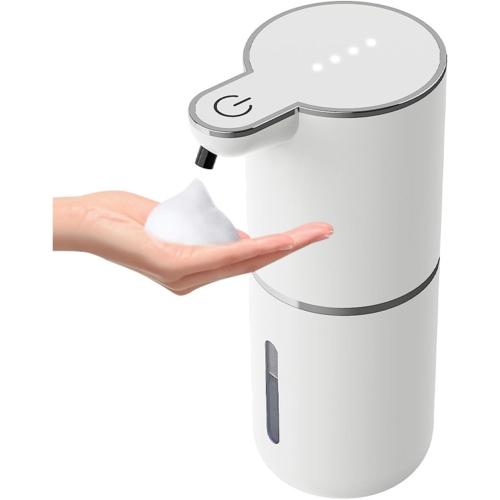
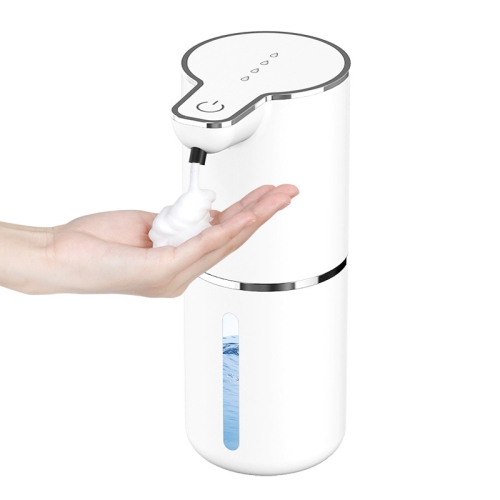
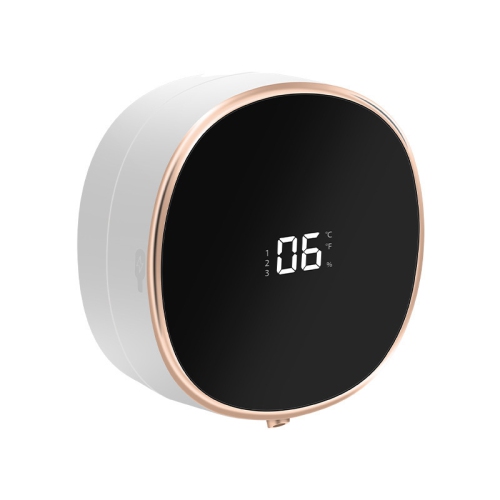
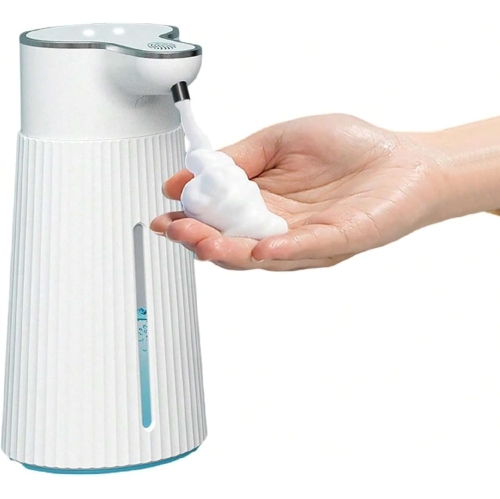
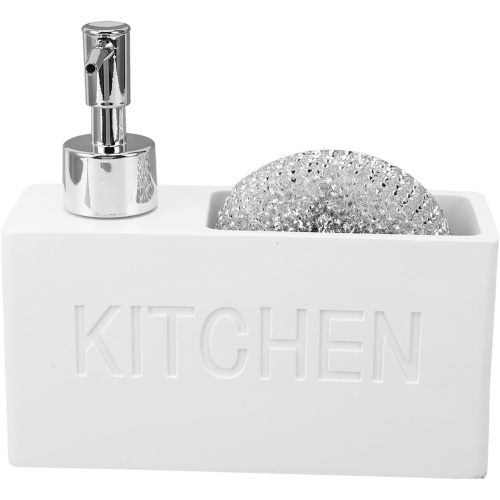
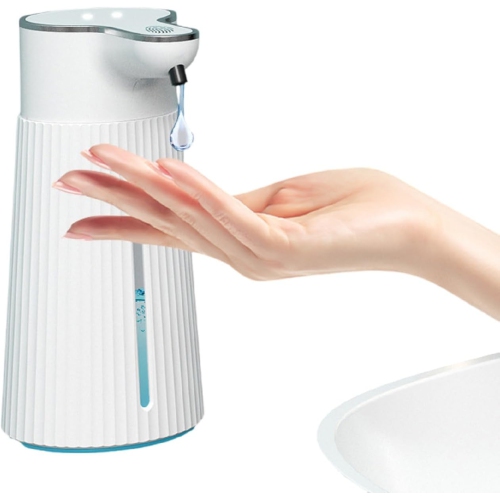
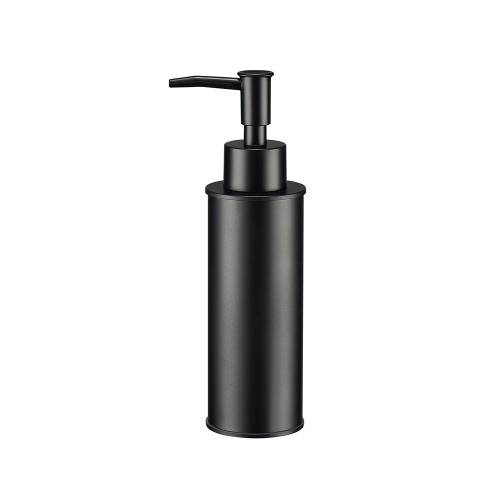
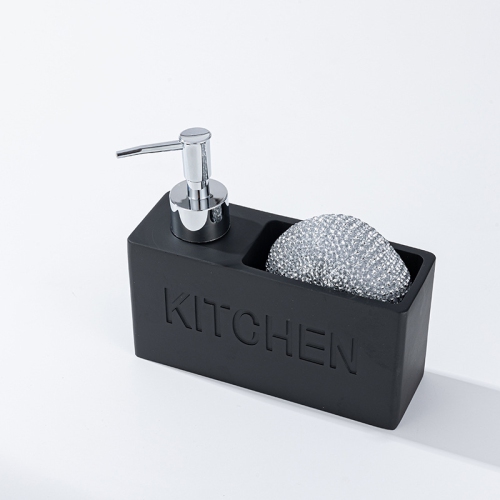
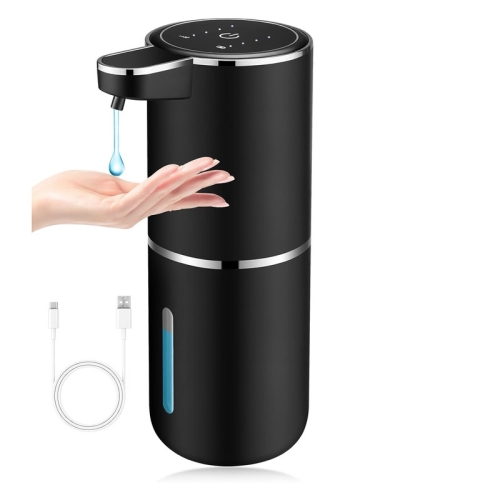
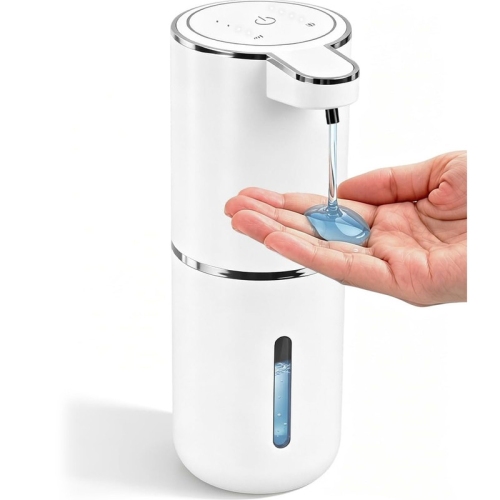
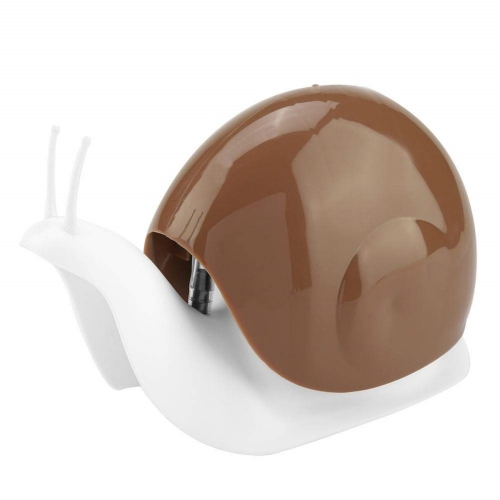
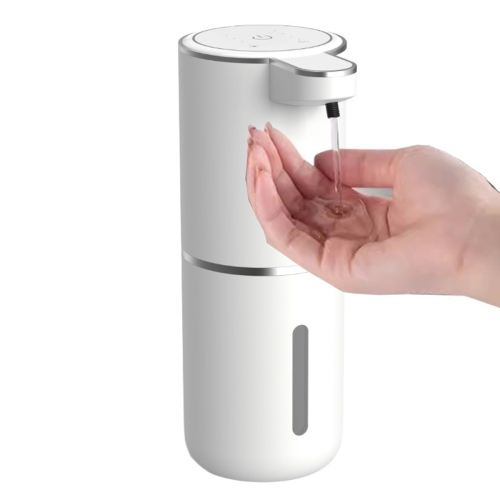
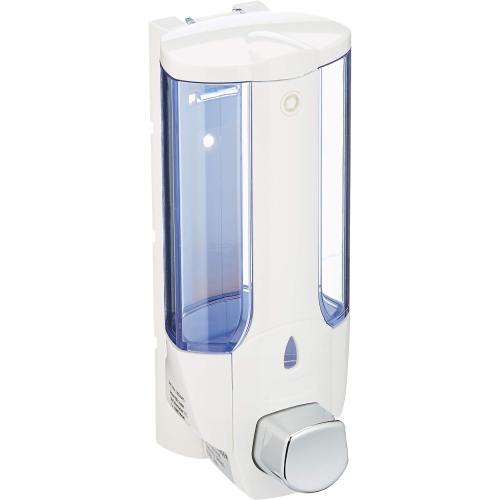
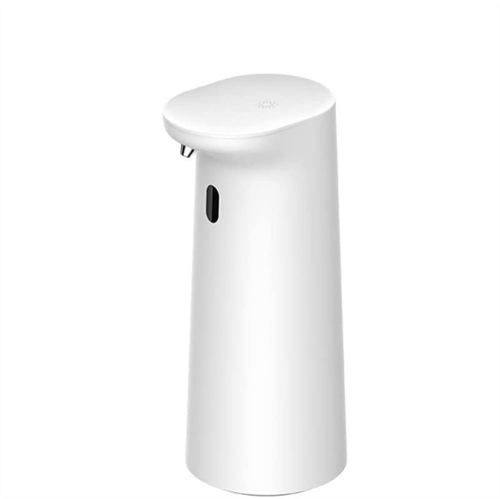
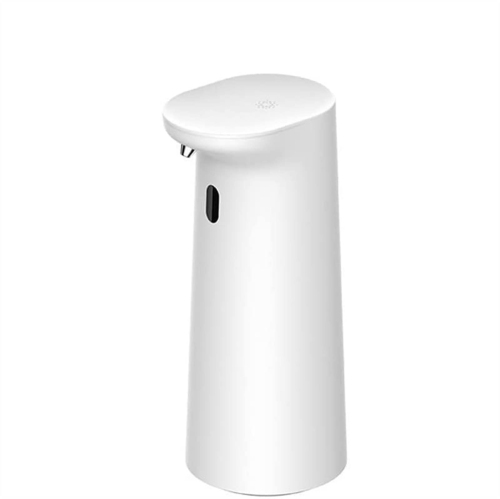
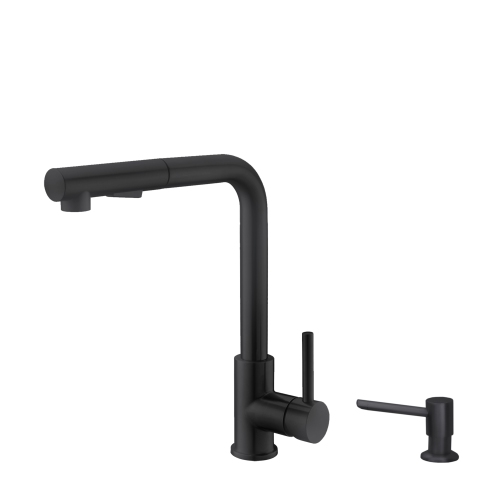
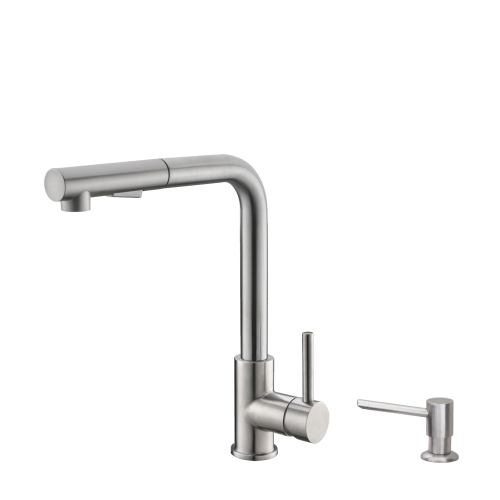
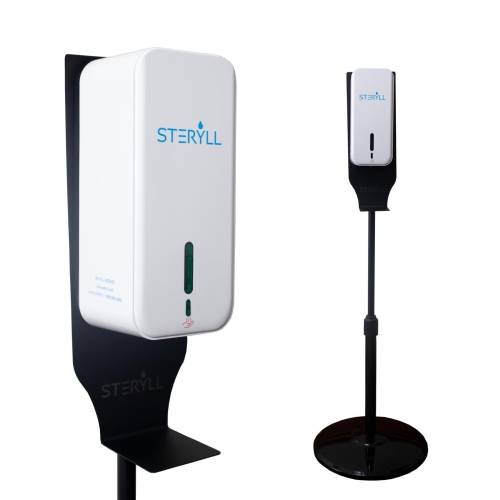
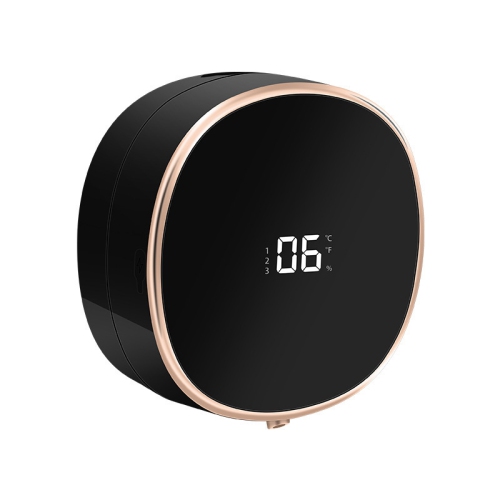
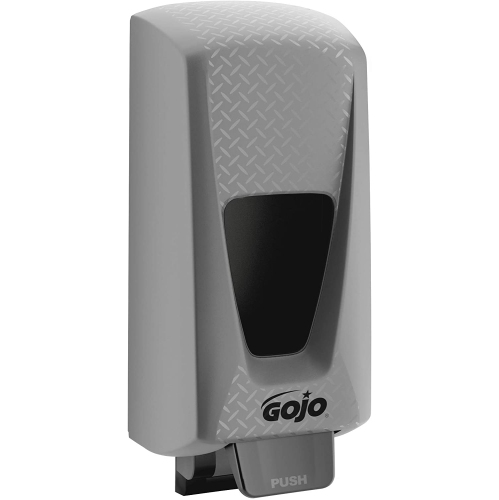
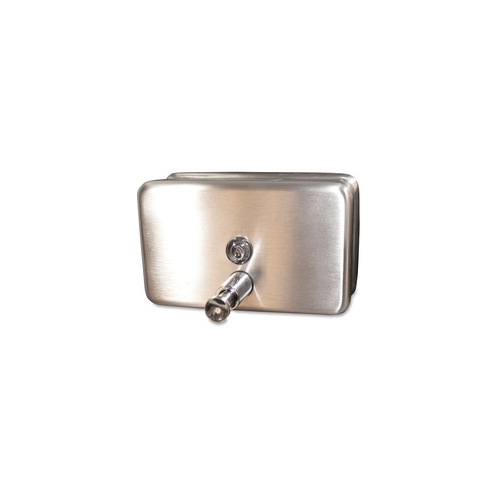
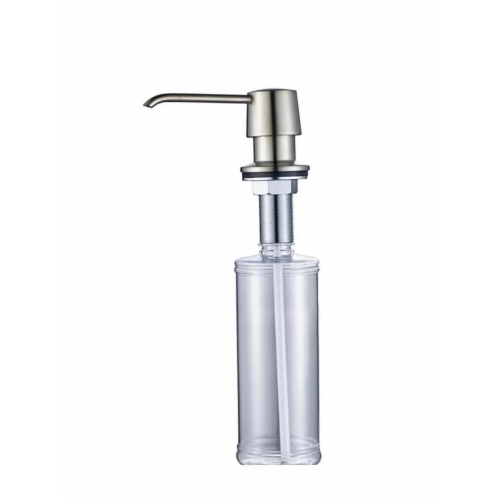
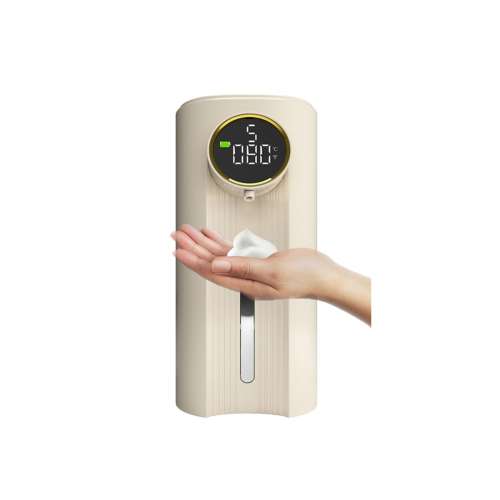
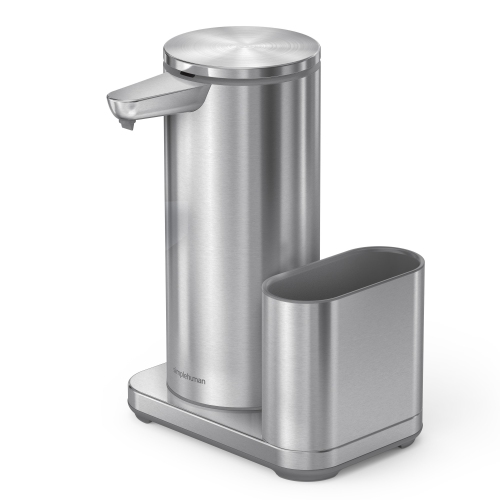
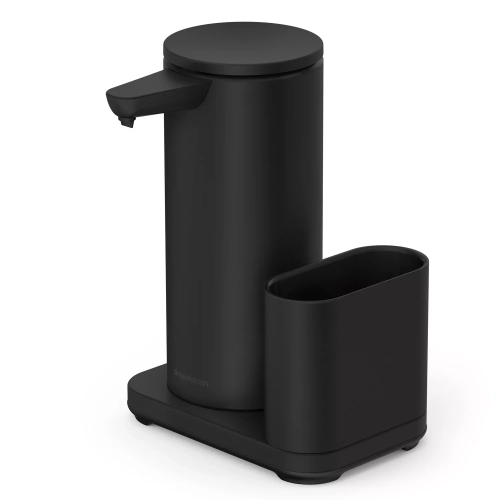
Liquid soap dispensers bring a simple, practical touch to everyday handwashing while helping keep sinks and countertops more orderly. They are available in several styles to suit different rooms, routines, and décor preferences, from traditional manual pumps to touch-free automatic models and wall-mounted designs. A manual countertop dispenser is a familiar choice for bathrooms, powder rooms, kitchens, laundry rooms, and home offices. Pressing the pump releases a measured amount of liquid soap, making it easy to see when the container needs refilling and straightforward to use without batteries or charging. Touch-free dispensers use a motion sensor to release soap when hands are placed beneath the nozzle, which can help reduce the need to touch a shared surface. This can be especially useful in busy households, guest bathrooms, and spaces where several people wash their hands throughout the day. Wall-mounted dispensers are well suited to compact vanities, shower areas, and utility spaces because they keep the bottle off the counter and make better use of vertical space. When comparing options, consider where the dispenser will sit, how much room is available around the sink, and whether the intended users would benefit from a manual pump or hands-free operation. A dispenser placed near a kitchen sink may need to be especially easy to wipe clean, while one in a guest bathroom may be chosen as much for its appearance as for its everyday function. For more options focused on food-preparation and cleanup areas, explore Kitchen Soap Dispensers.
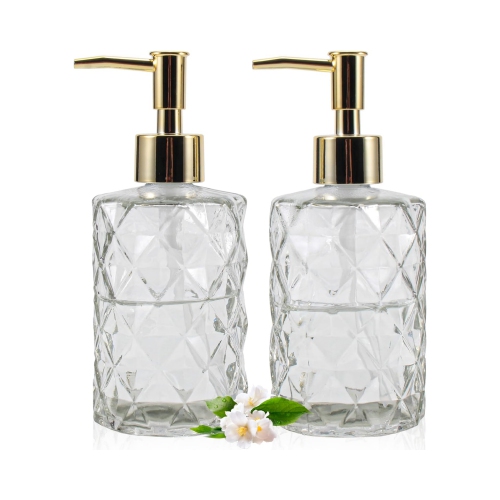
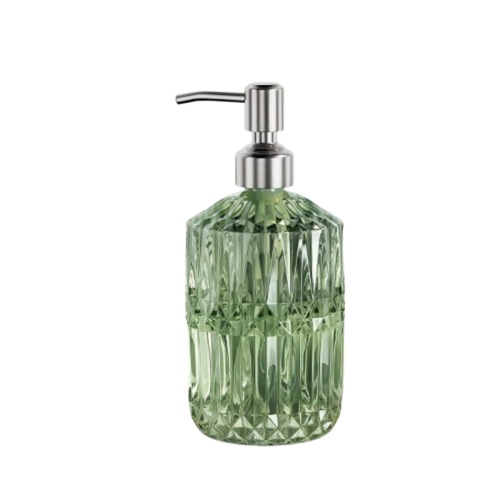
The material and construction can make a noticeable difference to how a liquid soap dispenser looks and performs over time. Glass and ceramic dispensers can add a polished, decorative feel to a vanity, with finishes and shapes that complement modern, traditional, or minimalist interiors. They are a good fit for spaces where the dispenser will stay in one place and be handled carefully, although they may be less suitable beside a busy family sink or anywhere it could be knocked onto a hard floor. Stainless steel and other durable finishes are often practical for kitchens and high-traffic washrooms because they are easy to wipe down and can blend with other fixtures. Plastic dispensers are typically lightweight and convenient for homes with children, shared bathrooms, workshops, cottages, or other areas where a lower-maintenance option is helpful. Capacity is another important consideration. A compact dispenser can preserve valuable counter space and suit a small powder room, while a larger reservoir can reduce how often soap needs to be added in a busy household. Check that the opening is wide enough for comfortable refilling and that the pump or sensor dispenses an amount that feels appropriate for the soap being used. Thicker soaps, foaming formulas, and lotions may not work equally well in every dispenser, so checking the manufacturer’s compatibility guidance can help prevent slow pumping or blockages. Automatic models may run on disposable batteries or use a rechargeable power source, so think about access to a charging cable, battery replacement, and the convenience of keeping the unit ready for use. A transparent or partly visible reservoir makes it easier to monitor the remaining soap, while an opaque finish can create a cleaner, more coordinated look.
Liquid soap dispensers can be useful for nearly anyone who wants a tidier, more comfortable handwashing setup. They make thoughtful housewarming, wedding, host, or holiday gifts when matched with the recipient’s style and space, particularly for someone setting up a first home, refreshing a bathroom, or organizing a newly renovated kitchen. A touch-free model may suit a large family, a person who prefers minimal contact with shared surfaces, or anyone who appreciates small conveniences that make daily routines smoother. A wall-mounted design can be helpful in an apartment, compact condominium, recreational vehicle, or accessible bathroom where every bit of counter space matters. For homes with children, a stable dispenser with an easy-to-press pump can encourage independent handwashing, while a sensor model can limit soap residue around the pump and make the sink area feel less cluttered. During the cooler months, when households may spend more time indoors and coats, bags, and groceries pass through entryways and kitchens, having soap within easy reach can support consistent handwashing after coming home. To keep a dispenser working well, wipe the exterior regularly and clean around the nozzle where dried soap can collect. A manual pump can generally be flushed with warm water about once a month to help clear soap residue; fill the container with warm water, operate the pump several times, empty it, and allow the parts to dry before refilling. Sensor units should be kept dry around the battery compartment or charging port, and the detection area should be wiped gently so soap film does not interfere with operation. Choosing a dispenser that fits the room, the soap formula, and the household’s habits helps create a reliable station that looks at home beside the sink and performs smoothly through everyday use.
The material and construction can make a noticeable difference to how a liquid soap dispenser looks and performs over time. Glass and ceramic dispensers can add a polished, decorative feel to a vanity, with finishes and shapes that complement modern, traditional, or minimalist interiors. They are a good fit for spaces where the dispenser will stay in one place and be handled carefully, although they may be less suitable beside a busy family sink or anywhere it could be knocked onto a hard floor. Stainless steel and other durable finishes are often practical for kitchens and high-traffic washrooms because they are easy to wipe down and can blend with other fixtures. Plastic dispensers are typically lightweight and convenient for homes with children, shared bathrooms, workshops, cottages, or other areas where a lower-maintenance option is helpful. Capacity is another important consideration. A compact dispenser can preserve valuable counter space and suit a small powder room, while a larger reservoir can reduce how often soap needs to be added in a busy household. Check that the opening is wide enough for comfortable refilling and that the pump or sensor dispenses an amount that feels appropriate for the soap being used. Thicker soaps, foaming formulas, and lotions may not work equally well in every dispenser, so checking the manufacturer’s compatibility guidance can help prevent slow pumping or blockages. Automatic models may run on disposable batteries or use a rechargeable power source, so think about access to a charging cable, battery replacement, and the convenience of keeping the unit ready for use. A transparent or partly visible reservoir makes it easier to monitor the remaining soap, while an opaque finish can create a cleaner, more coordinated look.
Liquid soap dispensers can be useful for nearly anyone who wants a tidier, more comfortable handwashing setup. They make thoughtful housewarming, wedding, host, or holiday gifts when matched with the recipient’s style and space, particularly for someone setting up a first home, refreshing a bathroom, or organizing a newly renovated kitchen. A touch-free model may suit a large family, a person who prefers minimal contact with shared surfaces, or anyone who appreciates small conveniences that make daily routines smoother. A wall-mounted design can be helpful in an apartment, compact condominium, recreational vehicle, or accessible bathroom where every bit of counter space matters. For homes with children, a stable dispenser with an easy-to-press pump can encourage independent handwashing, while a sensor model can limit soap residue around the pump and make the sink area feel less cluttered. During the cooler months, when households may spend more time indoors and coats, bags, and groceries pass through entryways and kitchens, having soap within easy reach can support consistent handwashing after coming home. To keep a dispenser working well, wipe the exterior regularly and clean around the nozzle where dried soap can collect. A manual pump can generally be flushed with warm water about once a month to help clear soap residue; fill the container with warm water, operate the pump several times, empty it, and allow the parts to dry before refilling. Sensor units should be kept dry around the battery compartment or charging port, and the detection area should be wiped gently so soap film does not interfere with operation. Choosing a dispenser that fits the room, the soap formula, and the household’s habits helps create a reliable station that looks at home beside the sink and performs smoothly through everyday use.
Top selling and popular products
-
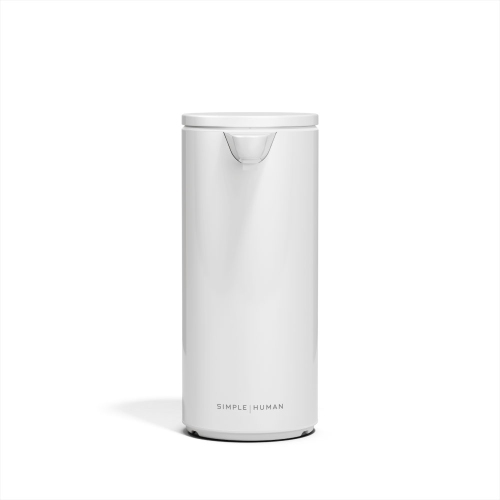 Your price for this item is $100
 -
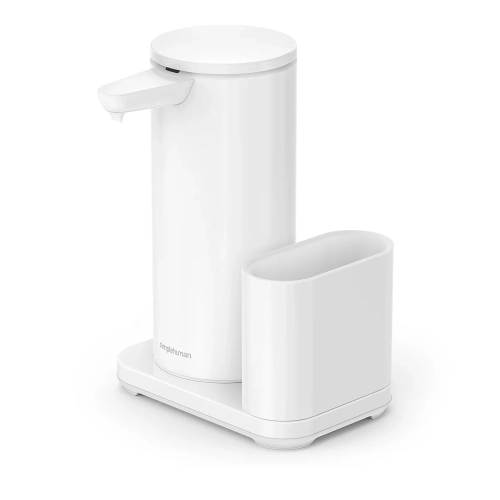 Your price for this item is $180
 -
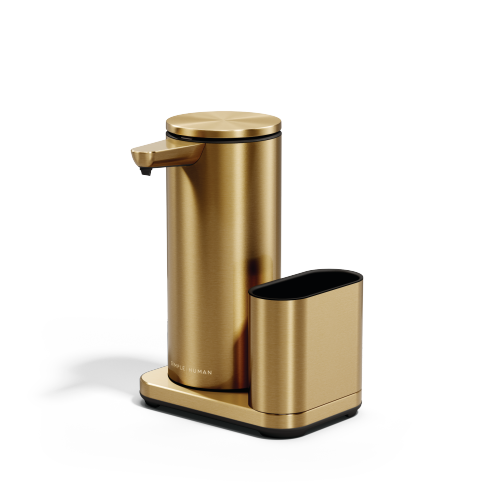 Your price for this item is $180
 -
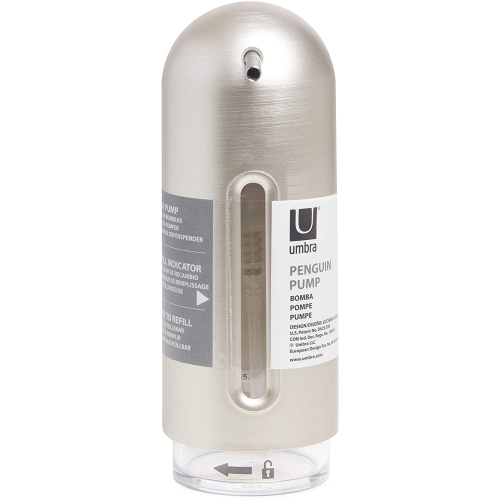 Your price for this item is $12.31
 -
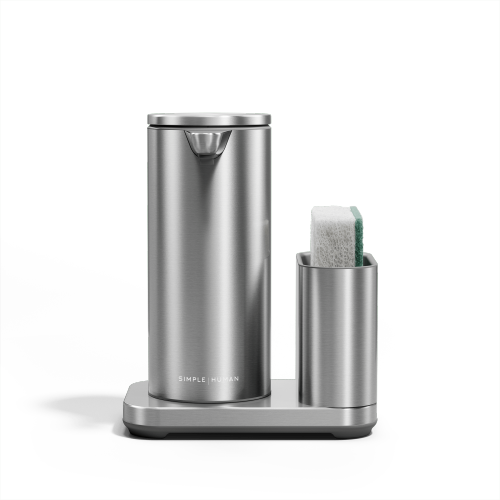 Your price for this item is $130
 -
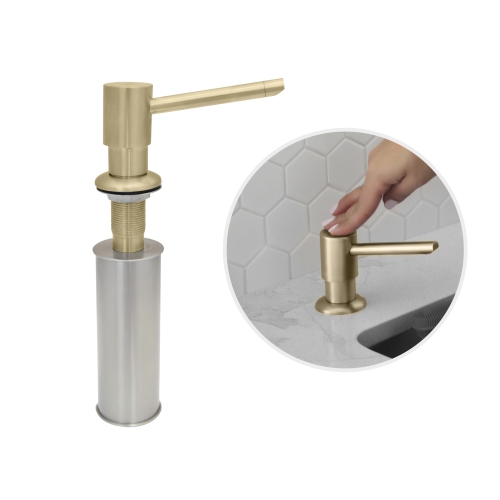 Your price for this item is $107
 -
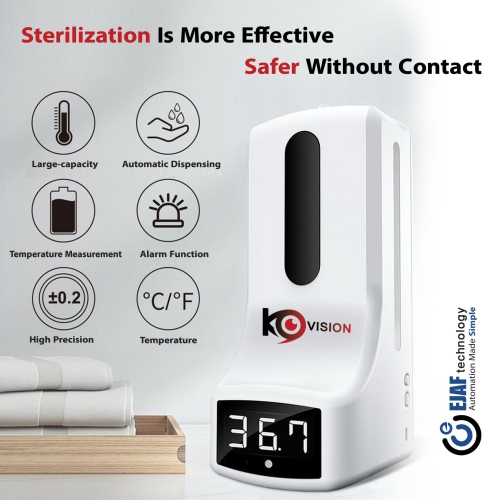 Your price for this item is $59.95
 -
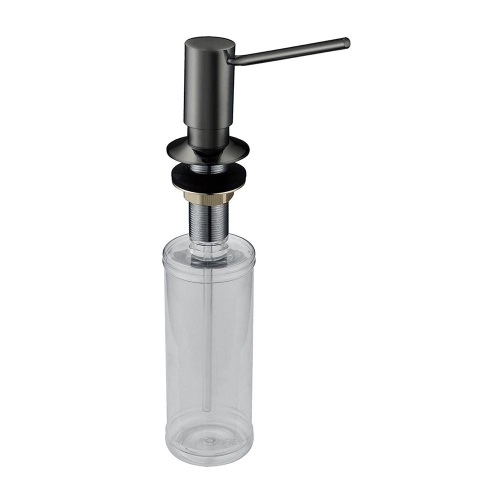 Your price for this item is $63.75
Discover more categories related to Liquid Soap Dispensers
Top Collections:
Pokemon Centers, Budget 4K TVs, Best Budget Office Chairs, Kindle Devices, Canon G7X Cameras, Apple iPhones 16, iPhone 15 Apple, Laptops for Business Work, Xiaomi Phones, Flip Phones
Some products may be subject to Environmental Handling Fees
(EHF) depending on your province.
Learn more about EHFs.