Baby Walkers
If you're looking to help your little one take their first steps, this collection of baby walkers offers a safe and fun way for your baby to explore their surroundings while building strength and coordination. With a variety of styles and features to choose from, you can find the perfect baby walker to support your child's development milestones. Discover durable designs, adjustable heights, and interactive toys that will keep your baby entertained as they cruise around the house.
Sort

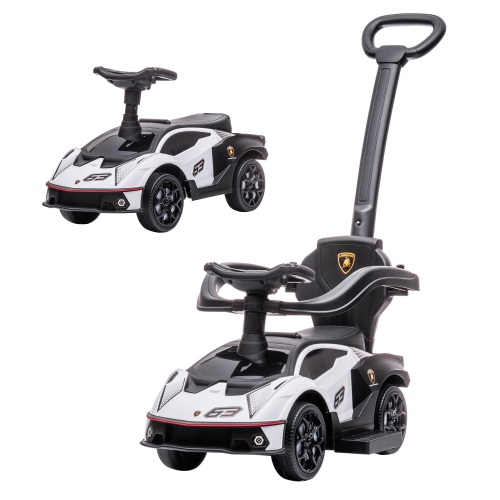
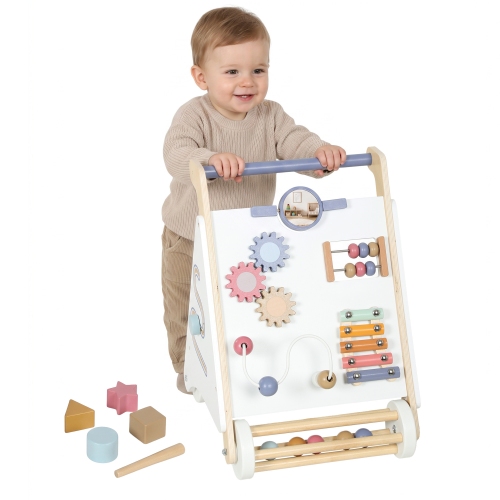
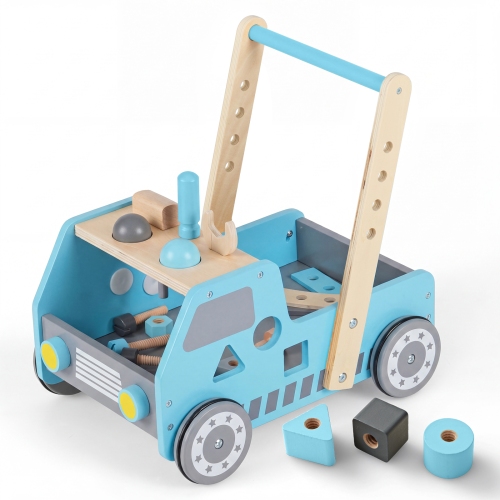
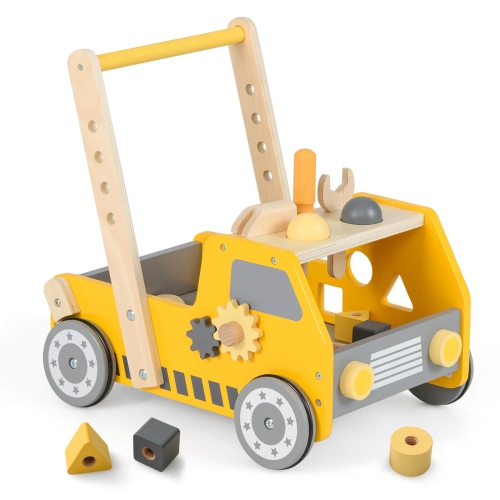
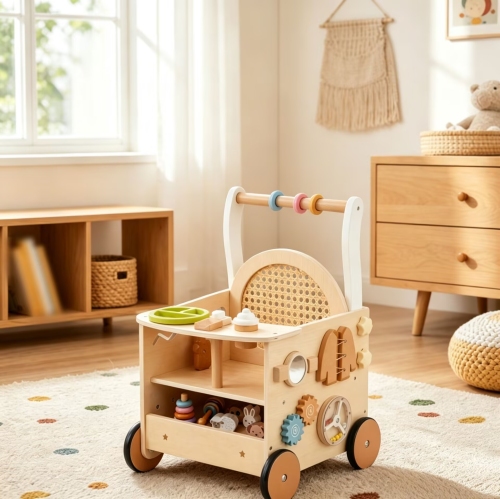
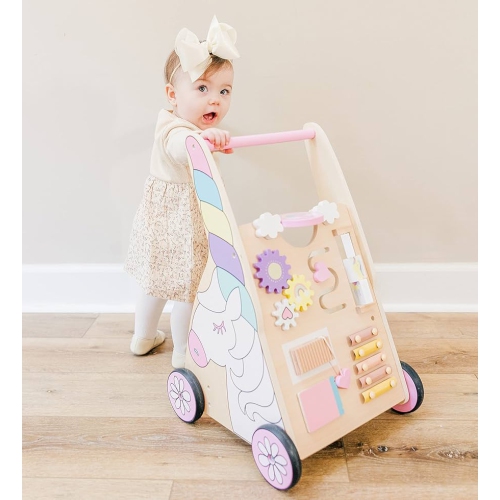
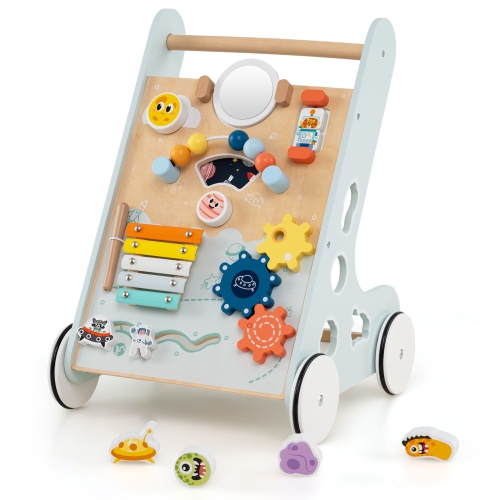
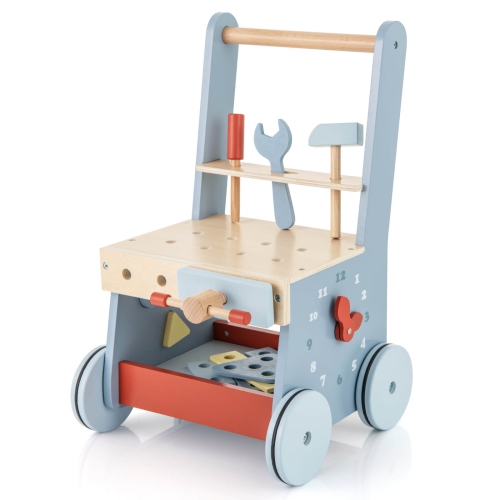
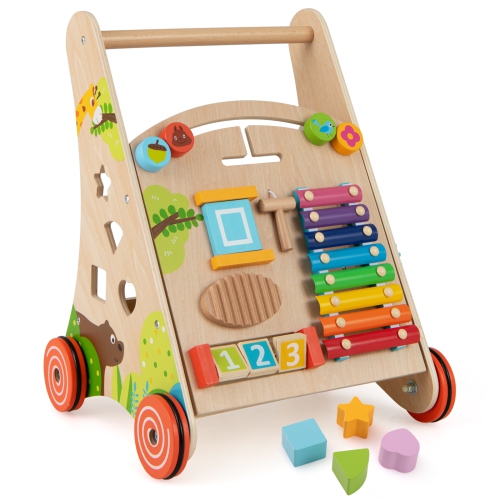
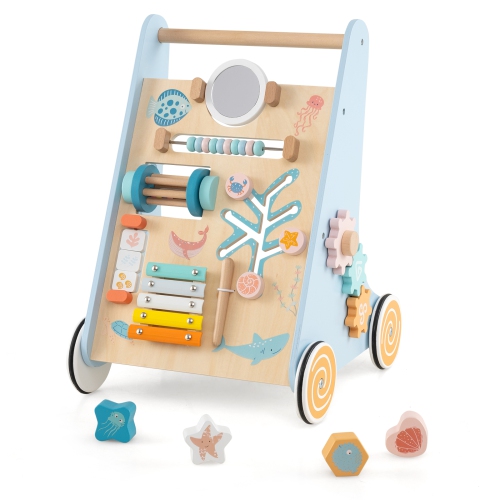
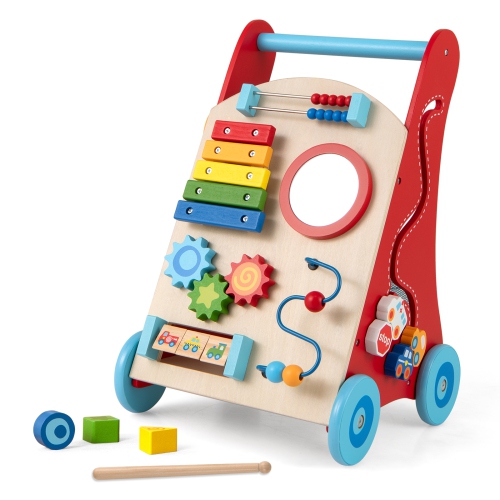
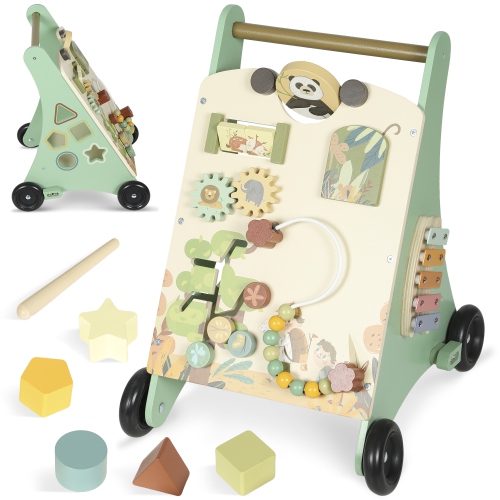
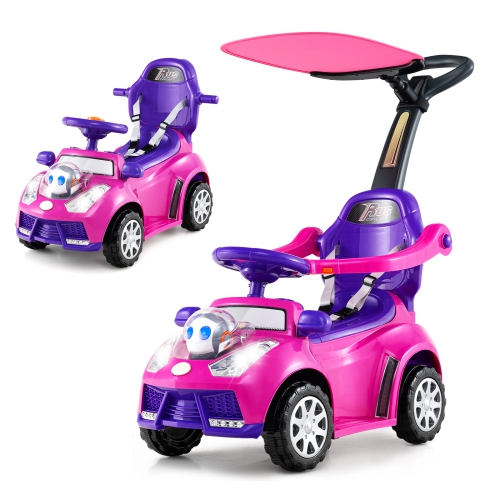
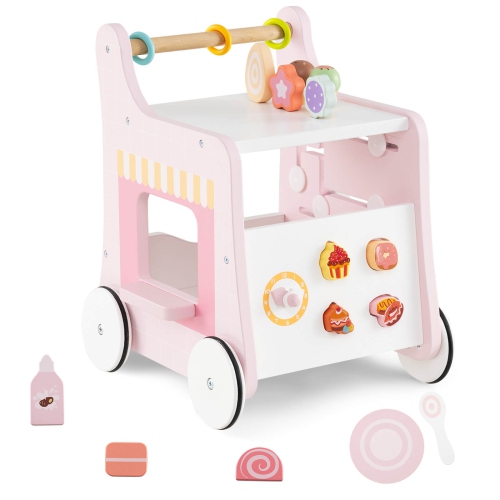
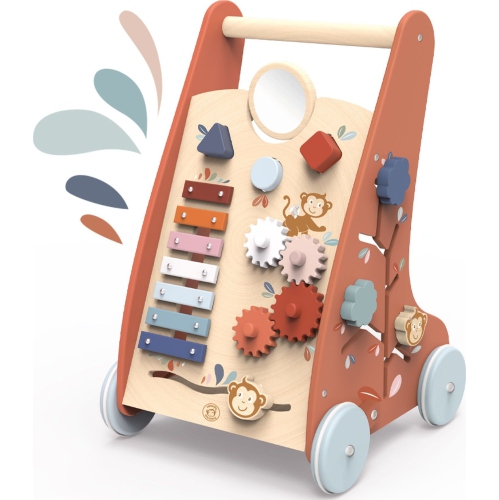
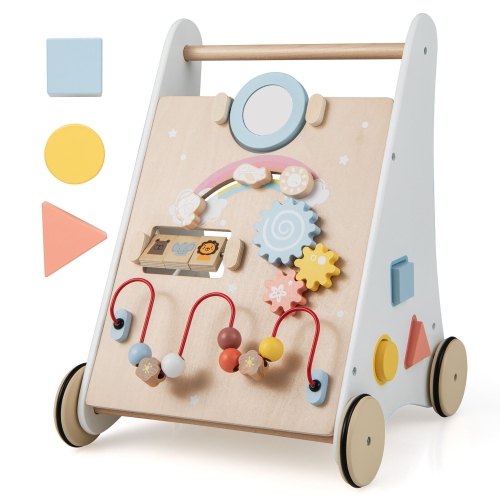




Why push toys differ from Canada’s banned seated walkers
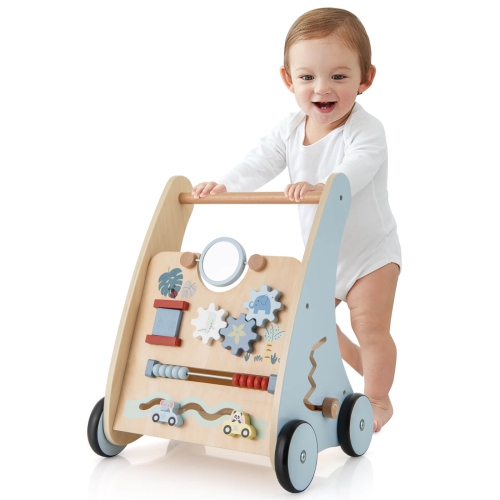
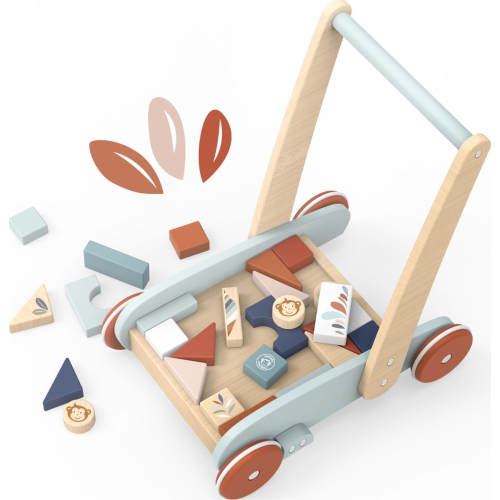
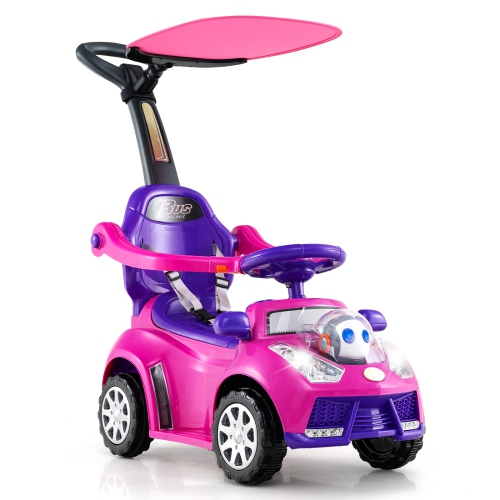
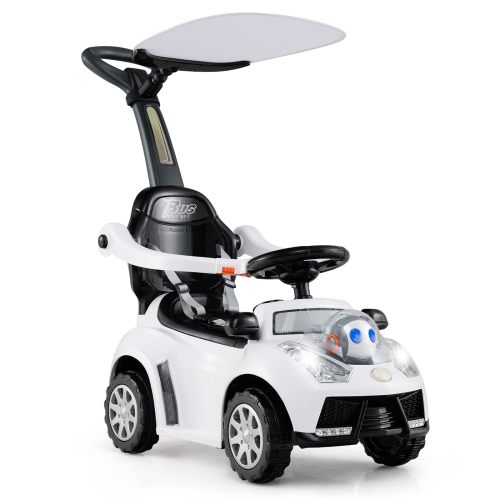
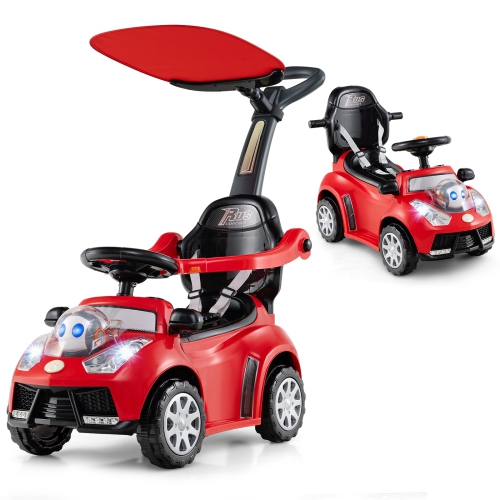
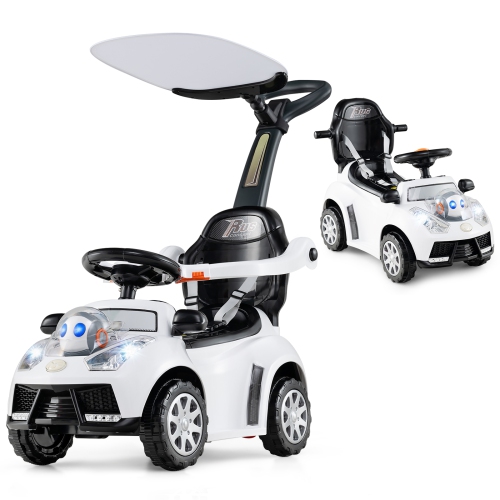
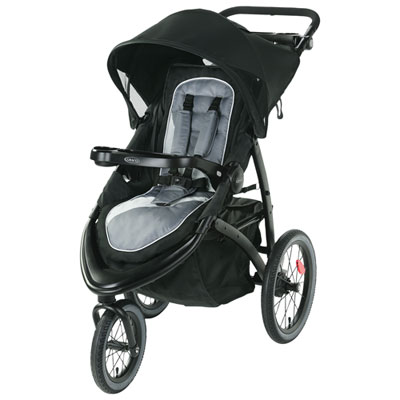
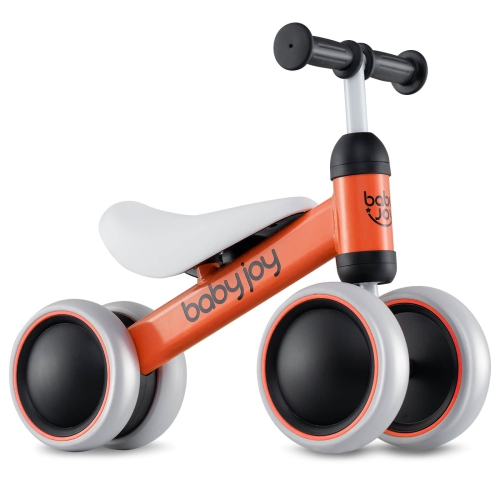
Baby walkers can refer to very different products, and that distinction matters in Canada. Traditional seated baby walkers—a wheeled frame with a suspended seat that lets a baby move around before walking independently—are banned in Canada. Since 2004, it has been illegal to sell, advertise, or import these walkers, including second-hand models. They can allow a baby to move quickly towards stairs, hot surfaces, dangling cords, or other hazards that would otherwise be out of reach. They do not teach babies to walk sooner and are not a substitute for the floor play involved in learning to roll, crawl, pull up, and balance. Push-along walking toys are a different category: rather than sitting inside a rolling frame, a child stands behind the toy and holds a handle while pushing it. These toys are intended for children whose abilities match the manufacturer’s stated requirements, not for babies who need a seat to hold them upright. Age labels offer a starting point, but a child’s ability to stand, hold on, and control movement matters more than reaching a particular birthday. A baby who is just beginning to sit has different play needs from a toddler taking steady steps across a room. Stationary activity centres are another distinct category, offering attached play features without travelling across the floor, although their suitability still depends on developmental readiness, size limits, and the instructions supplied. For a baby walkers collection in Canada, the relevant distinction is between permitted push-along toys or stationary play options and prohibited seated walkers with wheels. No walking toy is essential to reaching the milestone of independent walking. Supervised floor play gives babies opportunities to practise movement at their own pace, while an appropriately chosen push toy can offer an additional form of play once a child is ready for it. Any uncertainty about readiness or walking development is best discussed with a child’s healthcare provider.
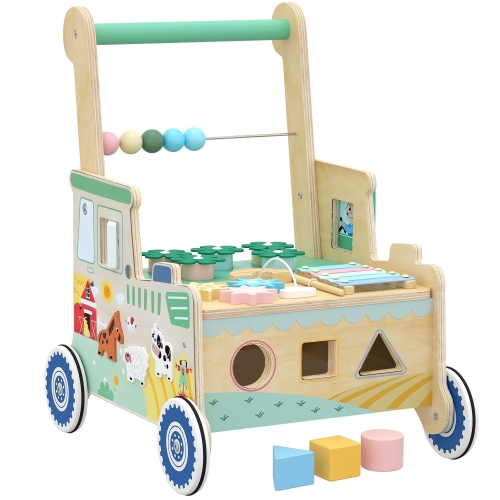
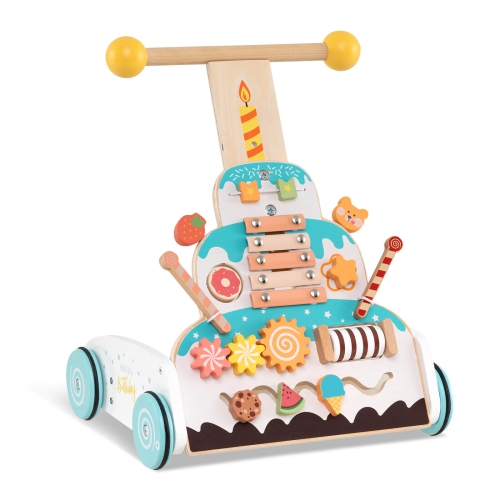
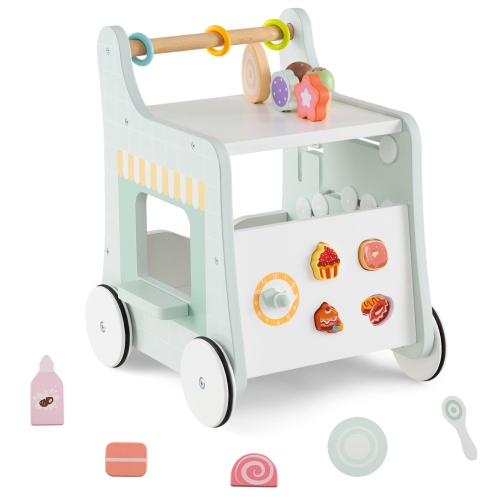
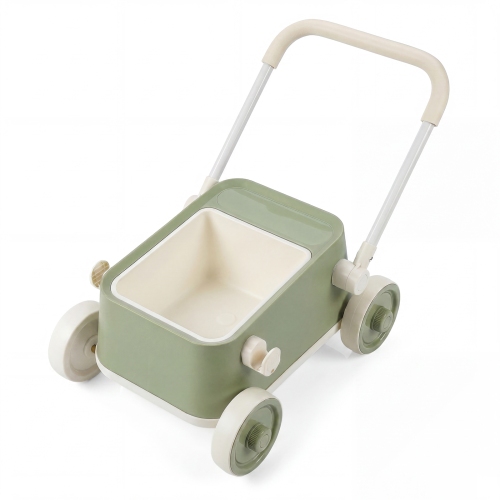
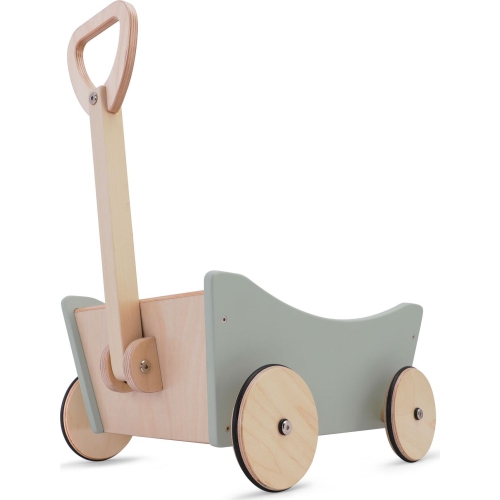
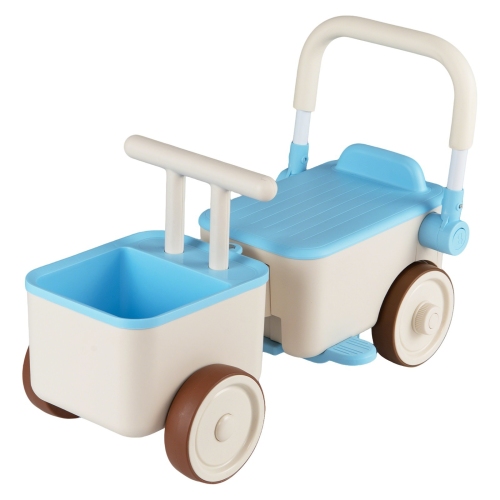
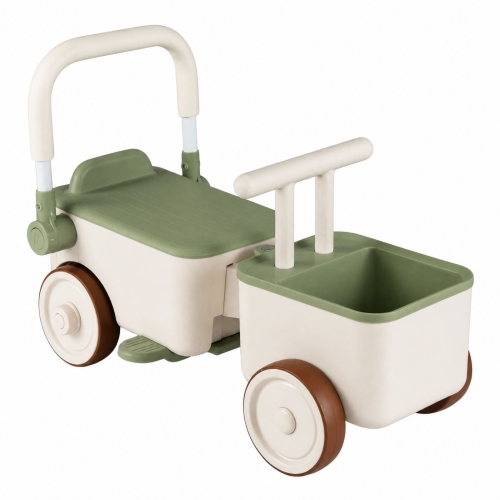
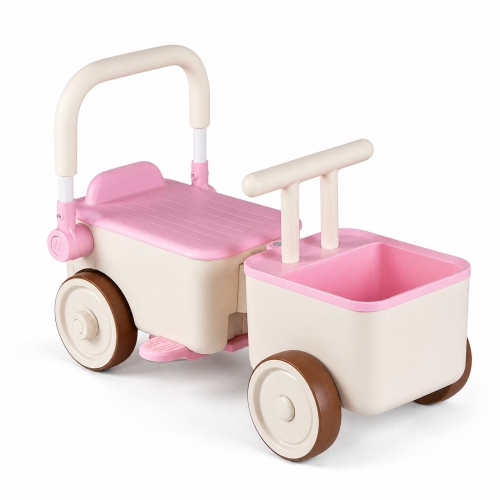
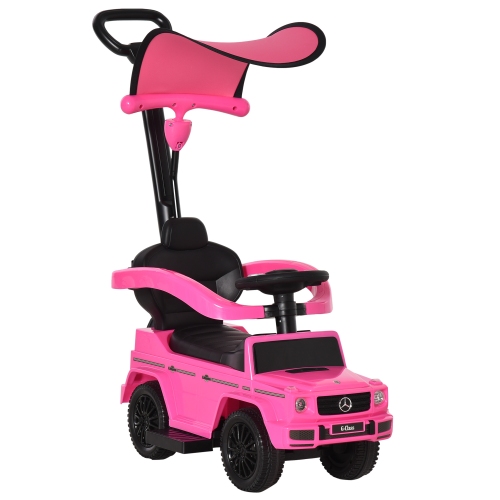
Among push-along walking toys, the details of the frame, wheels, handle, and activity panel shape how the toy fits into everyday play. A broad base and balanced construction are useful features to assess, but appearance alone cannot establish stability: the toy needs to remain steady during the movements described in its instructions. A handle should be comfortably within reach for the intended user, without requiring a child to stretch upwards or lean heavily forwards. Where adjustable handle heights are provided, secure locking points matter as much as the range of adjustment. Wheel design also affects the experience. A toy may roll differently on a flat rug than on a smooth floor, and a raised threshold or loose mat can interrupt movement. Some designs include adjustable rolling resistance, which may help moderate how readily the wheels turn; it does not make a toy suitable for a child who lacks the required standing control. Intended use should match both the child and the play space, with a clear, level area away from stairs, kitchens, fireplaces, and water. Close adult supervision remains necessary, even when a toy includes speed settings or other control features. Materials deserve similar attention. Wood can provide a firm structure and a smooth grip when properly finished, while moulded plastic allows rounded shapes, textured surfaces, and wipeable play panels. Neither material is automatically the better choice; secure assembly, smooth edges, intact surfaces, and age-appropriate components are more meaningful considerations. Wheels and axles should remain firmly attached, and any battery compartment should close securely with the fastener specified by the manufacturer. Activity panels may include turning gears, sliding shapes, large buttons, or sound features that offer something to explore while the toy is stationary, if that use is permitted. Clear controls and accessible volume settings can make these features easier to manage in shared rooms. A quieter mechanical panel may suit a small living area, while a removable panel can offer a separate play option only when the manufacturer specifically allows it. These practical differences are more useful than claims that a toy will accelerate walking.
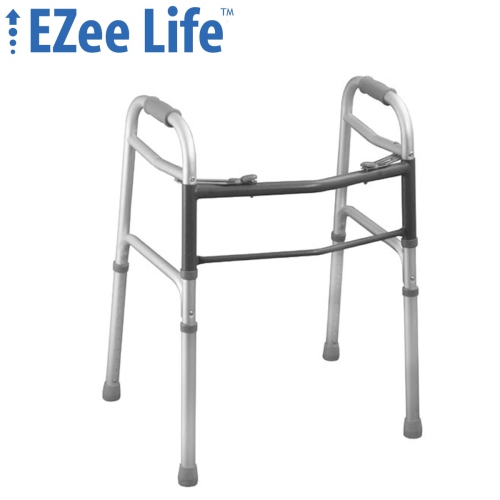
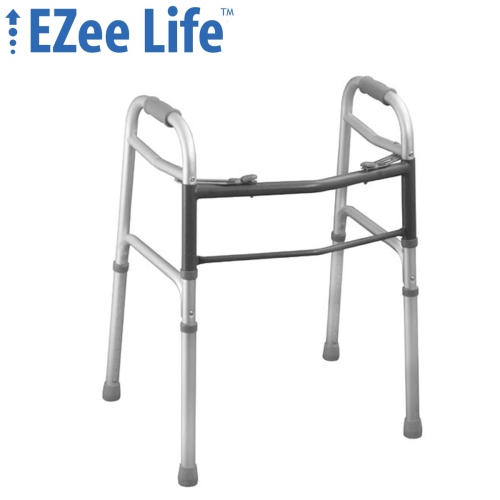
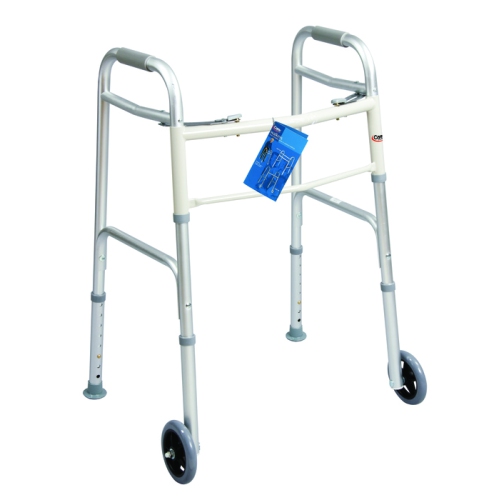
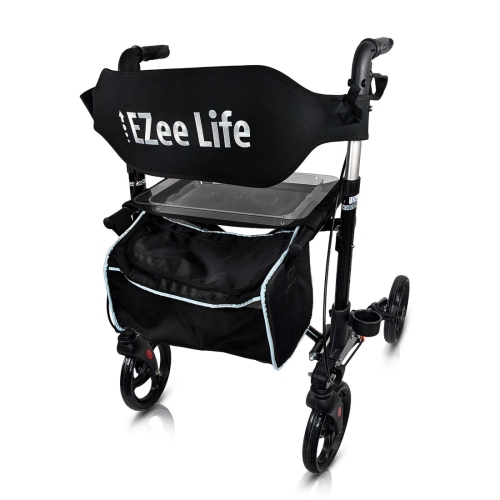
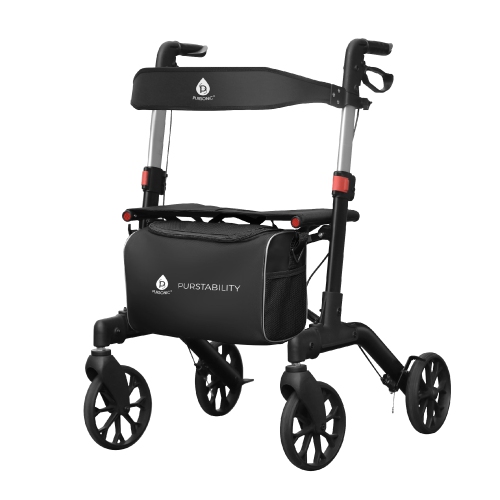
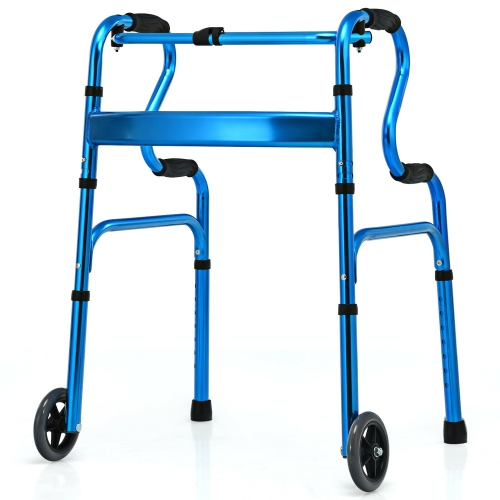
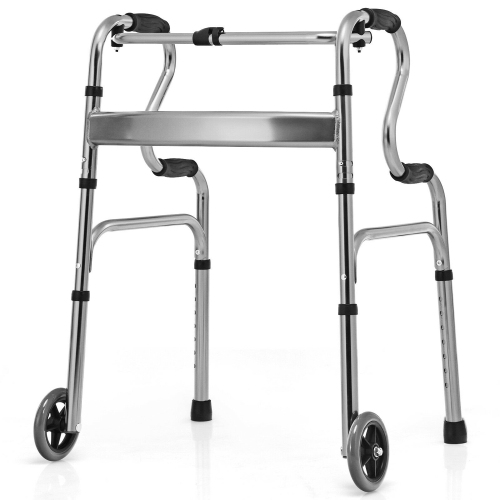
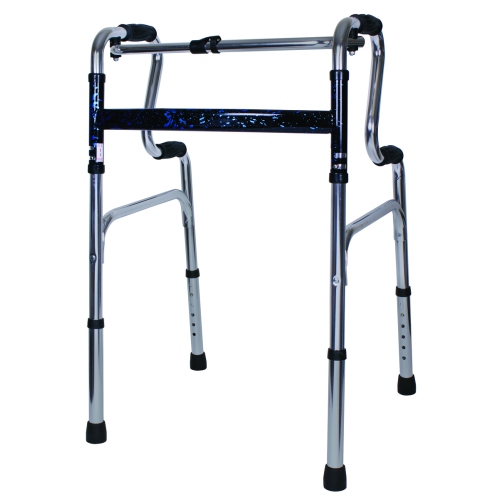
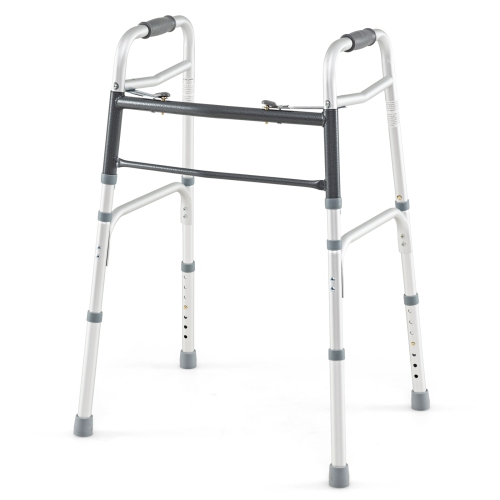
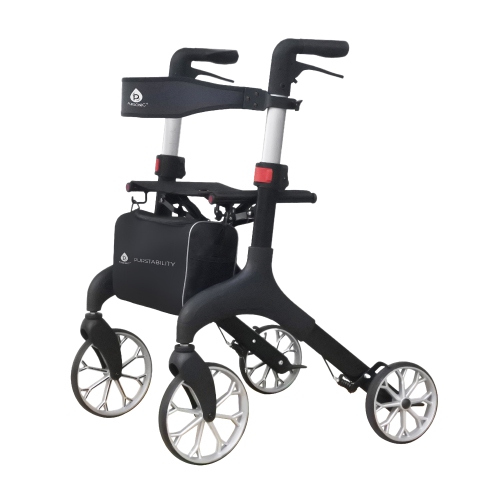
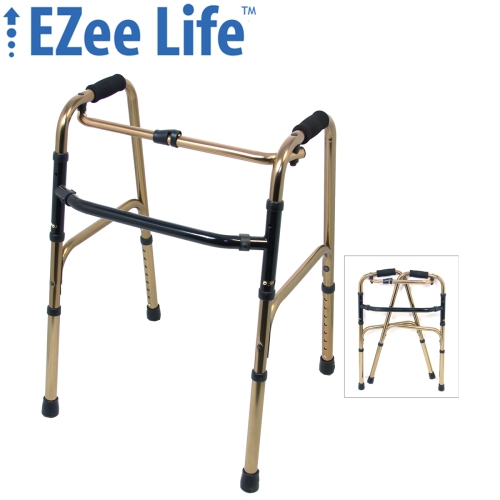
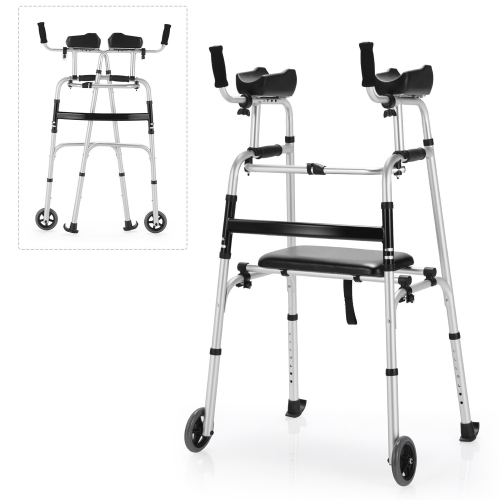
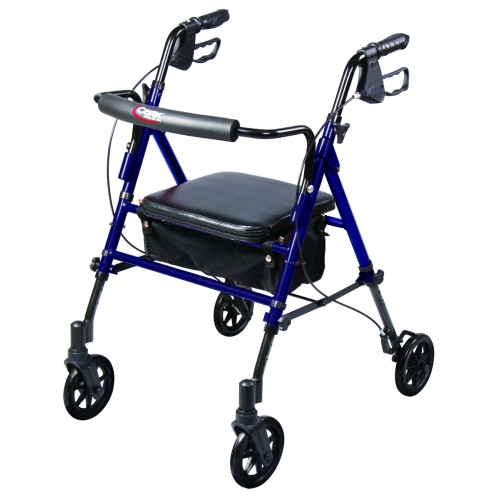
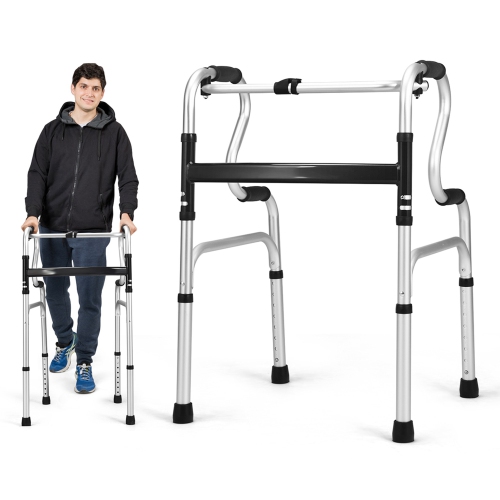
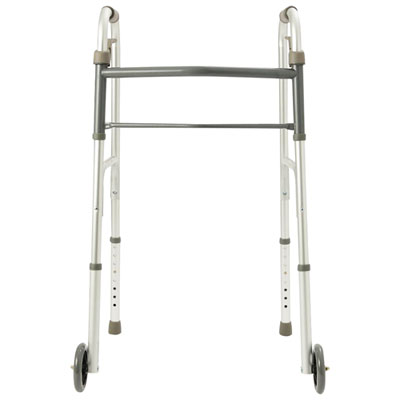
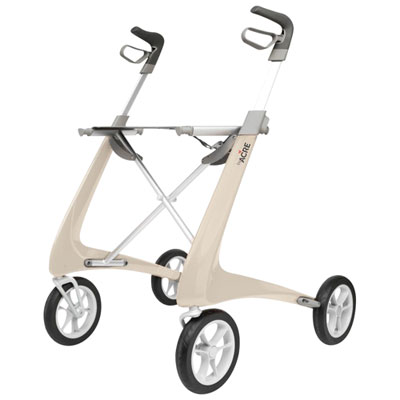
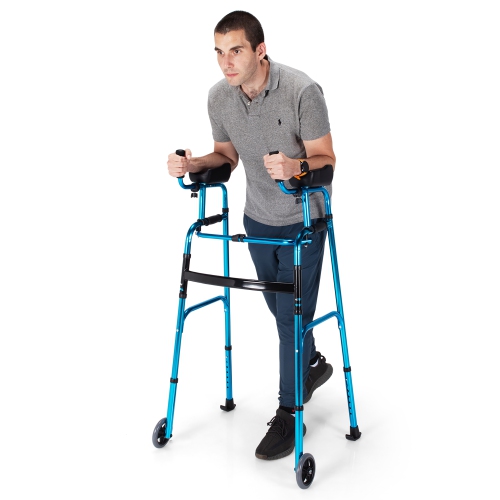
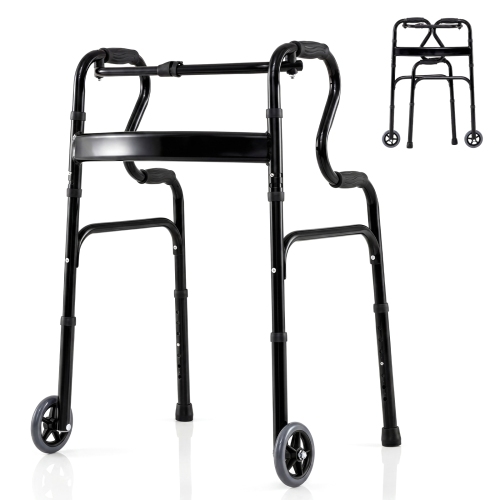
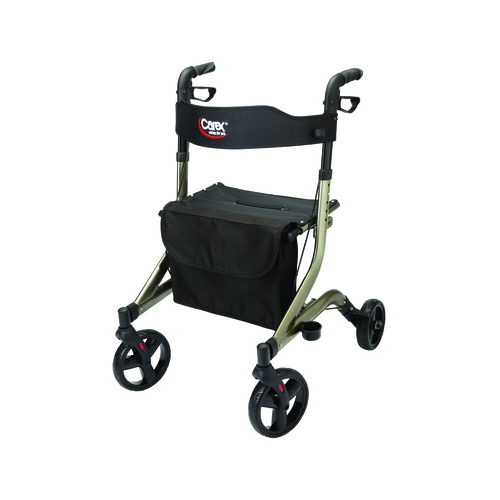
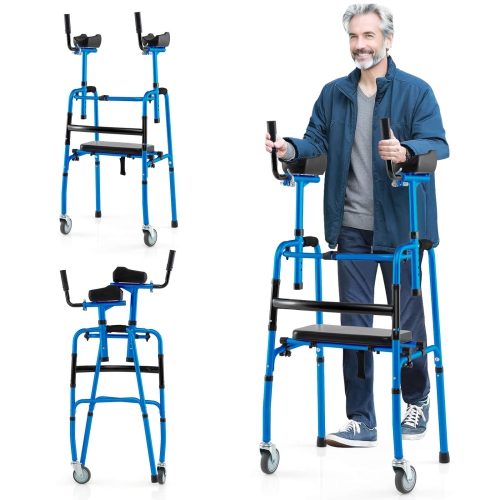
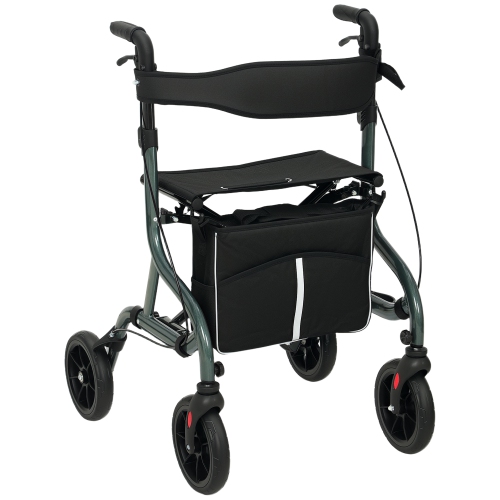
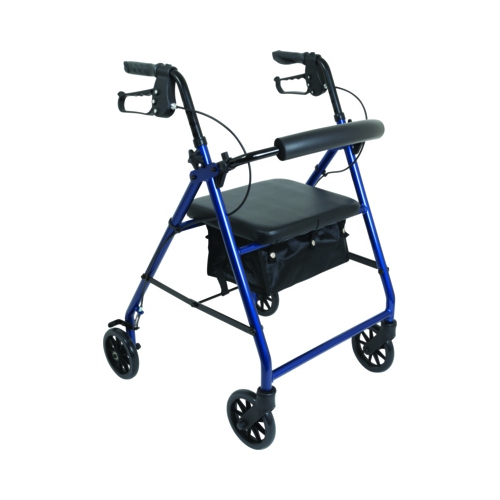
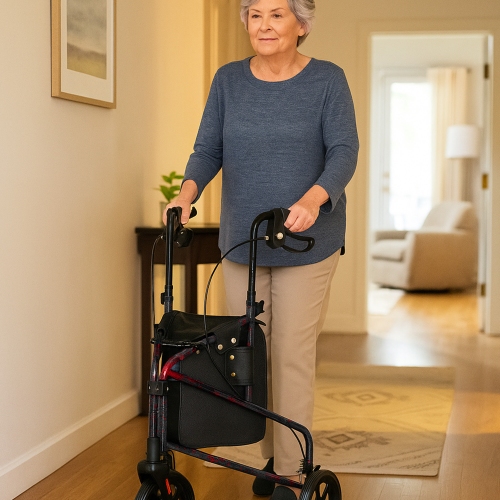
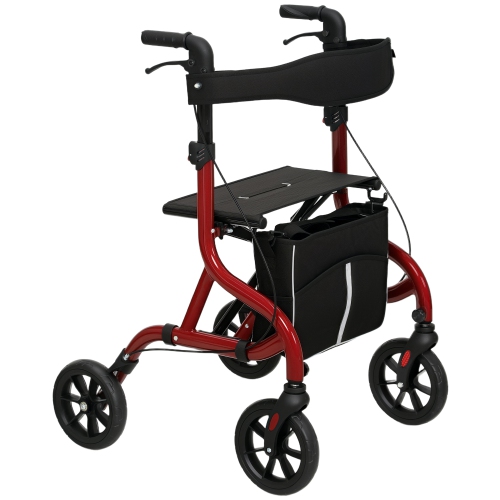
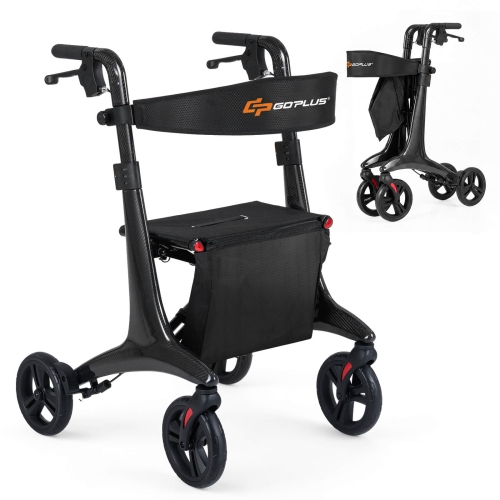
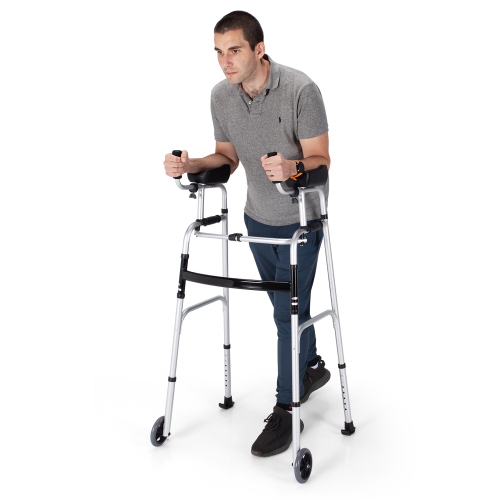
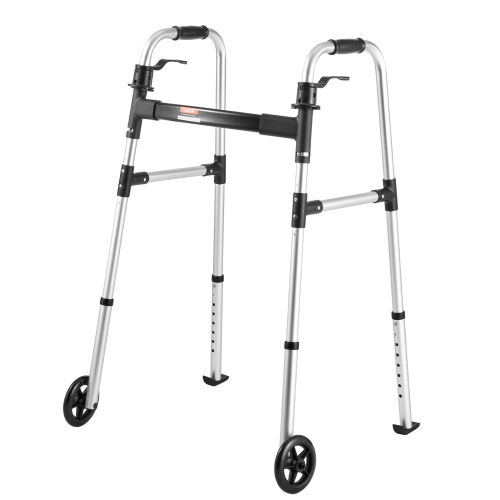
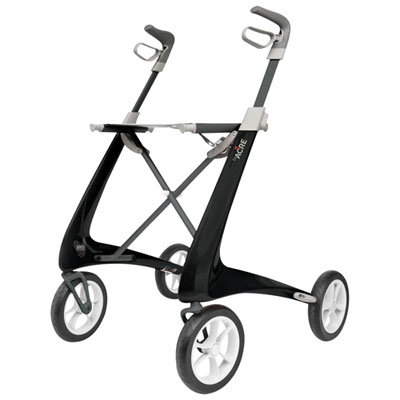
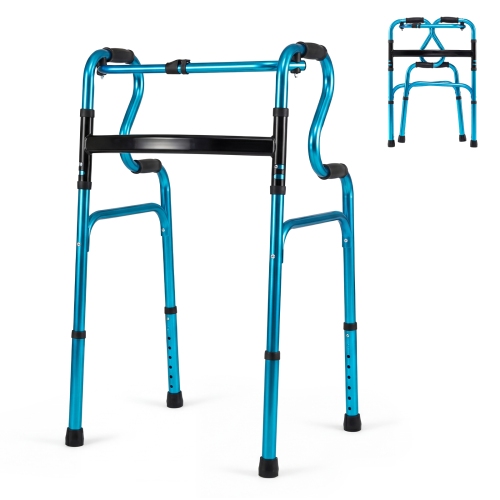
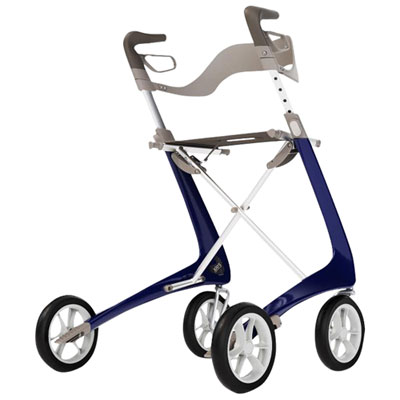
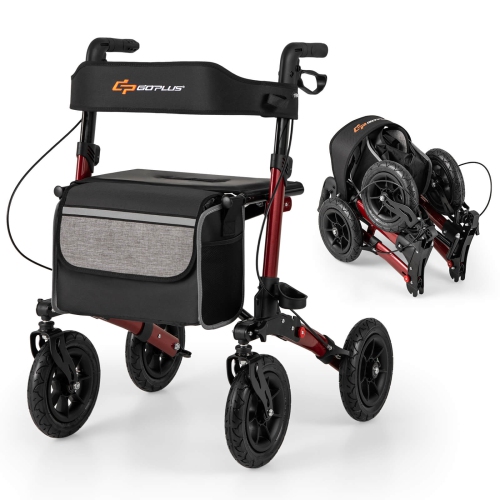
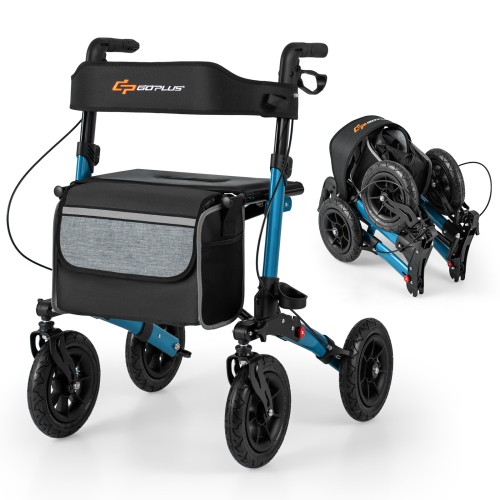
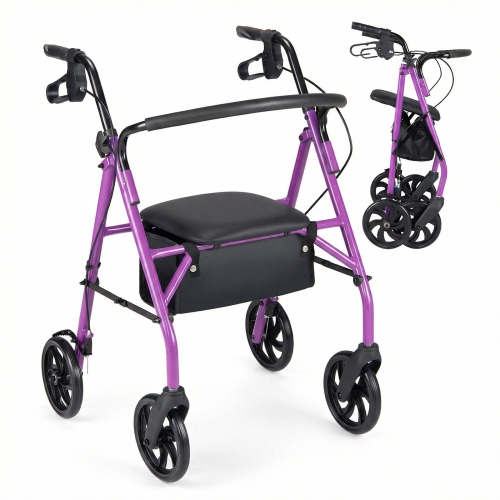
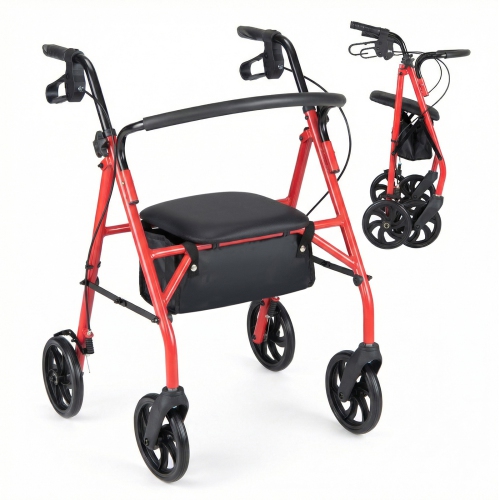
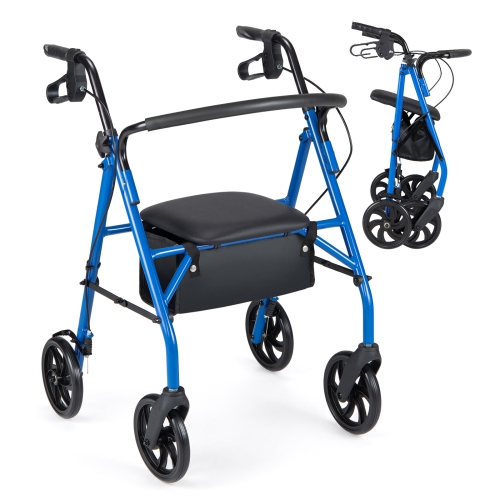
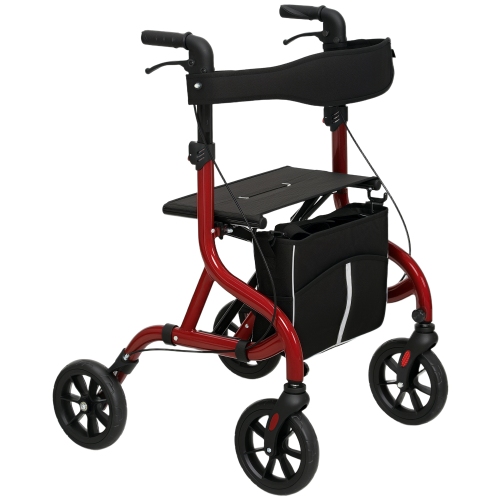
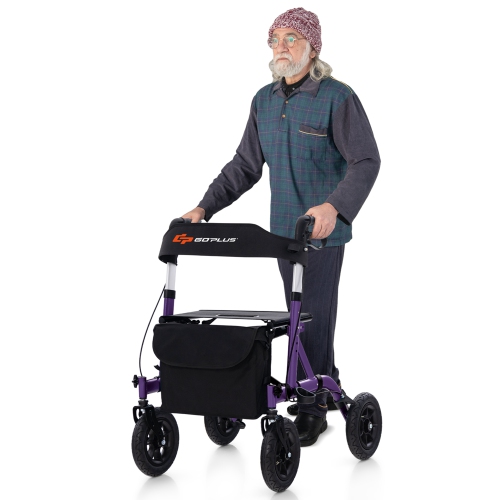
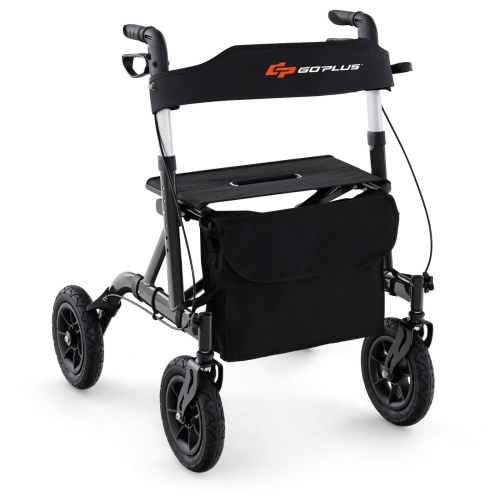
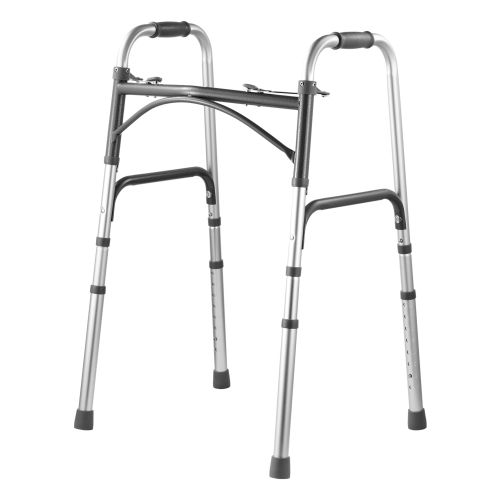
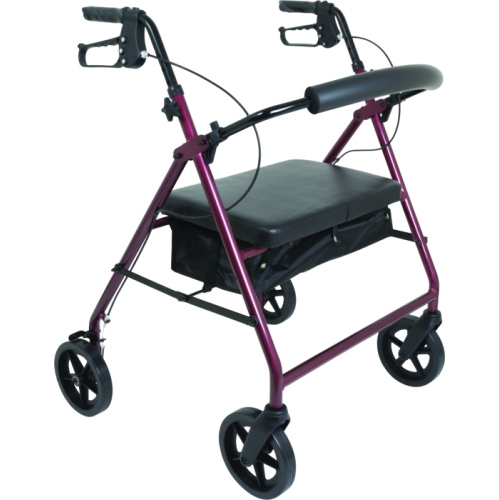
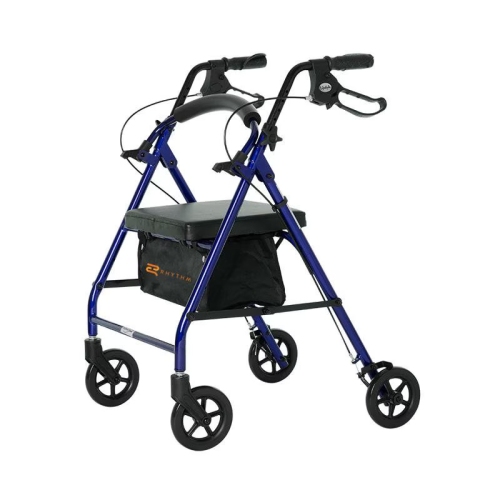
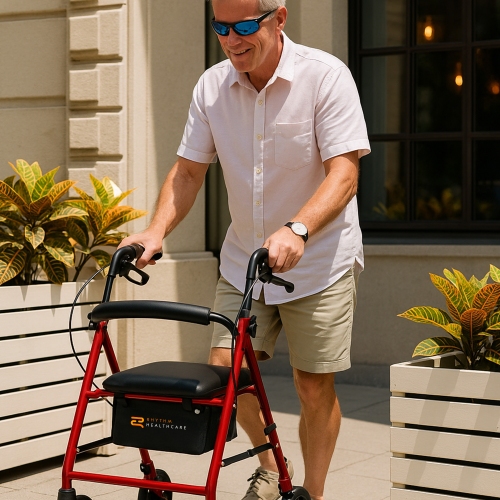
Care and durability become especially noticeable when a walking toy is handled every day, shared between siblings, or kept at a grandparent’s home. Handles, buttons, and textured panels collect fingerprints and food residue, so straightforward cleaning instructions are valuable. Many hard surfaces can be wiped with a damp cloth, but the approved method depends on the material and finish; wooden parts, electronic panels, and wheel mechanisms should not be soaked unless the instructions expressly permit it. Removable fabric components on stationary activity centres may have separate washing and drying requirements. Thorough drying before reassembly helps keep the toy ready for its next use, and regular checks can reveal loose fasteners, cracked plastic, splintered wood, worn wheels, or damaged attachments. A toy that no longer rolls predictably or holds together securely should be taken out of use. For designs that fold or convert between play modes, reliable latches and complete instructions are important, particularly when more than one caregiver handles setup. Storage also deserves consideration: a dedicated place outside a hallway keeps a wheeled toy from becoming an obstacle for someone carrying a baby or moving through the room. As a gift, a push-along toy is most useful when chosen around the child’s actual abilities, the family’s floor space, and the caregivers’ preferences for sound, cleaning, and storage—not an expectation that the child should already be walking. A compact footprint may matter more in an apartment than a large activity panel, while simple assembly can be helpful for a toy used between households. Passed-down toys require the same attention to condition, missing parts, age limits, and recall information as newly purchased ones; prohibited seated baby walkers should never be passed on for use. Walking toys for children should also not be confused with mobility equipment: Walkers With Wheels relates to mobility aids rather than baby play equipment. Keeping these categories separate helps families focus on the intended user and purpose. For young children, the priority remains age-appropriate play, a suitable space, and attentive supervision, with room to develop movement skills without pressure.
Top selling and popular products
-
 Your price for this item is $35.99
-
 Your price for this item is $244.99
-
 Your price for this item is $151.99
-
 Your price for this item is $138.99
-
 Your price for this item is $169.99
-
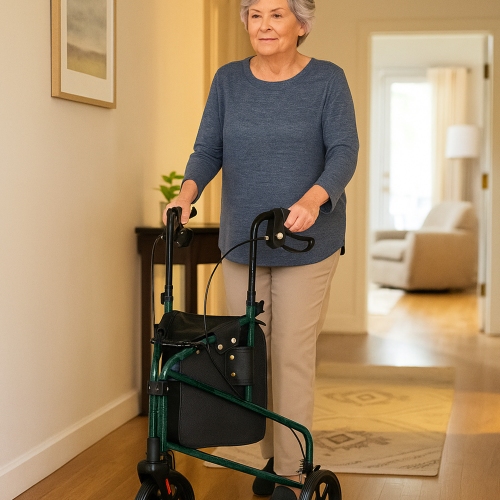 Your price for this item is $212.99
-
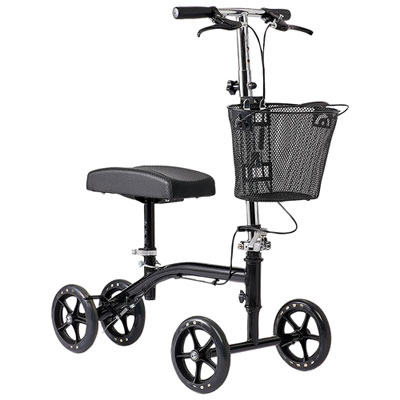 Your price for this item is $196.98
-
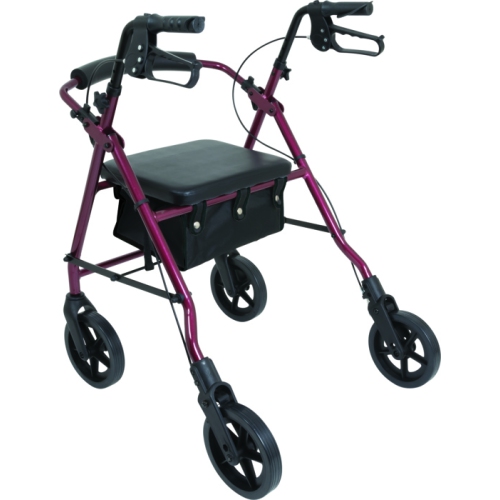 Your price for this item is $199.99
Discover more categories related to Baby Walkers
Top Collections:
Pokemon Centers, Best Cameras for Sports Photography, Kindle Devices, Samsung Galaxy Phones, Canon G7X Cameras, Pokémon 30th Celebration Cards, Refurbished Apple Laptops, iPhone 15 Apple, Laptops for Students, Budget Smartphones
Some products may be subject to Environmental Handling Fees
(EHF) depending on your province.
Learn more about EHFs.