Newborn Hats
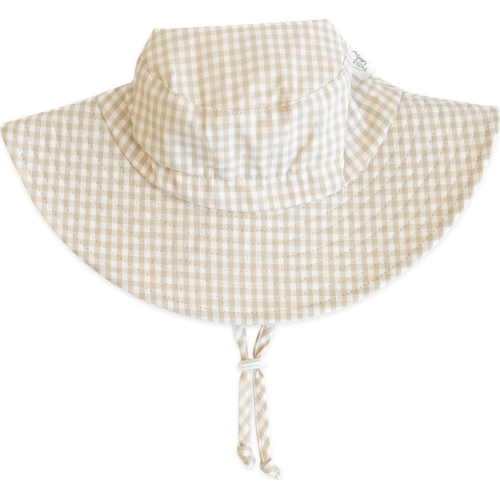
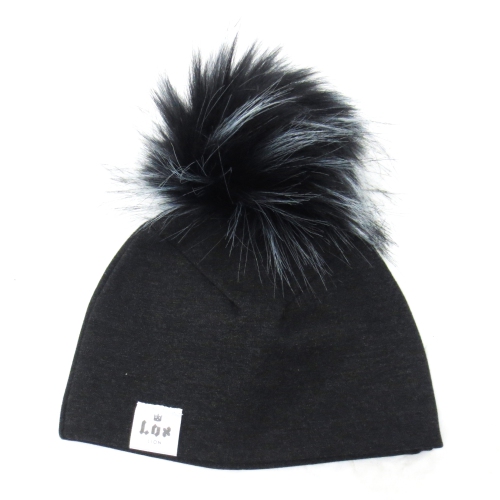
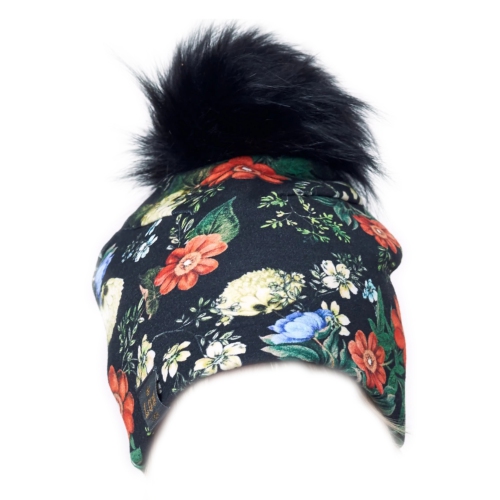
Keep your little one cozy and stylish with our collection of newborn hats. Made from soft and gentle materials, these adorable hats are designed to keep your baby's head warm and protected. Whether you're looking for a cute pattern, a classic design, or a trendy style, we have the perfect hat to suit every newborn's personality. With a variety of colors and sizes available, finding the ideal hat for your bundle of joy has never been easier. Shop our selection of newborn hats today and add the perfect finishing touch to your baby's outfit. Also check out our selection of the Best Baby Utensils for even more great options!
Sort
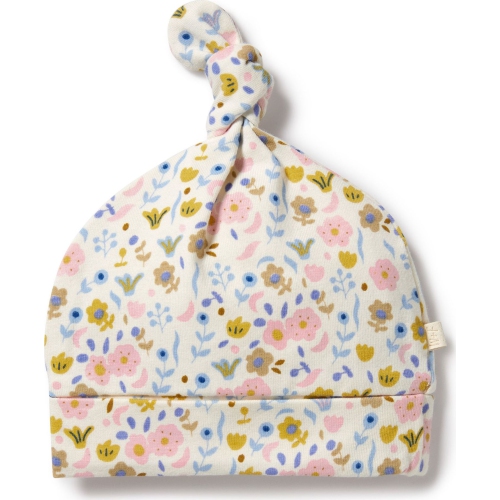
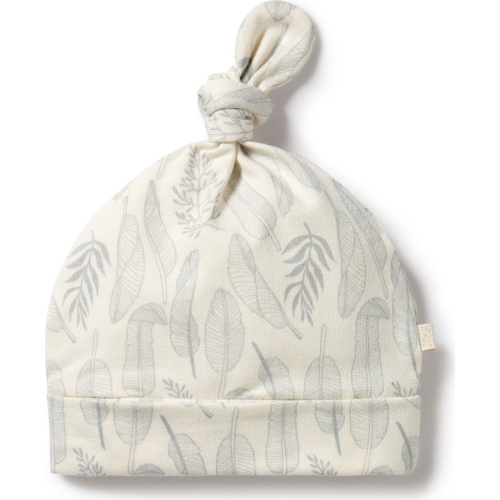
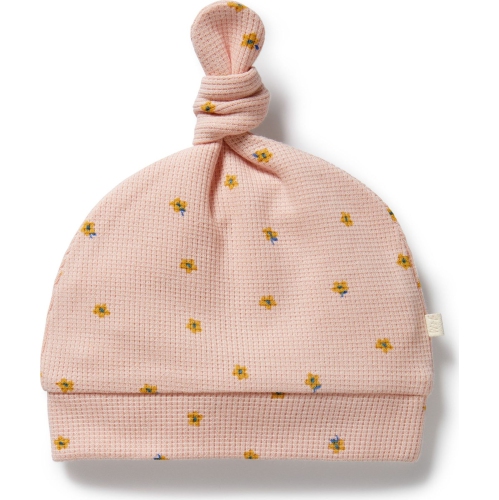
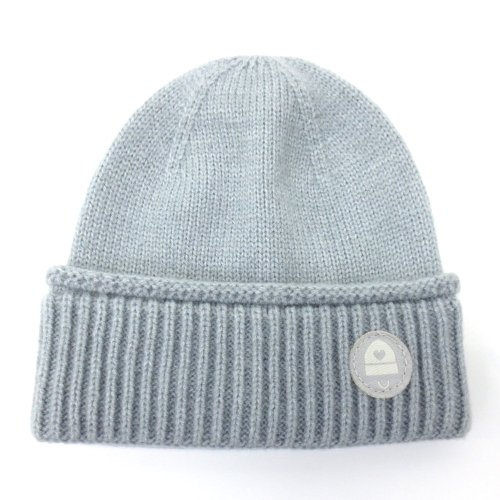
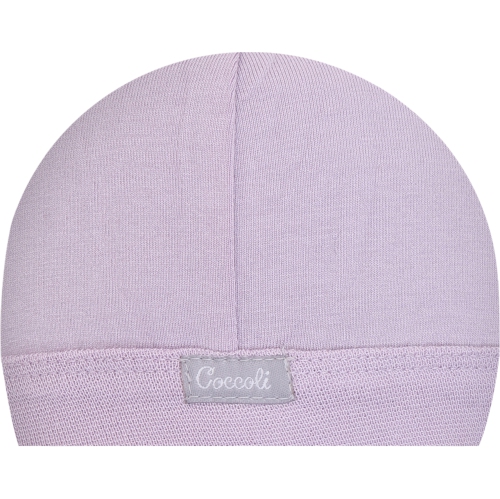
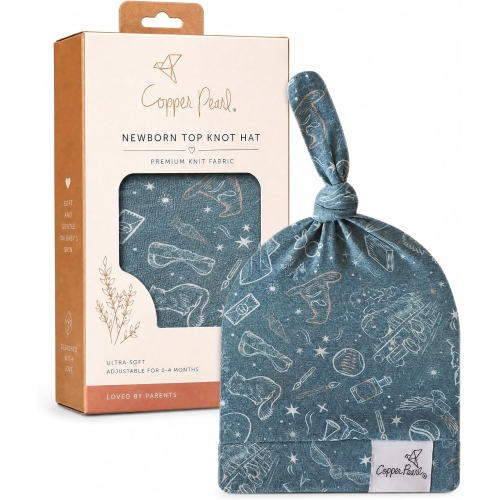
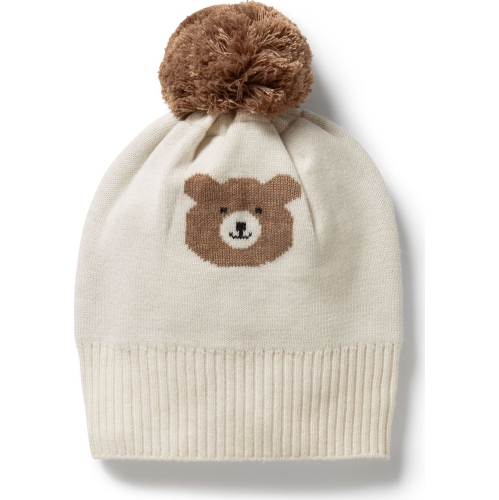

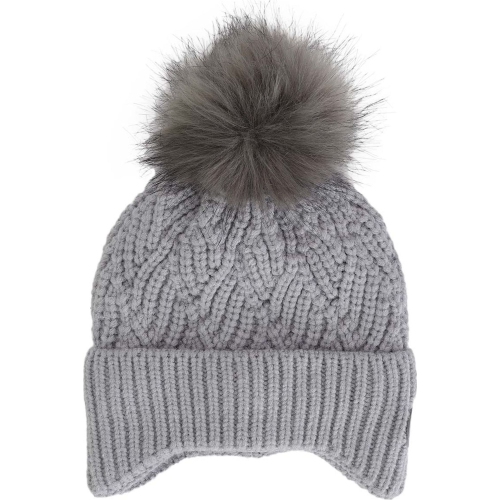




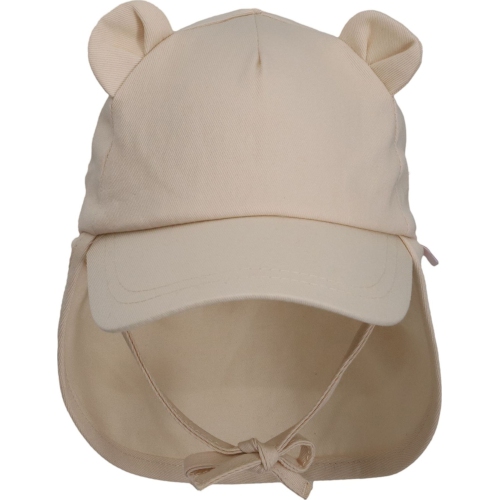
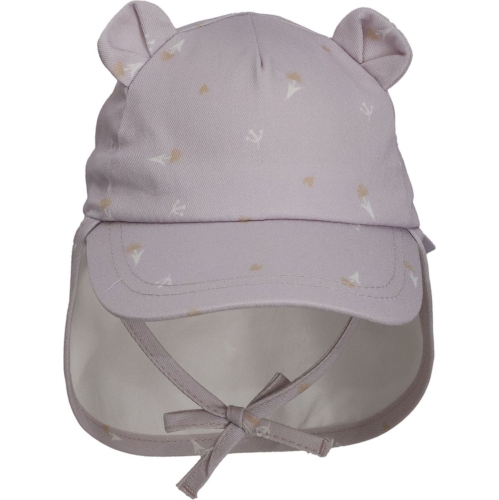
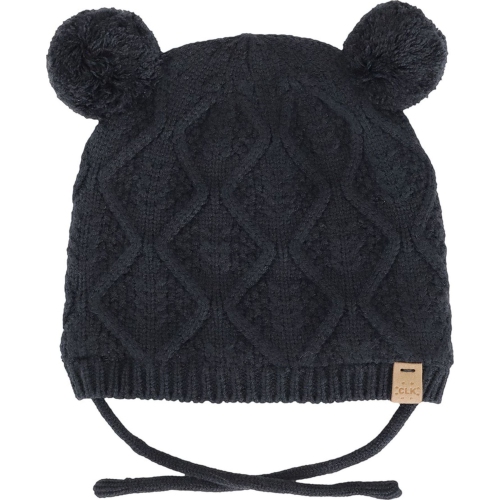
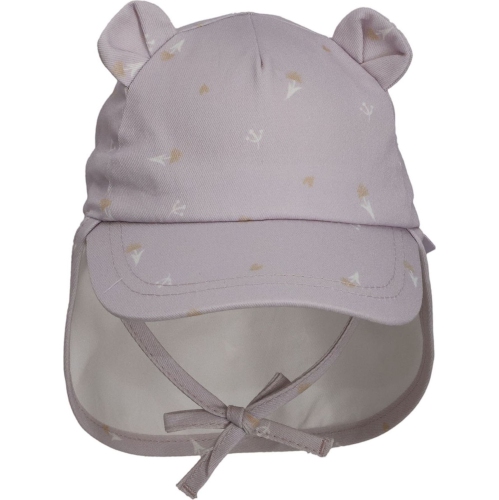

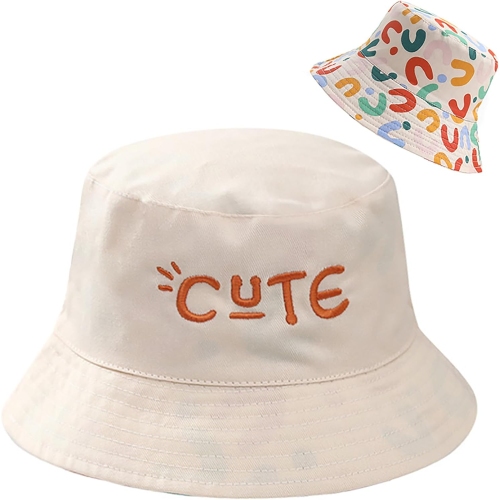
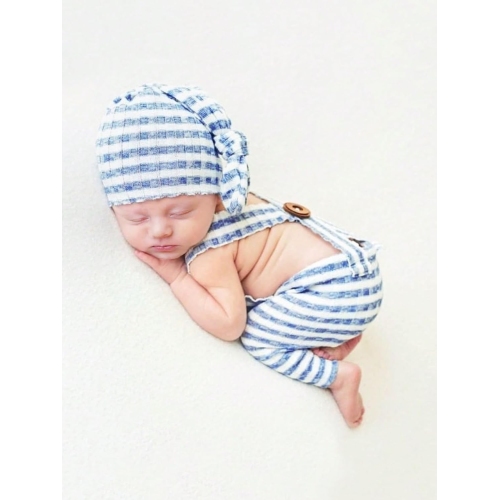
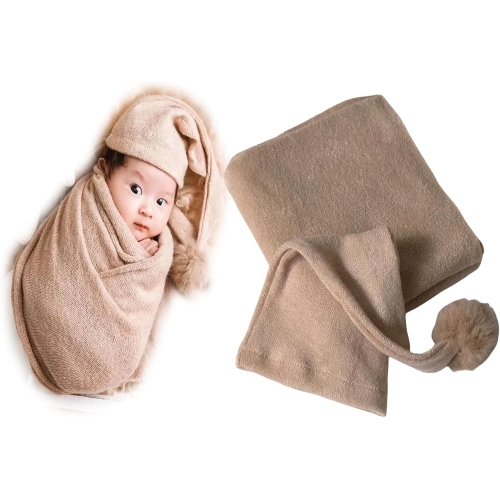
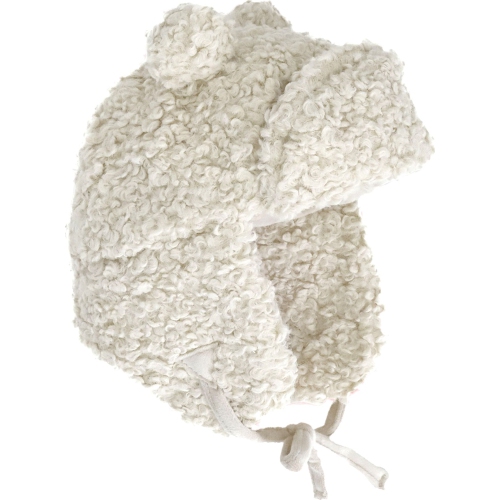
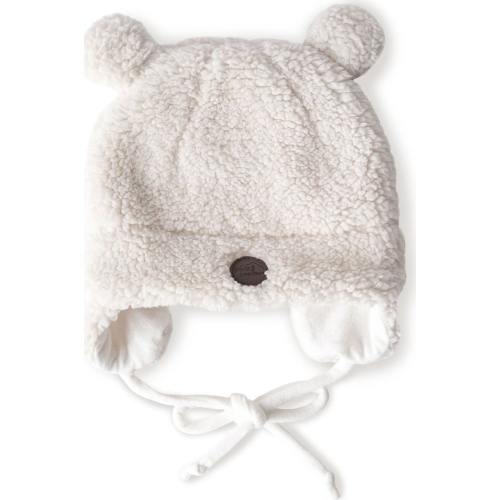
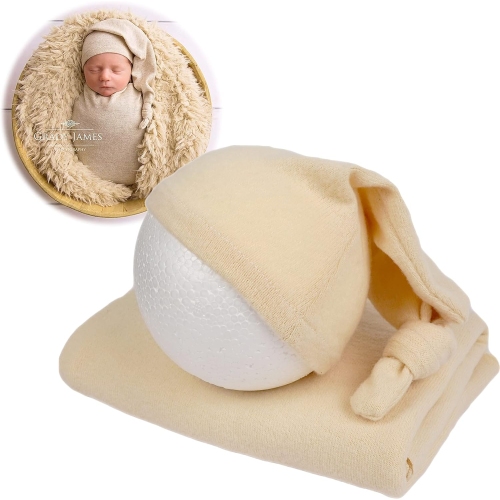
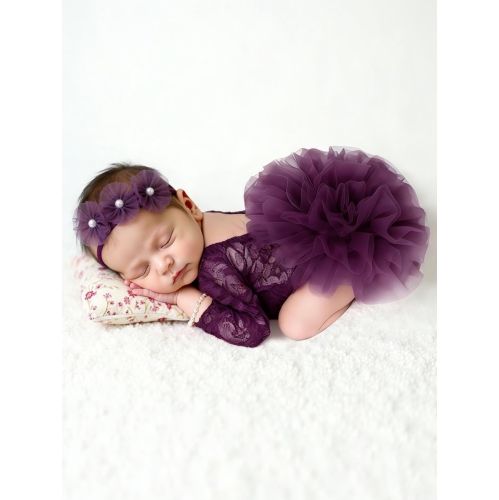
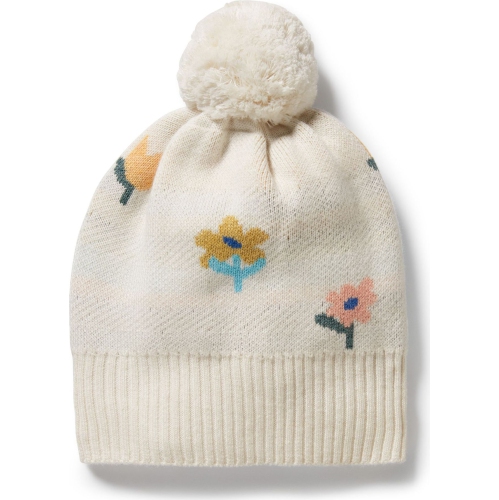

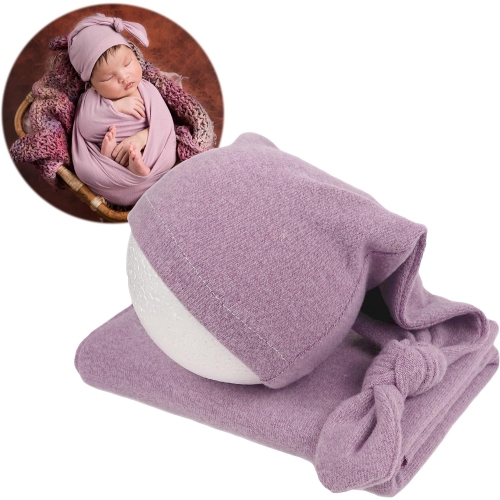
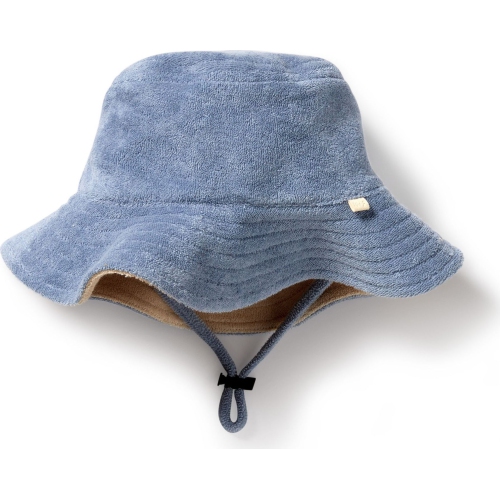
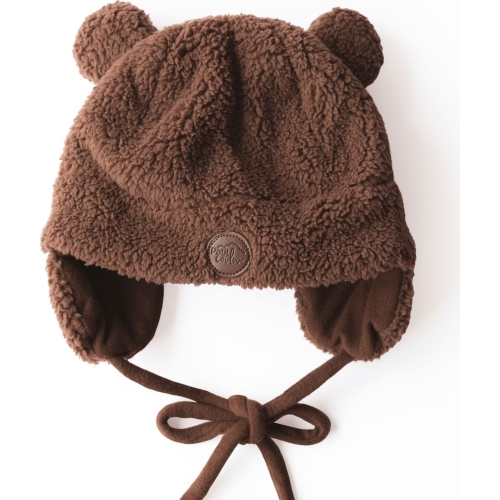
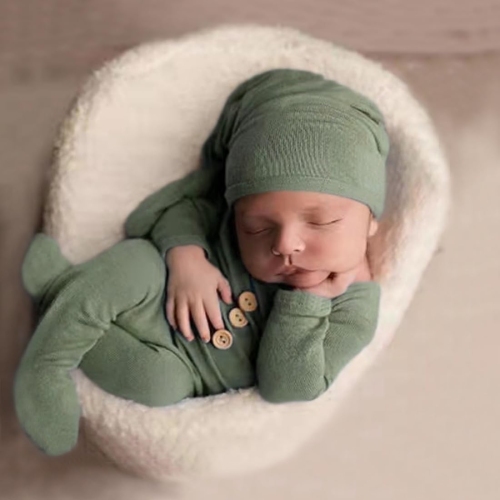
Why a soft cap needs a secure fit
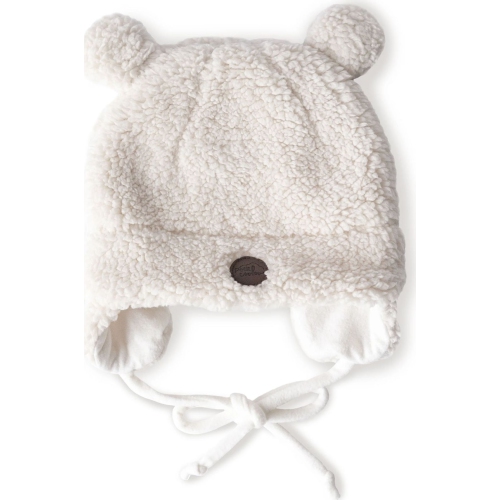
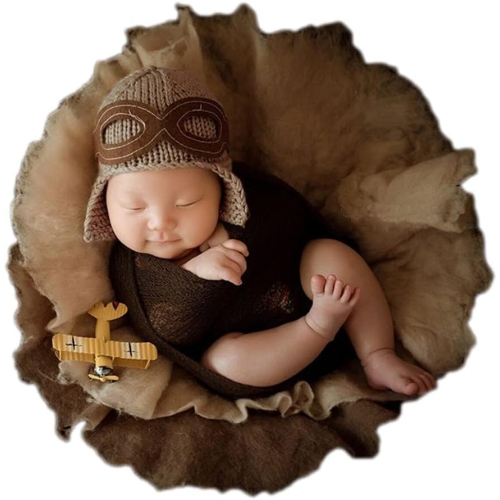
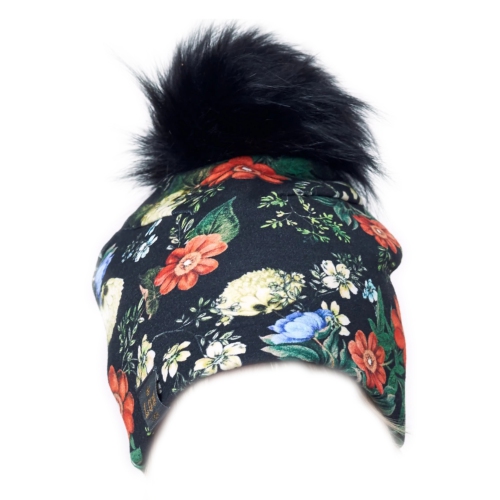
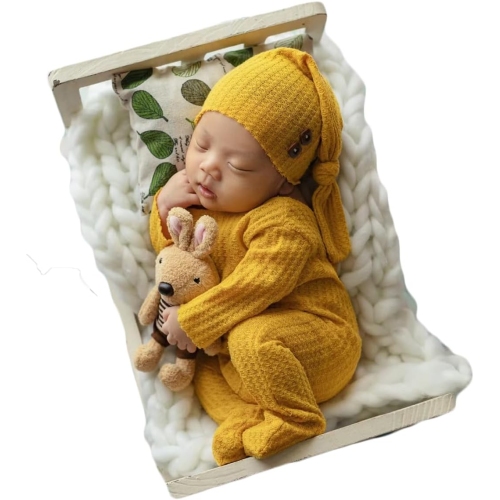
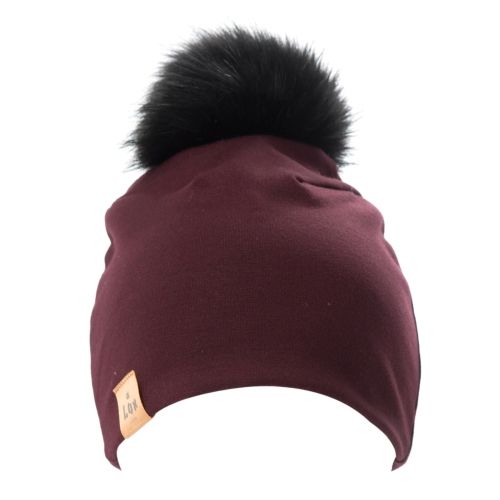
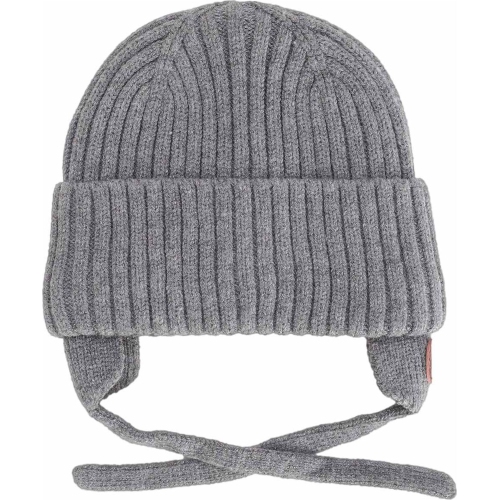
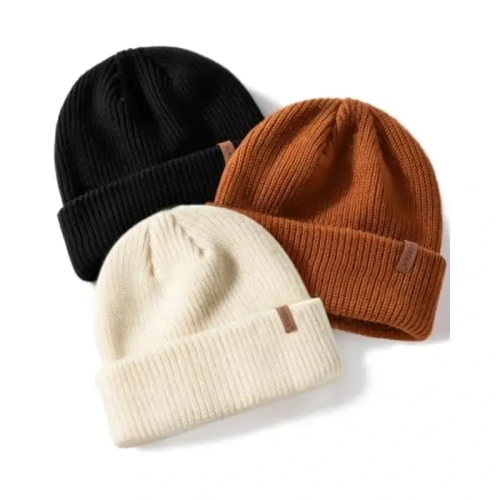
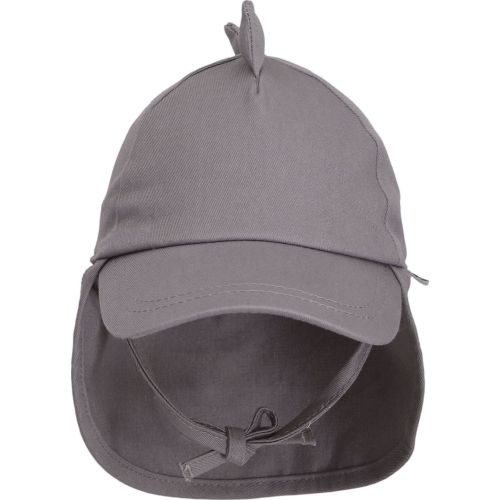
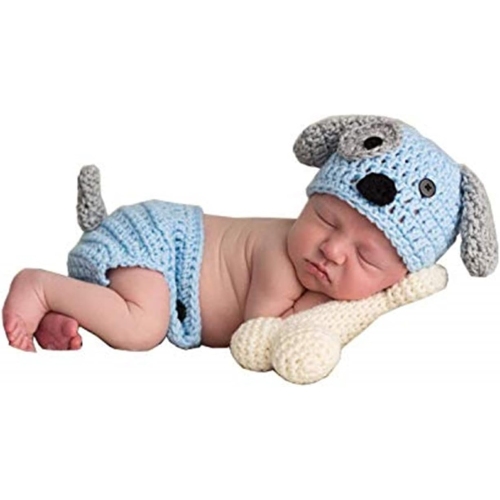
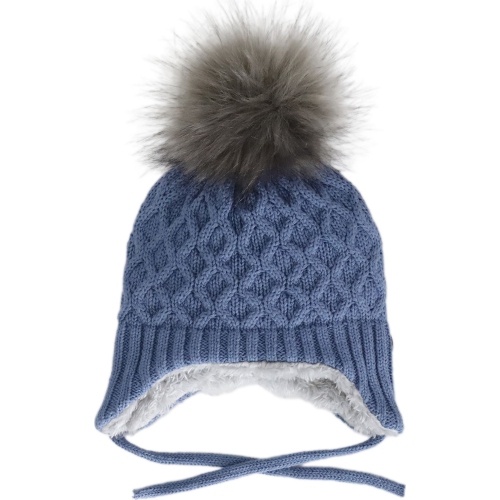
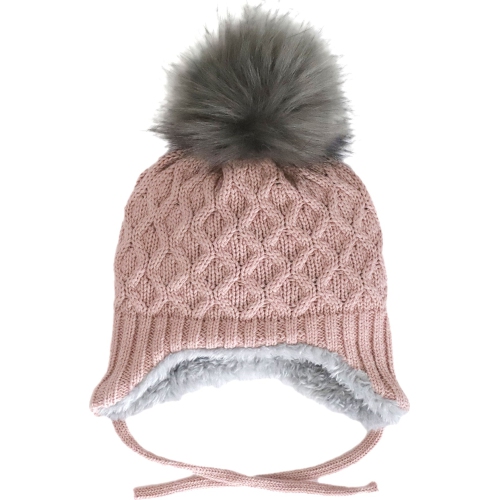
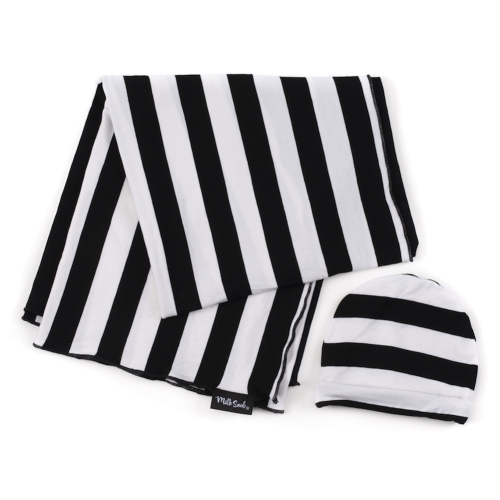
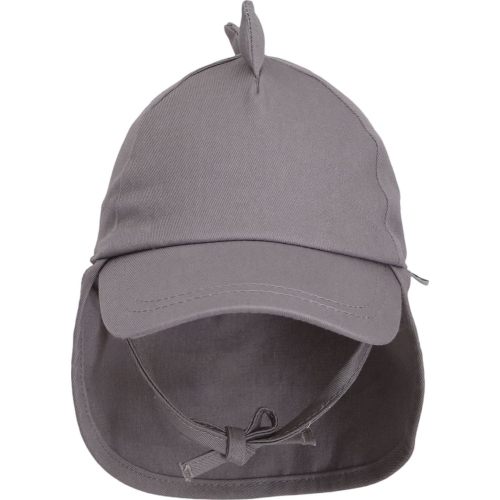
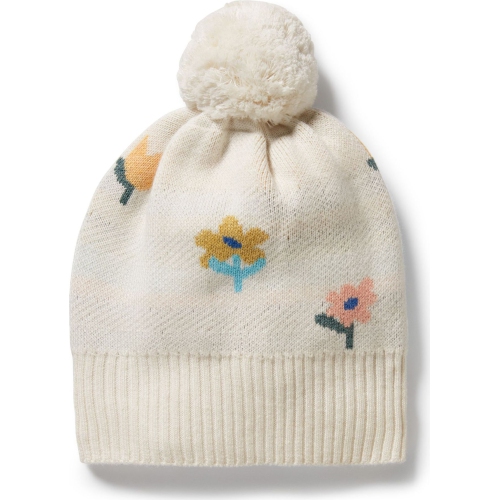
Newborn hats are small, soft caps designed to fit babies in their earliest weeks, with lightweight fabrics, gentle stretch, and minimal bulk around the head. Their suitability depends on the baby’s size, the setting, and any advice provided by a healthcare professional after birth. A newborn beanie usually has a rounded crown and a close-fitting edge, while a cuffed cap adds a folded band that can adjust how far the hat sits above the eyebrows. Fabric makes a noticeable difference in how these shapes feel. Cotton jersey has a smooth, flexible surface similar to a soft baby bodysuit, making it a familiar choice for clothing that sits against delicate skin. Ribbed cotton has a textured knit that can stretch across the head without needing a stiff fastening. Cotton blends may include a small amount of elastane to help the cap retain its shape after wear. Fabrics labelled bamboo are often bamboo-derived viscose or rayon; their softness and drape depend on the finished fabric, so the fibre label alone does not establish how breathable or suitable a hat will be. Fine knits, brushed surfaces, and double-layer constructions each create a different feel, but the inside finish matters just as much as the outside appearance. Flat seams, a smooth crown, and a soft band help reduce rubbing where the fabric touches the forehead and ears. Fit should follow the baby’s head measurement rather than an age label alone, because newborn sizing varies between manufacturers and babies grow at different rates. A cap should sit securely without leaving pressure marks, covering the eyes, or sliding over the nose and mouth. A folded cuff can change the depth of a hat, but it cannot make an oversized crown fit safely. For families putting together a first wardrobe, simple shapes with clear sizing information are often easier to assess than heavily decorated designs with a less predictable fit.
The intended use of a newborn hat is important: it is an accessory for appropriate, supervised wear, not a standard part of a baby’s sleep clothing. Healthcare staff may use a hat immediately after birth and provide specific instructions for an individual baby, but that does not mean a cap needs to stay on throughout the day at home. Hats should be removed for sleep and should not be left on when a baby is unattended, unless a healthcare professional has given specific medical instructions. Keeping the face and head uncovered during routine sleep helps avoid overheating and prevents fabric from shifting over the face. A baby who becomes flushed or sweaty needs their clothing checked, rather than an extra accessory added automatically. During awake wear, a caregiver should be able to see the baby’s face clearly and notice if the band rides down during a cuddle or while the baby turns their head. Ties, drawstrings, loose buttons, and detachable decorations are best avoided on newborn headwear, particularly when they sit close to the neck or mouth. Practical care is another consideration because hats can pick up milk dribbles, skin oils, and residue from frequent handling. Washing before first use, according to the care label, removes handling residue and lets the caregiver check how the fabric feels after laundering. Some cotton caps tolerate machine washing, while delicate knits may need a gentler cycle or hand washing. A mild, fragrance-free detergent can be a useful choice for babies with sensitive skin, and a thorough rinse helps prevent detergent remaining in the fibres. Drying instructions deserve attention: excessive dryer heat can shrink a cap or affect its stretch, while pulling a damp knit out of shape may leave the edge uneven. A well-made newborn hat should have secure stitching, an even band, and fabric that remains smooth after repeated washing. Loose threads, stretched edges, and damaged seams are reasons to stop using a hat rather than trying to extend its wear.
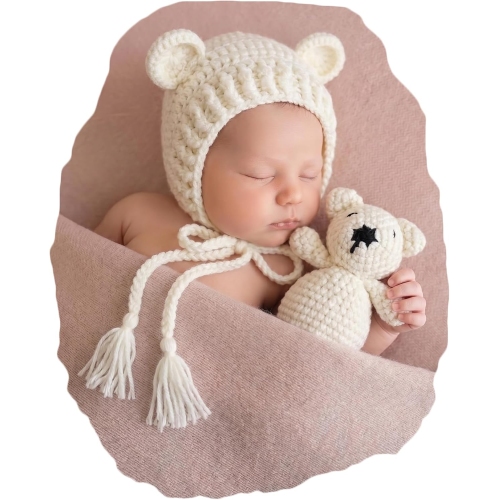
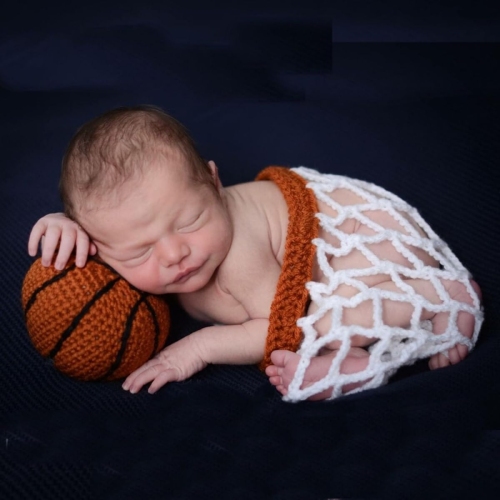
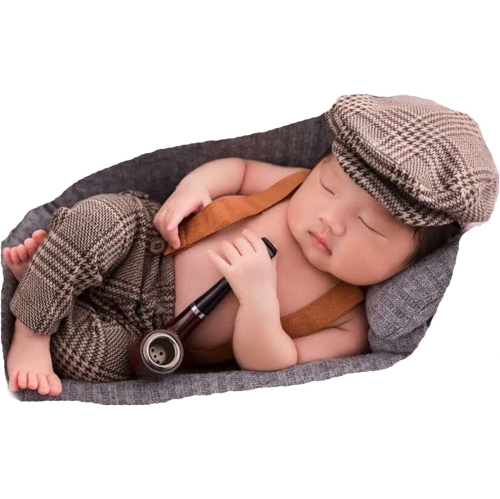
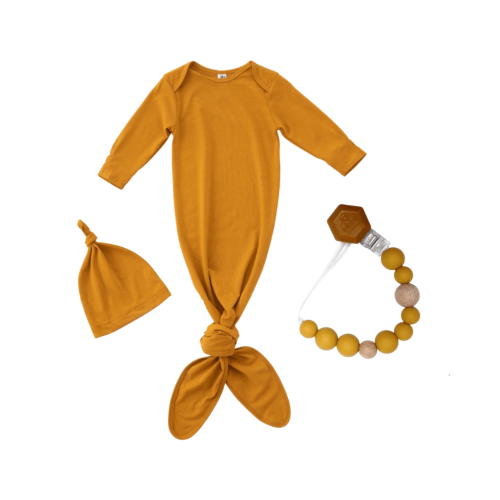
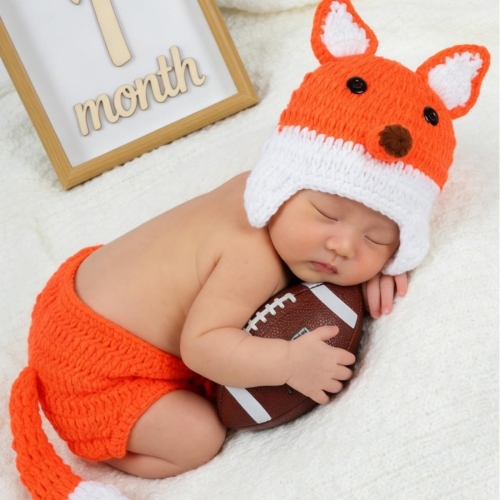
Newborn hats also have a place in thoughtful baby gifts and coordinated clothing sets, especially when their practical details receive as much attention as their appearance. A soft cap in cream, grey, or a muted colour can pair easily with bodysuits and sleepers, while a small print or contrasting cuff adds character without requiring extra decoration. For a baby shower gift, a straightforward design with an easy-to-read size and care label gives parents useful information before the first wear. Including the original fabric details is particularly helpful when a family has preferences about fibres or needs to avoid a material that has previously irritated their baby’s skin. A hat intended for the first days after birth should be genuinely newborn-sized; a larger infant cap may be useful later, but it is not a substitute for a secure fit on a smaller head. Parents preparing a hospital bag may prefer a compact, washable cap that can sit alongside a change of clothing, with its use guided by the maternity team. At home, keeping freshly washed hats with other small baby accessories makes it easier to find one without rummaging through folded clothing while holding a baby. A spare can also be helpful when another needs laundering, although frequent fit checks remain important as the baby grows. For a brief, supervised family photograph, a plain cap can frame the face neatly without elaborate props or uncomfortable trims. The baby’s comfort still takes priority over the picture, and headwear should come off if it slips, leaves marks, or seems bothersome. Families comparing a separate category of headwear can also browse Infant Winter Hats, while checking each option’s sizing and intended use. Across newborn caps and beanies, the most useful qualities remain consistent: soft fabric, a smooth interior, a stable fit, uncomplicated care, and a design that allows the baby’s face to stay fully visible.
Top selling and popular products
-
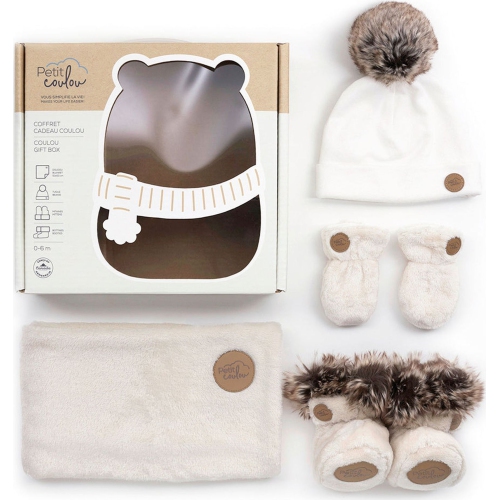 Your price for this item is $107.99
-
 Your price for this item is $19.99
-
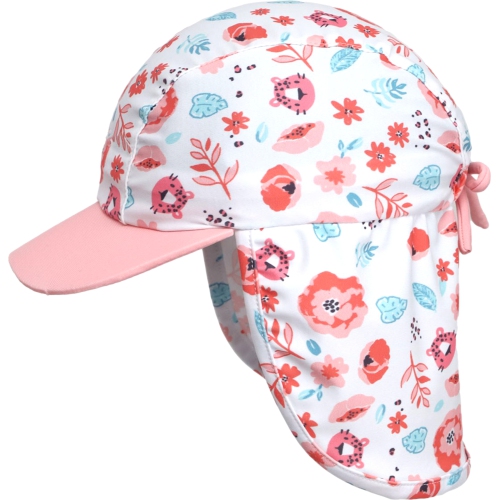 Your price for this item is $16.98
-
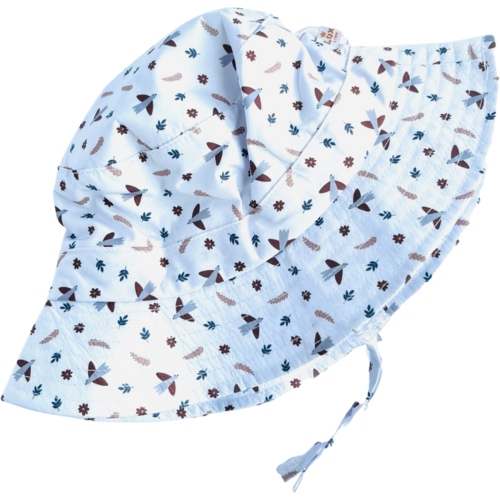 Your price for this item is $19.98
-
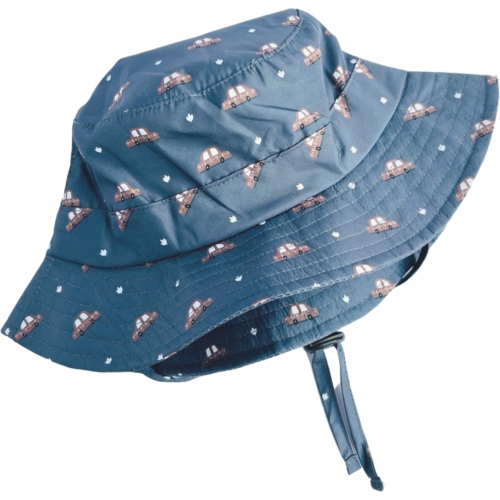 Your price for this item is $19.98
-
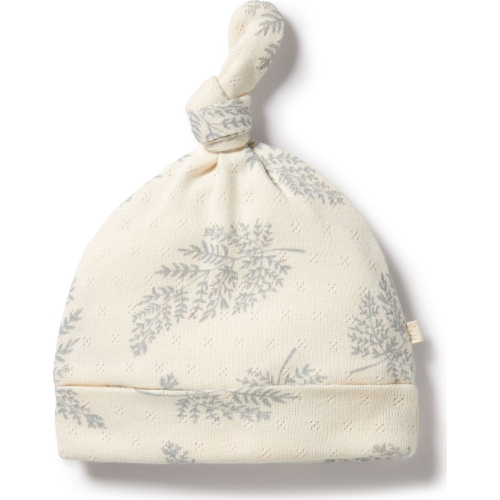 Your price for this item is $19.99
-
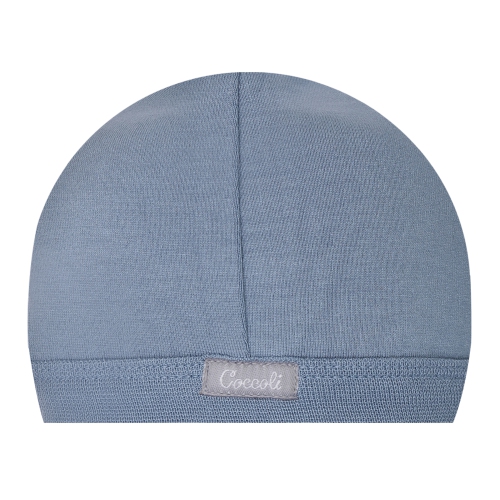 Your price for this item is $12.99
-
 Your price for this item is $29.99
Discover more categories related to Newborn Hats
Top Collections:
Best Black Friday Deals This Year, Best Black Friday Deals On Electronics, Kindle Devices, Pokemon Centers, Best Black Friday Deals On Apple Products, Best Cameras for Sports Photography, Dyson Airwrap, Pokémon 30th Celebration Cards, Apple iPhone 17 Pro, Canon G7X Cameras
Some products may be subject to Environmental Handling Fees
(EHF) depending on your province.
Learn more about EHFs.