Baby Soothers
Keep your little one calm and content with our selection of baby soothers. Designed to help babies relax and drift off to sleep, these soothing devices are a must-have for any parent looking to provide comfort and tranquility for their child. Whether you're at home or on the go, our range of baby soothers offers a variety of features to suit your baby's needs. Discover a world of peace and serenity with our collection of gentle and effective baby soothers.
Sort
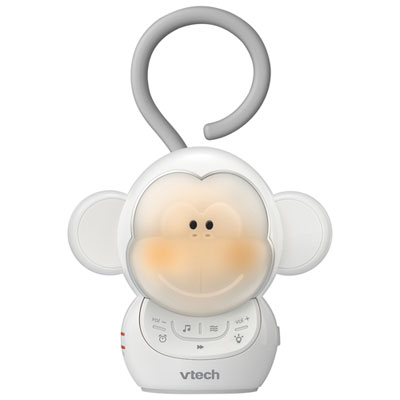

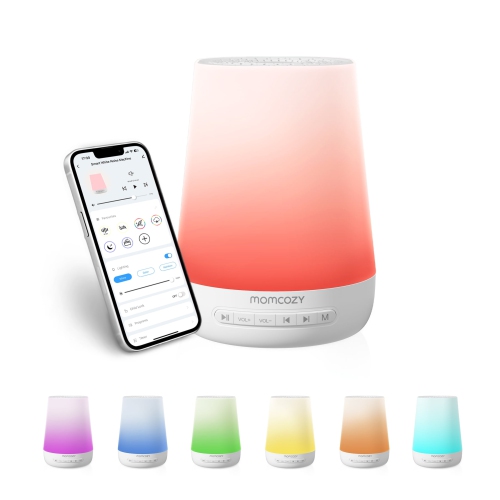
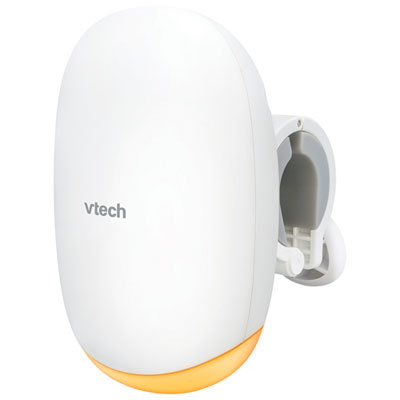


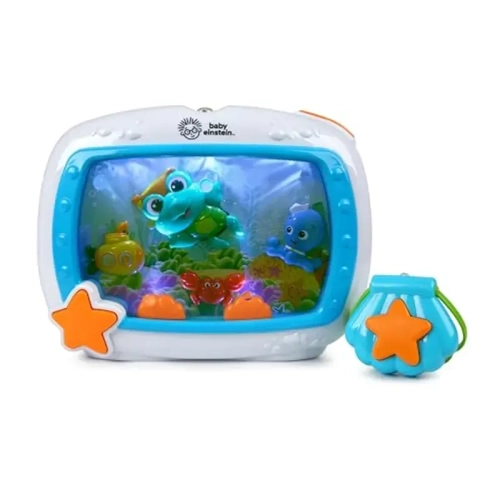
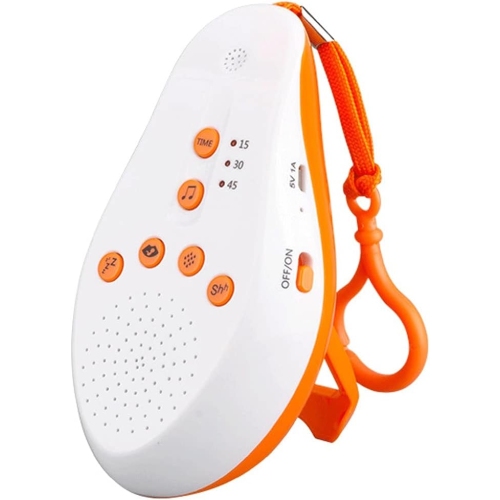

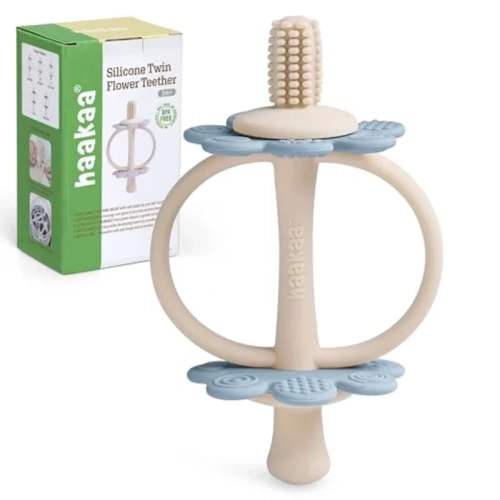
Small differences in shape can affect your baby’s comfort
Baby soothers, also called pacifiers, are infant comfort products with a soft nipple attached to a protective shield and, in some designs, a small handle. They give babies a way to satisfy their natural urge to suck between feeds, which can help some infants settle during a cuddle, a nappy change, or an unfamiliar outing. A soother is a comfort aid rather than a feeding product: it does not provide milk, replace a feed, or resolve every reason a baby might cry. For parents and caregivers, its usefulness often comes down to the baby’s preferences and the moment it is offered. One infant may accept a rounded nipple readily, while another prefers a flatter profile or shows little interest in a pacifier at all. Common shapes include rounded, symmetrical, and orthodontic styles, each with a different contour and feel in the mouth. The word “orthodontic” describes a design feature, not a guarantee that a soother will prevent dental changes. Age ranges help distinguish sizes intended for newborns, older infants, and toddlers, but the fit and safety information on the packaging matter more than appearance alone. The shield should be large enough that it cannot fit entirely into the baby’s mouth and should have ventilation holes. A shape that leaves room around the nose and sits comfortably against the face can make everyday use easier. Soothers may be useful during quiet time in a caregiver’s arms or while settling into a familiar routine, provided hunger, discomfort, and other needs have been addressed first. For breastfed babies, introducing a soother once breastfeeding is well established helps keep early attention on feeding cues and milk intake. Babies should never be forced to take one, and a soother that repeatedly falls out or is pushed away may simply not suit that baby. Comfort is individual, and a favourite shape can matter more than decorative details.
Materials and construction influence how baby soothers feel, how they are cleaned, and how well they stand up to repeated use. Silicone is commonly used for the nipple because it has a smooth surface and is generally easy to clean. Natural rubber latex can feel softer and more flexible, but it is unsuitable for babies with a latex allergy and may show changes in texture or appearance with use. Material descriptions are worth checking carefully, particularly when a household needs to avoid latex. A one-piece design has the nipple and shield formed together, while other designs join a soft nipple to a firmer shield. Both construction and overall condition deserve attention; there should be no loose components, sharp edges, or damage where parts meet. Nipple length and width, shield contour, and the weight of a handle can all affect the feel of a soother, even when two options share the same age label. Smaller is not automatically better for a newborn, and an oversized nipple is not a substitute for moving to the correct age range. Colour and decorative styling may help caregivers tell soothers apart, but these details are secondary to fit, intact construction, and suitable care requirements. Clear age and material information can also make soothers a practical addition to a baby shower gift, especially when the family has already shared a preferred style. They are best treated as a personal comfort choice rather than something every baby will need. A clean spare in a protective case can be useful when a pacifier lands on the pavement outside an appointment or disappears beneath a stroller seat. Keeping clean and used soothers separate makes that spare more useful, and the case needs washing too. For families with more than one young child, keeping each child’s pacifiers separate also helps avoid sharing saliva. Day-to-day durability depends on the material, cleaning method, frequency of use, and whether the baby has begun biting the nipple.
Care is an important part of using baby soothers because the nipple spends time in the mouth and can pick up dirt whenever it is set down or dropped. Before first use, clean and sterilize the soother according to its manufacturer’s directions; boiling is suitable for many designs, but the method and duration should match the care instructions. For routine cleaning, use soap and water as directed, rinse thoroughly, and allow the soother to dry in a clean place. Dishwasher cleaning is appropriate only when the product is labelled dishwasher-safe. If water becomes trapped inside the nipple during cleaning, follow the directions for removing it and let the soother cool completely before offering it. An adult’s mouth is not a cleaning method, and a pacifier dropped on a public floor needs proper washing rather than a quick wipe. Before each use, inspect the nipple, shield, and any joins for cracks, tears, swelling, stickiness, or loose parts. Discard a damaged soother immediately and follow the stated replacement schedule even if it still looks usable; repairs with glue or tape are not safe. Never tie a soother around a baby’s neck or attach it with a string or cord. For sleep, leave off clips, straps, and attached toys, and keep the sleep space free of loose objects. A bottle nipple should never be used as a makeshift pacifier, and soothers should not be dipped in honey, sugar, or other sweet substances. Honey is unsafe for babies younger than 12 months. As teeth begin to emerge, chewing and sucking serve different purposes: soothers are intended for sucking, while Baby Teethers are designed for babies to chew on during teething. A baby who bites through a pacifier needs it removed immediately, not replaced with a damaged spare. As children grow, prolonged soother use can affect developing teeth and bite alignment, making age-appropriate use and conversations with a dental professional useful parts of ongoing care. The most practical soother is one that suits the baby, stays intact, and fits comfortably into the family’s cleaning and comfort routines.
Top selling and popular products
-
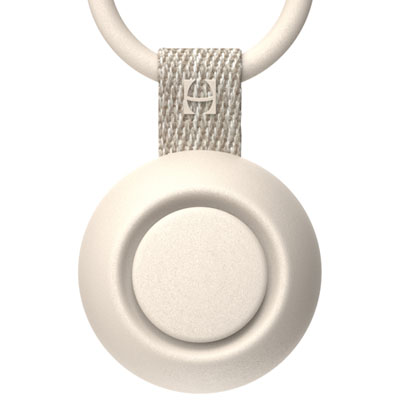 Your price for this item is $56.99
-
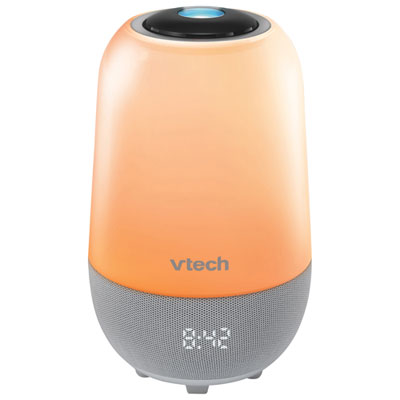 Your price for this item is $57.98
-
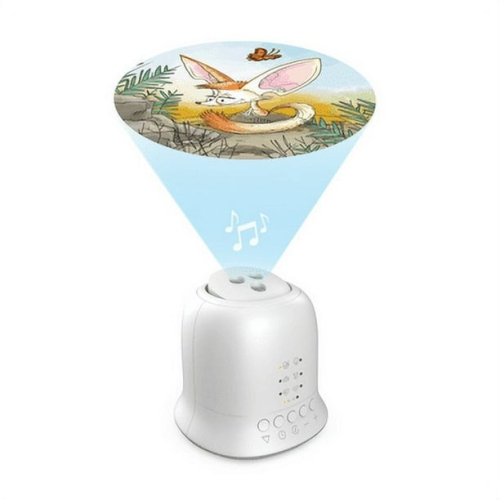 Your price for this item is $29.99
-
 Your price for this item is $29.99
-
 Your price for this item is $29.99
-
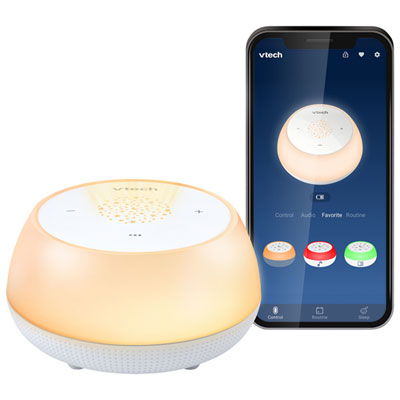 Your price for this item is $48.98
-
 Your price for this item is $14.99
-
 Your price for this item is $24.99
Discover more categories related to Baby Soothers

Top Collections:
Pokemon Centers, Best Budget Office Chairs, Kindle Devices, Best Cameras for Sports Photography, Pokémon 30th Celebration Cards, Best Laptops for Writers, Canon G7X Cameras, iPhone 15 Apple, Best Cell Phones Under $300, Apple iPhones 16
Some products may be subject to Environmental Handling Fees
(EHF) depending on your province.
Learn more about EHFs.