Teething Toys
Teething toys are essential for soothing your little one's sore gums during the teething process. Designed to provide comfort and relief, these toys come in a variety of shapes, sizes, and textures to cater to your baby's preferences. Whether your child prefers soft silicone teethers or textured options for massaging their gums, you'll find a wide selection of teething toys to choose from. Made from safe materials and easy to clean, these toys offer a safe and effective solution for teething discomfort.
Sort

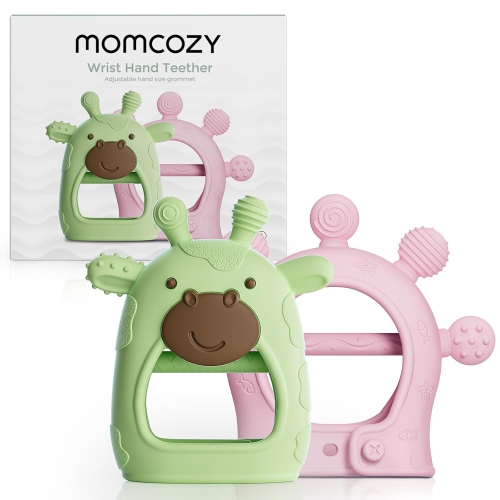
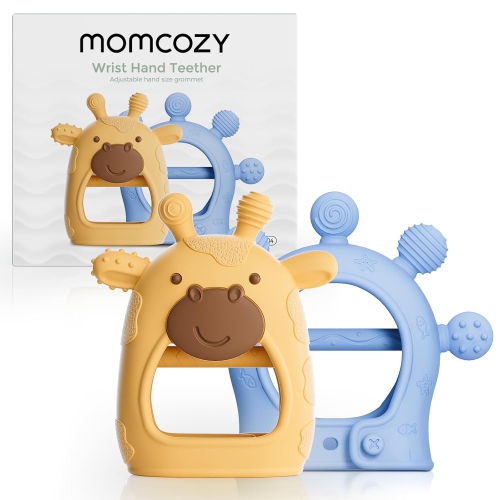
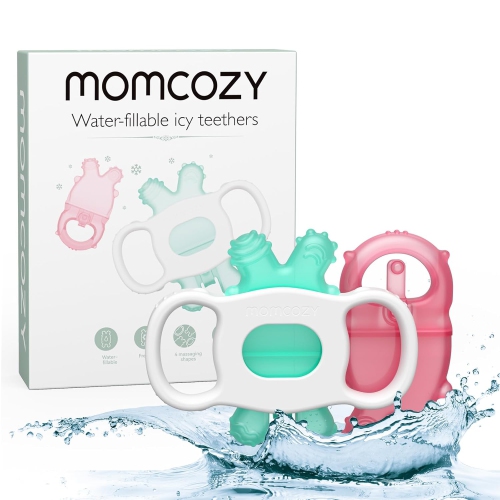

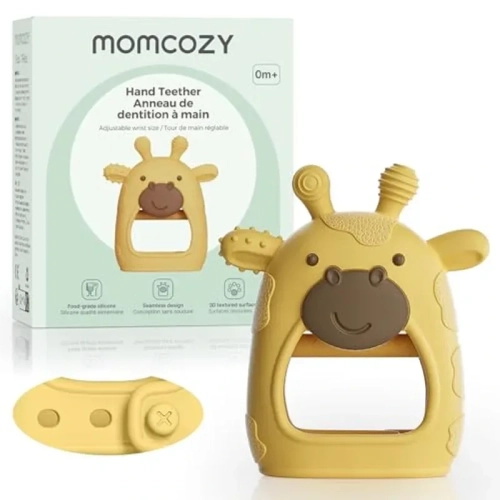
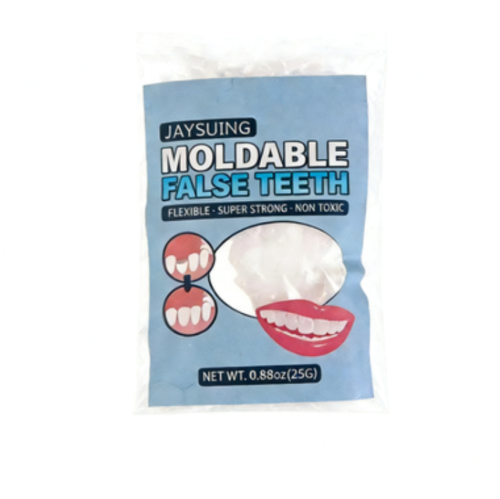
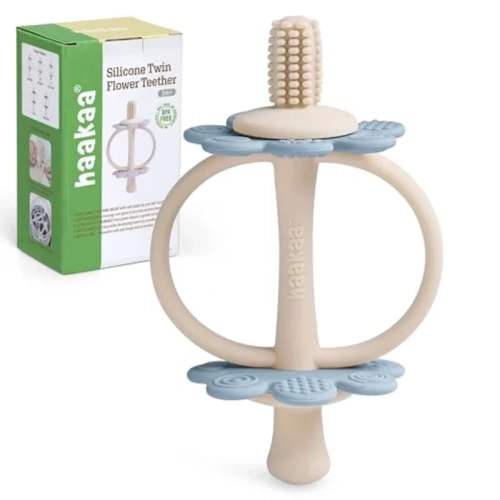
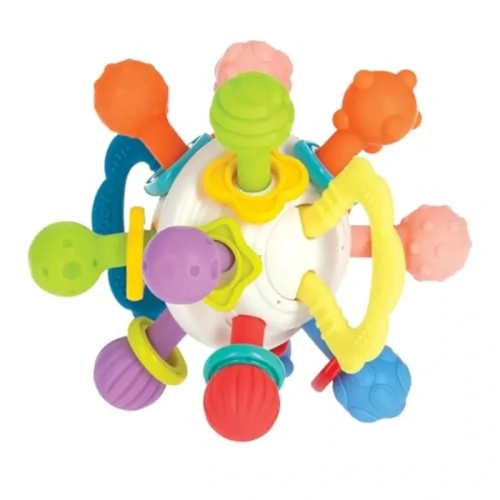
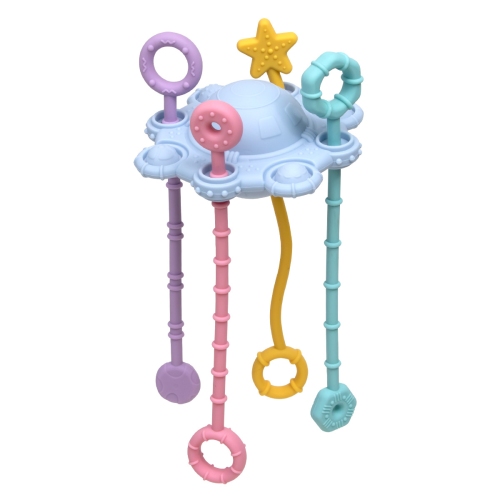
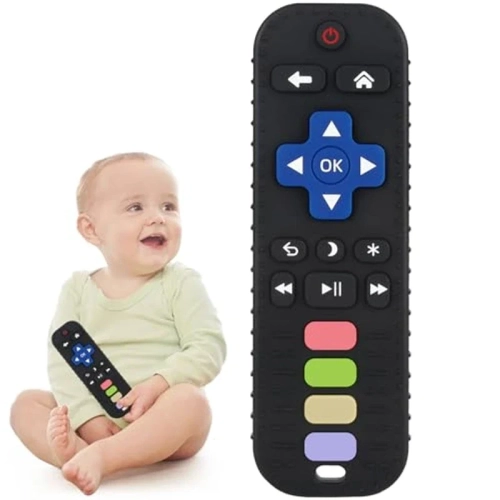
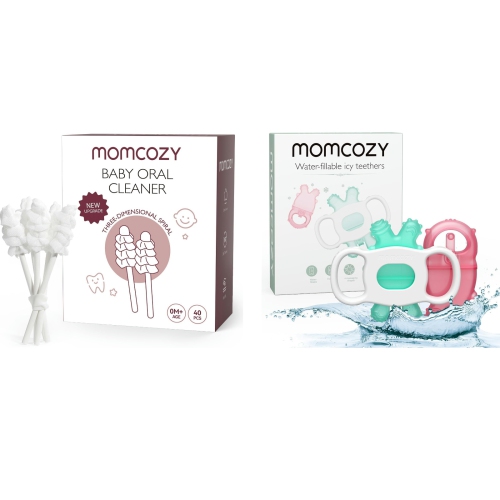
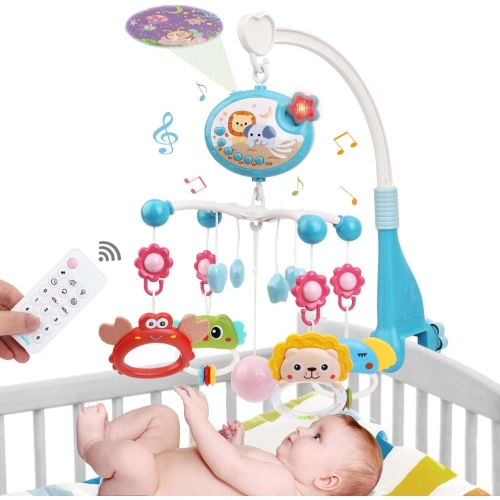
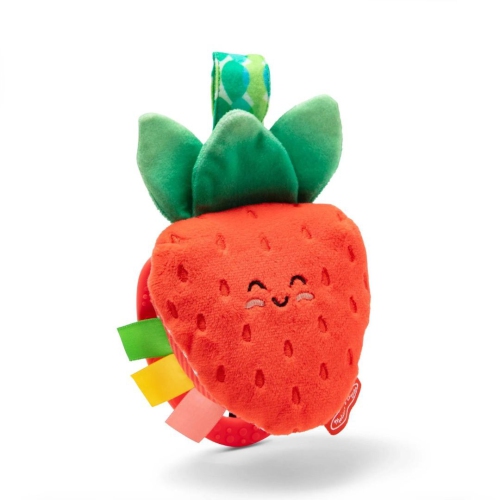
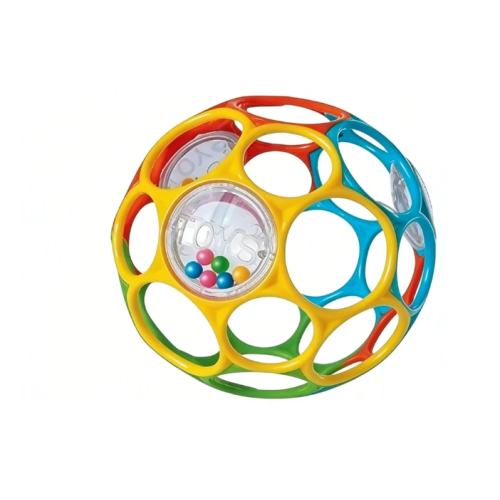
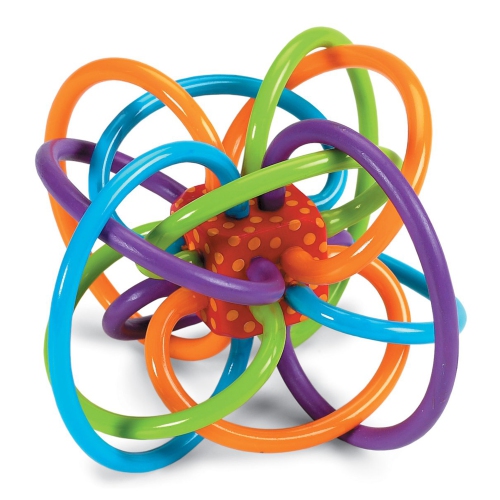
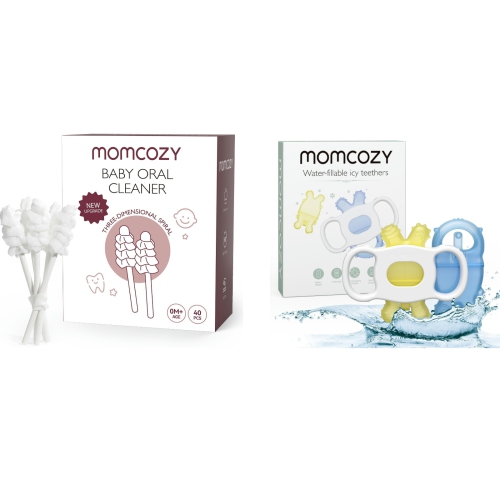
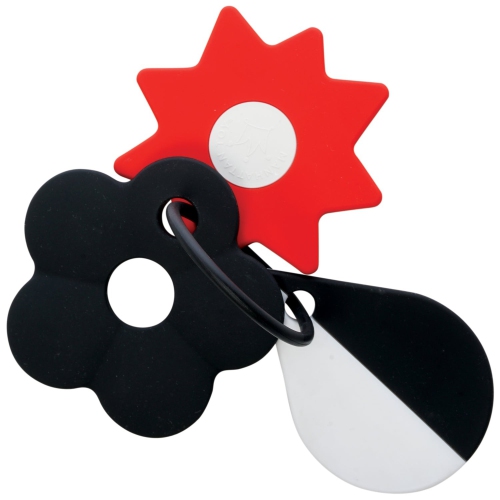
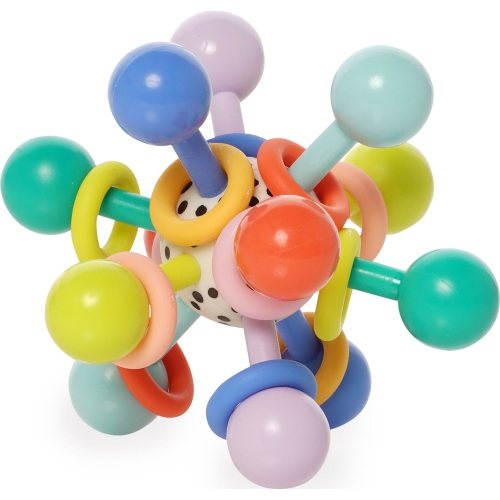
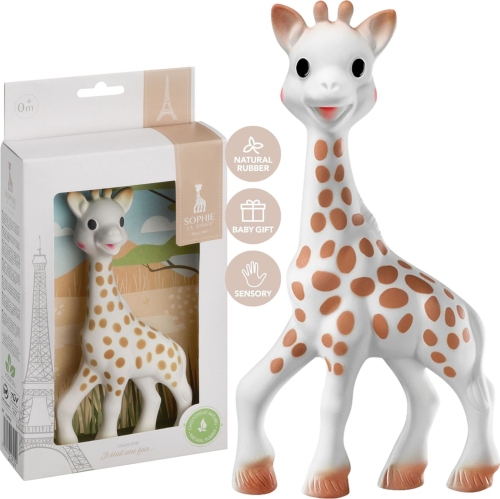
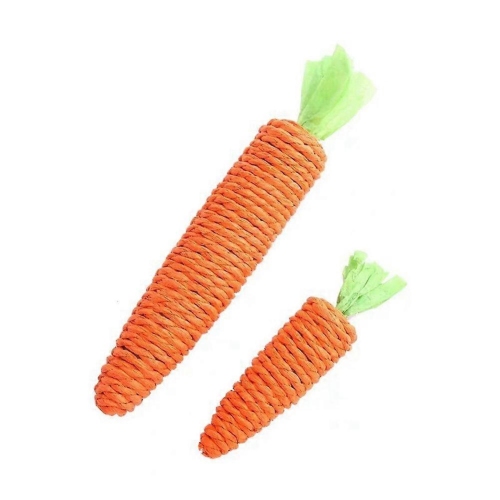

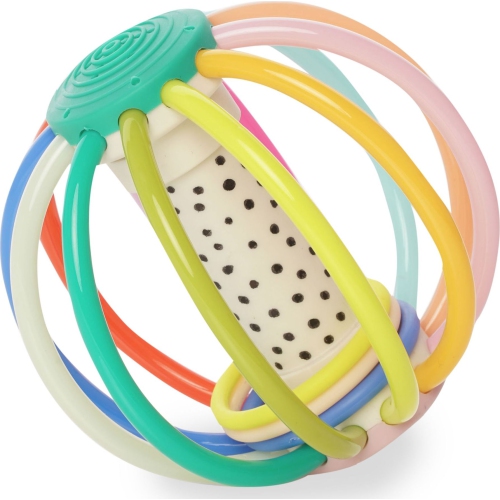
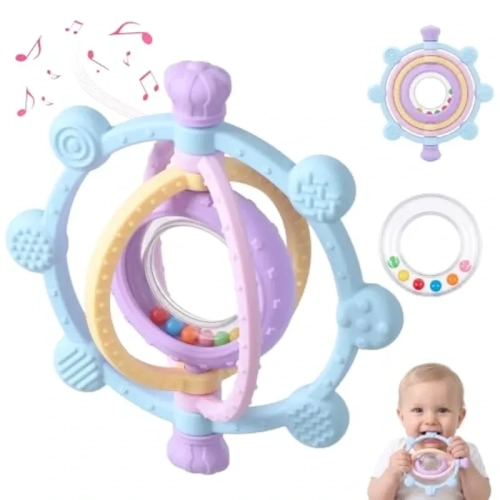
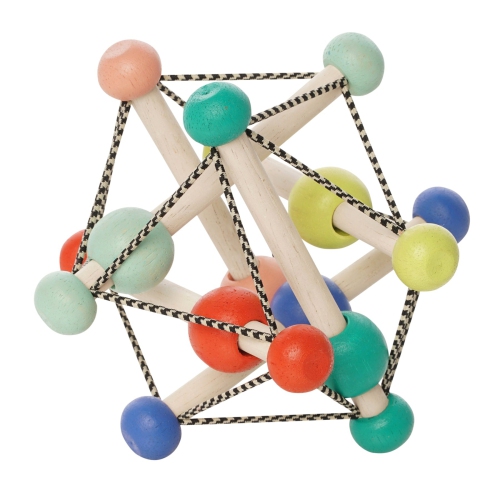
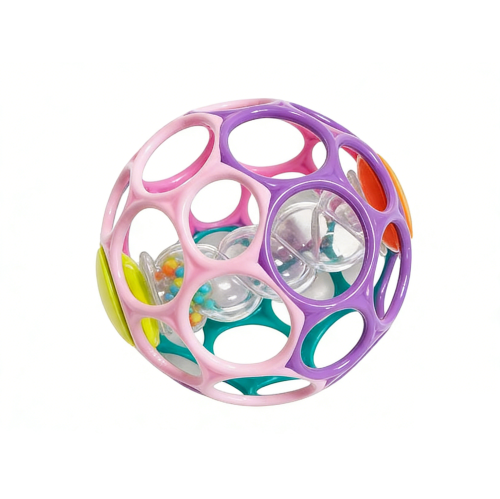
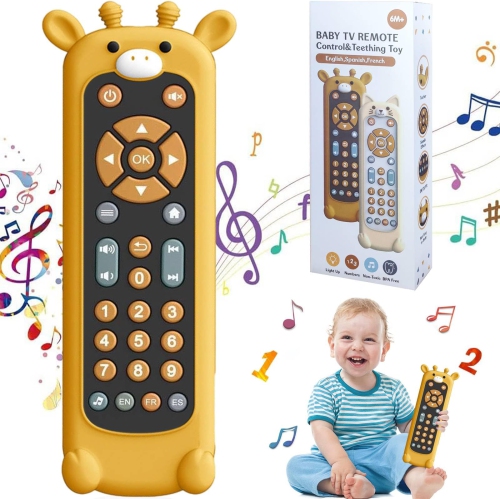
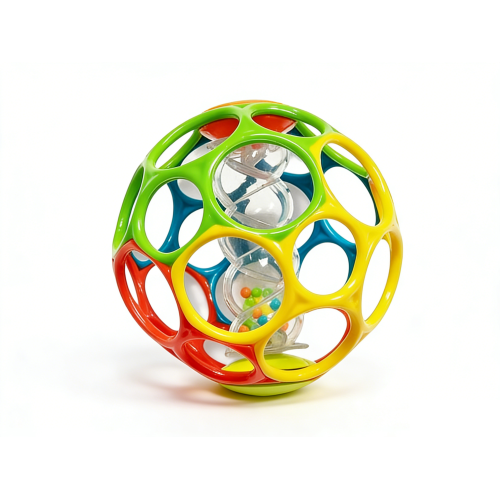
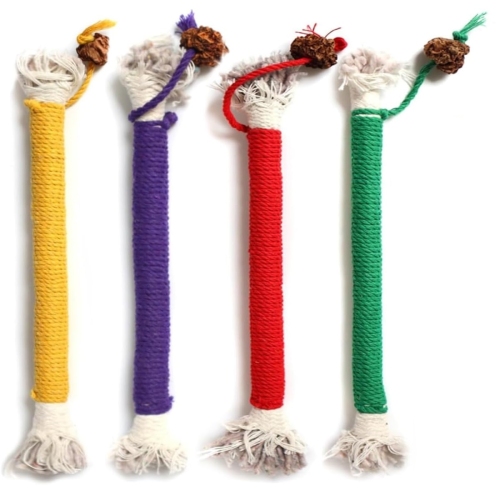

Small design details that help soothe tender gums
Teething toys are chewable baby products designed to provide a firm surface that can help soothe tender gums as teeth emerge. Their different shapes and textures give babies something purpose-made to explore with their mouths while practising grasping and hand-to-mouth coordination. Teething often begins around six months, although the timing varies considerably, so a toy’s recommended age and a baby’s individual abilities matter more than a particular milestone. A lightweight teething ring may be easier for a baby who is just beginning to hold objects, while a design with several easy-grip sections can give a more confident grasp somewhere to settle. Wide openings, rounded edges, and a manageable size help make the shape practical for small hands. Picture a baby holding a toy with both hands, turning it over, and finding a raised ridge with their gums: the useful details are often the ones that make those simple movements easier. Some teethers have broad chewing surfaces, while others combine smooth sections with shallow bumps or ridges. These variations offer different sensations without needing sharp edges or stiff projections. A smaller hand does not necessarily need the smallest toy; the overall design must remain too large to fit entirely inside the mouth. Weight also makes a difference, particularly when a baby can lift an object but cannot yet hold it steadily for long. A teether should suit the child’s stage rather than promise to speed up development or make teeth appear sooner. It is also distinct from a pacifier, feeding utensil, or toothbrush, even when shapes or materials look similar. For everyday use, a straightforward design that a baby can grasp comfortably may be more useful than an elaborate shape with features they cannot yet manage. Babies have their own preferences, too, and may favour a smooth edge during one chewing session and a gently textured section during another.
Materials influence how teething toys feel, how much they flex, and how they need to be cleaned. Silicone is commonly used because it can provide a pliable chewing surface, although firmness and flexibility vary between designs. Rubber offers another texture, while wooden teethers generally provide a firmer surface and need particular attention to their finish and care instructions. No material is automatically the best choice for every baby. Clear material information, an appropriate age rating, and instructions for safe use are more useful than broad claims on their own. For wood, a smooth finish without splinters, cracks, or rough patches is essential; for silicone or rubber, check for tears, thinning, sticky areas, or pieces beginning to separate. A flexible toy should still hold together securely under normal use. One-piece construction can reduce the number of joins and separate components to inspect, but every design needs regular checks. If a teether contains liquid or has hollow sections, pay attention to seals, openings, and any signs of damage or trapped moisture. Loose parts, accessible fillings, and detachable decorative pieces are not suitable features for something a baby will chew. Texture deserves the same careful look as material. Gentle ridges can give gums a different point of contact, but an unusually hard edge or deeply recessed pattern may make a toy less comfortable or harder to clean. Size and reach should also match the intended use: a shape that works well against the front gums may feel different when a baby tries to move it towards the sides of the mouth. Follow the manufacturer’s guidance rather than encouraging a baby to push a toy farther back. If a teether is suitable for chilling, follow its refrigerator instructions and do not freeze it. Cooling is an optional feature, not a requirement for a useful teething toy, and the surface should never be frozen hard when offered to a baby. Durability ultimately depends on both construction and condition, so replace a damaged teether rather than trying to repair it with glue or tape.
Daily care is easier when the cleaning routine fits comfortably into family life. A teether that lands on the kitchen floor needs attention before it goes back into a baby’s mouth, and a toy tucked into a change bag should be kept separate from used bibs and other soiled belongings. Wash hands before handling teethers and clean each toy according to its own instructions. Some materials tolerate dishwasher cleaning or sterilizing, while others require handwashing and careful drying; boiling, steam, or strong cleaning solutions should not be assumed safe for every design. Check grooves, handle openings, and seams where residue can collect, then allow the toy to dry as directed before storing it. A clean storage case or designated compartment can help keep a dry teether protected during outings, but closing a damp toy inside a container can leave moisture trapped. For families comparing Teethers for Kids, recommended age, dimensions, material details, and cleaning instructions provide a practical starting point. These details are equally helpful when choosing a baby shower gift or a small present for a growing baby. A caregiver’s preferences matter: someone who regularly uses a sterilizer may value compatible care instructions, while another family may prefer a simple shape that is easy to wash by hand. Colour and playful styling can make a gift appealing, but comfortable handling and straightforward upkeep are the qualities that matter during repeated use. Always supervise a baby with a teething toy, and never tie one around the neck or leave cords within reach. Teething necklaces and bracelets are not substitutes for an age-appropriate handheld teether. Remove toys from the sleep space, and check their condition before each use, especially once teeth begin to emerge. While chewing may provide temporary comfort, it should not distract from symptoms that need attention. Persistent pain, feeding difficulties, or fever should be discussed with a health-care professional rather than assumed to be teething. A well-chosen teether has a modest, practical role: giving a baby an appropriate surface to chew while caregivers offer comfort and keep a close eye on changing needs.
Top selling and popular products
-
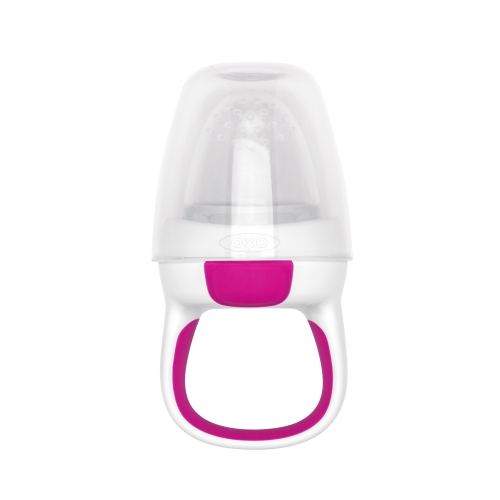 Your price for this item is $28.91
-
 Your price for this item is $22.05
-
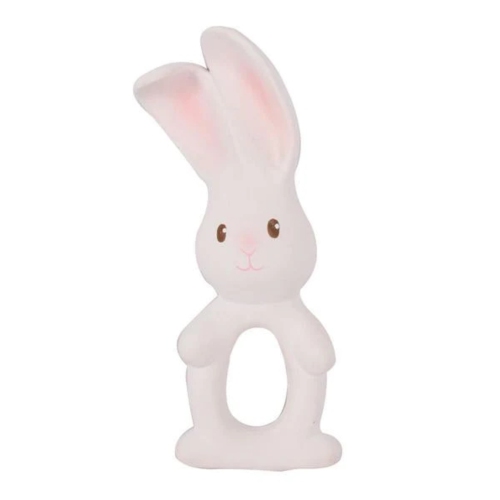 Your price for this item is $19.99
-
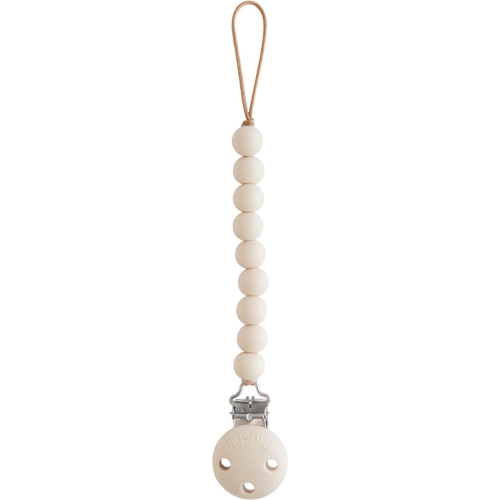 Your price for this item is $19.99
-
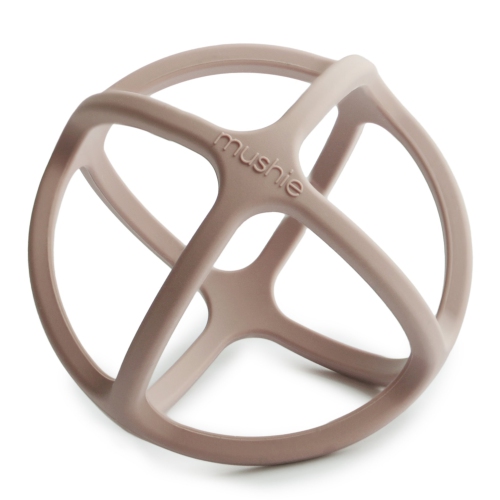 Your price for this item is $19.99
-
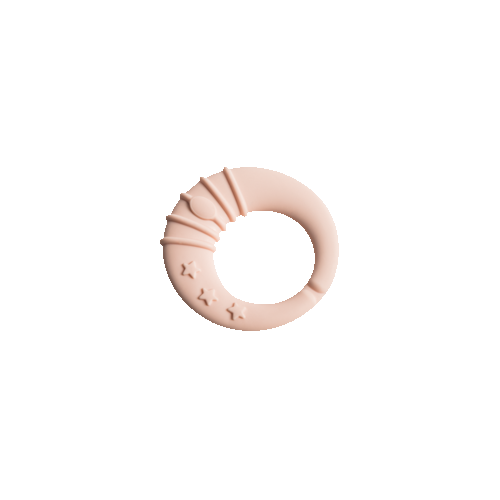 Your price for this item is $13.99
-
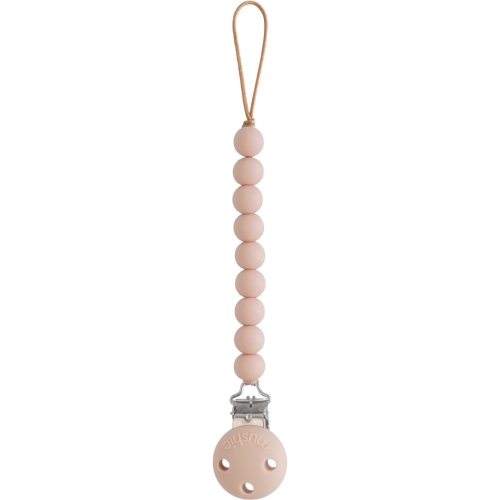 Your price for this item is $21.99
-
 Your price for this item is $21.99
Discover more categories related to Teething Toys
Top Collections:
Pokemon Centers, Kindle Devices, Best Cameras for Sports Photography, Pokémon 30th Celebration Cards, Canon G7X Cameras, Samsung Galaxy Phones, iPhone 15 Apple, Best Black Friday Deals On Electronics, Jackery Power Stations, Solar Generators for Home
Some products may be subject to Environmental Handling Fees
(EHF) depending on your province.
Learn more about EHFs.