Baby Teethers
Explore this collection of baby teethers designed to provide soothing relief for your little one during the teething phase. This range includes a variety of safe and durable options made from high-quality materials to help ease your baby's discomfort and promote healthy oral development. From soft silicone teethers to textured options that massage sore gums, find the perfect teething solution to keep your baby happy and comfortable.
Sort
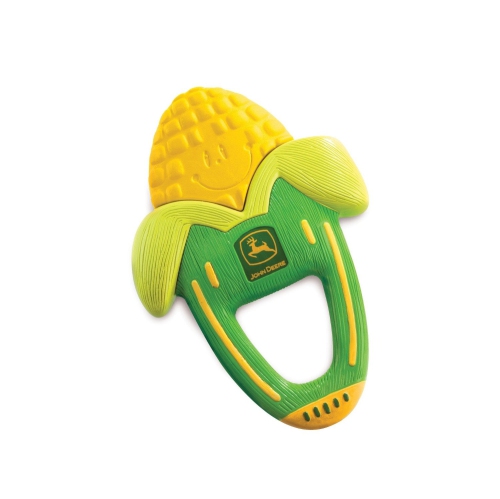
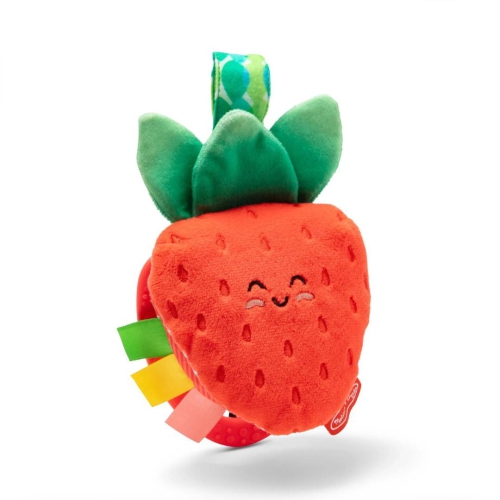
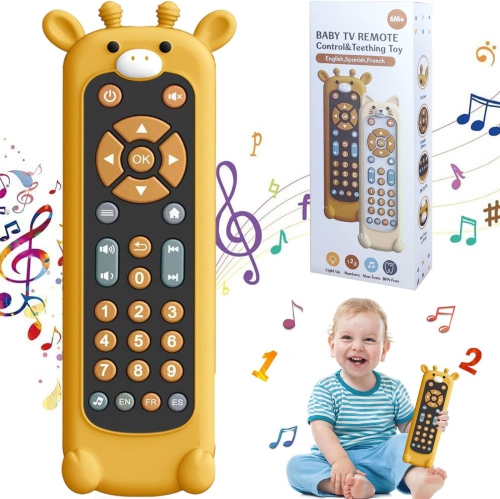
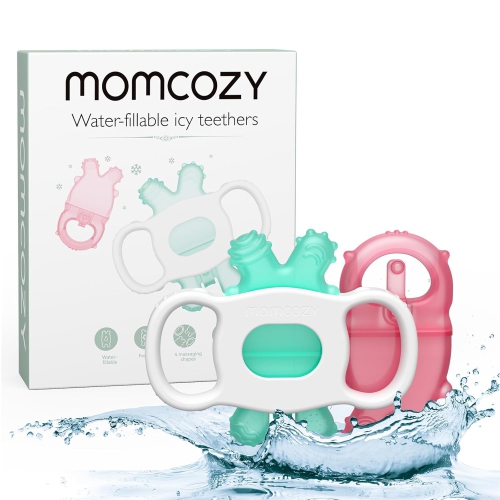

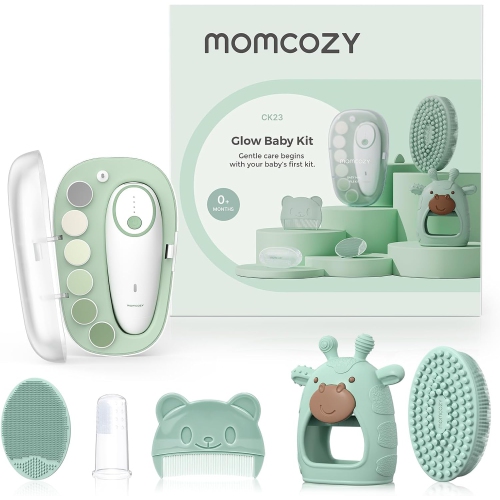
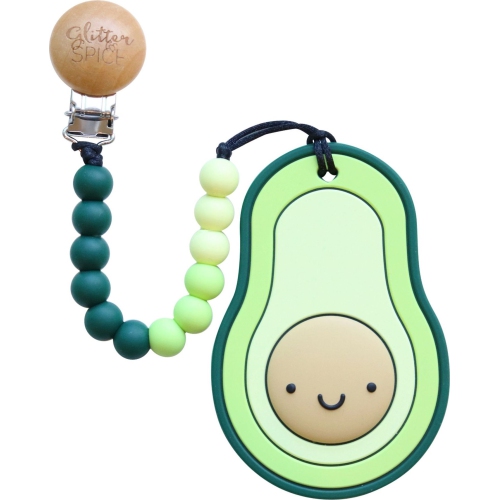
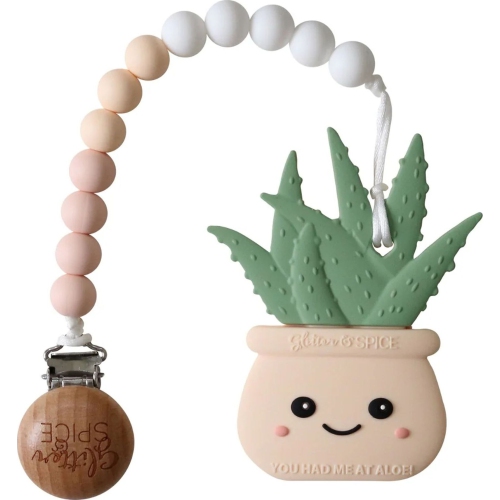
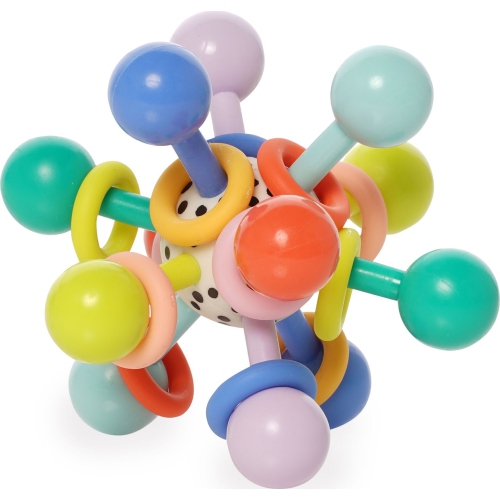
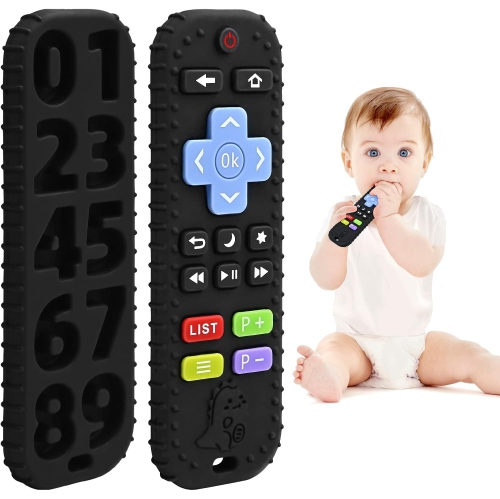
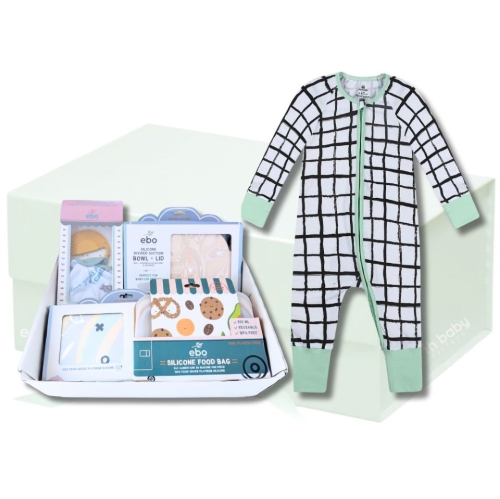
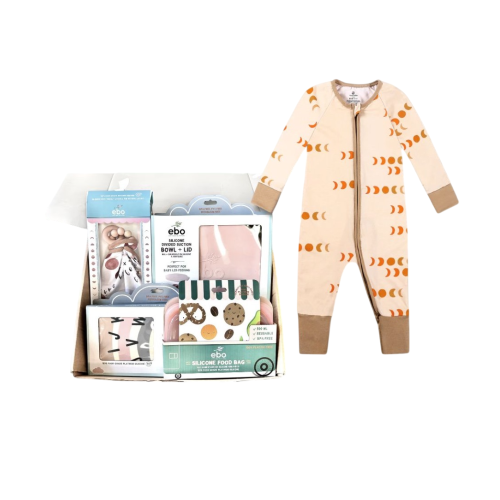
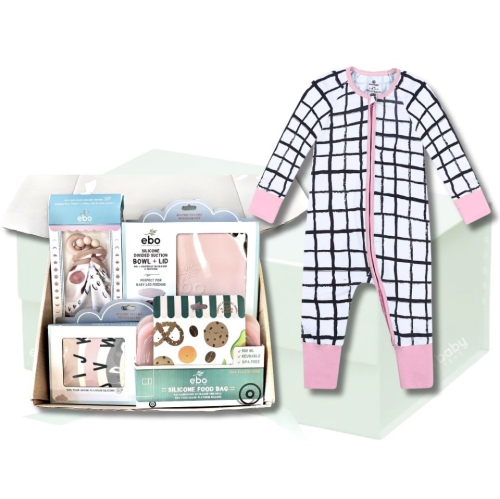
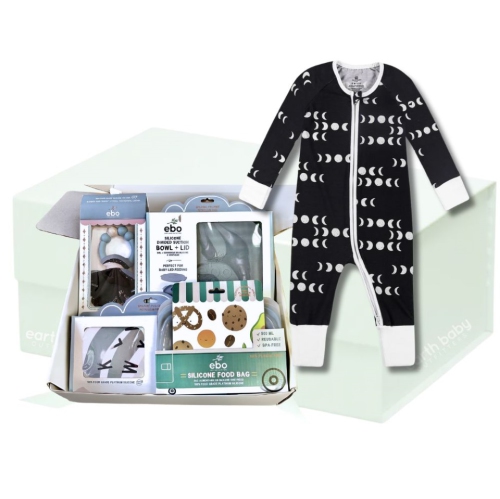
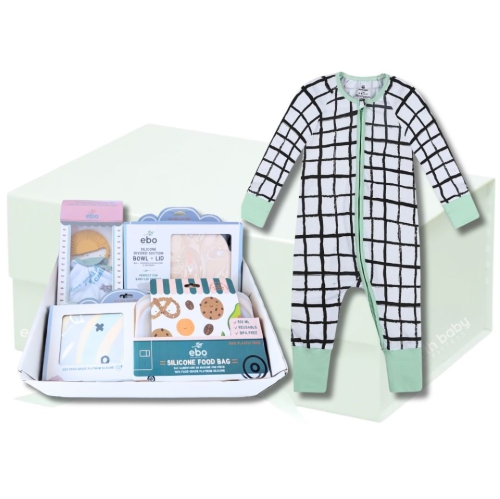
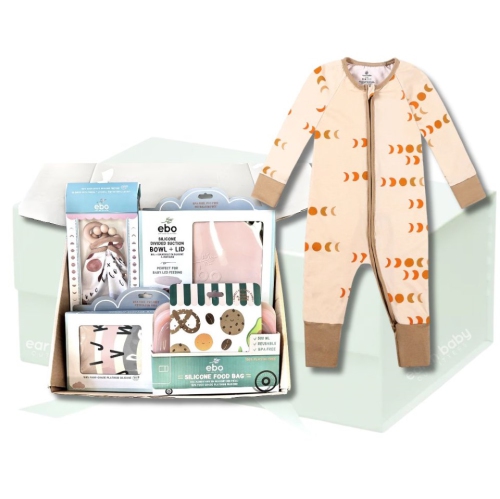
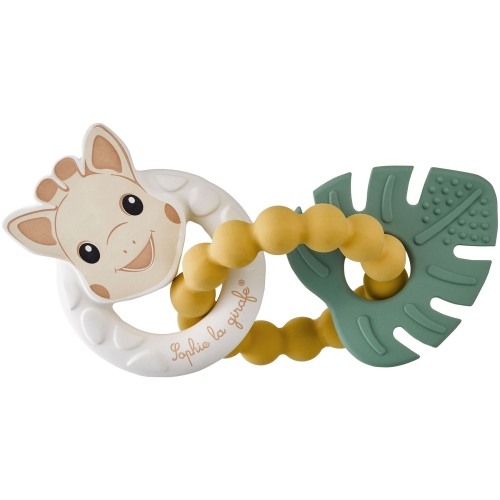
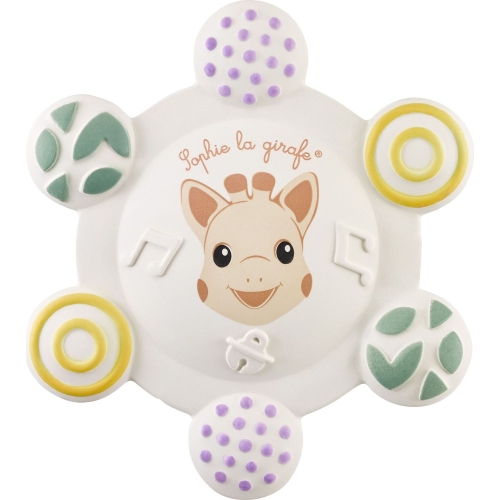
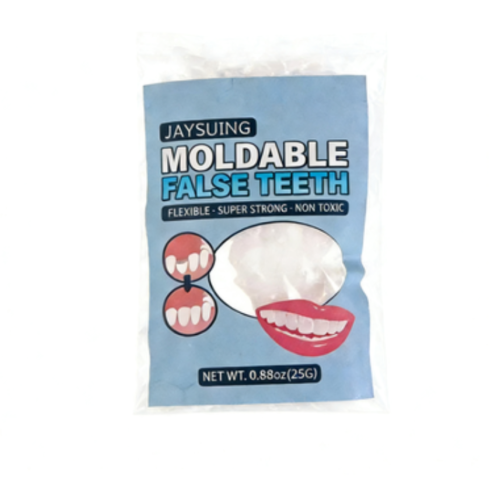
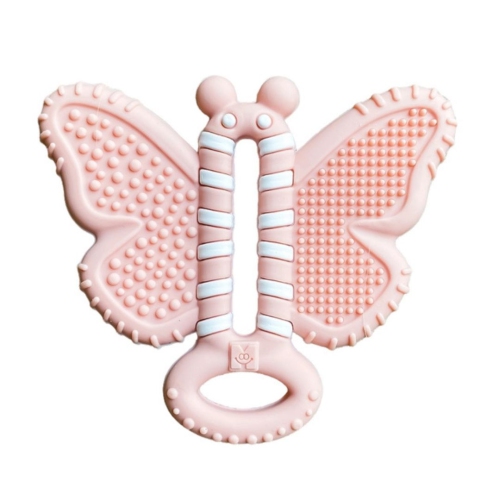
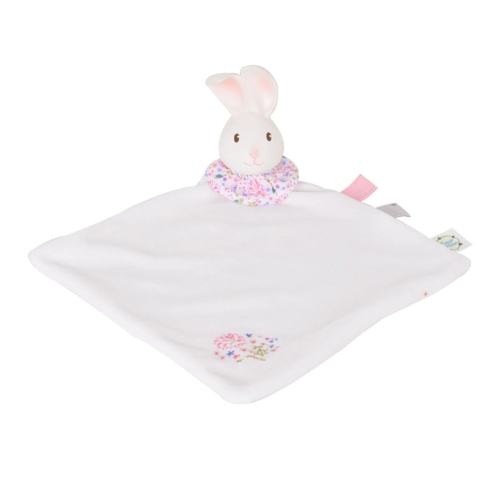
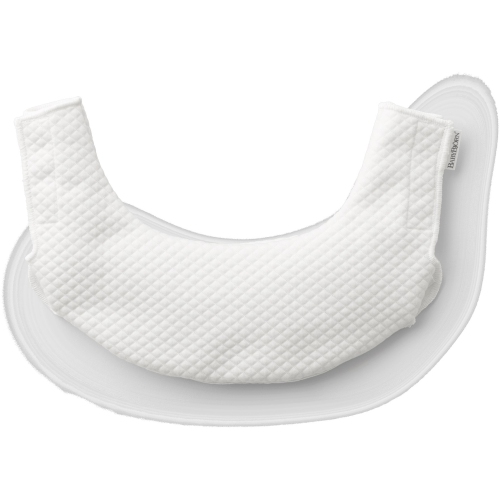
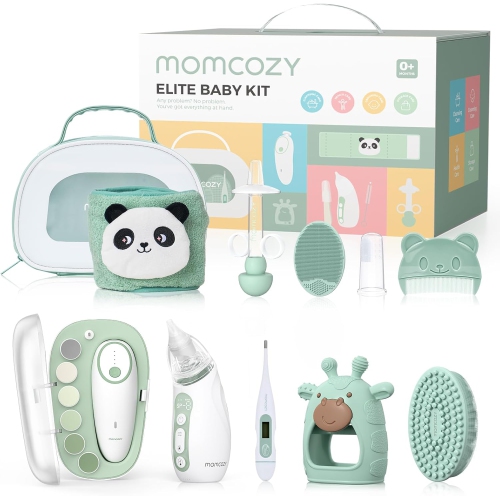
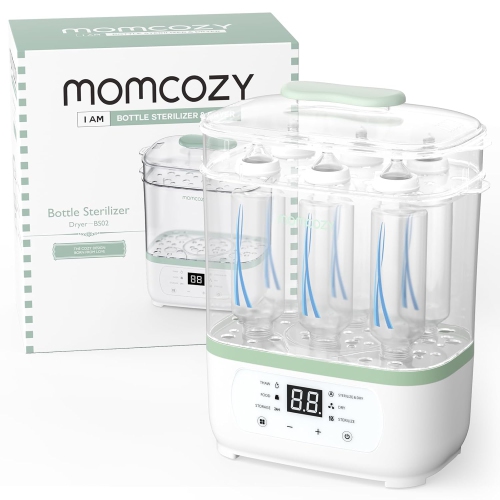

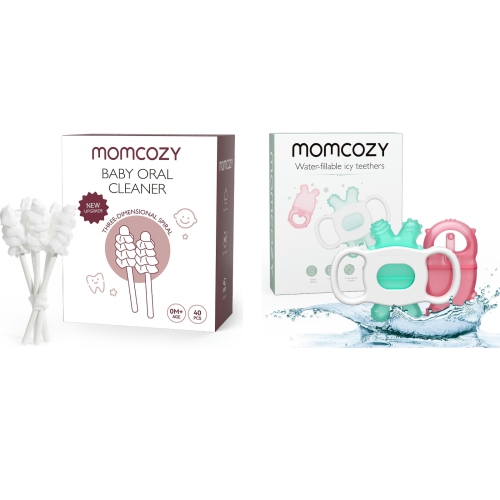
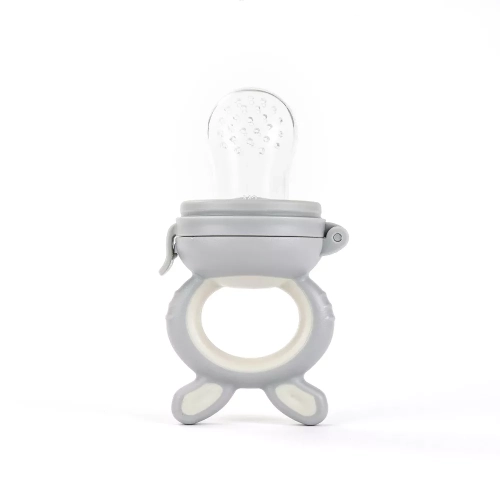
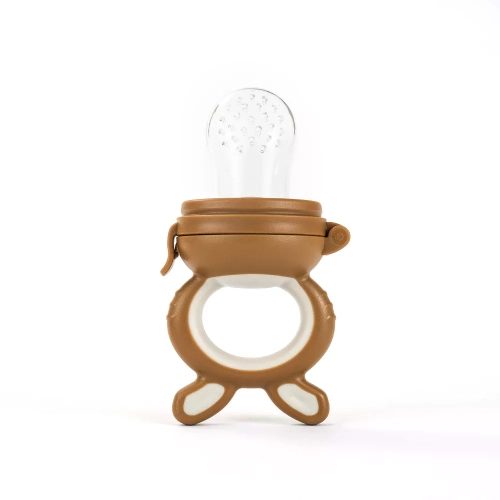
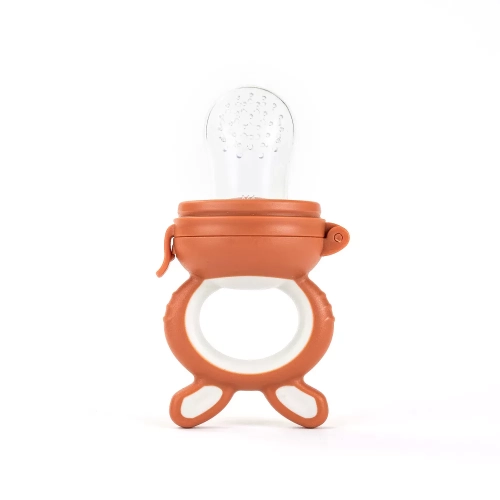
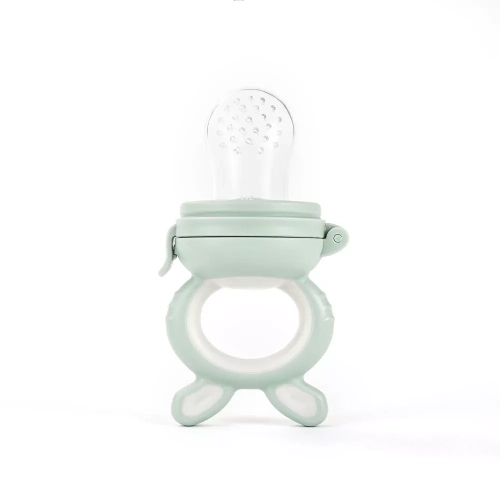
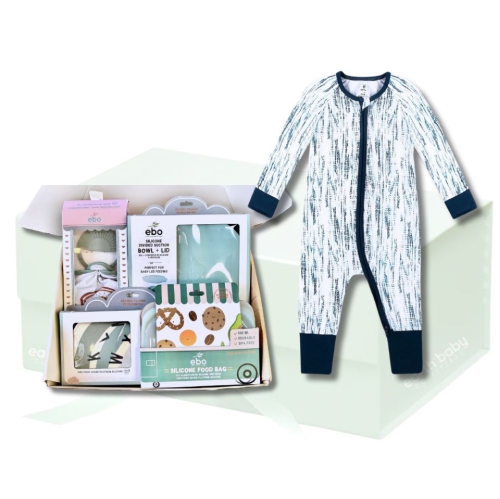
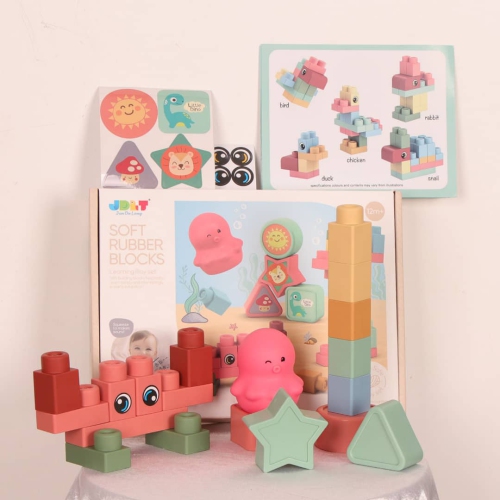
Comfort, safety, and care for everyday teething routines
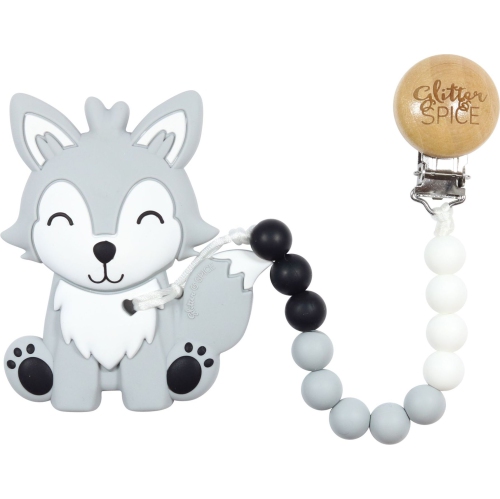
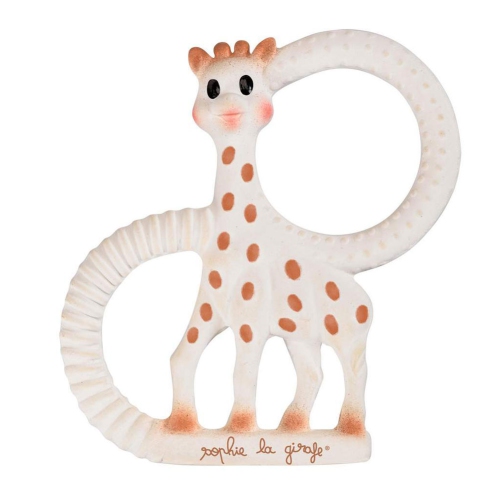
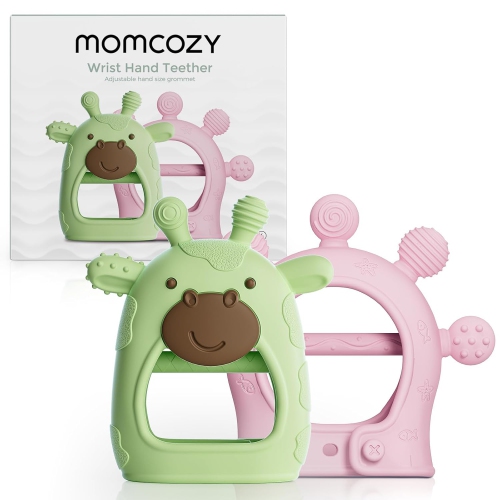
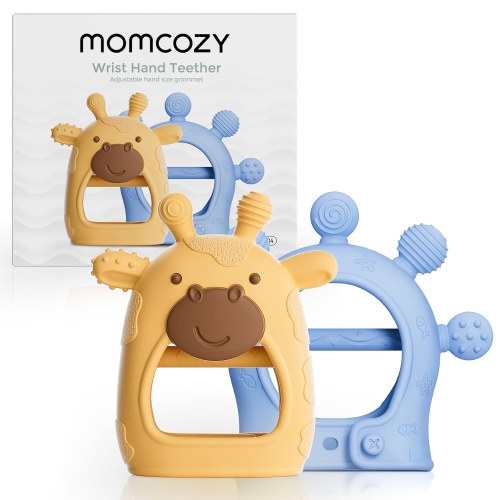
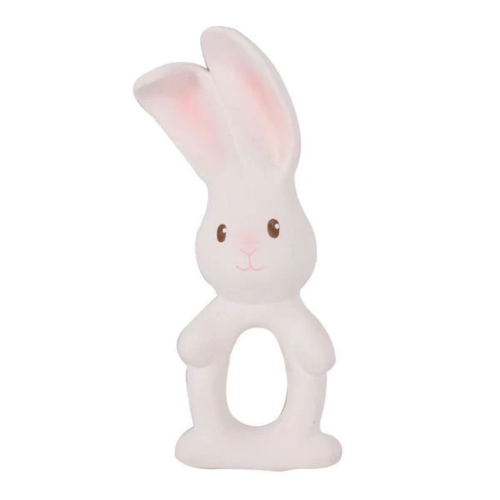
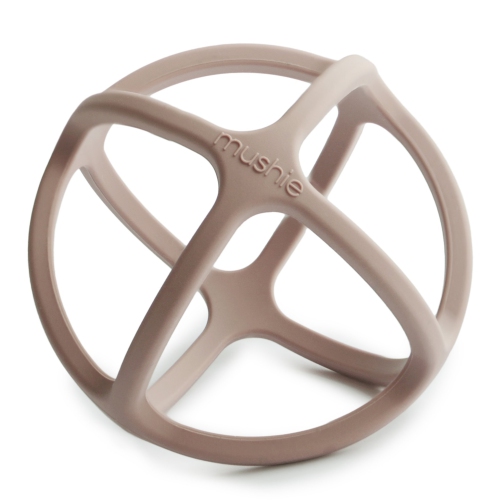
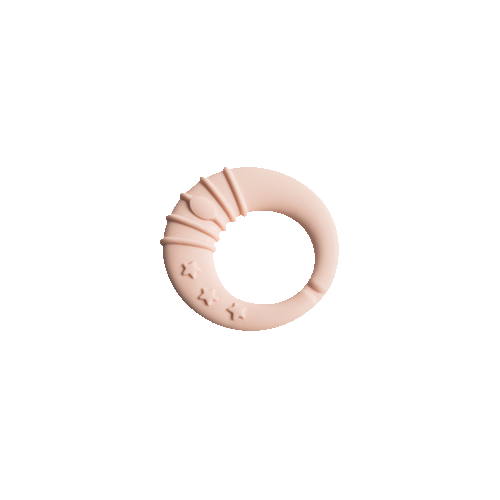
Baby teethers can be a comforting addition to a baby’s daily routine as new teeth begin moving beneath the gums. The soft pressure of chewing may help soothe tender gums, while different surfaces and shapes give little hands and mouths a safe way to explore texture. Many babies begin showing an interest in teethers around three to four months, although development varies and a baby’s readiness should always guide use. Signs may include increased drooling, bringing hands or toys to the mouth, rubbing the gums, or becoming unsettled during feeding and rest. A lightweight teether is often easiest for a young baby to hold, particularly when it has a ring, loop, handle, or open centre that small fingers can grasp. Food-grade silicone is a popular choice because it is flexible, soft against the gums, and generally simple to clean. Natural rubber options can offer a gently springy feel, while ridges, bumps, loops, and other textures provide variety as a baby learns to control biting and chewing. Teethers shaped like familiar foods, animals, or simple geometric forms can also encourage reaching, gripping, and hand-to-mouth coordination. When choosing from Teethers for Kids, consider the baby’s age, hand strength, preferred texture, and the way the teether will fit into everyday routines at home or while travelling. A compact design can be useful in a nappy bag during walks in cooler weather, visits with family, or quiet car rides, while a larger teether may be easier to find and pick up from a play mat.
Safety and care are important parts of choosing a baby teether. Look for an item made from materials intended for mouthing and check the manufacturer’s recommended age range before offering it. The teether should be large enough that it cannot become lodged in a baby’s throat, with no detachable beads, buttons, ribbons, batteries, or small pieces that could break away. Inspect it before every use, especially after it has been dropped, washed, or carried in a bag. Look closely for cracks, splits, punctures, loose sections, sharp edges, or changes in texture. A textured surface should remain securely attached, and a squeaking toy should not be used if it has developed a hole or damage. Follow the care instructions rather than assuming every teether can be boiled, sterilized, frozen, or placed in a dishwasher. Silicone teethers may be dishwasher-safe or suitable for cleaning with hot water, but this depends on the construction and manufacturer’s instructions. Natural rubber and wooden components typically require gentler cleaning and thorough drying. Avoid soaking toys with air holes or squeakers, since water can become trapped inside and may lead to unpleasant odours or mould. A cool teether may feel soothing to some babies, but do not freeze a teether unless the instructions specifically permit it; a very hard or icy surface may be uncomfortable for delicate gums. Clean the teether after use when possible, allow it to dry completely, and store it in a clean, dry place away from direct heat and sunlight. Teethers are intended for supervised use, not for sleeping, and should never be tied around a baby’s neck, wrist, or clothing with a cord or strap.
Baby teethers can make thoughtful gifts for new parents, grandparents, relatives, and friends preparing for a baby’s arrival, particularly when paired with other practical nursery essentials. A selection with different shapes and textures gives caregivers a chance to see what feels most comfortable for the baby, since one child may prefer a broad silicone surface while another may favour a narrow ring or raised ridges. They can be useful during floor play, after a feed when a baby wants to chew, or while a caregiver is nearby preparing a meal and the baby needs a safe, engaging object to hold. Teethers may also support early sensory play by introducing differences in weight, temperature, firmness, and surface pattern, though they are not a substitute for feeding tools or professional care. Always supervise the baby closely, and remove the teether if the baby appears uncomfortable, has difficulty handling it, or begins trying to pull pieces from it. Keep age and developmental guidance in mind as the baby grows; an item that suits a younger infant may no longer be the best choice once chewing becomes stronger or the baby begins moving independently. During the cooler months, a teether can be a reassuring companion for indoor play, stroller outings, and visits away from home, provided it is kept clean and easy to reach. With a comfortable design, durable construction, and straightforward care routine, a baby teether can become one of those small everyday items that helps make drooly afternoons, restless evenings, and the early stages of teething a little easier for both baby and caregiver.
Safety and care are important parts of choosing a baby teether. Look for an item made from materials intended for mouthing and check the manufacturer’s recommended age range before offering it. The teether should be large enough that it cannot become lodged in a baby’s throat, with no detachable beads, buttons, ribbons, batteries, or small pieces that could break away. Inspect it before every use, especially after it has been dropped, washed, or carried in a bag. Look closely for cracks, splits, punctures, loose sections, sharp edges, or changes in texture. A textured surface should remain securely attached, and a squeaking toy should not be used if it has developed a hole or damage. Follow the care instructions rather than assuming every teether can be boiled, sterilized, frozen, or placed in a dishwasher. Silicone teethers may be dishwasher-safe or suitable for cleaning with hot water, but this depends on the construction and manufacturer’s instructions. Natural rubber and wooden components typically require gentler cleaning and thorough drying. Avoid soaking toys with air holes or squeakers, since water can become trapped inside and may lead to unpleasant odours or mould. A cool teether may feel soothing to some babies, but do not freeze a teether unless the instructions specifically permit it; a very hard or icy surface may be uncomfortable for delicate gums. Clean the teether after use when possible, allow it to dry completely, and store it in a clean, dry place away from direct heat and sunlight. Teethers are intended for supervised use, not for sleeping, and should never be tied around a baby’s neck, wrist, or clothing with a cord or strap.
Baby teethers can make thoughtful gifts for new parents, grandparents, relatives, and friends preparing for a baby’s arrival, particularly when paired with other practical nursery essentials. A selection with different shapes and textures gives caregivers a chance to see what feels most comfortable for the baby, since one child may prefer a broad silicone surface while another may favour a narrow ring or raised ridges. They can be useful during floor play, after a feed when a baby wants to chew, or while a caregiver is nearby preparing a meal and the baby needs a safe, engaging object to hold. Teethers may also support early sensory play by introducing differences in weight, temperature, firmness, and surface pattern, though they are not a substitute for feeding tools or professional care. Always supervise the baby closely, and remove the teether if the baby appears uncomfortable, has difficulty handling it, or begins trying to pull pieces from it. Keep age and developmental guidance in mind as the baby grows; an item that suits a younger infant may no longer be the best choice once chewing becomes stronger or the baby begins moving independently. During the cooler months, a teether can be a reassuring companion for indoor play, stroller outings, and visits away from home, provided it is kept clean and easy to reach. With a comfortable design, durable construction, and straightforward care routine, a baby teether can become one of those small everyday items that helps make drooly afternoons, restless evenings, and the early stages of teething a little easier for both baby and caregiver.
Top selling and popular products
-
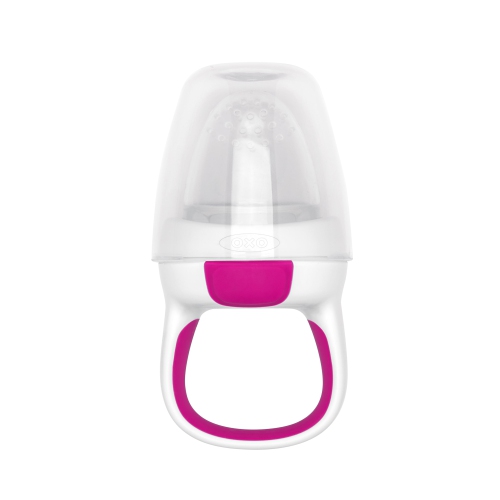 Your price for this item is $28.48
 -
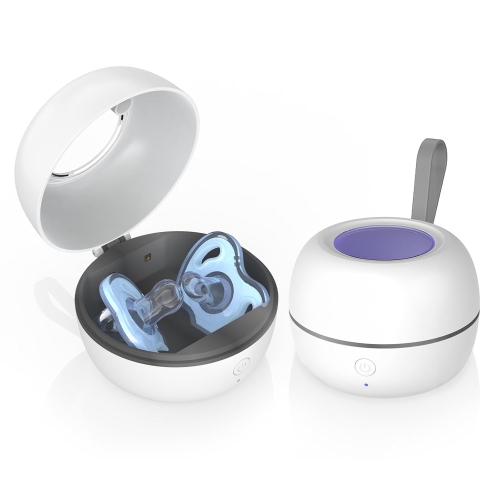 Your price for this item is $41.99
 -
 Your price for this item is $19.99
 -
 Your price for this item is $19.99
 -
 Your price for this item is $19.99
 -
 Your price for this item is $13.99
 -
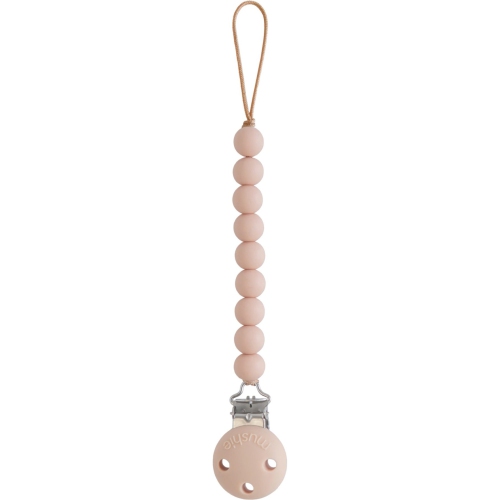 Your price for this item is $21.99
 -
 Your price for this item is $21.99
Discover more categories related to Baby Teethers
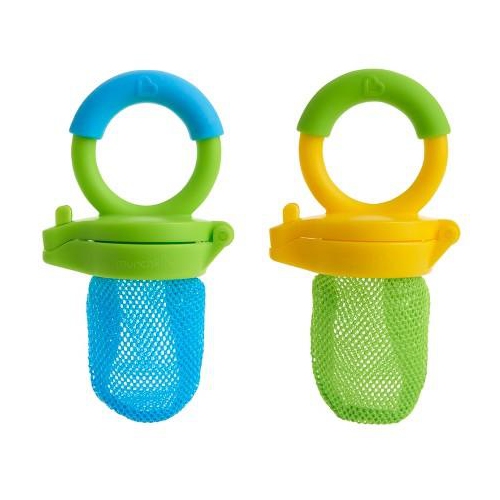
Top Collections:
Best Laptops for Video Editing, Pokemon Centers, Samsung Z Fold, Kindle Devices, Best Cell Phones Under $300, Best Laptops for Writers, Best Budget Office Chairs, Best Cell Phones Under $500, Best Laptop Computers for Students, iPhone 15 Apple
Some products may be subject to Environmental Handling Fees
(EHF) depending on your province.
Learn more about EHFs.