Baby Trendy Strollers
Discover a selection of stylish and functional baby strollers that cater to both you and your little one's needs. From lightweight and compact designs perfect for on-the-go parents to versatile strollers with multiple seating options, our collection offers a range of trendy solutions to make outings with your baby a breeze. Whether you're looking for a sleek urban stroller or a rugged all-terrain model, explore our assortment of modern strollers designed to keep your baby safe and comfortable while adding a touch of style to your everyday adventures.
Sort



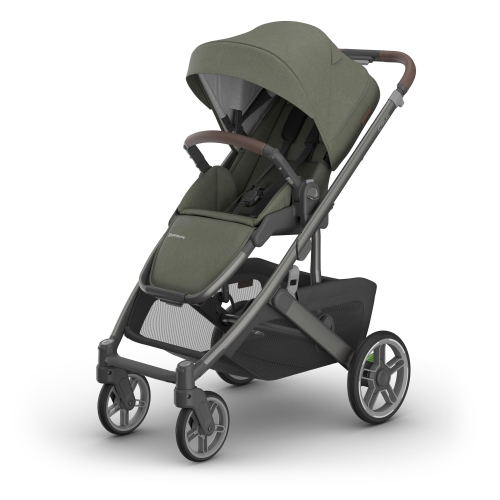
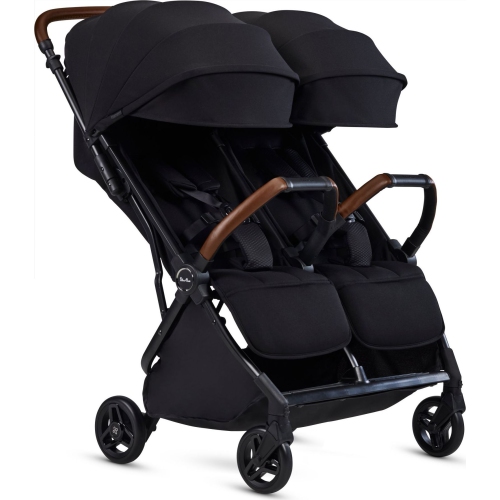
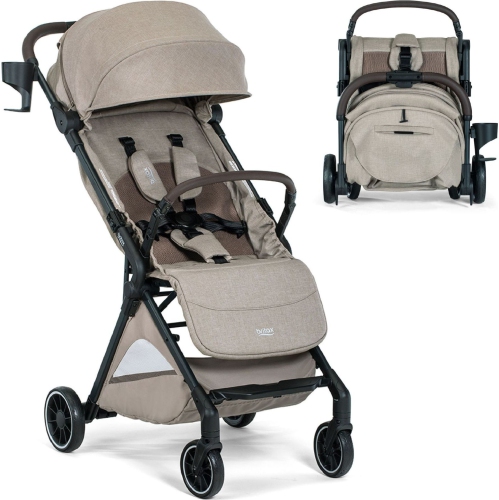


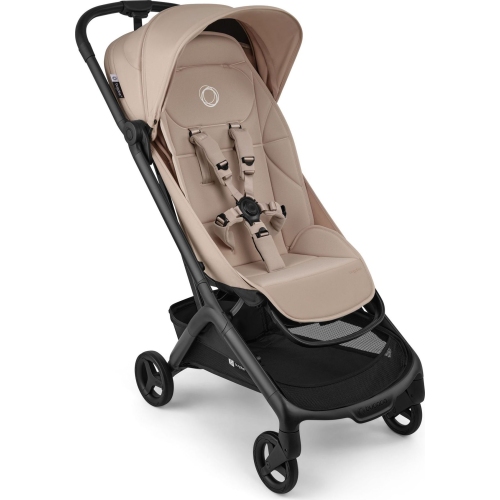
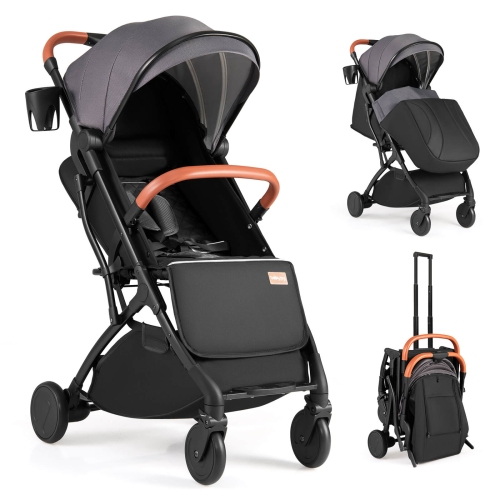
Why stroller fit matters beyond a comfortable seat
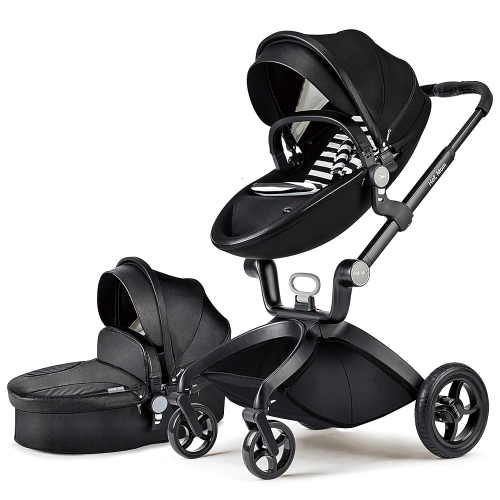
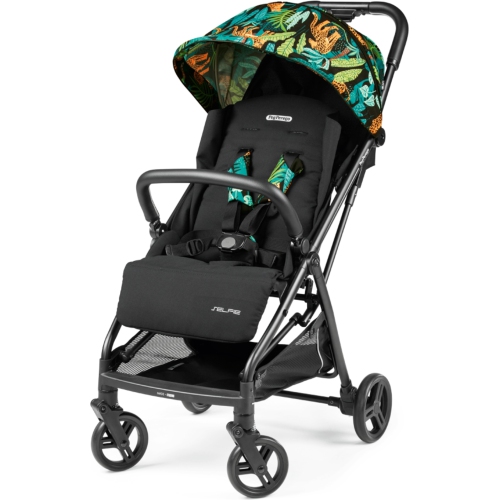
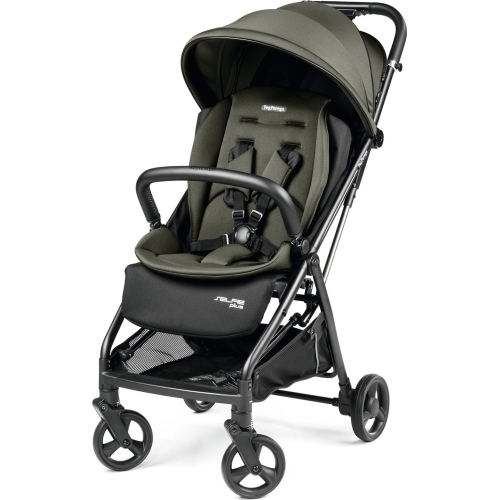
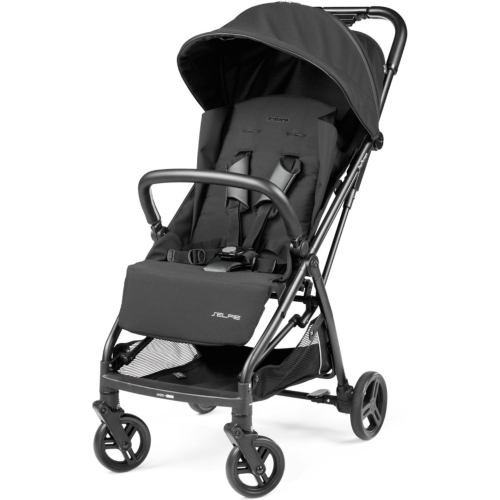
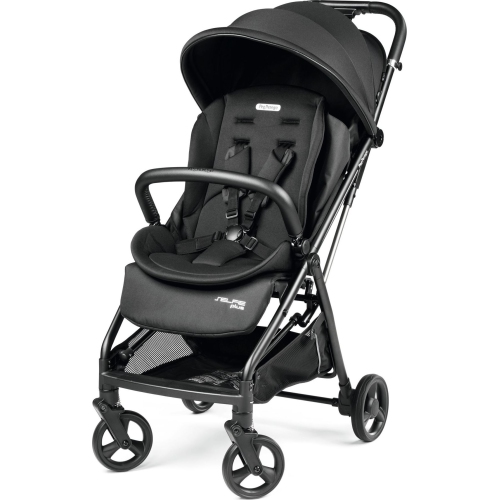
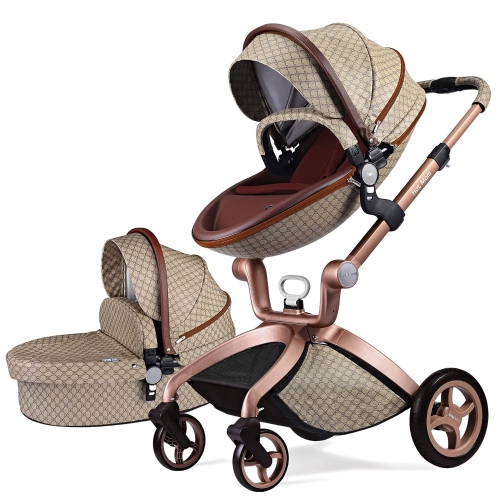
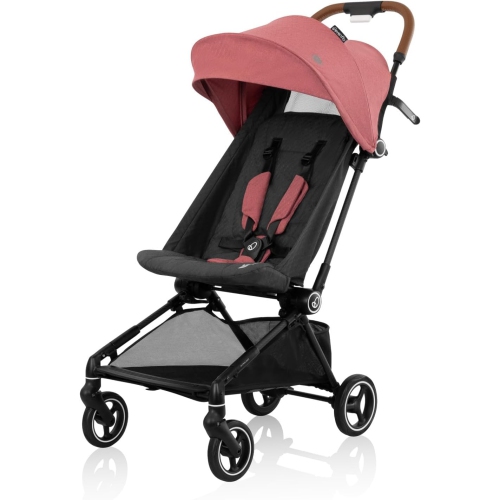
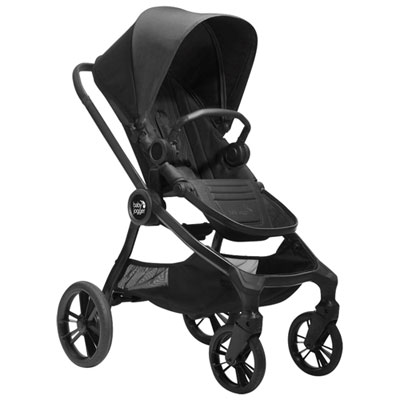
Baby strollers bring together a comfortable place for a child to ride and a practical way for parents and caregivers to move through daily routines. Stroller styles include full-size designs for everyday outings, lightweight and compact models for easier carrying, travel systems with compatible infant car seats, jogging strollers, and double or sit-and-stand configurations for siblings. Each format suits a different rhythm of family life. A full-size stroller can offer a roomy seat, accessible storage, and adjustable features that are useful for neighbourhood walks, shopping trips, and visits with family. A compact stroller puts more emphasis on a manageable fold and a smaller footprint, particularly helpful when sharing a lift, navigating public transit, or storing baby gear in an apartment. Lightweight does not necessarily mean suitable from birth, however; the seat and any attachments must be approved for the child’s age, weight, and stage of development. Travel systems pair a stroller with a compatible infant car seat, allowing the seat to move between the vehicle and stroller using the specified attachment method. That compatibility is particular to the equipment rather than universal, and some combinations require an approved adapter. Modular strollers may support different seating arrangements as a family’s needs change, while dedicated double strollers provide space for two children. Side-by-side seating gives children adjacent positions, whereas tandem designs place one seat ahead of the other and can have a narrower overall profile. Sit-and-stand arrangements are generally intended for families with an older child who meets the requirements for the rear seating or standing position. Jogging strollers have their own intended use and operating requirements; a three-wheel shape alone does not make a stroller suitable for running. Across these categories, the most useful design is one that matches the child’s needs and the spaces the family uses, rather than simply having the longest feature list.
The way a stroller fits into a home, vehicle, and daily route can matter as much as its appearance. Open dimensions affect movement through doorways and shop aisles, while folded dimensions determine whether there is still room in the boot for groceries or an overnight bag. Carrying weight becomes especially noticeable when a caregiver has to lift the frame up steps or load it into a vehicle several times a day. A folding mechanism that feels straightforward in a demonstration may work differently when the storage basket is full or an accessory is attached, making the manufacturer’s folding requirements important. Handlebar height and adjustment range also influence comfort, particularly when caregivers of different heights share the stroller. For the child, a supportive seat, suitable recline positions, an adjustable harness, and an appropriately positioned footrest contribute to a better fit. Newborn use requires a configuration explicitly approved for that purpose; a deeply reclining seat is not automatically suitable for a newborn. As a child grows, the stated height and weight limits remain important, including any separate limits for a bassinet, second seat, standing platform, or storage basket. Wheel size, tyre construction, suspension, and steering design affect how a stroller handles changes in surface. Smaller wheels can be convenient on smooth floors and paved routes, while larger wheels may move more easily over uneven paving or park paths. Air-filled tyres need pressure checks and can puncture, whereas solid or foam-filled designs have different maintenance needs and ride characteristics. Swivelling front wheels help with tight turns, and a lockable wheel may offer additional control where the manufacturer specifies its use. A secure parking brake is essential whenever the stroller is stationary. The harness should be used as directed, even for a short trip, and bags belong only in storage areas or attachment points approved for that load. Hanging a heavy bag from the handle can affect stability. For jogging, both the stroller and the child must meet the manufacturer’s requirements before running begins.
Materials and construction shape how a stroller looks, feels, and holds up to repeated use. Frames commonly use aluminium or steel, with the overall design determining strength, weight, and handling rather than the frame material alone. Seat fabrics may include woven polyester, padded panels, or mesh sections, and the care instructions establish which parts can be removed, washed, or spot-cleaned. Everyday details are easy to appreciate after a snack breaks apart across the seat: accessible seams, removable liners where supplied, and surfaces that can be wiped clean make routine care less awkward. Harness straps and buckles need their specified cleaning method, since harsh cleaners or soaking may affect components not designed for that treatment. Wheels and moving joints benefit from regular checks for trapped debris, wear, or loose parts, with lubrication used only where and as directed by the manufacturer. Fabric should be fully dry before the stroller is folded for storage, and a clean, dry storage space helps protect upholstery and metal components between outings. Durable construction also shows in hinges that operate smoothly, a frame that feels stable, and attachments that lock securely into their intended positions. The appeal of Nice Strollers extends beyond colour and silhouette to these small, frequently used details: a basket that remains reachable with the seat reclined, a comfortable handle grip, or a fold that fits neatly beside the front door. Neutral colours can coordinate easily with other baby gear, while brighter shades and contrasting finishes offer a more distinctive look. For a baby shower or a gift from grandparents, a stroller is a substantial everyday choice best matched to the family’s preferences, storage space, transport habits, and existing equipment. A family welcoming twins may need two suitable infant positions, while caregivers collecting an older sibling may value a configuration that accommodates different ages. Thoughtful matching of seating, handling, care needs, and intended use gives a stroller a clear role in family life, from a quick trip to the shops to a longer day spent away from home.
Top selling and popular products
-
 Your price for this item is $468.99
-
 Your price for this item is $299.97
-
 Your price for this item is $249.99
-
 Your price for this item is $399.99
-
 Your price for this item is $249.99
-
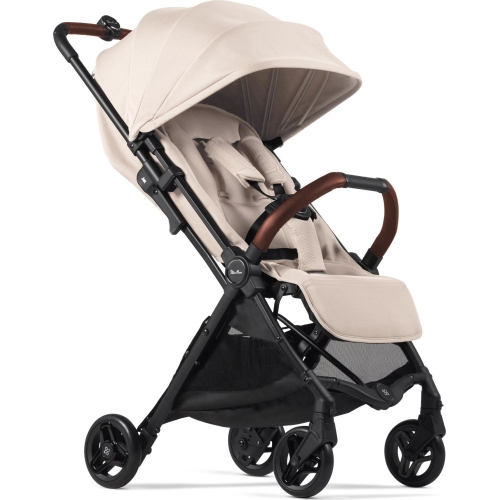 Your price for this item is $615
-
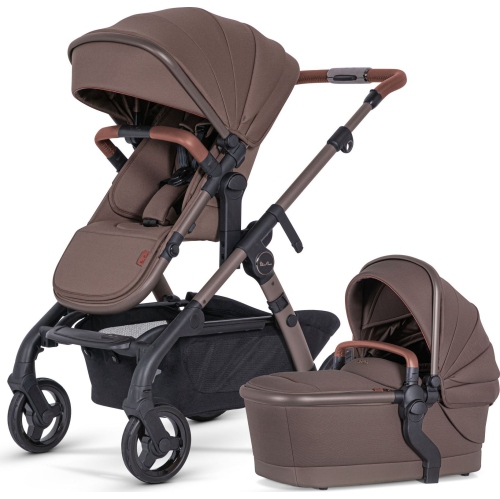 Your price for this item is $1964
-
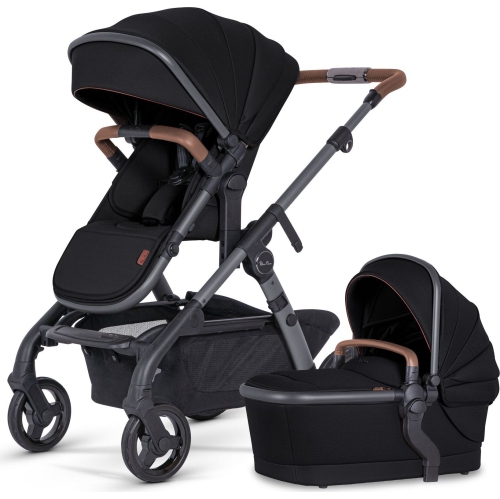 Your price for this item is $1964
Discover more categories related to Baby Trendy Strollers

Top Collections:
Pokemon Centers, Best Budget Office Chairs, Kindle Devices, Best Cameras for Sports Photography, Pokémon 30th Celebration Cards, Best Laptops for Writers, Canon G7X Cameras, iPhone 15 Apple, Best Cell Phones Under $300, Apple iPhones 16
Some products may be subject to Environmental Handling Fees
(EHF) depending on your province.
Learn more about EHFs.