Stroller Brands
Finding the perfect stroller is an essential step for parents and caregivers who want to ensure comfort, safety, and convenience on every outing. With a wide variety of stroller brands available, it's easier than ever to discover options that cater to diverse needs and lifestyles. From sleek urban designs to robust all-terrain models, each brand offers unique features that prioritize ease of use, durability, and style. Whether you're navigating city streets or exploring nature trails, the right stroller can make all the difference in your daily adventures with your little one. Dive into our selection and find the ideal match for your family’s journey.
Sort
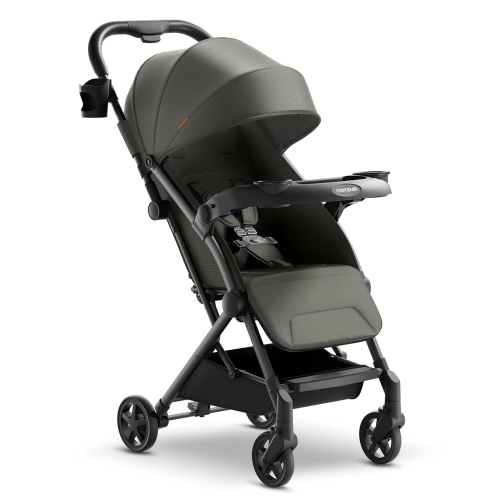
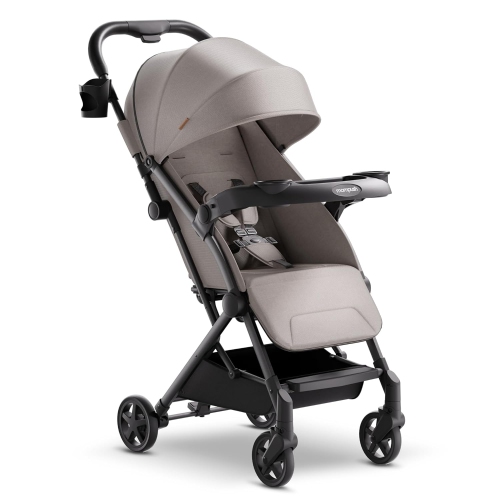
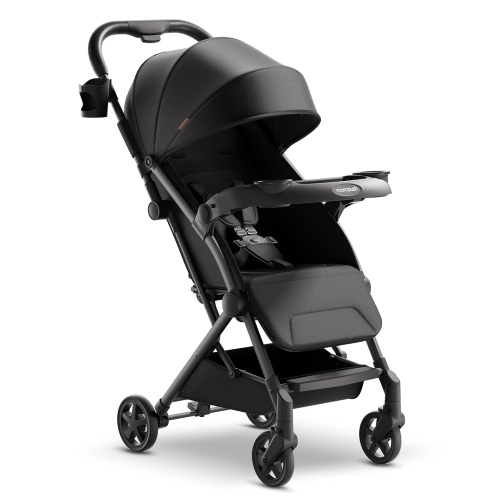
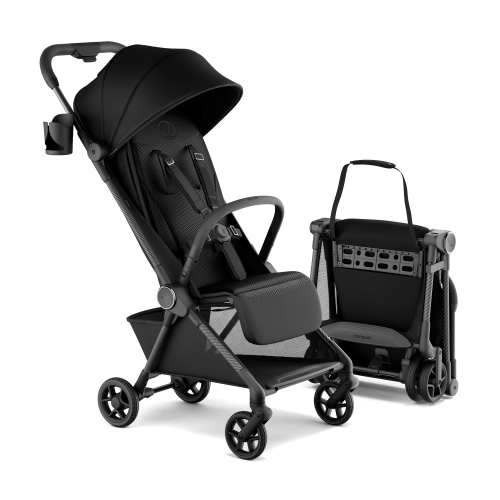
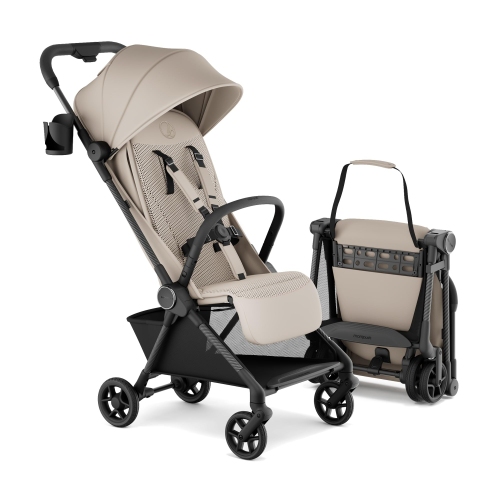

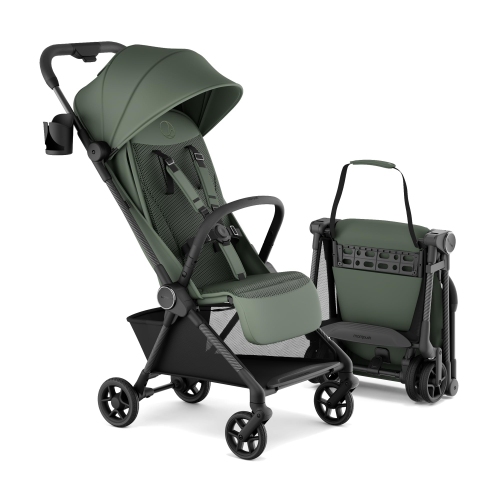
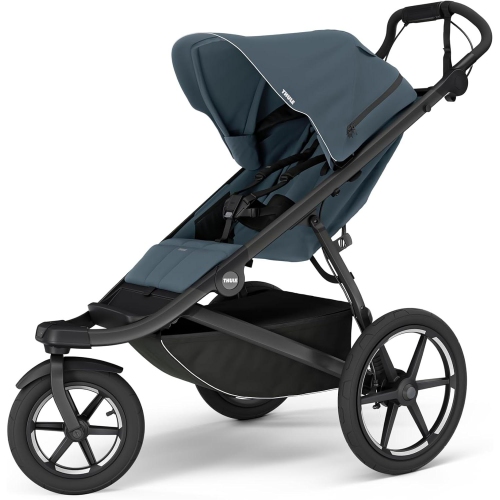
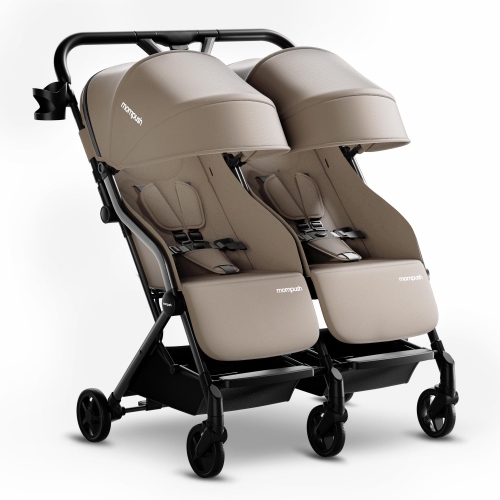

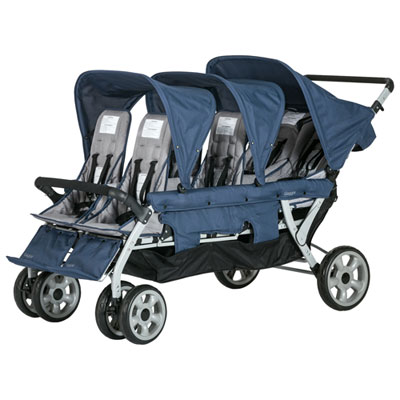

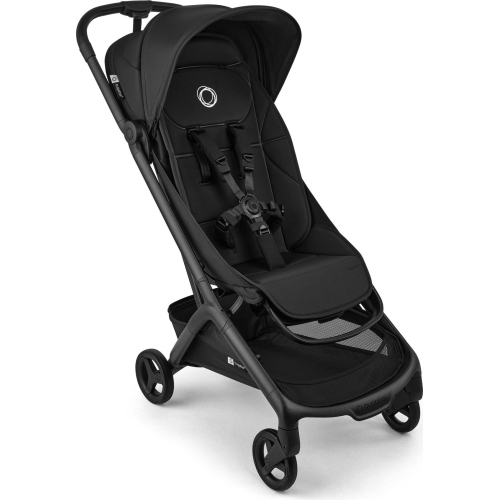
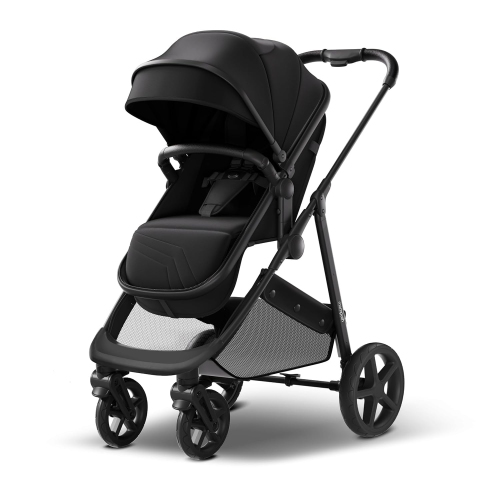
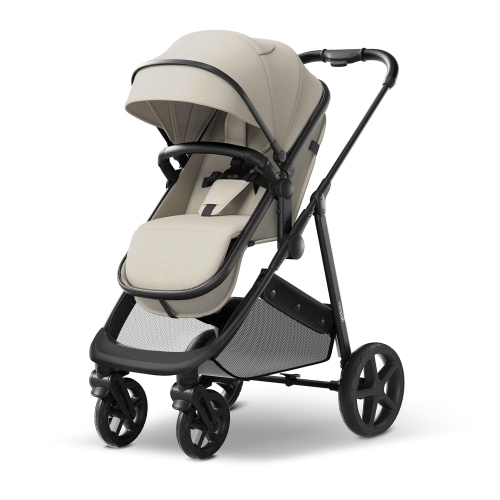


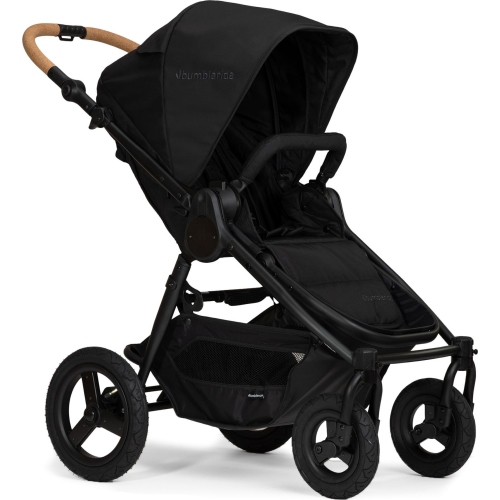
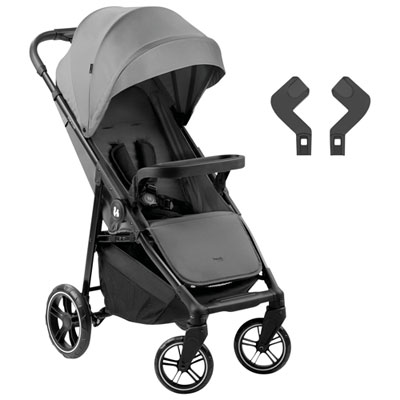
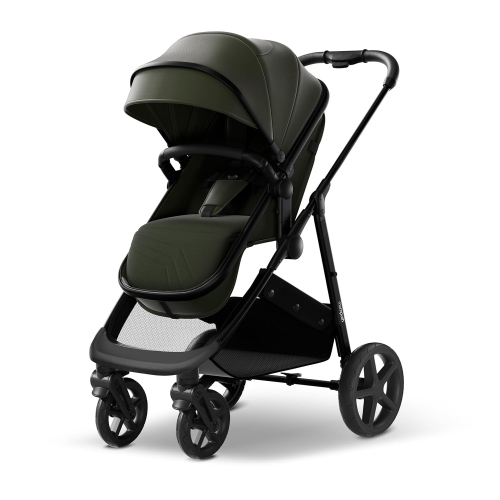
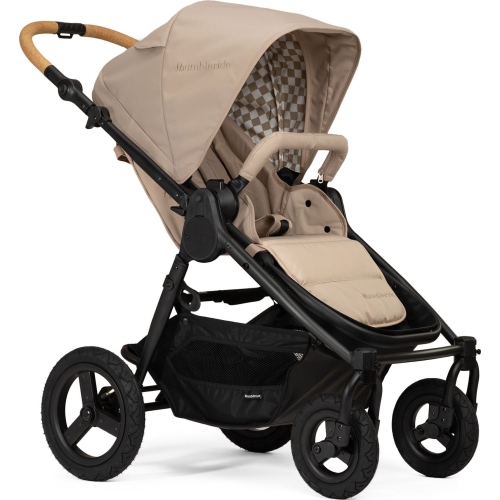


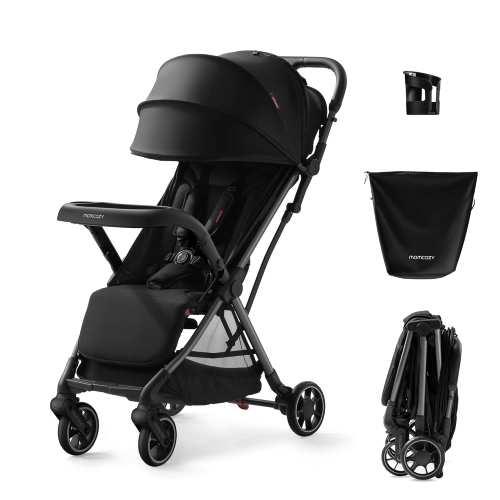


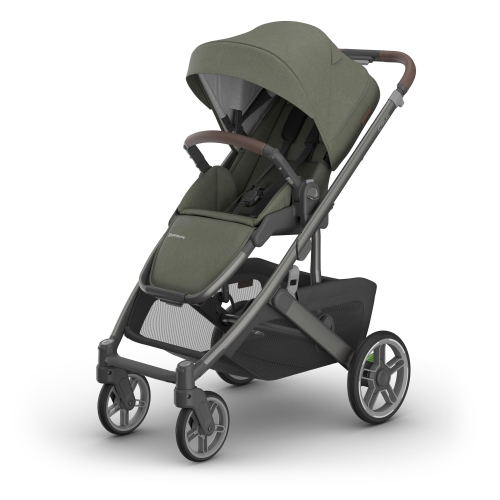
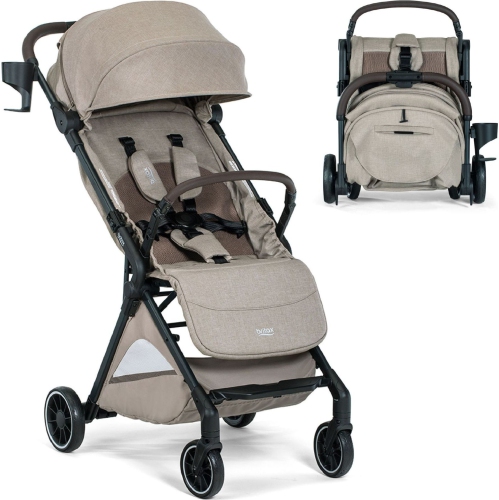
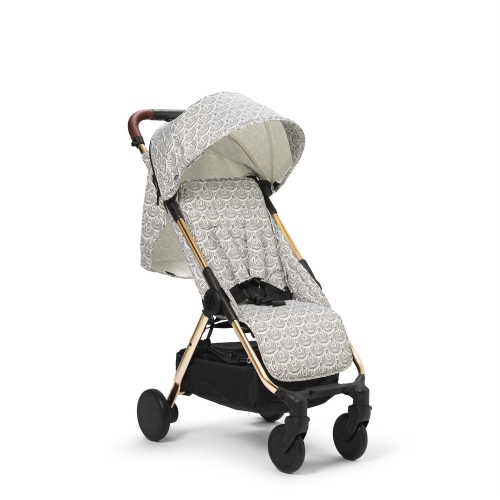
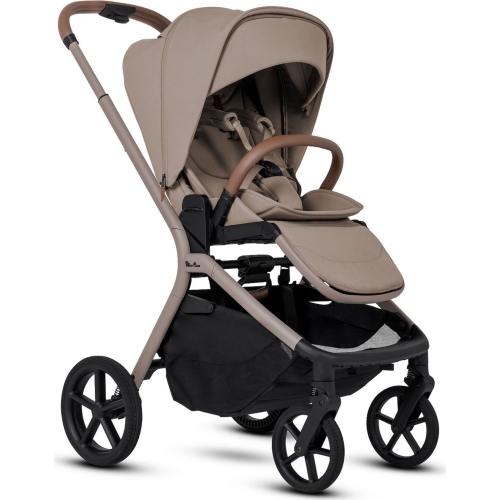

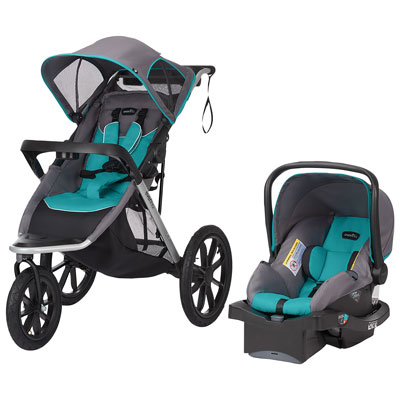
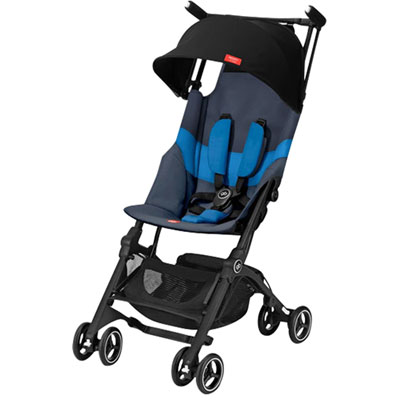
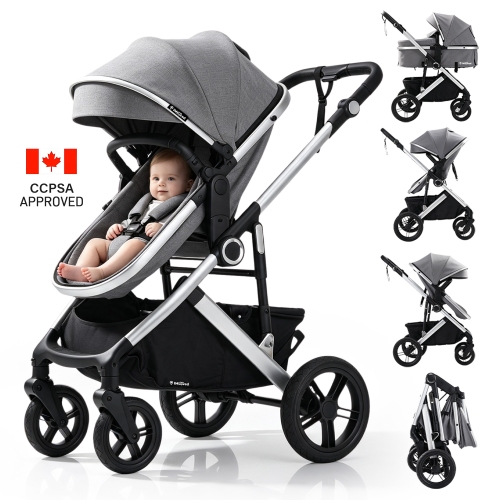
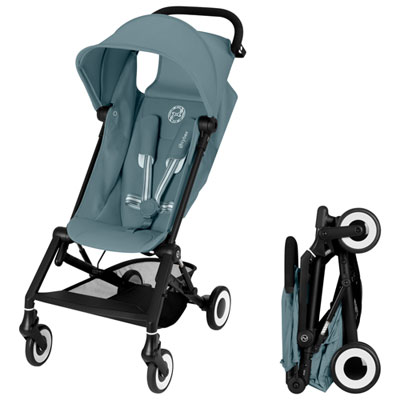
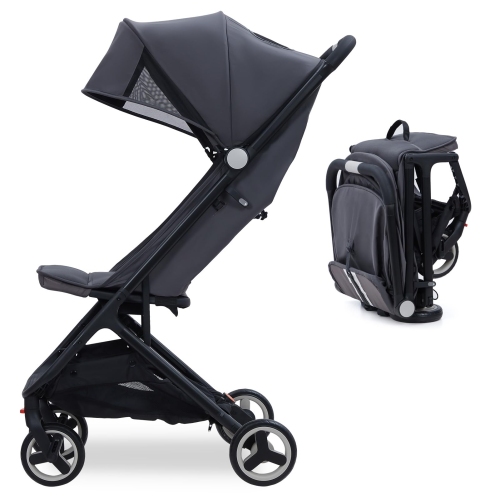
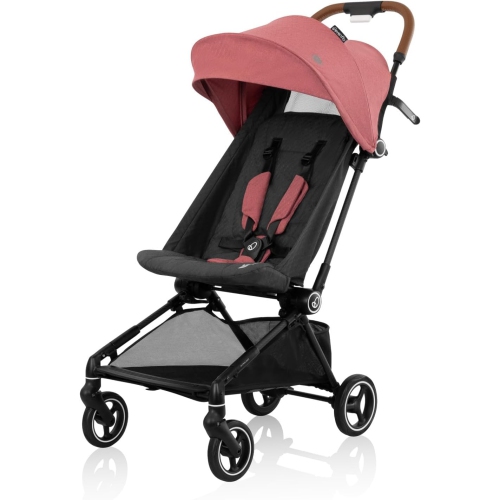
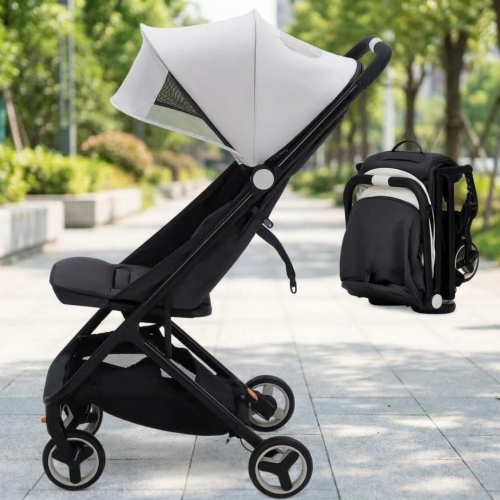
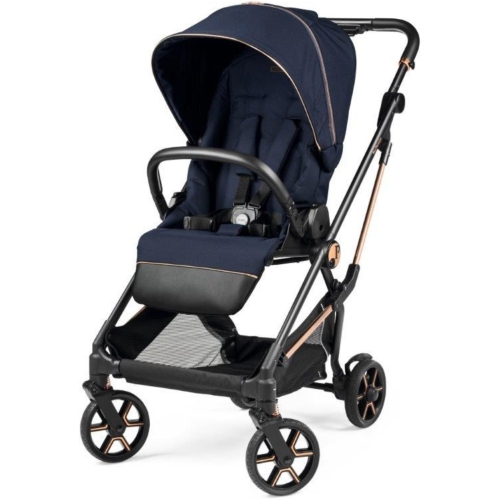


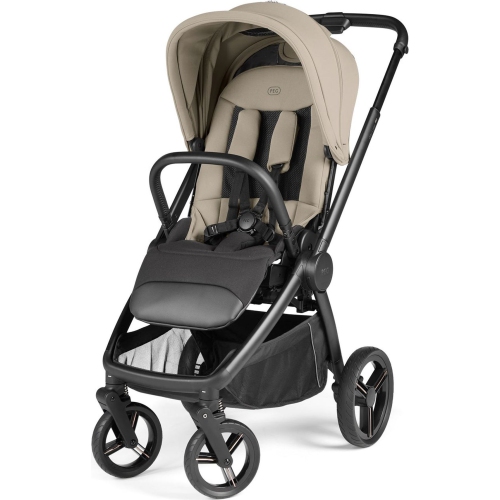
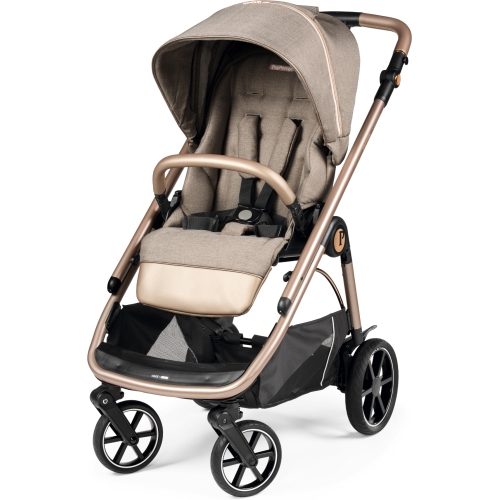
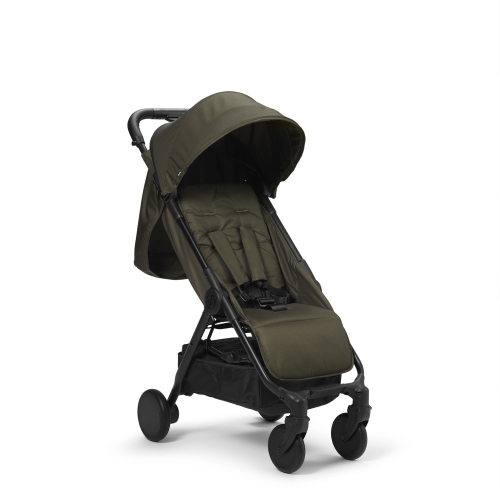



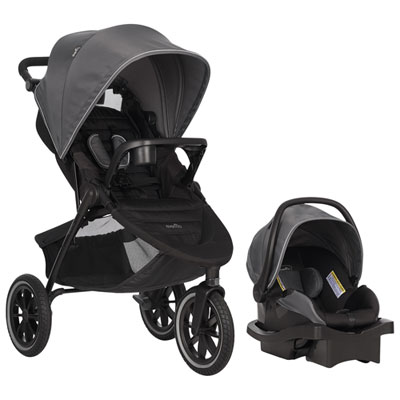
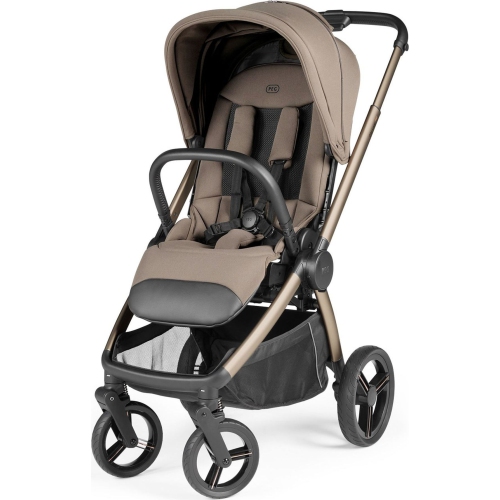
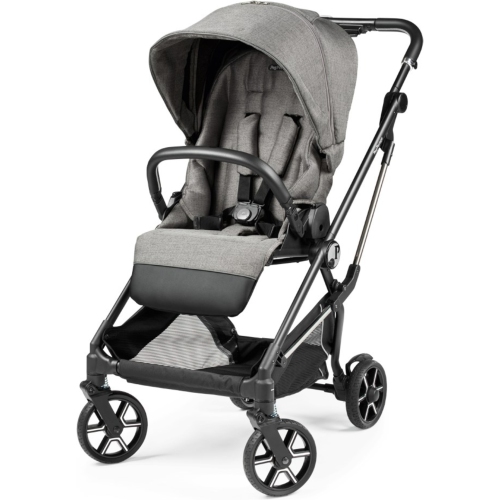
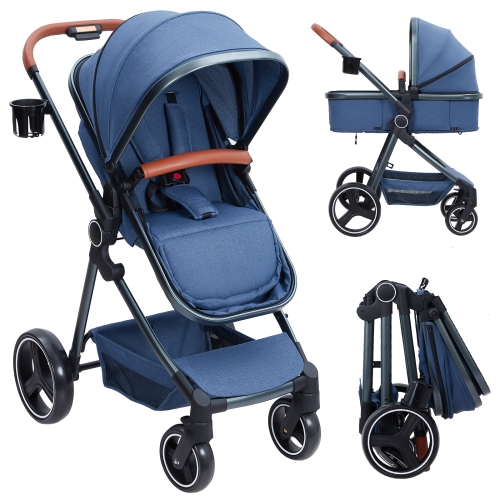
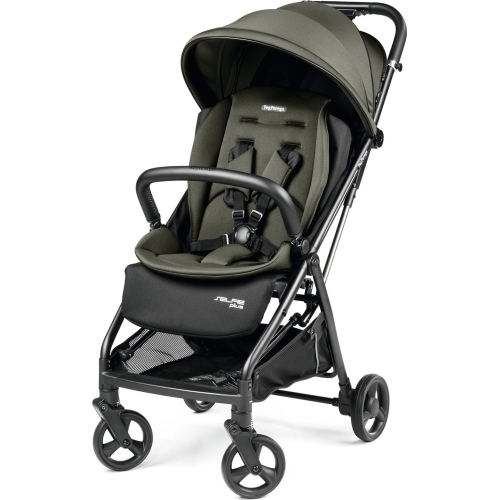


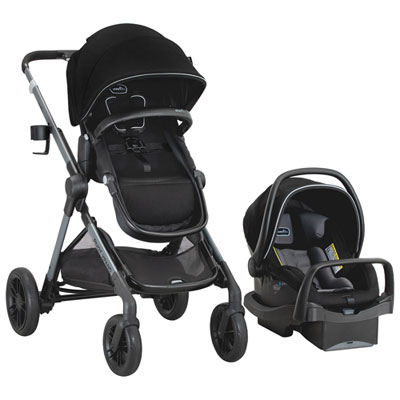
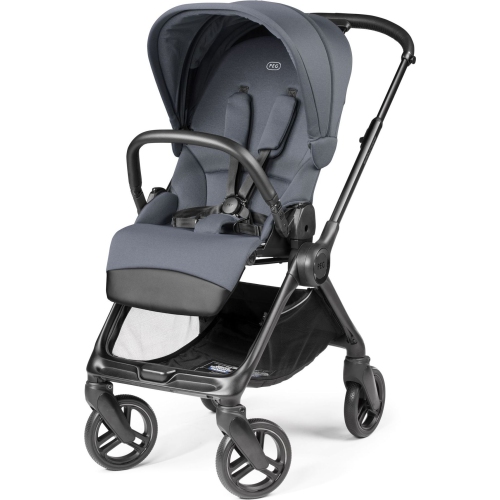
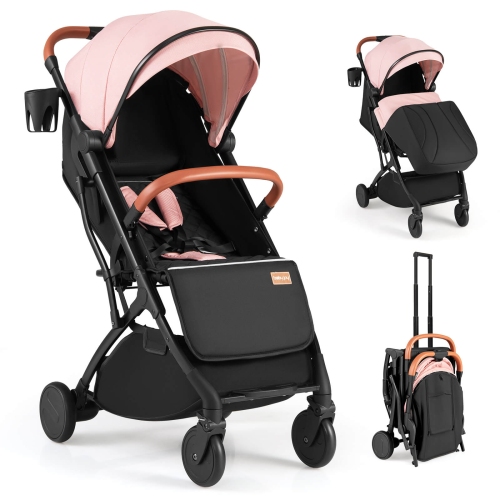






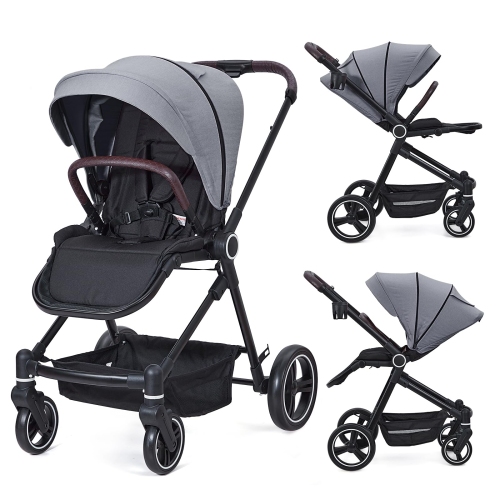
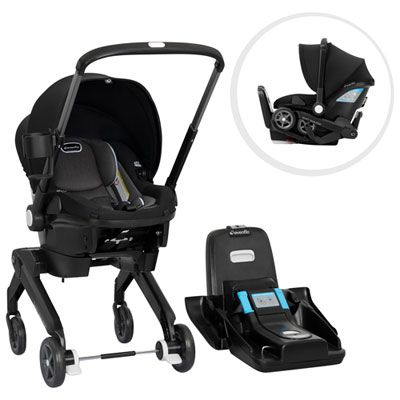
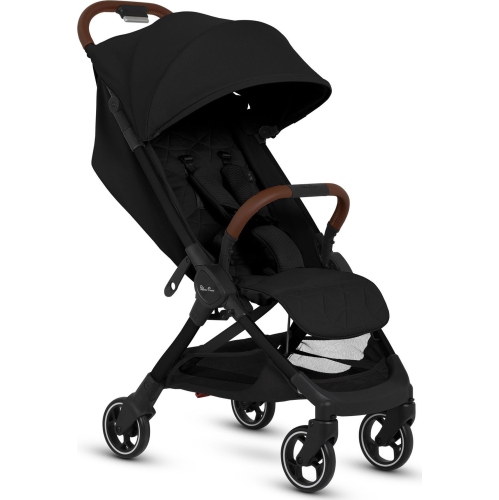

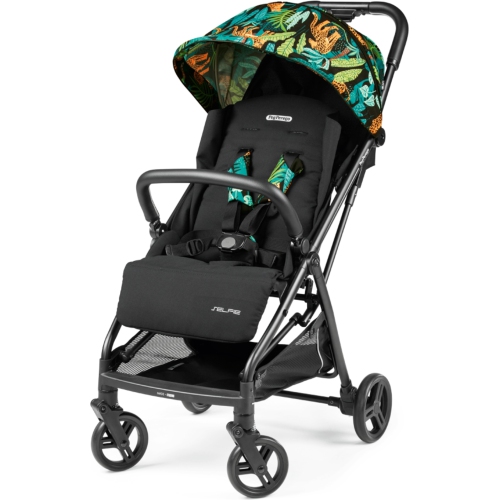
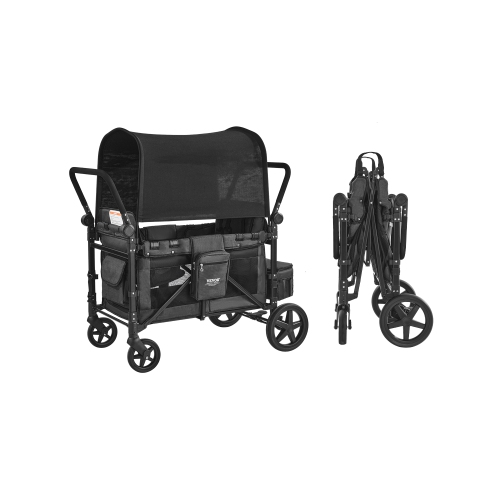
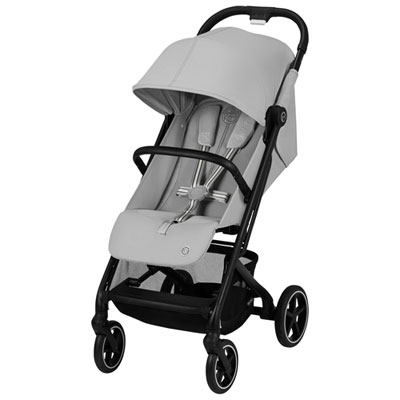
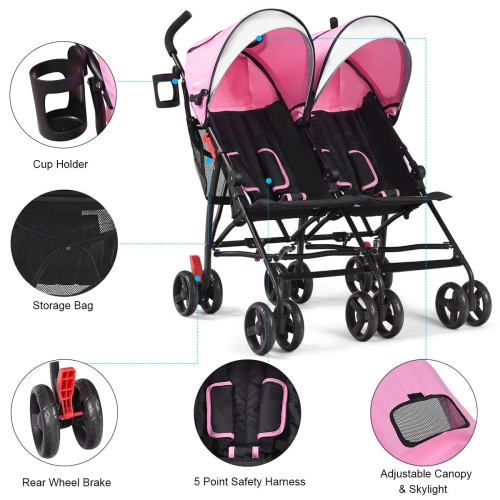
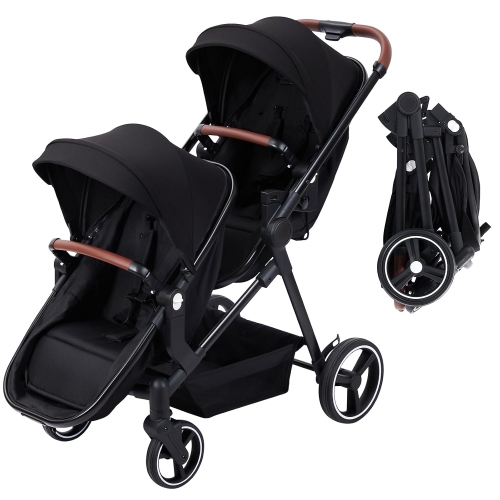

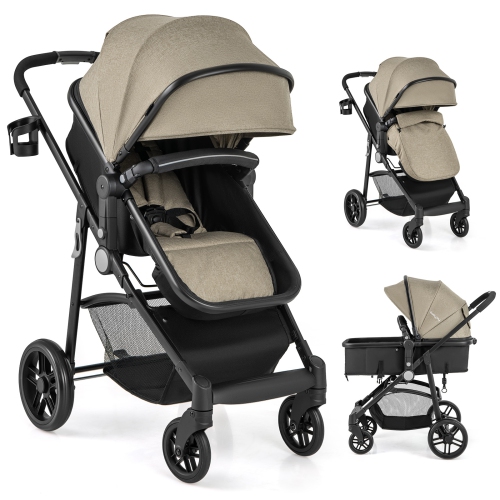
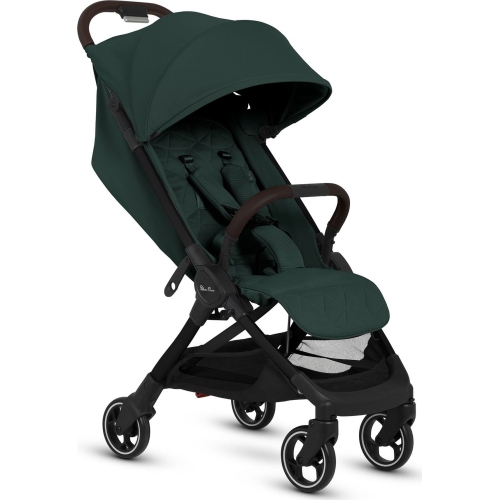

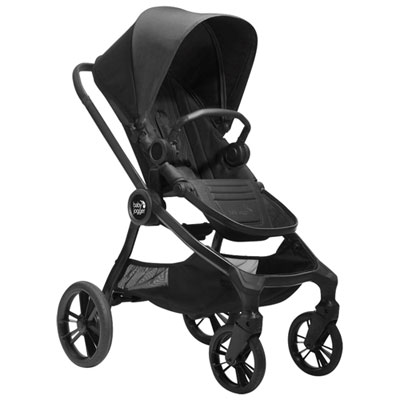
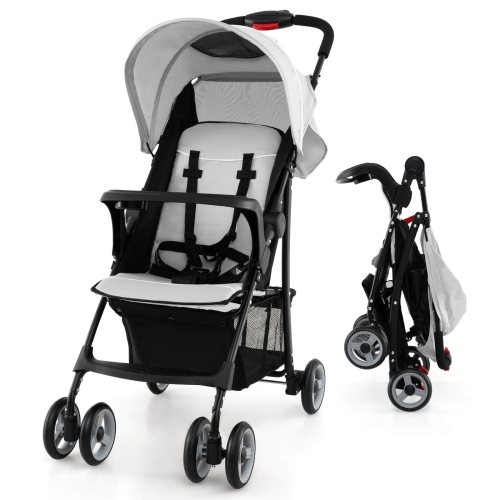


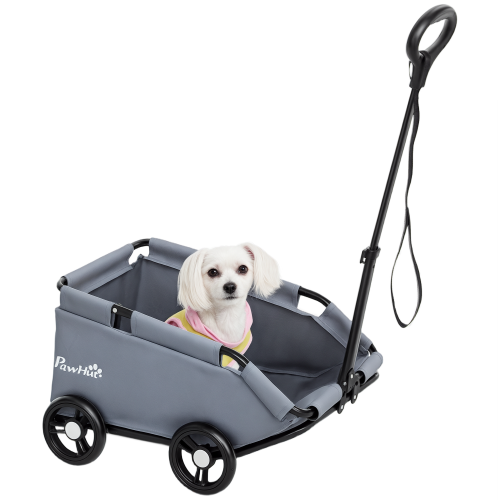


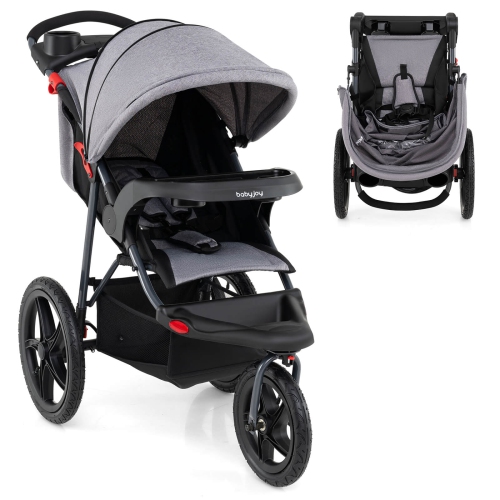
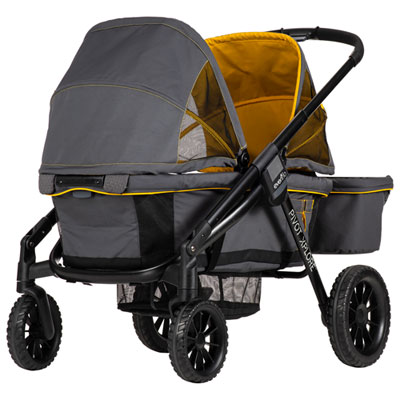

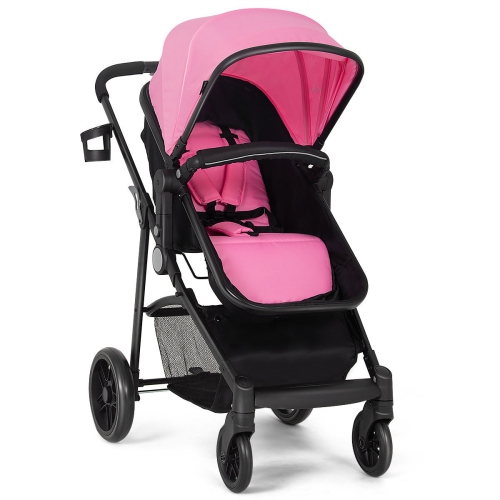

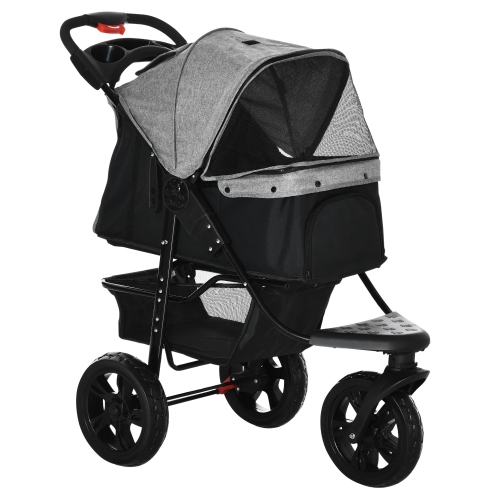
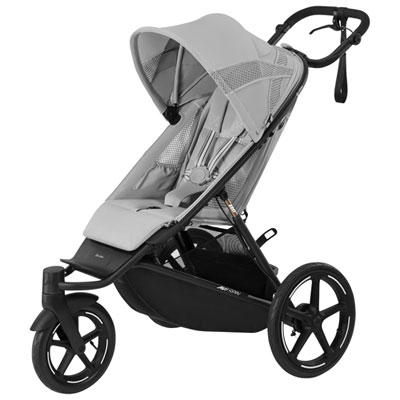


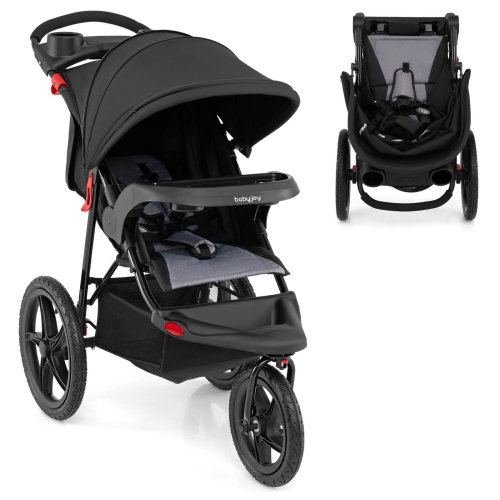
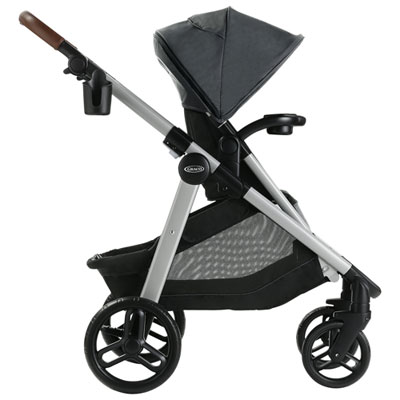
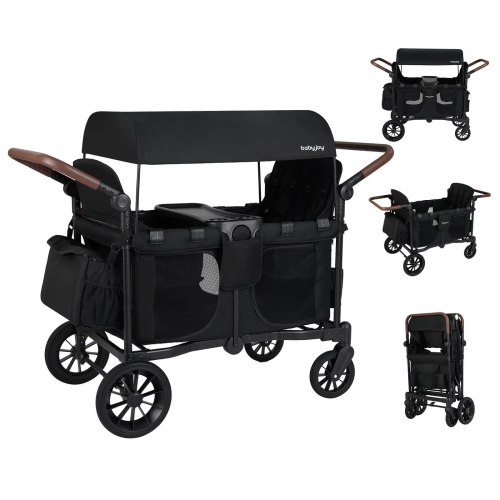
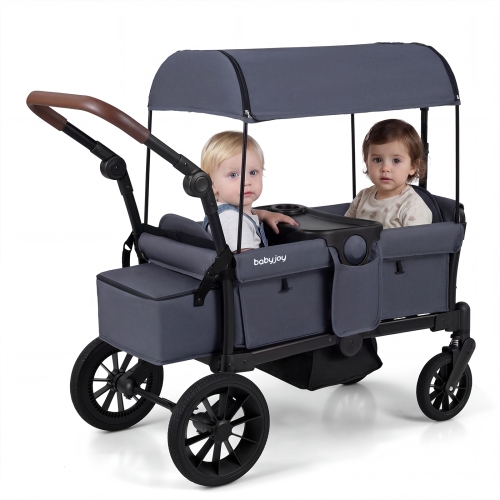


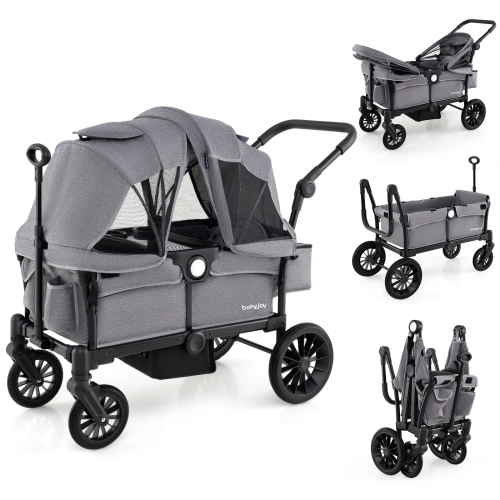


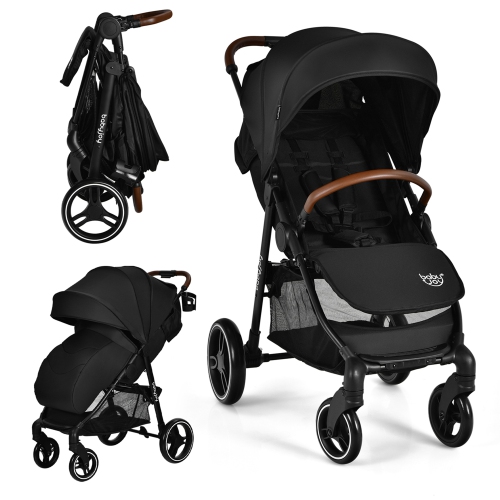


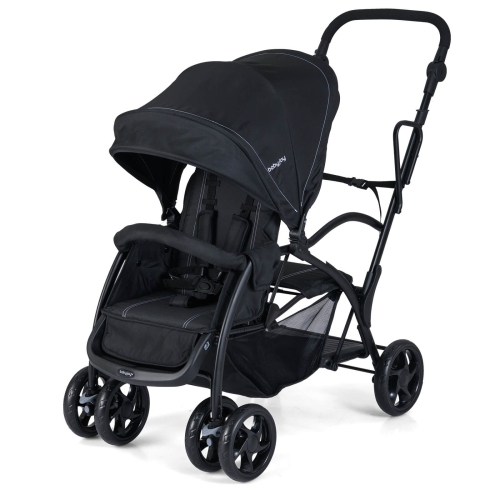

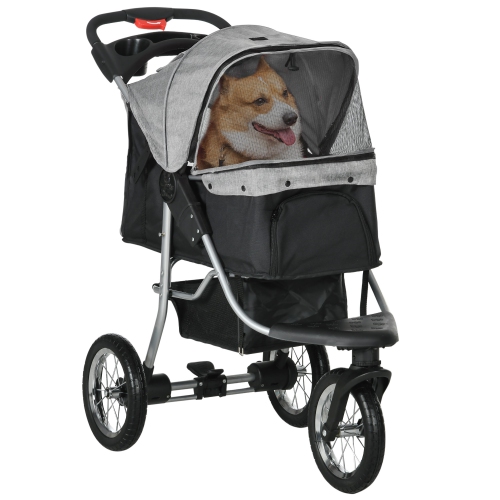

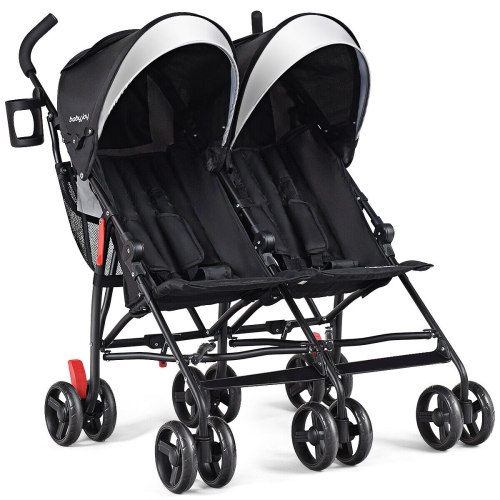
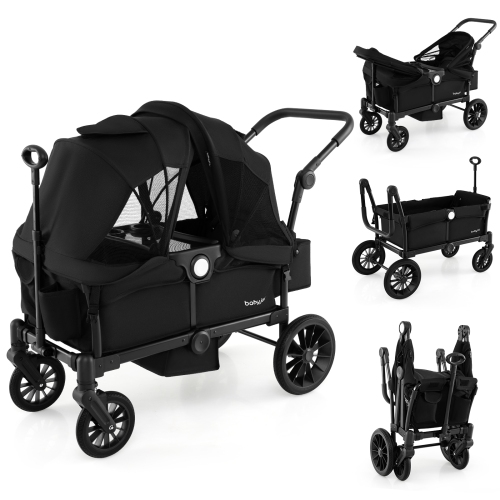
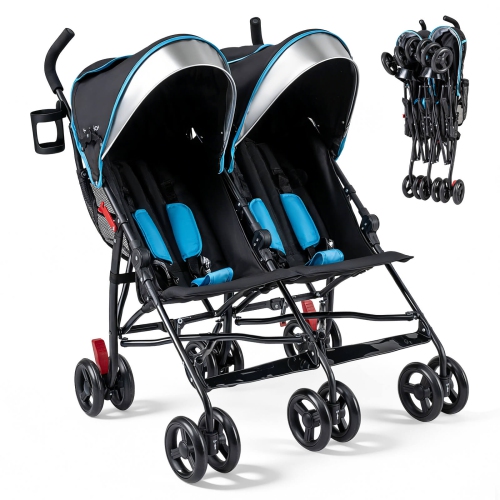


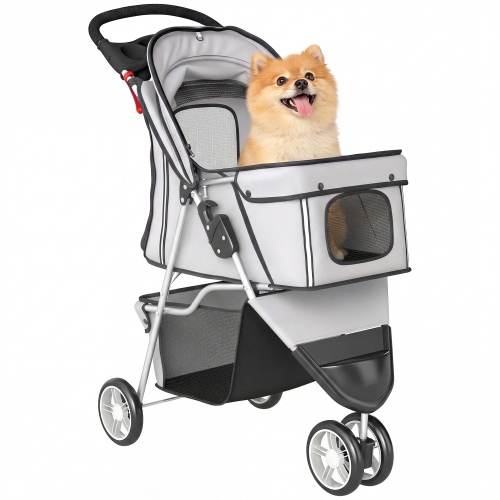
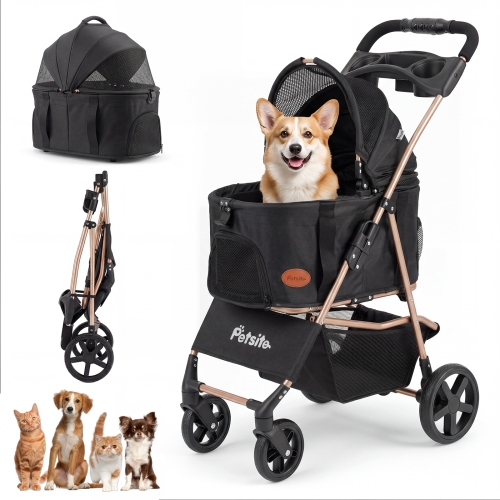


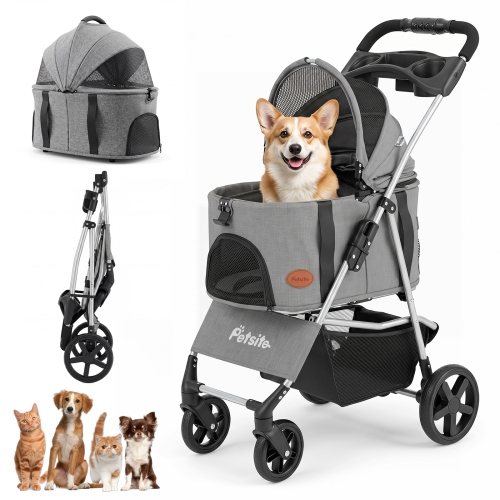





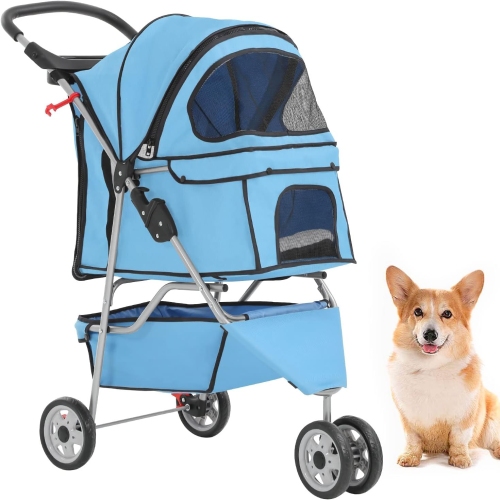
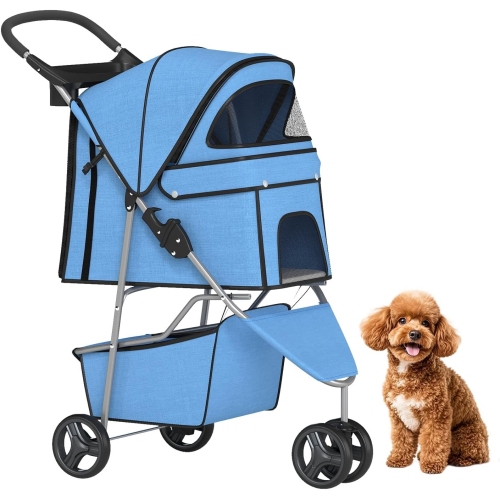

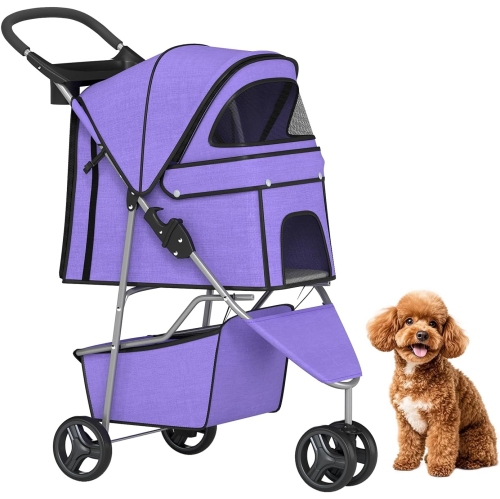
How stroller designs fit your family’s daily routine
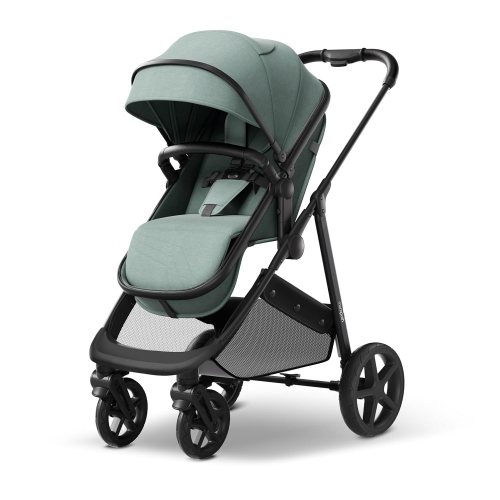
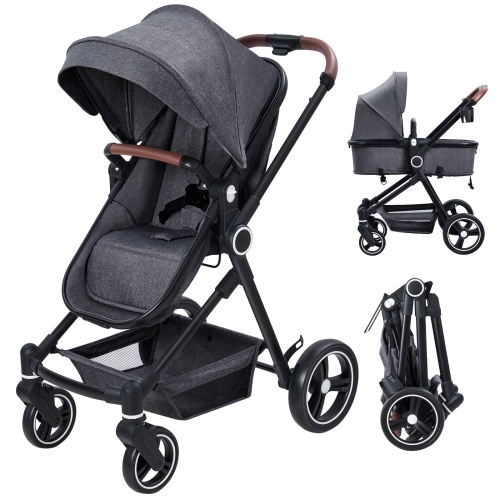
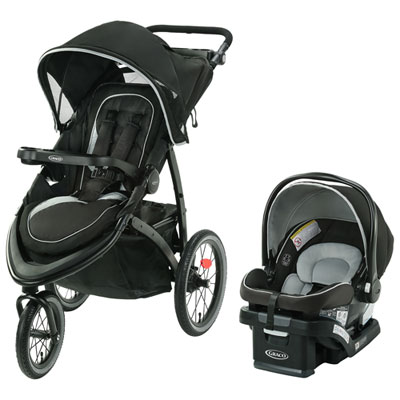
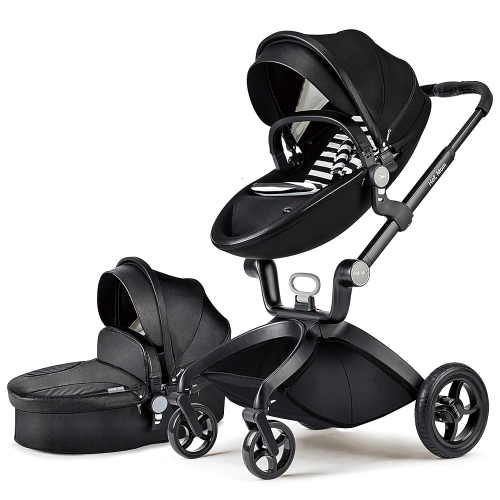
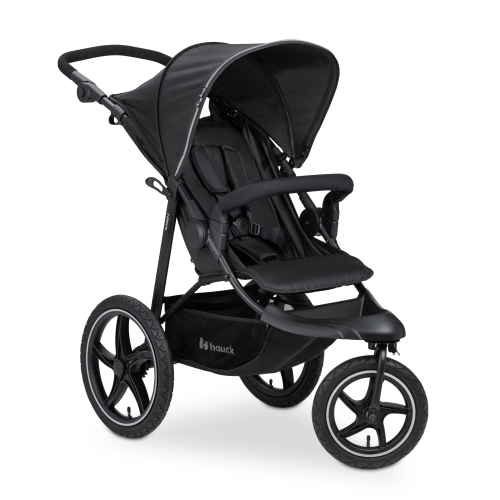
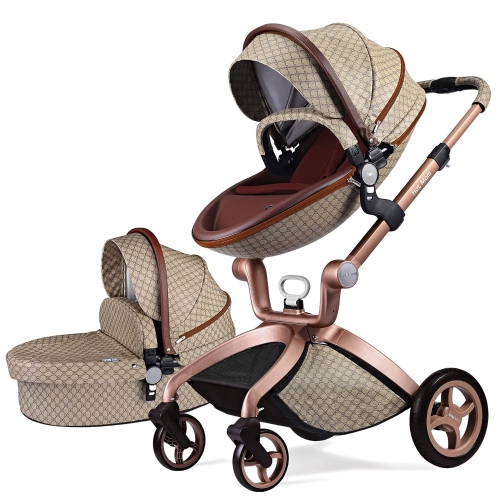
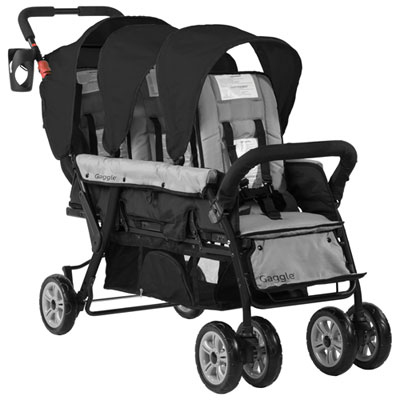
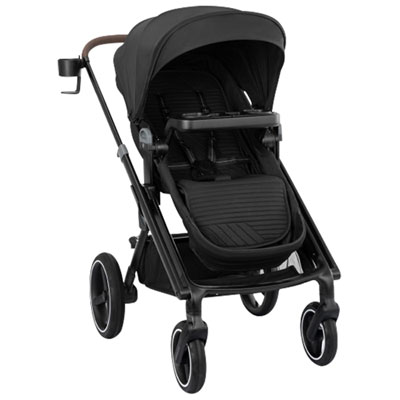
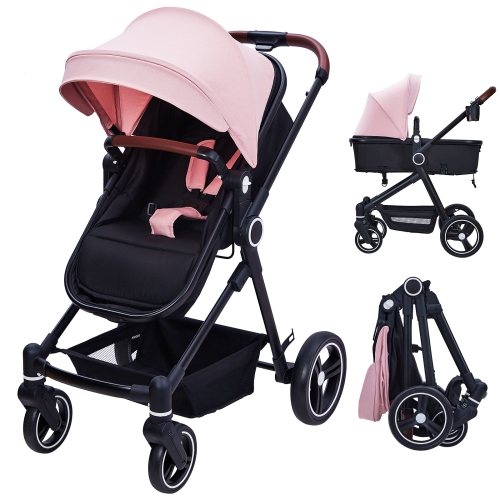
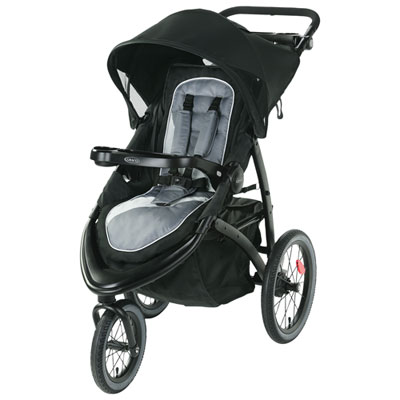
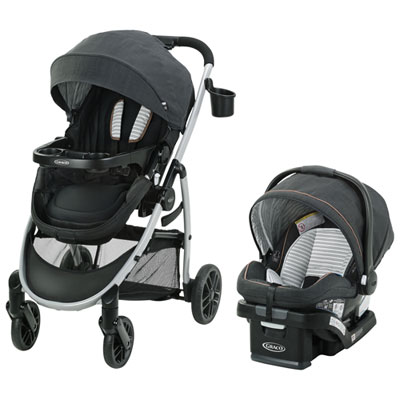
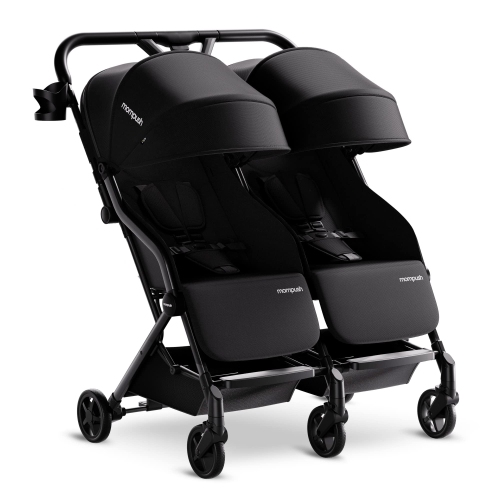
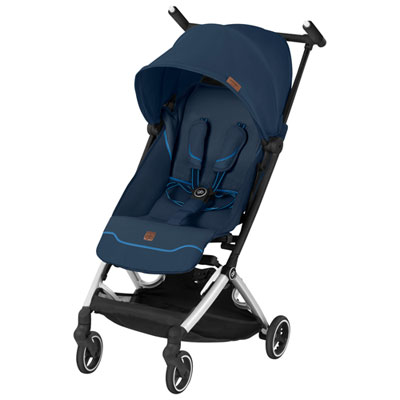
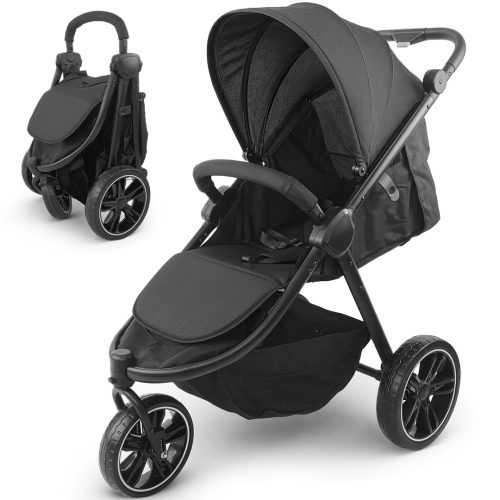
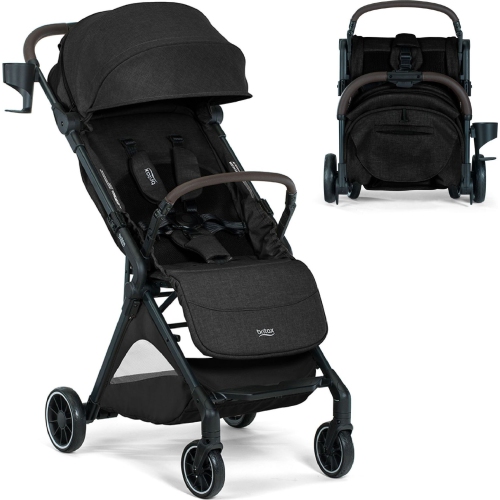
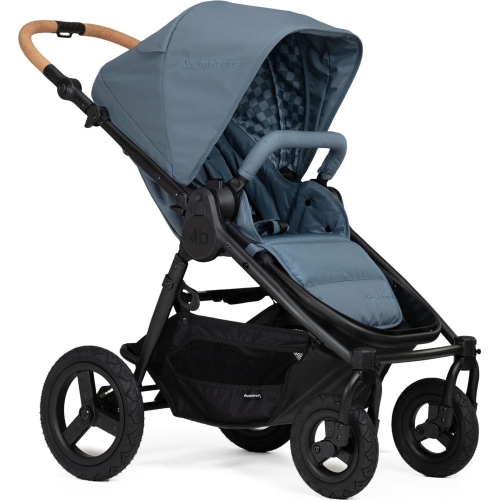
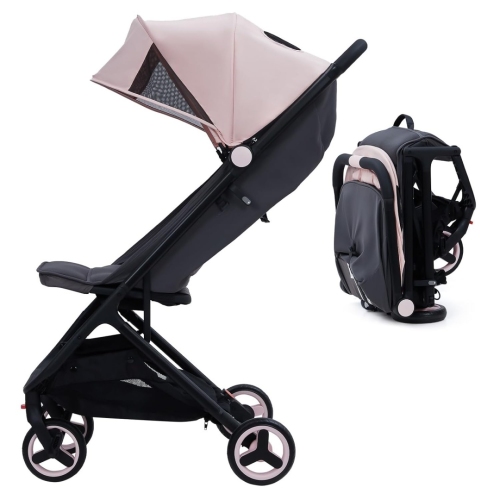
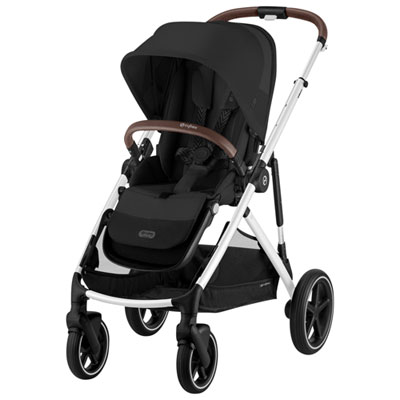
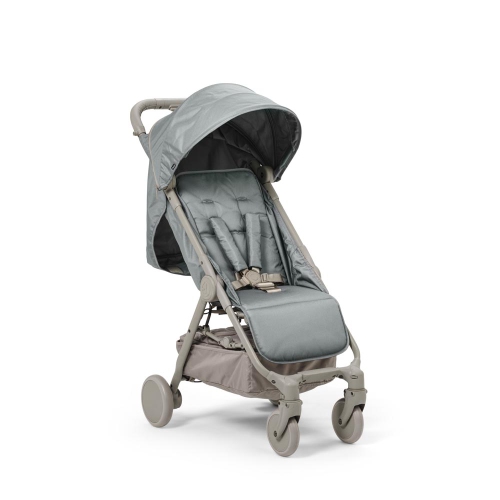
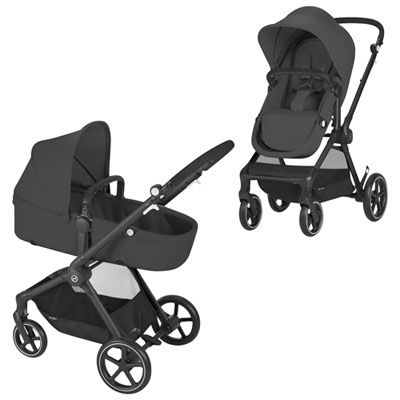
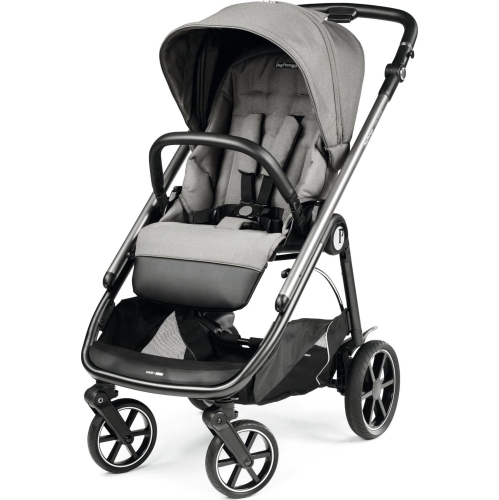
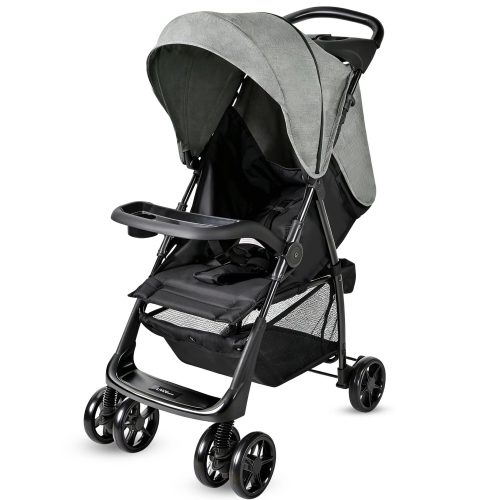
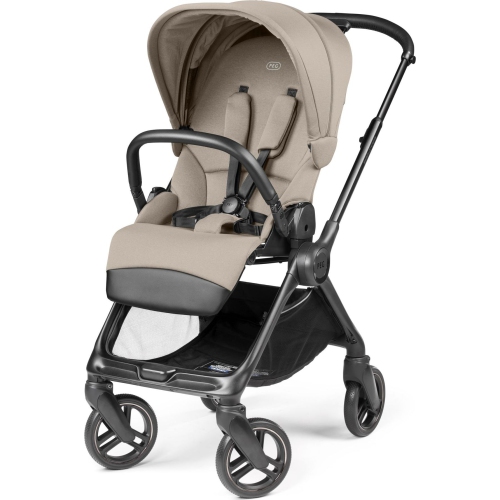
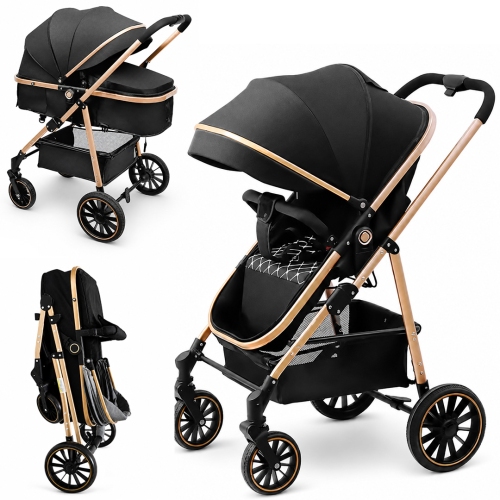
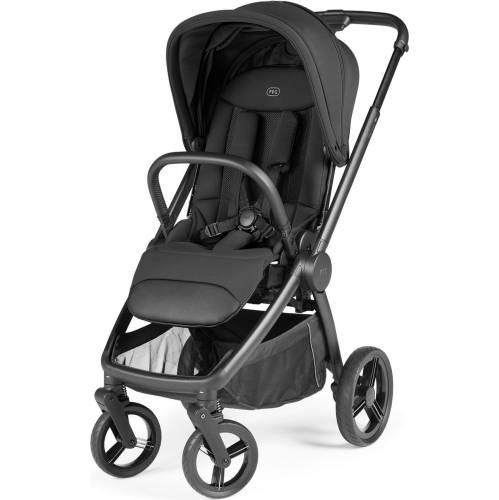
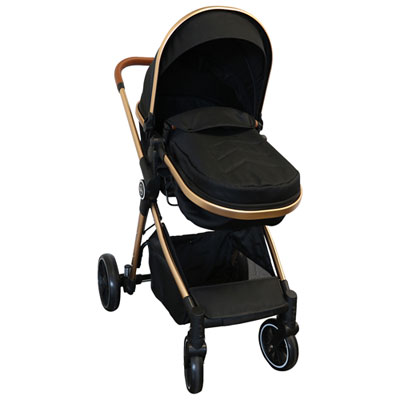
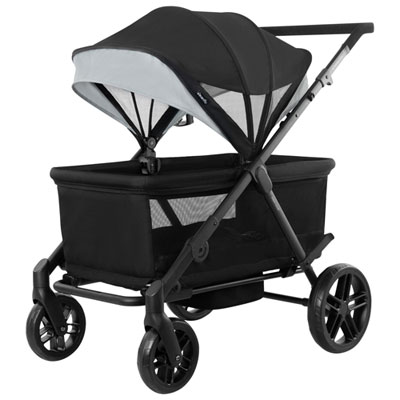
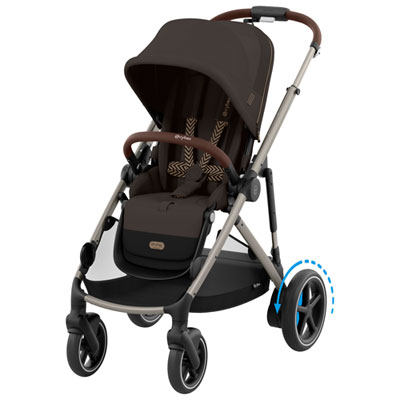
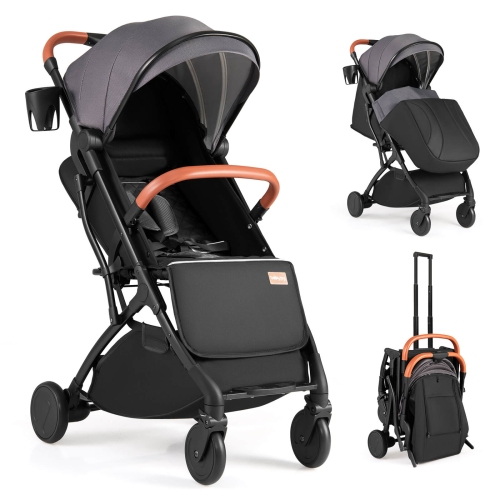
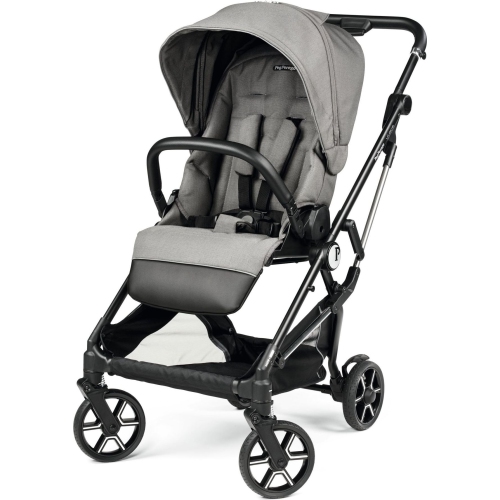
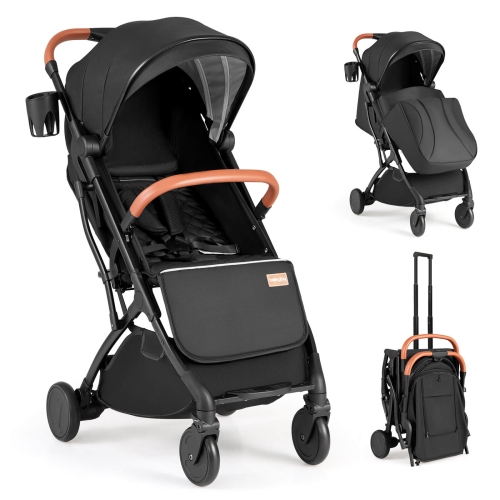
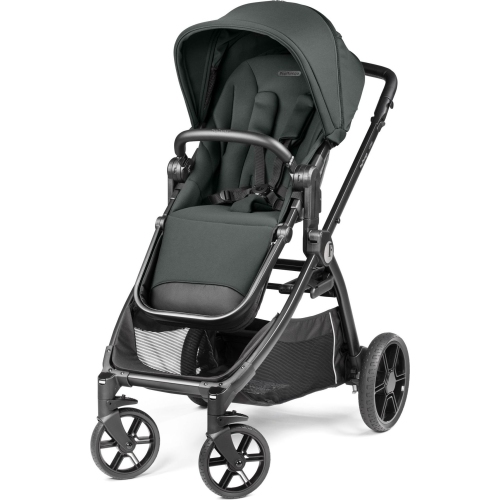
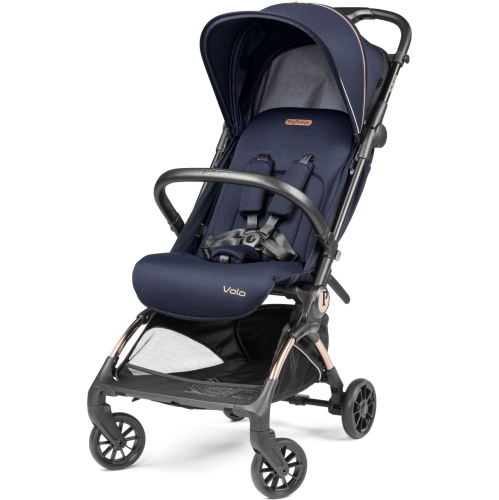
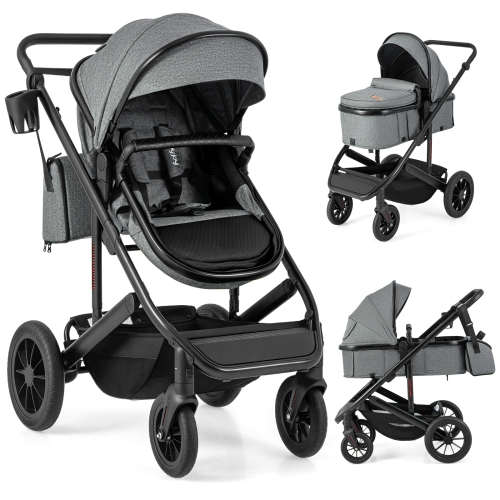
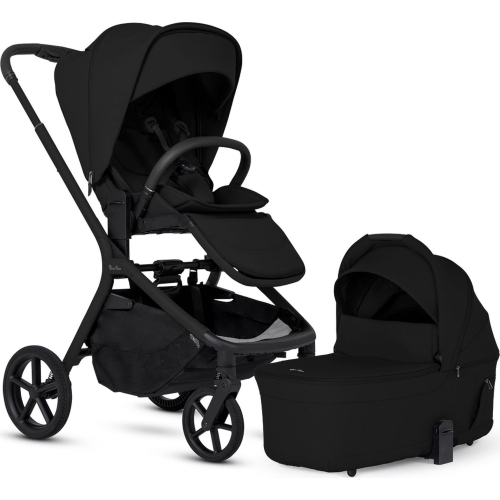
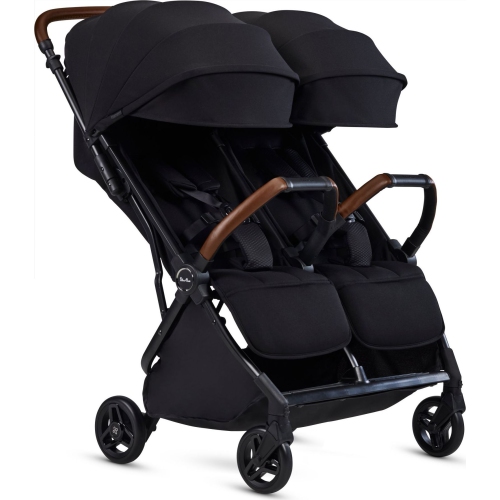
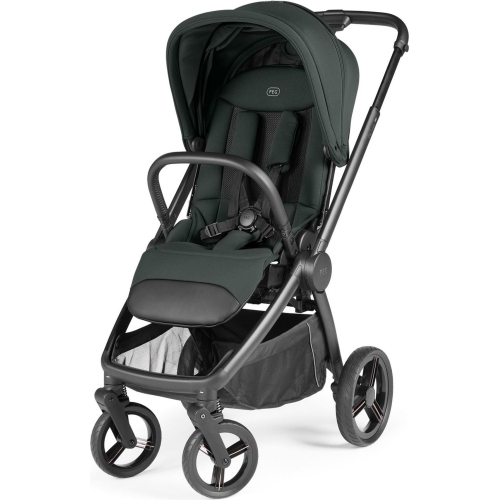
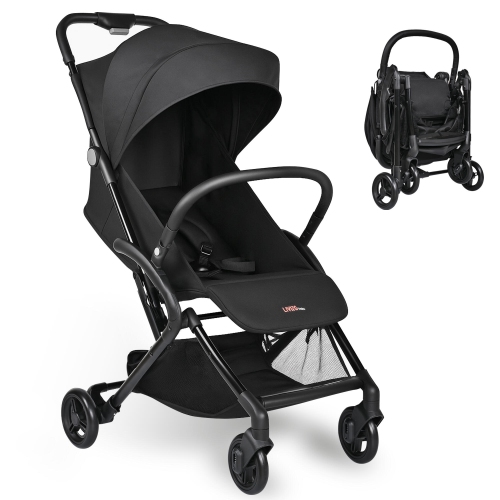
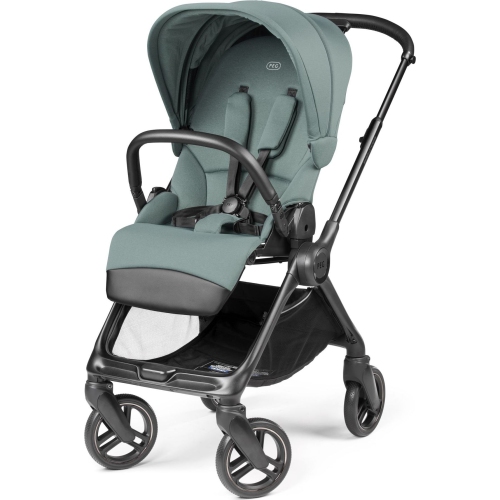
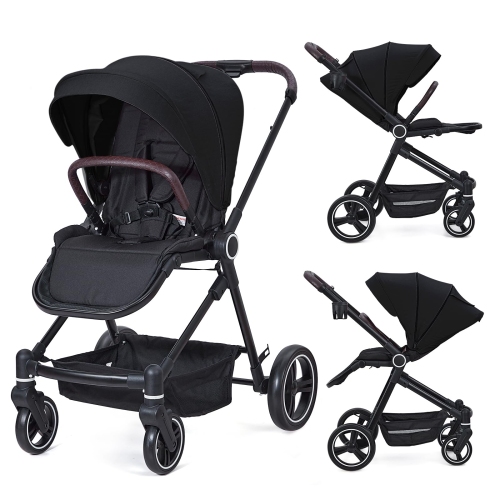
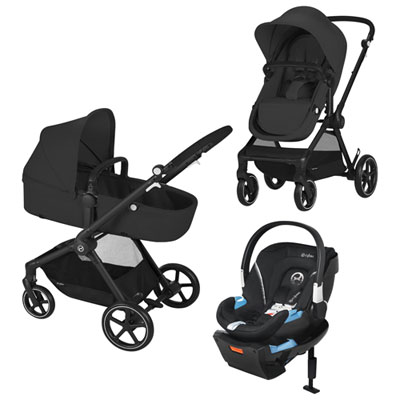
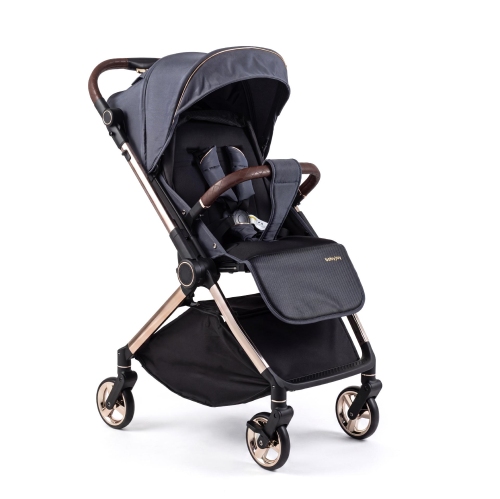
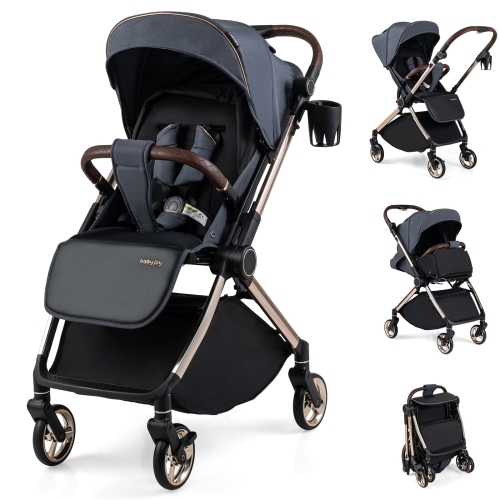
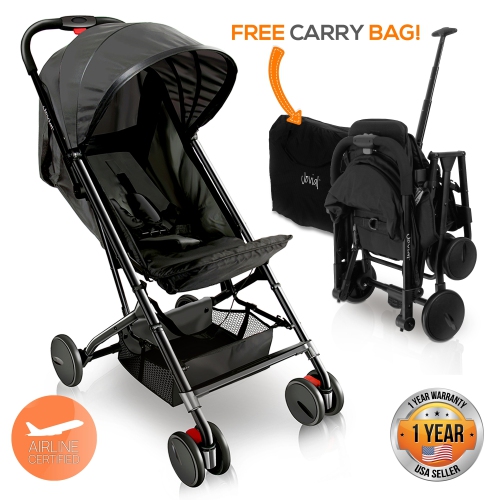
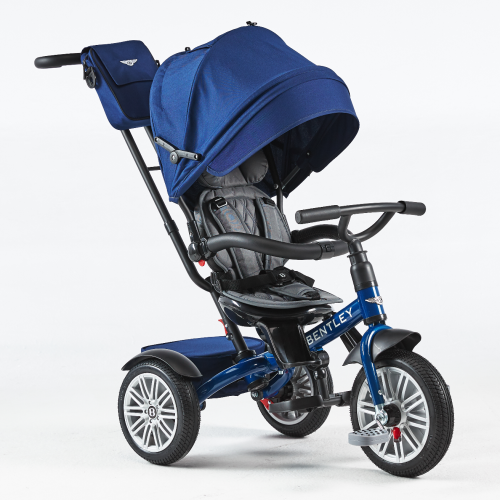
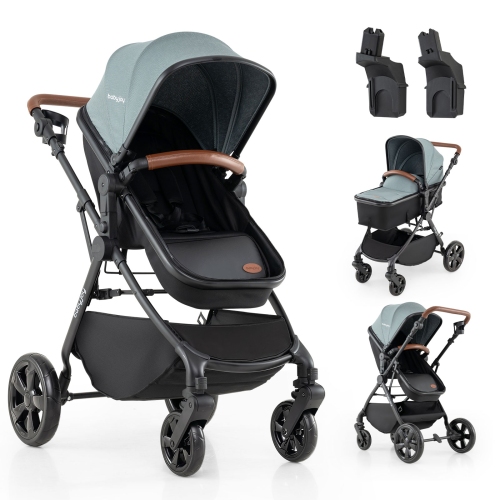
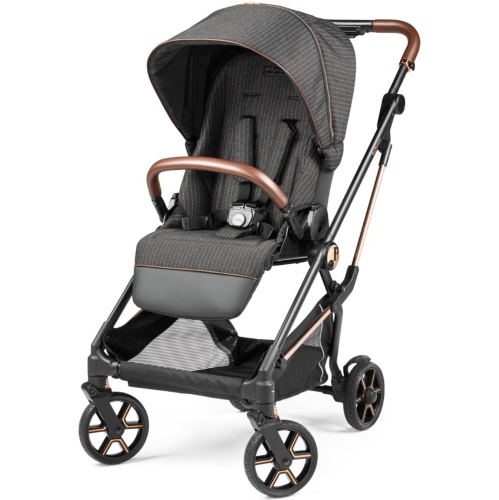
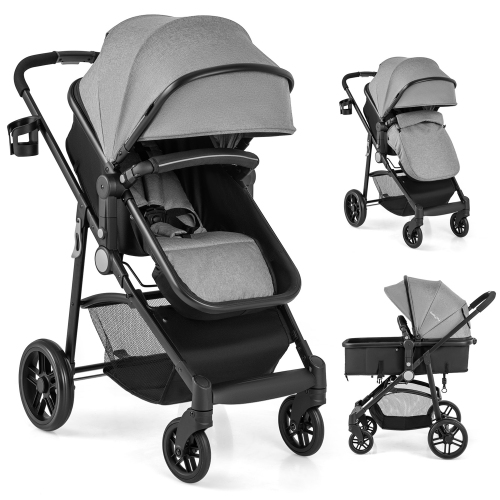
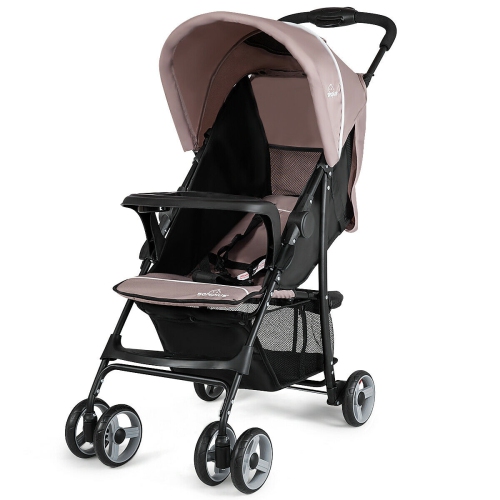
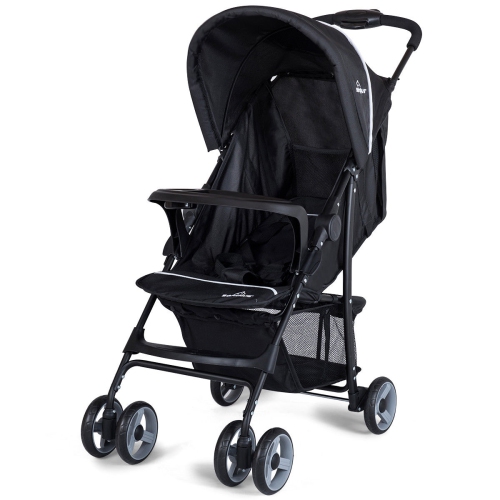
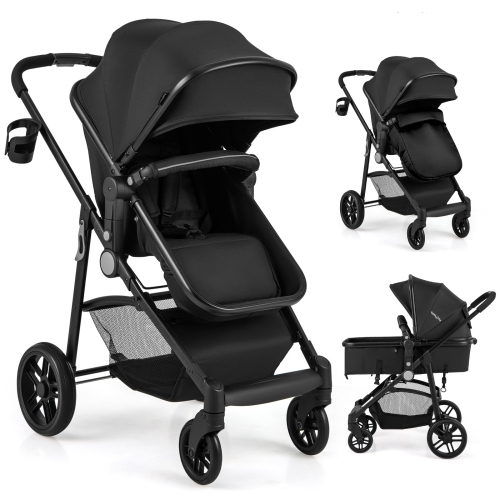
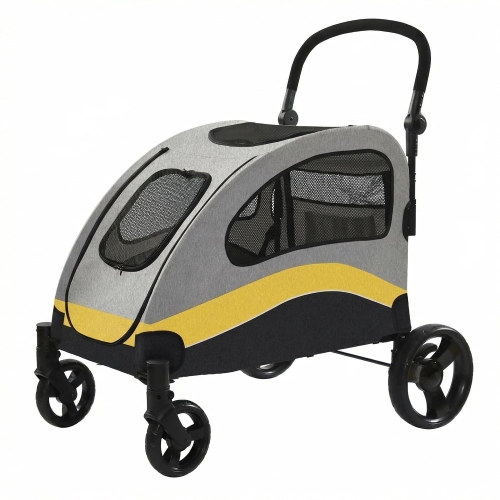
Stroller brands differ in their approach to everyday mobility, from compact designs that tuck into a small entryway to full-size frames built around generous seating and storage. The most useful distinctions are often less about appearance than how a stroller fits a family’s routine: the space it takes up when folded, how it handles corners, whether the seat can face the caregiver, and how easily it moves between home, vehicle, and destination. Lightweight and umbrella-style strollers emphasize portability, making them practical for caregivers who regularly lift a stroller up steps or navigate busy public transit. Full-size strollers typically place more emphasis on seating flexibility, accessible baskets, and features suited to longer outings. Travel systems pair a stroller with a compatible infant car seat, while modular designs may accommodate different seating configurations as a child grows. Double strollers serve families with two young children, with side-by-side layouts offering adjacent seats and tandem layouts placing one seat ahead of the other. Neither arrangement is automatically easier to manage; overall width, length, turning space, and the children’s seating needs all affect the experience. Jogging strollers form a separate category, with designs intended for running only when the manufacturer’s requirements for the child’s age and development are met. A sporty appearance or three-wheel frame alone does not make a stroller suitable for jogging. Browsing stroller brands and related collections such as Baby Trendy Strollers can help bring these differences in size, seating, and handling into focus. For a household that regularly moves between daycare, errands, and visits with relatives, a manageable fold may matter more than a long list of accessories. For frequent walks with a toddler, supportive seating and predictable steering may be the features that make each outing more comfortable. These practical distinctions give stroller brands their character, even when different designs share a similar silhouette.
Materials and construction influence how a stroller feels in use and how well it stands up to repeated folding, lifting, and daily travel. Aluminum frames are common because they balance strength with manageable weight, although the complete stroller’s weight also depends on its wheels, seat, basket, and folding mechanism. Fabric texture, seam quality, and padding affect comfort, while removable covers can make routine cleaning less cumbersome. Smooth surfaces around footrests and snack areas are useful when crumbs and small spills become part of daily life. Wheel construction creates another noticeable difference. Smaller wheels can feel nimble on smooth floors, while larger wheels and suspension may make uneven pavement easier to navigate. Air-filled tyres require pressure checks and can puncture; solid or foam-filled wheels avoid that particular maintenance task, though ride quality varies by design. Handle height and shape also matter, especially when caregivers of different heights share the same stroller. A comfortable walking position leaves room for a natural stride without repeatedly catching the rear axle with a foot. For the child, fit includes seat depth, back support, footrest position, and a harness that adjusts according to the manufacturer’s instructions. A deep recline does not, by itself, establish that a stroller is suitable for a newborn. Newborn use depends on the approved seating arrangement, which may involve a compatible infant car seat, bassinet, or seat specifically rated for that stage. As children grow, the stated height and weight limits remain important, along with any separate limits for additional seats or riding boards. Canopy coverage, ventilation panels, and an accessible viewing window can add comfort and convenience without changing those basic fit requirements. Colour and upholstery style contribute to the overall look, but the more lasting differences between stroller brands often emerge through the details: a buckle that is straightforward to operate, a seat cover that comes off without a struggle, or a basket opening that remains reachable when the seat is reclined.
A stroller also needs to work in the spaces surrounding an outing. Folded dimensions determine whether it fits beside other belongings in a vehicle, under a hallway shelf, or inside a small storage cupboard. A self-standing fold can keep the fabric off the floor, while a secure folding latch helps hold the frame closed during carrying. Carry handles and shoulder straps serve different purposes, and a lighter stroller can still feel awkward if its weight is poorly balanced when lifted. For air travel, compact dimensions are useful, but cabin baggage acceptance depends on the airline and aircraft rather than a general travel label. Storage deserves similar attention in everyday use. A basket needs to hold essentials within its stated load limit, and hanging heavy bags from a handle can affect stability. Accessories such as cup holders, organizers, adapters, and additional seats should be approved for the stroller rather than assumed to fit because they look similar. Care requirements are another meaningful point of comparison between stroller brands. Cleaning methods vary by fabric and frame, so the manufacturer’s directions should govern washing, drying, and the use of cleaning products. Removing grit from wheels, checking fasteners, and inspecting the harness and brakes help keep wear visible before it becomes a larger concern. Folding joints should remain clear of fabric, straps, and small objects, and children’s hands should stay away from moving parts during opening and closing. Clear assembly instructions and guidance on replacement components support longer-term ownership, particularly when a stroller is shared between caregivers or used for more than one child. As a gift for expectant parents or a growing family, a stroller is most thoughtful when its size, approved age range, and seating configuration match the recipients’ plans. Across stroller brands, those everyday details connect the design to the people using it: the grandparent lifting it into a boot, the parent steering through a narrow doorway, and the child settling into a familiar seat.
Top selling and popular products
-
 Your price for this item is $468.99
-
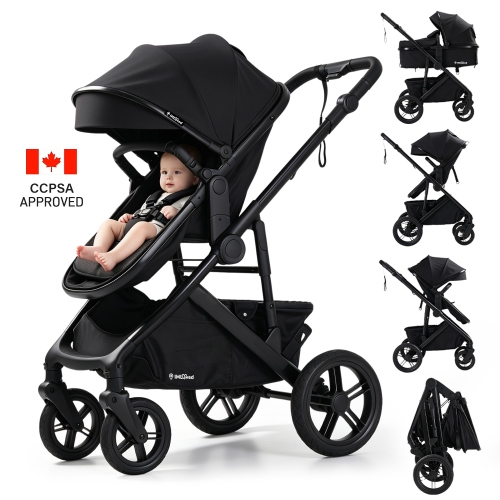 Your price for this item is $299.97
-
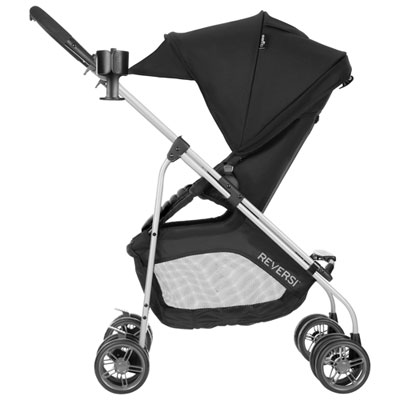 Your price for this item is $249.99
-
 Your price for this item is $399.99
-
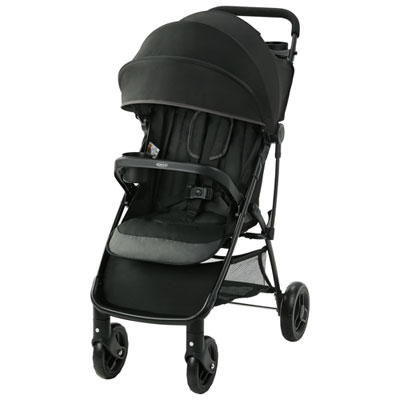 Your price for this item is $249.99
-
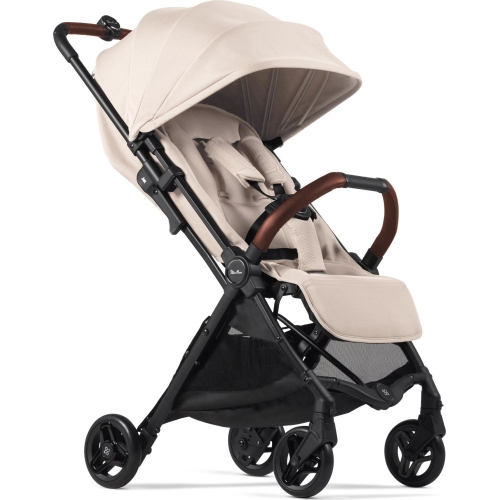 Your price for this item is $615
-
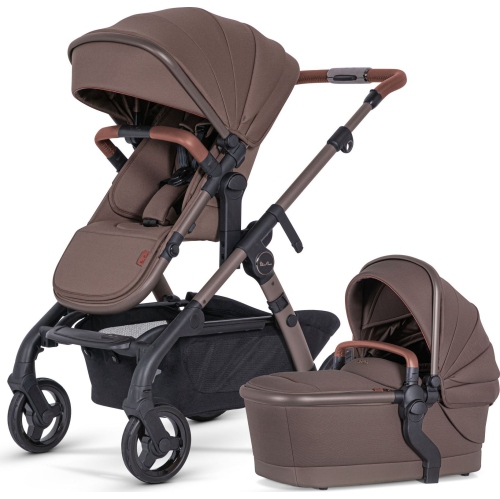 Your price for this item is $1964
-
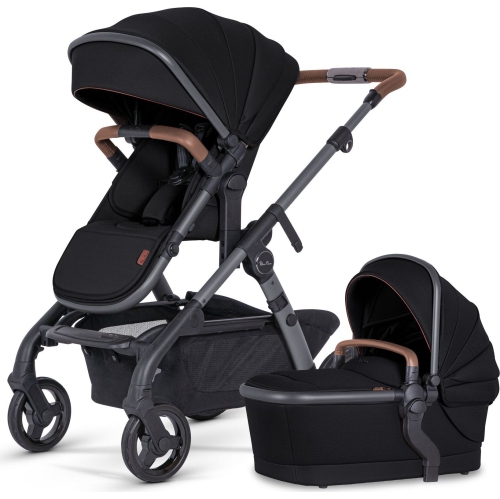 Your price for this item is $1964
Discover more categories related to Stroller Brands
Top Collections:
Pokemon Centers, Best Budget Office Chairs, Kindle Devices, Best Cameras for Sports Photography, Pokémon 30th Celebration Cards, Best Laptops for Writers, Canon G7X Cameras, iPhone 15 Apple, Best Cell Phones Under $300, Apple iPhones 16
Some products may be subject to Environmental Handling Fees
(EHF) depending on your province.
Learn more about EHFs.