Highback Booster Car Seats
Highback booster car seats offer a reliable and comfortable solution for growing children who have outgrown their forward-facing car seats. Designed to provide added support and an elevated seating position, highback booster car seats help ensure your child is properly secured during every journey. Explore a wide selection of options to find the right fit for your vehicle and your family’s needs, making every ride safer and more enjoyable.
Sort

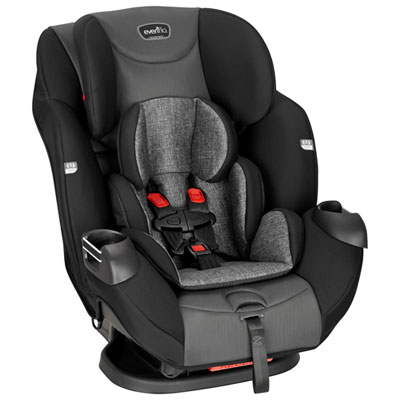
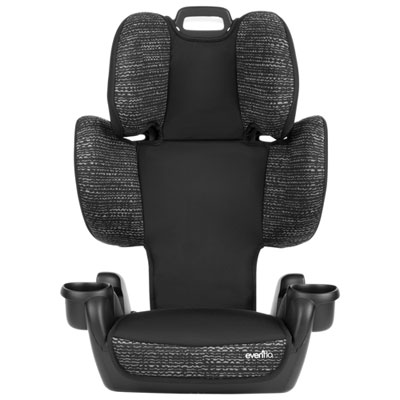
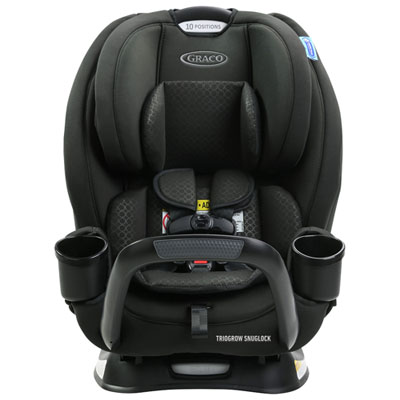
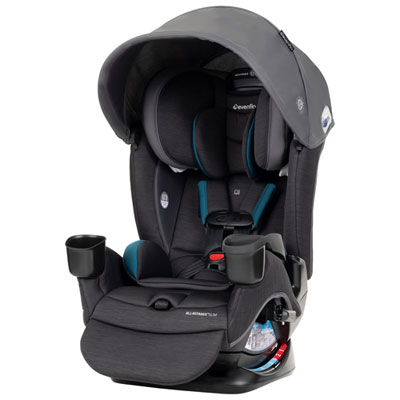
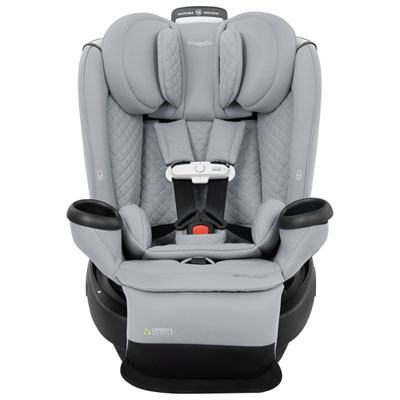
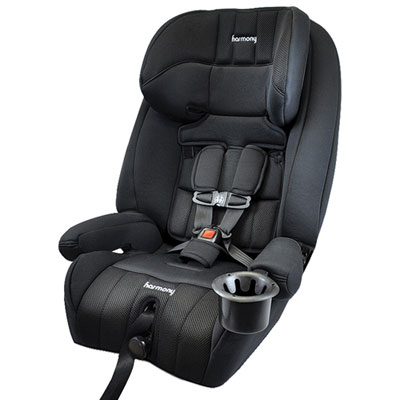
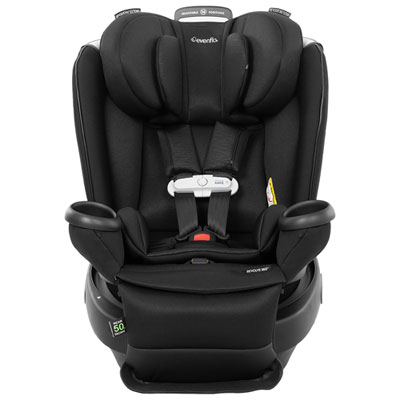
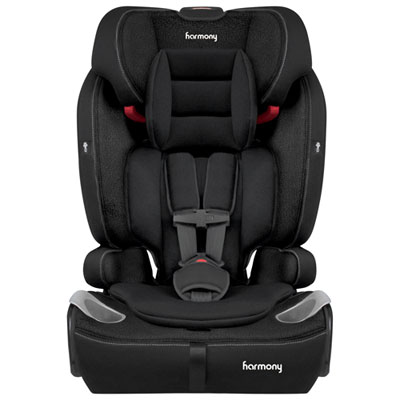
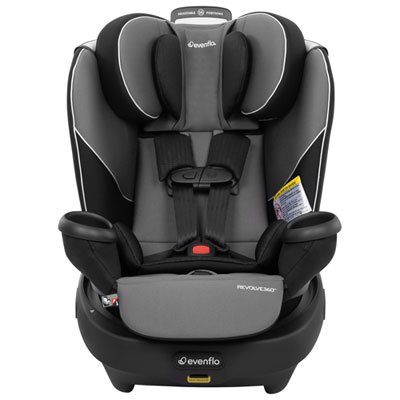
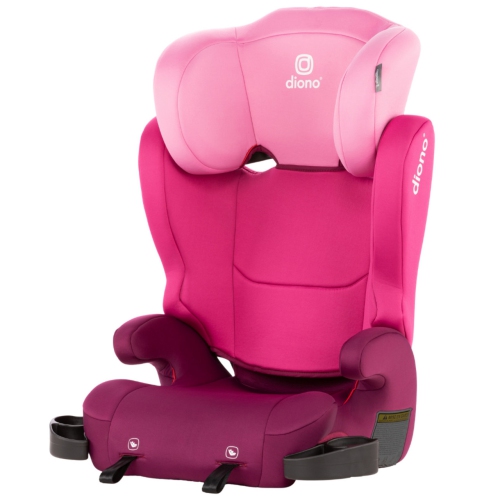
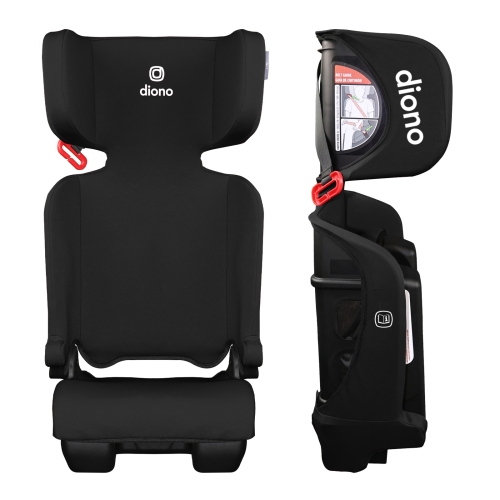
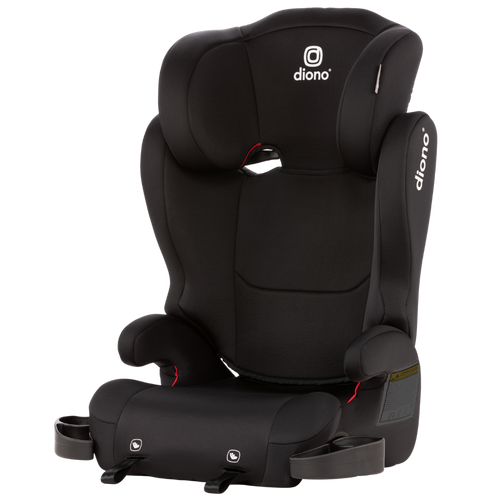
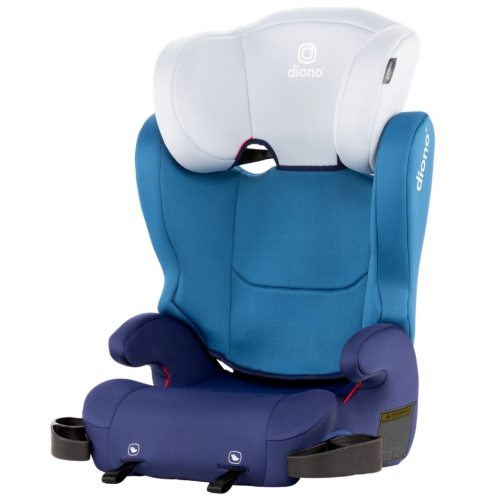
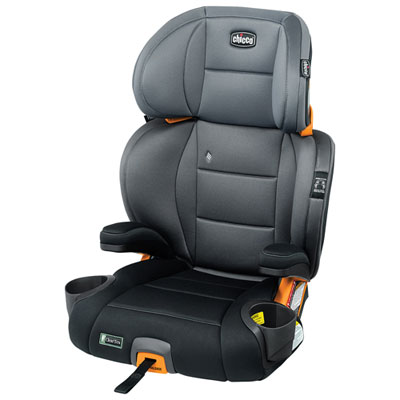
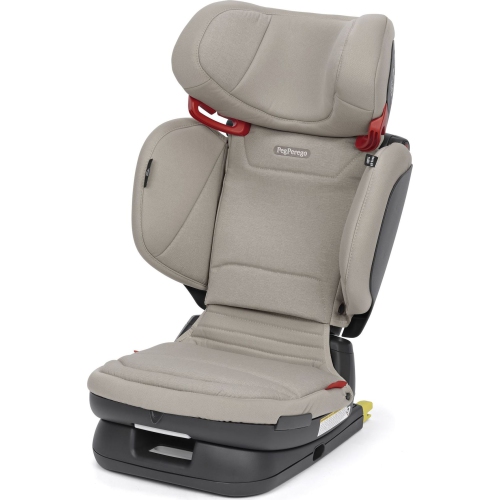
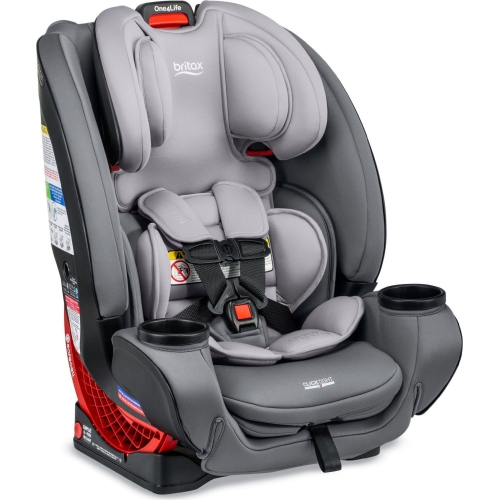
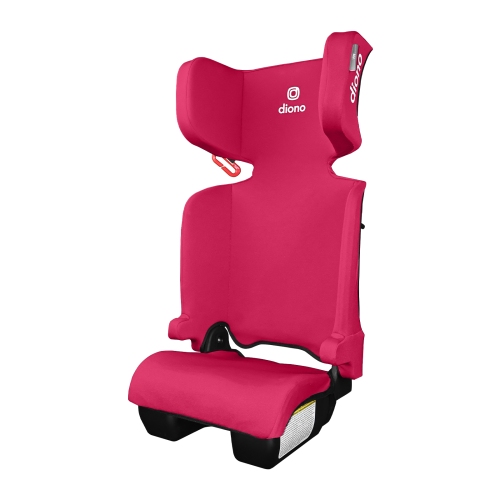
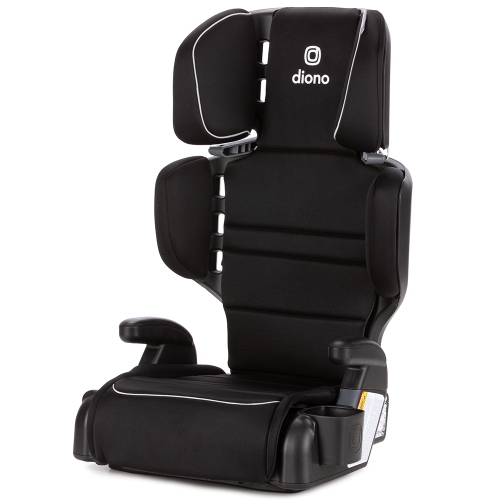
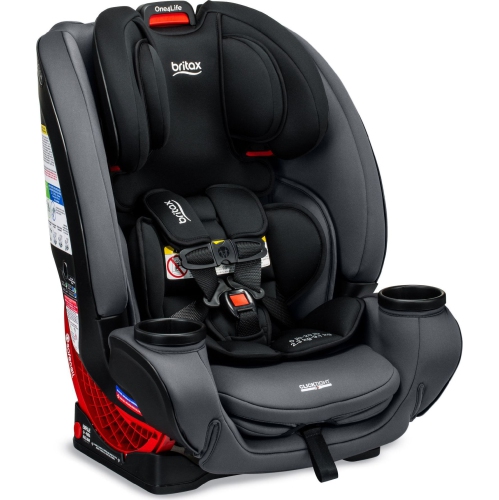
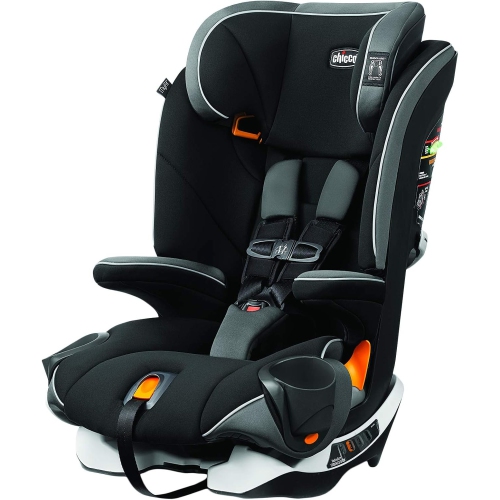
Belt fit, child readiness, and vehicle compatibility matter most
Highback booster car seats are designed for children who have outgrown a forward-facing car seat with an internal harness but are not yet large enough for an adult seat belt to fit safely on its own. Instead of restraining the child with a built-in harness, a booster raises the child’s seating position so the vehicle’s lap-and-shoulder belt can sit in the right places across the body. The high back also helps guide the shoulder belt and provides support around the head, neck, and torso, which can be especially helpful for children who still need a little structure to maintain a safe sitting position. Many families make this transition when their child has reached the minimum requirements listed by the booster’s manufacturer, often around 4 years of age, 40 lb, and 38 inch in height, although requirements vary by model and the child’s readiness matters just as much as their measurements. A child using a highback booster should be able to sit upright for the entire drive without leaning forward, sliding down, resting the shoulder belt behind their back, or placing the lap belt across their stomach. Provincial and territorial car seat laws also differ across Canada, so check the rules where you live and always follow the instructions supplied with the car seat and vehicle. Before choosing, measure the child, review the stated height and weight range, and confirm that the booster is certified for use in Canada. It is also worth checking the vehicle’s seating position, since some rear seats have a fixed headrest, a contoured back, or a short seat cushion that may affect fit. A highback booster is particularly useful when the vehicle seat or head restraint does not rise at least to the top of the child’s ears, giving the child added upper-body and head support during everyday travel.
The most important consideration is the final belt fit, not simply the appearance of the seat or the age printed on a shopping list. With the child sitting all the way back against the booster, the lap portion of the belt should lie low and snug across the upper thighs and hips, never across the soft abdomen. The shoulder portion should cross the centre of the chest and rest comfortably on the collarbone, without touching the neck or slipping off the shoulder. Children should use the booster in a seating position with both a lap and shoulder belt; a lap-only belt is not suitable for a booster. Have the child try the seat in the family vehicle before settling on a model whenever possible, particularly if you need to place more than one car seat across the second row, move the booster between vehicles, or make frequent school and activity drop-offs. A narrower design may make it easier to accommodate siblings, but the booster must still sit flat on the vehicle seat and allow the belt to move freely. Adjustable head and shoulder support can help the seat grow with a child, while armrests, cup holders, washable covers, and simple belt guides may make regular use more manageable. Comfort is not a minor detail: a child who is comfortable is more likely to remain positioned correctly through a long drive, a traffic delay, or a chilly journey when bulky coats and winter layers can change the way the belt sits. Remove thick outerwear before buckling, place the belt over the child’s properly fitted clothing, and use a blanket over the secured harness or belt if extra warmth is needed. Some boosters connect to the vehicle using lower anchors, while others rest on the vehicle seat and are held in place by the seat belt when occupied. These features do not replace the vehicle belt as the restraint for the child, so read the instructions closely and secure an unoccupied booster as directed when the vehicle is moving.
Highback booster car seats can be a practical choice for a growing family, a second vehicle, or grandparents and other caregivers who want a dedicated, easy-to-use option for regular rides. They can also be a thoughtful gift for a child reaching the next stage of car travel, although the child’s caregiver should confirm the measurements, vehicle fit, and local requirements before the purchase. Families comparing options may want a seat that converts to a backless booster later, while others may prefer a highback-only design that offers consistent head and shoulder support for the full period of use. The right choice depends on the child’s proportions, the vehicle’s belt geometry, the amount of space available, and how often the seat will be installed or transferred. Consider who will buckle the child, whether the seat will be used for short neighbourhood trips or extended highway journeys, and whether several children need to sit side by side. As the weather turns cooler, allow a few extra minutes to check that hats, scarves, coats, and blankets are not interfering with belt placement, and reassess the fit whenever a child grows noticeably. It is helpful to practise the routine at home: sit back, keep the hips positioned properly, place the lap belt low, guide the shoulder belt across the chest, and leave the belt flat without twists. Caregivers looking for a particular assortment can also browse Evenflo Booster Car Seats while comparing compatible features and fit. With careful selection and consistent use, a highback booster can make daily rides more comfortable while helping a child learn the seated habits needed for the eventual move to a regular vehicle seat belt.
The most important consideration is the final belt fit, not simply the appearance of the seat or the age printed on a shopping list. With the child sitting all the way back against the booster, the lap portion of the belt should lie low and snug across the upper thighs and hips, never across the soft abdomen. The shoulder portion should cross the centre of the chest and rest comfortably on the collarbone, without touching the neck or slipping off the shoulder. Children should use the booster in a seating position with both a lap and shoulder belt; a lap-only belt is not suitable for a booster. Have the child try the seat in the family vehicle before settling on a model whenever possible, particularly if you need to place more than one car seat across the second row, move the booster between vehicles, or make frequent school and activity drop-offs. A narrower design may make it easier to accommodate siblings, but the booster must still sit flat on the vehicle seat and allow the belt to move freely. Adjustable head and shoulder support can help the seat grow with a child, while armrests, cup holders, washable covers, and simple belt guides may make regular use more manageable. Comfort is not a minor detail: a child who is comfortable is more likely to remain positioned correctly through a long drive, a traffic delay, or a chilly journey when bulky coats and winter layers can change the way the belt sits. Remove thick outerwear before buckling, place the belt over the child’s properly fitted clothing, and use a blanket over the secured harness or belt if extra warmth is needed. Some boosters connect to the vehicle using lower anchors, while others rest on the vehicle seat and are held in place by the seat belt when occupied. These features do not replace the vehicle belt as the restraint for the child, so read the instructions closely and secure an unoccupied booster as directed when the vehicle is moving.
Highback booster car seats can be a practical choice for a growing family, a second vehicle, or grandparents and other caregivers who want a dedicated, easy-to-use option for regular rides. They can also be a thoughtful gift for a child reaching the next stage of car travel, although the child’s caregiver should confirm the measurements, vehicle fit, and local requirements before the purchase. Families comparing options may want a seat that converts to a backless booster later, while others may prefer a highback-only design that offers consistent head and shoulder support for the full period of use. The right choice depends on the child’s proportions, the vehicle’s belt geometry, the amount of space available, and how often the seat will be installed or transferred. Consider who will buckle the child, whether the seat will be used for short neighbourhood trips or extended highway journeys, and whether several children need to sit side by side. As the weather turns cooler, allow a few extra minutes to check that hats, scarves, coats, and blankets are not interfering with belt placement, and reassess the fit whenever a child grows noticeably. It is helpful to practise the routine at home: sit back, keep the hips positioned properly, place the lap belt low, guide the shoulder belt across the chest, and leave the belt flat without twists. Caregivers looking for a particular assortment can also browse Evenflo Booster Car Seats while comparing compatible features and fit. With careful selection and consistent use, a highback booster can make daily rides more comfortable while helping a child learn the seated habits needed for the eventual move to a regular vehicle seat belt.
Top selling and popular products
-
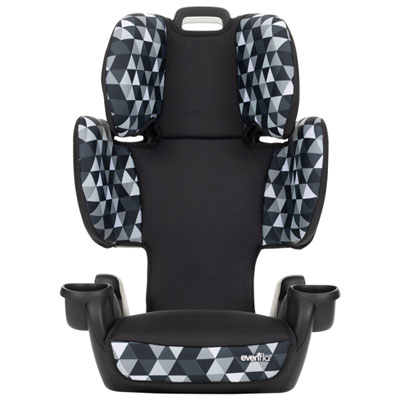 Your price for this item is $119.99
 -
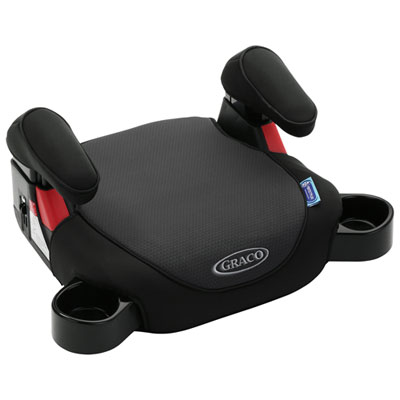 Your price for this item is $69.99
 -
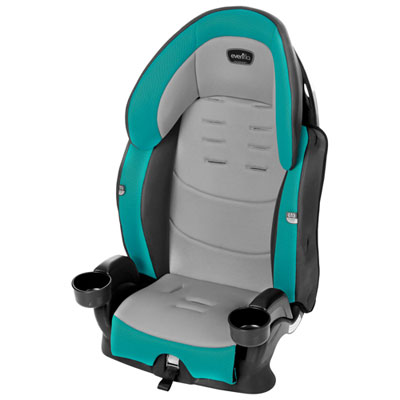 Your price for this item is $169.99
 -
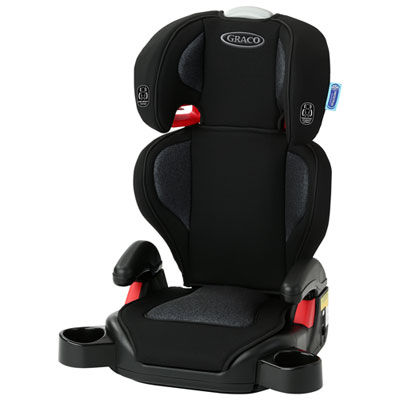 Your price for this item is $129.99
 -
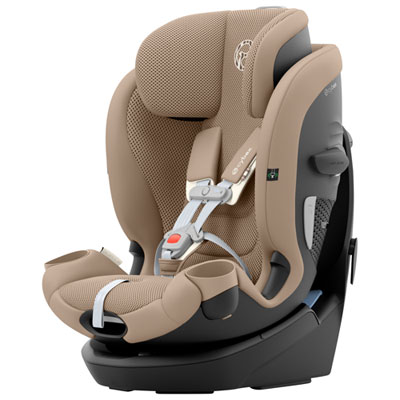 Your price for this item is $999.99
 -
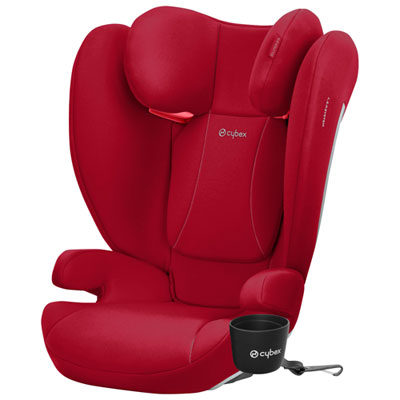 Your price for this item is $99.99
 -
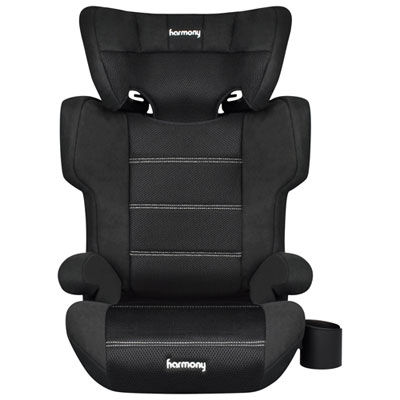 Your price for this item is $99.99
 -
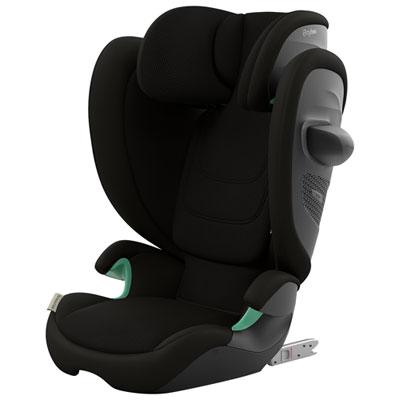 Your price for this item is $399.99
Discover more categories related to Highback Booster Car Seats

Top Collections:
Pokemon Centers, Kindle Devices, Best Budget Office Chairs, Apple iPhones 16, Canon G7X Cameras, iPhone 15 Apple, Alarm Clock, Refurbished Apple Laptops, Flip Phones, Best Laptops for Writers
Some products may be subject to Environmental Handling Fees
(EHF) depending on your province.
Learn more about EHFs.