Changing Table Dressers
A changing table is a must-have for any nursery, and it's also one of the most used pieces of furniture in your home. A good changing table will make diaper changes easier, more comfortable, and more convenient. It will also help keep your little one clean and dry.
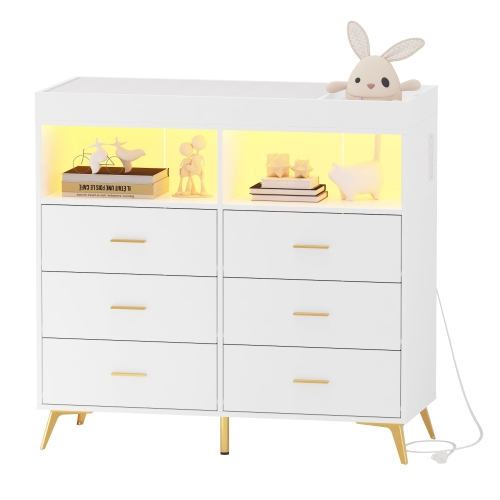
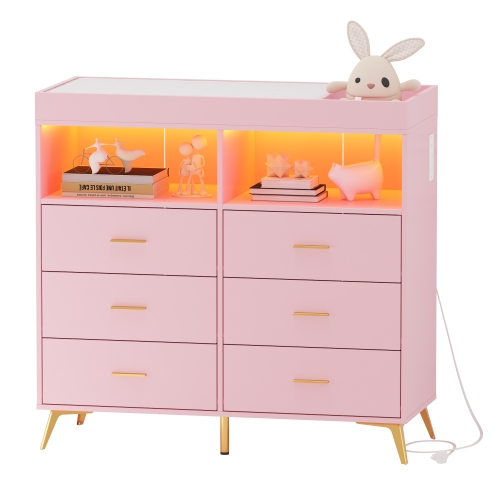

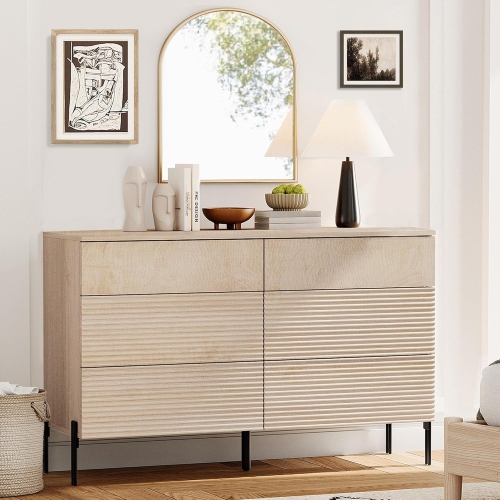
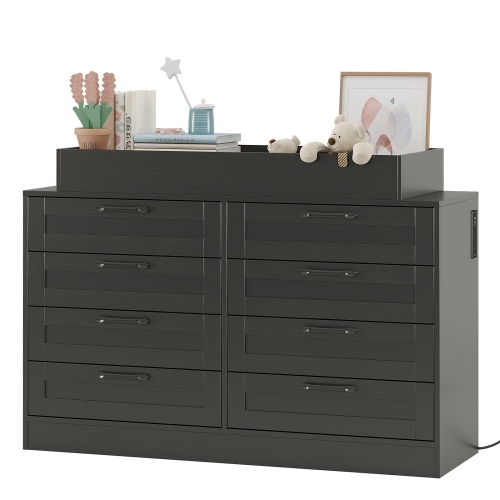
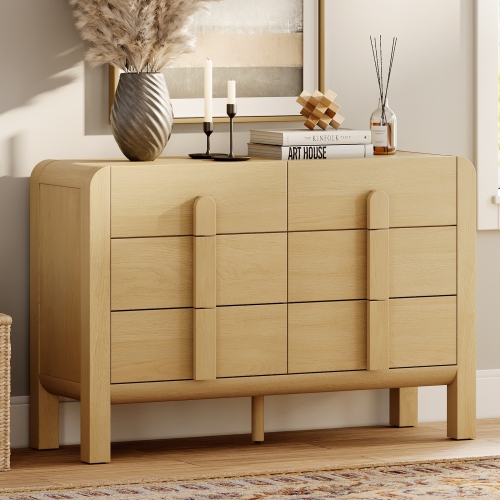
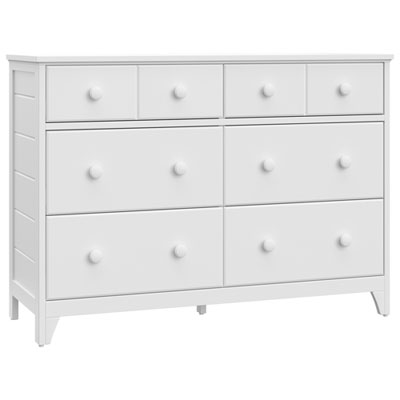
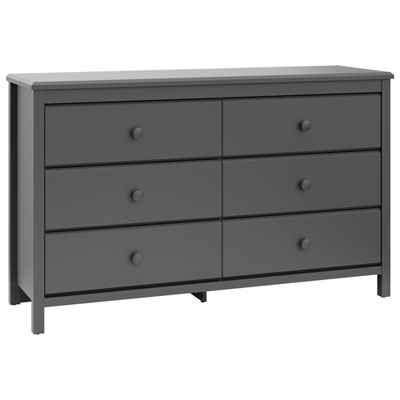


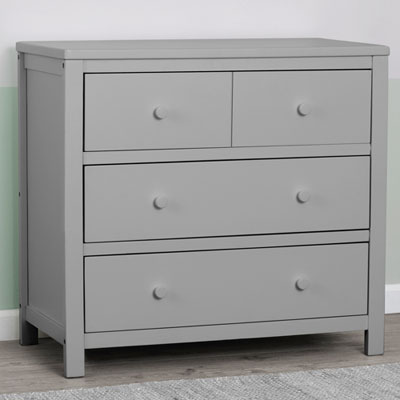
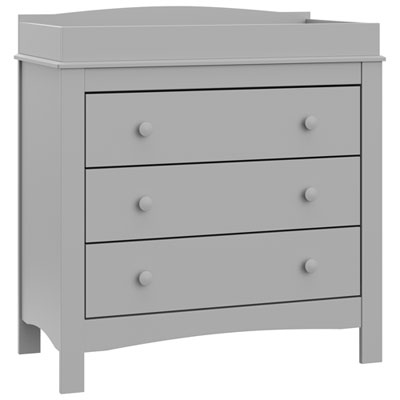
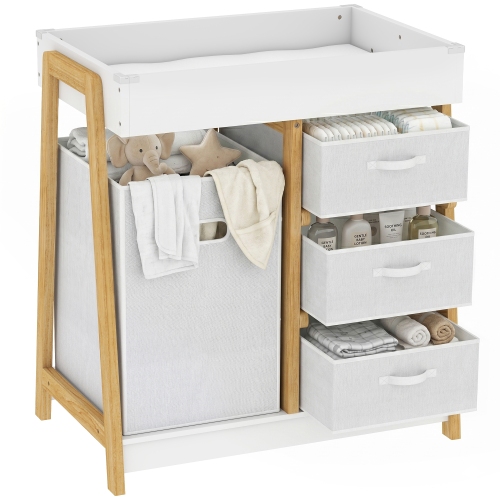

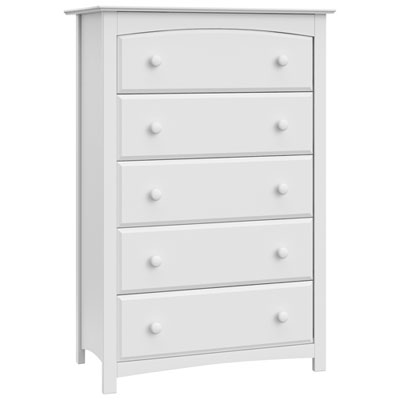
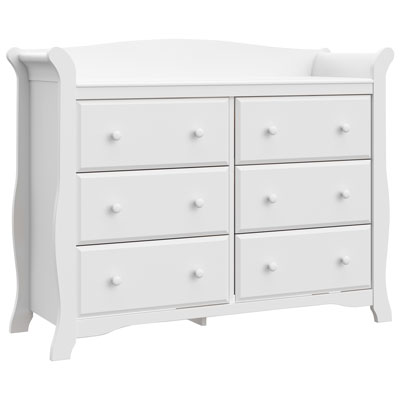
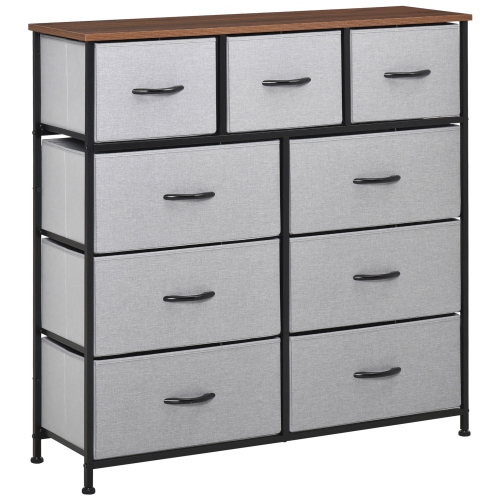
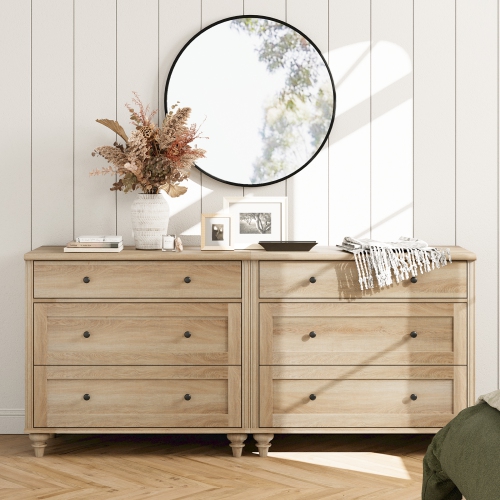
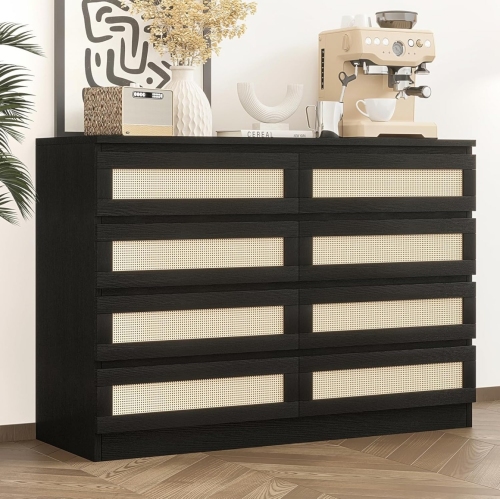
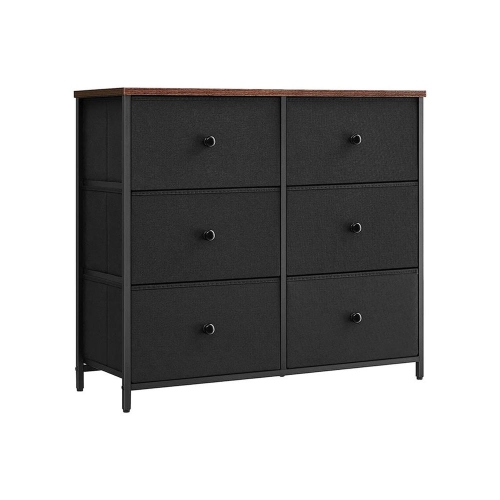




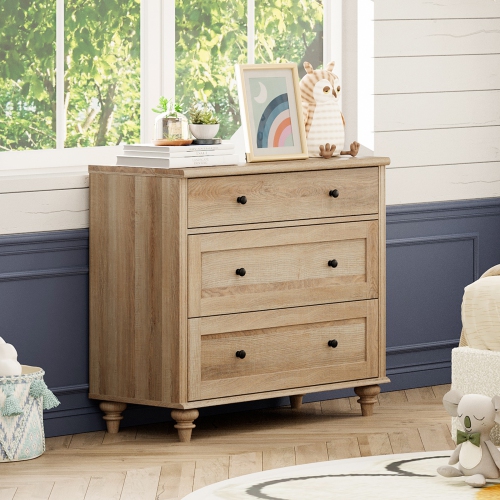
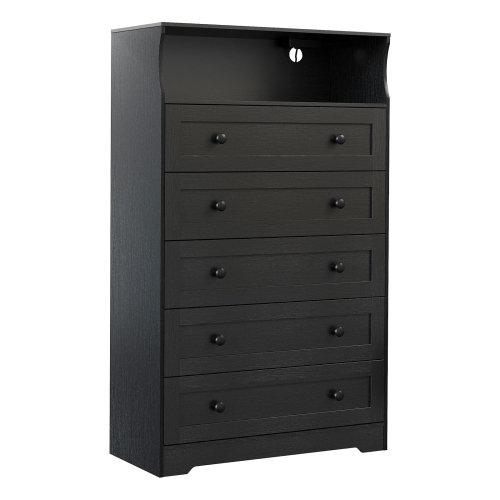
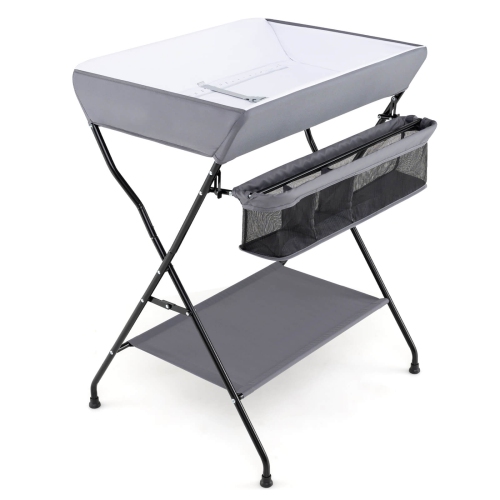
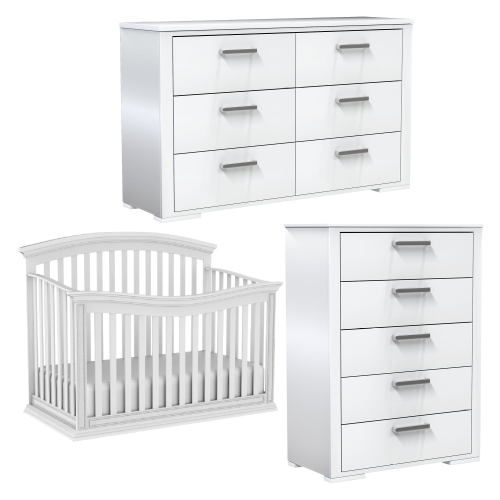



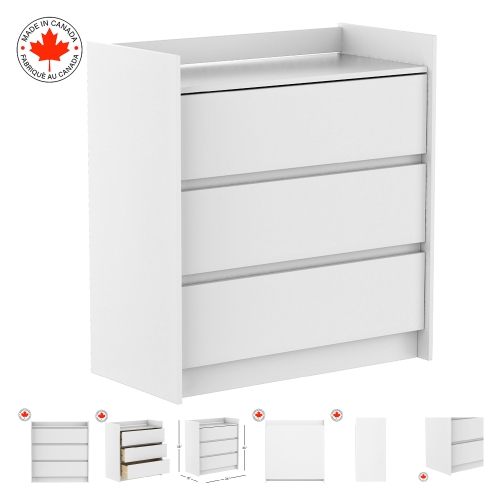
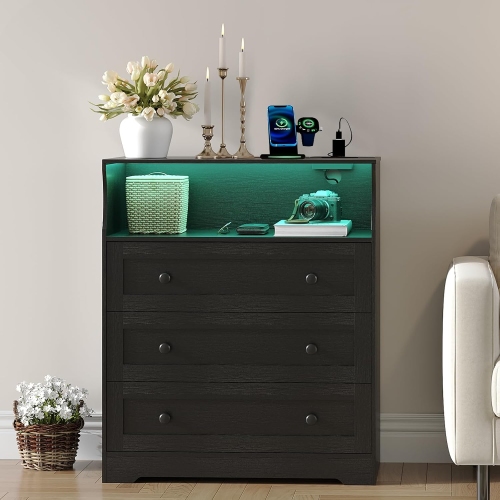
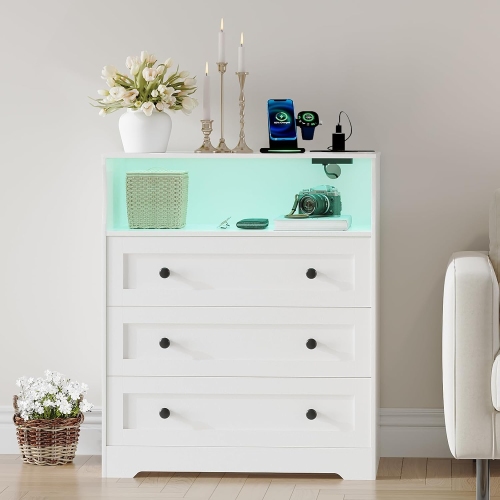
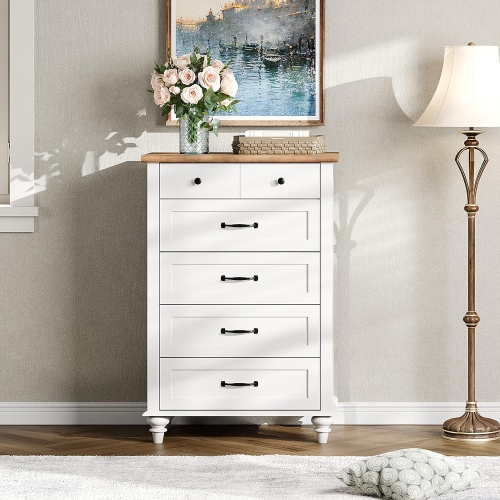
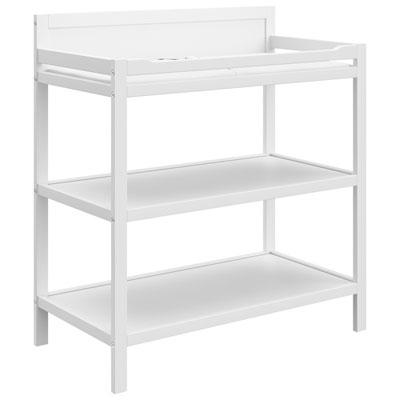


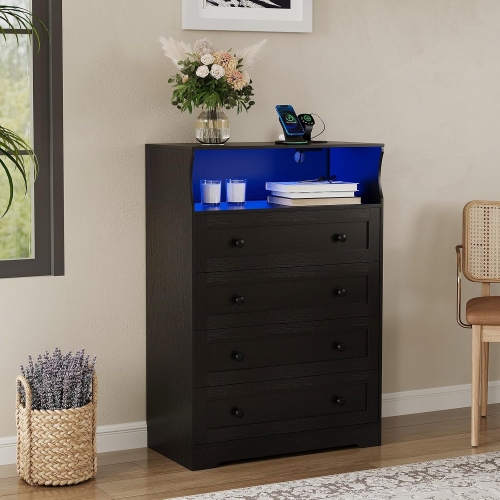

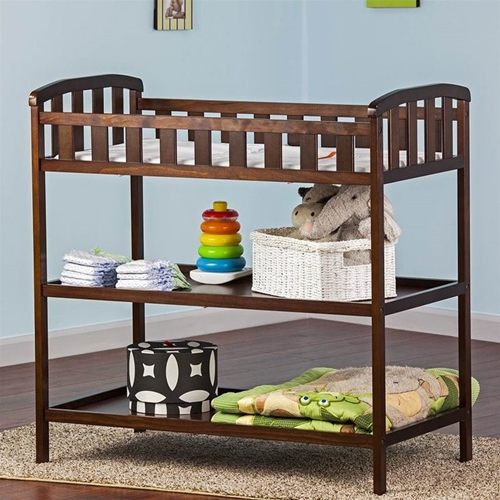
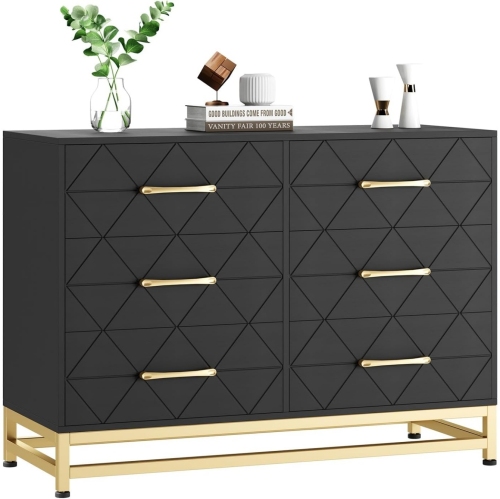

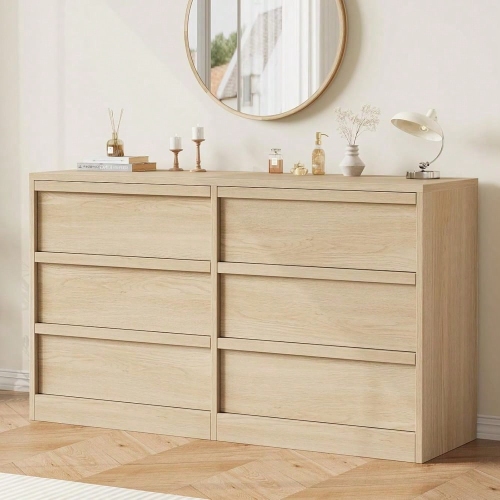


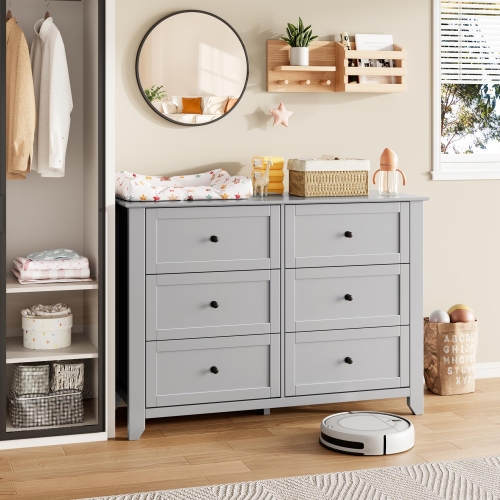

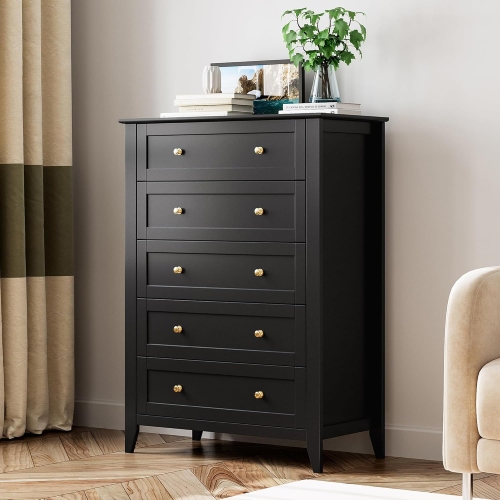
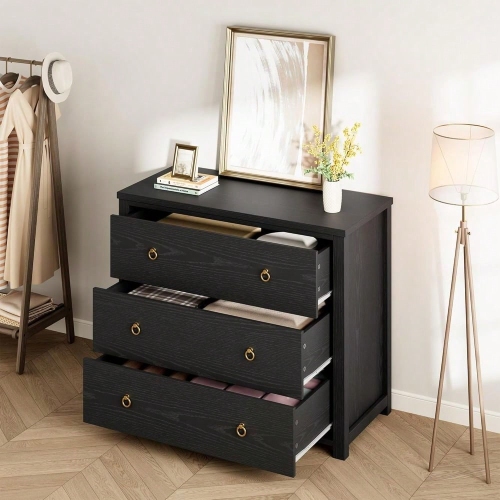
Stable Base
The base of the dresser should be wide enough to keep the unit stable. This prevents it from wobbling when you place items on top. An even surface is important to help maintain a stable position, especially when it comes to small nursery furniture.
Another way to prevent any tipping is to make sure the bottom of the changing table dresser is flat and level. This allows you to place it firmly on the floor without causing any rocking or movement.
Safety First
When shopping for a changing table dresser, make sure it's safe. Check that the drawers open and close easily and smoothly. Make sure the dresser doesn't rock or move when you place your baby on it. Look for models with locks on the casters to prevent slipping. Safe furniture is just as important as safe, nice strollers with adjustable handles and comfortable seating.
Be sure the surface is non-porous and easy to clean. You may want to cover it with a waterproof changing pad or other protective surface to keep your baby comfortable and clean. Some models have built-in diaper-disposal units, so you can dispose of used diapers without touching them.
Space-Saving Design
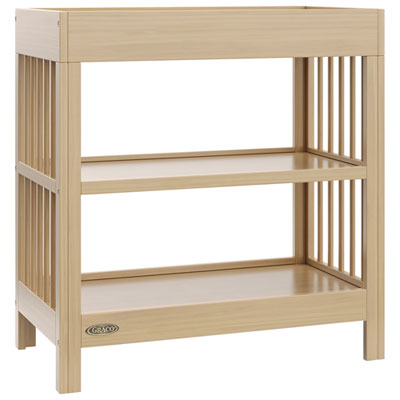
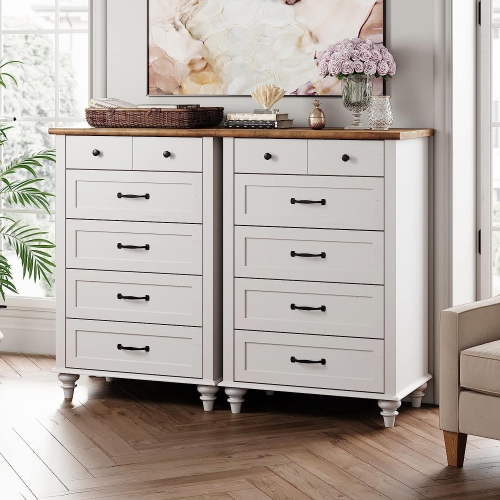
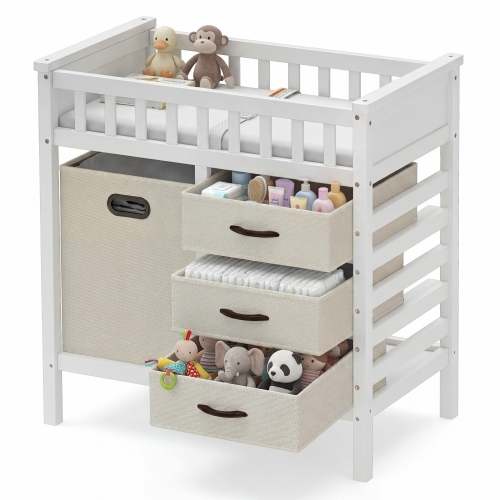
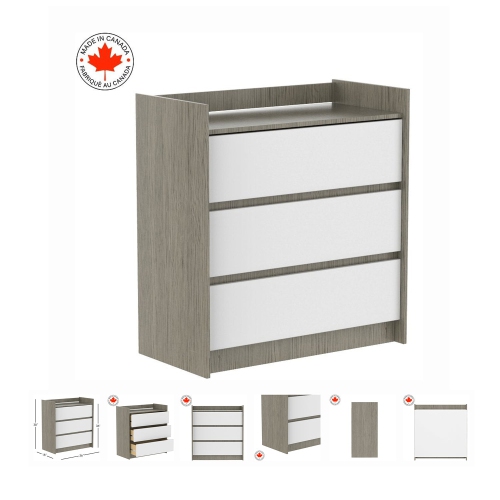
Dressers for changing tables come in a variety of designs, but the most important feature is compactness. Compact changing table dressers have a small footprint that fits well in compact nurseries, and they can also be moved to other rooms when your child grows up and graduates from diapers. Some models even have wheels for easy relocation.
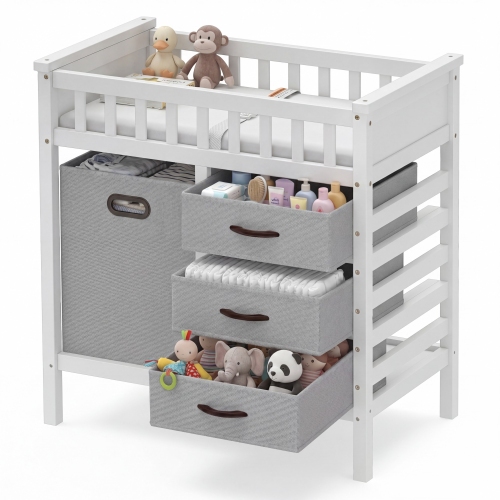
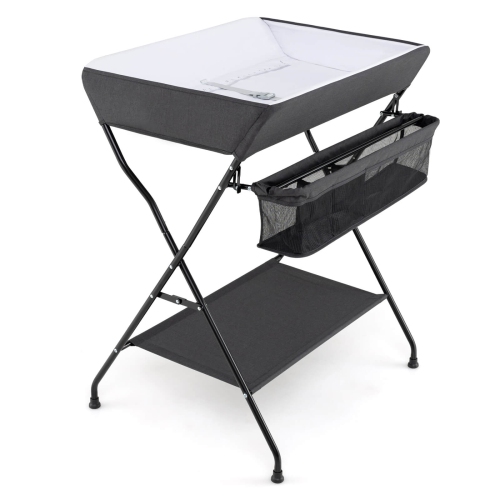
Some models have foldable legs, which allow them to be stored away when not in use. Some come with removable legs that can be tucked away under the dresser to save space or removed completely for floor use. You may find that some models have removable shelves or baskets, which you can remove when not in use to save space and make a great addition to your other home furniture pieces.
Everyday diaper changes with nursery storage close at hand
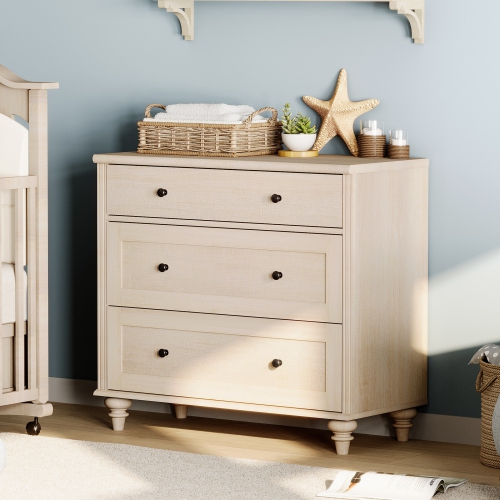
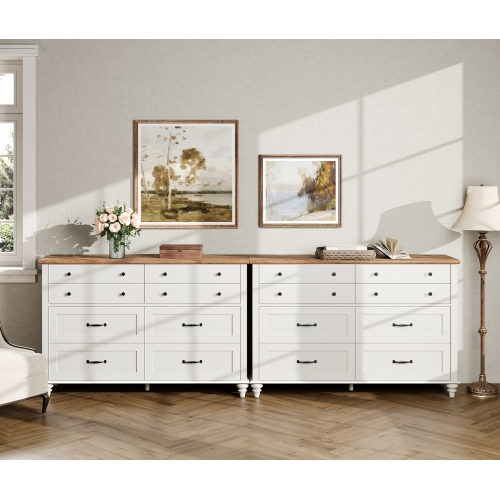
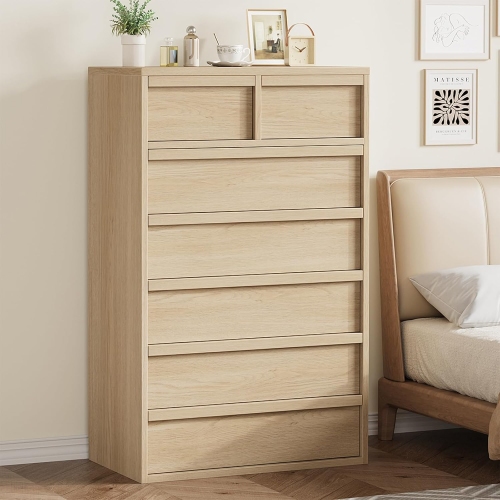
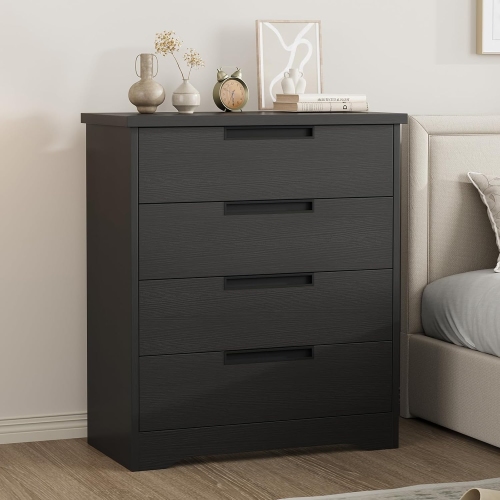
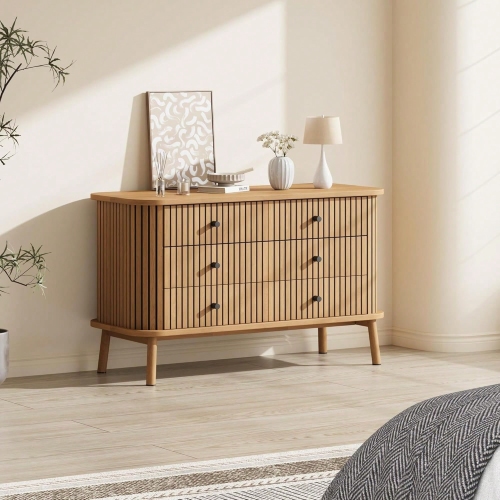
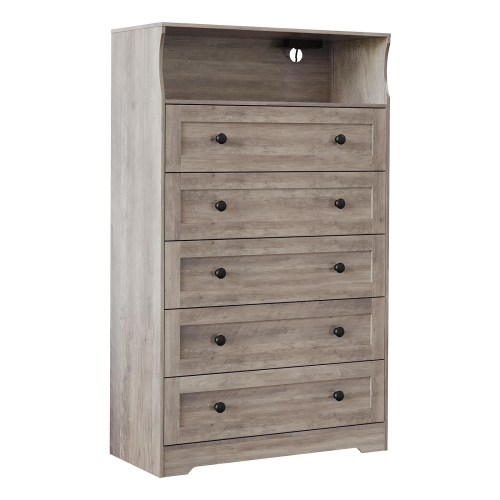
Materials and construction influence how a changing table dresser feels, how it handles daily use and how much care its finish needs. Solid wood can offer a substantial feel and visible grain, while wood veneers provide a real-wood surface over a different core material. Engineered wood is also common, often paired with painted, laminated or other finished surfaces. Material alone does not establish quality; sturdy joints, a stable frame, securely fitted hardware and drawers that move smoothly are important parts of the overall construction. A broad top should be supported as intended, and drawer bases need to accommodate their stated load limits without being overfilled. Frequently used drawers benefit from comfortable handles and controlled movement, especially when a caregiver needs to retrieve a washcloth while keeping a hand on the baby. Soft-close hardware can reduce abrupt closing, but it does not replace supervision or make drawers safe for climbing. Finish choice has a visual and practical role. White, grey and natural wood tones can coordinate with many nursery styles, while a darker finish may create a stronger contrast with pale walls and textiles. Decorative grooves and detailed handles bring character, though simpler surfaces generally have fewer places for dust to collect. Everyday care usually involves prompt attention to spills and gentle cleaning with products permitted by the manufacturer. Excess moisture, abrasive pads and harsh cleaners can damage some finishes, particularly around seams and edges. Removable drawer organizers can help keep tiny garments separated, but they should fit without interfering with drawer movement. Changing pads and their covers have their own care requirements, so furniture care and pad cleaning may need different approaches. A wipe-clean changing surface and washable cover can simplify cleanup, but neither should be assumed to tolerate every cleaning product. Checking those care details helps preserve the furniture’s appearance through repeated use, from the first drawer of newborn sleepers to larger clothing later on.
A safe changing setup depends on the complete combination of dresser, topper, pad, assembly and placement. Not every dresser is intended to serve as a changing table, and a pad that happens to fit across the top does not establish compatibility. Purpose-designed changing table dressers should be used with the changing components and attachment method specified by their manufacturer. The pad’s dimensions, the topper’s internal measurements and any required fastening points all matter; raised sides alone do not secure an unsuitable pad or prevent a fall. Follow the stated age, weight and developmental limits for the changing surface, and stop using it for changes when the child reaches any applicable limit. An attached tray is not a restraint, and any supplied restraint must be used as directed without replacing continuous adult supervision. Keep one hand on the baby throughout a change, with necessary supplies within the caregiver’s reach but beyond the child’s reach. If something has been forgotten, take the baby along rather than stepping away. The changing surface is for supervised care, not sleep. Dresser anchoring is equally important: secure the furniture to the wall using the manufacturer’s specified anti-tip system and hardware appropriate to the wall construction, even when the dresser feels heavy. A toddler pulling on a drawer can create a tipping hazard, and storing heavier belongings lower down does not replace anchoring. Placement should also keep window-covering cords, electrical cords and other hazards away from the changing area. For parents preparing a nursery, these practical details often matter more than matching every piece of furniture exactly. For grandparents or other regular caregivers, familiar drawer organization can make visits and daily routines easier. A changing table dresser can also be a thoughtful group baby-shower gift when the recipients have confirmed the dimensions, finish and intended setup. Designs with removable changing components may continue serving as clothing storage well beyond the diaper years, with ongoing checks of drawer hardware, furniture condition and wall attachments as the child grows.
Top selling and popular products
-
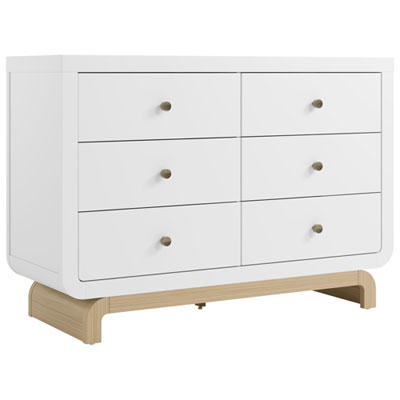 Your price for this item is $899.99
-
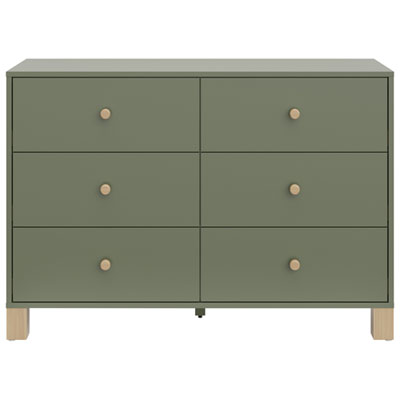 Your price for this item is $699.99
-
 Your price for this item is $699.99
-
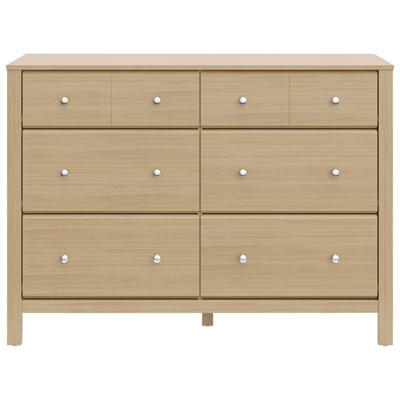 Your price for this item is $399.99
-
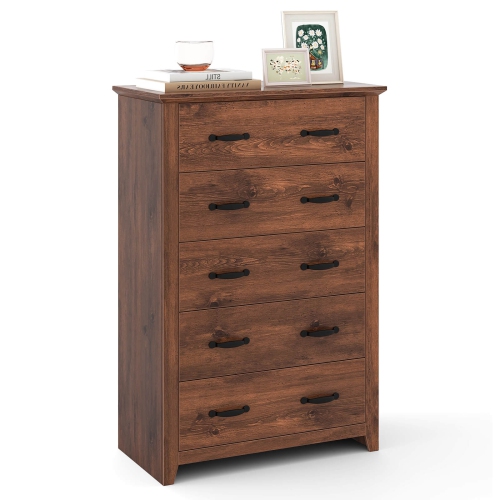 Your price for this item is $344.99
-
 Your price for this item is $804.44
-
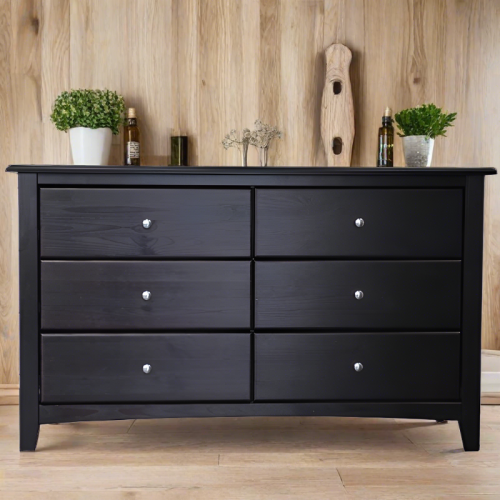 Your price for this item is $575.95
-
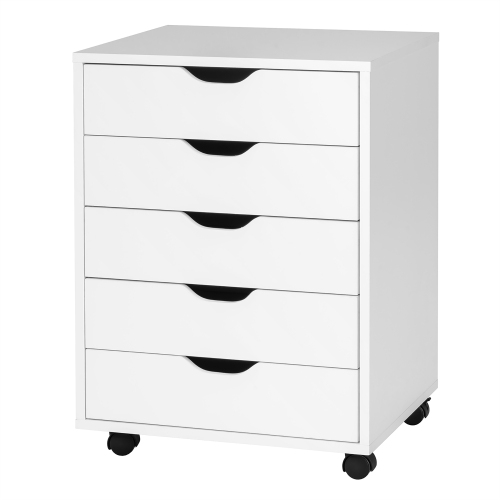 Your price for this item is $128.99
