Changing Tables With Drawers
Keeping your baby's essentials organized and easily accessible is a top priority for any parent. That's where changing tables with drawers comes in handy. With their clever design and ample storage space, these versatile pieces of furniture not only provide a safe and comfortable spot for diaper changes but also offer convenient storage for diapers, wipes, clothing, and other baby essentials. Check out some great options here for you.
Sort
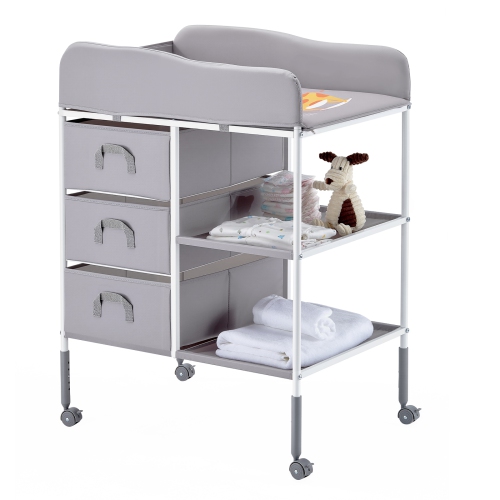
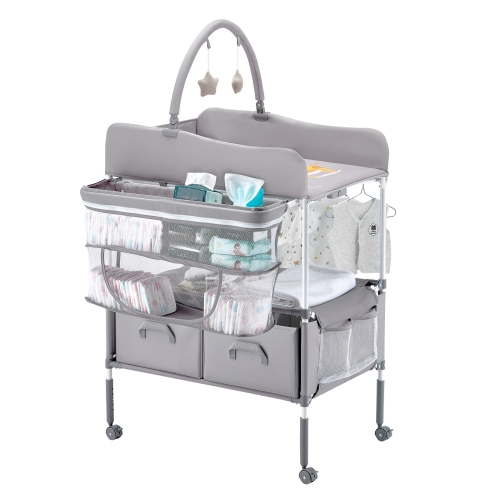
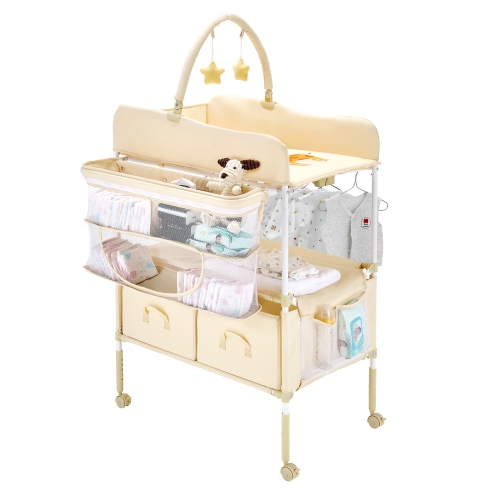
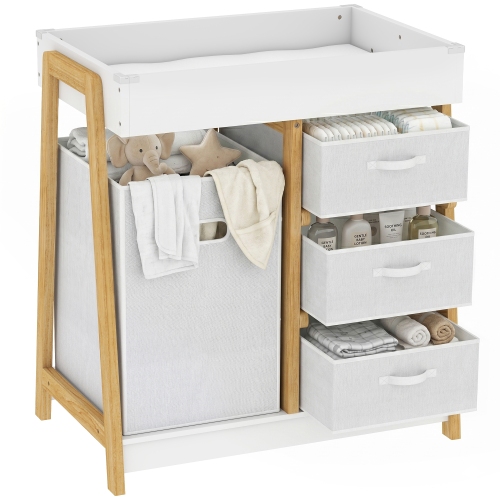
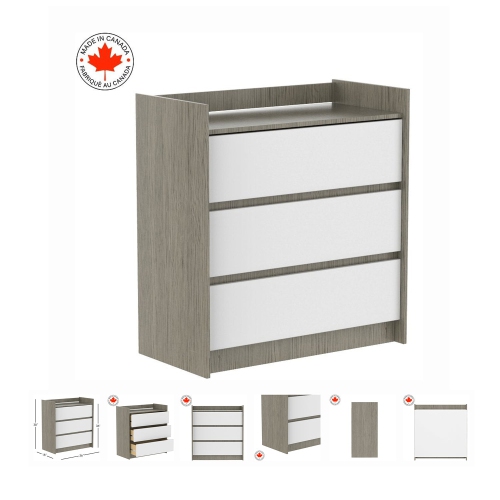
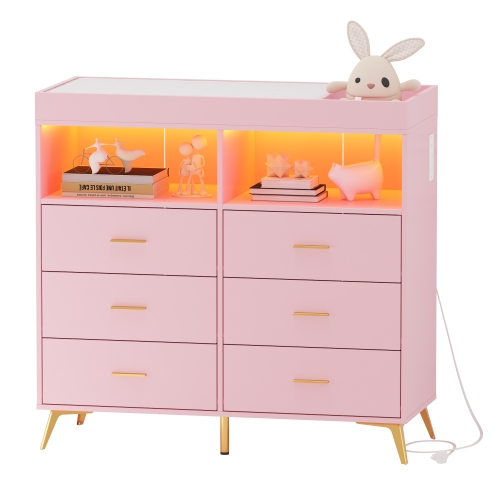

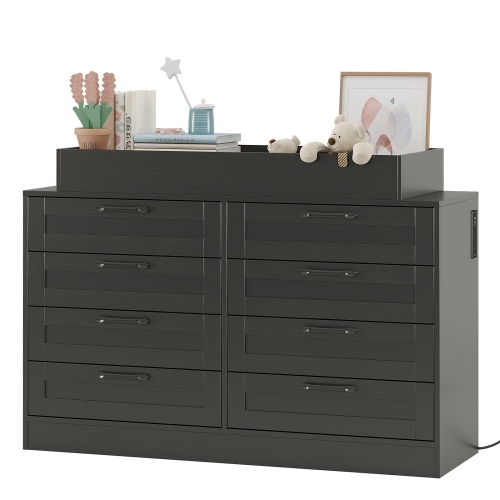
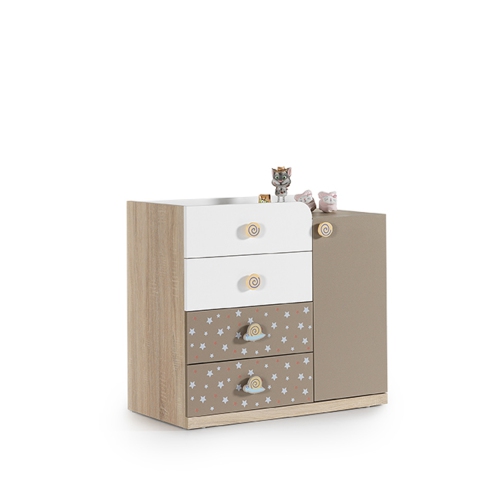
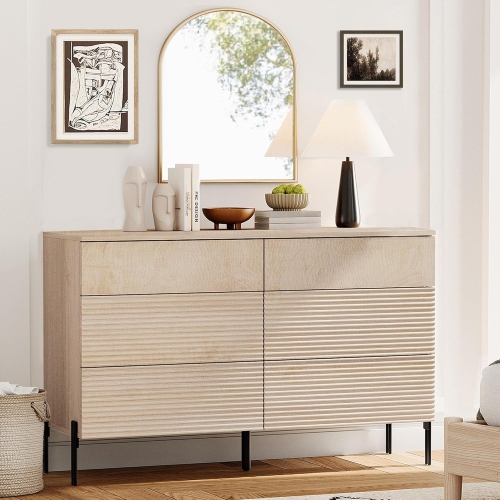
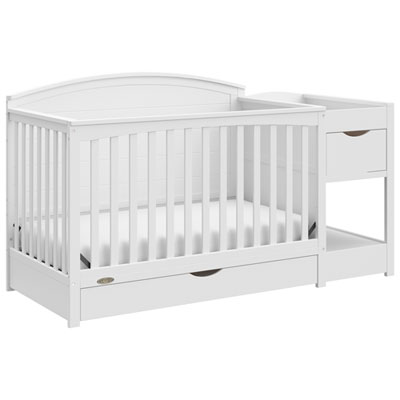
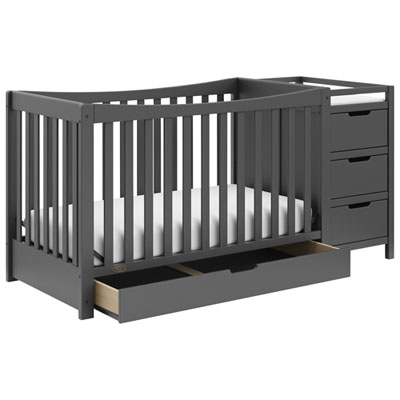
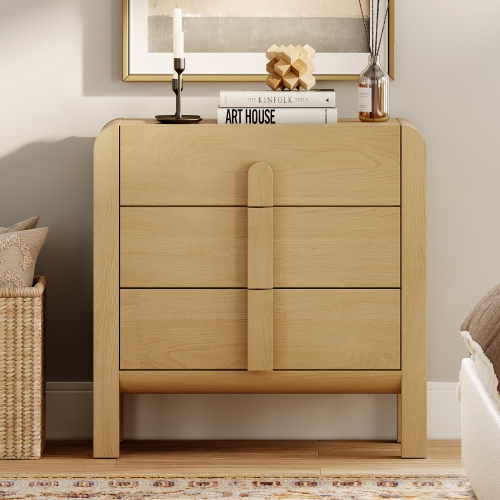
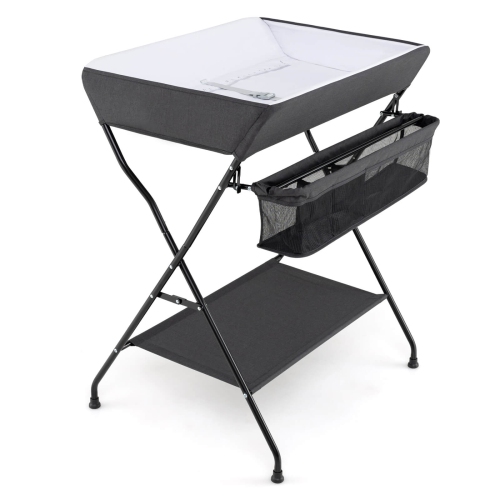
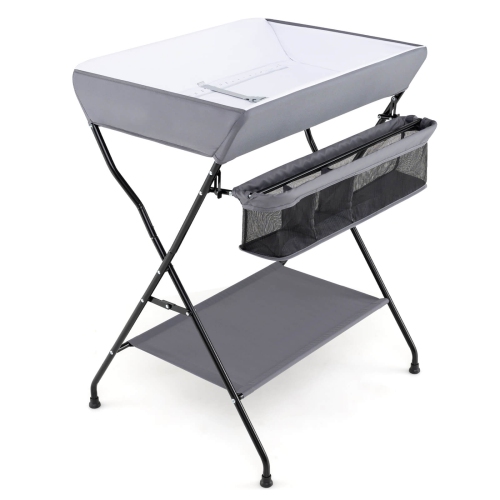
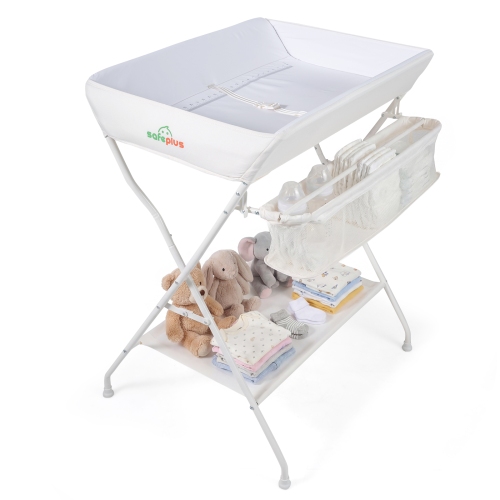
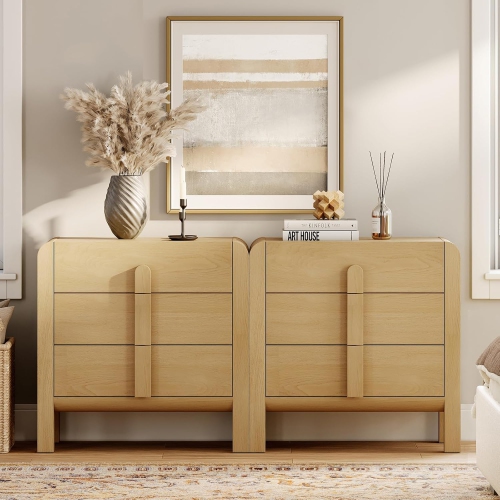
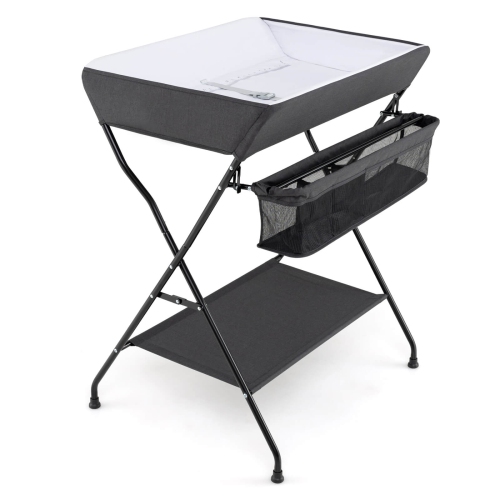
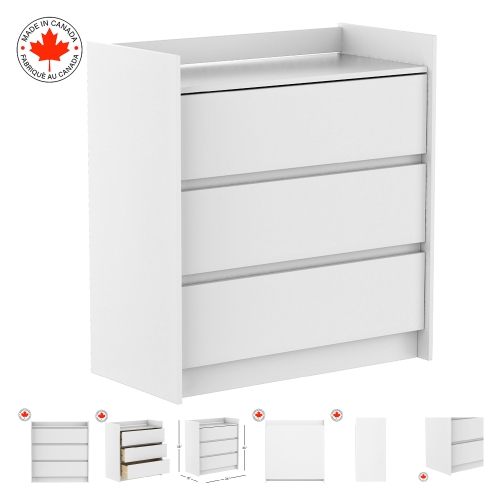
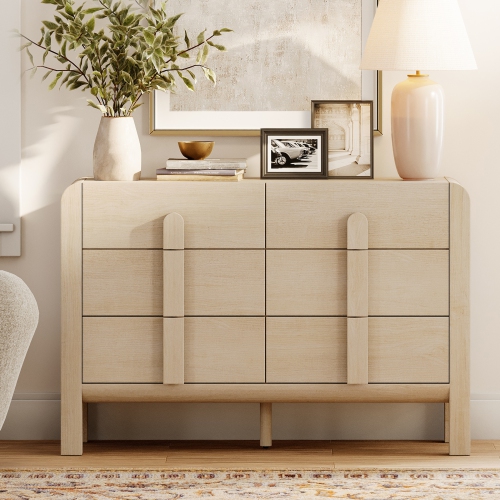
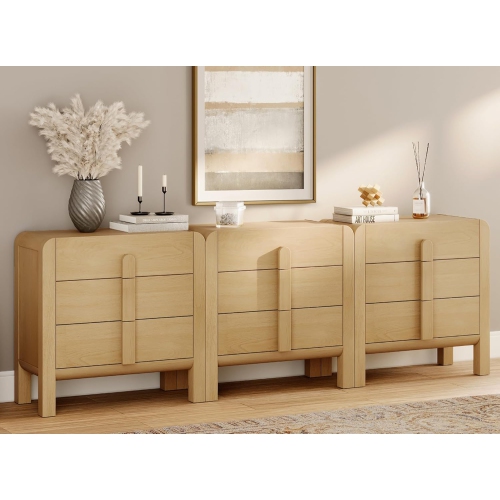
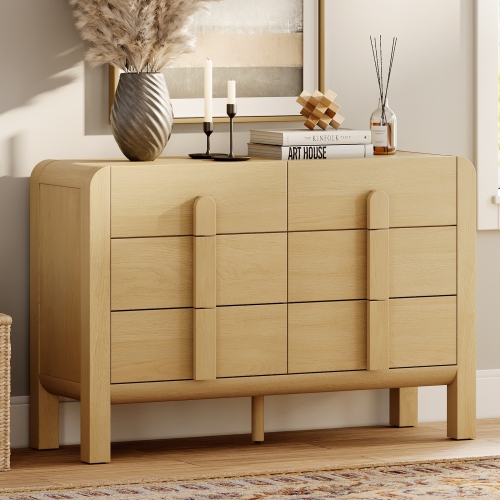
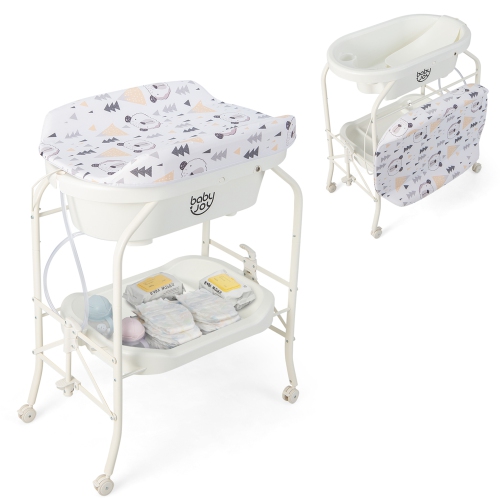

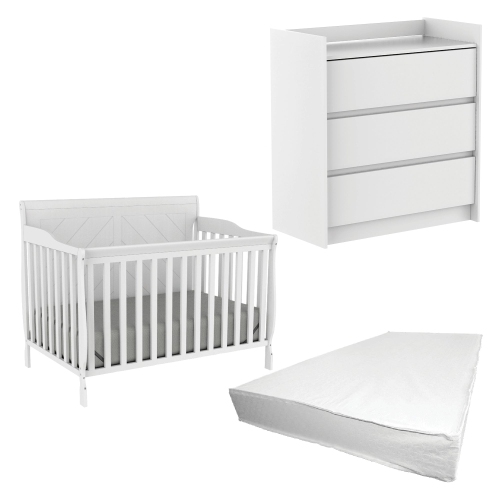
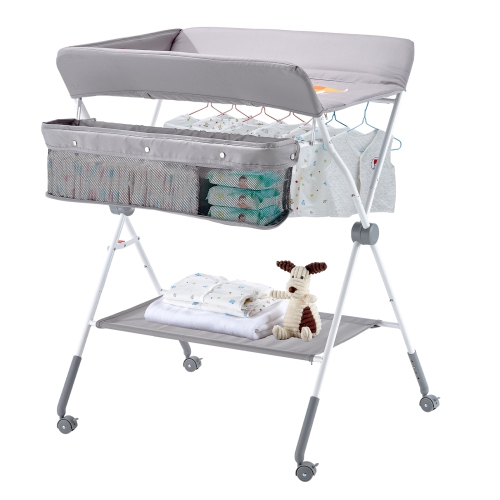
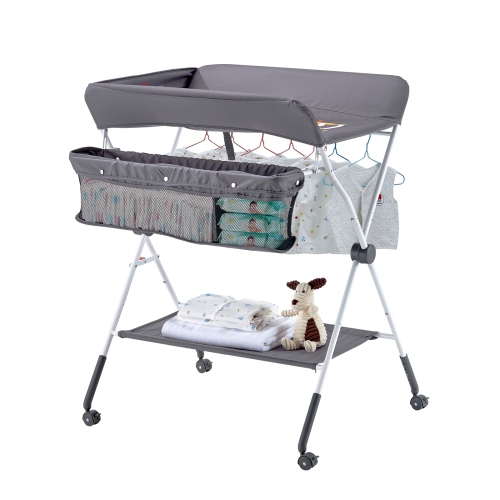
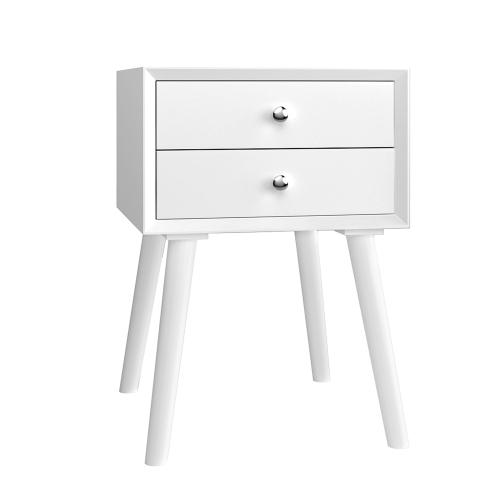
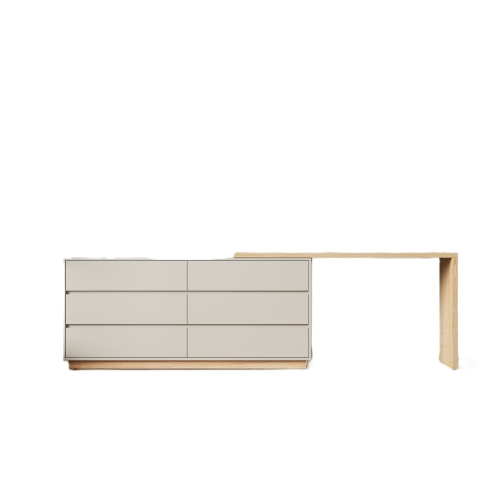
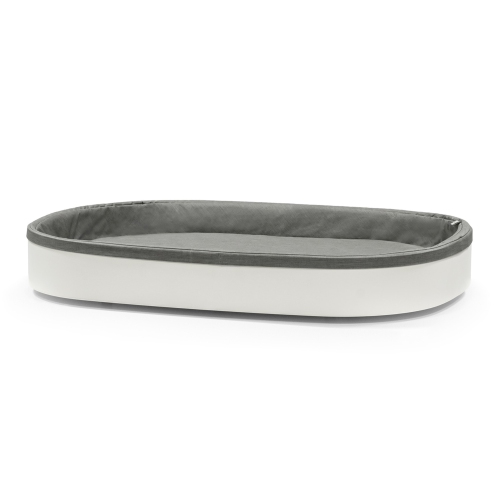

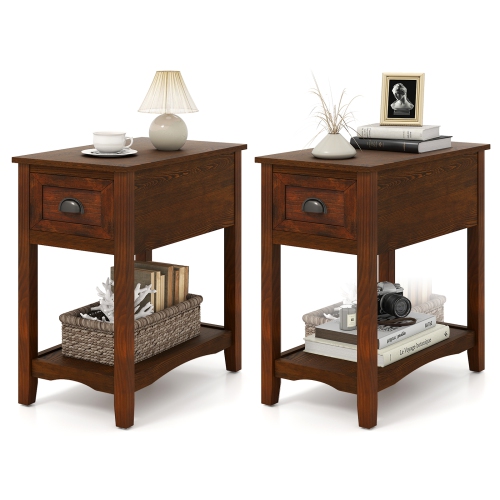
Diapering essentials within reach and out of sight
Changing tables with drawers combine a dedicated surface for diaper changes with enclosed storage for baby care essentials. By bringing the changing area and storage together, they help keep diapers, wipes, clean clothing, and spare changing pad covers close to the caregiver without leaving everything on display. This makes them useful in nurseries, shared bedrooms, and other spaces where everyday baby care needs a clearly organized home. A dedicated changing table usually centres on diapering, while a changing dresser may offer larger drawers and a changing topper that can be removed if the manufacturer allows it. Drawer arrangements affect how the furniture works day to day: shallow upper drawers can separate small essentials, while deeper drawers can accommodate folded sleepers, towels, and extra linens. A practical layout might place diapers and unopened wipes in the top drawer, clean bodysuits and sleepers in the middle, and spare bedding below. Drawer dividers help prevent tiny socks and washcloths from disappearing beneath larger clothing, though their dimensions need to suit the drawer interior. Keeping a replacement outfit together can also make a messy change less disruptive, especially when dressing a baby involves several small pieces. Ointments, medicines, and other items that could be harmful to children need secure storage rather than simply a convenient drawer. Closed drawers give the room a tidier appearance than open shelving, while designs that combine both can leave space for baskets or frequently used linens. White finishes, visible wood grain, and darker tones each create a different look alongside a crib or wardrobe; matching the exact finish is less important than choosing proportions and colours that sit comfortably together. For new parents, grandparents, or other regular caregivers, this furniture provides a consistent place for a repetitive daily task. It can also be a thoughtful baby shower gift when the recipient’s room measurements, preferred style, and practical needs are confirmed beforehand.
The right fit depends on the entire changing setup, not just the width of the furniture. Measure the intended location and allow room for drawers to open fully without obstructing a doorway, wardrobe, or the caregiver’s standing space. Check the overall height with the intended changing pad in mind: a comfortable working position helps reduce unnecessary bending, but the surface must still be suitable for the child and used within the manufacturer’s limits. A deep cabinet can provide generous storage yet feel cumbersome in a narrow room, while a compact design may require more frequent replenishing of diapers and clothing. Changing pads and toppers are not universally interchangeable, so confirm the required dimensions, attachment method, and whether these components are included or needed separately. Raised edges and restraint straps do not replace hands-on supervision; keep one hand on the baby during changes, gather supplies beforehand, and never leave a baby unattended on an elevated surface. If something is out of reach, take the baby along rather than stepping away. The changing surface is not a sleeping space, even when a baby becomes drowsy after dressing. Furniture construction matters just as much as the layout. Solid wood, engineered wood, or a combination of materials can be used, with durability depending on the quality of the joints, drawer supports, hardware, and finish as well as the material itself. Smooth drawer movement is helpful when retrieving a fresh sleeper, and drawer stops can help prevent accidental removal where fitted. Soft-closing hardware may reduce noise, but it does not remove the need to keep little fingers clear. Handles should be firmly attached, and exposed surfaces should be smooth and free of damaged edges. Assemble and anchor the furniture exactly as directed, using hardware suitable for the wall construction where required. Keep drawers closed when they are not being used, and do not allow children to climb them. Position the unit away from windows, blind cords, and other reachable hazards, with the changing area clear of loose objects that a baby could pull down.
Care and upkeep are especially important for furniture used around wipes, damp clothing, and frequent small spills. A smooth, wipeable finish can simplify everyday cleaning, but cleaning methods should follow the furniture manufacturer’s directions rather than assumptions about the material. Wipe up moisture promptly, avoid leaving wet cloths on the surface, and use only cleaners approved for the finish. Excess water can affect joints and edges, particularly where protective coatings have been scratched or worn. Changing pad covers should be washed according to their care labels, and the pad itself should be cleaned and checked for damage as directed. Having a clean spare cover nearby is useful when a diaper change turns into a full clothing change. Drawer interiors benefit from occasional emptying and wiping, followed by thorough drying before clothes and linens are returned. Periodically check that handles, fasteners, drawer runners, and any changing attachments remain secure, especially after moving the furniture. Storage capacity is most useful when drawers are easy to sort through rather than packed tightly; bulky items should not interfere with smooth closing or exceed the stated drawer load limits. As a child grows, reassess both the drawer contents and the suitability of the changing surface. Follow the manufacturer’s stated age, weight, and developmental limits, and stop using the changing function when any applicable limit is reached. Where an approved removable topper is part of the design, taking it off can allow the dresser to continue holding clothing, bedding, or other everyday belongings. This flexibility can be valuable in a child’s room that needs to accommodate larger clothing and different routines over time. Elsewhere in the home, Tables With Storage Drawer offer storage for other household needs, but ordinary tables should not be treated as substitutes for furniture designed and approved for changing a baby. For a nursery, the most useful choice balances accessible storage, appropriate dimensions, sound construction, and straightforward care, with a changing setup that suits the caregiver’s routine and the child’s stage of development.
Top selling and popular products
-
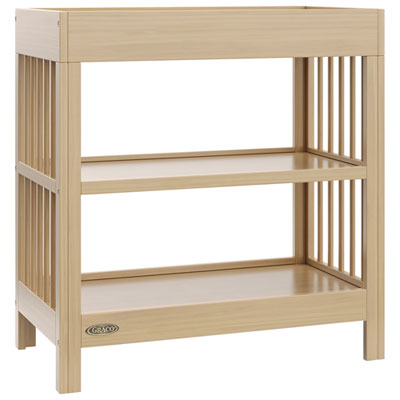 Your price for this item is $149.99
-
 Your price for this item is $179.99
-
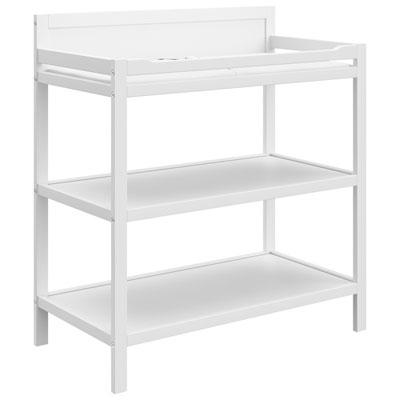 Your price for this item is $189.99
-
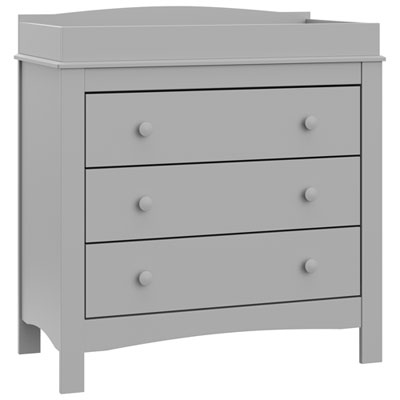 Your price for this item is $399.99
-
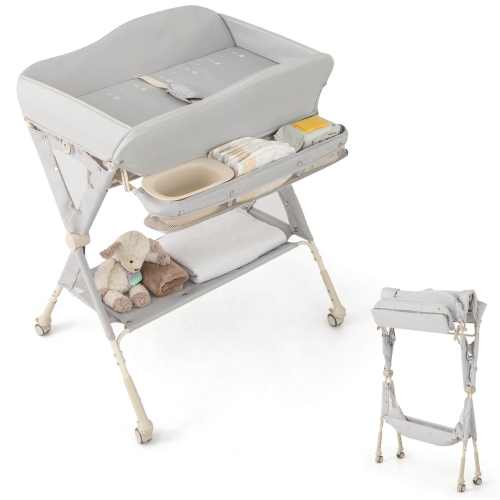 Your price for this item is $146.99
-
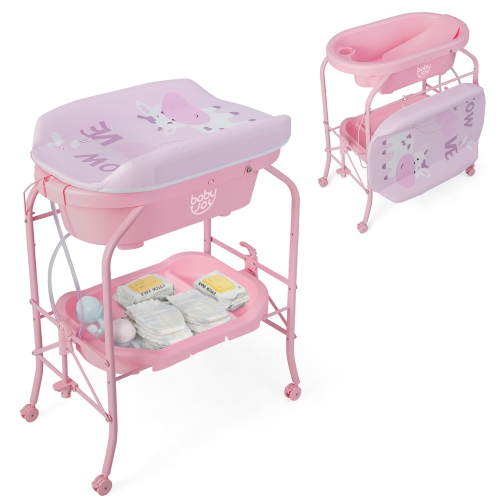 Your price for this item is $206.99
-
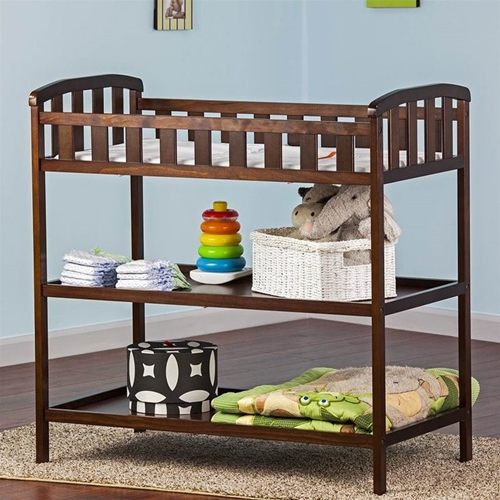 Your price for this item is $89.99
-
 Your price for this item is $209.99
Discover more categories related to Changing Tables With Drawers


Top Collections:
Best Black Friday Deals This Year, Best Black Friday Deals On Electronics, Kindle Devices, Pokemon Centers, Best Black Friday Deals On Apple Products, Best Cameras for Sports Photography, Dyson Airwrap, Pokémon 30th Celebration Cards, Apple iPhone 17 Pro, Canon G7X Cameras
Some products may be subject to Environmental Handling Fees
(EHF) depending on your province.
Learn more about EHFs.